
The Baby Financial Checkup: Regularly Reviewing Your Finances


Welcome to BabyCareHub, your ultimate guide to navigating the incredible journey of parenthood! Are you ready to confidently tackle the exciting – and sometimes overwhelming – world of newborn care? We understand that preparing for a baby involves much more than just assembling a nursery. That's why we've created this comprehensive resource, packed with practical advice and expert insights. Discover our essential Baby budget planning checklist and take control of your finances, ensuring a smooth and stress-free start to your parenting adventure. Let's get started!
- Understanding Your Newborn's Financial Needs: A Baby Budget Planning Checklist
- Creating a Realistic Baby Budget: Strategies for First-Time Parents
- Regularly Reviewing Your Baby's Finances: A Step-by-Step Guide
- Long-Term Financial Planning for Your Child: Investments and Savings
- Resources for Baby Budget Planning and Financial Wellness
- Frequently Asked Questions
- Final Reflection: Securing Your Little One's Future, One Budget at a Time
- Unlock Your Family's Financial Future: Start Planning Today!
Understanding Your Newborn's Financial Needs: A Baby Budget Planning Checklist
Becoming a parent is one of life's most joyous occasions, filled with love, laughter, and…a significant shift in your financial landscape. Navigating the costs associated with raising a child can feel overwhelming, especially for first-time parents. This comprehensive guide provides a practical "Baby budget planning checklist" to help you understand and manage the financial demands of welcoming your little one. We'll break down essential and unexpected expenses, offering strategies for budgeting and tracking your spending, ensuring you're financially prepared for this incredible journey.
Remember, proactive financial planning empowers you to focus on what truly matters: cherishing those precious moments with your baby. Let's dive into creating a realistic and sustainable budget for your growing family! 🎉
Essential Baby Expenses: Diapers, Formula/Breastfeeding Costs, and Clothing
The arrival of a baby brings a wave of adorable outfits and essential supplies. However, these seemingly small purchases can quickly add up. Let's examine the core expenses you should budget for:
- Diapers: Diaper costs vary significantly depending on brand, size, and whether you opt for disposables or cloth diapers. A realistic estimate for disposable diapers is between $50 and $150 per month, depending on your baby's usage. Cloth diapers, while offering long-term savings, require an upfront investment in the initial purchase of diapers, covers, and cleaning supplies. Consider factoring in the cost of laundry detergent and electricity for washing.
- Formula/Breastfeeding Costs: Breastfeeding is often touted as the more economical option, but it's crucial to account for potential costs like nursing bras, breast pumps (if needed), and nursing pads. Formula feeding, on the other hand, involves the consistent purchase of formula, which can range from $100 to $250 per month or more, depending on your baby's consumption.
- Clothing: While hand-me-downs can significantly reduce costs, newborns grow rapidly, requiring frequent clothing purchases. Budget for a range of clothing items, including onesies, sleepers, socks, and outerwear, keeping in mind seasonal changes. A reasonable estimate for clothing expenses could range from $50 to $150 per month in the first year.
Unexpected Baby Costs: Healthcare, Emergency Funds, and Unexpected Expenses
Beyond the essential items, several unexpected expenses can arise. Preparing for these contingencies is crucial for maintaining financial stability:
- Healthcare: Medical expenses for your baby can be substantial. Factor in costs associated with well-baby checkups, vaccinations, potential illnesses, and unforeseen medical emergencies. Consider the cost of health insurance premiums and any co-pays or deductibles. It's wise to have a dedicated savings account for healthcare expenses.
- Emergency Fund: Life throws curveballs. Having a dedicated emergency fund for unexpected costs related to your baby is essential. This fund can cover things like unexpected medical bills, repairs to baby equipment, or unforeseen childcare needs. Aim to save at least [Specific amount pending] for emergencies.
- Unexpected Expenses: From damaged car seats to replacing lost pacifiers, small unexpected expenses can accumulate quickly. Building a buffer into your budget for these smaller, unplanned costs can help prevent financial stress. Consider setting aside a small amount each month for these unpredictable expenses.
Tracking Your Baby's Expenses: Budgeting Apps and Spreadsheet Templates
Effectively tracking your baby's expenses is key to staying on budget. Several tools can help simplify this process:
- Budgeting Apps: Numerous budgeting apps (e.g., Mint, YNAB) offer features for tracking spending, setting budgets, and analyzing your financial habits. These apps can help you categorize expenses related to your baby, providing a clear overview of your spending patterns.
- Spreadsheet Templates: A simple spreadsheet can be a powerful tool for tracking expenses. You can create custom categories to monitor diaper costs, formula/breastfeeding costs, healthcare expenses, and more. This allows for a highly personalized tracking system tailored to your specific needs. Regularly reviewing your spreadsheet helps you identify areas where you can save money and adjust your budget as needed.
Remember, creating a realistic budget is an ongoing process. Regularly review and adjust your plan as your baby grows and their needs evolve. By proactively planning and tracking your expenses, you can confidently navigate the financial aspects of parenthood and enjoy this special time with your little one. ❤️
Creating a Realistic Baby Budget: Strategies for First-Time Parents
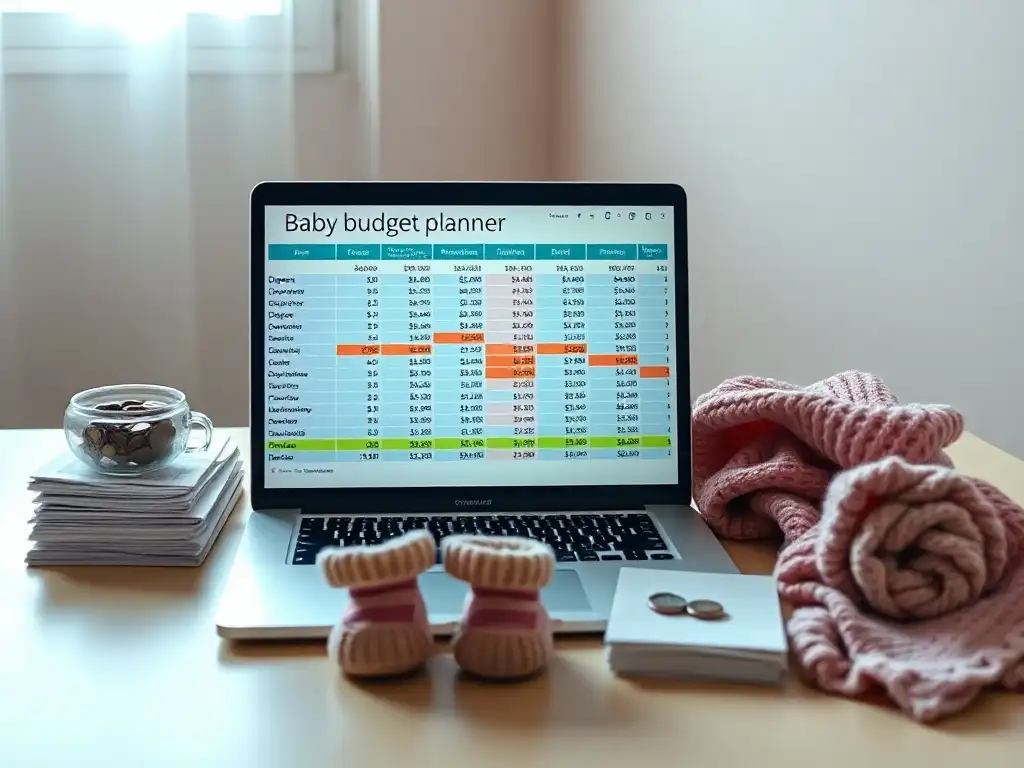
Planning a baby budget can feel overwhelming, especially for first-time parents. The key is to create a realistic budget that accounts for both expected and unexpected expenses. This isn't about deprivation; it's about mindful spending so you can enjoy this special time without unnecessary financial stress. A well-structured baby budget planning checklist is crucial for navigating this new phase. Let's explore some practical strategies.
Estimating Monthly Baby Costs: A Practical Guide to Baby Budget Planning
Accurately estimating monthly costs is the foundation of effective baby budget planning. Many resources offer average costs, but these can vary significantly based on your location, lifestyle, and choices. Instead of relying on generalized figures, create a personalized estimate. Consider these key expense categories:
- Diapers: Disposable diapers can cost anywhere from $50 to $150+ per month, depending on brand and baby's usage. Cloth diapering offers a more cost-effective long-term solution, but requires upfront investment in supplies and time for washing.
- Formula or Breastfeeding Supplies: Formula feeding can be expensive, with costs ranging from $100 to $200+ monthly. Breastfeeding is generally less expensive but may require investments in pumps, nursing bras, and storage containers.
- Food (for baby, after 6 months): Introducing solids adds another layer to your budget. Costs will vary depending on whether you choose organic, homemade, or store-bought options.
- Healthcare: Regular checkups, vaccinations, and potential medical expenses contribute significantly to monthly costs. Factor in insurance co-pays and deductibles.
- Clothing: Babies grow quickly, so clothing expenses can be substantial. Consider buying secondhand clothes or opting for larger sizes to maximize value.
- Childcare: This is often the largest expense for many families. Costs vary drastically based on location and type of care (in-home caregiver, daycare, family member).
- Other Essentials: Cribs, strollers, car seats, toys, and other baby gear represent significant upfront costs. Consider buying used items or borrowing from family and friends to save money.
| Expense Category | Low Estimate (USD) | High Estimate (USD) | Notes |
|---|---|---|---|
| Diapers | $50 | $150 | Depends on brand and frequency of changes. |
| Formula/Breastfeeding | $50 | $200 | Formula can be significantly more expensive than breastfeeding. |
| Food (after 6 months) | $25 | $100 | Varies depending on diet choices. |
| Healthcare | $50 | $200 | Includes checkups, vaccinations, and potential unexpected expenses. |
| Clothing | $25 | $75 | Consider secondhand options to reduce costs. |
| Childcare | $500 | $2000 | Highly variable based on location and type of care. |
| Other Essentials (monthly) | $25 | $100 | Spread out over several months, but factored in for monthly budgeting. |
| Total Monthly Estimate | $750 | $2,725 | This is a broad range; your actual costs will vary significantly. |
Remember, this table provides a range. Your actual expenses might be higher or lower. The key is to track your spending and adjust your budget accordingly.
Prioritizing Expenses: Differentiating Needs from Wants in Baby Budget Planning
Effective baby budget planning requires distinguishing between needs and wants. While many items are marketed as "essential," many are luxuries. Prioritizing needs ensures your baby's well-being without unnecessary financial strain.
- Needs: These are essential for your baby's health, safety, and well-being. Examples include diapers, safe sleeping arrangements (crib), nutritious food (breast milk or formula), and regular healthcare.
- Wants: These items enhance comfort and convenience but aren't strictly necessary. Examples include expensive designer clothes, multiple strollers, elaborate toys, and high-end baby gear.
By focusing on needs first, you can allocate your resources effectively. Consider delaying purchases of "wants" or exploring cost-effective alternatives. For example, borrowing or buying used items can significantly reduce expenses without compromising your baby's care. Remember, a happy baby doesn't require extravagant spending! This careful prioritization is a core component of a successful baby budget planning checklist.
Adjusting Your Budget: Adapting to Changing Needs and Unexpected Expenses
Babies are unpredictable. Unexpected expenses, such as illness or equipment malfunctions, can arise. Therefore, your budget shouldn't be static. Regularly review and adjust your budget to reflect changing needs.
- Monthly Review: Set aside time each month to review your spending habits, compare it to your budget, and identify areas for improvement. This proactive approach helps prevent overspending and allows you to adapt to unexpected expenses.
- Emergency Fund: Creating an emergency fund specifically for baby-related expenses is highly recommended. This fund can cover unexpected medical bills, equipment repairs, or other unforeseen costs, preventing financial stress during challenging times. Even small, regular contributions to this fund can make a significant difference.
- Flexibility: Be prepared to adjust your budget as your baby grows and their needs evolve. What you need in the first few months might be different from what you need at six months or a year. A flexible approach to budgeting is essential for successful financial planning.
Regularly reviewing your baby budget planning checklist and adapting it as needed will ensure that you are financially prepared for every stage of your baby’s development. This proactive approach will allow you to focus on enjoying this precious time with your little one, rather than worrying about finances.
Regularly Reviewing Your Baby's Finances: A Step-by-Step Guide

Having a baby is a joyous occasion, but it also brings significant financial responsibilities. A robust baby budget planning checklist is crucial, but it's equally important to regularly review your financial situation to ensure you're on track and adapting to your evolving needs. This section outlines a step-by-step guide to regularly reviewing your baby's finances, ensuring you're financially prepared for each stage of your child's development. Consistent monitoring prevents unexpected financial strain and allows for proactive adjustments.
A monthly review is key to staying on top of your baby's expenses. This involves a detailed examination of income and expenditure specifically related to your little one. This isn't just about tracking diaper costs; it's about understanding the overall financial impact of parenthood.
Consider these aspects:
- Tracking Baby-Related Expenses: Create a spreadsheet or use a budgeting app to meticulously track all expenses directly linked to your baby. This includes diapers, formula or breastfeeding supplies, clothing, healthcare costs (co-pays, medications), childcare, and toys. Be thorough! Even small expenses add up.
- Comparing Actual vs. Budgeted Amounts: Compare your tracked expenses against your initial baby budget planning checklist. Are you overspending in any areas? Where can you potentially cut back? Identifying discrepancies early allows for timely adjustments.
- Analyzing Income Sources: Review your household income. Are there any changes (e.g., parental leave ending, return to work) that might impact your budget? Proactively plan for these changes to avoid financial shocks.
- Emergency Fund Check: Ensure you're consistently contributing to your emergency fund. Unexpected medical bills or childcare issues can arise, and a healthy emergency fund provides a crucial safety net. Aim for at least 3-6 months of living expenses.
Example Monthly Expense Tracking Table:
| Item | Budgeted Amount | Actual Amount | Difference | Notes |
|---|---|---|---|---|
| Diapers | $50 | $65 | -$15 | Purchased larger size than anticipated |
| Formula/Breastfeeding Supplies | $30 | $25 | $5 | Less formula needed this month |
| Clothing | $20 | $15 | $5 | Fewer clothes purchased |
| Healthcare | $0 | $40 | -$40 | Unexpected doctor's visit |
This detailed monthly review provides a real-time snapshot of your financial health concerning your baby. It allows for immediate adjustments, preventing larger problems down the line.
Quarterly Financial Review: Assessing Savings and Investment Goals
A quarterly review allows for a broader perspective on your financial progress. This is where you assess your savings and investment goals related to your child's future.
- Savings Progress: How are you progressing towards your short-term savings goals (e.g., college fund contributions, emergency fund growth)? Are you on track to meet your targets? If not, what adjustments need to be made?
- Investment Portfolio Review: If you've started investing for your child's future (e.g., 529 plan), review the performance of your investments. Are they performing as expected? Do you need to rebalance your portfolio?
- Long-Term Financial Goals: Re-evaluate your long-term financial goals for your child. These might include college education, a down payment on a house, or other significant expenses. How are your current savings and investment strategies aligning with these goals?
- Debt Management: Review your household debt. High-interest debt can significantly impact your long-term financial planning. Develop a strategy for managing and reducing debt to improve your financial stability.
This quarterly review provides a more comprehensive assessment of your financial trajectory, allowing you to fine-tune your strategies and ensure you remain on track to meet your long-term goals for your child.
Annual Financial Review: Long-Term Financial Planning for Your Child
The annual review is a crucial opportunity for strategic long-term planning. This is where you take a holistic look at your financial picture and make adjustments based on your child's age and your evolving financial circumstances.
- Reviewing Insurance Coverage: Ensure your life insurance, health insurance, and disability insurance adequately protect your family. Adjust coverage as needed to reflect your child's age and your evolving needs.
- Estate Planning: Review your estate planning documents (will, trust) to ensure they reflect your wishes and adequately protect your child's inheritance. Consider updating these documents as your child grows.
- Tax Planning: Review your tax situation, considering deductions and credits related to childcare expenses and other baby-related costs. Consult with a tax professional to optimize your tax strategy.
- Adjusting for Inflation: Inflation erodes the purchasing power of savings over time. Factor inflation into your long-term financial planning to ensure your savings and investments maintain their value.
This annual review serves as a comprehensive checkup of your long-term financial strategy, allowing you to proactively address potential challenges and ensure a secure financial future for your child. Remember, consistent and proactive financial planning is vital for securing your child's future and reducing financial stress. This baby budget planning checklist approach, coupled with regular reviews, helps navigate the financial aspects of parenthood with confidence.
Long-Term Financial Planning for Your Child: Investments and Savings

Becoming a parent is a joyous occasion, but it also brings significant financial responsibilities. While focusing on immediate needs like diapers and formula is crucial, strategic long-term financial planning for your child's future is equally important. This involves establishing a solid savings and investment plan to secure their financial well-being. This section will delve into key aspects of this crucial planning process, helping you build a strong financial foundation for your little one. A well-structured baby budget planning checklist should include these long-term considerations.
College Savings Plans: 529 Plans and Other Investment Options
Planning for your child's higher education is a significant financial undertaking. The cost of college continues to rise, making proactive saving essential. One popular and advantageous option is a 529 plan. These state-sponsored education savings plans offer tax advantages, allowing your contributions to grow tax-deferred, and withdrawals used for qualified education expenses are tax-free. 1 However, it's crucial to understand the specific rules and regulations of your state's 529 plan, as they can vary.
Beyond 529 plans, other investment options exist, such as:
- Mutual Funds: Offer diversification across various asset classes, mitigating risk.
- ETFs (Exchange-Traded Funds): Provide a cost-effective way to invest in a diversified portfolio.
- Index Funds: Track a specific market index, offering broad market exposure with lower fees.
The best investment strategy depends on your risk tolerance, financial goals, and time horizon. Consider consulting a financial advisor to determine the most suitable approach for your family's specific circumstances. Remember, starting early, even with small contributions, can make a significant difference over time due to the power of compounding. A consistent contribution, as outlined in your baby budget planning checklist, is key to long-term success.
Insurance for Your Child: Health, Life, and Disability Insurance
Securing your child's future also involves protecting them against unforeseen circumstances. This necessitates exploring various insurance options, including:
- Health Insurance: Essential for covering medical expenses, from routine checkups to emergency care. Understanding your options and choosing a plan that meets your family's needs is vital. The Affordable Care Act (ACA) provides resources and guidance to help you navigate this process. Ensure your baby budget planning checklist includes health insurance as a top priority.
- Life Insurance: While often overlooked for children, life insurance can provide financial security for your family should the unthinkable happen. This can cover funeral expenses and other financial obligations, relieving some burden during a difficult time. Term life insurance is usually a cost-effective option for children.
- Disability Insurance: While less common for children, disability insurance can provide financial support if your child experiences a disabling condition that prevents them from working in the future. This is a long-term consideration that can be added to your comprehensive baby budget planning checklist.
1 Tax laws are subject to change. Consult a tax professional for personalized advice.
Resources for Baby Budget Planning and Financial Wellness
This section provides valuable resources to help you effectively manage your finances as a new parent. Navigating the financial landscape of parenthood can be challenging, but with proper planning and the right tools, you can successfully budget for your baby's needs while maintaining your financial wellness. A robust baby budget planning checklist is crucial for this process.
Recommended Budgeting Apps for Baby Expenses
Managing baby expenses can feel overwhelming, but budgeting apps can simplify the process. These apps offer features like expense tracking, budgeting tools, and financial goal setting, all tailored to help you stay on top of your baby's costs. Choosing the right app depends on your preferences and financial needs. Here are a few popular options categorized for easier selection:
Category: Simple & Free
- Mint: A well-established app known for its user-friendly interface and comprehensive features including bill tracking and credit score monitoring. While primarily focused on overall financial management, its features are easily adaptable for baby budgeting.
- Goodbudget: Based on the envelope budgeting system, this app allows you to allocate funds to specific categories (diapers, formula, childcare, etc. ), providing a clear visual representation of your spending. It offers both free and paid versions.
Category: Advanced Features & Paid Options
- YNAB (You Need A Budget): Known for its powerful budgeting methodology, YNAB helps you prioritize spending and ensures you’re always aware of your financial situation. While it requires a subscription, many users find its features invaluable for long-term financial planning, particularly useful for larger expenses like childcare or college savings.
- Personal Capital: This app provides a holistic view of your finances, including investment accounts and retirement planning, making it a comprehensive tool for managing your overall financial picture alongside baby-related expenses. It offers a free version with limited features and a paid version with enhanced capabilities.
Choosing the right app depends on your personal needs and financial goals. Consider factors like ease of use, features offered, and cost before making your decision. Remember, even a simple app can significantly improve your budgeting accuracy and help you create a realistic baby budget planning checklist.
Financial Planning Resources for New Parents
Beyond budgeting apps, numerous resources are available to support new parents in their financial planning journey. These resources offer guidance on various aspects of financial wellness, from saving for your child's future to managing debt and securing adequate insurance coverage. Remember, seeking professional advice is always recommended for complex financial situations.
Types of Resources:
- Books: Numerous books offer practical advice on financial planning for new parents, covering topics such as budgeting, saving, investing, and insurance. Look for titles specifically targeted at first-time parents or those focused on financial planning for families.
- Websites and Blogs: Many reputable websites and blogs offer free articles, guides, and tools related to family finances. These resources often provide practical tips, checklists, and calculators to help you manage your budget and plan for the future. Be sure to verify the credibility of the source before relying on the information.
- Financial Advisors: Consulting a financial advisor can provide personalized guidance tailored to your specific financial situation and goals. A financial advisor can help you develop a comprehensive financial plan that considers your baby's needs, as well as your long-term financial objectives. This is especially helpful in navigating complex financial instruments like 529 plans for college savings.
- Workshops and Seminars: Many community organizations and financial institutions offer workshops and seminars on financial planning for families. These events can provide valuable information and networking opportunities.
Remember, proactive financial planning is key to ensuring a secure financial future for both you and your child. By utilizing these resources and creating a thorough baby budget planning checklist, you can effectively manage your finances and enjoy the journey of parenthood without unnecessary financial stress. Don't hesitate to seek professional help when needed; it's a valuable investment in your family's future. 👶💰
Frequently Asked Questions
How can I create a realistic baby budget?
Start by listing all essential expenses: diapers, formula/breastfeeding supplies, clothing, healthcare. Then, add non-essential but helpful items: toys, childcare. Finally, factor in unexpected costs, building a contingency fund.
What are some common budgeting mistakes first-time parents make?
Underestimating the cost of diapering is a big one. Many also forget about ongoing costs like healthcare visits and potential childcare. Ignoring contingency funds for unexpected expenses is another frequent error.
When should I start planning my baby budget?
Ideally, before you conceive or as soon as you know you're pregnant. This allows ample time to save and adjust your spending habits to accommodate the significant increase in expenses.
Are there any apps or tools to help with baby budget planning?
Yes! Many budgeting apps like Mint, YNAB, and Personal Capital can help track expenses and create budgets. Several specialized baby budgeting apps are also available.
How often should I review my baby budget?
Regularly reviewing your budget is crucial. Aim for at least a monthly review to ensure you're staying on track and adjusting for changing needs as your baby grows. Quarterly reviews are even better to catch potential issues early.
Final Reflection: Securing Your Little One's Future, One Budget at a Time
The financial landscape for new parents is often overwhelming, but proactive budgeting isn't just about saving money; it's about securing a brighter future for your child. Failing to plan financially can lead to unnecessary stress and missed opportunities, impacting not only your family's present but also their long-term well-being. This is a reality that affects countless families, highlighting the critical need for early financial literacy and planning.
The journey of parenthood is a beautiful, chaotic whirlwind, and the emotional investment is immense. However, the financial aspects, often overlooked in the initial euphoria, can significantly shape the trajectory of your family's life. The best time to plant a tree was 20 years ago. The second best time is today.
This proverb perfectly encapsulates the importance of starting your baby's financial journey as early as possible. Even small, consistent steps towards financial planning can make a world of difference in the long run, fostering stability and reducing future anxieties.
You've taken the first step by reading this article and exploring the concept of a baby budget. Now, take a moment to reflect on your own financial habits and goals. Consider creating a personalized budget checklist tailored to your family's unique needs and aspirations. Don't be afraid to seek professional advice if needed. Remember, securing your child's future is an investment in their happiness and well-being, and it's a journey worth embarking on, one carefully planned step at a time.
Unlock Your Family's Financial Future: Start Planning Today!
Thank you for learning about the importance of regular financial planning for your family! You now have the tools to build a strong financial foundation for your children. Let's put that knowledge into action.
- Create a realistic family budget: This is crucial for financial well-being. Tracking expenses, identifying areas to save, and planning for the future become much easier with a budget. You can use budgeting apps, spreadsheets, or any method that suits you.
- Explore savings and investment options: Research high-yield savings accounts and explore low-risk investment strategies suitable for families. Consider consulting a financial advisor for personalized guidance.
- Share your budgeting tips and successes with other parents in our BabyCareHub community! Let's build a supportive network where we can all learn and grow together.
What's one small step you can take this week to improve your family's financial health? Share your ideas in the comments below!