
Sing Along Stories: Using Musical Books to Engage Your Baby's Love of Music


Welcome to BabyCareHub, your ultimate guide to navigating the wonderful, sometimes overwhelming, world of parenthood! Are you ready to unlock the power of music to nurture your little one's development? We delve into the captivating world of baby music story time, exploring how engaging musical books can foster a lifelong love of learning and create precious bonding moments. Discover the secrets to using baby music story time to stimulate your baby's brain and imagination – begin your journey into a world of enchanting melodies and enriching experiences now!
- The Power of Music in Early Childhood Development: Baby Music Story Time
- Choosing the Right Musical Books for Baby's First Story Time
- Making Music Story Time Engaging: Tips and Tricks for a Successful Session
- Beyond the Book: Extending the Musical Experience
- Addressing Common Challenges: Troubleshooting Musical Story Time
- Turning Story Time into a Bonding Experience: The Emotional Benefits of Shared Music
- Where to Find the Best Musical Books for Your Baby: Online and Offline Resources
-
Frequently Asked Questions
- What are the benefits of using musical storybooks with my baby?
- At what age is it appropriate to introduce musical storybooks to my baby?
- How can I make story time with musical books more interactive?
- What types of musical storybooks are best for babies?
- Are there any downsides to using musical storybooks?
- Final Reflection: The Enduring Power of Song in Early Childhood
- Unleash Your Baby's Inner Musician!
The Power of Music in Early Childhood Development: Baby Music Story Time
Music plays a crucial role in a baby's development, impacting cognitive, social-emotional, and linguistic skills from the earliest stages of life. This article explores the fascinating world of musical books and how they can be incorporated into your "baby music story time" routine to foster a lifelong love of music and enhance your baby's overall development.
We'll delve into the specific benefits of these engaging tools, providing practical tips for creating a musical environment at home that nurtures your little one's burgeoning musicality. From sensory stimulation to language acquisition, incorporating musical books into your daily routine offers a delightful and effective way to enrich your baby's experience and build a strong foundation for future learning.
This approach is particularly relevant for first-time parents seeking innovative and enjoyable ways to bond with their newborns while supporting their cognitive and emotional growth. We'll explore how the combination of storytelling and music creates a powerful learning experience uniquely suited to your baby's developmental stage.
Benefits of Musical Books for Babies: Sensory Stimulation and Language Acquisition
Musical books offer a multi-sensory experience that captivates babies' attention and stimulates their developing brains. The vibrant colors, engaging illustrations, and rhythmic melodies work in concert to create a rich and immersive learning environment. Consider these key benefits:
- Sensory Stimulation: The combination of sight, sound, and often touch (through textured pages or interactive elements) provides robust sensory input, crucial for brain development. Babies actively process these stimuli, strengthening neural pathways and enhancing cognitive function. Think of the joy on your baby's face as they reach out to touch a brightly colored page while listening to a catchy tune! 🎶
- Language Acquisition: Musical books often incorporate repetitive phrases and simple lyrics, which aid in language development. The rhythmic nature of the songs helps babies learn the patterns and sounds of speech, building a strong foundation for future vocabulary acquisition. The melodic intonation also helps with pronunciation and intonation skills.
- Emotional Development: The soothing melodies and comforting stories in musical books can help regulate a baby's emotions, promoting feelings of calm and security. Singing along with your baby fosters a strong emotional bond, strengthening your relationship and providing a sense of comfort and security. 🤗
- Cognitive Development: The interactive nature of many musical books encourages babies to participate actively, enhancing their cognitive skills. Turning pages, pointing at pictures, and anticipating the next verse all contribute to their cognitive growth. This active engagement is far more effective than passive observation.
The benefits extend beyond the immediate engagement. Early exposure to music has been linked to improved memory, enhanced attention span, and even better academic performance later in life.
Fostering a Love for Music from Day One: Creating a Musical Environment for Your Little One
Creating a musical environment for your baby doesn't require elaborate setups or expensive equipment. Simple, consistent exposure to music is key. Here are some practical tips for incorporating musical books and other musical elements into your daily routine:
- Dedicated Story Time: Set aside a specific time each day for "baby music story time." This creates a routine that your baby will come to anticipate and enjoy. Even 10-15 minutes can make a significant difference.
- Variety is Key: Introduce a variety of musical books with different themes, melodies, and rhythms to keep your baby engaged. This diverse exposure broadens their musical horizons and prevents boredom.
- Sing Along: Don't be afraid to sing along with your baby! Your voice is the most comforting and familiar sound to them, and singing together strengthens your bond.
- Interactive Elements: Choose books with interactive elements, such as lift-the-flaps, textures, or sounds, to keep your baby engaged and actively participating.
- Beyond Books: Don't limit yourself to musical books. Play music throughout the day, sing songs while playing, and use musical toys to create a rich musical environment. This consistent exposure reinforces the benefits of early musical exposure.
Remember, the goal is to make music a joyful and integral part of your baby's life. By incorporating musical books and other musical activities into your daily routine, you are laying a strong foundation for a lifelong love of music and enriching your baby's development in countless ways. This consistent engagement during "baby music story time" will pay dividends in the years to come.
Choosing the Right Musical Books for Baby's First Story Time
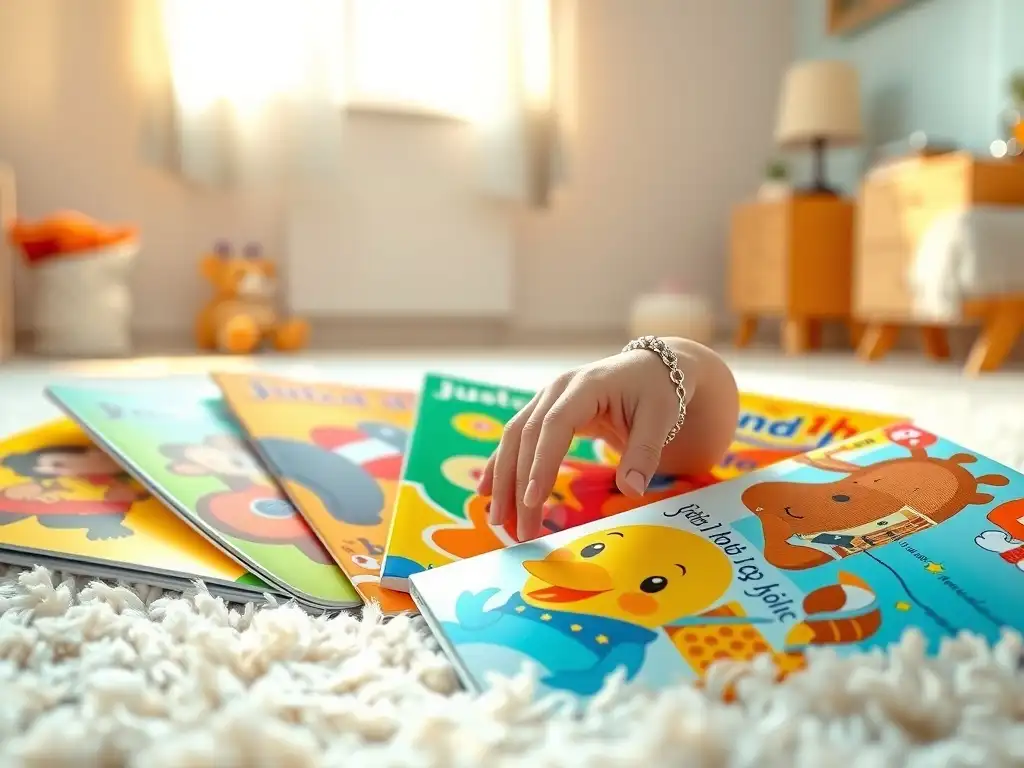
Selecting the perfect musical book for your baby's first story time requires careful consideration. It's not just about catchy tunes; it's about creating a sensory experience that stimulates your little one's development. The right book will engage their auditory senses, encourage tactile exploration, and spark their imagination.
Remember, the goal of baby music story time is to foster a love of music and reading from the earliest stages. This section will guide you through the key factors to consider when building your baby's musical library. We'll explore age-appropriate sounds, interactive features, and provide some top recommendations to get you started.
Selecting Age-Appropriate Musical Books: From Soft Sounds to Interactive Melodies
The sounds and complexity of a musical book should align with your baby's developmental stage. Newborns (0-3 months) benefit from simple, soft melodies and gentle sounds. Think lullabies and calming nature sounds. These soothing sounds help regulate their breathing and heart rate, promoting relaxation and sleep.
As they grow (3-6 months), they begin to respond to a wider range of sounds and rhythms. Introduce books with slightly more upbeat tunes and varied tempos. By 6-12 months, your baby will likely enjoy interactive elements and songs with repetitive lyrics, which aid language development. Consider books with different textures and sounds that encourage exploration.
For example, a newborn might appreciate a book with soft, classical music playing faintly in the background, while a six-month-old might engage more with a book featuring bright, cheerful melodies and simple, repetitive songs. Always observe your baby's reactions; if they seem overwhelmed or distressed by a particular sound or rhythm, switch to something calmer. Remember, the aim is to create a positive and enjoyable experience. The key is to gradually introduce more complex sounds and rhythms as your baby's auditory processing abilities develop. This gradual approach ensures that your baby music story time remains engaging and enriching.
Beyond the music itself, interactive features significantly enhance the appeal and educational value of musical books for babies. Look for books with features that stimulate multiple senses. Sound buttons, for instance, allow your baby to actively participate in the story time, pressing the buttons to trigger different sounds and melodies. This encourages cause-and-effect learning. Textured pages add another layer of sensory exploration; babies love to touch and feel different materials. Think crinkly pages, soft fabrics, or raised textures. This tactile exploration enhances their cognitive development.
Engaging illustrations are equally important. Bright, colorful images capture your baby's attention and help them connect the sounds with visual elements. Simple, clear illustrations are ideal for younger babies, while slightly more complex illustrations can be introduced as your baby gets older. Consider books with lift-the-flaps, mirrors, or other interactive elements that encourage exploration and discovery. The more senses a book engages, the more enriching the baby music story time experience becomes. This multi-sensory approach fosters a deeper connection with the story and promotes overall development.
Top Picks: Best Musical Books for Baby's First Year
While specific book titles can vary based on availability and personal preference, here's a general guide for selecting musical books suitable for your baby's first year:
| Age Range | Sound Characteristics | Interactive Features | Key Developmental Benefits |
|---|---|---|---|
| 0-3 Months | Soft, calming lullabies; nature sounds | Soft textured pages; simple images | Calming; promotes relaxation and sleep |
| 3-6 Months | Upbeat melodies; varied tempos | Sound buttons; simple lift-the-flaps | Auditory stimulation; cause-and-effect learning |
| 6-12 Months | Repetitive lyrics; interactive songs | Textured pages; bright illustrations | Language development; sensory exploration |
Remember to always supervise your baby during baby music story time and ensure that all books are safe and age-appropriate. The goal is to make it a fun and engaging experience, fostering a lifelong love of music and reading. Enjoy these special moments with your little one! 🎉
Making Music Story Time Engaging: Tips and Tricks for a Successful Session
This section delves into practical strategies to maximize the enjoyment and educational benefits of "baby music story time." Remember, the goal is not just to read the words, but to create a shared, interactive experience that fosters your baby's cognitive, emotional, and social development. Successful engagement hinges on careful planning and execution. We'll explore key elements contributing to a positive and enriching experience for both you and your little one. The right approach can transform "baby music story time" into a cherished daily ritual.
Creating a Comfortable and Stimulating Reading Environment: Lighting, Seating, and Atmosphere
The environment significantly impacts your baby's receptiveness during story time. A calm, inviting space is crucial. Think about these factors:
- Lighting: Soft, diffused lighting is ideal. Avoid harsh overhead lights which can be overstimulating. A dimmed lamp or natural light filtered through a sheer curtain creates a more soothing atmosphere. Consider the time of day; a morning session might benefit from gentler light than an evening one.
- Seating: Choose comfortable seating for both you and your baby. A cozy armchair or floor cushions work well. Ensure your baby is positioned where they can easily see the book and your face. Consider using a baby carrier or bouncer if they prefer more support. Experiment to find the most comfortable and engaging position for your little one.
- Atmosphere: Minimize distractions. Turn off the TV and put away any toys that might compete for your baby's attention. Play soft, instrumental music in the background – a lullaby or classical music can enhance the calming atmosphere. The temperature should be comfortable, neither too hot nor too cold. A quiet, clutter-free space promotes focus and relaxation, making the experience more enjoyable for both of you. Think of it as creating a sanctuary for bonding and learning through music.
Engaging Your Baby During Story Time: Using Gestures, Sounds, and Interaction
Active participation is key to a successful "baby music story time." Passive reading won't yield the same benefits. Here are some techniques to enhance engagement:
- Gestures: Use exaggerated facial expressions and hand gestures to emphasize words and actions. Point to pictures, clap your hands during rhythmic parts, and use puppets or toys to bring the story to life. Babies respond well to visual cues and physical interaction.
- Sounds: Make animal sounds, mimic the sounds from the story, and encourage your baby to make sounds along with you. This interactive element increases engagement and helps them associate sounds with words and actions. For example, if the story features a cow, make a "moo" sound and encourage your baby to try too!
- Interaction: Talk to your baby throughout the story, asking simple questions like, "Where's the bunny?" or "What color is the ball?". Pause to let them respond, even if it’s just with a gurgle or a smile. This back-and-forth communication fosters a connection and demonstrates the social aspect of language learning. Remember, every interaction, no matter how small, contributes to their language development. This interactive approach transforms a simple reading session into a valuable communication exercise.
Singing Along: Enhancing the Experience with Familiar Songs and Rhymes
Singing familiar songs and rhymes during "baby music story time" adds another layer of engagement and learning. This combines the benefits of music and storytelling, creating a multi-sensory experience.
- Familiar Tunes: Start with songs and rhymes your baby already knows. This builds familiarity and encourages participation. The repetition reinforces learning and helps them develop a sense of rhythm and melody. Popular nursery rhymes like "Twinkle Twinkle Little Star" or "Itsy Bitsy Spider" are excellent choices.
- Interactive Singing: Encourage your baby to join in by singing along, even if it's just babbling or making sounds. Point to pictures in the book that correspond to the lyrics, creating a visual connection to the song. The interactive nature of this activity strengthens memory and language skills.
- Vary Your Repertoire: Gradually introduce new songs and rhymes to expand your baby's musical vocabulary. Choose songs with simple melodies and repetitive lyrics, making them easier for your baby to learn and remember. The goal is to build a diverse repertoire that keeps "baby music story time" fresh and stimulating. Don't be afraid to experiment with different genres and styles of music, always gauging your baby's response. This variety ensures continued engagement and fosters a lifelong appreciation for music.
Beyond the Book: Extending the Musical Experience

This section explores how to leverage the enthusiasm sparked by musical storybooks to cultivate a deeper appreciation for music in your baby's life. Remember, the goal isn't just about passively listening; it's about actively engaging your baby with music in diverse and stimulating ways. This multifaceted approach fosters cognitive development, emotional regulation, and a lifelong love of music. We'll delve into practical strategies to seamlessly integrate music into your daily routines and explore additional musical toys and activities that complement musical story time.
Incorporating Music into Daily Routines: Lullabies, Playtime Songs, and Background Music
Integrating music into your baby's daily life doesn't require elaborate preparations. Simple, consistent exposure is key. Consider these strategies to naturally weave music into your baby's day:
- Lullabies at Bedtime: Gentle lullabies, whether sung live or played softly from a recording, create a calming atmosphere conducive to sleep. Experiment with different styles and tempos to find what soothes your baby best. Consider classical lullabies, traditional folk songs, or even instrumental pieces with a slow tempo. The rhythmic quality of these songs can be incredibly soothing.
- Playtime Songs: Energetic songs and rhymes can make playtime more interactive and fun. Action songs, like "Itsy Bitsy Spider" or "Ring Around the Rosie," encourage movement and coordination. Singing these songs while engaging in activities like tummy time or playtime with toys enhances the sensory experience.
- Background Music: Playing soft, instrumental music in the background during feeding or playtime can create a positive and stimulating environment. Classical music, particularly Baroque music, is often recommended for its calming and potentially beneficial effects on cognitive development. However, your baby's preferences will ultimately guide your choices. Observe their reactions to different genres and tempos.
Remember, consistency is key. Regular exposure to music, even in small doses, will contribute significantly to your baby's musical development. Don't be afraid to experiment and discover what your baby enjoys most. The joy of shared musical moments is invaluable. This consistent exposure builds a strong foundation for future musical appreciation.
Exploring Other Musical Toys and Activities: Musical Instruments, Sensory Toys, and Interactive Apps
Expanding your baby's musical experiences beyond storybooks opens up a world of engaging activities. Here are some ideas to consider:
- Musical Instruments: Age-appropriate musical instruments, such as shakers, rattles, xylophones (with soft mallets), and drums, offer opportunities for hands-on exploration and sound discovery. These instruments help develop fine motor skills and hand-eye coordination while fostering creativity and self-expression. Choose instruments made from safe, non-toxic materials.
- Sensory Toys with Musical Elements: Many sensory toys incorporate musical components. For example, a soft toy that plays music when squeezed or a teether with built-in sounds can stimulate multiple senses simultaneously. These toys help your baby explore cause-and-effect relationships and develop their auditory perception.
- Interactive Apps: While screen time should be limited, carefully selected interactive music apps can offer engaging and educational experiences. Look for apps that feature simple melodies, interactive animations, and opportunities for active participation, such as tapping or swiping to create sounds. Always supervise your baby during app usage.
Remember to prioritize safety and choose toys made from high-quality, non-toxic materials. Observe your baby's reactions to different toys and activities, and adjust your approach accordingly. The goal is to create a fun and stimulating environment where your baby can explore the wonders of music freely and safely. This exploration fosters both cognitive and physical development, all while nurturing a lifelong love of music. The variety of options allows you to tailor the musical experience to your baby’s unique personality and developmental stage.
Addressing Common Challenges: Troubleshooting Musical Story Time
Even the most enthusiastic little listener can have off days. Navigating the sometimes unpredictable world of baby-led activities requires flexibility and understanding. Successfully incorporating "baby music story time" into your routine involves anticipating and addressing potential hurdles. Remember, consistency is key, but adaptability is equally important for a positive experience.
Dealing with Distractions: Maintaining Focus During Baby's Musical Story Time
Maintaining your baby's attention during musical story time can be challenging. Infants are naturally curious and easily distracted by their environment. A sudden noise, a fascinating light pattern, or even the urge to grab a nearby toy can quickly derail the session. The key is to proactively minimize distractions and develop strategies to gently redirect your baby's attention.
Here are some practical tips to help you deal with distractions during musical story time:
- Choose a quiet and dedicated space: Select a room free from excessive noise and visual clutter. A dimly lit room can sometimes be more conducive to focus.
- Minimize external stimuli: Turn off the television, put away other toys, and silence your phone.
- Engage multiple senses: Don't rely solely on the auditory aspect. Use colorful books with tactile elements, and incorporate actions and gestures into your storytelling. This multi-sensory approach will keep your baby more engaged.
- Short and sweet sessions: Start with shorter sessions (5-10 minutes) and gradually increase the duration as your baby's attention span improves. It's better to end on a positive note than to push your baby beyond their limit.
- Gentle redirection: If your baby becomes distracted, gently redirect their attention back to the book and the music. A soft touch on their hand or a quiet whisper can be effective. Sometimes, simply pausing and waiting for their attention to return can be surprisingly successful.
- Positive reinforcement: Reward your baby's attentiveness with praise and affection. This positive reinforcement will encourage future participation.
Remember, every baby is different, and what works for one might not work for another. Experiment with different techniques to find what best suits your baby's temperament and attention span.
Managing Fussy Babies: Adapting Your Approach to Suit Your Baby's Mood
A fussy baby can make even the most engaging musical story time a challenge. Hunger, tiredness, discomfort, or a simple case of the grumps can significantly impact your baby's receptiveness. The key is to understand the underlying cause of their fussiness and adjust your approach accordingly.
Consider these strategies for managing fussy babies during musical story time:
- Timing is everything: Avoid musical story time when your baby is typically hungry, tired, or overstimulated. Observe their cues – yawning, rubbing their eyes, or becoming increasingly irritable – and adjust your schedule accordingly.
- Address the root cause: If your baby seems uncomfortable, check their diaper, ensure they're not too hot or cold, and offer comfort measures like cuddling or gentle rocking.
- Offer a calming activity: If your baby is unusually fussy, consider a calming alternative, such as a quiet cuddle or a gentle massage, before attempting musical story time.
- Keep it short and simple: If your baby is only mildly fussy, try a shorter session with a familiar and soothing song or story. Don't force the issue if they're not in the mood.
- Take a break: If your baby continues to be fussy, don't hesitate to take a break and try again later. Sometimes, a change of scenery or a brief period of rest can make all the difference.
Creating a Consistent Routine: Establishing a Regular Musical Story Time Schedule
Consistency is crucial for establishing a successful and enjoyable musical story time routine. Just like with any other aspect of baby care, a regular schedule helps your baby anticipate and associate positive experiences with this activity. This predictability can help reduce anxiety and increase engagement.
Here's how to establish a consistent musical story time schedule:
- Choose a specific time: Select a time of day when your baby is typically alert and receptive. This could be after a nap, before bedtime, or at any other time that works best for your family's schedule.
- Stick to the schedule: Try to maintain the same time each day, creating a sense of predictability and routine. This helps your baby anticipate the activity and reduces any potential anxiety associated with the unknown.
- Keep it consistent: Even on busy days, try to maintain the scheduled time as much as possible. If you must miss a session, try to make it up as soon as possible.
- Monitor your baby's cues: Pay attention to your baby's cues and adjust the duration of the session as needed. If they seem tired or disinterested, shorten the session. If they are engaged and enjoying it, you can extend it slightly.
- Celebrate successes: Acknowledge your baby's participation and engagement, even if it's just for a few minutes. Positive reinforcement helps foster a positive association with musical story time.
Remember, the goal is to create a fun and positive experience for both you and your baby. By incorporating these strategies, you can successfully navigate the challenges and enjoy the benefits of "baby music story time." 🎵👶

This section explores the profound emotional connection fostered during "baby music story time." Beyond the cognitive benefits of language acquisition and musical development, shared musical experiences significantly impact the parent-child bond and a baby's emotional well-being. The rhythmic patterns, melodic contours, and expressive vocalizations in musical books create a rich sensory environment that stimulates emotional responses in infants.
This creates a powerful foundation for secure attachment and healthy emotional development. The act of singing together, even simple lullabies, releases oxytocin, often called the "love hormone," in both parent and child, strengthening the feeling of connection and trust. This positive feedback loop enhances the overall parent-child relationship, making shared musical story time a powerful tool for building a strong and loving bond.
The power of shared musical experiences in strengthening the parent-child bond cannot be overstated. Think of the soft humming of a lullaby as you gently rock your baby to sleep, the shared laughter during a playful song, or the quiet intimacy of singing a familiar tune together. These moments are not just enjoyable; they are crucial for building a secure attachment.
Research indicates that consistent positive interactions, such as those facilitated by musical story time, lead to increased feelings of security and trust in infants. This translates into better emotional regulation, reduced anxiety, and enhanced social-emotional development later in life. The consistent, predictable rhythm of songs can also be incredibly soothing for babies, offering a sense of comfort and security.
This is particularly beneficial for babies who may struggle with transitions or experience separation anxiety. The shared experience creates a unique and powerful bond that extends beyond the immediate moment of singing, influencing the overall quality of the parent-child relationship. The emotional connection forged during these shared musical experiences lays the groundwork for a healthy and thriving relationship throughout childhood and beyond.
Supporting Your Baby's Emotional Development Through Music and Storytelling
Musical story time offers a multifaceted approach to supporting your baby's emotional development. The combination of storytelling and music provides a rich sensory experience that stimulates multiple areas of the brain. Stories help babies understand emotions expressed by characters, while the music enhances the emotional impact of the narrative. For example, a sad melody accompanying a story about a lost toy allows the baby to experience and process those feelings in a safe and supportive environment.
This indirect exposure to a range of emotions helps babies develop emotional literacy – the ability to understand, express, and manage their feelings. Furthermore, the interactive nature of musical story time encourages turn-taking and emotional reciprocity. Babies learn to anticipate and respond to cues from the parent, strengthening their ability to engage in social interactions and understand nonverbal communication. The repetitive nature of songs and rhymes can also aid in emotional regulation.
Familiar melodies become comforting and predictable, providing a sense of security and helping babies to self-soothe. This is particularly beneficial for babies experiencing stress or anxiety. By incorporating "baby music story time" into your daily routine, you are actively promoting your baby's emotional intelligence and preparing them for the complexities of social and emotional life. This holistic approach, combining the power of storytelling and music, makes for a truly enriching and developmentally beneficial activity.
Where to Find the Best Musical Books for Your Baby: Online and Offline Resources
Finding the perfect musical books to enhance your baby music story time can be an adventure! This section explores various avenues for sourcing these engaging resources, helping you discover the ideal books to nurture your little one's musical development. Remember, the best book is one that both you and your baby enjoy!
Online Retailers: Amazon, Target, and Specialized Baby Stores
The convenience of online shopping cannot be overlooked when searching for baby music story time resources. Sites like Amazon offer a vast selection, allowing you to compare prices, read reviews, and easily filter by age range, musical style, and even specific characters. You can often find great deals and bundles, saving you money in the long run. Target, another popular option, frequently features curated collections of children's books, including musical ones, often with convenient in-store pickup options if you prefer to avoid shipping.
Beyond mainstream retailers, specialized online baby stores offer a more curated selection, often focusing on high-quality, educational materials. These stores frequently feature smaller publishers and unique titles you might not find elsewhere. They often categorize books based on developmental stages, making your search more efficient and targeted. Consider browsing these niche stores for a more personalized baby music story time experience. Look for retailers that showcase detailed descriptions, including audio samples if possible, to ensure the musical quality aligns with your preferences.
While online shopping offers convenience, exploring your local bookstore offers a unique charm. Browsing physical shelves allows you to interact directly with the books, feeling the textures and getting a sense of the overall quality. This tactile experience enhances the selection process, particularly when choosing books for babies who might interact with the book physically. Furthermore, supporting local businesses is a rewarding experience, contributing to your community's economic vitality.
Local bookstores often host events, including baby music story time sessions, offering a chance to connect with other parents and discover new titles. Don't hesitate to ask the staff for recommendations; their expertise and personalized suggestions can be invaluable. They may even have hidden gems – unique, lesser-known musical books that might perfectly suit your baby's tastes. This personal touch is often missing in the impersonal world of online retail.
Libraries: Accessing a Wide Variety of Musical Books without Financial Commitment
Libraries provide an excellent and cost-effective way to access a diverse range of musical books for your baby music story time. The wide selection allows you to experiment with different styles, authors, and musical genres without the financial commitment of purchasing every book. This is especially beneficial for first-time parents who are still exploring their baby's preferences and learning what types of musical books resonate best.
Many libraries offer dedicated children's sections with a carefully curated collection of musical books, often organized by age group. Check their online catalog or visit in person to browse their selection. Librarians are a great resource, often providing personalized recommendations tailored to your baby's age and interests.
Borrowing books from the library allows you to rotate your baby music story time selections frequently, keeping the experience fresh and exciting for both you and your little one. This sustainable approach also minimizes environmental impact compared to constantly buying new books. Consider the library as a valuable asset in your quest to create a rich and engaging musical experience for your baby.
Frequently Asked Questions
What are the benefits of using musical storybooks with my baby?
Musical storybooks offer a multi-sensory experience, engaging your baby's hearing and sight simultaneously. This helps with language development, cognitive skills, and emotional bonding. It's a fun way to stimulate their brain.
At what age is it appropriate to introduce musical storybooks to my baby?
You can start introducing musical storybooks to your baby from birth. Even newborns respond to music and rhythm. As they grow, they'll begin to engage more actively with the songs and stories.
How can I make story time with musical books more interactive?
Make it a shared experience. Sing along, point at the pictures, use different voices for characters, and encourage your baby to respond with sounds or movements. Positive interaction is key.
What types of musical storybooks are best for babies?
Look for books with simple melodies, clear pronunciation, and bright, engaging illustrations. Books featuring familiar nursery rhymes or songs are also a great choice. Choose books made of durable materials.
Are there any downsides to using musical storybooks?
While generally beneficial, overstimulation is possible. Keep sessions short and sweet, observe your baby's cues, and stop if they seem overwhelmed or disinterested. Variety is also important.
Final Reflection: The Enduring Power of Song in Early Childhood
The simple act of singing to a baby is more than just entertainment; it's a foundational building block for cognitive, emotional, and social development. This article has explored the myriad benefits of incorporating musical books into your baby's story time, highlighting how these engaging tools foster language acquisition, emotional bonding, and a lifelong love of music. The impact is profound and far-reaching, shaping the very fabric of a child's early experiences.
The joy of sharing a musical storybook with a child is something truly special. It's a moment of connection, a shared experience that transcends words and speaks directly to the heart. Music is the universal language of mankind.
– Henry Wadsworth Longfellow. This quote rings particularly true when considering the power of song to bridge the gap between parent and child, fostering a sense of security and nurturing a child's developing brain. The legacy of these shared musical moments extends far beyond the immediate experience, shaping their musical preferences and influencing their approach to learning throughout their lives.
So, as you gather your little one for story time, remember the incredible potential held within those colorful pages and melodic tunes. Don't just read the words; sing them, dance to them, and let the music fill your home with joy and connection. Embrace the power of song, and watch as your baby blossoms into a confident, creative, and musically-inclined individual. The journey begins with a song, and the possibilities are limitless.
Unleash Your Baby's Inner Musician!
Thank you for exploring the joy of musical books with your little one! We hope you've discovered some wonderful ways to nurture their musical development. Ready to transform those pages into a symphony of sound?
- Start singing today! Choose one of the books mentioned and make it a daily ritual. Even a few minutes of shared musical fun can make a big difference in your baby's development.
- Create a musical playtime playlist. Gather your favorite songs and musical books to create an engaging and joyful experience for your child.
- Share your favorite musical books with other parents! Let us know in the comments below which songs your baby enjoys the most – we'd love to hear about your experiences.
What song will become your baby's new favorite lullaby?