
Babyproofing: How to Prepare Your Home for a Crawling Baby


Welcome to BabyCareHub, your ultimate guide to navigating the incredible journey of parenthood! Are you ready for the exciting – and sometimes chaotic – world of a crawling baby? Ensuring your little one's safety is paramount, and that's why we've created this essential resource on babyproofing your home. Discover practical, step-by-step advice on creating a safe haven for your exploring infant, and learn how to effectively babyproof a crawling baby's home to prevent accidents and promote their healthy development. Let's get started!
- Babyproofing Your Home for Crawling Infants: A Step-by-Step Guide
-
Essential Babyproofing Products for Crawling Babies
- Choosing the Right Baby Gates for Crawling Babies: Safety Features and Installation
- Outlet Covers and Electrical Safety for Crawling Infants
- Corner and Edge Protectors for Crawling Babies: Cushioning Sharp Edges
- Cabinet and Drawer Locks for Crawling Babies: Preventing Access to Hazardous Materials
- Childproof Latches for Crawling Babies: Securing Cabinets and Drawers
-
Babyproofing Your Home: Securing Common Household Hazards
- Preventing Choking Hazards for Crawling Babies: Identifying and Removing Risks
- Safeguarding Against Falls for Crawling Babies: Stair Gates and Floor Cushions
- Preventing Poisoning for Crawling Babies: Securing Cleaning Supplies and Medications
- Managing Toxins for Crawling Babies: Household Cleaning Products and Plants
- Maintaining a Safe Environment for Your Crawling Baby: Ongoing Precautions
- Babyproofing on a Budget: Affordable Solutions for Crawling Baby Safety
- Frequently Asked Questions
- Final Reflection: A Safe Haven: Building a Future for Your Little Explorer
- Ready to Create a Safe Haven?
Babyproofing Your Home for Crawling Infants: A Step-by-Step Guide
Bringing home your little one is an incredibly joyous occasion, filled with love, laughter, and… a healthy dose of anxiety! As your baby transitions from lying down to the exciting world of crawling, a new set of safety concerns emerges. This comprehensive guide focuses on babyproofing your home specifically for crawling infants, addressing potential hazards and offering practical, step-by-step solutions to create a safe and stimulating environment for your precious explorer.
We'll cover everything from assessing your home's potential dangers to prioritizing high-risk areas and implementing specific safety measures in each room. This guide aims to equip first-time parents with the knowledge and tools necessary to confidently navigate this exciting developmental stage, ensuring your baby's safety and peace of mind for you.
Remember, thorough babyproofing is an investment in your child’s well-being and contributes significantly to reducing the risk of accidents. Let's get started on making your home a safe haven for your crawling baby!
Assessing Your Home for Hazards: A Crawling Baby's Perspective
Before you begin actively babyproofing, take some time to see your home from your baby's perspective. Get down on your hands and knees and crawl around each room. What do you see? What could be dangerous? This simple exercise will highlight potential hazards you might have otherwise overlooked. Consider these key areas:
- Low-hanging objects: Anything within reach could be pulled down, potentially causing injury or damage.
- Electrical outlets: These are a significant hazard and require immediate attention.
- Sharp corners and edges: Tables, furniture, and other hard surfaces pose a risk of bumps and bruises.
- Small objects: Anything small enough to fit in a baby's mouth is a choking hazard. Think buttons, coins, small toys, and even food items.
- Toxic substances: Cleaning products, medications, and other household chemicals must be stored securely, out of reach.
- Unstable furniture: Items that could easily tip over, such as bookcases or dressers, present a significant risk of injury.
Think about your baby's current developmental stage. Are they just starting to crawl, or are they more mobile and exploring more extensively? This will influence the level of detail required in your babyproofing efforts. Remember, prevention is key! 👶
Prioritizing Babyproofing Areas: High-Risk Zones for Crawling Babies
Once you've assessed your home, it's time to prioritize the areas that pose the greatest risk to your crawling baby. These high-risk zones typically include the kitchen, bathroom, living room, and bedroom. Let's delve into each area in detail.
Kitchen Safety for Crawling Babies: Preventing Accidents
The kitchen is a hub of potential dangers for crawling babies. Hot surfaces, sharp utensils, and easily accessible cabinets filled with tempting (but potentially harmful) items demand special attention. Here's how to secure your kitchen:
- Secure cabinets and drawers: Use childproof latches or locks to prevent access to dangerous items.
- Turn pot handles inward: This prevents your baby from pulling down hot pots and spilling boiling liquids.
- Keep electrical cords out of reach: Tuck cords away or use cord covers to prevent entanglement or electrocution.
- Clean up spills immediately: Avoid slippery surfaces that could cause your baby to fall.
- Store cleaning supplies and hazardous materials out of sight and reach: Ideally, in a locked cupboard high up.
Remember to keep breakable items out of reach and consider using a high chair with a secure strap, even if your baby isn't eating yet, as a safe place for supervised playtime.
Bathroom Safety for Crawling Babies: Securing Hazardous Items
The bathroom presents a unique set of hazards due to the presence of water, sharp objects, and potentially toxic substances. Key safety measures include:
- Secure the toilet lid: Prevent your baby from falling in or accessing the toilet water.
- Store medications and cleaning supplies out of reach: Use childproof locks on cabinets and drawers.
- Keep electrical appliances away from water: Prevent electrical shocks.
- Install non-slip mats in the bathtub and shower: Reduce the risk of slips and falls.
- Never leave your baby unattended in the bathroom: Even for a moment.
This seemingly small space can be surprisingly dangerous, so constant supervision is crucial.
Living Room Safety for Crawling Babies: Protecting Against Falls and Choking Hazards
The living room, often a central gathering space, requires careful babyproofing to prevent falls and choking hazards. Consider these measures:
- Anchor furniture to the walls: Prevent tip-overs of large, unstable pieces of furniture.
- Cover sharp corners and edges: Use corner guards or cushions.
- Remove small objects and choking hazards: This includes toys with small parts, buttons, coins, and anything that could fit in your baby's mouth.
- Use window guards or safety latches: Prevent falls from windows.
- Secure electrical cords and wires: Use cord covers or tuck cords out of reach.
A clutter-free living room will make both babyproofing and cleaning significantly easier.
Bedroom Safety for Crawling Babies: Creating a Safe Sleeping and Play Environment
The bedroom, while seemingly safe, also requires attention to detail. Key considerations include:
- Choose a safe crib: Ensure the crib meets current safety standards and is free of hazards.
- Use a firm mattress: Avoid soft bedding or loose blankets that could pose a suffocation risk.
- Keep the crib free of toys and loose items: These could pose a choking or strangulation hazard.
- Secure dresser drawers and other furniture: Prevent tip-overs.
- Keep cords and wires out of reach: This includes lamp cords, phone chargers, and other electrical items.
A calm and organized bedroom will promote better sleep for both you and your baby. Remember, a safe space is a happy space!
Essential Babyproofing Products for Crawling Babies

Congratulations on your little one's exciting new milestone! As your baby starts crawling, a whole new world of exploration opens up – and with it, a whole new set of potential hazards. Babyproofing your home for a crawling baby requires careful planning and the right products. This section focuses on the essential items you'll need to transform your home into a safe haven for your adventurous explorer.
Remember, consistent vigilance is key, but these products provide an extra layer of protection and peace of mind as you navigate this phase of parenthood. We'll cover specific product choices and installation tips to ensure maximum safety and effectiveness in babyproofing your home for a crawling infant. This is crucial for preventing injuries and ensuring your baby's well-being. Effective babyproofing significantly reduces the risk of accidents, giving you greater confidence as your child gains mobility.
Choosing the Right Baby Gates for Crawling Babies: Safety Features and Installation
Baby gates are essential for restricting access to dangerous areas like staircases, kitchens, and bathrooms. Choosing the right gate is crucial, as poorly installed or inadequate gates can be easily bypassed by a determined crawler. Look for gates that meet current safety standards and are specifically designed for use at the top and bottom of staircases. Here's a breakdown of key features:
- Height: Opt for gates that are tall enough to prevent climbing, ideally extending from the floor to the top of the stairwell or doorway frame.
- Pressure-mounted vs. Hardware-mounted: Pressure-mounted gates are convenient for installation, but hardware-mounted gates offer superior security, especially on wider openings. For staircases, hardware-mounted gates are strongly recommended.
- Auto-close and locking mechanisms: The gate should automatically close and have a secure locking mechanism that is difficult for a child to open. Test the mechanism thoroughly before trusting it with your baby's safety.
- Materials: Durable materials like wood or strong plastic are preferable. Avoid gates with sharp edges or small parts that a baby could detach and potentially choke on.
Installation is paramount. Carefully follow the manufacturer's instructions to ensure a secure fit. For pressure-mounted gates, adjust the pressure to ensure a firm grip against the wall or doorway frame. For hardware-mounted gates, use appropriate screws and ensure that they are firmly secured into the studs of the wall or doorframe. Regularly check the gate's stability and adjust the pressure or screws if needed. A poorly installed gate is a potential hazard, so careful installation is non-negotiable.
Outlet Covers and Electrical Safety for Crawling Infants
Electrical outlets present a significant hazard to crawling babies who are naturally curious and prone to putting objects in their mouths. Outlet covers are a simple yet effective way to mitigate this risk. Choose covers that are childproof and firmly adhere to the outlets. Avoid covers that are easily removed or that have small parts that could become choking hazards.
Here's what to consider when selecting outlet covers:
- Material: Look for durable, high-quality materials that can withstand repeated use and abuse.
- Ease of Use: While they need to be childproof, the covers should also be easy for you to remove when needed.
- Type: There are different types of outlet covers available, including snap-in, push-in, and screw-in varieties. Choose the type that best suits your needs and the type of outlets you have.
Beyond outlet covers, consider other electrical safety measures such as:
- Tucking away cords: Keep electrical cords out of reach to prevent tripping and strangulation hazards. Use cord covers or cable management systems to keep cords organized and out of sight.
- Unplugging appliances: Unplug appliances when not in use to prevent electrical shocks.
- Regular inspection: Regularly inspect electrical outlets and cords for any damage or wear and tear.
Corner and Edge Protectors for Crawling Babies: Cushioning Sharp Edges
Sharp corners and edges on furniture and other household items pose a significant risk to crawling babies, who are likely to bump into them frequently. Corner and edge protectors provide a simple and effective solution to cushion these sharp edges and prevent injuries.
When choosing corner and edge protectors, consider the following:
- Material: Look for soft, durable materials like foam or silicone that can effectively absorb impact. Avoid materials that are easily damaged or that contain harmful chemicals.
- Adhesive: Ensure the adhesive is strong enough to securely attach the protectors to the furniture without leaving residue.
- Size and Shape: Choose protectors that are appropriately sized and shaped for the corners and edges you need to cover.
Remember, thorough babyproofing isn’t a one-time task; it's an ongoing process that requires regular checks and adjustments as your baby grows and develops new skills. Regular inspections will help you identify and address any new potential hazards. Prioritizing safety ensures your baby can explore their environment freely and safely, reducing the risk of accidents and maximizing their enjoyment of this exciting developmental stage. 👶
Cabinet and Drawer Locks for Crawling Babies: Preventing Access to Hazardous Materials
Once your little one starts crawling, their world expands dramatically, and suddenly, those kitchen cabinets and bathroom drawers become thrilling exploration zones. Unfortunately, these zones often contain hazardous materials – cleaning supplies, medications, sharp utensils – that pose significant risks to your baby's safety. This is where cabinet and drawer locks become indispensable. Choosing the right locks is crucial, and you'll want to consider several factors.
Firstly, durability is paramount. Your baby will likely test the limits of these locks, pulling, tugging, and generally trying to outsmart them. Opt for locks made from sturdy materials like metal or high-quality plastic that can withstand considerable force. Look for reviews mentioning their resilience against determined toddlers.
Secondly, ease of use for you is important. You'll be using these locks multiple times a day, so a complicated locking mechanism can quickly become frustrating. Consider locks that are easy to install, operate with one hand (especially helpful when you're juggling a baby! ), and that offer a smooth, reliable closure. Some locks even come with magnetic closures, which are exceptionally quiet and easy to use.
Thirdly, consider the type of lock. There are several types available, including adhesive locks, screw-in locks, and magnetic locks. Adhesive locks are quick and easy to install, ideal for renters or those who don't want to drill holes. However, screw-in locks offer a more secure and permanent solution. Magnetic locks provide a quiet and convenient option, but may not be as strong as other types.
Finally, safety certification should be a top priority. Look for locks that meet safety standards set by organizations like [Specific safety organization pending]. This ensures the locks are tested and proven to withstand the efforts of curious babies. Failing to secure potentially harmful substances can lead to serious accidents, emphasizing the importance of choosing reliable and certified products. Remember, a few extra minutes spent selecting the right locks can provide years of peace of mind.
Childproof Latches for Crawling Babies: Securing Cabinets and Drawers
Childproof latches represent another critical layer of protection in your babyproofing strategy. While cabinet and drawer locks primarily focus on securing the contents within, latches prevent the cabinets and drawers from opening altogether. This is especially crucial for lower cabinets and drawers that are easily accessible to a crawling baby.
The selection process for latches mirrors that of locks – prioritizing durability and ease of use. Look for latches made from strong materials that can withstand vigorous attempts to open them. Consider latches with simple mechanisms that are easy for adults to operate but impossible for small hands to manipulate. A latch that requires a specific combination of motions or a firm press is more effective than a simple slide or push.
Another key factor is installation. Some latches require drilling, while others use adhesive. Choose the method that's most practical for your home and your cabinets. If you are unsure, it's always best to consult a professional to ensure proper installation and maximum effectiveness. Proper installation will prevent accidental dislodgement from curious little hands.
Furthermore, consider the placement of the latches. For example, latches placed high on the cabinet door are less accessible to crawling babies than those positioned lower down. Strategically placing latches can add an extra layer of protection, making it even harder for your baby to access potentially dangerous areas.
Finally, remember that multiple layers of protection are always better. Using both locks and latches on particularly dangerous cabinets or drawers provides a significantly higher level of security, minimizing the risk of accidents. Combining these methods creates a robust system that effectively protects your crawling baby from potential hazards. Don't underestimate the value of a multi-layered approach to babyproofing. A proactive approach to safety is the best way to protect your little one.
Babyproofing Your Home: Securing Common Household Hazards

This section focuses on babyproofing your home specifically for a crawling baby, a significant developmental milestone that dramatically expands your little one's access to potential hazards. Remember, babyproofing isn't a one-time task; it's an ongoing process that adapts as your baby grows and develops new skills. The goal is to create a safe and stimulating environment where your baby can explore and learn without facing unnecessary risks. This involves identifying and mitigating hazards throughout your home, focusing on areas where a crawling baby is most likely to explore.
We'll cover choking hazards, fall prevention, and poisoning prevention in detail. Effective babyproofing requires proactive planning and consistent vigilance. Thorough preparation is key to ensuring your crawling baby's safety and peace of mind for you.
Preventing Choking Hazards for Crawling Babies: Identifying and Removing Risks
Crawling babies are naturally curious and tend to put everything in their mouths. This makes choking hazards a primary concern for parents. Small objects, easily accessible to a crawling baby, pose a significant threat. Preventing choking requires a multi-pronged approach, starting with a thorough assessment of your home environment.
Here's a checklist to help you identify and eliminate choking hazards:
- Small Toys: Inspect all toys regularly. Discard any with small, detachable parts that could be easily swallowed. Opt for larger, age-appropriate toys designed for babies.
- Food: Cut food into small, manageable pieces to minimize choking risks. Avoid giving your baby whole nuts, popcorn, grapes, or hard candies. Supervise your baby closely during mealtimes.
- Household Items: Many common household items can be choking hazards. These include buttons, coins, beads, small magnets, and even certain types of pet food. Store these items out of reach in locked cabinets or high shelves.
- Electrical Outlets: Cover all unused electrical outlets with safety plugs. These are inexpensive and readily available at most baby stores. Teach older siblings about the dangers of sticking objects into outlets.
- Cleaning Supplies: Store all cleaning supplies in a locked cabinet, high out of reach. This prevents accidental ingestion and exposure to harmful chemicals.
Remember, even seemingly harmless items can be dangerous for a crawling baby. Regularly check your baby’s surroundings and remove anything that could pose a choking hazard. Proactive measures significantly reduce the risk of choking incidents. Early intervention and consistent vigilance are crucial in preventing this potentially life-threatening hazard.
Safeguarding Against Falls for Crawling Babies: Stair Gates and Floor Cushions
Falls are another major concern for parents of crawling babies. The increased mobility means babies can quickly reach previously inaccessible areas, such as stairs and high furniture. Implementing appropriate safety measures is paramount to prevent injuries.
Here's how to minimize the risk of falls:
- Stair Gates: Install sturdy stair gates at the top and bottom of all staircases. Ensure the gates are securely fastened and meet safety standards. Regularly check the gate's functionality to prevent accidental openings.
- Window Guards: Install window guards to prevent falls from open windows, especially in upper floors. These guards should be strong enough to withstand significant pressure.
- Furniture Anchoring: Secure tall furniture, such as bookshelves and dressers, to the walls to prevent tipping. A falling piece of furniture can cause serious injury to a crawling baby.
- Floor Cushions: Place soft, thick floor cushions or mats in areas where your baby spends a lot of time playing. These cushions offer a softer landing in case of a fall.
- Elevated Surfaces: Avoid placing your baby on elevated surfaces, such as changing tables or beds, without constant supervision. Always keep one hand on your baby while on these surfaces.
A combination of these safety measures will significantly reduce the risk of falls. Remember that even with precautions, accidents can still happen. Constant supervision is key to ensuring your baby's safety. Regularly inspect your home for potential fall hazards and adapt your safety measures as your baby grows and becomes more mobile.
Preventing Poisoning for Crawling Babies: Securing Cleaning Supplies and Medications
Poisoning is a serious threat to crawling babies, who are increasingly mobile and curious about their surroundings. Household cleaning supplies, medications, and even certain plants can be toxic if ingested. Safe storage is crucial to prevent accidental poisoning.
Here’s how to babyproof your home against poisoning:
| Item | Safety Measures |
|---|---|
| Cleaning Supplies | Store in locked cabinets, high and out of reach. Use child-resistant caps where possible. |
| Medications | Keep medications in locked cabinets, ideally in a separate area from other household items. |
| Cosmetics & Personal Care | Store in locked cabinets, out of reach. Consider using child-resistant containers. |
| Plants | Remove poisonous plants from your home or place them in inaccessible areas. |
Remember to keep the Poison Control Center phone number readily available. In case of suspected poisoning, immediately contact them for guidance. Proper labeling of all potentially hazardous substances is also essential, even if stored out of reach. Prevention is always better than cure when it comes to poisoning. Thorough babyproofing and constant supervision are your best defenses against this serious threat. Regularly review your safety measures to ensure they are effective and adapt them to your baby's changing abilities.
Managing Toxins for Crawling Babies: Household Cleaning Products and Plants
Protecting your little one from harmful toxins is a crucial aspect of babyproofing for crawling babies. Crawling introduces a whole new level of exploration, and unfortunately, that exploration often involves putting things directly into their mouths. This makes securing potentially toxic substances paramount. The first and most significant step is to thoroughly review your cleaning supplies.
Many common household cleaners contain harsh chemicals that can be incredibly dangerous if ingested, even in small amounts. Consider switching to plant-based, eco-friendly cleaning products specifically designed for use around babies and children. These are generally formulated with milder ingredients, minimizing the risk of accidental poisoning. Look for products clearly labeled as non-toxic and hypoallergenic.
Beyond cleaning products, the presence of certain houseplants also poses a risk. Many beautiful and common houseplants contain toxins that can cause irritation, vomiting, or even more severe reactions if ingested by a baby. A thorough inventory of your plants is essential. Research each plant individually to determine its toxicity level.
Many online resources and botanical databases can help you identify potentially harmful plants. If you discover you have toxic plants, the safest course of action is to remove them from the house entirely, or relocate them to an inaccessible area, far out of reach of your crawling baby. Consider alternative, non-toxic plants that are safe for children.
Remember, prevention is key. Storing cleaning products and potentially toxic substances in high, locked cabinets is absolutely crucial. Even if you use "safe" products, keeping them out of reach is a fundamental safety measure. This prevents accidental spills and ingestion, regardless of the product's toxicity. Consider using childproof locks on all cabinets containing cleaning products, medications, and other potentially harmful substances.
Regularly check these locks to ensure they remain functional and secure. Finally, always supervise your baby closely, especially when they are in areas where cleaning supplies or other potential hazards might be present. This constant vigilance, coupled with proactive measures, significantly reduces the risk of exposure to toxins. Even with diligent babyproofing, accidents can still happen; therefore, knowing the number of your local poison control center is essential. Keep it readily available for quick access in case of an emergency.
Maintaining a Safe Environment for Your Crawling Baby: Ongoing Precautions
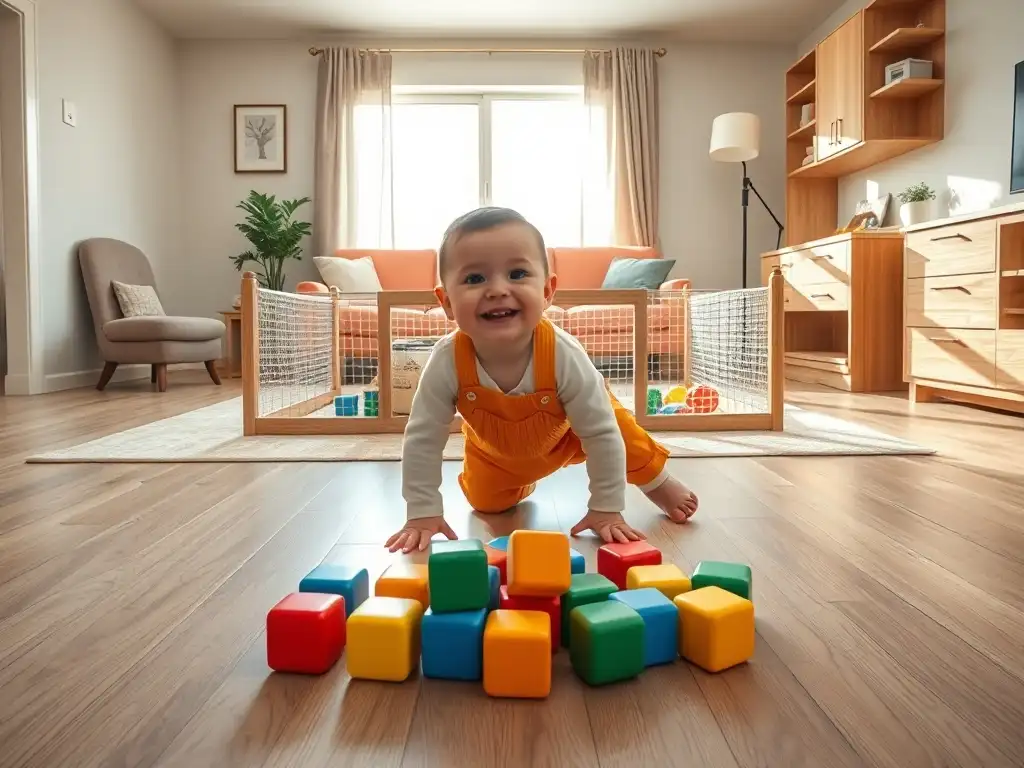
This section focuses on the continuous effort required to maintain a safe home environment for your crawling baby. Babyproofing isn't a one-time task; it's an ongoing process that adapts to your baby's ever-changing abilities. Remember, even with thorough initial babyproofing, consistent vigilance is crucial in preventing accidents. The goal is to minimize risks and create a space where your little one can explore and develop safely. This means regularly reassessing your home's safety features and making adjustments as your baby grows and becomes more mobile. The keyword "babyproofing crawling baby home" is central to this ongoing process.
Regular Safety Checks: Preventing Accidents and Hazards
Regular safety checks are paramount to babyproofing your home for a crawling baby. Think of it as a proactive approach to accident prevention. Aim for weekly, thorough inspections of your entire home, focusing on areas your baby frequents. This includes:
- Checking electrical outlets: Ensure all outlets are covered with safety plugs. Test the plugs regularly to ensure they are securely in place and functioning correctly.
- Inspecting cords: Examine all electrical cords, phone chargers, and appliance cords. Tuck them away neatly, securing them with cord management tools where possible, to prevent tripping hazards or your baby pulling on them.
- Securing furniture: Check that any furniture that could tip over, such as bookshelves or dressers, is securely anchored to the wall. This is especially important for heavy pieces.
- Assessing cabinet and drawer safety: Verify that all cabinets containing cleaning supplies, medications, or hazardous materials are securely locked. Consider using childproof latches.
- Examining window coverings: Ensure cords for blinds and curtains are inaccessible to your baby. Consider replacing corded blinds with cordless alternatives.
- Checking for sharp edges and corners: Pad sharp corners of furniture and tables with corner guards. This simple step can prevent serious injuries.
Consider creating a checklist for your weekly safety checks. This helps ensure you don't miss any crucial areas. Remember, even small details can make a big difference in creating a safe environment for your crawling baby. A systematic approach to babyproofing is key to minimizing risks. The peace of mind that comes from knowing your home is safe for your little explorer is invaluable.
Adapting to Your Baby's Development: Adjusting Safety Measures as Your Baby Grows
As your baby develops, their abilities and interests change rapidly. What was once a safe space may quickly become a potential hazard. This is why adapting your babyproofing strategy is crucial. A baby who's just starting to crawl will have different needs than one who is pulling themselves up and cruising around furniture.
For example:
| Developmental Stage | Safety Adjustments |
|---|---|
| Crawling | Install baby gates at the top and bottom of stairs, cover electrical outlets, secure loose cords. |
| Pulling to Stand | Secure furniture to walls, add padding to sharp corners, remove breakable items from lower shelves. |
| Cruising | Install cabinet locks, keep walkways clear, ensure stable furniture. |
| Walking | Secure all potential hazards at floor level, monitor closely for potential hazards. |
Remember to anticipate your baby's next developmental milestone. For instance, if your baby is starting to pull themselves up, it's time to prioritize securing taller furniture and removing breakable items from lower shelves. This proactive approach to babyproofing helps you stay ahead of potential dangers and ensures your home remains a safe haven for your growing child. This ongoing adaptation of your babyproofing strategy is vital for a crawling and walking baby.
Creating a Safe Play Space for Your Crawling Baby: Designated Areas and Toy Selection
Creating a dedicated play area is an essential part of babyproofing for a crawling baby. This designated space allows your baby a safe area to explore and play without constant supervision. The keyword "babyproofing crawling baby home" also encompasses the creation of this safe haven.
Here's how to establish a safe and stimulating play area:
- Choose a location: Select a room or area that is free from hazards such as stairs, electrical outlets, and sharp objects. A carpeted area is ideal for cushioning falls.
- Clear the space: Remove any potential hazards such as small objects that could be choking hazards, loose rugs that could cause tripping, and sharp objects.
- Soft surfaces: Use soft, padded play mats to cushion falls and provide a comfortable surface for your baby to play on.
- Age-appropriate toys: Provide your baby with age-appropriate toys that are safe and stimulating. Avoid toys with small parts or sharp edges.
- Regular cleaning: Keep the play area clean and free of dust and debris. Regularly inspect toys for damage or wear and tear.
By creating this safe haven, you're not only babyproofing a specific area but also providing a dedicated space for your baby's development and exploration. This dedicated space can significantly reduce the risk of accidents and allow you some peace of mind while your baby plays. Remember, a safe and stimulating play area contributes significantly to your overall babyproofing strategy for a crawling baby at home.
Babyproofing on a Budget: Affordable Solutions for Crawling Baby Safety
Babyproofing doesn't have to break the bank! Many effective safety measures can be implemented without spending a fortune. Prioritizing safety while managing a budget is achievable with a little creativity and resourcefulness. This section focuses on cost-effective strategies to babyproof your home for a crawling baby, ensuring your little one's safety without emptying your wallet. Remember, even small steps towards babyproofing can significantly reduce risks. The goal is to create a safe environment, not necessarily a perfectly pristine one.
DIY Babyproofing Solutions: Cost-Effective Ways to Protect Your Baby
Numerous DIY babyproofing solutions offer excellent protection at a fraction of the cost of commercial products. For instance, instead of purchasing expensive cabinet locks, consider using inexpensive Velcro straps or even simple twist ties to secure cabinet doors. These readily available materials provide a surprisingly strong hold, preventing your curious crawler from accessing potentially dangerous items.
Another great DIY option involves using pool noodles strategically placed along sharp corners of furniture. These soft, buoyant cylinders effectively cushion impacts, safeguarding your baby from bumps and bruises. You can also use foam padding or even thick towels wrapped in fabric to create similar protective barriers. This simple approach prevents injuries associated with sharp edges and corners.
Consider using inexpensive foam or rubber shelf liner to prevent items from sliding off shelves. This is particularly useful in kitchens and bathrooms where slippery surfaces are common. The added friction provided by the liner will keep bottles, jars, and other items securely in place, preventing accidents.
Here's a table summarizing some cost-effective DIY babyproofing solutions:
| Item to Babyproof | DIY Solution | Cost | Effectiveness |
|---|---|---|---|
| Cabinets | Velcro straps, twist ties | Very Low | High |
| Sharp Corners | Pool noodles, foam padding | Low | High |
| Drawers | Furniture straps, bungee cords | Low | Medium-High |
| Shelves | Rubber shelf liner | Very Low | Medium |
| Electrical Outlets | Outlet covers (DIY or inexpensive) | Low | High |
Remember to always supervise your baby, even with babyproofing measures in place. No system is foolproof, and constant vigilance is crucial. 👶
Repurposing Household Items for Babyproofing: Creative and Affordable Solutions
Repurposing household items is a fantastic way to babyproof your home affordably and creatively. Think outside the box and explore the potential of items you already own. For example, those old towels you were planning to donate can be repurposed into soft, protective barriers for sharp corners or edges. Simply wrap the towels around the corners and secure them with rubber bands or twist ties.
Similarly, sturdy cardboard boxes can be used to block off access to potentially hazardous areas, such as stairs or electrical panels. While not a permanent solution, they offer a temporary and cost-effective barrier until more permanent solutions can be implemented.
Even empty plastic bottles can be repurposed. For example, filling them with sand or pebbles and placing them in front of drawers or cabinets can prevent them from opening. This provides a simple and surprisingly effective deterrent for your little explorer.
This approach minimizes waste and promotes sustainable living while enhancing your home's safety for your crawling baby. Remember to always inspect repurposed items for potential hazards before using them for babyproofing. Sharp edges or small parts should be avoided. Prioritize safety above all else.
Frequently Asked Questions
What are the most important areas to babyproof when my baby starts crawling?
The most crucial areas are low-hanging hazards like electrical cords, furniture that can tip over, and easily accessible cabinets containing cleaning supplies or medications. Focus on securing these first.
How can I childproof my home affordably?
Many babyproofing solutions can be DIY, such as using cabinet locks you already own, or using furniture straps to secure tall items. Prioritize the most dangerous areas first and gradually add more protections.
What are some common crawling baby hazards I might overlook?
Don't forget about small objects that can be choking hazards, such as buttons or coins. Also, be mindful of sharp corners on furniture and gaps where fingers or toes could get trapped.
At what age should I start babyproofing for crawling?
It’s best to begin babyproofing as soon as your baby shows signs of rolling or becoming mobile, even before they actually start crawling. This proactive approach gives you time to make your home safe.
What are some good resources for more babyproofing information?
You can find additional guidance from organizations like the American Academy of Pediatrics or through reputable online resources dedicated to child safety. Always check multiple sources to verify information.
Final Reflection: A Safe Haven: Building a Future for Your Little Explorer
Creating a safe home for a crawling baby isn't just about preventing bumps and bruises; it's about building a foundation of security and trust. The seemingly small act of babyproofing your home is, in reality, a powerful declaration of love and commitment to your child's well-being, a commitment that extends far beyond the toddler years.
The journey of babyproofing is a deeply personal one, filled with both anxieties and joys. It's a time of intense preparation, a period of transforming your home from a space you simply inhabit into a nurturing environment designed specifically for your child's growth and exploration. This process mirrors the larger societal shift towards prioritizing child safety, a shift reflected in evolving safety standards and increased awareness. The best way to find yourself is to lose yourself in the service of others.
– Mahatma Gandhi. This quote, while not directly about babyproofing, speaks to the profound selflessness and love inherent in creating a safe and enriching environment for a child.
Now, as you finish reading, take a moment to reflect on your own home. Consider the spaces your little one will soon explore, the potential hazards that might lurk unseen, and the simple steps you can take to transform your home into a haven of safety and joy. Don't just babyproof your home; babyproof your future by creating a space where your child can thrive, learn, and grow with confidence and security. The journey of parenthood is a marathon, not a sprint, and creating a safe home is the first, crucial step in this incredible adventure.
Ready to Create a Safe Haven?
Thank you for taking the time to learn how to babyproof your home! We hope you feel more confident and prepared for your little one's arrival. Now, let's put that knowledge into action.
- Prioritize your top three safety hazards: Take a fresh look around your home and identify the three areas that need the most immediate attention. This focused approach will make the process feel less overwhelming. For example, you might prioritize securing any loose furniture, covering electrical outlets, and blocking access to stairs.
- Share your babyproofing journey: Connect with other parents on our BabyCareHub forum and share your experiences, tips, and questions. We're a supportive community ready to help! You might find solutions to challenges you're facing, or offer helpful advice to others.
- Document your progress: Take before-and-after photos of your babyproofing efforts. This not only helps you track your progress, but also provides a visual reminder of the safe and happy home you're creating. It can also be a fun way to look back on this stage of your child's development.
So, what's the first area you'll tackle to create a safer space for your little one?