
Choking Prevention Strategies: How to Reduce the Risk at Home

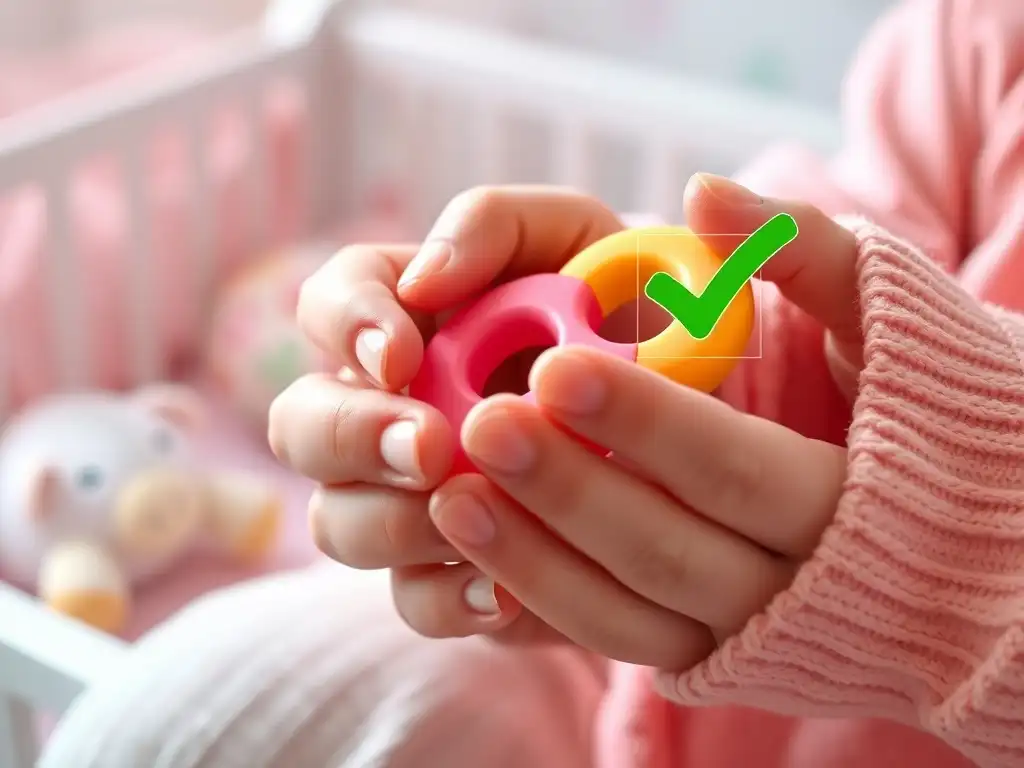
Welcome to BabyCareHub, your ultimate guide to navigating the incredible journey of parenthood! Are you a first-time parent feeling overwhelmed by the sheer volume of information out there? We understand. That's why we've created this comprehensive resource, packed with practical advice and step-by-step guidance on everything from feeding schedules to developmental milestones.
But first, let's address a crucial concern: baby choking prevention. Discover essential tips and strategies in our latest article, "Choking Prevention Strategies: How to Reduce the Risk at Home," and learn how to create a safer environment for your little one. Explore BabyCareHub today and embark on this exciting adventure with confidence!
- Understanding Choking Hazards in Babies: Identifying Common Risks
- Baby Choking Prevention Tips: A Step-by-Step Guide
- Creating a Safe Home Environment for Your Baby: Choking Prevention Strategies
- First Aid for Choking: What to Do in an Emergency
- Resources and Further Information on Baby Choking Prevention
- Frequently Asked Questions
- Final Reflection: A Legacy of Safe Breathing
- Unlock Your Child's Safety: Take Action Now!
Understanding Choking Hazards in Babies: Identifying Common Risks
Choking is a serious threat to infants and toddlers, and understanding the risks is the first step towards ensuring your little one's safety. This comprehensive guide provides crucial information on choking prevention strategies for babies, equipping parents with the knowledge and tools to create a safer home environment. We'll explore common choking hazards, recognize the signs of choking, and discuss age-appropriate preventative measures, helping you navigate this critical aspect of baby care. Learning to anticipate and react to potential choking situations is paramount for every parent.
This article will provide practical, actionable steps to minimize the risk of choking and ensure your baby's well-being. Remember, proactive measures are key to preventing this potentially life-threatening hazard. Let's delve into the specifics of baby choking prevention tips to safeguard your child.
Common Choking Hazards for Infants and Toddlers
Infants and toddlers explore their world through their mouths, making them highly susceptible to choking hazards. Many everyday items pose a significant risk. The following list details some of the most common culprits:
- Small objects: Buttons, beads, coins, small toys, and pieces of broken toys are prime choking hazards. Anything that can fit entirely inside a toilet paper roll is too small for a young child.
- Food: Certain foods, even seemingly safe ones, can pose a significant choking risk. Examples include:
- Hard foods: Nuts, seeds, popcorn, hard candies, and whole grapes.
- Round foods: Cherry tomatoes, hot dogs (cut into slices lengthwise, not rounds), and hard cheeses.
- Sticky foods: Peanut butter (especially in large amounts), marshmallows, and gummy candies.
- Household items: Small batteries, balloons (deflated or inflated), magnets, and small parts from household appliances are dangerous.
- Toys: Toys with small detachable parts, or those designed for older children, pose a risk to younger babies. Always check toy labels for age recommendations.
It's crucial to regularly inspect your home for potential choking hazards and remove anything that could pose a risk to your child. Remember, prevention is better than cure. The seemingly innocuous can be dangerous; vigilance is essential.
Recognizing Signs of Choking in Babies
Recognizing the signs of choking is critical for prompt intervention. Early recognition can mean the difference between a minor scare and a life-threatening emergency. Be aware of these key indicators:
- Inability to cry or make sounds: A sudden silence or change in crying is a serious warning sign.
- Gasping for air or wheezing: Difficulty breathing is a clear indication of a possible choking event.
- Turning blue or pale: This signifies a lack of oxygen, indicating a critical situation.
- Clutching at the throat: While less common in very young babies, older infants might exhibit this sign.
- Loss of consciousness: This is a medical emergency requiring immediate action.
If you suspect your baby is choking, act immediately. Knowing how to perform infant CPR is highly recommended. Seek immediate medical attention if necessary. Remember, swift action is crucial.
Age-Appropriate Choking Hazards: From Newborn to Toddler
The types of choking hazards change as your baby grows and develops. Here's a breakdown by age group:
| Age Group | Common Choking Hazards | Prevention Strategies |
|---|---|---|
| Newborn (0-3 months) | Small objects, loose bedding, pacifier straps | Regularly check crib, remove loose items, supervise closely during tummy time |
| 4-6 months | Soft foods (cut into small pieces), small toys | Introduce soft, easily dissolvable foods, supervise during feeding and playtime |
| 7-12 months | Larger pieces of soft food, small toys, household items | Continue supervising closely, begin introducing finger foods, childproof your home |
| Toddler (1-3 years) | Larger pieces of food, small toys, buttons, coins | Teach your child about choking hazards, supervise during mealtimes and playtime |
Remember, constant supervision is key, especially during mealtimes and playtime. By understanding age-appropriate hazards and implementing preventative measures, you can significantly reduce the risk of choking in your baby. This proactive approach is essential in ensuring your child's safety and well-being. The information provided here aims to educate and empower parents to protect their little ones.
Baby Choking Prevention Tips: A Step-by-Step Guide

This section provides practical, actionable steps to minimize the risk of choking in babies. Remember, prevention is key to ensuring your baby's safety and well-being. These tips focus on proactive measures you can take at home to create a safer environment for your little one. Consistent vigilance and careful planning are crucial in implementing effective baby choking prevention strategies.
Safe Food Preparation and Serving Techniques for Babies
Preparing and serving food safely is paramount in preventing choking incidents. Here's a breakdown of essential techniques:
- Cut food into appropriately sized pieces: For babies starting solids (around 6 months), foods should be soft, cooked until tender, and cut into very small, manageable pieces. Think matchstick size or smaller for items like soft cooked vegetables or fruits. Avoid anything round and smooth that could easily slip down the throat. For older babies, pieces can be slightly larger, but always supervise closely.
- Avoid hard, sticky, or stringy foods: Stay away from foods that could easily become lodged in the airway, such as whole grapes, nuts, popcorn, hard candies, hot dogs (cut lengthwise then into small pieces), and tough meats. Sticky foods like peanut butter should also be avoided until a child is older and has developed better chewing skills.
- Proper cooking methods: Steam, boil, or bake foods until they are incredibly soft. This makes them easier to mash and reduces the risk of choking. Avoid giving your baby raw or undercooked foods.
- Serve small portions: Start with tiny amounts of food, observing your baby's reactions and allowing them to get used to the texture and consistency. Avoid overfilling their mouth.
- Supervise feeding sessions constantly: Never leave your baby unattended while they're eating. Your constant supervision is the most crucial aspect of baby choking prevention.
| Food | Safe Preparation | Unsafe Preparation |
|---|---|---|
| Cooked Carrots | Cut into very small, soft sticks | Served whole or in large chunks |
| Avocado | Mashed or cut into tiny pieces | Served whole or in large slices |
| Cooked Chicken Breast | Shredded or cut into tiny pieces | Served in large pieces or whole |
| Sweet Potato | Steamed and mashed or cut into tiny pieces | Served raw or in large pieces |
| Bananas | Mashed or cut into very small, soft pieces | Served whole or in large pieces |
Choosing Appropriate Foods for Baby's Developmental Stage
The type of food you offer your baby should align with their developmental stage. Babies progress through different stages of chewing and swallowing ability.
- Stage 1 (6-8 months): Pureed or very finely mashed foods are ideal. Think smooth purees of fruits, vegetables, and single-grain cereals.
- Stage 2 (8-10 months): Introduce soft, easily mashed foods like well-cooked pasta, soft cooked vegetables cut into small pieces, and finely shredded meats.
- Stage 3 (10-12 months): You can begin to offer slightly larger, softer pieces of food, but always supervise closely. Avoid anything that could pose a choking hazard.
Remember, this is a general guideline; every baby develops at their own pace. Always consult your pediatrician for personalized advice regarding your baby's dietary needs and developmental milestones. Following your doctor's recommendations is crucial for your baby's safe and healthy development.
Avoiding Common Choking Hazard Foods for Babies
Certain foods are notorious for posing a significant choking risk to babies. It is crucial to completely avoid these foods until your child is much older and has developed sufficient chewing and swallowing skills. Here are some common culprits:
- Whole grapes: These are a leading cause of choking in young children. Always cut grapes in half, then in half again, lengthwise.
- Popcorn: The small, hard kernels are easily inhaled.
- Nuts and seeds: These are extremely dangerous due to their size and hardness.
- Hard candies and chewing gum: These pose an obvious choking risk.
- Hot dogs (unless prepared as described above): The smooth, cylindrical shape can easily become lodged in the airway.
- Raw vegetables: These are often too hard and difficult for babies to manage. Always cook vegetables thoroughly before serving.
Remember, proactive measures and constant vigilance are essential in ensuring your baby's safety. By following these baby choking prevention tips, you significantly reduce the risks associated with choking hazards. Always prioritize your baby's well-being and consult your pediatrician with any concerns. 👶
Safe Food Textures for Different Ages
Introducing solids is a significant milestone, but it's crucial to understand the appropriate food textures for your baby's developmental stage to minimize choking risks. The transition from purees to more complex textures should be gradual and carefully monitored. Remember, every baby develops at their own pace, so these are guidelines, not strict rules. Always supervise your baby during mealtimes.
Babies typically start with pureed foods around 6 months old. These smooth, easily-digestible purees minimize the risk of choking. Examples include pureed carrots, sweet potatoes, or avocados. As they get older, you can gradually increase the thickness of the puree, moving towards a mashed consistency. Think well-cooked and thoroughly mashed vegetables or fruits.
Between 7 and 9 months, you can introduce soft, easily-mashable foods like well-cooked pasta, soft-cooked green beans, or overripe bananas. Ensure these foods are cut into small, manageable pieces, no larger than ¼ inch. Avoid anything that's hard or sticky. This stage focuses on building their chewing skills and managing larger pieces of food.
By 9 to 12 months, your baby should be developing more advanced chewing skills. You can start offering small, soft pieces of cooked chicken or fish, well-cooked vegetables cut into small sticks (like carrots or zucchini), and soft, easily-dissolving crackers. Always supervise closely to ensure they are chewing properly and not attempting to swallow large pieces whole.
After 12 months, you can gradually introduce more complex textures, but always remain vigilant. Even with older babies, certain foods pose a higher choking risk and require extra caution. Always cut food into appropriately sized pieces and supervise mealtimes diligently. Remember, the key is to progress slowly, carefully observing your baby's ability to manage different textures. If you have any concerns, consult your pediatrician. They can provide personalized advice based on your baby's individual development and needs. Early intervention and careful monitoring are your best allies in preventing choking incidents.
Creating a Safe Home Environment for Your Baby: Choking Prevention Strategies

This section focuses on proactive measures you can take to minimize choking risks in your home. Creating a safe environment is paramount in preventing baby choking incidents. By implementing these strategies, you significantly reduce the likelihood of a choking emergency. Remember, consistent vigilance and a proactive approach are key to ensuring your baby's safety. This is crucial for implementing effective baby choking prevention tips.
Baby-Proofing Your Home to Prevent Choking Hazards
Baby-proofing goes beyond securing electrical outlets and covering sharp corners. It's about creating a space where small objects, potential choking hazards, are inaccessible to your curious little one. This involves a thorough assessment of your home, identifying and eliminating potential dangers.
Consider these crucial steps:
- Floor Check: Regularly inspect the floor for small items like buttons, coins, beads, or food crumbs. These seemingly innocuous items can pose significant choking hazards. A quick sweep before playtime or mealtimes can prevent accidents.
- Furniture Safety: Secure any loose parts on furniture, including wobbly legs or drawers. Babies are naturally inquisitive and might try to pull on these, potentially causing objects to fall and become choking hazards.
- Window Treatments: Cordless blinds and curtains are strongly recommended to eliminate the strangulation and entanglement risks associated with traditional cords. These pose a serious threat and should be addressed immediately.
- Outlet Covers: Use safety plugs to cover all electrical outlets. These are inexpensive yet vital for preventing electrocution and accidental ingestion of small parts.
- Cabinet Locks: Install childproof latches on cabinets containing cleaning supplies, medications, and other potentially hazardous items. This prevents access to dangerous substances and small objects.
Storing Hazardous Items Safely Out of Baby's Reach
Proper storage of hazardous items is critical in preventing choking and other accidents. This involves more than just placing items on high shelves; it requires a strategic approach to ensure your baby cannot access them, regardless of their climbing skills.
Here's a breakdown of safe storage practices:
- High Shelving: Keep all potentially hazardous items, including small parts, medications, cleaning supplies, and sharp objects, on high shelves out of your baby's reach. Ideally, utilize shelves that are well above your baby's current and projected reach.
- Locked Cabinets: Utilize locked cabinets for storing cleaning products, medications, and other dangerous substances. These should be secured with child-resistant locks to prevent accidental opening.
- Designated Storage Areas: Consider creating designated storage areas for small items like buttons, beads, and craft supplies. These should be securely locked and stored away from your baby's reach. Consider using clear plastic storage containers with secure lids.
- Regular Checks: Regularly check the storage areas to ensure all items are safely secured and nothing has been inadvertently left out. This proactive approach is vital for maintaining a safe environment.
Selecting Safe Toys and Playthings for Babies
Toy selection plays a crucial role in preventing choking hazards. Not all toys are created equal, and some pose a greater risk than others. Prioritizing safe toys is essential for your baby's well-being.
Here are some guidelines for choosing safe toys:
| Age Range | Appropriate Toy Characteristics | Inappropriate Toy Characteristics |
|---|---|---|
| 0-3 Months | Large, soft toys; rattles with no small parts; textured fabrics | Small toys; toys with detachable parts; toys with long cords |
| 3-6 Months | Teethers made of safe materials; large, soft blocks; rattles | Toys with small parts that can easily be detached; hard toys |
| 6-12 Months | Stacking cups; soft balls; large, chunky toys | Toys with small parts; toys that can be easily broken apart |
| 12 Months + | Age-appropriate toys with larger parts; building blocks | Toys with small parts or sharp edges; toys with easily broken parts |
Remember to always supervise your baby during playtime and regularly inspect toys for damage or loose parts. Discard any toys that show signs of wear and tear or have detachable small pieces. Following these baby choking prevention tips diligently will contribute significantly to a safer home environment for your little one. Choosing age-appropriate toys is crucial for minimizing the risk of choking and promoting safe play. 🧸
Supervising Your Baby During Mealtimes and Playtime
Constant supervision is paramount when it comes to preventing baby choking. This vigilance should be unwavering during both mealtimes and playtime, as these are the periods when choking hazards are most prevalent. For newborns and infants, every mouthful should be observed closely. Don't assume your baby is capable of self-regulation; even seemingly small food pieces can pose a significant risk. Babies explore their world through their mouths, making attentive monitoring during playtime crucial. Toys should be age-appropriate and regularly inspected for any signs of wear and tear that could lead to small parts breaking off.
During mealtimes, avoid distractions like phones or television. Focus entirely on your baby, observing their eating patterns and body language. Signs of choking can include coughing, gagging, wheezing, or turning blue. Knowing these signs is critical for quick intervention. If your baby shows any signs of distress while eating, immediately stop the feeding and seek appropriate first aid. Remember, quick action can be life-saving.
Playtime supervision requires similar diligence. Never leave your baby unattended with toys, especially those with small parts, that could be easily detached and swallowed. Regularly check play areas for any potential choking hazards, such as loose buttons, small beads, or broken pieces of toys. Remember that babies are constantly developing and their abilities change rapidly.
What was safe a few weeks ago might pose a choking hazard now. This necessitates continuous reassessment of the environment and the toys your baby is playing with. Consider rotating toys to maintain interest and prevent boredom-driven exploration that could lead to putting unsafe objects in their mouths. Active and consistent supervision is your baby's best protection against choking hazards.
First Aid for Choking: What to Do in an Emergency

This section focuses on immediate actions to take if your baby is choking. Knowing these steps can be crucial in a life-threatening situation. Remember, swift action is key. While prevention is paramount (as discussed in other sections of this article focusing on "Baby choking prevention tips"), understanding first aid is equally important for every parent. This information should not replace a proper first aid course; consider enrolling in a certified infant and child CPR class for comprehensive training.
Recognizing the Signs of a Choking Emergency
Recognizing the signs of a choking emergency is the first step in providing effective help. A choking baby will exhibit several distinct symptoms. These can range from mild distress to complete airway obstruction. Don't delay; act quickly if you observe any of the following:
- Inability to cry or make sounds: This is a critical indicator. If your baby is struggling to make any noise, it's a serious warning sign.
- Gasping for air or wheezing: Noticeable difficulty breathing, accompanied by high-pitched sounds, is a clear sign of airway compromise.
- Skin turning blue or gray (cyanosis): This indicates a severe lack of oxygen, requiring immediate intervention.
- Clutching at the throat: While less common in infants, older babies might instinctively grab their throat.
- Loss of consciousness: This is the most critical sign and demands immediate action, including CPR.
Remember, even seemingly minor signs of choking should be treated seriously. It's always better to err on the side of caution. Early intervention can significantly improve the outcome.
Performing Infant CPR: Step-by-Step Instructions
Infant CPR should only be performed if your baby becomes unresponsive and is not breathing. This section provides a simplified overview; a proper CPR certification course is essential for comprehensive learning. The following steps outline the basic procedure:
- Check for responsiveness: Gently shake or tap your baby's feet and shout their name.
- Open the airway: Tilt the baby's head back slightly and lift the chin.
- Check for breathing: Look, listen, and feel for breathing for no more than 10 seconds.
- Begin CPR: If your baby is not breathing, begin chest compressions. Use two fingers placed in the center of the chest, just below the nipple line. Compress the chest at a rate of 100-120 compressions per minute. The depth of compression should be about 1.5 inches.
- Rescue breaths: After 30 chest compressions, give two rescue breaths. Cover the baby's mouth and nose with your mouth and gently blow for about 1 second each time.
- Continue CPR: Repeat cycles of 30 compressions and two breaths until help arrives or the baby starts breathing again.
This is a simplified overview. Detailed instructions and practical training are crucial for mastering this life-saving technique. Enroll in a certified CPR course to learn the correct techniques and build confidence.
When to Call Emergency Services for Choking
Calling emergency services (911 or your local equivalent) is vital in choking emergencies. Do not hesitate to call for immediate help if:
- Your baby is unresponsive.
- Your baby is not breathing.
- Your baby is turning blue or gray.
- You are unable to clear the obstruction yourself.
- The choking episode lasts longer than a few seconds.
Even if you manage to clear the obstruction, calling emergency services is still recommended to ensure your baby receives proper medical evaluation and care. They can provide advanced medical assistance and assess for any potential complications. Remember, prompt medical attention is crucial for the best possible outcome. Keep emergency numbers readily accessible. Consider programming them into your phone's speed dial. 👶 Your quick response can save a life.
Resources and Further Information on Baby Choking Prevention
This section provides valuable resources to help you delve deeper into baby choking prevention and related safety topics. We understand that navigating the world of baby safety can be overwhelming, so we've compiled a list of reputable organizations and additional reading materials to support your journey. Remember, proactive safety measures are key to minimizing risks and ensuring your baby's well-being. Consistent vigilance and knowledge are your best allies in baby choking prevention.
Recommended Organizations and Websites for Baby Safety Information
Finding trustworthy information on baby safety is crucial. Here are some organizations known for their reliable and evidence-based resources on baby choking prevention and other safety concerns:
- [Organization Name 1]: This organization offers comprehensive guides and educational materials on various aspects of child safety, including detailed information on choking hazards and prevention strategies for babies of all ages. They often provide age-appropriate advice and practical tips for parents. Their website usually features interactive tools and checklists to help you assess potential risks in your home environment.
- [Organization Name 2]: Known for its research-backed information, this organization provides detailed insights into the causes of choking incidents in babies and offers evidence-based recommendations for prevention. You can often find articles, infographics, and videos on their website, making it a valuable resource for visual learners. They frequently update their content to reflect the latest research and safety guidelines.
- [Organization Name 3]: This organization focuses on first aid and emergency response, offering valuable training and resources on how to handle choking incidents in babies. Their website typically includes videos demonstrating the proper techniques for administering first aid, which is crucial in emergency situations. They often partner with hospitals and medical professionals to ensure the accuracy and effectiveness of their training materials.
| Organization Name | Focus | Key Resources Offered |
|---|---|---|
| [Organization Name 1] | Comprehensive Child Safety | Guides, Checklists, Interactive Tools |
| [Organization Name 2] | Research-Based Baby Safety Information | Articles, Infographics, Videos |
| [Organization Name 3] | First Aid and Emergency Response for Babies | First Aid Training, Videos Demonstrating Techniques |
This table summarizes the key focuses and resources available from these organizations. Remember to always verify information with your pediatrician or other healthcare professionals.
Further Reading on Baby Choking Prevention and First Aid
Beyond the organizations mentioned above, several books and publications offer in-depth information on baby choking prevention and first aid. These resources can provide a more comprehensive understanding of the topic and help you prepare for various scenarios:
- Book Title 1: [Book Title] by [Author's Name]: This book provides a detailed overview of choking hazards, prevention strategies, and first aid techniques for babies. It often includes case studies and real-life examples to illustrate the importance of proactive safety measures. The book may also offer advice on creating a safe home environment for your baby.
- Book Title 2: [Book Title] by [Author's Name]: This publication focuses specifically on first aid for infants and young children, providing step-by-step instructions on how to respond to various emergencies, including choking incidents. It typically features clear illustrations and diagrams to make the instructions easy to understand. The book may also cover other common childhood emergencies.
- Journal Article Title: "[Article Title]" in [Journal Name]: This academic article explores the latest research on baby choking prevention, offering insights into the effectiveness of different strategies and providing evidence-based recommendations for parents and caregivers. The article might delve into specific choking hazards and risk factors.
Remember, knowledge is power when it comes to baby safety. The more you learn, the better equipped you will be to protect your little one.
By exploring these resources, you can further enhance your understanding of baby choking prevention and ensure a safe and nurturing environment for your child. Remember to always prioritize your baby's safety and seek professional advice when needed. Proactive measures and continuous learning are vital components in preventing baby choking incidents.
Frequently Asked Questions
What are the most common choking hazards for babies?
Small objects like buttons, coins, beads, and pieces of food (e.g., grapes, hot dogs, popcorn) are common choking hazards. Always supervise your baby closely and keep these items out of reach.
How can I safely feed my baby to prevent choking?
Cut food into small, manageable pieces, ensuring they are soft enough to easily mash. Avoid round foods that can easily block airways. Feed your baby in an upright position and never leave them unattended while eating.
What should I do if my baby is choking?
If your baby is choking, immediately call emergency services. Then, perform back blows and chest thrusts (depending on the baby's age) as demonstrated in a first-aid course. Early intervention is crucial.
At what age are babies most at risk of choking?
Babies between the ages of 4 and 6 months are at increased risk, as they are exploring their world through their mouths and developing their chewing skills. Careful supervision is paramount during this period.
What are some choking prevention strategies for the home environment?
Baby-proof your home by removing small objects from reachable areas. Use safety gates to restrict access to potentially hazardous rooms. Regularly check toys and other items for small, loose parts that could detach and become choking hazards.
Final Reflection: A Legacy of Safe Breathing
The silent threat of choking remains a stark reality for families worldwide, demanding our constant vigilance and proactive measures. Every statistic highlighting preventable choking incidents underscores the urgent need for widespread education and the implementation of simple, yet effective, safety strategies. The seemingly mundane act of eating becomes a potential hazard if we fail to prioritize prevention.
The impact of choking prevention extends far beyond the immediate crisis; it shapes the very fabric of our family lives, instilling a culture of safety and awareness. The peace of mind that comes from knowing you've taken every reasonable precaution is invaluable. The best safety device is a well-informed parent.
This simple truth resonates deeply, reminding us that knowledge is our most powerful tool in safeguarding our children. The ongoing conversation surrounding choking hazards, fueled by shared experiences and evolving safety standards, is crucial for creating a safer environment for all.
You now hold the knowledge to significantly reduce the risk of choking in your home. Take a moment to reflect on the strategies discussed – from proper food preparation and supervision techniques to the importance of knowing CPR. Don't let this information remain passive; actively implement these practices in your daily life. Empower yourself, empower your family, and contribute to a future where preventable choking incidents become a distant memory. Your vigilance is a testament to the love and protection you provide.
Unlock Your Child's Safety: Take Action Now!
Thank you for learning about choking prevention. You've gained valuable knowledge to protect your child. Now, let's put it to use!
- Create a Choking Hazard-Free Home: Immediately assess your home and remove any potential choking hazards from your child's reach. This is the most crucial step you can take.
- Share This Life-Saving Information: Share this information with other parents and caregivers to help protect more children. A quick email or social media post can make a significant difference.
- Join Our Supportive Community: Connect with other parents on our BabyCareHub forum to share experiences and safety tips. Let's build a stronger support network together.
Are you ready to make your home safer for your child, one step at a time?