
Diaper Bag Overload? How to Streamline Your Essentials

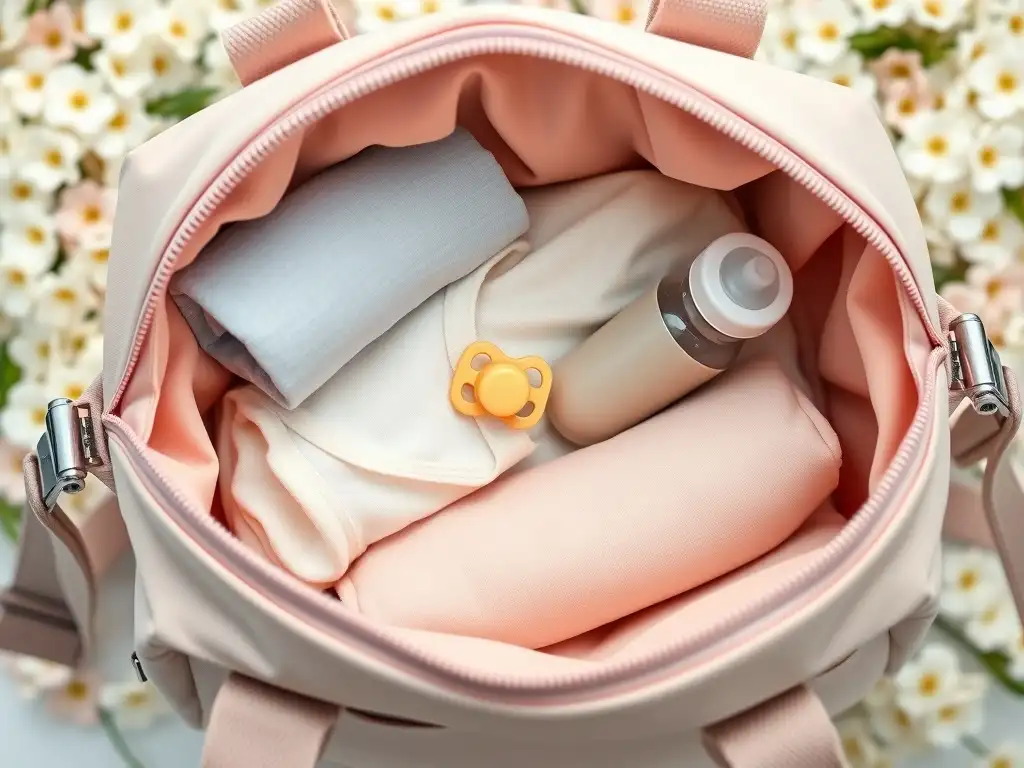
Welcome to BabyCareHub, your ultimate guide to navigating the exciting (and sometimes overwhelming!) world of parenthood. Are you ready to conquer the challenge of packing the essential newborn diaper bag? We understand the pressure – that's why we've created this comprehensive resource, filled with step-by-step advice and expert tips to make your journey smoother. Discover how to streamline your essentials and confidently tackle everything from feeding schedules to nighttime routines. Let's get started!
- Essential Newborn Diaper Bag Checklist: What You REALLY Need
- Minimizing Your Newborn Diaper Bag: The Art of Streamlining
- Optimizing Your Essential Newborn Diaper Bag for Easy Access
- Maintaining a Clean and Organized Essential Newborn Diaper Bag
- Beyond the Basics: Additional Tips for a Streamlined Diaper Bag
- Frequently Asked Questions
- Final Reflection: Lighten the Load, Brighten the Journey
- Conquer Diaper Bag Chaos: Simplify Your Routine Now!
Essential Newborn Diaper Bag Checklist: What You REALLY Need
Navigating the world of newborn parenthood can feel overwhelming, especially when faced with the daunting task of packing the diaper bag. First-time parents often fall into the trap of overpacking, carrying unnecessary items that add weight and clutter without adding real value. This comprehensive guide focuses on streamlining your essential newborn diaper bag, ensuring you have everything you need without the excess baggage. We'll cover the must-have diapering supplies, feeding essentials, and clothing changes to equip you for any situation.
This checklist is designed to help you confidently tackle outings with your little one, knowing you're prepared for anything life throws your way. Remember, a lighter bag means a happier, more mobile you! Let's dive into creating the perfect, essential newborn diaper bag.
Must-Have Diapering Supplies for Your Newborn Diaper Bag
Diapering is a significant part of your daily routine, and being prepared is key. You'll want to ensure your diaper bag is stocked with these necessities:
- Diapers: Pack at least 6-8 newborn diapers, considering the frequency of changes. Remember, newborns go through many more diapers than you might expect!
- Wipes: Opt for gentle, fragrance-free wipes to prevent irritation on your baby's delicate skin. A travel-sized container is ideal for the diaper bag.
- Diaper Rash Cream: A small tube of diaper rash cream is crucial for preventing and treating diaper rash.
- Changing Pad: While many changing stations are available, a disposable or reusable changing pad provides a clean and hygienic surface for diaper changes on the go.
- Plastic Bags: Seal soiled diapers and clothes in plastic bags to prevent odors and messes.
- Hand Sanitizer: Maintaining hygiene is critical, especially when changing diapers in public restrooms.
Feeding Essentials: Bottles, Formula, or Breast Milk Storage
Feeding your newborn is paramount, and preparedness is essential, whether breastfeeding or using formula.
- For Formula-Fed Babies: Prepare formula in advance in individual bottles to save time and effort. Consider using a formula dispenser for easy portioning. Remember to pack a bottle brush for cleaning. Always check the formula expiration date before leaving home.
- For Breastfeeding Mothers: Pack several reusable or disposable breast milk storage bags or bottles if expressing milk. Include a small cooler bag with ice packs to maintain the milk's temperature.
- Bottles: Pack at least two bottles, even if breastfeeding, for water or expressed milk.
- Burp Cloths: Essential for containing those inevitable spit-ups. Pack at least two or three.
Clothing Changes: Outfit Essentials for Unexpected Spills
Accidents happen, and being prepared for unexpected spills or blowouts is crucial.
- Extra Outfit: Pack a complete change of clothes for your baby, including a onesie, socks, and pants. Newborns are prone to spit-ups and messy diaper changes.
- Receiving Blanket: A soft, lightweight receiving blanket is useful for warmth, covering, or cleaning up spills.
- Bibs: Pack at least two bibs to protect your baby's clothing during feeding.
This streamlined checklist ensures you're prepared without unnecessary bulk. Remember, you can always adjust this list based on your baby's needs and your outing's duration. Happy travels! 🎉
Soothing and Comfort Items: Pacifiers, Blankets, and Toys
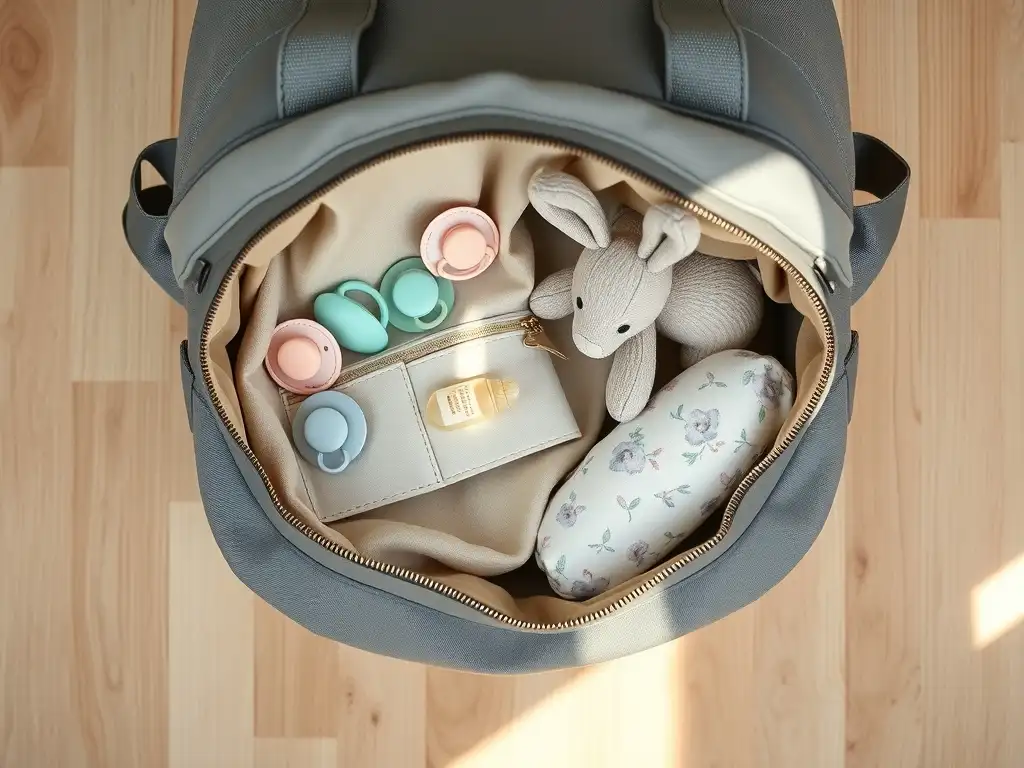
Choosing the right soothing items for your newborn's diaper bag is crucial for maintaining their calm and comfort, especially during outings. A pacifier can be a lifesaver during fussy moments, but remember to choose one appropriate for your baby's age and development. Consider bringing a couple of pacifiers, as babies often drop or lose them. A soft, lightweight receiving blanket offers a familiar source of comfort and can be used for swaddling, burping, or simply as a cozy layer.
Opt for a breathable material like cotton or muslin. Finally, a small, soft toy can provide tactile stimulation and comfort, especially during longer trips or when your baby needs a distraction. However, ensure any toy you choose is age-appropriate and free from small parts that could pose a choking hazard.
Remember to regularly wash these items to maintain hygiene. A good rule of thumb is to pack one or two of each item to ensure you are prepared for any situation. Consider your baby's preferences – some babies are more soothed by a particular blanket or pacifier.
Hygiene Heroes: Wipes, Diaper Rash Cream, and Hand Sanitizer
Maintaining your baby's hygiene is paramount, especially when you're out and about. Always pack plenty of baby wipes – more than you think you'll need! Unexpected spills and messes happen frequently, and having enough wipes on hand prevents stressful situations. Choose wipes that are gentle on your baby's delicate skin, ideally fragrance-free and hypoallergenic.
Diaper rash cream is another essential. Even with diligent diaper changes, diaper rash can occur, and having this readily available means you can address any irritation promptly. Look for a cream that contains zinc oxide, a common ingredient known for its protective and soothing properties. Finally, hand sanitizer is a must-have for maintaining hygiene, especially when you don't have access to soap and water.
Choose a sanitizer that is alcohol-based but gentle enough for your skin, and ensure it's kept away from your baby's reach. Remember to always wash your hands thoroughly with soap and water whenever possible, as hand sanitizer should be considered a supplementary hygiene measure, not a replacement for proper handwashing. Keeping these hygiene essentials readily accessible will help you navigate unexpected messes and keep your little one happy and healthy.
Minimizing Your Newborn Diaper Bag: The Art of Streamlining
Navigating the world of newborn care can feel overwhelming, and your diaper bag is often the first casualty of this chaos. A bulging, overstuffed diaper bag can quickly become a burden, making outings with your little one stressful instead of enjoyable. This section focuses on strategies to streamline your essential newborn diaper bag, transforming it from a chaotic mess into an organized and efficient tool.
We'll explore how to identify truly essential items, test your current setup, and prioritize needs over wants, ultimately leading to a lighter load and a more relaxed parenting experience. Remember, the goal is to carry only what you need, not everything you might need. This will not only save your back, but also your sanity!
Assessing Your Current Diaper Bag Contents: What's Truly Necessary?
Before you can minimize, you need to understand what you're currently carrying. Take inventory of your diaper bag. Seriously, empty it completely and lay everything out. Now, categorize each item:
- Diapering Essentials: Diapers (consider the number based on your baby's usual output and the duration of your outing), wipes, diaper rash cream, changing pad.
- Feeding Supplies: Bottles (if bottle-feeding), formula (if formula-feeding), nursing pads (if breastfeeding), burp cloths.
- Clothing Changes: One extra outfit (accidents happen! ), socks, and a light blanket. Overpacking clothes is a common mistake.
- Hygiene: Hand sanitizer, baby washcloths, a small container of baby lotion.
- Other: Pacifiers (if used), toys (one or two favorites), a small, portable changing pad.
Now, honestly evaluate each item. Do you really need that extra pair of socks for a quick trip to the grocery store? Could you leave behind the entire toy collection for a short outing? Be ruthless in your assessment. Remember, you can always make a quick run home for forgotten items if necessary. The weight you save on your shoulders will be worth the minor inconvenience.
The One-Day Challenge: Testing Your Diaper Bag Essentials
The best way to refine your diaper bag contents is through real-world testing. Choose a typical day – perhaps a trip to the park or a visit to family – and pack only the items you've identified as essential in the previous step. Carry this pared-down bag throughout the day. Pay close attention to what you used and what remained untouched. This hands-on experience provides invaluable insights into your actual needs versus your perceived needs.
Did you find yourself wishing you'd brought something extra? If so, consider adding it to your essential list. Did some items remain unused? Those are prime candidates for removal from the bag. This trial run will help you create a truly efficient and effective diaper bag setup tailored specifically to your routine.
Prioritizing Needs: Differentiating Between Wants and Needs
This is where the real streamlining happens. Many new parents struggle to differentiate between "needs" and "wants" in their diaper bag. Needs are items crucial for your baby's well-being and comfort, while wants are those convenient extras that can be left behind without jeopardizing safety or well-being.
| Item Category | Needs | Wants |
|---|---|---|
| Diapering | Diapers, wipes, diaper rash cream | Extra diaper bags, wipes warmer, diaper pail liners |
| Feeding | Bottles/formula/breastfeeding supplies | Insulated bottle bag, extra bibs, sippy cup |
| Clothing | One extra outfit | Multiple outfit changes, extra blankets |
| Hygiene | Hand sanitizer, baby wipes | Baby powder, specialized baby lotions |
| Other | Pacifiers (if used), small blanket | Numerous toys, extra changing pads, large blanket |
By consciously focusing on the "Needs" column and minimizing or eliminating items from the "Wants" column, you'll significantly reduce the bulk and weight of your diaper bag, making outings with your little one more manageable and enjoyable. Remember, a lighter bag means a happier parent! 👶
Strategic Packing Techniques: Maximizing Space and Organization
Strategic packing is key to preventing your diaper bag from becoming a chaotic mess. Think vertically, not just horizontally. Instead of laying items flat, consider using packing cubes or ziplock bags to create separate compartments within your bag. This allows for better organization and prevents items from shifting and getting crushed. For example, dedicate one packing cube to diapers, another to wipes, and a third to changes of clothes. This method is especially useful for keeping smaller items like pacifiers and teething toys from getting lost at the bottom of the bag.
Another effective technique involves rolling instead of folding clothes. Rolling clothes, particularly baby onesies and pajamas, saves significant space and prevents wrinkles. This is a simple yet surprisingly effective way to maximize the capacity of your diaper bag, especially when packing for longer outings. You’ll be surprised how much more you can fit!
Consider using reusable, silicone food pouches for storing items like baby food or snacks. These are lightweight, leak-proof, and stackable, making them ideal for space-saving in your diaper bag. They’re also easier to clean than traditional containers, a definite plus for busy parents. Furthermore, the different colors can help you visually organize the contents of your bag, even if you're in a rush.
Finally, don't underestimate the power of a well-structured diaper bag itself. Choose a bag with multiple compartments, pockets, and dividers. A diaper bag with dedicated pockets for bottles, wipes, and other essentials will make a world of difference in keeping your bag organized and easy to access. Investing in a high-quality diaper bag designed for organization can significantly reduce packing stress and time. Think of it as an investment in your sanity!
Optimizing Your Essential Newborn Diaper Bag for Easy Access
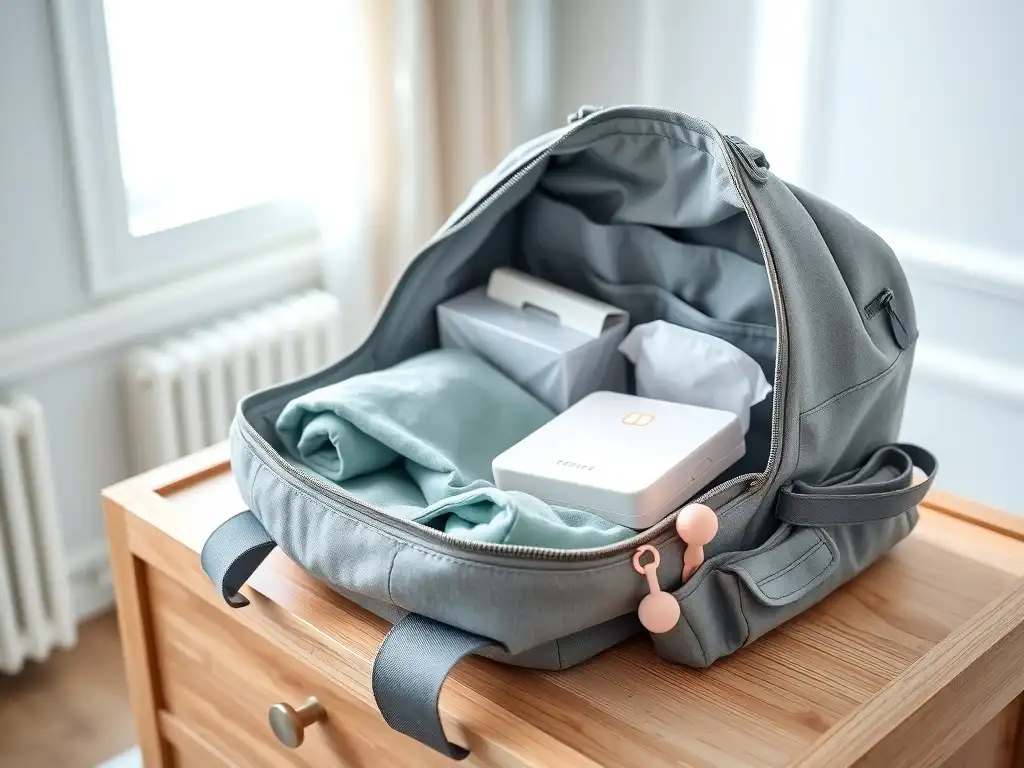
Navigating the world of parenthood with a newborn is challenging enough without the added stress of a disorganized diaper bag. An efficiently packed diaper bag can be the difference between a smooth outing and a frantic scramble. This section focuses on optimizing your essential newborn diaper bag for effortless access to crucial items, transforming potential chaos into calm. We'll explore strategies to maximize space and minimize the time spent searching for necessities. Remember, the goal is to create a system that works for you and your baby's needs.
Compartmentalization Strategies: Utilizing Pockets and Organizers
Effective compartmentalization is key to a well-organized diaper bag. Think of it as creating mini-stations for different item categories. Instead of throwing everything into one large space, utilize all available pockets and consider adding organizers. Many diaper bags come equipped with multiple pockets of varying sizes – large main compartments, smaller zippered pockets, and even insulated pockets for bottles.
Consider these compartmentalization techniques:
- Dedicated Diaper Section: Designate a specific area for diapers, wipes, and diaper rash cream. This prevents frantic searching when a change is needed. Having a separate, easily accessible zip-top bag for soiled diapers is also incredibly helpful.
- Feeding Station: Keep bottles (or breast milk storage), formula (if using), bibs, and burp cloths together. This dedicated area streamlines feeding time, especially when you're out and about.
- Clothing Compartment: Pack a change of clothes for your baby, including socks and a hat. A small, waterproof bag within this section can help keep wet or soiled clothes contained.
- Baby's Comfort Zone: Designate a space for your baby's favorite comfort items – a lovey, pacifier, or small toy. This helps to soothe your baby during stressful moments.
- Parent's Essentials: Don't forget your needs! Include a small pouch for your phone, wallet, keys, and any personal medications.
Using diaper bag organizers can significantly enhance compartmentalization. These inserts usually have multiple smaller compartments, allowing for more precise organization. They're especially useful for bags lacking built-in structure.
The Importance of a Well-Structured Diaper Bag: Choosing the Right Bag
The foundation of an organized diaper bag is the bag itself. Choosing the right bag significantly impacts your ability to streamline your essentials. Consider these factors when selecting your essential newborn diaper bag:
- Size and Capacity: The bag should be large enough to hold all your necessities without being overly bulky or difficult to carry. Consider the size and weight of your baby's items, as well as your own.
- Material and Durability: Opt for a durable, water-resistant material to protect your belongings from spills and unexpected weather. Look for reinforced stitching and strong zippers.
- Accessibility: Easy access to frequently used items is crucial. Look for bags with multiple compartments, zippered pockets, and easy-to-reach openings.
- Comfort and Carry Options: Consider the weight and how the bag will be carried. Shoulder straps, stroller straps, and handles should be comfortable for extended periods.
- Style and Personal Preference: Choose a bag that suits your style and lifestyle. There are many options available, from sleek and minimalist to more functional and spacious designs.
Quick-Access Pockets: Placing Frequently Used Items Within Reach
The most crucial aspect of an essential newborn diaper bag is easy access to frequently used items. This means strategically placing items you'll need most often in readily available pockets.
Think about which items you reach for most frequently during a typical outing:
- Wipes: Keep a pack of wipes in an easily accessible exterior pocket. This will save precious seconds during diaper changes.
- Diapers: While a dedicated diaper section is important, having one or two extra diapers in a quick-access pocket is a lifesaver.
- Hand Sanitizer: Maintaining hygiene is key, especially when changing diapers on the go. Place a small bottle of hand sanitizer in a readily accessible pocket.
- Pacifiers: If your baby uses a pacifier, keep a couple in a designated pocket. Losing a pacifier can be a major disruption.
- Burp Cloths: Spit-up happens, and quickly! Keep a few burp cloths in an accessible pocket to prevent wardrobe malfunctions.
By strategically placing these items, you can minimize the time spent searching and maximize your efficiency. Remember, a well-organized diaper bag is an investment in your peace of mind and your baby's comfort. 👶
Maintaining a Clean and Organized Essential Newborn Diaper Bag
Maintaining a clean and organized diaper bag is crucial for the health and well-being of your baby. A cluttered, dirty bag can quickly become a breeding ground for bacteria and unpleasant odors, making diaper changes and outings less pleasant. This section will guide you through establishing a routine for keeping your essential newborn diaper bag clean and efficiently stocked.
Regular Cleaning and Sanitizing: Preventing Germs and Odors
Regular cleaning and sanitizing are paramount to preventing the spread of germs and keeping your diaper bag fresh. Aim to thoroughly clean your bag at least once a week, or more frequently if spills or messes occur. Here's a step-by-step approach:
- Empty the Bag Completely: Remove all items, including diapers, wipes, and any other contents. Discard used diapers and wipes immediately.
- Wipe Down the Interior: Use a damp cloth or baby wipe to wipe down the interior of the bag. For tougher stains, consider using a mild, baby-safe detergent diluted with water. Avoid harsh chemicals that could irritate your baby's skin.
- Sanitize Frequently Touched Surfaces: Pay particular attention to frequently touched areas like zippers, handles, and pockets. You can use a sanitizing wipe specifically designed for baby items.
- Air Out the Bag: After cleaning, leave the bag open to air out completely. This helps to eliminate lingering odors and moisture. Sunlight is a natural disinfectant and can be helpful.
- Wash Fabric Liners (if applicable): If your diaper bag has a removable fabric liner, wash it according to the manufacturer's instructions. Use a gentle detergent and avoid using high heat in the dryer, which can damage the fabric.
Replenishing Supplies: Creating a Checklist for Refills
To avoid running out of essential supplies during outings, create a checklist and use it to replenish your essential newborn diaper bag regularly. This proactive approach will save you stress and ensure you're always prepared. Consider using a digital checklist on your phone or a physical checklist kept in a dedicated pocket of your bag.
Here's a sample checklist:
| Item | Quantity to Replenish | Notes |
|---|---|---|
| Diapers | 6-8 | Adjust based on your baby's diaper changes |
| Baby Wipes | 1-2 Packs | Consider refillable wipes containers |
| Diaper Rash Cream | 1 Tube | Check expiration date |
| Changing Pad/Mat | 1 | Ensure it's clean and dry |
| Hand Sanitizer | 1 Bottle | Alcohol-based is recommended |
| Baby Clothes (extra) | 1-2 Outfits | Consider season and potential messes |
| Bibs | 2 | Protects clothing during feedings |
| Burp Cloths | 2-3 | Essential for messy feedings |
| Pacifiers (if used) | 2-3 | Store in a clean container |
| Small Toys/Teethers | 1-2 | Keeps baby entertained during outings |
| Snacks (for older babies) | Age-appropriate amount | Check expiration dates and allergies |
| Wet Bags (for soiled items) | 1-2 | Keeps soiled items contained and separated |
Remember to check expiration dates on all items regularly and replace as needed. This helps ensure you are always using fresh, safe products for your baby. 😜
The Power of the "Diaper Bag Purge": Regularly Reviewing Contents
The "Diaper Bag Purge" is a simple yet effective strategy for maintaining a streamlined essential newborn diaper bag. Regularly reviewing the contents helps remove unnecessary items and ensures you only carry what's truly essential. Schedule a purge at least once a month, or more often if needed.
Here's how to conduct a successful purge:
- Take everything out: Empty your diaper bag completely.
- Categorize and assess: Sort items into categories (diapering, feeding, clothing, etc. ).
- Identify and discard: Remove anything expired, damaged, or no longer needed. This might include empty containers, broken toys, or clothes your baby has outgrown.
- Reassess necessity: For each remaining item, ask yourself: "Do I really need this for a typical outing?" Be honest with yourself.
- Repack efficiently: Pack only the essential items. Consider using packing cubes or smaller bags to organize items within the larger diaper bag.
By following these steps, you can keep your essential newborn diaper bag clean, organized, and ready for any adventure with your little one. Remember, a well-organized bag contributes to a smoother, more enjoyable experience for both you and your baby. ✨
Beyond the Basics: Additional Tips for a Streamlined Diaper Bag
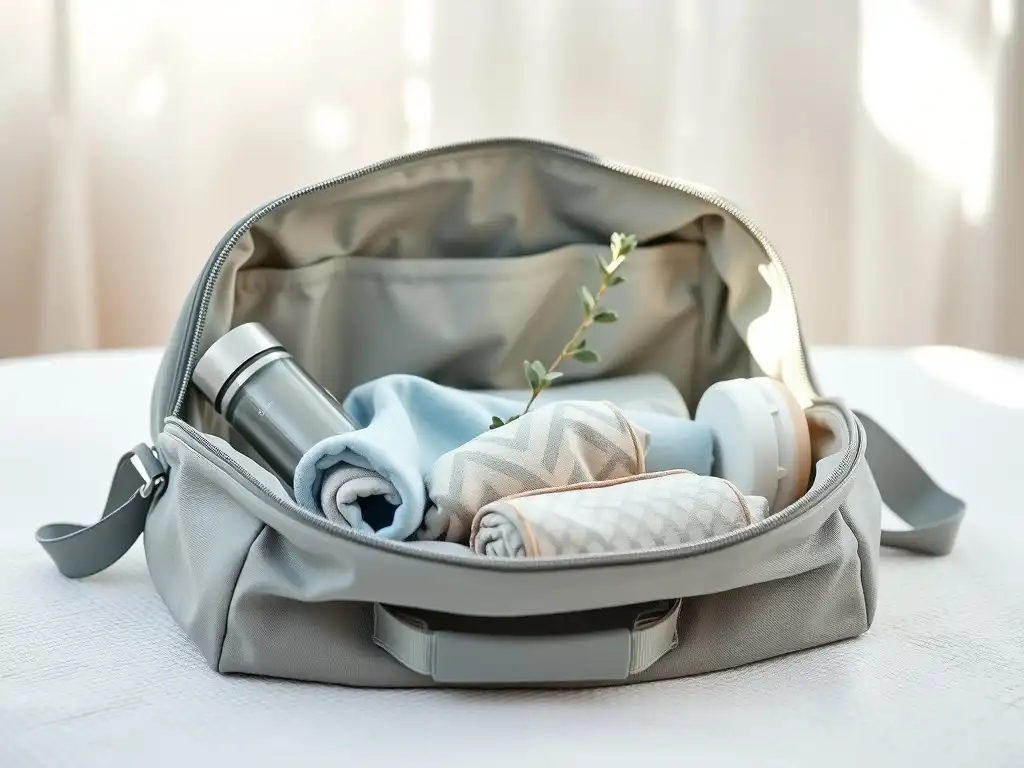
This section delves into strategies beyond the core essentials, focusing on maximizing space and efficiency within your essential newborn diaper bag. We'll explore smart packing techniques and consider the specific needs of travel situations. Remember, a well-organized bag minimizes stress and maximizes your ability to care for your little one.
Smart Packing Hacks for Space Saving in Your Essential Newborn Diaper Bag
Efficient packing is key to preventing that dreaded diaper bag overload. Consider these space-saving techniques for your essential newborn diaper bag:
- Utilize compression bags: These are fantastic for bulky items like extra clothing or blankets. By removing the air, you can significantly reduce their volume.
- Roll, don't fold: Rolling clothes instead of folding them creates tighter bundles and uses less space. This is particularly effective for smaller items like socks and onesies.
- Use packing cubes: These are zippered fabric containers that help organize and compress items within your bag. Assign a cube to each category (diapers, wipes, changes of clothes, etc. ).
- Layer strategically: Place heavier items at the bottom of the bag and lighter items on top. This keeps the bag balanced and prevents things from shifting around.
- Invest in a diaper bag with multiple compartments: A well-designed bag with various pockets and sections makes organization much easier. Consider bags with insulated pockets for bottles and easy-access pockets for frequently used items.
For example, instead of haphazardly tossing in several outfits, rolling them tightly and placing them in a compression bag can save significant space. This allows you to carry more essential newborn diaper bag items while maintaining a manageable size and weight.
Travel-Friendly Diaper Bag Essentials: Packing for On-the-Go Adventures
Packing for travel with a baby requires careful planning. Streamlining your essential newborn diaper bag for trips is crucial. Consider these points:
- TSA-friendly liquids: Ensure all liquids conform to TSA regulations for air travel. This includes baby formula, breast milk, and sanitizing wipes. Prepare for potential delays or inspections.
- Portable changing mat: A compact, waterproof changing mat is invaluable for quick and hygienic changes on the go.
- Refillable containers: Use refillable containers for items like baby powder or lotion to reduce weight and avoid excess packaging.
- Entertainment: Pack a small selection of favorite toys or books to keep your baby occupied during travel. Consider noise-canceling headphones for yourself!
- Snacks for the parent: Don't forget to pack some snacks and drinks for yourself! Travel can be tiring and you need to stay energized.
Remember to check the weather forecast before you leave and pack accordingly. An extra layer of clothing for both you and the baby is always a good idea. A lightweight, portable umbrella can also prove beneficial.
Emergency Preparedness: Including Essential First-Aid Supplies
A well-stocked essential newborn diaper bag should include a small, dedicated first-aid kit. This isn't just about cuts and scrapes; it's about being prepared for common baby ailments. Consider these items:
| Item | Quantity | Notes |
|---|---|---|
| Antiseptic wipes | 1 pack | For cleaning minor wounds |
| Band-aids (various sizes) | 5-10 | For covering minor cuts and scrapes |
| Pain reliever (infant) | As needed | Always consult a pediatrician before administering any medication |
| Thermometer (digital) | 1 | For quickly checking your baby's temperature |
| Tweezers | 1 pair | For removing splinters or other small objects |
| Small scissors | 1 pair | For cutting bandages or clothing if necessary |
| Saline solution | Small bottle | For cleaning nasal passages |
Remember to check the expiration dates on all medications and supplies regularly and replace them as needed. Consider adding a small notebook to record any important information regarding your baby's health during travel or outings. This will be helpful for doctors or other medical professionals if needed. Always consult your pediatrician for any health concerns. 👶
Frequently Asked Questions
What are the absolute essentials for a newborn's diaper bag?
The absolute essentials include diapers, wipes, a changing pad, a small outfit change, and a diaper rash cream. Don't forget a plastic bag for soiled clothes!
How can I avoid overpacking my diaper bag?
Prioritize the essentials! Think about your typical outings and pack accordingly. Re-evaluate your bag's contents regularly and remove anything unused.
What type of diaper bag is best for newborns?
The best diaper bag depends on your lifestyle. Consider a backpack for hands-free convenience, a tote for easy access, or a smaller messenger bag for minimal outings.
What are some space-saving tips for my diaper bag?
Use travel-sized containers for lotions and creams. Opt for refillable wipes containers instead of bulky packs. Roll your clothes instead of folding them to save space.
Are there any must-have items beyond the basics for my newborn's diaper bag?
Consider adding a burp cloth, a small blanket, and a bottle of water (for you!). A pacifier or teether can also be helpful for soothing your baby.
Final Reflection: Lighten the Load, Brighten the Journey
The overwhelming task of packing a newborn diaper bag is a universal experience, yet the feeling of being prepared and organized can significantly impact a parent's confidence and enjoyment of those precious early months. The seemingly endless list of "essentials" can easily become a burden, obscuring the joy of those first moments with your little one. This article aimed to simplify that process, offering a curated list and strategies to streamline your diaper bag contents.
The impact of a well-organized diaper bag extends far beyond mere convenience. It's about reclaiming mental space and energy, allowing parents to be more present and engaged with their baby. The most important thing a father can do for his children is to love their mother.
This quote, while traditionally focused on the parental relationship, speaks to the importance of self-care for parents, and a lighter diaper bag is one small step towards that self-care. The societal pressure on new parents to be "perfect" often leads to unnecessary stress; simplifying the diaper bag is a small act of rebellion against that pressure, allowing for a more authentic and joyful parenting experience.
Now, consider your own diaper bag – or the equivalent for your parenting journey. What truly are your essentials? What can you let go of? Take a moment to declutter not just your bag, but your mental load as well. Embrace the freedom of a streamlined approach, and remember that the most important "essential" is the connection you share with your child. Let this be a reminder that less can truly be more, allowing you to focus on the beautiful chaos and incredible joy of parenthood.
Conquer Diaper Bag Chaos: Simplify Your Routine Now!
Thank you for taking the time to learn how to streamline your diaper bag essentials! You've discovered the key to a more organized and stress-free parenting experience. Ready to put this knowledge into practice?
- Embrace Minimalism: Start by decluttering your diaper bag today! Remove anything you haven't used in the past week. You might be surprised how much lighter and easier to manage your bag becomes.
- Share Your Successes: Tell us about your favorite diaper bag essentials in the comments below! Let's build a supportive community of parents who share helpful tips and tricks.
- Put it to the Test: On your next outing, try packing only the items you consider absolutely essential. Did you manage the day with a smaller, more manageable bag?
Have you ever considered which items in your diaper bag truly provide the most peace of mind? Let's discuss!