
Baby Milk Alternatives: Decoding Labels and Ingredients

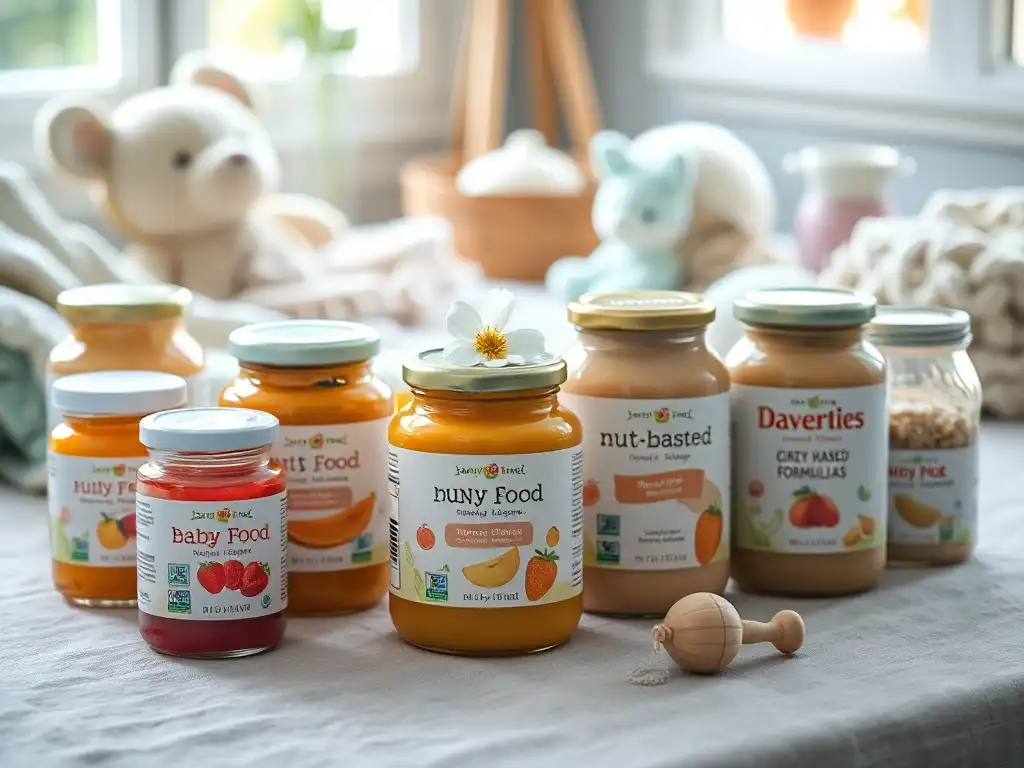
Welcome to BabyCareHub, your ultimate guide to navigating the wonderful, yet sometimes overwhelming, world of parenthood. Are you a first-time parent searching for reliable information on baby nutrition? Then you've come to the right place! We understand the anxieties surrounding infant feeding, especially when exploring best baby formula alternatives. Our in-depth article, "Baby Milk Alternatives: Decoding Labels and Ingredients," will empower you with the knowledge to make informed decisions for your little one's health and well-being. Dive in and discover the secrets to confident feeding!
- Understanding the Need for Baby Milk Alternatives
- Exploring Different Baby Milk Alternatives
- Decoding Baby Formula Labels: Key Ingredients to Watch For
- Choosing the Best Baby Formula Alternative for Your Baby
- Consulting Your Pediatrician: The Importance of Professional Advice
- Transitioning to an Alternative: A Practical Guide
- Best Baby Formula Alternatives: A Comparative Overview
- Safe Handling and Storage of Baby Milk Alternatives
- Addressing Potential Concerns and Myths about Baby Milk Alternatives
- Resources and Further Information:
- Frequently Asked Questions
- Final Reflection: Nourishing Futures: Beyond the Bottle
- Unlock Your Baby's Nutritional Potential
Understanding the Need for Baby Milk Alternatives
Choosing the right nutrition for your baby is a crucial decision for first-time parents. While breastfeeding is often recommended as the ideal source of nourishment, various circumstances can lead parents to explore baby milk alternatives. This comprehensive guide delves into the world of baby formula alternatives, helping you navigate the complexities of labels, ingredients, and choosing the best option for your little one's unique needs.
We'll explore the reasons behind choosing an alternative to breast milk or standard formula, assess your baby's nutritional requirements, and examine specific situations where these alternatives become necessary. Understanding these factors will empower you to make informed decisions, ensuring your baby receives the optimal nutrition for healthy growth and development. Finding the best baby formula alternatives requires careful consideration and knowledge, and this article aims to provide you with that crucial information.
This guide focuses on providing you with the knowledge to decode labels and understand the ingredients, ultimately helping you choose the best option for your baby. 🍼
Reasons for Choosing a Baby Formula Alternative
Many parents opt for alternatives to standard baby formula for a variety of reasons. These decisions are often deeply personal and based on individual circumstances, health concerns, or philosophical beliefs. Let's explore some of the most common reasons:
- Allergy or Intolerance: Some babies exhibit allergies or intolerances to cow's milk protein, soy, or other common ingredients found in standard formulas. In these cases, hypoallergenic or specialized formulas, or even alternatives like extensively hydrolyzed formulas, become necessary. Identifying the allergen and selecting the appropriate alternative is crucial for your baby's health and well-being.
- Ethical or Lifestyle Choices: Some parents choose plant-based alternatives due to ethical concerns about animal welfare or environmental impact. Others might opt for organic options prioritizing reduced exposure to pesticides and other potentially harmful substances. These choices reflect a growing awareness of sustainability and conscious parenting.
- Medical Conditions: Certain medical conditions in the baby or the mother may necessitate the use of specialized formulas or alternatives. For example, babies with digestive issues might require formulas designed for easier digestion, while those with specific metabolic disorders may need formulas tailored to their unique needs. Always consult your pediatrician to determine the best course of action in these situations.
Assessing Your Baby's Nutritional Requirements
Before choosing a baby milk alternative, it's essential to understand your baby's specific nutritional requirements. Factors such as age, weight, and any existing health conditions will influence the type of formula or alternative that's most appropriate. A detailed assessment helps ensure that the chosen alternative provides all the necessary nutrients for optimal growth and development.
This involves considering:
- Age-Appropriate Nutrition: Nutritional needs change as your baby grows. Infant formulas are designed to meet the nutritional needs of different age groups, from newborns to toddlers. Similarly, alternatives should be chosen based on your baby's age to provide the right balance of vitamins, minerals, and other essential nutrients.
- Individual Needs: Some babies may have higher nutritional needs due to rapid growth, illness, or other factors. In these cases, a more concentrated formula or a supplement might be necessary to ensure adequate intake. Your pediatrician can help determine if your baby requires additional nutritional support.
- Potential Deficiencies: If your baby has a known nutritional deficiency, choosing an alternative that addresses this deficiency is crucial. For example, a baby with iron deficiency might require a formula fortified with iron. Regular check-ups with your pediatrician will help monitor your baby's nutritional status and identify any potential deficiencies.
Situations Requiring Alternatives to Breast Milk or Formula
Certain situations may necessitate the use of baby milk alternatives, even if breastfeeding or standard formula feeding was initially the plan. These situations often involve unforeseen circumstances or specific health concerns.
- Maternal Medical Conditions: Certain medical conditions in the mother, such as medication use or illness, may make breastfeeding unsafe or impossible. In such cases, alternatives provide a safe and nutritious way to feed the baby.
- Insufficient Breast Milk Production: Some mothers may not produce enough breast milk to fully satisfy their baby's nutritional needs. Supplementing with formula or an alternative can ensure the baby receives adequate nutrition.
- Baby's Inability to Breastfeed: Certain medical conditions or difficulties in latching can prevent a baby from breastfeeding effectively. In such cases, formula or a suitable alternative becomes the primary source of nutrition.
Understanding these factors is crucial for making informed decisions about your baby's nutrition. Remember, consulting with your pediatrician is paramount to ensure your baby receives the best possible care and nutrition. They can help you navigate the options and make the best choice for your unique situation.
Exploring Different Baby Milk Alternatives
This section delves into the specifics of popular baby milk alternatives, focusing on their composition, potential benefits, and drawbacks. Choosing the right alternative is crucial for your baby's health and development, so understanding the nuances of each option is paramount. Remember, always consult your pediatrician before making any changes to your baby's diet. Finding the best baby formula alternatives requires careful consideration and informed decision-making.
Soy-Based Infant Formulas: Benefits and Drawbacks
Soy-based infant formulas are a common alternative to cow's milk-based formulas, particularly for babies with lactose intolerance. These formulas utilize soy protein as their primary protein source, along with added carbohydrates, fats, and vitamins.
Soy formulas offer several potential benefits. They are often a suitable option for babies with cow's milk protein allergy, as they contain no cow's milk proteins. However, it's crucial to note that soy protein itself can be allergenic, albeit less frequently than cow's milk protein. Some studies suggest soy formulas might help reduce the risk of certain allergies later in life, though more research is needed to confirm this.
However, soy-based formulas also present some drawbacks. One significant concern is the presence of phytoestrogens in soy, which are plant-based compounds with estrogen-like effects. The long-term impact of phytoestrogens on infant development is still being studied and remains a subject of ongoing debate among experts. Additionally, some babies may experience digestive discomfort, such as gas or constipation, when consuming soy-based formulas. Finally, soy formulas may not be suitable for infants with a soy allergy or intolerance. Careful monitoring of your baby's reactions is essential.
Here's a table summarizing the key points:
| Feature | Benefit | Drawback |
|---|---|---|
| Protein Source | Soy protein (lactose-free) | Potential soy allergy or intolerance |
| Allergy Potential | May be suitable for CMP allergy | Soy protein can be allergenic |
| Phytoestrogens | Potential long-term health benefits? | Potential impact on infant development (uncertain) |
| Digestive Issues | May be less problematic than cow's milk | Can cause gas or constipation in some babies |
Hydrolyzed Protein Formulas: Managing Allergies and Sensitivities
Hydrolyzed protein formulas are designed for babies with severe cow's milk protein allergy or other protein sensitivities. These formulas break down the proteins into smaller peptides, making them easier to digest and less likely to trigger an allergic reaction. This process of hydrolysis significantly reduces the allergenicity of the protein.
The benefits are clear: they are specifically formulated to manage allergies and sensitivities, reducing the risk of allergic reactions and improving digestion. They are often prescribed by pediatricians for babies with a history of eczema, colic, or other symptoms related to food allergies.
However, hydrolyzed protein formulas often have a slightly different taste and texture compared to standard formulas. This might lead to some babies initially rejecting the formula. Furthermore, they can be more expensive than standard formulas. Also, while they reduce the risk of allergic reactions, they don't eliminate it entirely. Some babies might still experience mild reactions. Finally, they are often less readily available than other formula types.
Choosing a hydrolyzed formula is a significant decision that should always be made in consultation with a pediatrician. They can assess the severity of your baby's allergy or sensitivity and determine if a hydrolyzed formula is the right choice.
Goat Milk-Based Infant Formula: A Detailed Examination
Goat milk-based infant formulas are becoming increasingly popular, often promoted as a natural alternative to cow's milk-based formulas. These formulas utilize goat milk as their primary protein source. Proponents suggest that goat milk is more easily digestible than cow's milk due to its smaller protein size and different protein structure. Some believe it has a closer resemblance to human breast milk.
While some parents report positive experiences with goat milk formulas, it's important to be aware of potential drawbacks. Goat milk naturally contains lower levels of certain essential nutrients, such as folate and iron, compared to cow's milk. Therefore, goat milk formulas usually need to be fortified with these nutrients. However, the fortification process may not always fully compensate for the nutritional differences. Furthermore, goat milk formulas may not be suitable for babies with a history of milk allergies, as they still contain milk proteins, albeit different ones from cow's milk.
The potential for allergic reactions, though potentially lower, still exists. Finally, research specifically comparing the long-term developmental outcomes of babies fed goat milk formulas to those fed cow's milk or other alternatives is still limited. More robust studies are needed to confirm any significant benefits. Always consult your pediatrician before switching to goat milk formula.
Rice-Based and Other Grain-Based Infant Formulas

Rice-based formulas are a popular alternative to cow's milk-based formulas, particularly for babies with cow's milk protein allergy (CMPA) or those experiencing digestive issues like colic. These formulas are hypoallergenic and often easier to digest than cow's milk. However, it's crucial to understand that rice-based formulas are not a complete source of nutrition on their own and often require supplementation with other nutrients. For example, iron is frequently added to these formulas as rice itself is a poor source of this essential mineral.
Parents should carefully check the nutritional label to ensure the formula meets their baby's needs and consult with a pediatrician to determine if supplementation is necessary. Furthermore, while generally well-tolerated, some babies might still experience allergic reactions, albeit less frequently than with cow's milk-based formulas. The texture of rice-based formulas can also be slightly thicker than other formulas, so parents should monitor their baby's tolerance and adjust feeding techniques if needed.
Remember, choosing the right formula is a crucial step in ensuring your baby thrives, and always consult a pediatrician before making any significant changes to your baby's diet. There's also a growing market for formulas based on other grains like oats and barley, but these are less common and may present similar considerations regarding nutritional completeness and potential allergies. Always carefully read the ingredient list and nutritional information panel to make an informed decision.
Plant-Based Alternatives Beyond Soy: A Comprehensive Overview
While soy-based formulas have been a long-standing alternative to cow's milk, several other plant-based options are emerging. These often cater to families seeking alternatives due to ethical considerations, environmental concerns, or specific allergies. One notable alternative is formula based on hydrolyzed proteins from various plants. These formulas break down plant proteins into smaller peptides, making them less allergenic. However, the manufacturing process can be costly, impacting the price of these formulas.
Another option, though less prevalent, includes formulas based on a blend of different plant proteins, such as pea protein and brown rice protein. These blends aim to provide a more complete amino acid profile, mimicking the nutritional content of cow's milk more closely. However, the efficacy and long-term effects of these blended formulas are still under investigation, and more research is needed to fully understand their benefits and potential drawbacks. It is vital to note that the availability of these specialized formulas can vary significantly depending on geographic location.
Parents should consult with their pediatricians or healthcare providers to discuss the suitability of these alternatives for their babies and to access information about local availability. Moreover, always prioritize careful monitoring of your baby’s growth and development when using any specialized formula. Regular check-ups with your pediatrician are essential to ensure your baby is receiving all the necessary nutrients for healthy growth. Remember, finding the best "best baby formula alternatives" is a personalized journey, and professional guidance is invaluable.
Decoding Baby Formula Labels: Key Ingredients to Watch For
Understanding baby formula labels is crucial for making informed choices about your baby's nutrition. Navigating the often-complex ingredient lists can feel overwhelming, but focusing on key nutrients and potential allergens simplifies the process. This section will guide you through the essential aspects of deciphering these labels and choosing the best baby formula alternatives for your little one. Remember, always consult your pediatrician before making significant changes to your baby's diet.
Essential Nutrients: Vitamins, Minerals, and Fatty Acids
Baby formula is designed to mimic breast milk as closely as possible, providing the essential nutrients necessary for healthy growth and development. The label should clearly list the vitamins and minerals included, such as Vitamin A, Vitamin D, Vitamin K, Vitamin E, Vitamin C, Vitamin B12, folic acid, biotin, iron, zinc, calcium, and phosphorus. The amounts listed are usually expressed as percentages of the recommended daily intake for infants.
Pay close attention to the fatty acid profile. Essential fatty acids like arachidonic acid (ARA) and docosahexaenoic acid (DHA) are crucial for brain development and cognitive function. Many formulas now include these added, often derived from algae or other plant sources. Look for formulas that specify the inclusion and amounts of ARA and DHA. The presence and quantity of these fatty acids are a key factor in considering the "best baby formula alternatives."
The inclusion of prebiotics and probiotics is also becoming increasingly common. These support healthy gut development and immune function. Prebiotics act as food for beneficial bacteria, while probiotics introduce live beneficial bacteria directly into the gut. These additions contribute significantly to the overall nutritional profile of the formula. However, not all formulas contain them, so check the label carefully.
Common Allergens: Lactose, Soy, and Others
Many babies experience allergies or intolerances to certain components of formula. Lactose intolerance, a common issue, requires choosing lactose-free formulas. Soy-based formulas are a popular alternative to cow's milk-based formulas, but soy allergies are also prevalent. The label must clearly state if the formula is lactose-free, soy-free, or contains other potential allergens such as nuts, wheat, or eggs.
Always carefully read the ingredient list to identify potential allergens and avoid those that could trigger a reaction in your baby. This is particularly important when considering the "best baby formula alternatives" for allergy-prone infants. It is vital to note that even small amounts of allergens can cause reactions in sensitive individuals.
Here's a table summarizing common allergens and their potential presence in baby formulas:
| Allergen | Potential Presence in Formula | Considerations |
|---|---|---|
| Lactose | Most cow's milk-based formulas | Look for lactose-free alternatives if needed. |
| Soy | Soy-based formulas | Choose carefully if there's a history of soy allergy. |
| Dairy | Cow's milk-based formulas | Alternatives exist for dairy intolerance/allergy. |
| Nuts | Rarely present | Check the label carefully for any nut-derived ingredients. |
| Wheat | Rarely present | Check the label carefully for any wheat-derived ingredients. |
Manufacturing Processes and Nutritional Impact
The manufacturing process significantly impacts the nutritional value and quality of baby formula. While labels don't always detail the specifics, understanding general processes aids in informed decision-making. Some formulas undergo extensive heat treatment to sterilize the product, which may affect the bioavailability of certain vitamins and nutrients.
Other formulas employ gentler processing methods to preserve nutrient integrity. While specific manufacturing details aren't usually listed on the label, researching the brand's overall approach to manufacturing can provide valuable insights. This information can be essential in determining the "best baby formula alternatives" that balance safety and nutritional quality.
Look for brands that prioritize gentle processing techniques to maintain the optimal nutritional profile of the formula. Understanding these manufacturing processes is a key factor in making an informed decision and selecting the best alternative for your baby’s needs. Remember that this information is often found on the manufacturer's website or through contacting customer service.
Identifying Added Sugars and Unnecessary Additives
Navigating the world of baby formula can feel overwhelming, especially when deciphering ingredient lists. Many formulas contain added sugars and unnecessary additives, which can impact your baby's health and development. Understanding how to identify these components is crucial for making informed choices. Look beyond the marketing claims and focus on the actual ingredients. Manufacturers often highlight beneficial aspects while downplaying potentially harmful ones. Therefore, a thorough understanding of ingredient lists is paramount.
One of the most critical things to watch out for is added sugar. While some naturally occurring sugars are present in breast milk and some formulas, added sugars serve no nutritional purpose and can contribute to health problems later in life. These added sugars often appear under various names, such as sucrose, corn syrup, dextrose, and maltose. Carefully scrutinize the ingredient list for any of these terms, and choose formulas with the lowest possible added sugar content, ideally none at all. Remember that even small amounts of added sugar can accumulate over time.
Beyond added sugars, be aware of unnecessary additives. These are ingredients that don't contribute to your baby's nutritional needs but are added for reasons such as improving texture, shelf life, or flavor. Artificial colors, flavors, and preservatives are common examples. While these might be deemed safe in small amounts by regulatory bodies, minimizing exposure to such additives is generally considered best practice for infants whose systems are still developing.
Opt for formulas with minimal processing and the shortest possible list of ingredients. The simpler the ingredient list, the better. A formula containing primarily milk-based components and essential nutrients is generally preferable to one loaded with artificial additives.
This simple approach can significantly contribute to your baby's overall well-being. Remember, reading labels carefully is a proactive step towards ensuring your baby receives the best possible nutrition. Look for clear, concise labeling that clearly states the ingredients without resorting to confusing or misleading terminology.
Choosing the Best Baby Formula Alternative for Your Baby
Finding the best baby formula alternative can feel overwhelming for first-time parents. The market offers a wide array of options, each with its own set of ingredients and claims. Navigating this landscape requires careful consideration of several key factors to ensure your baby receives the optimal nutrition. This section will help you understand the crucial aspects to consider when making this important decision. Remember, the "best" alternative is highly individualized and depends on your baby's specific needs and your family's circumstances.
Key Considerations in Selecting a Formula Alternative
Choosing the right baby formula alternative involves more than just looking at the price tag. Several critical factors should guide your decision-making process. These include:
- Your Baby's Age and Nutritional Needs: Infants have different nutritional requirements at different stages of development. Formula alternatives designed for newborns often differ significantly from those for toddlers. Pay close attention to the age range specified on the packaging. For example, formulas designed for premature babies will have a different composition than those for full-term infants.
- Ingredient List Scrutiny: Carefully examine the ingredient list. Look for formulas that prioritize easily digestible proteins like whey or casein hydrolysates (for babies with sensitivities), and those that include essential fatty acids (like ARA and DHA) crucial for brain development. Avoid formulas with excessive added sugars or artificial sweeteners.
- Allergies and Sensitivities: If your baby has known allergies or sensitivities (e.g., to cow's milk protein), select a hypoallergenic formula specifically designed to address those issues. Soy-based formulas, for instance, are a common alternative for cow's milk allergy, but always consult your pediatrician.
- Ease of Digestion: Some babies have sensitive digestive systems. Look for formulas that are easy to digest, potentially containing prebiotics or probiotics to support gut health. These ingredients can help reduce colic and gas.
- Cost and Availability: While finding the best formula alternative is crucial, budget and accessibility are also important factors. Consider both the initial cost per can and the long-term expense of feeding your baby. Ensure the formula is readily available in your area or through reliable online retailers.
- Preparation and Storage: Understand the preparation instructions and storage guidelines for the chosen formula. Improper handling can compromise the nutritional value and increase the risk of contamination. Always follow the manufacturer's instructions meticulously.
Consulting Your Pediatrician: The Importance of Professional Advice

Before introducing any baby formula alternative, scheduling a consultation with your pediatrician is paramount. This isn't just a suggestion; it's a crucial step in ensuring your baby's well-being. Your pediatrician can:
- Assess your baby's individual needs: They can evaluate your baby's growth, development, and any potential health concerns to recommend the most appropriate formula alternative. This personalized approach is essential for optimal nutrition.
- Identify potential allergies or sensitivities: A pediatrician can detect early signs of allergies or intolerances and guide you toward hypoallergenic options. Early intervention is key in managing these conditions.
- Monitor your baby's progress: Regular checkups allow your pediatrician to monitor your baby's response to the chosen formula. They can adjust recommendations based on your baby's growth and overall health.
- Provide guidance on transitioning: If switching from breast milk or another formula, your pediatrician can provide a safe and effective transition plan to minimize any digestive upset. This gradual approach is essential for a smooth change.
- Answer your questions and address your concerns: Having a pediatrician's support provides peace of mind and addresses any uncertainties you may have about the formula alternative. Don't hesitate to ask questions; your pediatrician is your valuable resource.
Transitioning to an Alternative: A Practical Guide
Switching from breast milk or another formula to a baby formula alternative requires a gradual and careful approach. A sudden change can upset your baby's digestive system. Here's a step-by-step guide:
Gradual Introduction:
- Start with small amounts: Begin by mixing a small portion (e.g., 1-2 ounces) of the new formula with the current formula.
- Increase the proportion: Gradually increase the proportion of the new formula over several days or a week, slowly replacing the old formula.
- Monitor for any changes: Closely observe your baby for any signs of digestive discomfort, such as gas, diarrhea, or constipation. If any issues arise, slow down the transition or contact your pediatrician.
Observing Your Baby:
- Keep a feeding diary: Note down the type and amount of formula consumed, as well as any changes in your baby's bowel movements or behavior. This record will help you identify any potential problems.
- Look for signs of intolerance: Watch for signs of allergic reactions, such as rash, vomiting, or excessive fussiness. Consult your pediatrician immediately if you notice anything unusual.
- Adjust as needed: Be prepared to adjust the transition pace based on your baby's response. If the transition is causing problems, slow down or even temporarily revert to the previous formula.
This detailed approach ensures a smooth transition to a new formula while prioritizing your baby's well-being. Remember, patience and careful observation are key to success. Always consult your pediatrician for personalized guidance.
Monitoring Your Baby's Progress: Indicators of Nutritional Status
Regularly monitoring your baby's growth and development is crucial, especially when using baby formula alternatives. This allows you to quickly identify any potential nutritional deficiencies and adjust your approach accordingly. Several key indicators can help you assess your baby's nutritional status. These indicators should be discussed with your pediatrician, who can provide personalized guidance and interpret the data within the context of your baby's individual health and development.
One of the most important indicators is weight gain. Healthy weight gain is a strong sign that your baby is receiving adequate nutrition. While growth charts provide general guidelines, your pediatrician will compare your baby's weight to their individual growth trajectory, considering their birth weight and overall health. Unexpected weight loss or plateauing in weight gain warrants immediate attention and consultation with a healthcare professional. Remember that every baby grows at their own pace, so consistent monitoring is key, rather than comparing your baby to others.
Beyond weight, height and head circumference are also valuable measures of growth. These measurements, taken at regular check-ups, help assess overall development and identify potential issues early on. A pediatrician will track these measurements over time to ensure your baby is following a healthy growth curve. Significant deviations from expected growth patterns should prompt further investigation into the nutritional adequacy of the chosen formula alternative.
Another crucial aspect is your baby's overall appearance and behavior. Is your baby alert and active? Do they have good skin tone and elasticity? Are they exhibiting normal developmental milestones? These qualitative observations provide valuable insights, complementing the quantitative data from weight, height, and head circumference measurements. Lethargy, irritability, poor skin tone, or developmental delays could all indicate potential nutritional issues requiring immediate medical attention.
Furthermore, monitoring your baby's stool consistency and frequency can provide clues about their digestive health and nutrient absorption. While the frequency and consistency of stools can vary, significant changes—such as excessively hard or watery stools—should be discussed with your pediatrician. These changes could signal problems with the digestibility of the chosen formula alternative or underlying digestive issues.
Finally, don't underestimate the importance of regular check-ups with your pediatrician. These visits provide opportunities to discuss any concerns you have about your baby's growth and development, allowing for early detection and intervention if needed. Your pediatrician can assess your baby's overall health, interpret the various indicators of nutritional status, and make recommendations to ensure your baby's optimal development. Remember, proactive monitoring is key to ensuring your baby thrives on their chosen formula alternative.
Best Baby Formula Alternatives: A Comparative Overview
Choosing the right baby formula can feel overwhelming, especially for first-time parents. This section focuses on comparing three popular soy-based and hypoallergenic formula alternatives to cow's milk-based formulas, offering a detailed look at their composition, benefits, and potential drawbacks. Remember, always consult your pediatrician before making any changes to your baby's diet. Finding the best baby formula alternative depends heavily on your baby's individual needs and any potential allergies or sensitivities.
Similac Soy Isomil Advance: Composition, Advantages, and Disadvantages
Similac Soy Isomil Advance is a soy-based formula designed for babies with cow's milk protein allergy. Its composition centers around soy protein isolate as the primary protein source. It also contains a blend of carbohydrates, fats (including essential fatty acids like ARA and DHA), and vitamins and minerals crucial for infant development.
Soy-based formulas like Similac Isomil Advance offer an alternative for babies who can't tolerate cow's milk protein. Advantages include its readily available nature and generally good acceptance by infants. Many parents report minimal digestive issues with this formula. However, disadvantages exist. Some babies might still experience allergic reactions, although less frequently than with cow's milk-based formulas. Furthermore, soy-based formulas can cause gas and constipation in some infants. Careful monitoring of your baby's bowel movements and overall well-being is crucial. Finally, soy formulas lack the same level of naturally occurring nutrients found in breast milk.
Gerber Good Start Soy: Composition, Advantages, and Disadvantages
Gerber Good Start Soy is another popular soy-based infant formula. Similar to Similac Isomil Advance, it utilizes soy protein isolate as its main protein source. It's formulated with added prebiotics and probiotics, aiming to support healthy gut bacteria and digestion. The inclusion of these beneficial bacteria is a key differentiator compared to some other soy formulas.
A significant advantage of Gerber Good Start Soy is its focus on digestive health. The addition of prebiotics and probiotics can help alleviate common digestive issues, such as gas and colic, experienced by some infants. Furthermore, it often receives positive feedback from parents for its ease of preparation and palatability to babies. However, like other soy formulas, disadvantages include the potential for allergic reactions (though less likely than cow's milk allergy), and it may not be suitable for babies with severe soy allergies. Again, individual responses vary significantly.
Enfamil Nutramigen: Composition, Advantages, and Disadvantages
Enfamil Nutramigen is a hypoallergenic formula significantly different from the previous two. Instead of soy, it uses extensively hydrolyzed casein, a form of cow's milk protein that's broken down into smaller peptides. This makes it easier for babies with cow's milk protein allergy to digest. It's specifically designed for babies with a diagnosed cow's milk allergy or colic related to cow's milk sensitivity.
A major advantage is its effectiveness in managing cow's milk protein allergy. By breaking down the protein, it minimizes the risk of allergic reactions. Many parents find it extremely helpful in managing their babies' symptoms. However, disadvantages include its higher cost compared to other formulas, and some babies may find its taste less palatable. The extensively hydrolyzed protein can also lead to a slightly different stool consistency. Additionally, it often lacks some of the naturally occurring nutrients and beneficial bacteria present in breast milk or less processed formulas.
Remember, this information is for educational purposes only. Always consult your pediatrician or healthcare provider for personalized advice on choosing the best baby formula alternative for your child. Individual needs vary significantly, and professional guidance is essential. 👶🍼
Key Feature Comparison: A Summary Table
Understanding the nuances of different baby formula alternatives requires a side-by-side comparison. The following table summarizes key features of some popular options, focusing on nutritional content, ease of preparation, and potential benefits and drawbacks. Remember, this is a general overview, and individual needs may vary. Always consult your pediatrician before making any changes to your baby's diet. Specific brand names have been omitted to avoid bias and promote a focus on ingredient types and overall characteristics.
| Feature | Soy-Based Formula | Hydrolyzed Protein Formula | Goat Milk-Based Formula | Rice-Based Formula |
|---|---|---|---|---|
| Protein Source | Soy protein | Partially broken-down cow's milk protein | Goat milk | Rice protein |
| Ease of Digestion | Moderate | High | Moderate | Generally High |
| Allergy Potential | Higher risk of soy allergy | Lower risk of cow's milk allergy | Lower risk of allergy (but possible) | Lower risk of allergy (but possible) |
| Nutritional Completeness | Generally complete, may require supplements in some cases | Generally complete, may require supplements in some cases | Generally complete, may require supplements in some cases | Often requires supplementation with iron and other vitamins |
| Cost | Moderate | High | Moderate to High | Moderate |
| Taste & Aroma | Can have a distinct taste | Often blander | Can have a distinct taste | Mild |
| Iron Content | Varies; check label | Varies; check label | Varies; check label | Often lower, requires supplementation |
Important Note: The information presented here is for educational purposes only and should not be considered medical advice. The "best" baby formula alternative depends entirely on your baby's individual needs and health condition. Always consult with a pediatrician or registered dietitian before introducing any new formula or making changes to your baby's feeding plan. They can help you assess your baby's specific nutritional needs and determine the most appropriate formula option. Regular monitoring of your baby's growth and development is crucial when using any formula alternative.
Pay close attention to their weight gain, bowel movements, and overall well-being. Don't hesitate to contact your healthcare provider if you have any concerns. Remember to carefully read and understand the nutritional information provided on each formula label. Variations in nutrient content exist between brands and formulations.
Safe Handling and Storage of Baby Milk Alternatives

Choosing the best baby formula alternatives is only half the battle. Proper handling and storage are crucial for ensuring the safety and nutritional integrity of your baby's milk substitute. Contamination can lead to serious health issues, so meticulous care is paramount. This section will guide you through the essential practices to keep your baby's milk safe and fresh.
Optimal Storage Practices for Maintaining Freshness
Once you've opened a container of baby formula alternative, time is of the essence. Proper storage is key to preventing bacterial growth and maintaining the nutritional value of the product. Here's a breakdown of best practices:
- Refrigeration: After opening, store the container tightly closed in the refrigerator. This significantly slows down bacterial growth and extends the usable lifespan of the product. Aim to use the formula within the timeframe specified by the manufacturer, typically within 24 hours.
- Temperature Control: Avoid extreme temperatures. Never leave the container at room temperature for extended periods, especially in warmer climates. Heat accelerates bacterial growth, potentially compromising the safety of the formula.
- Container Integrity: Ensure the container is always tightly sealed after each use to prevent air and contaminants from entering. A damaged or compromised container should be discarded immediately.
- Avoid Cross-Contamination: Always use clean, sanitized utensils when scooping or measuring the formula alternative. Never double-dip or reuse utensils. Thoroughly wash your hands before handling the formula.
Proper storage practices are crucial for maintaining the quality and safety of your baby's milk alternative. Neglecting these steps could lead to spoilage and potential health risks for your baby. Think of it as investing in your baby’s well-being; it’s an investment worth making.
Safe Preparation of Formula Alternatives: A Step-by-Step Guide
Preparing baby formula alternatives correctly is just as important as proper storage. Following these steps will help minimize the risk of contamination and ensure your baby receives a safe and nutritious feed.
- Wash your hands thoroughly: Before you begin, wash your hands with soap and water for at least 20 seconds. This is the single most effective way to prevent contamination.
- Sterilize bottles and nipples: Sterilize all bottles, nipples, and any other equipment that will come into contact with the prepared formula. Boiling water for 5 minutes is an effective method. Alternatively, use a steam sterilizer.
- Use clean, filtered water: Always use clean, filtered, or boiled water that has been cooled to room temperature. Tap water may contain harmful bacteria.
- Follow the instructions: Carefully follow the instructions on the packaging regarding the correct water-to-powder ratio. Using too much or too little water can affect the nutritional value and potentially harm your baby.
- Mix thoroughly: Shake the bottle vigorously until the powder is completely dissolved and there are no lumps.
- Check the temperature: Before feeding your baby, always check the temperature of the formula by dropping a few drops onto your inner wrist. It should feel lukewarm, not hot.
- Discard unused formula: Never reuse leftover formula. Once prepared, formula should be consumed within 2 hours or discarded. This is particularly important for safety reasons.
Understanding Expiration and Best Before Dates
Understanding the difference between "expiration date" and "best before" date is crucial when using baby milk alternatives.
- Best Before Date: This indicates the date until which the product is expected to retain its optimal quality, flavor, and nutritional value under proper storage conditions. While the formula may still be safe to use after this date, its nutritional content may have slightly decreased.
- Expiration Date: This date signifies the absolute end of the product's shelf life. After this date, the product should be discarded, as its safety and nutritional integrity cannot be guaranteed.
Always check both dates on the packaging. Prioritize using the product before the best before date for optimal nutritional value. Never use the formula after the expiration date. Remember, prioritizing your baby's health and safety is paramount when choosing and using baby milk alternatives. Discarding expired formula prevents potential harm and ensures your little one receives the best possible nutrition.
Addressing Potential Concerns and Myths about Baby Milk Alternatives
Concerns surrounding baby milk alternatives are common among first-time parents. Navigating the world of infant nutrition can feel overwhelming, especially when considering options beyond breast milk or standard cow's milk-based formula. This section aims to address these anxieties directly, providing evidence-based information to empower informed decision-making. Choosing the best baby formula alternatives requires understanding both the benefits and potential drawbacks.
Dispelling Common Myths about Alternative Formulas
Many misconceptions surround alternative baby formulas, often fueled by anecdotal evidence and misinformation. Let's address some of the most prevalent myths:
- Myth 1: Soy-based formulas cause hormonal imbalances.: While soy contains phytoestrogens, studies have shown no significant impact on infant hormone levels or development. The levels present are far lower than those found in many commonly consumed foods. The potential risks are vastly outweighed by the benefits for infants with cow's milk protein allergy.
- Myth 2: Hydrolyzed formulas taste bad and are difficult for babies to accept.: While the taste profile might differ slightly from standard formulas, manufacturers invest heavily in making these formulas palatable. Many babies readily accept hydrolyzed formulas, and any initial hesitation often subsides with persistence. Taste preferences are subjective and vary greatly between infants.
- Myth 3: Alternative formulas are always more expensive.: While some specialized formulas can be pricier, this is not always the case. The cost varies significantly depending on the brand, type of formula, and retailer. Comparing prices across different options is crucial before making a purchasing decision. Generic brands often offer cost-effective alternatives.
- Myth 4: All alternative formulas are created equal.: This is absolutely false. Formulas vary significantly in their ingredients, nutritional profiles, and processes. Carefully reading labels and understanding the specific needs of your baby are paramount. Consider consulting a pediatrician or registered dietitian for personalized recommendations.
Managing Potential Digestive Issues and Allergies
While alternative formulas offer benefits for certain infants, they can also trigger digestive issues or allergic reactions in some cases. Understanding potential problems and proactive management strategies are essential.
Careful introduction of any new formula is vital. Start with small amounts and monitor your baby closely for any signs of discomfort, including:
- Excessive gas
- Colic
- Constipation or diarrhea
- Vomiting
- Rash
- Difficulty breathing
A gradual increase in the amount of formula allows your baby's digestive system to adjust slowly, minimizing the likelihood of adverse reactions. Keeping a detailed food diary can help identify potential triggers. If you observe any concerning symptoms, consult your pediatrician immediately. They can conduct allergy tests and recommend appropriate management strategies. Early intervention is key to preventing serious complications. Remember, allergies can manifest differently in babies than in adults.
Early detection and management of digestive issues are crucial for your baby's well-being. Probiotics, for instance, might be recommended to support healthy gut flora.
| Symptom | Possible Cause | Management Strategy |
|---|---|---|
| Excessive Gas | Formula intolerance, lactose intolerance | Switching formulas, introducing probiotics, burping frequently |
| Diarrhea | Formula intolerance, infection | Hydration, contacting pediatrician |
| Constipation | Formula composition, dehydration | Increased fluid intake, pediatrician consultation |
| Vomiting | Overfeeding, reflux, illness | Smaller feedings, upright positioning, pediatrician consultation |
Long-Term Health Implications of Alternative Formulas
The long-term health implications of using alternative formulas are a significant concern for many parents. While research continues, current evidence suggests that carefully chosen and appropriately managed alternative formulas do not pose significant long-term risks for healthy infants. However, individual responses can vary.
It's crucial to remember that the best baby formula alternatives are those tailored to the individual needs of your baby. A formula suitable for one child might not be suitable for another. Regular check-ups with your pediatrician are vital to monitor your baby's growth and development, ensuring they are thriving on their chosen formula. Long-term studies on the effects of various alternative formulas are ongoing, and new information is constantly emerging. Staying informed through reputable sources is vital. A balanced and comprehensive approach to infant nutrition, considering all aspects of your baby's health and well-being, is essential. 👶
Resources and Further Information:
This section provides valuable resources to help you navigate the world of baby milk alternatives and make informed decisions for your little one. Finding the best baby formula alternatives can be overwhelming, but with the right support and information, you can feel confident in your choices.
Recommended Reading and Online Resources
Choosing the right milk alternative for your baby requires careful consideration of your baby's individual needs and your family's preferences. Supplementing your research with reputable sources is crucial. Here are some avenues to explore:
- Books: Look for books on infant nutrition written by pediatricians or registered dietitians. These experts provide evidence-based information on the nutritional requirements of infants and the suitability of various milk alternatives. Pay attention to publication dates to ensure the information is current.
- Reputable Websites: Several organizations offer reliable information on infant and child health. These sites often feature articles, FAQs, and guidelines on baby formula alternatives, including information on how to interpret nutrition labels effectively. Always cross-reference information from multiple sources to ensure accuracy.
- Pediatric Journals: While not always easily accessible to the public, peer-reviewed pediatric journals often publish research on infant nutrition and the long-term effects of different feeding methods. Accessing abstracts or summaries of these studies can provide valuable insights.
- Government Health Websites: Many countries have government health websites that offer guidance on infant feeding, including advice on choosing suitable milk alternatives. These resources are usually free and readily accessible.
| Resource Type | Example Source | Key Information Provided | Reliability Rating |
|---|---|---|---|
| Book | "[Title of a reputable book on infant nutrition]" | Detailed information on nutrient requirements, formula composition, and potential risks/benefits. | High |
| Website | "[Name of a reputable health organization website]" | Guidelines, FAQs, and articles on specific milk alternatives. | High |
| Pediatric Journal | "[Name of a relevant pediatric journal]" | Research findings on the effects of different feeding methods. | Very High |
| Government Health Site | "[Name of a relevant government health website]" | Official guidelines and recommendations on infant feeding. | Very High |
Remember to always prioritize information from credible sources. Be wary of websites or individuals promoting unsubstantiated claims or biased information. Your baby's health is paramount, so thorough research is essential. The best baby formula alternatives are those that meet your baby's nutritional needs and are safely prepared and administered.
Support Networks and Online Communities for Parents
Navigating the complexities of infant feeding can be challenging. Connecting with other parents and seeking support can significantly ease the process.
- Online Forums: Many online forums and communities are dedicated to parents of infants and young children. These platforms provide a space to share experiences, ask questions, and receive support from others facing similar challenges. Be mindful of the information shared, as not all advice is evidence-based.
- Parent Support Groups: Local parent support groups offer in-person opportunities to connect with other parents. These groups can provide valuable emotional support and practical advice. The face-to-face interaction can be particularly beneficial for new parents.
- Lactation Consultants: Lactation consultants are healthcare professionals who specialize in breastfeeding. Even if you are not breastfeeding, they can offer valuable guidance on infant nutrition and help you choose the best milk alternative for your baby.
- Pediatrician or Family Doctor: Your pediatrician or family doctor is your primary source of medical advice regarding your baby's health and nutrition. Don't hesitate to contact them with any questions or concerns about your baby's feeding.
Remember, you are not alone in this journey. Seeking support from other parents and healthcare professionals can provide valuable reassurance and guidance as you navigate the choices available for your baby's nutrition. Finding the best baby formula alternatives is a journey, and connecting with others makes it easier. 🍼
Frequently Asked Questions
What are some popular baby formula alternatives?
Some popular alternatives include breast milk (if available), homemade baby food purees (introduced after 6 months), and specially formulated hypoallergenic formulas for babies with sensitivities. Always consult your pediatrician before making changes.
How do I decipher baby formula labels?
Look for the amount of key nutrients like protein, fats, and vitamins. Check for added sugars and artificial ingredients, opting for simpler labels whenever possible. Compare different brands to find the best fit for your baby's needs.
Are there any risks associated with using baby formula alternatives?
Yes, allergic reactions are possible with homemade alternatives, and nutritional deficiencies can occur if not carefully planned. Always consult a pediatrician or registered dietitian before switching to an alternative. Homemade options should only be used under professional guidance.
When should I consider baby formula alternatives?
Consider alternatives if you are unable to breastfeed, have concerns about formula ingredients, or your baby has specific dietary needs or allergies. Always discuss options with your doctor.
Where can I find more information on safe baby formula alternatives?
Consult your pediatrician or a registered dietitian for personalized advice. Reputable websites like the American Academy of Pediatrics and La Leche League International offer valuable information on infant nutrition and feeding options.
Final Reflection: Nourishing Futures: Beyond the Bottle
The choices we make regarding infant nutrition have profound and lasting consequences, impacting not only the immediate health of our children but also shaping their long-term well-being. The information presented in this article underscores the critical need for informed decision-making when selecting baby milk alternatives, highlighting the often-overlooked complexities hidden within seemingly simple labels. Navigating this landscape requires vigilance and a commitment to understanding the nuances of ingredient lists and manufacturing processes.
The journey of choosing the right nutrition for a baby is deeply personal, a testament to the powerful bond between parent and child. This exploration into baby formula alternatives has reinforced my own understanding of the importance of transparency and informed consumerism. The best gift we can give our children is a healthy start in life,
and that begins with making conscious, educated choices about their nourishment. This article aims to empower parents to make those choices with confidence and clarity, fostering a healthier future for generations to come. The ongoing conversation surrounding infant nutrition is vital, demanding continuous research and open dialogue to ensure the safety and well-being of all infants.
Consider the information presented within this article as a starting point for your own journey. Don't hesitate to delve deeper into research, consult with healthcare professionals, and prioritize your child's unique needs. You are your child's advocate, and by equipping yourself with knowledge, you empower yourself to make the best possible decisions for their health and happiness. Embrace the responsibility of nurturing the next generation, one informed choice at a time.
Unlock Your Baby's Nutritional Potential
Thank you for learning more about choosing the right baby formula! We hope this guide has equipped you to make informed decisions about your little one's nutrition. Now, let's put that knowledge into practice.
- Prioritize your baby's needs: Carefully review the ingredients and nutritional information of your chosen formula, ensuring it meets your baby's individual dietary needs and developmental stage. This is crucial!
- Share your experiences: Connect with other parents in our BabyCareHub community forum to share your experiences and any questions you may have about choosing the best formula for your baby.
- Explore our guide on baby-led weaning: Learn more about this exciting next stage in your baby's nutritional journey with our comprehensive guide, full of helpful tips and tricks.
Do you have any questions about choosing the right baby formula? Let's discuss!