
Sleep and Feed Connection: Using Apps to Identify Baby's SleepFeeding Patterns

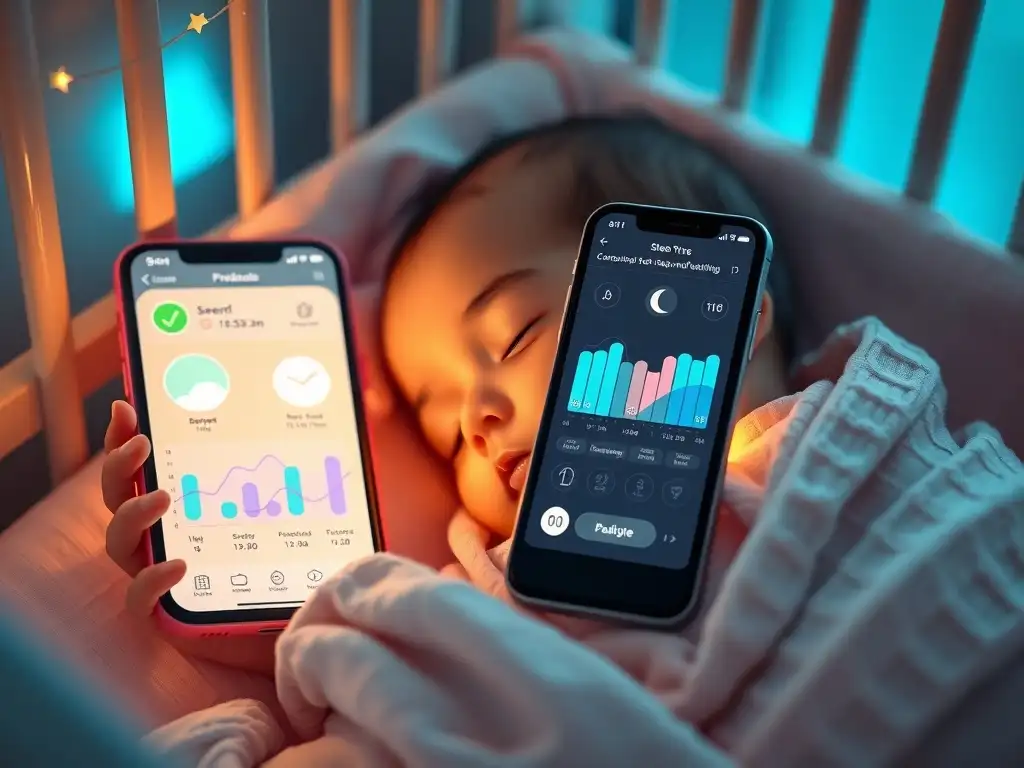
Welcome to BabyCareHub, your ultimate guide to navigating the exciting yet challenging world of parenthood! Are you ready to unlock the secrets to a happier, healthier baby? We understand the complexities of newborn care, and that's why we've created this comprehensive resource. Discover how understanding your baby's sleep-feeding patterns can revolutionize your approach to childcare. Dive into our insightful article on "Baby sleep feeding app patterns" and learn how technology can simplify this crucial aspect of your baby's development. Let's embark on this journey together!
- Understanding Your Baby's Sleep-Feeding Patterns: The Importance of Tracking
-
Best Baby Sleep Feeding Apps: A Comparative Review
- Top 5 Baby Sleep and Feeding Tracking Apps: Features and Benefits
- Huckleberry: Detailed Review of Features and User Experience
- Baby Tracker: In-depth Analysis of Strengths and Weaknesses
- Glow Baby: Comparison of Data Tracking Capabilities and Reporting
- BabyConnect: Evaluation of User Interface and Ease of Use
- Sleepyti: Assessing the App's Value for Money and Long-Term Use
- How to Effectively Use a Baby Sleep Feeding Tracker App
- Using App Data to Improve Your Baby's Sleep and Feeding Habits
- Beyond the App: Additional Tips for Improving Baby's Sleep and Feeding
- Frequently Asked Questions
- Final Reflection: Unlocking the Secrets of Sleep and Feed
- Unlock Your Baby's Sleep-Feeding Secrets!
Understanding Your Baby's Sleep-Feeding Patterns: The Importance of Tracking
Navigating the world of newborn care can feel overwhelming, especially when it comes to understanding your baby's sleep and feeding patterns. Inconsistency in these areas is completely normal, but tracking them can significantly reduce parental anxiety and lead to a more predictable and restful routine for both you and your little one. This article explores the crucial role of baby sleep feeding app patterns in deciphering your baby's cues and establishing a healthier sleep-feeding rhythm.
We'll delve into the benefits of tracking, how to identify early signs of hunger and sleepiness, and how to recognize the normal variations inherent in a baby's schedule. By utilizing readily available technology and diligent observation, you can gain valuable insights into your baby's individual needs, fostering a more harmonious and fulfilling parenting experience. Understanding these patterns is key to optimizing your baby's well-being and promoting healthier sleep habits from the start.
This is especially relevant for first-time parents who may be struggling to interpret their baby's subtle cues. Using a baby sleep feeding app to track patterns can provide valuable data and support in this crucial phase.
Why Tracking Sleep and Feeding is Crucial for New Parents
The early weeks and months with a newborn are characterized by a seemingly chaotic cycle of feeding and sleeping. New parents often find themselves constantly guessing whether their baby is hungry or tired, leading to frustration and sleep deprivation. Tracking your baby's sleep and feeding patterns offers several critical advantages:
- Improved Sleep for Everyone: By identifying patterns, you can begin to anticipate your baby's needs and potentially create a more predictable sleep schedule. This leads to improved sleep for both the baby and the parents, which is crucial for overall well-being. Adequate sleep contributes significantly to better mood regulation and reduces stress levels in both parents and babies.
- Early Detection of Potential Problems: Consistent tracking allows you to quickly notice any deviations from the norm. This is crucial for early detection of potential feeding or sleeping issues, such as colic, reflux, or other health concerns. Early intervention can often prevent more significant problems down the line.
- Enhanced Parental Confidence: The data provided by tracking apps offers reassurance and empowers parents to make informed decisions about their baby's care. This enhanced confidence contributes to a more relaxed and positive parenting experience.
- Personalized Approach to Care: Each baby is unique; their sleep and feeding needs vary. Tracking allows you to personalize your approach to care, tailoring your routines to your baby's specific requirements. This contributes to a healthier and more fulfilling relationship between parent and child.
- Better Communication with Healthcare Providers: Detailed records of your baby's sleep and feeding habits provide valuable information for pediatricians and other healthcare professionals, facilitating more effective consultations and diagnoses if necessary.
Identifying Early Signs of Hunger and Sleepiness in Infants
Recognizing your baby's subtle cues is a critical skill for parents. While every baby is different, some common signs of hunger include:
- Rooting: The baby turns their head and opens their mouth when their cheek is stroked.
- Sucking motions: The baby may make sucking motions with their lips or mouth.
- Fussiness or crying: This is often a later sign, indicating that the baby has been hungry for some time.
- Hand-to-mouth movements: The baby may bring their hands to their mouth.
Similarly, signs of sleepiness can include:
- Rubbing eyes: The baby may rub their eyes with their hands or fists.
- Yawning: Frequent yawning is a clear indicator of tiredness.
- Becoming less active: The baby may become less responsive and less interested in their surroundings.
- Frowning or fussiness: Tired babies can become fussy and irritable.
- Pulling at ears: Sometimes a sign of tiredness or discomfort.
Recognizing Normal Variations in Baby's Sleep and Feeding Schedules
It's crucial to remember that there's no "one size fits all" approach to baby sleep and feeding. Babies grow and develop at different rates, and their sleep and feeding patterns will naturally vary. Some factors influencing these variations include:
- Age: Newborns have different sleep needs than older infants.
- Developmental milestones: Growth spurts and developmental leaps can disrupt routines.
- Individual temperament: Some babies are naturally more sleepy or hungry than others.
- Illness: Illness can significantly impact sleep and feeding patterns.
- Environment: Changes in routine or environment can also cause fluctuations.
Expecting perfectly consistent sleep and feeding schedules is unrealistic. Focus on identifying trends rather than striving for absolute predictability. Tracking apps can help you visualize these trends and better understand your baby's individual needs, allowing you to respond more effectively and confidently. Remember to celebrate the small victories and seek professional advice if you have any concerns.
Best Baby Sleep Feeding Apps: A Comparative Review
Choosing the right baby sleep feeding app can significantly improve your understanding of your baby's routines and needs. The market is flooded with options, each boasting unique features. This section provides a comparative overview to help you navigate this landscape and select the best fit for your family. Effective tracking of baby sleep and feeding patterns is crucial for identifying potential issues, establishing healthy routines, and promoting optimal development.
The key is to find an app that's intuitive, reliable, and offers the features most relevant to your needs. We'll explore several top contenders, focusing on their strengths and weaknesses to help you make an informed decision. Remember, the best app is subjective and depends on individual preferences and baby's specific needs.
Top 5 Baby Sleep and Feeding Tracking Apps: Features and Benefits
Many apps promise to track baby sleep and feeding, but quality varies significantly. Here's a curated list of five top contenders, highlighting their key features and benefits:
| App Name | Key Features | Benefits | Potential Drawbacks |
|---|---|---|---|
| Huckleberry | Detailed sleep analysis, feeding tracking, growth charts, customizable reports | Comprehensive data, insightful analysis, user-friendly interface | Subscription required, limited free features |
| Baby Tracker | Simple interface, basic sleep and feeding logging, customizable notifications | Easy to use, great for basic tracking, free version available | Lacks advanced analytics and detailed reporting features |
| Glow Baby | Sleep tracking, feeding logs, diaper changes, milestone tracking, community features | All-in-one solution, social aspect for support and advice | Can feel overwhelming with too many features for some users |
| BabyConnect | Comprehensive tracking of multiple children, sleep analysis, feeding details, medication tracking | Ideal for families with multiple children, robust data collection | Steeper learning curve compared to other apps |
| LittleOne | Detailed sleep and feeding logs, growth charts, customizable alerts, developmental tracking | Detailed data, customizable alerts, excellent for tracking developmental milestones | Can be cluttered for users who only need basic tracking |
This table provides a high-level comparison. Remember to explore each app's features independently before committing to a subscription or extensive usage. Consider your personal preferences and the specific features that are most important to you when making your choice. For example, if you prioritize detailed sleep analysis, Huckleberry might be a better fit than Baby Tracker, which focuses on simplicity.
Huckleberry: Detailed Review of Features and User Experience
Huckleberry 🍼 stands out for its sophisticated sleep analysis. Beyond simply logging feeding and sleep times, it uses algorithms to identify sleep cycles, wake windows, and potential sleep disruptions. This detailed information is invaluable for identifying patterns and addressing potential sleep issues. The app's user interface is intuitive and visually appealing, making data entry and analysis a straightforward process.
The customizable reports allow you to easily share your baby's sleep patterns with your pediatrician. However, it's important to note that while the free version offers some functionality, the full range of features, including detailed sleep analysis and comprehensive reports, requires a subscription. This subscription model might be a drawback for some users, especially those seeking a solely free option. The app's reliance on algorithms also means that the interpretation of sleep patterns might not always align perfectly with your own observations.
Baby Tracker: In-depth Analysis of Strengths and Weaknesses
Baby Tracker offers a simpler, more streamlined approach to tracking baby sleep and feeding. Its strength lies in its ease of use. The interface is clean and uncluttered, making data entry quick and efficient. The app is completely free to download and use, although it lacks the advanced analytics and detailed reporting features found in premium apps like Huckleberry.
While this simplicity is a major advantage for some parents, it might be a significant drawback for others who seek more in-depth insights into their baby's sleep patterns. For instance, Baby Tracker doesn't provide detailed sleep cycle analysis or identify potential sleep disruptions. Therefore, it's best suited for parents who prioritize ease of use and basic tracking over detailed analytics. The lack of robust reporting features also limits its usefulness for sharing information with healthcare providers.
Glow Baby: Comparison of Data Tracking Capabilities and Reporting
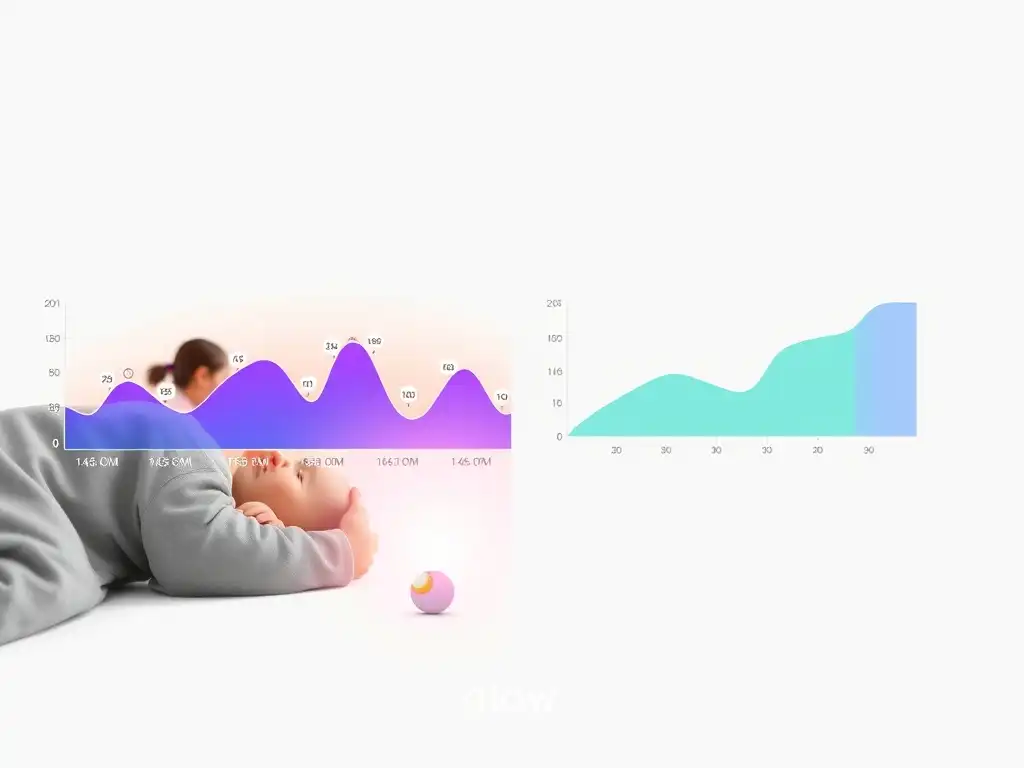
Glow Baby offers a robust system for tracking baby's feeding and sleep patterns. It allows parents to log feeding type (breast milk, formula, solids), amount consumed, and duration. Sleep tracking is equally detailed, recording sleep start and end times, as well as any nighttime wakings. The app excels in its ability to differentiate between various sleep cycles, noting periods of light and deep sleep if the parent inputs this information.
👶 This granular data is then presented in visually appealing charts and graphs, making it easy to identify trends. For example, you can quickly see if your baby's sleep patterns are affected by changes in their feeding schedule or the introduction of solid foods. Furthermore, Glow Baby provides insightful reports summarizing the data over different time periods, allowing parents to track their baby's progress and identify potential issues. While the app's comprehensive tracking capabilities are a significant advantage, some users might find the level of detail overwhelming, especially in the initial stages of use.
However, the app's intuitive interface and helpful tutorials help to mitigate this. The reporting features of Glow Baby allow for easy identification of patterns in feeding and sleep, a key element in understanding your baby's individual needs and optimizing their routines. This functionality is particularly useful for parents seeking to establish consistent sleep and feeding schedules.
BabyConnect: Evaluation of User Interface and Ease of Use
BabyConnect prioritizes user-friendliness, boasting a clean and intuitive interface. Navigation is straightforward, even for first-time users unfamiliar with baby tracking apps. The app uses clear icons and simple language, making it easy to log feeding and sleep data quickly and accurately. Adding new entries is a simple process involving a few taps, minimizing the time commitment for busy parents.
The app's design also incorporates color-coded sections and visual cues, making it easy to quickly identify key information such as total sleep time or feeding frequency. The calendar view allows for quick scanning of past data, while detailed graphs provide a comprehensive overview of sleep and feeding patterns over time. Parents often praise BabyConnect's ease of use, highlighting its ability to simplify the complex task of tracking a baby's development. The simplicity of the interface, however, might mean that the app lacks some of the advanced features found in other competitors.
For example, the depth of data analysis and reporting features might be less extensive compared to apps like Glow Baby. Despite this, BabyConnect remains a highly-rated app due to its focus on user experience and ease of data input and retrieval. Its intuitive design makes it an excellent choice for parents who want a straightforward and easy-to-use baby sleep and feeding tracker.
Sleepyti: Assessing the App's Value for Money and Long-Term Use
Sleepyti takes a slightly different approach, focusing less on detailed tracking of feeding and more on predicting optimal sleep times based on your baby's age and sleep patterns. While it does allow for basic sleep logging, its primary function is to help establish a consistent sleep schedule. This makes it a valuable tool, especially for parents struggling with inconsistent sleep routines. The app’s value for money is directly related to its core functionality. For parents who are primarily concerned with establishing a regular sleep schedule and less focused on meticulous tracking of every feeding, Sleepyti offers excellent value.
Its simplicity and focus on a specific problem (sleep consistency) make it a cost-effective solution. However, its limited feeding tracking capabilities might not be sufficient for parents who require detailed feeding logs. In terms of long-term use, Sleepyti's value might diminish as your baby grows and their sleep patterns become more established. The app's predictive capabilities are most beneficial in the early months, when sleep schedules are less predictable. As your baby gets older and their sleep becomes more regular, the app’s utility might decrease.
Ultimately, Sleepyti's value depends on your individual needs and priorities. If you are primarily looking for help establishing a consistent sleep schedule, the app offers excellent value for money. However, for extensive feeding tracking and detailed analysis, other apps might be a better choice. The long-term value is tied to the developmental stage of your baby; it's a great tool in the early months but may become less relevant as your baby grows.
How to Effectively Use a Baby Sleep Feeding Tracker App
This section delves into the practical application of baby sleep and feeding tracker apps. Mastering these tools is crucial for recognizing patterns and addressing potential sleep and feeding challenges in your little one. Effective use goes beyond simply logging data; it's about understanding the insights the app provides and using that information to make informed decisions about your baby's care. Remember, these apps are tools to aid you, not to replace your instincts or professional advice. Always consult your pediatrician if you have any concerns about your baby's health or development.
Setting up Your Chosen App: A Step-by-Step Guide
Choosing the right baby sleep feeding app is only half the battle. Successfully utilizing the app requires a clear understanding of its features and a methodical setup process. Let's walk through a general guide, applicable to most apps in this category. Remember to always refer to your specific app's instructions for detailed guidance.
- Download and Installation: Begin by downloading the app from your device's app store (Google Play or Apple App Store). Ensure you download the right app—many exist, so double-check before installing.
- Creating a Profile: Most apps require you to create a profile. This often involves providing basic information like your baby's name, date of birth, and gender. Accurate data is essential for accurate analysis.
- Inputting Initial Data: Some apps may ask for initial data, such as your baby's weight and length. This helps the app provide more personalized insights.
- Familiarizing Yourself with the Interface: Spend some time exploring the app's interface. Locate the buttons for logging feeding sessions (type of feed, amount, duration), sleep periods (start and end times, sleep type – day or night), diaper changes, and any other relevant information the app tracks.
- Testing the App: Before relying on the app fully, test its functionality. Log a few sample entries to ensure you understand how to input data correctly and how the information is displayed. This will prevent data entry errors and ensure accurate analysis later.
- Customizing Settings (if available): Many apps offer customization options, such as setting reminders for feedings or sleep tracking. Take advantage of these features to personalize the app to your needs and preferences. For example, you might set a reminder for every 3-hour feeding for a newborn.
Accurately Recording Baby's Feeding and Sleep Data
The accuracy of your data directly impacts the reliability of the insights generated by the app. Inconsistent or inaccurate data will lead to misleading interpretations. Here's how to ensure you're recording data accurately:
- Timeliness: Log feeding and sleep events as soon as possible after they occur. Don't rely on memory; this can lead to errors in timing and duration.
- Specificity: Be specific with your entries. For feedings, record the type of milk (breast milk, formula), the amount (in ounces or milliliters), and the duration of the feeding. For sleep, note the start and end times and whether it was daytime or nighttime sleep.
- Consistency: Maintain a consistent recording schedule. Try to log every feeding and sleep period, even if they are short or irregular. This helps build a comprehensive dataset for analysis.
- Data Validation: Regularly review your entries to identify and correct any errors. This is especially important if you're using the app for tracking weight gain and growth. Inconsistent data could lead to a misinterpretation of your baby's development.
- Multiple Users: If multiple caregivers are involved, establish a system to ensure data consistency. One person should be designated as the primary data entry person, or you might utilize the app's features to allow multiple users to contribute data without conflicting entries.
Interpreting Data: Understanding Sleep and Feeding Patterns
Once you've accumulated sufficient data (usually a week or two), the app should start to reveal patterns in your baby's sleep and feeding habits. These patterns can be invaluable for identifying potential issues and optimizing your baby's routine.
- Identifying Trends: Look for trends in feeding frequency, feeding amounts, and sleep duration. Are there specific times of day when your baby feeds more frequently? Does your baby sleep longer at night than during the day?
- Recognizing Clusters: The app may highlight clusters of activity, such as periods of frequent feedings followed by periods of longer sleep. Understanding these clusters can help you anticipate your baby's needs and plan accordingly.
- Correlation Analysis: The app might even offer correlation analysis, showing the relationship between feeding and sleep. For example, it might show that longer feeding sessions are followed by longer sleep periods, or vice versa.
- Growth Charts (if applicable): Some apps integrate growth charts, allowing you to monitor your baby's weight gain in relation to their feeding and sleep patterns.
- Using the Insights: Use the insights gained from the app to make informed decisions about your baby's care. For example, if you notice a pattern of frequent night wakings, you might try adjusting your baby's bedtime routine or addressing potential feeding issues. Remember to consult your pediatrician if you are concerned about any significant deviations from expected patterns. The app is a tool to help you, not a replacement for professional medical advice. 👶
Adjusting Baby's Routine Based on App Insights: A Cautious Approach
Using a baby sleep feeding tracker app can provide valuable insights into your baby's patterns, but it's crucial to approach adjustments to their routine with caution. The app data should be viewed as a guide, not a rigid prescription. Remember that every baby is unique, and what works for one might not work for another.
Relying solely on app data without considering your baby's individual cues and temperament can be detrimental. For example, an app might suggest a specific wake window based on average data, but your baby might show clear signs of overtiredness or undertiredness before reaching that time. Always prioritize your baby's individual needs and cues.
Observe your baby's behavior closely. Are they showing signs of fussiness, irritability, or difficulty settling? These are crucial indicators that should override any suggestions from the app. Don't force a schedule; instead, use the app data to gently guide your baby towards a more consistent sleep and feeding routine. Small, gradual adjustments are far more effective than drastic changes.
For instance, if the app suggests a slightly earlier bedtime, try moving it back by 15 minutes each night instead of abruptly changing the bedtime by an hour. This allows your baby to adjust gradually, minimizing disruption and stress. Remember to track your baby's response to any change and adjust accordingly. Patience and flexibility are key when using app data to modify your baby's routine. The goal is to create a routine that works for both you and your baby, not to rigidly adhere to an app-generated schedule.
Identifying Potential Issues: When to Consult a Pediatrician
While baby sleep feeding tracker apps can be helpful tools, they are not a replacement for professional medical advice. There are certain situations where you should consult your pediatrician immediately, even if the app doesn't flag any obvious problems. For example, if your baby is consistently failing to gain weight despite seemingly adequate feeding, this warrants immediate medical attention.
A pediatrician can assess your baby's overall health and identify any underlying issues that the app might not detect. Similarly, if your baby exhibits prolonged periods of inconsolable crying, difficulty breathing, or changes in bowel movements, it's essential to seek professional medical help.
Another important consideration is sleep apnea or other breathing problems. While an app can track sleep patterns, it can't diagnose medical conditions. If you notice any irregularities in your baby's breathing during sleep, such as pauses in breathing or unusual sounds, immediately contact your pediatrician. Furthermore, if your baby shows signs of dehydration, such as sunken eyes or a dry mouth, seek medical attention without delay.
Remember, the app is a tool to help you monitor your baby's routines, but it cannot replace the expertise and comprehensive assessment of a pediatrician. Always prioritize your baby's well-being and seek professional help whenever you have concerns about their health, regardless of what the app suggests. Trust your instincts; if something feels wrong, don't hesitate to contact your pediatrician.
Using App Data to Improve Your Baby's Sleep and Feeding Habits
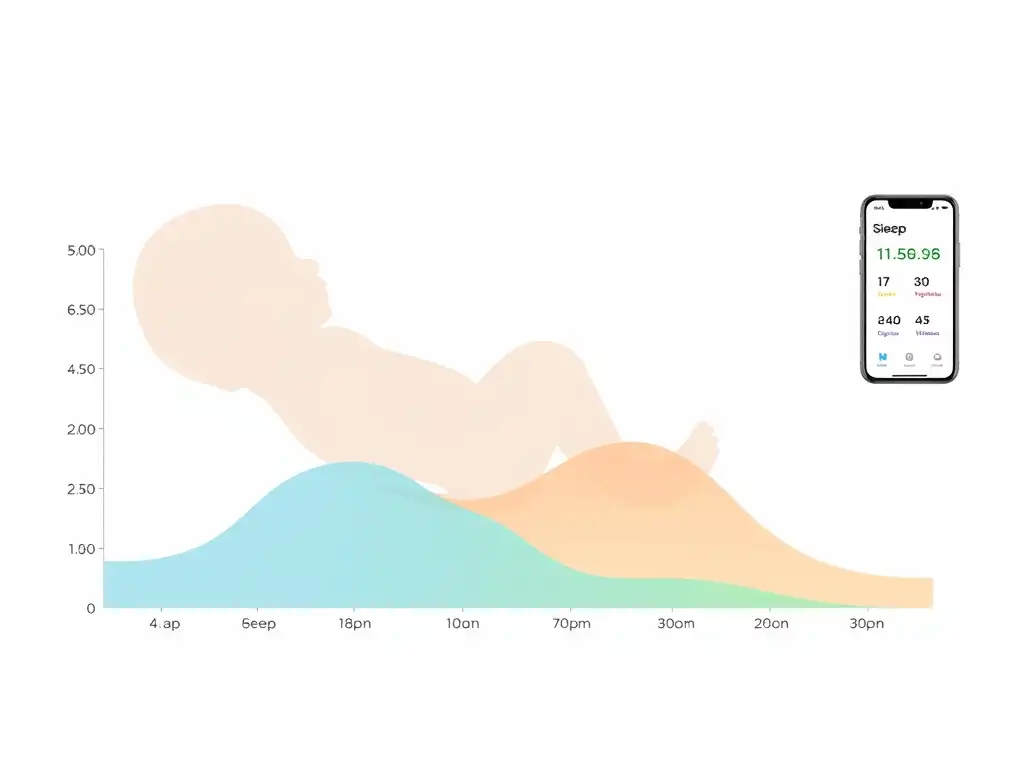
This section delves into the practical application of baby sleep and feeding app data to optimize your little one's routines and overall well-being. By carefully analyzing the information these apps provide, you can gain valuable insights into your baby's individual needs and adjust your approach accordingly. Remember, every baby is unique, and what works for one may not work for another.
The key is to use the data as a guide, not a rigid rulebook. Consistent monitoring and thoughtful adjustments are crucial for success. Using a baby sleep feeding app effectively requires patience and a willingness to adapt your strategies based on observed patterns.
Creating a Consistent Sleep and Feeding Schedule
A consistent schedule is crucial for establishing healthy sleep and feeding patterns in infants. Baby sleep feeding app patterns often reveal inconsistencies that can be easily addressed. By tracking feeding times, amounts, and sleep durations, you can identify potential areas for improvement. For example, if your app data shows your baby consistently wakes up hungry at 3 AM, you might consider adjusting the 10 PM feeding to include a slightly larger volume or adding a late-night supplemental feeding.
Creating a schedule isn't about forcing your baby into a rigid routine, but rather about providing a predictable framework. This predictability can reduce stress for both you and your baby, leading to improved sleep and feeding habits. The data from your app can help you identify the optimal intervals between feedings and sleep cycles for your baby. Don't be afraid to experiment within reasonable limits, always observing your baby's cues and adjusting as needed. Remember to document these adjustments within the app to track their effectiveness.
Consider this example: An app might show your baby consistently sleeps for 4 hours after the 7 PM feeding, then wakes for a feed and sleeps another 3 hours before waking for the day. This informs you that a 7 PM feeding is a good starting point, but the 3-hour sleep before waking might be improved with a slightly earlier bedtime or a later feeding. Consistent tracking allows you to fine-tune this over time.
Addressing Irregular Sleep Patterns with App Data
Irregular sleep patterns are a common source of frustration for new parents. However, using a baby sleep feeding app can help you identify underlying causes and develop strategies to promote more consistent sleep. The app’s data can reveal correlations between feeding times, sleep duration, and other factors, such as daytime activity levels and environmental stimuli.
For instance, if the app indicates that your baby consistently sleeps poorly after a particularly active afternoon, you might consider implementing a calmer pre-bedtime routine. Similarly, if your baby frequently wakes up during the night after a large evening feeding, you might experiment with smaller, more frequent feedings throughout the day to prevent overfeeding before bed. The app provides a detailed record to help you observe these patterns and test various solutions. Remember to record all changes made and their impact on your baby's sleep.
Data analysis might reveal a pattern of shorter sleep cycles during periods of teething or illness. This information allows you to adjust your expectations and provide extra comfort and support during these challenging times. Using the app's data, you can establish a baseline for your baby's sleep patterns and then readily identify deviations which can then be investigated. This approach is far more effective than simply guessing or relying on anecdotal evidence.
Optimizing Feeding Frequency and Volume Based on App Insights
Accurate tracking of feeding frequency and volume using a baby sleep feeding app is invaluable for ensuring adequate nutrition and preventing overfeeding or underfeeding. The app allows you to monitor your baby's weight gain and correlate it with feeding patterns. This data-driven approach provides a much clearer picture than relying solely on intuition.
Analyzing the data, you may notice that your baby consistently consumes less during certain feedings. This might signal a need for adjustments, perhaps introducing different feeding positions or trying different types of milk or formula. Conversely, if the app shows frequent and large feedings without corresponding weight gain, it could indicate a potential issue that warrants a consultation with a pediatrician.
The app data can also highlight inconsistencies in feeding patterns. For example, you might discover that your baby consistently feeds better during the day than at night. This might prompt you to experiment with different feeding strategies or environments to improve nighttime feeding efficiency.
Always remember that consistency and meticulous record-keeping are key to leveraging the full potential of these apps. The more data you collect, the clearer the patterns will become, allowing for informed decisions to optimize your baby's nutrition and overall well-being. Remember to always consult with your pediatrician if you have any concerns about your baby's growth or feeding habits.
Recognizing Signs of Colic or Other Sleep Disruptions
Tracking your baby's feeding and sleep patterns using a baby sleep feeding app can be invaluable in identifying potential issues. One common problem many parents face is colic. Colic is characterized by prolonged, inconsolable crying in otherwise healthy babies, often occurring in the late afternoon or evening. While the exact cause isn't fully understood, it's often linked to digestive issues or immature gut development.
A baby sleep feeding app allows you to meticulously record feeding times, amounts, and the duration and intensity of crying episodes. By correlating feeding times with crying spells, you may notice a pattern—perhaps your baby cries more intensely after certain feedings or at specific times of day. This information can be crucial in discussing potential solutions with your pediatrician. They can then assess whether the pattern suggests colic or another underlying issue.
Beyond colic, apps can help identify other sleep disruptions. For example, frequent night wakings might be related to insufficient nighttime feedings, gas, or even developmental leaps. By analyzing the data—sleep duration, feeding intervals, and any notes you've added regarding your baby's behavior—you can identify potential triggers. Consistent, detailed logging enables you to pinpoint the frequency and timing of disruptions, offering valuable insights into your baby's sleep-wake cycle and its relationship to feeding.
This detailed information empowers you and your pediatrician to make informed decisions about addressing these sleep disturbances. Remember to note not only the when but also the how—was the waking fussy, hungry, or simply restless? These nuances are essential for a complete picture. The app acts as a personalized sleep diary, far more detailed and organized than a traditional notebook.
Using App Data to Prevent Overfeeding or Underfeeding
One of the most significant benefits of using a baby sleep feeding app for tracking "baby sleep feeding app patterns" is the ability to prevent both overfeeding and underfeeding. Overfeeding can lead to discomfort, fussiness, and poor sleep, while underfeeding can result in inadequate weight gain and irritability. The app’s data allows for a precise assessment of your baby's caloric intake.
By consistently recording the amount of formula or breast milk your baby consumes at each feeding, you can build a clear picture of their daily intake. This is particularly useful for tracking growth and ensuring your baby is receiving the appropriate amount of nutrients. Many apps provide visualizations, such as graphs, that clearly illustrate your baby's feeding patterns over time, making it easier to spot trends.
The app doesn’t just track intake; it can also help you understand your baby’s hunger cues. By noting the timing of feedings and your baby's behavior before and after, you can start to recognize their individual hunger signals. This is crucial for avoiding overfeeding. For example, if you notice your baby consistently refuses a bottle after a certain amount, it might indicate they are full, even if they haven't finished the entire bottle.
Similarly, you can identify if your baby is consistently hungry before their scheduled feeding time, suggesting a need to adjust the feeding schedule. This data-driven approach ensures you’re meeting your baby’s nutritional needs without overdoing it, contributing to better sleep and overall well-being. The ability to see a clear record of feeding times and amounts empowers you to make informed decisions about your baby's nutritional intake, making the process less stressful and more effective. 👶
Beyond the App: Additional Tips for Improving Baby's Sleep and Feeding
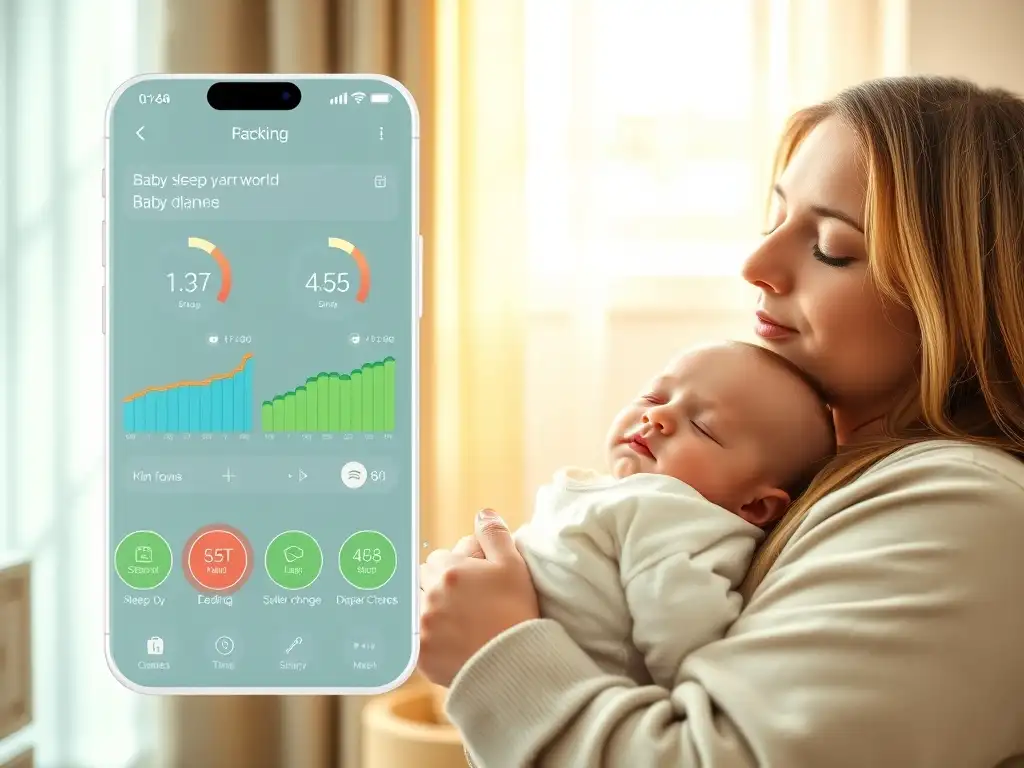
While baby sleep feeding apps are invaluable tools for tracking patterns and identifying trends, they are only one piece of the puzzle. Successfully optimizing your baby's sleep and feeding requires a holistic approach that integrates technology with tried-and-true parenting techniques. This section offers practical advice to complement the data you collect using your chosen app. Remember, consistency is key – both in tracking your baby's data and in implementing these strategies. The goal is to create a predictable and nurturing environment that fosters healthy sleep and feeding habits.
Establishing a Relaxing Bedtime Routine
A consistent and calming bedtime routine is crucial for establishing healthy sleep patterns. Think of it as signaling to your baby that it's time to wind down and prepare for sleep. This routine should be predictable and repeated nightly, even on weekends. The specific elements can be tailored to your baby's preferences, but a typical routine might include:
- A warm bath (around 30 minutes before bedtime). The warm water can be very soothing.
- A gentle massage. This promotes bonding and relaxation.
- Putting on pajamas. This signals the transition to sleep.
- Reading a bedtime story or singing a lullaby. Soft, calming tones are ideal.
- Quiet playtime. Avoid stimulating activities just before bed.
- Nursing or bottle feeding. This can be a key component of the routine for many babies.
The duration of your bedtime routine should be gradually increased as your baby gets older. Newborns might only need a short, simple routine, while older infants might benefit from a longer, more elaborate one. The key is to create a predictable sequence of events that your baby comes to associate with sleep. Experiment with different elements to find what works best for your little one. Remember to avoid screen time immediately before bed, as the blue light emitted from screens can interfere with melatonin production, making it harder for your baby to fall asleep.
Creating a Comfortable and Safe Sleep Environment
The environment in which your baby sleeps plays a significant role in the quality of their sleep. Creating a comfortable and safe sleep space is essential for promoting restful sleep. Consider these points:
- Temperature: Maintain a comfortable room temperature (around 68-72°F or 20-22°C). Overheating can disrupt sleep.
- Darkness: A dark room promotes melatonin production, a hormone that regulates sleep. Use blackout curtains or a nightlight if necessary.
- Sound: White noise machines or fans can help block out distracting noises and create a soothing soundscape. Experiment to find the ideal level of noise.
- Firm Mattress: Ensure your baby sleeps on a firm, flat mattress that meets safety standards. Avoid soft surfaces or loose bedding that could pose a suffocation risk.
- Safe Sleep Practices: Always place your baby on their back to sleep on a firm surface, free of loose bedding, pillows, toys, and bumpers. This significantly reduces the risk of Sudden Infant Death Syndrome (SIDS).
Understanding Baby's Sleep Cues
Observing your baby's sleep cues is crucial for understanding their sleep-wake cycle and responding appropriately. These cues can vary from baby to baby, but some common signs of tiredness include:
- Rubbing eyes
- Yawning excessively
- Becoming fussy or irritable
- Pulling at ears
- Looking away from stimulation
- Decreased activity level
Learning to recognize these cues allows you to put your baby down for a nap or bedtime before they become overly tired and overstimulated. An overtired baby often has difficulty falling asleep and may experience longer periods of wakefulness during the night. By responding to these cues promptly, you can help establish a more predictable and consistent sleep pattern.
Consistent observation, combined with data from your baby sleep feeding app, will provide a holistic view of your baby's sleep patterns, allowing you to identify trends and adapt your strategies as needed. Remember, every baby is unique, and what works for one may not work for another. Be patient, persistent, and don't hesitate to seek professional advice if you have any concerns.
Addressing Common Feeding Challenges
Understanding your baby's feeding patterns is crucial, but even with the best baby sleep feeding app patterns insights, challenges can arise. Let's explore some common hurdles and how to address them. One frequent issue is colic. Colicky babies cry excessively, often in the evenings, and may seem inconsolable.
While a feeding app can help you track feeding times and amounts, it won't diagnose colic. It's important to remember that colic is generally a phase, and symptoms typically lessen around three months of age. However, if your baby's crying is excessive or accompanied by other symptoms like fever or vomiting, consult your pediatrician immediately.
Another common challenge is reflux. Reflux occurs when stomach contents come back up into the esophagus. This can cause spitting up or vomiting, and tracking feeding frequency and volume via a baby sleep feeding app patterns tracker can help identify potential triggers. Smaller, more frequent feeds might be beneficial. Always consult your pediatrician for advice on managing reflux, as they can recommend strategies like positioning changes or medication if necessary. Remember, the app is a tool to aid observation; it's not a replacement for professional medical advice.
Furthermore, latch difficulties during breastfeeding can be frustrating for both mother and baby. An app can't solve latch problems, but it can help you track feeding durations and note any signs of distress during feeding. A lactation consultant is a valuable resource for addressing latch issues, offering guidance and support to ensure successful breastfeeding.
Their expertise can make a significant difference in improving both your comfort and your baby's ability to feed effectively. Don't hesitate to seek professional help; it's a sign of strength, not weakness. Consistent tracking with a baby sleep feeding app patterns tool, alongside professional guidance, can help you overcome these challenges.
Seeking Professional Advice When Needed
Even with diligent tracking using a baby sleep feeding app patterns monitor and careful observation, some situations require professional intervention. Don't hesitate to contact your pediatrician or other healthcare providers if you notice any of the following warning signs:
- Persistent Fussiness or Crying: Excessive crying beyond what's considered normal for your baby's age and temperament warrants a check-up. While an app can help you track feeding times, it can't interpret the underlying reasons for persistent crying.
- Failure to Thrive: If your baby isn't gaining weight appropriately, it's crucial to seek immediate medical attention. While a baby sleep feeding app patterns app can provide data on feeding amounts, it's essential to have a professional assess your baby's overall health and development.
- Changes in Stool or Urine: Significant changes in the color, consistency, or frequency of your baby's bowel movements or urination should be brought to the attention of your healthcare provider. These changes can indicate underlying health issues that require professional evaluation.
- Fever or Illness: Any signs of illness, such as fever, lethargy, or difficulty breathing, require immediate medical attention. A baby sleep feeding app patterns app is not a substitute for professional medical care.
Remember, using a baby sleep feeding app patterns application is a valuable tool for observing your baby's feeding and sleeping habits, but it shouldn't replace professional medical advice. Always consult with your pediatrician or other healthcare professionals when you have concerns about your baby's health and well-being. Early intervention is key to ensuring your baby thrives. Utilize the app's data to inform your conversations with your doctor, providing a clear picture of your baby's routine. This collaborative approach will empower you to make the best decisions for your little one's health and happiness. 👶
Frequently Asked Questions
What is the connection between sleep and feeding in babies?
Babies often wake up to feed, especially in the early months. Understanding this connection helps parents establish a healthy feeding and sleep routine. Tracking this relationship is crucial for identifying potential issues.
How can a baby sleep feeding app help?
Baby sleep feeding apps help you track feeding times, sleep duration, and diaper changes. This data reveals patterns and helps identify if your baby is feeding frequently due to hunger or other reasons. It provides valuable insights into your baby's routine.
Are all baby sleep feeding apps the same?
No, apps vary in features and functionality. Some offer basic tracking, while others include sleep analysis, growth charts, and feeding schedule suggestions. Choose an app that meets your specific needs and preferences.
What kind of patterns should I look for in my baby's sleep and feeding data?
Look for consistent patterns in feeding intervals, sleep duration, and overall sleep quality. Inconsistent patterns or significant changes might indicate a need for a doctor's visit. Unusual patterns should be discussed with your pediatrician.
Is it necessary to use an app to track my baby's sleep and feeding?
While not strictly necessary, an app can be a helpful tool for first-time parents. It simplifies data tracking and provides valuable insights into your baby's routine. However, attentive observation and detailed notes can also be effective.
Final Reflection: Unlocking the Secrets of Sleep and Feed
Understanding a baby's sleep-feed patterns is not just about convenience; it's about unlocking the key to a happier, healthier baby and a more rested parent. The information presented in this article highlights the significant impact that readily available technology can have on navigating the often-chaotic world of infant care. By leveraging baby sleep and feeding apps, parents can gain invaluable insights into their little one's individual rhythms, leading to improved sleep for both baby and caregiver.
The journey of parenthood is a deeply personal one, and the subtle shifts in a baby's sleep and feeding patterns can feel monumental. These patterns, often seemingly random, are actually rich with information that can inform parental decisions and contribute to a more harmonious family life. The most important thing is to enjoy your children. To cherish every moment they are with you.
This quote, while seemingly simple, underscores the importance of finding tools and strategies that allow parents to fully appreciate the precious time spent with their newborns, rather than being overwhelmed by the challenges of sleep deprivation and feeding schedules.
Now, consider how you can apply these insights to your own parenting journey. Take the time to explore the various apps available, find one that suits your needs, and begin tracking your baby's sleep and feeding patterns. Don't be afraid to experiment and adjust your approach as needed. Remember, this is a journey of discovery, and the reward – a better understanding of your baby and a more peaceful home – is well worth the effort. Embrace the technology, embrace the learning, and embrace the joy of parenthood.
Unlock Your Baby's Sleep-Feeding Secrets!
Thank you for exploring the fascinating world of baby sleep and feeding patterns with us! We hope you've gained valuable insights into how tracking can simplify your routine and provide a deeper understanding of your little one's needs. Ready to put this knowledge into practice?
- Start tracking your baby's sleep and feedings today! Use a baby tracking app to gather data and identify key patterns. This is the first step towards more restful nights for both you and your baby.
- Share your experiences and tips with other parents in our BabyCareHub community forum. Connect with fellow parents and learn from their experiences.
- Consider making small adjustments to your baby's routine based on the patterns you observe. Even subtle changes can significantly improve sleep and feeding rhythms.
What small change will you try first to improve your baby's sleep and feeding?