
Winter Baby Clothing: The Best Ways to Keep Your Baby Warm


Welcome to BabyCareHub, your ultimate guide to navigating the wonderful, yet sometimes overwhelming, world of parenthood. Are you ready to face the chilly months with confidence? We've got you covered! Discover our expert recommendations on the best winter baby clothes to ensure your little one stays snug and comfortable all season long. Dive into our Baby Gear & Products section and learn the secrets to dressing your baby for winter, ensuring both warmth and safety. Let's get started!
- Understanding Your Baby's Winter Clothing Needs
- Essential Winter Baby Clothing Items
- Dressing Your Baby for Winter Weather: A Practical Guide
- Best Winter Baby Clothes: Brands and Recommendations
- Where to Buy the Best Winter Baby Clothing: Online and Offline Retailers
- Budget-Friendly Options for Winter Baby Clothes
- Maintaining Winter Baby Clothes: Care and Storage
- Frequently Asked Questions
- Final Reflection: Nurturing Little Ones Through Winter's Embrace
- Unlock Your Little One's Winter Warmth
Understanding Your Baby's Winter Clothing Needs
Winter arrives, and with it, the crucial task of keeping your precious little one warm and cozy. Navigating the world of baby winter clothing can feel overwhelming for first-time parents, especially when considering the delicate balance between preventing overheating and ensuring sufficient warmth. This comprehensive guide will equip you with the knowledge and strategies to dress your baby appropriately for winter, focusing on the best winter baby clothes and practices to keep your infant comfortable and safe throughout the colder months.
We'll delve into the specifics of temperature regulation, fabric selection, and layering techniques, empowering you to make informed decisions about your baby's winter wardrobe and ensuring their well-being during the chilly season. Choosing the right clothing is paramount to preventing illness and ensuring your baby’s comfort, so let's explore the key aspects of dressing your baby for winter.
Baby's Temperature Regulation: Key Considerations for Winter Attire
Understanding how babies regulate their body temperature is the cornerstone of dressing them properly for winter. Unlike adults, newborns and infants have a less developed ability to regulate their body temperature. They can lose heat quickly, especially through their heads and extremities. This means that overdressing them is just as dangerous as underdressing. A good rule of thumb is to dress your baby in one more layer than you would wear yourself in the same environment.
Consider these factors:
- Room Temperature: A consistently comfortable room temperature (around 68-72°F or 20-22°C) is crucial. Overheating in a warm house can lead to discomfort and even illness.
- Activity Level: A baby who is actively playing will generate more body heat than a sleeping baby. Adjust clothing accordingly.
- Outdoor Conditions: Bundle your baby up warmly for outdoor excursions, but remember to remove layers once indoors to prevent overheating. Consider the wind chill factor as well.
- Baby's Individual Needs: Some babies are naturally warmer than others. Observe your baby's cues – flushed skin, sweating, or shivering – to determine if adjustments are needed.
Choosing the Right Fabrics for Winter Baby Clothes: Natural vs. Synthetic
The fabric of your baby's clothes significantly impacts their warmth and comfort. Natural fibers such as cotton, wool, and silk are excellent choices for their breathability and softness. However, synthetic materials like fleece and polyester can also provide warmth and are often more readily available and less expensive.
Here's a comparison:
| Fabric Type | Pros | Cons | Best Use |
|---|---|---|---|
| Cotton | Soft, breathable, absorbent, hypoallergenic | Can be less warm than other options | Base layers, sleepwear |
| Wool (Merino) | Warm, breathable, moisture-wicking | Can be itchy for some babies, more expensive | Mid-layers, outerwear (if soft enough) |
| Fleece | Warm, lightweight, quick-drying | Can be less breathable than natural fibers | Outer layers, snowsuits |
| Polyester | Warm, durable, water-resistant | Can trap moisture, less breathable than cotton | Outer layers, linings |
Remember to always check clothing labels for care instructions and fiber content. Avoid fabrics that are rough, scratchy, or contain irritating dyes.
Layering for Warmth: The Best Approach to Winter Baby Dressing
Layering is the key to keeping your baby warm without overheating. Think of it as creating a microclimate around your baby's body. This approach allows you to easily adjust clothing based on the environment and your baby's activity level.
A typical layering system might include:
- Base Layer: A soft, breathable cotton onesie or bodysuit.
- Mid-Layer: A lightweight wool or fleece sweater or jacket.
- Outer Layer: A waterproof and windproof snowsuit or bunting for outdoor excursions. Avoid bulky outerwear indoors.
Remember to always monitor your baby's temperature and adjust layers as needed. Avoid overdressing, as this can lead to overheating and discomfort. A slightly cool touch to the skin (not cold) is a good indicator of appropriate clothing. Always prioritize your baby's comfort and safety. 👶
Essential Winter Baby Clothing Items
This section delves into the must-have items for your baby's winter wardrobe, focusing on practical considerations and features to prioritize when choosing the best winter baby clothes. Remember, layering is key to regulating your baby's temperature effectively. Avoid overdressing, which can lead to overheating and discomfort.
Choosing the Right Winter Baby Onesies and Sleepsuits
Winter onesies and sleepsuits are the foundation of your baby's cold-weather attire. Prioritize fabrics that are soft, breathable, and warm. Look for materials like 100% cotton, or blends of cotton and merino wool for optimal comfort and temperature regulation. Avoid scratchy fabrics that can irritate delicate skin. Consider the following points when selecting onesies and sleepsuits:
- Fabric Weight: Opt for heavier weight fabrics during colder months. Look for descriptions such as "winter weight" or "fleece-lined" on product labels.
- Snap or Zipper Closure: Snap closures are generally easier for quick changes, especially during nighttime feedings. Zipper closures offer a more secure fit and can be easier to manage with wriggly babies.
- Footed vs. Non-Footed: Footed sleepsuits are ideal for keeping little feet warm, particularly in colder climates. Non-footed options provide more flexibility for layering socks.
- Size: Purchase onesies and sleepsuits that are a comfortable fit, allowing for movement and preventing overheating. Consider buying a size larger to accommodate for growth.
It's crucial to choose sleepsuits made from flame-resistant materials to ensure your baby's safety. Always check the care labels for washing instructions to maintain the garment's quality and warmth. Remember that a snug fit is important for warmth, but avoid anything too tight which restricts movement. A good rule of thumb is that you should be able to comfortably fit one or two fingers between the garment and your baby's body.
Best Winter Baby Jackets and Coats: Features to Look For
Choosing the right outerwear is critical for shielding your baby from harsh winter conditions. When selecting winter baby jackets and coats, consider these key aspects:
- Water Resistance: Opt for water-resistant or waterproof materials to protect your baby from snow and rain. Look for jackets with a durable water repellent (DWR) finish.
- Wind Protection: A windproof outer layer is essential to prevent chilling winds from penetrating through the clothing.
- Insulation: Look for jackets with insulation like down, fleece, or synthetic fill. Down provides excellent warmth but can be less durable and more expensive. Synthetic fills are a more affordable and often more durable alternative.
- Hood: A hood is beneficial for extra head protection, but ensure it's securely attached and doesn't pose a strangulation risk. Avoid hoods with drawstrings.
- Ease of Use: Choose a jacket or coat with easy-to-use closures like zippers or large buttons, making dressing and undressing simple and quick.
Consider the practicality of the jacket's design – a longer coat will provide more coverage and protection from the elements. Remember to check the size carefully to ensure adequate coverage without restricting movement. Always prioritize safety and choose a jacket that meets safety standards.
Winter Baby Hats, Mittens, and Booties: Protecting Extremities from Cold
Babies lose a significant amount of body heat through their heads, hands, and feet. Therefore, hats, mittens, and booties are essential components of a winter baby's wardrobe. Here's what to look for:
- Hats: Choose soft, stretchy hats that cover the ears and forehead. Look for materials like wool, fleece, or cotton blends. Avoid hats with small parts that could pose a choking hazard.
- Mittens: Mittens are generally warmer than gloves for babies because they keep fingers bundled together. Look for mittens made from soft, warm materials. Choose mittens that fit snugly but not too tightly.
- Booties: Booties protect tiny feet from the cold and moisture. Consider booties made from wool, fleece, or other warm materials. Make sure they are large enough to allow for proper foot movement but not so large that they slip off easily.
Pay close attention to the materials used. Prioritize natural fibers such as merino wool or soft cotton for their breathability and warmth-retaining properties. Avoid materials that are too bulky, as this can restrict movement and make dressing and undressing difficult. Always supervise your baby while they are wearing these items, especially mittens and booties, to ensure safety and prevent any potential hazards. Regularly check for wear and tear and replace any damaged items immediately.
Choosing Warm Winter Baby Socks and Leg Warmers
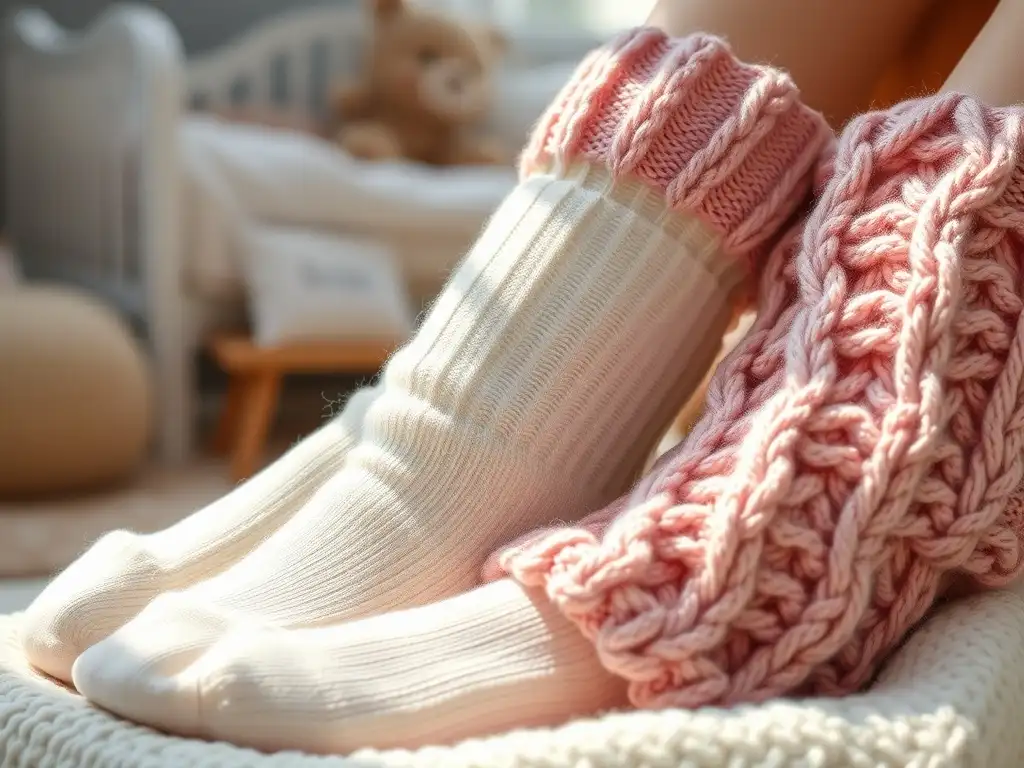
Keeping your baby's tiny toes and legs warm is crucial during winter. Choosing the right socks and leg warmers involves considering several factors. Firstly, material is key. Opt for natural fibers like cotton or wool blends. Wool offers excellent insulation, keeping your little one warm even in freezing temperatures. However, some babies may have sensitive skin, so a soft cotton blend might be a better choice. Avoid materials that are scratchy or might irritate your baby's delicate skin. Look for socks and leg warmers specifically designed for babies, ensuring they are soft and stretchy to allow for comfortable movement.
Secondly, size is important. Socks and leg warmers that are too small can restrict blood flow and be uncomfortable. Those that are too large can easily slip off and get lost. Always check the size chart before purchasing and consider buying a size or two larger to account for growth. Remember to check the fit regularly as your baby grows rapidly in the first few months.
Thirdly, consider the style. While simple cotton socks are sufficient for indoor wear, leg warmers offer additional warmth and are great for layering. Look for leg warmers that are long enough to cover the knees and have a soft, stretchy band that won't pinch. Some leg warmers even have non-slip grips on the bottom to prevent them from sliding down. For extra warmth on especially cold days, consider layering a pair of thin cotton socks under a thicker pair of wool socks.
Selecting the Right Winter Baby Blankets and Swaddles
Winter baby blankets and swaddles provide essential warmth and comfort. However, safety should always be the top priority when selecting these items. The material should be soft, breathable, and hypoallergenic. Avoid synthetic materials that might trap heat and moisture, potentially leading to overheating. Natural fibers like cotton, muslin, and fleece are excellent choices. Muslin is breathable and lightweight, perfect for layering, while fleece offers superior warmth. Always check the care instructions and ensure the blanket or swaddle is machine washable for easy cleaning.
The size of the blanket or swaddle is also crucial. It should be large enough to comfortably wrap your baby but not so large that it poses a suffocation risk. Avoid loose blankets in cribs to prevent Sudden Infant Death Syndrome (SIDS). For swaddles, choose ones with secure fastenings to prevent unraveling. Always ensure your baby's face and nose are not covered.
Consider the weight of the blanket or swaddle. A heavier blanket is suitable for colder nights, while a lighter one is ideal for milder temperatures. Always check your baby's temperature regularly to ensure they aren't overheating or becoming too cold. Remember to layer clothing and blankets appropriately to adjust for fluctuating temperatures.
Never place a baby to sleep on their stomach or side. Always place a baby to sleep on their back on a firm surface. This information is crucial for ensuring a safe sleep environment for your infant. 👶
Dressing Your Baby for Winter Weather: A Practical Guide
This section provides a practical guide to dressing your baby for winter, ensuring they stay warm and comfortable in various conditions. Remember, the key is layering and adapting to the specific environment. Overdressing can be just as dangerous as underdressing, leading to overheating and discomfort. Finding the right balance is crucial for your baby's well-being. Choosing the best winter baby clothes involves understanding fabrics, layering techniques, and recognizing signs of both overheating and chilling.
Dressing Your Baby for Indoor and Outdoor Activities
The temperature inside your home will likely be significantly warmer than outside, even on the coldest winter days. Therefore, your baby's clothing needs will change dramatically depending on their location.
When indoors, avoid overdressing your little one. A lightweight onesie or sleeper, perhaps paired with a thin cotton shirt if the house is particularly cool, is generally sufficient. Overdressing can lead to sweating, which can in turn cause a chill when your baby is later exposed to cooler air. Think breathable fabrics like cotton and soft, natural fibers.
Outdoors, however, a completely different approach is necessary. The goal is to create a warm, protective layer that shields your baby from the elements while allowing for some breathability to prevent overheating. This requires a layering strategy, which we'll discuss in more detail in the following section. The best winter baby clothes for outdoor adventures will be those that combine warmth and protection from the wind and moisture. Consider weatherproof outerwear such as a warm snowsuit or bunting bag, especially for prolonged outdoor excursions.
Adapting to Different Winter Temperatures: A Layering System
The secret to keeping your baby warm in winter lies in layering. This approach allows you to adjust the amount of clothing based on temperature fluctuations and activity levels. A typical layering system for a winter baby might look like this:
- Base Layer: A thin cotton onesie or shirt to wick away moisture from the skin.
- Mid Layer: A fleece or wool sweater or a lightweight down vest for insulation.
- Outer Layer: A waterproof and windproof snowsuit or bunting bag to protect against the elements. Remember, the best winter baby clothes will often feature windproof and water-resistant materials.
For milder winter days, you may only need the base and mid layers. On extremely cold days, you can add an extra layer of clothing, such as a blanket or a thicker sweater. Always remember to check your baby's temperature regularly, as we will discuss in the next section. Consider the activity level; a baby bundled up in a stroller will need more layers than one being actively carried. Remember to prioritize fabrics that are soft, breathable, and provide adequate warmth.
How to Check Your Baby's Temperature: Signs of Overheating or Chilling
Regularly checking your baby's temperature is crucial to ensure they are neither too hot nor too cold. Don't rely solely on the feel of their hands and feet, as these can be cooler even if the baby is at a safe temperature.
Instead, feel the skin on their back or chest. If their skin feels:
- Warm and dry: Your baby is likely comfortably dressed.
- Cool and clammy: Your baby may be cold and needs an extra layer.
- Hot and sweaty: Your baby is likely overdressed and needs to have a layer removed.
Other signs of overheating include flushed cheeks, rapid breathing, and excessive fussiness. Signs of chilling include pale skin, shivering (in older infants), and lethargy. Learning to interpret these signs is crucial for ensuring your baby's comfort and safety. Pay close attention to your baby's cues and adjust their clothing accordingly. Knowing how to recognize these signs is a key component of selecting and using the best winter baby clothes. 👶
Winter Baby Car Seat Safety: Keeping Your Baby Warm and Secure
Ensuring your baby's safety in the car seat during winter is paramount. While bundling your little one in layers is tempting to combat the cold, it can be incredibly dangerous. Over-bundling can create a gap between your baby and the car seat harness, significantly reducing its effectiveness in a collision. A loose harness increases the risk of injury, as your baby could be ejected or sustain internal injuries during an accident.
The safest approach is to dress your baby in lightweight, warm layers underneath the car seat harness. Think thin layers of merino wool or fleece, rather than bulky coats or snowsuits. These materials provide excellent insulation without adding unnecessary bulk. You can then add a warm blanket over the harness, securing it loosely on the outside. This allows the harness to fit snugly against your baby's body, providing optimal protection.
Remember to always check the car seat manufacturer's instructions regarding appropriate clothing. Some manufacturers provide specific guidelines on how to dress your baby for winter travel. Ignoring these instructions could void the car seat's warranty and compromise your baby's safety.
Consider investing in a car seat cover designed for winter use. These covers often incorporate windproof and waterproof materials, protecting your baby from the elements without adding bulk under the harness. They also help maintain a consistent temperature inside the car seat. Look for covers with openings for the harness straps to ensure proper fit and functionality.
Finally, never use bulky coats or snowsuits under the car seat harness. This is a crucial safety measure that should never be overlooked. The added bulk creates a dangerous amount of slack, negating the protective capacity of the harness. Prioritize safety by using lightweight layers and a warm blanket on top. This approach ensures your baby stays warm and secure during winter travels. Always err on the side of caution when it comes to car seat safety; your baby's well-being depends on it. Remember, a snug fit is a safe fit. 👶
Best Winter Baby Clothes: Brands and Recommendations
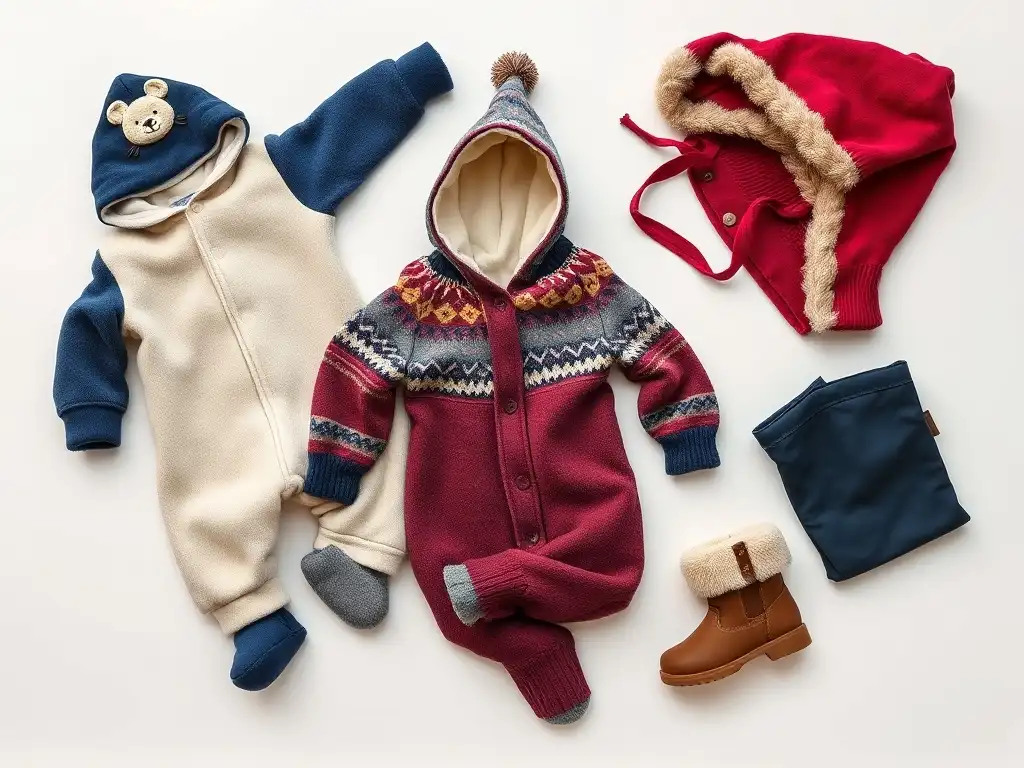
Choosing the right winter baby clothes can feel overwhelming, but focusing on quality and practicality makes the process much simpler. Finding the best winter baby clothes involves considering fabric, design, and overall warmth. This section will highlight top brands known for their high-quality, reliable winter wear.
Top Brands for High-Quality Winter Baby Clothes
Several brands consistently deliver exceptional quality and innovative designs in winter baby clothing. These brands prioritize safety, comfort, and warmth, using materials that are gentle on delicate baby skin. Let's explore some of the leading options:
- Brand A: Known for its durable, yet soft, organic cotton fabrics. They offer a wide range of winter essentials, from footed pajamas to snowsuits, all designed with practicality and safety in mind. Their commitment to sustainable practices is a significant plus for environmentally conscious parents. Their prices are generally positioned in the mid-range.
- Brand B: This brand specializes in high-performance, weather-resistant outerwear. Their snowsuits and jackets are designed to withstand even the harshest winter conditions, keeping your baby warm and dry. Expect a higher price point, reflecting the superior quality and technology used in their garments. They often use innovative features like windproof and waterproof fabrics.
- Brand C: A popular choice for its adorable designs and comfortable materials. While not always the most expensive, Brand C offers good value for money, balancing affordability with decent quality. They frequently incorporate soft fleece linings and easy-to-use closures. Their sizing tends to run true to size, which is helpful for first-time parents.
- Brand D: This brand focuses on natural and hypoallergenic materials, making it ideal for babies with sensitive skin. Expect to find a selection of organic cotton, merino wool, and bamboo clothing items. Their designs might be simpler, but the quality and comfort are undeniable. The price point reflects the premium materials used.
Choosing the best winter baby clothes depends on your budget and priorities. Consider factors like the climate you live in, your baby’s sensitivity to certain fabrics, and your personal preferences.
Where to Buy the Best Winter Baby Clothing: Online and Offline Retailers
Finding the perfect winter wardrobe for your little one involves knowing where to shop. Both online and offline retailers offer a variety of options, each with its own advantages and disadvantages. This section explores the best places to purchase best winter baby clothes.
Where to Buy the Best Winter Baby Clothing: Online and Offline Retailers
Offline Retailers:
- Department Stores: Large department stores often have dedicated baby sections with a decent selection of winter clothing from various brands. You can touch and feel the fabrics, ensuring quality and fit before purchasing. However, the selection might be limited compared to online options.
- Specialty Baby Stores: These stores specialize in baby products, offering expert advice and a curated selection of high-quality items. You can expect personalized service and potentially discover lesser-known brands with excellent winter clothing. This comes at a potentially higher price point.
- Consignment Shops: A budget-friendly option for gently used winter clothes. This is a sustainable choice, and you might find great deals on high-quality brands. Thoroughly inspect any used clothing before purchase.
Online Retailers:
- Large Online Marketplaces: These platforms offer a vast selection of winter baby clothes from numerous brands, often at competitive prices. However, be sure to check reviews carefully and pay attention to sizing charts.
- Brand Websites: Purchasing directly from the brand's website ensures authenticity and often provides access to exclusive deals or promotions. However, shipping times might be longer than with larger online marketplaces.
- Specialty Online Baby Stores: Similar to offline specialty stores, these online retailers curate their selection, focusing on quality and customer service. They often offer detailed product descriptions and customer reviews.
The decision of where to buy your best winter baby clothes depends on your preferences and priorities. Consider factors such as convenience, price, and the level of personalized service you desire.
Budget-Friendly Options for Winter Baby Clothes
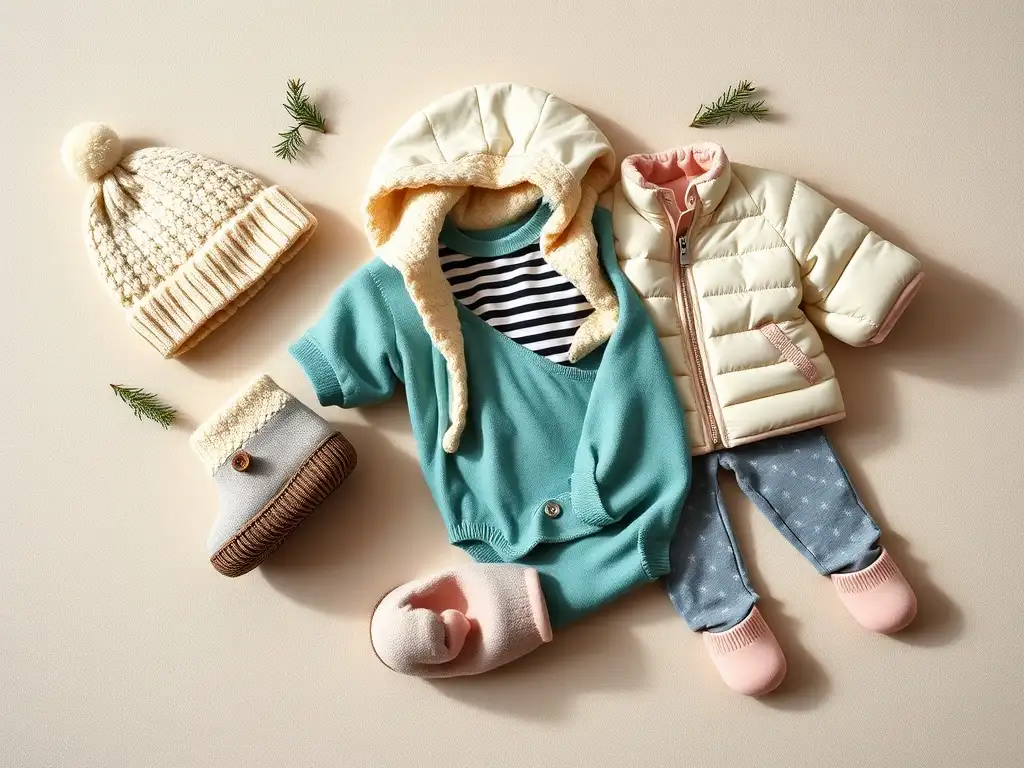
Keeping your baby warm during winter doesn't require breaking the bank. Several strategies and options can help you find affordable yet functional best winter baby clothes.
Budget-Friendly Options for Winter Baby Clothes
- Layering: Layering is key to keeping your baby warm without needing bulky, expensive outerwear. Start with a thin base layer (e.g., cotton onesie), add a mid-layer (e.g., fleece sleeper), and top it off with a light jacket or snowsuit if needed. This approach allows for flexibility depending on the temperature.
- Shopping Sales and Discounts: Keep an eye out for seasonal sales, end-of-season clearances, and online deals. You can often find significant discounts on high-quality winter baby clothes.
- Hand-me-downs: Ask friends or family if they have any gently used winter baby clothes they are willing to pass along. This is a sustainable and cost-effective way to build your baby's winter wardrobe.
- Thrift Stores and Consignment Shops: These options often have hidden gems, including gently used winter baby clothes at a fraction of the original price. Be sure to check for any damage or stains before purchasing.
- Prioritizing Essentials: Focus on purchasing essential items like warm sleepers, socks, and hats, and prioritize quality over quantity. You don't need a huge wardrobe; a few well-chosen pieces will suffice.
Remember, finding affordable best winter baby clothes is achievable with careful planning and smart shopping strategies. Prioritize practicality and warmth over unnecessary extras, and don't hesitate to explore budget-friendly options. A warm and cozy baby is a happy baby, regardless of the cost of their clothing!
Maintaining Winter Baby Clothes: Care and Storage
Keeping your baby warm and cozy during winter requires more than just buying the best winter baby clothes; it necessitates proper care and storage to ensure their longevity and continued effectiveness. Following these guidelines will help you preserve the quality and warmth of your baby's winter wardrobe, saving you money and ensuring your little one stays snug throughout the colder months.
Washing and Drying Winter Baby Clothes: Tips for Maintaining Warmth
Washing winter baby clothes requires a gentler approach than other garments. Harsh detergents and high heat can damage delicate fabrics and diminish their insulating properties. Always check the care label before washing. Most baby clothes are best washed in cold water with a mild, fragrance-free detergent designed for sensitive skin. Avoid using fabric softeners, as these can reduce the absorbency of the fabric and compromise its warmth.
Consider using a mesh laundry bag to protect more delicate items like wool sweaters or fleece jackets during the washing cycle. This prevents pilling and snagging. For heavily soiled items, pre-treat stains with a gentle stain remover before washing.
Drying is equally crucial. Air drying is generally the best option for winter baby clothes, especially those made from wool or other natural fibers. Lay the garments flat on a clean, dry surface or hang them on a clothes rack away from direct sunlight and heat. If machine drying is necessary (check care labels!
), use a low heat setting and remove the clothes promptly to prevent shrinkage and damage. Avoid over-drying, as this can also affect the fabric's warmth and softness. Over-drying can also cause shrinkage, especially in wool and cotton blends. Think of it like this: you want to preserve the loftiness of the fabric for optimal insulation.
Storing Winter Baby Clothes: Preparing for Next Season
Proper storage is essential to keep your baby's winter clothes in top condition until the next season. Before storing, ensure all garments are clean and completely dry. Any lingering moisture can lead to mildew and unpleasant odors. Fold clothes neatly to prevent wrinkles and creases.
Use breathable storage containers like fabric bins or drawers, avoiding airtight plastic containers which can trap moisture. Cedar chests or drawers can help repel moths and other pests. For delicate items, consider using garment bags to protect them from dust and damage.
Organize your storage by item type and size. This will make finding specific items much easier when the next winter season rolls around. Label your storage containers clearly to help you locate items quickly. A well-organized system will save you time and stress when preparing your baby's winter wardrobe for the following year. This also helps with inventory – knowing what you have and what you might need to replenish.
Repairing and Maintaining Baby Winter Clothes: Extending Their Lifespan
Minor repairs can significantly extend the lifespan of your baby's winter clothes. Learn basic mending skills, such as patching small holes or sewing on loose buttons. A simple needle and thread can save you from having to replace perfectly good garments. For more complex repairs, consider taking the items to a professional tailor.
Regularly inspect your baby's winter clothes for signs of wear and tear. Address small issues promptly to prevent them from becoming larger problems. Carefully check seams for fraying or loose stitches; reinforce these as needed. This proactive approach minimizes the need for costly replacements. Remember, a stitch in time saves nine! 🧵 Taking good care of your baby's winter wardrobe not only saves money but also ensures they stay warm and comfortable throughout the season. This mindful approach to clothing maintenance is a small investment that yields significant rewards in terms of both cost savings and baby comfort.
Frequently Asked Questions
What are the best fabrics for winter baby clothes?
Look for natural, breathable fabrics like cotton, wool (merino is especially soft), and silk. Avoid synthetic materials that trap moisture and can irritate delicate skin. Layering is key to regulating temperature.
How many layers should I put on my baby in winter?
The general rule is to dress your baby in one more layer than you would wear yourself. Remember to check your baby's skin temperature frequently to ensure they are neither too hot nor too cold. Always prioritize comfort and breathability.
What kind of outerwear is best for a winter baby?
A warm, waterproof snowsuit is ideal for outdoor adventures. Ensure it's appropriately sized to allow for movement and layering underneath. Consider a hooded option, but be mindful of safety guidelines regarding car seats.
How can I keep my baby's hands and feet warm in winter?
Mittens and booties are helpful, but avoid overdressing your baby's extremities. Focus on keeping the core body temperature regulated; warm hands and feet are often a sign of proper core temperature. Use warm socks and mittens made of soft materials.
What are some essential winter baby clothing items?
Essentials include onesies, sleep sacks, warm socks, mittens, a hat, and a snowsuit. Choose items that are easy to put on and take off for diaper changes. Prioritize comfortable, high-quality materials suitable for sensitive skin.
Final Reflection: Nurturing Little Ones Through Winter's Embrace
Keeping your baby warm during winter is not just about practicality; it's about ensuring their comfort, safety, and overall well-being. The seemingly simple act of dressing a baby for cold weather carries significant weight, impacting their health and development in profound ways. Choosing the right layers, fabrics, and overall approach to winter baby clothing can make a world of difference.
The impact of proper winter attire extends beyond mere physical warmth; it speaks to a deeper cultural understanding of nurturing and protection. We instinctively strive to shield our most vulnerable from the harshness of the elements, mirroring a primal urge to safeguard the next generation. This resonates across cultures and time periods. The best thing one can give his child is a happy childhood.
– Robert Louis Stevenson. While not directly about winter clothing, this quote encapsulates the spirit of providing a safe and comfortable environment for a child's development, a crucial aspect of which is appropriate winter clothing.
Now, consider your own experiences and the lessons learned from this exploration of winter baby clothing. Think about how you can apply this knowledge to create a cozy and safe environment for your little one, or for the children in your life.
Take a moment to reflect on the importance of providing not just warmth, but also peace of mind, knowing you've taken the necessary steps to protect your precious bundle from the cold. Let this knowledge guide your choices, ensuring that this winter, and every winter to come, is filled with warmth, comfort, and the joy of cherishing those precious first moments.
Unlock Your Little One's Winter Warmth
Thanks for joining us on this journey to cozy winter babyhood! We hope you've discovered some brilliant ways to keep your little one snug and safe throughout the colder months. Now, let's put that knowledge into action.
- **Create a personalized layering system for your baby, adapting it to your climate and daily activities. ** This is key to a warm, adaptable wardrobe perfectly suited to your child's needs.
- Share your favorite winter baby clothing tips and tricks with other parents in the comments below! Let's build a supportive community.
- Consider experimenting with merino wool or bamboo – you might be surprised at how much warmer and softer these natural fibers are than traditional materials!
Ready to embrace the winter months with confidence? What unique challenges are you facing in keeping your little one warm this winter, and how do you plan to overcome them?