
When to See a Doctor: Concerning Newborn Skin Issues

Welcome to BabyCareHub, your ultimate guide to navigating the incredible journey of parenthood! Are you a first-time parent feeling overwhelmed by the complexities of newborn care? We understand. That's why we've created this comprehensive resource, packed with practical advice and expert insights. Discover essential information on everything from feeding schedules to developmental milestones, and learn when to seek professional help – particularly when facing newborn skin problems. This critical guide, "When to See a Doctor: Concerning Newborn Skin Issues," is just the beginning. Explore BabyCareHub today and gain the confidence you need to cherish every precious moment.
- Understanding Common Newborn Skin Problems
-
Recognizing Signs You Need to See a Doctor for Newborn Skin Issues
- Persistent Rashes and Irritation: Duration and Severity
- Newborn Skin Infections: Recognizing Bacterial and Viral Infections
- Signs of Dehydration Related to Skin Problems
- Fever Accompanying Skin Issues in Newborns
- Difficulty Breathing or Feeding Related to Skin Conditions
- Worsening Skin Condition Despite Home Care
- Newborn Skin Problems: When to Seek Immediate Medical Help
- What to Expect When Taking Your Newborn to the Doctor for Skin Issues
- Preventing Newborn Skin Problems: Proactive Skincare
- Frequently Asked Questions
- Final Reflection: Navigating the Delicate Landscape of Newborn Skin
- Unlock Your Newborn's Radiant Skin: Next Steps
Understanding Common Newborn Skin Problems
New parenthood is a joyous journey filled with wonder and, let's be honest, a fair share of anxieties. One common concern for first-time parents revolves around their newborn's delicate skin. From seemingly minor blemishes to more concerning rashes, understanding when a newborn skin issue warrants a doctor's visit is crucial for ensuring your baby's health and well-being.
This article serves as your guide to navigating the world of newborn skin problems, helping you differentiate between normal variations and situations requiring immediate medical attention. We’ll explore common newborn skin changes, discuss mild rashes and when they become cause for concern, and ultimately identify serious conditions demanding prompt medical intervention. This information is designed to empower you to make informed decisions about your baby's skincare and health, using this guide as a resource to help you confidently address any newborn skin problems you may encounter.
Remember, while this guide provides valuable information, it is not a substitute for professional medical advice. Always consult your pediatrician or healthcare provider for any concerns regarding your baby's health.
Normal Newborn Skin Changes: What's Expected?
The skin of a newborn is incredibly delicate and undergoes many changes in the first few weeks of life. Many seemingly alarming skin conditions are actually perfectly normal and temporary. Let's explore some of these expected skin changes:
- Milia: These tiny, white bumps often appear on a baby's nose, cheeks, and chin. They are harmless trapped sebaceous glands and usually disappear within a few weeks without any intervention. Think of them as tiny, whiteheads. ✨
- Cradle Cap (Infantile Seborrheic Dermatitis): This condition presents as yellowish, scaly patches on the scalp. It's generally harmless and often clears up on its own with gentle cleansing. Using a soft-bristled brush to gently remove scales can help.
- Erythema Toxicum Neonatorum: This harmless rash appears as small, red bumps or pustules, often with a yellowish center. It typically appears a few days after birth and resolves within a week or two. No treatment is usually necessary.
- Birthmarks: Various types of birthmarks are common. These range from stork bites (pink patches) to Mongolian spots (blue-gray patches). Most are harmless and fade over time. However, it's always advisable to have your pediatrician assess any birthmark for peace of mind.
Remember, while these are considered normal, if you have any concerns about your baby's skin, it's always best to consult your pediatrician.
Mild Newborn Rashes: When to Observe and When to Worry
Some rashes are relatively mild but still require careful observation. Here are a few examples:
- Diaper Rash: A common irritation caused by prolonged exposure to wet or soiled diapers. Frequent diaper changes, barrier creams, and allowing the diaper area to air dry can help prevent and treat diaper rash. However, if the rash persists, worsens, or shows signs of infection (increased redness, pus, fever), contact your doctor immediately.
- Eczema (Atopic Dermatitis): This chronic inflammatory skin condition can manifest as dry, itchy patches, often on the face, scalp, and limbs. While mild cases can be managed with moisturizers, persistent or severe eczema requires a doctor's evaluation.
- Heat Rash (Miliaria): This rash occurs when sweat ducts become blocked, leading to tiny red bumps. Keeping your baby cool and dry can usually resolve this. However, if it spreads or becomes infected, seek medical advice.
The key differentiator here is observation. If a mild rash doesn't improve within a few days, spreads significantly, or is accompanied by other symptoms like fever or irritability, it's time to seek professional help.
Identifying Serious Newborn Skin Conditions Requiring Immediate Medical Attention
Some newborn skin conditions require immediate medical attention due to their potential severity. These include:
- Staphylococcus Aureus Infection: This bacterial infection can present as red, swollen, painful skin areas, possibly with pus or blisters. This requires prompt medical intervention with antibiotics.
- Cellulitis: A bacterial skin infection affecting the deeper layers of the skin. It presents with redness, swelling, warmth, and pain. This requires immediate medical attention.
- Impetigo: A highly contagious bacterial skin infection characterized by honey-colored crusts. This needs prompt treatment to prevent spreading.
- Severe Eczema: While mild eczema may not need immediate attention, widespread, severely itchy, or infected eczema warrants a doctor's visit.
It is crucial to understand that this list is not exhaustive. If you observe any unusual skin changes, such as widespread redness, blistering, significant swelling, fever, or concerning discharge, seek immediate medical attention. Early intervention is key in managing serious newborn skin conditions. Your pediatrician is your best resource for accurate diagnosis and treatment. Don't hesitate to contact them with any concerns. The health and well-being of your newborn are paramount.
Recognizing Signs You Need to See a Doctor for Newborn Skin Issues
New parents often grapple with a range of newborn skin problems, many of which are relatively benign and resolve on their own. However, some skin conditions require professional medical attention. Knowing when to seek a doctor's advice is crucial for your baby's health and well-being. This section focuses on identifying concerning signs that warrant a visit to your pediatrician or a dermatologist specializing in newborn skin issues.
Early intervention can significantly impact the outcome and prevent complications. Remember, this information is for guidance only and does not replace professional medical advice. Always consult your healthcare provider for any concerns about your baby's health.
Persistent Rashes and Irritation: Duration and Severity
Many newborns experience temporary rashes, like newborn acne or milia (tiny white bumps). These usually clear up within a few weeks without intervention. However, a persistent rash, defined as lasting longer than a week or two, or one that worsens despite home care, requires a doctor's evaluation. Severity is also a key indicator. A mild rash with minimal discomfort might resolve on its own, but a widespread, intensely red, or weeping rash, especially accompanied by fever or irritability, needs immediate medical attention. Consider these factors:
- Duration: A rash lasting more than 10-14 days should be checked by a doctor.
- Severity: Assess the extent (localized vs. widespread), redness, swelling, and presence of weeping or crusting.
- Symptoms: Fever, irritability, poor feeding, or difficulty sleeping alongside a rash are significant warning signs.
- Location: While many rashes are widespread, some localized rashes, particularly around the diaper area, might indicate infection or allergic reaction.
For example, a persistent diaper rash that doesn't improve with diaper changes and barrier creams, or one that spreads beyond the diaper area, could indicate a yeast infection or other serious skin condition requiring treatment. Similarly, a widespread rash accompanied by fever could suggest a viral infection like roseola.
Newborn skin is particularly vulnerable to infection. Recognizing signs of bacterial or viral infections is critical for timely intervention. Bacterial infections often present as localized areas of redness, swelling, warmth, and pus. Viral infections can manifest as widespread rashes, blisters, or fever.
Here's a table summarizing key differences:
| Infection Type | Common Presentation | Additional Symptoms | Severity |
|---|---|---|---|
| Bacterial | Localized redness, swelling, warmth, pus, crusting | Fever, irritability, poor feeding | Can range from mild to severe; requires antibiotics |
| Viral | Widespread rash, blisters, fever, sometimes lesions | Lethargy, poor feeding, irritability | Can range from mild to severe; supportive care often sufficient |
Remember, prompt diagnosis and treatment are crucial to prevent the spread of infection and potential complications. If you suspect a skin infection, do not hesitate to contact your pediatrician. Early intervention with appropriate antibiotics (for bacterial infections) or supportive care (for viral infections) can significantly improve your baby's outcome.
Dehydration can worsen existing skin problems and lead to additional complications. In newborns, dehydration can manifest through skin changes. Look for these signs:
- Dry, cracked skin: This is a common sign of dehydration, even without a pre-existing skin condition.
- Sunken fontanelles (soft spots on the head): This is a more serious sign of dehydration and requires immediate medical attention.
- Decreased urine output: Fewer wet diapers than usual is another indicator of dehydration.
- Lethargy and poor feeding: These are general symptoms of dehydration, but can be exacerbated by skin issues.
If you observe any of these signs, particularly in conjunction with a skin problem, contact your doctor immediately. Dehydration can be dangerous for newborns, and prompt treatment is essential. Accurate assessment of hydration status is best performed by a medical professional. They can determine the severity of dehydration and recommend appropriate fluid management. Never attempt to treat dehydration at home without consulting a doctor. 👶
Fever Accompanying Skin Issues in Newborns
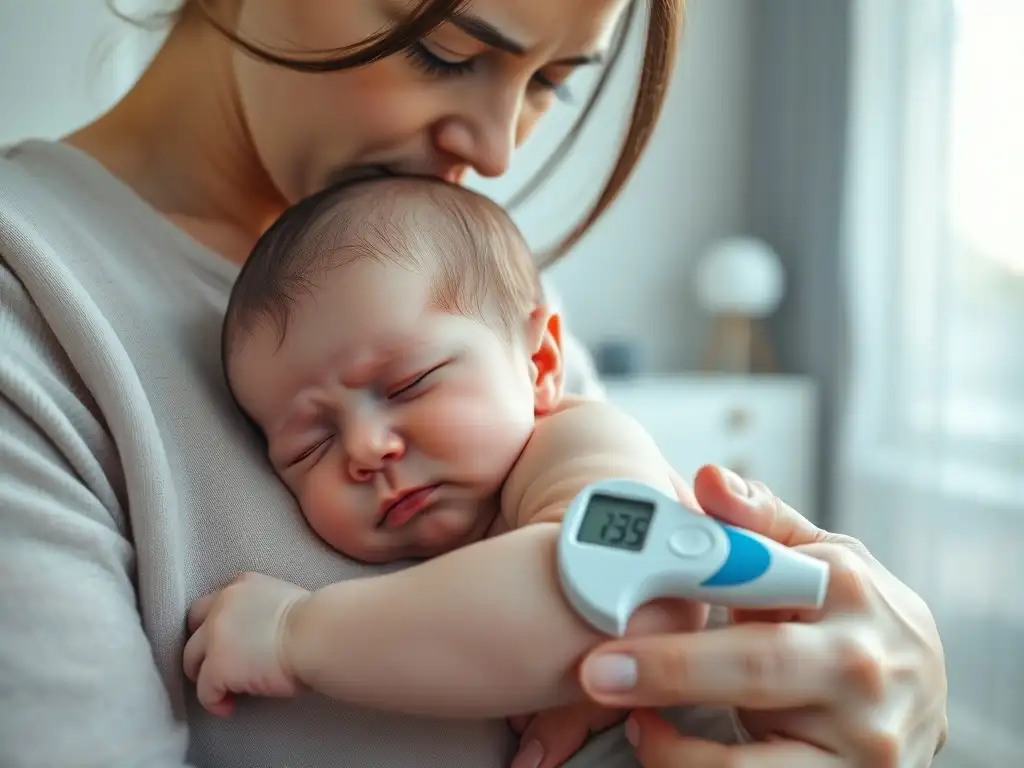
A fever in a newborn, especially when accompanied by a skin rash or other skin problem, is a serious sign requiring immediate medical attention. Newborns have underdeveloped immune systems, making them highly vulnerable to infections. A fever, often defined as a rectal temperature above 100.4°F (38°C), can indicate a severe underlying infection, potentially related to the skin condition. This could range from a simple bacterial infection of the skin, like cellulitis, to a more systemic infection requiring hospitalization.
Even seemingly minor skin irritations, when accompanied by a fever, warrant a visit to the doctor. The doctor will assess the severity of the fever, examine the skin condition, and potentially run tests like a blood culture or skin swab to identify the causative agent and determine the appropriate course of treatment. Delaying treatment can lead to serious complications, so prompt medical attention is crucial.
Don't rely on home remedies in these situations; a professional evaluation is essential for the health and safety of your newborn. Remember, early intervention is key to managing infections effectively in newborns. 👶
Respiratory distress or difficulty feeding in your newborn can be alarming symptoms, especially when linked to skin problems. Certain skin conditions, like extensive eczema or severe infections, can cause discomfort that interferes with breathing or feeding. For instance, a widespread rash might make it difficult for your baby to breathe comfortably, especially if it affects the chest area.
Similarly, a painful rash around the mouth or on the face can make feeding incredibly challenging and upsetting for your little one. If your newborn exhibits these symptoms alongside a skin condition, seek immediate medical attention. These symptoms could indicate a more significant underlying issue that needs prompt diagnosis and treatment.
The doctor will evaluate your baby's respiratory function, assess their feeding patterns, and examine the skin condition to determine the severity and appropriate intervention. Remember, any difficulty breathing or feeding warrants immediate medical attention, regardless of other symptoms. Your pediatrician can provide the necessary care and reassurance.
Worsening Skin Condition Despite Home Care
While many mild newborn skin conditions improve with home care, such as gentle cleansing and moisturizing, a worsening condition despite your best efforts is a critical sign that professional medical intervention is needed. If the rash spreads rapidly, becomes more inflamed, oozes pus, or develops blisters, it's vital to seek medical advice. Similarly, if home remedies like soothing baths and hypoallergenic lotions fail to provide any improvement within a reasonable timeframe (typically a few days), a visit to the doctor is necessary.
The persistence or worsening of a skin condition could signal an underlying infection, allergic reaction, or other serious issue. The pediatrician can identify the cause of the condition and recommend a more targeted treatment plan, potentially including prescription medications or specialized skincare products. Ignoring a worsening condition risks delaying appropriate treatment, potentially leading to complications and prolonged discomfort for your baby.
Don't hesitate to contact your pediatrician if you notice any signs of worsening despite your diligent home care efforts. Your baby's well-being is paramount.
Newborn Skin Problems: When to Seek Immediate Medical Help
Newborn skin is incredibly delicate, and various conditions can arise in the first few weeks of life. While many minor skin issues resolve on their own, some require immediate medical attention. Understanding when to seek professional help is crucial for ensuring your baby's well-being. This section focuses on identifying serious newborn skin problems that necessitate a prompt visit to the doctor. Early intervention can significantly improve outcomes and prevent complications.
Remember, if you're ever unsure, it's always best to err on the side of caution and consult a pediatrician. This guide helps you understand when a seemingly minor newborn skin problem might actually warrant a trip to the doctor's office. Recognizing the signs of serious conditions is key for responsible newborn skin care. This information is for educational purposes only and should not replace professional medical advice.
Severe Skin Reactions: Anaphylaxis and Allergic Reactions
Anaphylaxis and severe allergic reactions are life-threatening emergencies. While rare in newborns, they can manifest as skin issues. Signs to watch for include:
- Sudden swelling: Especially around the face, lips, tongue, or throat. This can cause breathing difficulties.
- Hives or widespread rash: A sudden onset of itchy, raised welts covering a large area of the body.
- Difficulty breathing: Wheezing, shortness of breath, or gasping for air.
- Dizziness or lightheadedness: The baby may appear faint or unresponsive.
- Vomiting or diarrhea: These can accompany severe allergic reactions.
- Rapid heart rate: A noticeably faster than usual pulse.
If your baby exhibits any of these symptoms, seek immediate emergency medical care. This is not a situation where you can wait for an appointment; immediate action is crucial. Anaphylaxis requires immediate treatment with epinephrine and other supportive measures. Early intervention can be lifesaving. Promptly contacting emergency services or rushing your baby to the nearest hospital is paramount. Documenting the symptoms and any potential triggers (new foods, lotions, etc.) can be helpful for the medical professionals. The prompt identification and treatment of severe allergic reactions are crucial for preventing life-threatening complications.
Newborn Jaundice and Its Skin Manifestations
Newborn jaundice, characterized by a yellowish discoloration of the skin and whites of the eyes, is relatively common. While often mild and resolves on its own, it can indicate underlying health problems if severe or persistent. The severity of jaundice is often assessed using a bilirubin blood test.
- Mild Jaundice: A slight yellowing of the skin, often appearing first on the face and then spreading downward. This might resolve within a few days without intervention.
- Moderate Jaundice: A more noticeable yellowing, extending to the trunk and extremities. This may require monitoring and possibly phototherapy.
- Severe Jaundice: A deep yellow or orange discoloration, often accompanied by lethargy, poor feeding, and irritability. This necessitates immediate medical attention.
Remember, even if the jaundice seems mild, your pediatrician should monitor your baby's bilirubin levels. Early detection and treatment of severe jaundice are essential to prevent potential complications like kernicterus, a type of brain damage. The timing of the onset and progression of jaundice is vital information for the doctor. Accurate observation and detailed reporting to your pediatrician are crucial for managing newborn jaundice effectively.
Bleeding or Oozing Skin Lesions in Newborns
Bleeding or oozing skin lesions in newborns can signify various underlying conditions, some of which are serious. These should always be evaluated by a doctor. Examples include:
- Hemangiomas: Benign tumors composed of blood vessels. While usually harmless, some require monitoring or treatment.
- Infections: Bacterial or viral skin infections can cause oozing sores or blisters. These may require antibiotics or antiviral medications.
- Birthmarks: Some birthmarks might bleed or ooze if irritated or traumatized.
- Petechiae: Small, pinpoint-sized red or purple spots that may indicate a bleeding disorder.
Any unexplained bleeding or oozing from the skin should prompt a visit to the doctor. Detailed descriptions of the lesion's appearance (size, color, location), onset, and any associated symptoms are critical for accurate diagnosis. A photograph can be a useful aid when describing the lesion to your pediatrician. Never attempt to treat these lesions at home without professional medical advice, as this could worsen the condition or mask underlying problems. The prompt evaluation of bleeding or oozing skin lesions is crucial for ensuring your newborn's health and well-being. This proactive approach minimizes potential risks and allows for timely intervention.
Extensive Blistering or Scaling Skin
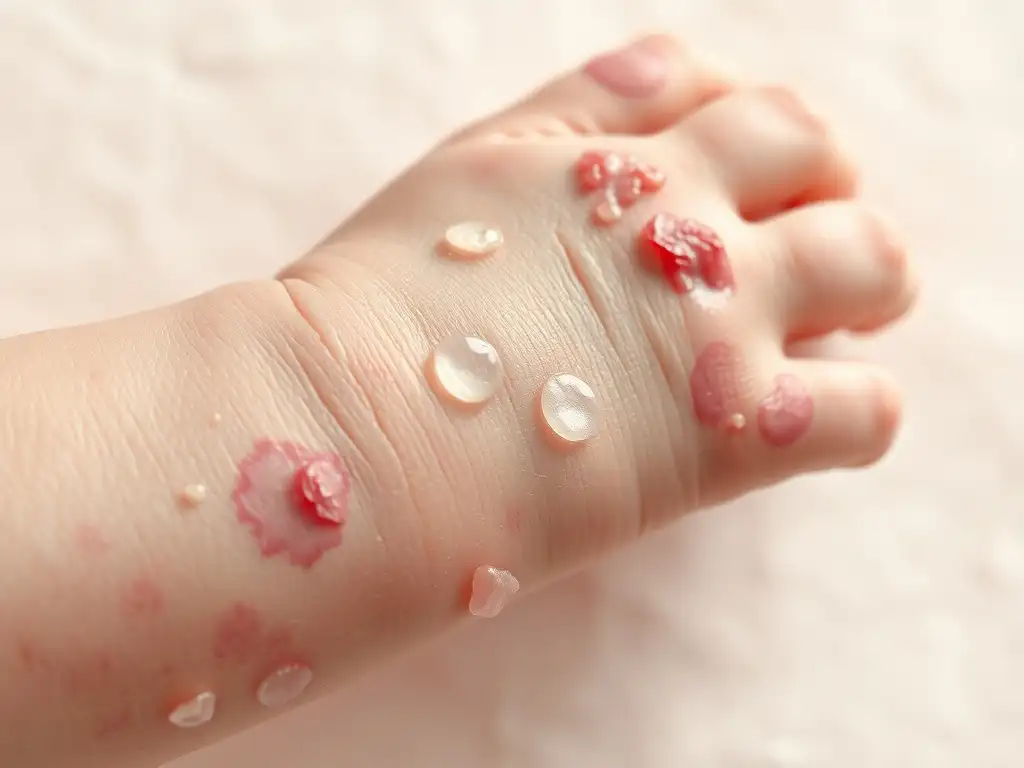
Extensive blistering or scaling skin on your newborn is a serious concern and requires immediate medical attention. This isn't simply about a few dry patches; we're talking widespread blistering, possibly accompanied by significant peeling or scaling that covers a large area of the baby's body. These symptoms could indicate a severe skin condition, such as staphylococcal scalded skin syndrome (SSSS), a bacterial infection that causes the skin to blister and peel. Other possibilities include severe eczema or allergic reactions. The severity of the blistering and scaling should be your primary concern.
Is the baby visibly uncomfortable? Are the blisters weeping fluid? Is the skin broken in places, increasing the risk of infection? These are crucial questions to consider. Delaying treatment could lead to complications such as dehydration from fluid loss through broken skin, secondary infections, and scarring.
Remember, even if you suspect a less serious cause like a reaction to a laundry detergent, it's always better to err on the side of caution and seek professional medical advice. A doctor can properly diagnose the issue and initiate appropriate treatment promptly, minimizing potential long-term effects. Don't hesitate to contact your pediatrician or head to the nearest emergency room if you observe extensive blistering or scaling on your newborn's skin. Early intervention is key to a successful outcome.
Signs of Sepsis in Infants with Skin Problems
Any skin problem in a newborn, no matter how seemingly minor, should be evaluated alongside other symptoms that might suggest sepsis. Sepsis, a life-threatening condition resulting from the body's overwhelming response to an infection, can manifest in subtle ways in infants. In conjunction with skin issues like rashes, pustules, or unusual discoloration, watch for these warning signs: lethargy (unusual sleepiness or lack of responsiveness), poor feeding, difficulty breathing, fever (or, conversely, hypothermia – abnormally low body temperature), rapid heart rate, and a weak or mottled appearance to the skin.
These symptoms, especially when coupled with a skin problem, necessitate immediate medical attention. Sepsis can progress rapidly, and prompt treatment with antibiotics is crucial. A delay in seeking medical care could have devastating consequences.
Even if the skin issue seems relatively benign, the presence of these additional symptoms warrants an immediate visit to a doctor or emergency room. Don't try to self-diagnose or wait to see if things improve; sepsis is a medical emergency, and swift action is essential to save your baby's life. The combination of a skin problem and any of the symptoms mentioned above demands immediate medical attention.
What to Expect When Taking Your Newborn to the Doctor for Skin Issues
Navigating newborn skin problems can be stressful for first-time parents. Knowing what to expect when you take your little one to the doctor for a skin issue can ease anxiety and ensure you get the best care. This section will guide you through the process, focusing on what information to gather beforehand and the types of questions to ask your pediatrician.
Remember, early intervention is key when dealing with newborn skin problems, so don't hesitate to seek professional medical advice if you have any concerns. This is especially important if you notice any signs of infection, such as increased redness, swelling, pus, or fever accompanying the skin issue.
Preparing for Your Appointment: Gathering Information
Before your appointment, gather as much relevant information as possible. This will help your doctor make a quicker and more accurate diagnosis. This includes:
- Detailed description of the rash or skin condition: Note the location, appearance (color, texture, size), onset (when did it appear? ), and any changes over time. Include any accompanying symptoms like itching, pain, or fever. A photograph can be incredibly helpful, especially if the rash is changing.
- Baby's medical history: This includes any pre-existing conditions, allergies, or medications your baby is currently taking. Even seemingly unrelated information might be relevant.
- Recent changes in your baby's routine: Did you introduce new foods, laundry detergents, lotions, or soaps? Changes in feeding habits or environmental factors might contribute to skin problems.
- Family history of skin conditions: Knowing if there's a family history of eczema, psoriasis, or other skin allergies can help the doctor assess the situation more effectively.
Creating a timeline of events surrounding the appearance of the skin problem can be extremely beneficial. For example:
| Date | Event | Description |
|---|---|---|
| Oct 26, 2023 | First noticed small red bumps on cheeks | Tiny, raised, red bumps; no apparent discomfort |
| Oct 27, 2023 | Bumps spread to chest and back | Bumps increased in size and number; slightly itchy |
| Oct 28, 2023 | Introduced new laundry detergent | Switched to a "sensitive skin" brand |
| Oct 29, 2023 | Bumps appear more inflamed and slightly weepy | Increased redness, some weeping, baby seems fussy |
Remember to bring your baby's health records to the appointment. This will save time and ensure a smooth consultation. Don't be afraid to jot down your observations and concerns beforehand – a written list can be very useful during a potentially stressful appointment.
Questions to Ask Your Doctor About Newborn Skin Problems
Asking the right questions is crucial to understanding your baby's condition and its treatment. Here are some questions to consider:
- What is the likely cause of my baby's skin problem?
- Is it contagious?
- What is the best treatment plan for my baby? Are there any home remedies I can try alongside medical treatment?
- How long will it take for the condition to clear up?
- Are there any potential long-term effects?
- What can I do to prevent this from happening again?
- What are the signs and symptoms I should watch out for that indicate the condition is worsening or needs immediate attention? (e.g., increased fever, significant swelling, pus formation)
- What are the potential side effects of the prescribed treatment?
- Are there any specific products I should avoid using on my baby's skin?
Remember, it's perfectly acceptable to ask your doctor to explain things in simple terms or to repeat information if you didn't understand it fully. Taking notes during the appointment can also be beneficial. The more informed you are, the better you can care for your little one. Don't hesitate to ask follow-up questions if anything is unclear.
Understanding Diagnosis and Treatment Options for Newborn Skin Conditions
Newborn skin conditions vary greatly, from common irritations to more serious issues. Your doctor will conduct a thorough examination to make a diagnosis, considering your baby's symptoms, medical history, and the results of any necessary tests. Common newborn skin problems include:
- Diaper rash: Often caused by prolonged exposure to urine and stool. Treatment typically involves frequent diaper changes, barrier creams, and keeping the area clean and dry.
- Eczema (atopic dermatitis): A chronic inflammatory skin condition characterized by dry, itchy, and inflamed skin. Treatment often involves moisturizers, topical corticosteroids, and sometimes oral medications.
- Cradle cap (seborrheic dermatitis): A scaly, crusty condition affecting the scalp. Treatment may involve gentle cleansing and the application of medicated shampoos.
- Miliaria (heat rash): A rash caused by blocked sweat glands. Treatment focuses on keeping the baby cool and dry.
- Infections: Bacterial, viral, or fungal infections can cause various skin problems. Treatment depends on the type of infection and may involve antibiotics, antiviral medications, or antifungals.
Treatment options vary depending on the specific diagnosis. Your doctor will explain the treatment plan thoroughly, outlining the medications or procedures involved, potential side effects, and the expected timeline for recovery. Following your doctor's instructions carefully is crucial to ensure your baby's condition improves and to prevent complications. Remember to always consult your pediatrician before trying any home remedies or over-the-counter treatments for your baby’s skin. Early detection and appropriate treatment are vital for managing newborn skin problems effectively and preventing potential long-term issues. 👶
Following Up After Doctor's Visit: Monitoring and Care
After your pediatrician has examined your newborn's skin issue and provided a diagnosis and treatment plan, diligent follow-up is crucial. This isn't just about ensuring the treatment is working; it's about proactively identifying any potential complications or changes in your baby's condition. Regular monitoring allows for early intervention if necessary, preventing minor issues from escalating into more significant problems.
Following your doctor's instructions precisely is paramount. This includes administering any prescribed medications accurately, using the recommended topical creams or ointments as directed, and adhering to the suggested bathing routines. Carefully observe the dosage and frequency for any medication, and don't hesitate to contact your doctor if you have any questions or concerns about the application process. For example, if your baby has a prescription for an antibiotic ointment for a bacterial infection, ensure you apply a thin layer to the affected area twice daily, as instructed. Don't overapply, as this can sometimes irritate the skin further.
Keep a detailed record of your baby's progress. Note the frequency and severity of symptoms, including the appearance of the rash or affected area, any changes in size, color, or texture, and any associated symptoms like fever, irritability, or difficulty feeding. Take photos at regular intervals to document the changes. This detailed record will be invaluable during your follow-up appointments, allowing your doctor to accurately assess the effectiveness of the treatment and make any necessary adjustments. Many parents find a simple journal or a dedicated app helpful for tracking this information.
Schedule follow-up appointments as recommended by your doctor. This is not simply a formality; it's a critical part of ensuring your baby's skin condition improves and doesn't recur. These appointments will allow your doctor to monitor the treatment's effectiveness and provide guidance based on your baby's progress. Be prepared to discuss any changes in your baby's condition, even if they seem minor. Early detection of any setbacks allows for prompt intervention and prevents potential complications. For example, if you notice any signs of worsening or new symptoms between appointments, call your doctor immediately.
Remember, effective skincare for newborns often involves a collaborative approach between parents and healthcare professionals. By diligently following the doctor's instructions, keeping meticulous records, and attending all follow-up appointments, you're actively participating in your baby's journey to healthy skin. This proactive approach is essential for managing newborn skin problems effectively and ensuring your baby's comfort and well-being. Don't hesitate to reach out to your doctor with any concerns, no matter how small they may seem; your vigilance is key to successful treatment and preventing future complications related to newborn skin problems.
Preventing Newborn Skin Problems: Proactive Skincare

Addressing newborn skin problems often involves proactive measures to prevent issues before they arise. A healthy skincare routine is crucial for your little one's comfort and well-being. This section focuses on establishing those preventative strategies, helping you navigate the delicate world of newborn skin. Remember, early intervention is key when it comes to addressing potential newborn skin problems. Consulting your pediatrician with any concerns is always recommended.
Maintaining Proper Hygiene: Bathing and Diaper Changing
Maintaining proper hygiene is paramount in preventing newborn skin problems. This involves a careful approach to bathing and diaper changing, two activities that directly impact your baby's delicate skin. Newborns don't require daily baths; two to three times a week is usually sufficient. Over-bathing can strip away essential oils, leading to dryness and irritation. Focus on gentle cleansing of areas prone to soiling, such as the diaper area and creases in the skin.
For bathing, use lukewarm water and a mild, fragrance-free cleanser specifically formulated for newborns. Avoid harsh soaps or scented products. Pat the skin dry gently, avoiding rubbing, as this can cause irritation. After bathing, apply a gentle moisturizer to lock in hydration and protect the skin barrier.
Diaper changes should be prompt to prevent prolonged exposure to urine and feces. Cleanse the area thoroughly with warm water and a soft cloth, gently patting dry. Avoid using harsh wipes, opting instead for fragrance-free, hypoallergenic wipes or plain water. Allow the area to air dry before applying a fresh diaper.
Frequent diaper changes, especially at night, are crucial in preventing diaper rash, a common newborn skin problem. The correct approach to bathing and diaper changing can significantly reduce the risk of developing various skin issues. Remember, observation is key. Monitor your baby's skin for any signs of redness, irritation, or unusual changes.
Choosing Safe and Gentle Skincare Products for Newborns
Selecting the right skincare products for your newborn is vital for preventing skin problems. Avoid products containing harsh chemicals, fragrances, dyes, or alcohol, as these can irritate delicate skin. Opt for fragrance-free, hypoallergenic, and pediatrician-tested products specifically designed for newborns. Look for terms like "hypoallergenic," "pH balanced," and "fragrance-free" on the labels.
A gentle cleanser is essential for bathing, while a moisturizing lotion or cream helps maintain hydration and protect the skin barrier. Avoid using powders, as they can irritate the lungs if inhaled. For diaper rash, use a barrier cream containing zinc oxide to protect the skin from moisture. Always check the ingredients list before purchasing any skincare product for your newborn. Prioritize products with simple, recognizable ingredients. If you are unsure about a product, consult your pediatrician for guidance. Choosing appropriate products is a proactive step in preventing many common newborn skin problems.
Protecting Newborn Skin from Sun Exposure
Protecting your newborn's skin from sun exposure is crucial, even on cloudy days. Newborn skin is particularly sensitive to the sun's harmful ultraviolet (UV) rays, increasing the risk of sunburn and long-term skin damage. Avoid direct sunlight exposure, especially during peak hours (10 am to 4 pm). When outdoors, dress your baby in lightweight, loose-fitting clothing that covers their skin. A wide-brimmed hat can also provide additional protection for the face and neck.
For infants older than 6 months, a broad-spectrum sunscreen with an SPF of 30 or higher can be applied to exposed skin. However, always consult your pediatrician before using sunscreen on a newborn. Remember, preventing sun exposure is the most effective way to protect your baby's delicate skin. The proper use of protective clothing and sunscreens, when appropriate, is a key strategy in preventing long-term skin damage. Prioritize shade and limit sun exposure whenever possible to minimize the risk of newborn skin problems related to sun damage.
Dressing Your Newborn Appropriately for Skin Health
Dressing your newborn appropriately is crucial for maintaining healthy skin. Overdressing can lead to overheating, resulting in excessive sweating which can irritate delicate skin and potentially trigger conditions like heat rash or diaper rash. Conversely, underdressing exposes your baby to temperature fluctuations, potentially leading to chilling and discomfort. Finding the right balance is key to preventing skin problems.
Remember that newborns have difficulty regulating their body temperature. They often need an extra layer of clothing compared to adults in the same environment. However, this extra layer shouldn't be excessive. Opt for breathable fabrics like cotton, which allow for proper airflow and prevent overheating. Avoid synthetic materials that might trap moisture and irritate the skin. Look for loose-fitting clothing that allows for freedom of movement and prevents chafing.
Pay close attention to your baby's cues. If they feel warm to the touch, remove a layer of clothing. If their hands and feet are cold but their body is warm, they are likely adequately dressed. Avoid using heavy blankets or swaddles that might restrict movement or overheat your baby.
Regularly check your baby's skin for any signs of irritation or rash. A slight redness might be normal, but any significant redness, blistering, or excessive dryness warrants a consultation with your pediatrician. Proper clothing choices are a fundamental aspect of newborn skin care and contribute significantly to preventing many common skin problems. Addressing this aspect proactively can help mitigate future complications.
Importance of a Healthy Diet for Newborn Skin Health
A healthy diet plays a surprisingly significant role in your newborn's skin health, especially during breastfeeding. For breastfed babies, the mother's diet directly impacts the composition of breast milk, influencing the baby's skin barrier function and overall health. A mother's diet rich in essential fatty acids, such as omega-3 and omega-6, is crucial for supporting healthy skin development in the baby. These fatty acids contribute to the formation of a strong skin barrier, reducing the risk of dryness, eczema, and other skin irritations.
Similarly, a mother's intake of vitamins and minerals, particularly vitamins A, D, E, and zinc, is vital for healthy skin. These nutrients act as antioxidants, protecting the skin from damage caused by free radicals. A deficiency in these nutrients can manifest as dry, flaky skin, or even more severe skin conditions. Furthermore, adequate hydration is critical for both mother and baby. Staying well-hydrated helps maintain skin elasticity and prevents dryness.
For formula-fed babies, choosing a high-quality formula that's been developed to support healthy skin development is crucial. Many formulas are specifically designed to include essential fatty acids and other nutrients beneficial for the skin. Always consult your pediatrician about the best formula for your baby's needs. While a healthy diet is essential for preventing newborn skin problems, remember that it's just one piece of the puzzle.
Combining a balanced diet with other proactive skincare measures, such as regular bathing and appropriate clothing, offers the most comprehensive approach to maintaining your baby's skin health. Addressing dietary needs from the start is a key element in the prevention strategy for many newborn skin issues. 👶
Frequently Asked Questions
What are some common newborn skin problems?
Newborns frequently experience newborn acne, cradle cap, and diaper rash. These are usually mild and temporary, but persistent or worsening conditions warrant medical attention.
When should I worry about my baby's skin condition?
Seek medical advice if your baby's rash is spreading rapidly, accompanied by fever, lethargy, or pus-filled blisters. Also, consult a doctor for any skin condition that doesn't improve after a few days of home care.
My baby has a rash; is it something serious?
Many rashes are harmless, but it's crucial to monitor for signs of infection. A doctor can accurately diagnose the cause and recommend appropriate treatment to ensure your baby's comfort and well-being.
How can I prevent newborn skin problems?
Maintain good hygiene, including gentle cleansing and avoiding harsh soaps. Keep your baby's skin dry and clean, especially in diaper areas. Choose hypoallergenic products to minimize irritation.
My baby's skin problem isn't improving; what should I do?
If home care isn't effective, schedule an appointment with your pediatrician or a dermatologist. They can provide a proper diagnosis and recommend the best course of action for your baby's specific skin issue.
The seemingly insignificant blemishes and rashes of a newborn can, in reality, signal a range of underlying health concerns. Early identification and appropriate medical intervention are crucial for ensuring the healthy development of your little one, making understanding when to seek professional help paramount. Ignoring seemingly minor skin issues can have significant consequences, highlighting the importance of proactive parental care and medical guidance.
The emotional rollercoaster of new parenthood is often amplified by the anxieties surrounding a baby's health, particularly when it comes to their delicate skin. The constant worry, the sleepless nights spent scrutinizing every tiny imperfection – these are experiences shared by countless parents. The most precious gift we can give our children is the gift of health.
This sentiment rings truer than ever when considering the vulnerability of a newborn's skin and the potential impact of untreated conditions. The information presented in this article aims to empower parents with the knowledge to navigate these anxieties and make informed decisions about their child's well-being.
Now, consider the information you've read. You are now equipped with a better understanding of when to seek professional medical attention for your newborn's skin issues. Don't hesitate to trust your instincts; if something feels amiss, seek a second opinion. Your proactive approach will not only safeguard your baby's health but also contribute to a more confident and peaceful journey through the early days of parenthood. Remember, seeking help is a sign of strength, not weakness, and your baby's well-being is always the highest priority.
Unlock Your Newborn's Radiant Skin: Next Steps
Thank you for learning about newborn skin issues! We hope this article provided valuable insights and eased your concerns. Now, let's focus on keeping your baby's skin healthy.
- Schedule a checkup: If you have any concerns or notice any new skin changes, contact your pediatrician. Early intervention is crucial.
- Choose gentle skincare: Select skincare products specifically formulated for sensitive newborn skin. Look for natural, hypoallergenic options. This proactive approach can significantly benefit your baby's skin.
- Share your experience: Have you successfully managed similar skin concerns? Share your advice and tips with other parents in the comments below! Let's build a supportive community.
What's one simple step you can take today to prioritize your newborn's skin health?