
The Correct Way to Store Baby Formula: Tips and Tricks

Welcome to BabyCareHub, your ultimate guide to navigating the exciting yet challenging world of parenthood! Are you a first-time parent feeling overwhelmed by the sheer volume of information surrounding baby care? We understand. That’s why we’ve created this comprehensive resource, packed with practical advice and expert insights. But first, let's tackle a crucial aspect of your baby's well-being: how to store baby formula safely. Discover essential tips and tricks in our latest article on Feeding & Nutrition – your baby's health depends on it! Read on to unlock the secrets to confident and informed baby care.
- Understanding Formula Storage: Key Factors for Baby's Health
- Preparing Formula for Safe Storage: A Step-by-Step Guide
- Storing Prepared Baby Formula: Short-Term and Long-Term Solutions
- Recognizing Spoiled Baby Formula: Signs and Symptoms
- Traveling with Baby Formula: Maintaining Safety on the Go
- Maintaining a Clean and Safe Formula Preparation Area: Best Practices
- Additional Tips for Safe Baby Formula Storage: Beyond the Basics
- Frequently Asked Questions
- Final Reflection: Nourishing Futures: Safe Formula Storage and Parental Peace of Mind
- Unlock Your Baby's Health: Master Formula Storage Today!
Understanding Formula Storage: Key Factors for Baby's Health
Preparing and storing baby formula correctly is paramount for your little one's health and well-being. This guide provides a comprehensive overview of safe formula storage practices, emphasizing the importance of preventing bacterial contamination and minimizing the risks associated with improper handling. We'll explore the key factors influencing formula safety, from the type of container used to the duration and conditions of storage.
Mastering these techniques will help you confidently provide your baby with nutritious and safe formula, contributing to their healthy development and growth. Storing baby formula safely is not just a suggestion; it's a crucial aspect of responsible parenthood. This article provides actionable advice to help you confidently navigate this important task.
Safeguarding Against Bacterial Contamination: Preventing Spoilage
Bacteria thrive in warm, moist environments, making prepared formula particularly susceptible to contamination. Prepared formula should never be left at room temperature for more than two hours. This is crucial because bacteria multiply rapidly at room temperature, potentially leading to serious illness in your baby. After preparing a bottle, use it immediately or refrigerate it promptly.
Here's a breakdown of effective strategies to prevent bacterial contamination:
- Thorough Handwashing: Always wash your hands thoroughly with soap and water before preparing or handling formula.
- Clean Equipment: Sterilize bottles and nipples before each use. Boiling them for 5 minutes is an effective method.
- Proper Mixing: Follow the instructions on the formula packaging precisely to ensure the correct consistency and prevent bacterial growth due to improper mixing.
- Refrigeration: Refrigerate prepared formula within two hours of preparation and use it within 24 hours. Discard any unused formula after this timeframe.
- Avoid Repeated Heating: Never reheat formula that has already been cooled. This increases the risk of bacterial growth.
- Discard Leftovers: Never reuse leftover formula from a bottle. Always discard any remaining formula after feeding.
Impact of Improper Storage on Baby Formula: Risks and Consequences
Improper storage of baby formula can have significant consequences for your baby's health. The risks associated with contaminated formula include:
- Infections: Bacteria in contaminated formula can cause various infections, ranging from mild diarrhea to severe illnesses requiring hospitalization.
- Diarrhea and Vomiting: These symptoms can lead to dehydration, a serious condition in infants.
- Food Poisoning: Contaminated formula can cause food poisoning, resulting in symptoms like fever, stomach cramps, and vomiting.
- Long-Term Health Issues: In severe cases, infections caused by contaminated formula can lead to long-term health problems.
The table below summarizes the potential risks associated with different storage methods:
| Storage Method | Risk Level | Duration | Notes |
|---|---|---|---|
| Room Temperature ( >2 hours) | Extremely High | N/A | Never leave prepared formula at room temperature for more than 2 hours. |
| Refrigerated (>24 hours) | High | Up to 24 hours | Use within 24 hours of refrigeration. |
| Unrefrigerated Prepared Formula | Very High | N/A | Discard immediately. |
| Powdered Formula (Opened) | Moderate | Check packaging instructions | Follow manufacturer's recommendations. |
Choosing the Right Storage Containers for Baby Formula: Materials and Sizes
The type of container you use for storing baby formula is also crucial. Opt for containers made from materials that are:
- BPA-Free: Avoid containers containing Bisphenol A (BPA), a chemical linked to potential health concerns.
- Sterilizable: Choose containers that can be easily sterilized to maintain hygiene.
- Airtight: Airtight seals prevent contamination and preserve the formula's quality.
- Appropriate Size: Select containers that are the right size to hold the amount of prepared formula you typically use to avoid waste.
Consider using glass or high-quality plastic containers specifically designed for storing baby food or formula. Always label containers with the date and time of preparation to ensure that you use the formula within the recommended timeframe. Remember, prioritizing safe storage practices is a crucial element in providing your baby with the best possible nutrition and care. 🍼
Preparing Formula for Safe Storage: A Step-by-Step Guide
This section details the crucial first steps to ensure your baby's formula is stored safely and hygienically. Failing to properly prepare the formula before storage can lead to bacterial growth and compromise your baby's health. Remember, the goal is to store baby formula safely, and preparation is the cornerstone of this process.
Preparing the Right Amount: Avoiding Excess and Waste
Accurately preparing the correct amount of formula for each feeding is paramount. Making too much increases the risk of bacterial contamination, while making too little can disrupt your baby's feeding schedule. Consider your baby's appetite and typical feeding volume. It's better to slightly underestimate and prepare a little extra than to over-prepare.
Here's a helpful tip: Keep a feeding log to track your baby's consumption. This will help you refine your formula preparation to minimize waste and ensure you always have the right amount readily available. Note the time of each feeding, the amount consumed, and any observations about your baby's hunger cues. This data will become invaluable as your baby grows and their feeding needs change. For example, a newborn might take 2-3 ounces every 2-3 hours, while a 3-month-old might consume 4-6 ounces every 3-4 hours. This variation underlines the importance of consistent monitoring.
Sterilizing Bottles and Utensils: Ensuring Hygiene
Sterilization is non-negotiable when preparing baby formula. Even seemingly clean bottles and utensils can harbor harmful bacteria. There are several effective sterilization methods:
- Boiling: Boil bottles, nipples, and utensils in clean water for 5-10 minutes. Ensure all parts are fully submerged. This is a simple and effective method, but it can be time-consuming.
- Steam Sterilizer: Steam sterilizers are convenient and efficient. Simply place the items in the sterilizer and follow the manufacturer's instructions. This method kills bacteria using steam under pressure.
- Microwave Sterilizer: Microwave sterilizers offer a quick solution, ideal for busy parents. Again, carefully follow the manufacturer's instructions for optimal results.
- Cold Water Sterilization Tablets/Solution: These are convenient for on-the-go sterilization, offering a portable solution for travel or outings.
Remember to always allow the sterilized items to air dry completely on a clean, lint-free surface before using them to prepare the formula. This prevents recontamination. The process of storing baby formula safely hinges on maintaining the highest possible hygiene standards throughout.
Properly Measuring and Mixing Formula: Following Package Instructions
Precise measurement and mixing are essential for ensuring your baby receives the correct nutrient balance. Always follow the instructions printed on the formula packaging meticulously. Using the wrong water-to-powder ratio can lead to nutritional deficiencies or digestive problems.
Here's a breakdown of the key steps:
| Step | Description | Importance |
|---|---|---|
| Boil Water | Bring fresh, clean water to a rolling boil for 1 minute. | Kills potentially harmful bacteria. |
| Cool Water | Allow the boiled water to cool to lukewarm (around 70°F or 21°C) before adding the powder. | Prevents the formula from becoming too hot and damaging the nutrients. |
| Measure Powder | Use the scoop provided with the formula and measure the powder accurately. | Ensures the correct nutrient-to-water ratio, crucial for healthy development. |
| Add Powder | Add the measured powder to the cooled water. | Avoid adding water to the powder, as this can result in clumping. |
| Mix Thoroughly | Mix the formula thoroughly until the powder is completely dissolved. | Prevents your baby from consuming undissolved powder. |
| Check Temperature | Check the temperature of the prepared formula before feeding it to your baby. | Avoid burns. |
Failing to follow these steps precisely can negatively impact your baby's health and well-being. Consistent adherence to these guidelines is crucial to store baby formula safely and provide your baby with the best possible nutrition. Remember, diligence and precision are key when it comes to your baby's health.
Cooling Down Prepared Formula Safely: Efficient Methods
Cooling down prepared baby formula correctly is crucial to prevent bacterial growth and ensure your baby's safety. Never let formula sit at room temperature for extended periods. The ideal temperature for feeding is body temperature, or slightly warmer. Here are some efficient methods for cooling down prepared formula:
Method 1: Using Cold Water Bath
This is the quickest and most effective method. Place the bottle of prepared, warm formula into a bowl filled with cold tap water. Change the cold water every few minutes to accelerate the cooling process. This method ensures even cooling and prevents hot spots within the bottle. Monitor the temperature regularly using a thermometer designed for baby bottles; you want to achieve a temperature that feels comfortably warm to the touch on your inner wrist. Avoid using ice water, as this can cause the formula to become too cold and potentially cause discomfort to your baby.
Method 2: Running Cold Water Over the Bottle
This method is suitable when you need to cool the formula quickly but don't have a large bowl available. Hold the bottle under a gentle stream of cold running water, rotating it constantly to ensure even cooling. This method requires more attention and careful monitoring to prevent the formula from getting too cold. Again, use your inner wrist as a temperature gauge, aiming for lukewarm.
Method 3: Refrigerating Prepared Formula (Short-Term)
While not ideal for immediate use, refrigeration is acceptable for short-term storage of prepared formula if you follow strict guidelines. Once cooled to room temperature using one of the above methods, transfer the formula to a sterilized bottle and refrigerate it. Use it within 2 hours. This is a last resort method and should only be used in exceptional circumstances. Never refreeze previously refrigerated formula. Remember, refrigerated formula is best used within the 2-hour window to minimize the risk of bacterial contamination.
Important Considerations:
- Always use a clean and sterilized bottle: This prevents the introduction of bacteria into the prepared formula.
- Check the temperature frequently: Use a baby bottle thermometer to ensure the formula is at the correct temperature before feeding.
- Discard any unused formula after 2 hours: Prepared formula left at room temperature for longer than 2 hours should be discarded to prevent the risk of bacterial growth.
- Never microwave baby formula: Microwaving can create hot spots, potentially burning your baby's mouth. It can also destroy some of the nutrients present in the formula.
Following these methods will help you safely and efficiently cool down prepared baby formula, ensuring your baby receives a healthy and safe feeding. Remember, your baby's safety is paramount, so always prioritize safe handling and storage practices when preparing and storing baby formula. Consistent adherence to these guidelines will contribute significantly to your baby's well-being. 👶🍼
Storing Prepared Baby Formula: Short-Term and Long-Term Solutions
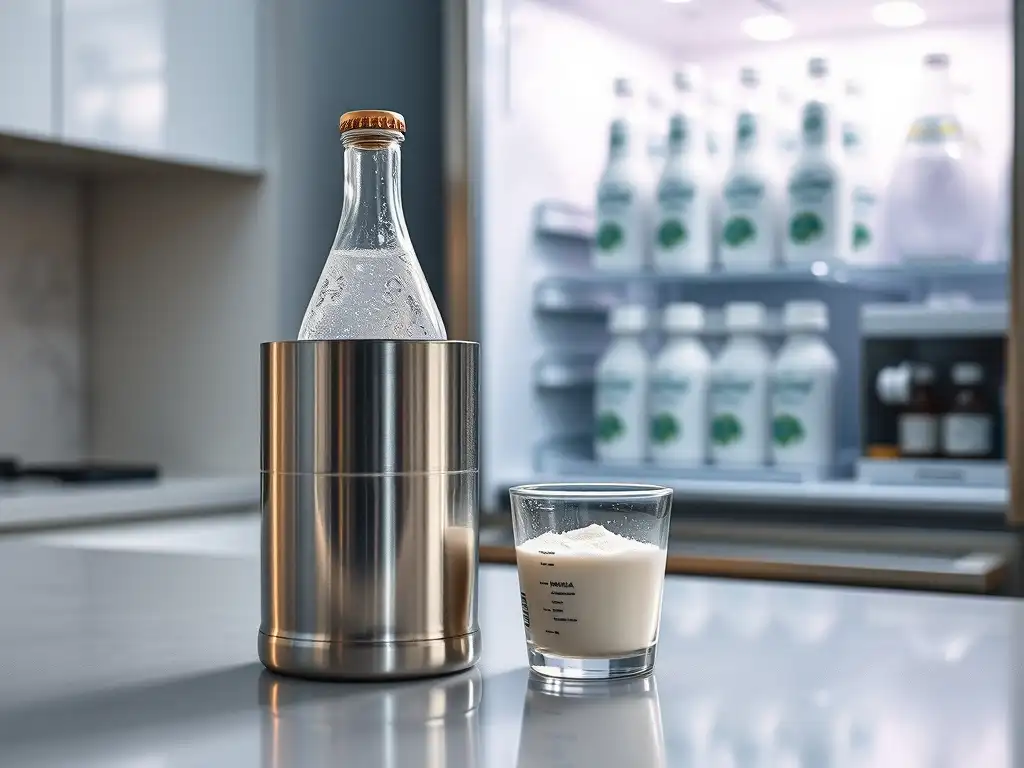
Preparing baby formula requires careful attention to detail, and storage is no exception. Safe storage practices are crucial to prevent bacterial growth and ensure your baby's health. This section details appropriate methods for both short-term (refrigeration) and long-term (freezing) storage of prepared formula, emphasizing safety and practicality. Remember, always prioritize your baby's safety when handling and storing formula. Proper storage significantly contributes to preventing illnesses associated with contaminated formula, helping you to effectively store baby formula safely.
Refrigerating Prepared Formula: Guidelines and Time Limits
Refrigeration is the ideal method for short-term storage of prepared baby formula. Once prepared, formula should be refrigerated immediately. Use a clean, sterilized bottle and ensure the formula is thoroughly cooled before placing it in the refrigerator.
The following guidelines are essential:
- Temperature: Maintain a refrigerator temperature of 40°F (4°C) or below. Use a refrigerator thermometer to verify the temperature regularly.
- Storage Time: Prepared formula can be safely stored in the refrigerator for up to 24 hours. After 24 hours, discard any unused formula. Do not reuse leftover formula from a bottle that has already been fed to your baby.
- Container: Store the prepared formula in a clean, airtight container or the original bottle. Avoid using containers that might leach chemicals into the formula.
- Labeling: Clearly label the container with the date and time of preparation. This helps ensure you don't accidentally use expired formula.
Failure to adhere to these guidelines increases the risk of bacterial contamination, potentially leading to illness in your baby. Always err on the side of caution and discard any formula that has been at room temperature for more than two hours or refrigerated for longer than 24 hours. This is a critical aspect of knowing how to store baby formula safely.
Freezing Prepared Formula: Best Practices and Thawing Techniques
Freezing prepared formula allows for longer-term storage, providing convenience for parents. However, proper freezing and thawing techniques are crucial to maintain safety and nutritional value.
Here's a step-by-step guide:
- Portioning: Prepare formula in individual feeding-sized portions using clean, sterile bottles or freezer bags designed for food storage. Avoid overfilling to prevent expansion during freezing.
- Labeling: Clearly label each container with the date and time of preparation. This helps with rotation and prevents accidental use of expired formula.
- Freezing: Place the containers in the freezer, ensuring they are properly sealed to prevent freezer burn and contamination.
- Storage Time: Frozen prepared formula can be safely stored for up to three months. After three months, discard any unused formula.
- Thawing: Thaw frozen formula in the refrigerator overnight. Never thaw formula at room temperature or using a microwave, as this can lead to uneven heating and potential bacterial growth. Once thawed, use the formula within 24 hours. Discard any unused portion after 24 hours. This is a key component of understanding how to store baby formula safely.
Room Temperature Storage of Prepared Formula: Safety Considerations and Limitations
Storing prepared baby formula at room temperature is strongly discouraged. Bacteria multiply rapidly at room temperature, significantly increasing the risk of contamination and potential illness in your baby.
Even under ideal conditions (clean preparation, appropriate temperature), the risk remains too high. Room temperature storage should only be considered for a maximum of two hours, and only in exceptional circumstances, such as an emergency. After two hours, always discard any unused formula. Prioritizing your baby's health means following safe storage guidelines meticulously. This is paramount to knowing how to store baby formula safely. Remember, refrigeration or freezing are always the preferred methods for storing prepared baby formula. Never compromise on safety when it comes to your baby's nutrition.
Storing Powdered Formula: Optimizing Shelf Life and Preventing Contamination
Storing powdered baby formula correctly is crucial for maintaining its quality and preventing bacterial contamination. Improper storage can lead to spoilage, reducing the nutritional value and potentially exposing your baby to harmful bacteria. Always prioritize cleanliness and follow these guidelines meticulously.
First, always check the expiration date printed on the formula container. Using expired formula is risky and should be avoided. Once opened, the manufacturer's recommended shelf life may be shorter. Many brands suggest using the contents within one month of opening. This is because once the container is opened, it's exposed to air and moisture, which can affect the formula's quality and increase the risk of bacterial growth.
Secondly, storage location is key. Keep the unopened can of powdered formula in a cool, dry place. Avoid storing it in direct sunlight or in areas with fluctuating temperatures, such as near a stove or oven. High temperatures and humidity can degrade the formula and encourage bacterial growth. A pantry or cupboard away from heat sources is ideal.
Thirdly, ensure proper sealing after each use. After preparing a bottle, always seal the formula container tightly. Leaving it open exposes the powder to moisture and air, significantly increasing the risk of contamination. Consider using a clip or rubber band to secure the lid firmly if the original seal isn't airtight. This simple step can greatly extend the shelf life and safety of your remaining formula.
Finally, pay attention to signs of contamination. Before each use, inspect the powdered formula for any unusual changes in color, smell, or texture. Any signs of clumping, discoloration, or an off-putting odor are clear indicators that the formula may have become contaminated and should be discarded immediately. Your baby's health is paramount, so err on the side of caution. Remember, preventing contamination is far easier than dealing with its consequences. A proactive approach to storage ensures your baby receives the highest quality nutrition.
Recognizing Spoiled Baby Formula: Signs and Symptoms
Storing baby formula safely is paramount to your baby's health. Knowing how to identify spoiled formula is just as crucial as proper storage techniques. Spoiled formula can contain harmful bacteria that can lead to illness in your little one. Let's delve into the key indicators you should watch out for.
Visual Inspection: Changes in Color, Texture, and Smell
The first line of defense against spoiled formula is a thorough visual inspection. Look for any deviations from the formula's normal appearance. Freshly prepared formula, whether powdered or ready-to-feed, should have a consistent color and texture. Powdered formula should be its typical color (usually light beige or off-white) and free from any lumps or clumps. Ready-to-feed formula should be its usual color and consistency; it shouldn't appear separated or curdled.
Changes in color are a major red flag. A significant darkening or discoloration—for instance, turning yellow-brown or exhibiting unusual spots—indicates potential spoilage. Similarly, a change in texture, such as clumping in powdered formula or curdling/separation in liquid formula, should raise immediate concerns.
Finally, your sense of smell is a powerful tool. Spoiled formula often emits an off-putting odor, a sour or rancid smell quite different from its usual slightly sweet scent. If you notice any unusual smell, it's best to err on the side of caution and discard the formula. Trust your instincts; a suspicious smell is a clear signal that something might be wrong. Remember, even a subtle change in scent can indicate bacterial growth.
Taste Test: A Final Check (Only if Necessary)
While a visual and olfactory inspection should suffice in most cases, a taste test is only recommended as a last resort and only if you have concerns after a visual and smell check. Never taste test formula if you have any doubt about its safety. The risk of exposing yourself to harmful bacteria outweighs the benefit of a taste test.
If you absolutely must perform a taste test (which is strongly discouraged), take only a tiny amount and immediately spit it out. Do not swallow. If the formula tastes sour, off, or otherwise unpleasant, discard it immediately. Again, this method should be avoided whenever possible. Prioritizing your baby's safety is paramount, and relying on visual and olfactory cues is far safer and more effective.
When to Discard Formula: Clear Indicators of Spoilage
Several clear indicators signal that it's time to discard your baby's formula immediately. These include:
- Any visible mold or fungal growth: This is a definitive sign of spoilage and should never be ignored.
- A significant change in color: As mentioned above, drastic color changes beyond normal variations are a serious cause for concern.
- An unpleasant or unusual odor: A sour, rancid, or otherwise off-putting smell is a strong indicator of spoilage.
- Changes in texture: Clumping in powdered formula or separation/curdling in liquid formula are clear warnings.
- Formula that has been left out at room temperature for more than two hours: Bacteria multiply rapidly at room temperature.
- Formula that is past its expiration date: Always adhere to the expiration date printed on the packaging.
Remember, when in doubt, throw it out! The health and safety of your baby are always the top priorities. Proper storage and regular visual inspections are crucial steps in ensuring your baby receives only the safest and highest-quality nutrition. These guidelines help you store baby formula safely.
Traveling with Baby Formula: Maintaining Safety on the Go
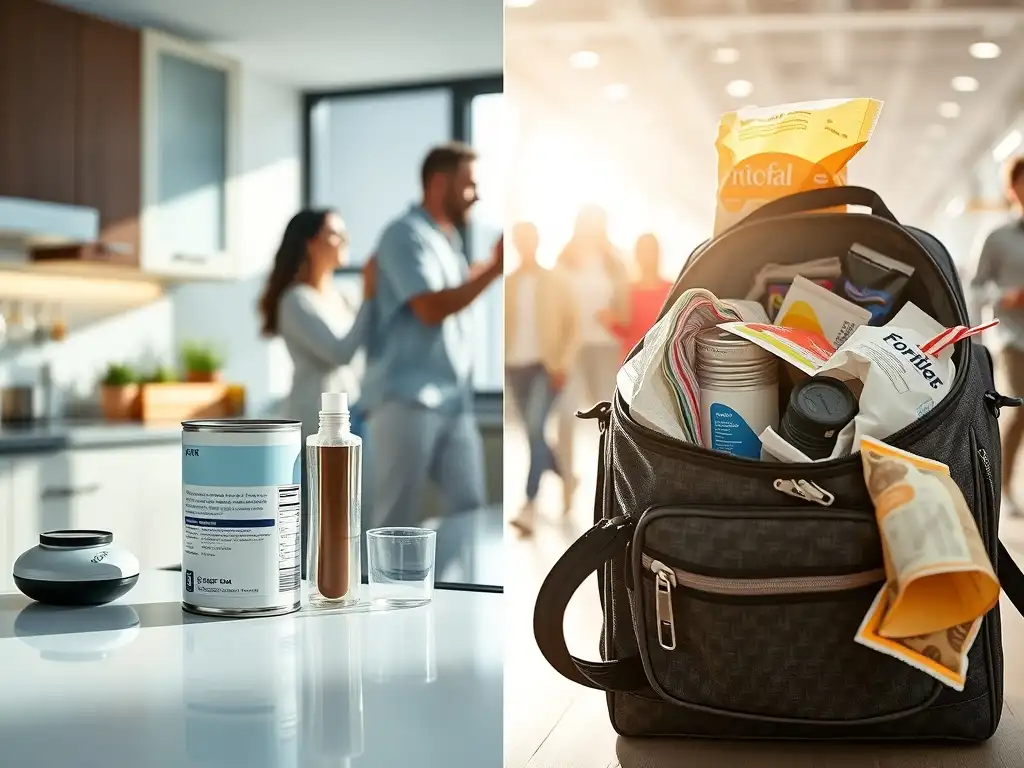
Traveling with a baby requires meticulous planning, and safe formula storage is paramount. Maintaining the integrity and safety of your baby's formula while on the go demands careful attention to detail. Improper storage can lead to bacterial growth, potentially causing illness. This section provides practical tips to ensure your little one's nutritional needs are met safely, wherever your journey takes you. Remember, prioritizing safety when storing baby formula is crucial for preventing digestive upset and other health issues. The goal is to store baby formula safely during travel.
Packing Formula for Travel: Maintaining Temperature and Hygiene
Packing formula for travel requires a strategic approach that balances convenience with safety. Pre-measured formula in single-serving containers is ideal. This minimizes the risk of contamination and simplifies preparation. However, even with pre-measured portions, temperature control remains critical. Avoid packing formula in direct sunlight, as heat can degrade its nutritional value and foster bacterial growth. Always prioritize hygiene. Ensure your hands are thoroughly washed before handling formula, and use clean surfaces for preparation.
Consider the length of your trip when determining the amount of formula to pack. For shorter journeys, pre-measured containers suffice. Longer trips may necessitate bringing a larger supply, perhaps in airtight, resealable containers. Remember, unused formula should be discarded after 24 hours to prevent bacterial contamination. This practice is especially crucial when traveling, as maintaining consistent refrigeration might be challenging.
Here’s a helpful checklist:
- [x] Pre-measured formula in single-serving containers
- [x] Insulated bag or cooler
- [x] Ice packs (sufficient for the duration of your trip)
- [x] Clean wipes or hand sanitizer
- [x] Bottle brush and soap (for cleaning bottles)
Failing to properly store baby formula can lead to serious consequences for your little one. Remember to always prioritize safety, even when traveling.
Using Insulated Bags and Coolers: Keeping Formula Cool
Insulated bags and coolers are essential tools for maintaining the correct temperature of prepared formula during travel. These containers create a barrier against external temperature fluctuations, preventing the formula from becoming too warm, which encourages bacterial growth. When using an insulated bag or cooler, it is crucial to use sufficient ice packs to maintain a consistently cool temperature. The number of ice packs will depend on the length of your trip and the ambient temperature. As a general rule, it's better to err on the side of caution and use more ice packs than fewer.
Remember, even with a well-insulated cooler, prepared formula should not be left at room temperature for more than two hours. This is a critical safety measure to prevent bacterial growth and ensure your baby's formula remains safe for consumption. Always check the temperature of the formula before feeding it to your baby. If it feels warm, discard it and prepare a fresh batch. Always prioritize the safe storage of baby formula. This simple precaution can prevent many potential health issues.
The effective use of insulated bags and coolers, combined with careful planning and hygiene practices, ensures your baby's formula remains safe and ready for use throughout your travels. Remember, prioritizing safety is key in ensuring your baby’s well-being while on the go. 👶
Maintaining a Clean and Safe Formula Preparation Area: Best Practices
Preparing baby formula requires meticulous attention to hygiene to prevent bacterial contamination and safeguard your baby's health. A clean and organized preparation area is paramount for storing baby formula safely. This section details best practices for maintaining such an environment.
Dedicated Formula Preparation Area: Minimizing Contamination Risks
Designating a specific area solely for formula preparation significantly reduces the risk of cross-contamination. This dedicated space should be separate from food preparation areas used for the family's meals. Think of it as your baby's own, sterile mini-kitchen. Avoid using surfaces that might harbor bacteria, such as cutting boards or countertops used for raw meat. Instead, opt for easily cleanable surfaces like stainless steel or sealed laminate.
Consider these key aspects for your dedicated area:
- Surface Cleaning: Before each formula preparation session, thoroughly clean the designated surface with hot, soapy water, followed by a rinse with clean water. A mild disinfectant, suitable for baby products, can be used for additional protection. Always dry the surface completely to prevent bacterial growth. Regular disinfection, at least once a day, is recommended.
- Utensil Sanitation: Keep separate utensils specifically for formula preparation. These should be thoroughly washed and sanitized after each use. A bottle brush is essential for cleaning baby bottles and nipples effectively. Consider using a sterilizer for added assurance.
- Storage Organization: Store opened cans of formula, along with measuring spoons and other supplies, in airtight containers within the designated area. This prevents dust, insects, and other contaminants from reaching the formula. Always follow the manufacturer's instructions regarding formula storage.
Handwashing and Hygiene: Protecting Your Baby
Handwashing is the single most effective way to prevent the spread of germs and store baby formula safely. Before you even begin preparing the formula, wash your hands thoroughly with warm water and soap for at least 20 seconds. Pay attention to the areas between your fingers and under your nails. Using an antibacterial soap is beneficial, but ensure it's gentle enough for your skin.
Proper hand hygiene extends beyond just washing:
- Nail Care: Keep your nails trimmed short and clean to prevent bacteria from accumulating under them.
- Jewelry Removal: Remove rings, bracelets, and watches before handling formula or baby bottles. These can harbor bacteria and are difficult to clean thoroughly.
- Gloves (Optional): While not always necessary, disposable gloves can offer an extra layer of protection, particularly if you have any open cuts or sores on your hands. However, remember that gloves are not a replacement for proper handwashing.
Following these simple yet crucial steps will create a safe and hygienic environment for preparing your baby's formula, significantly minimizing the risk of contamination and ensuring your little one's well-being. Remember, consistency is key when it comes to maintaining a clean and safe formula preparation area. This diligent approach helps you store baby formula safely and promotes a healthy start for your baby.
Additional Tips for Safe Baby Formula Storage: Beyond the Basics
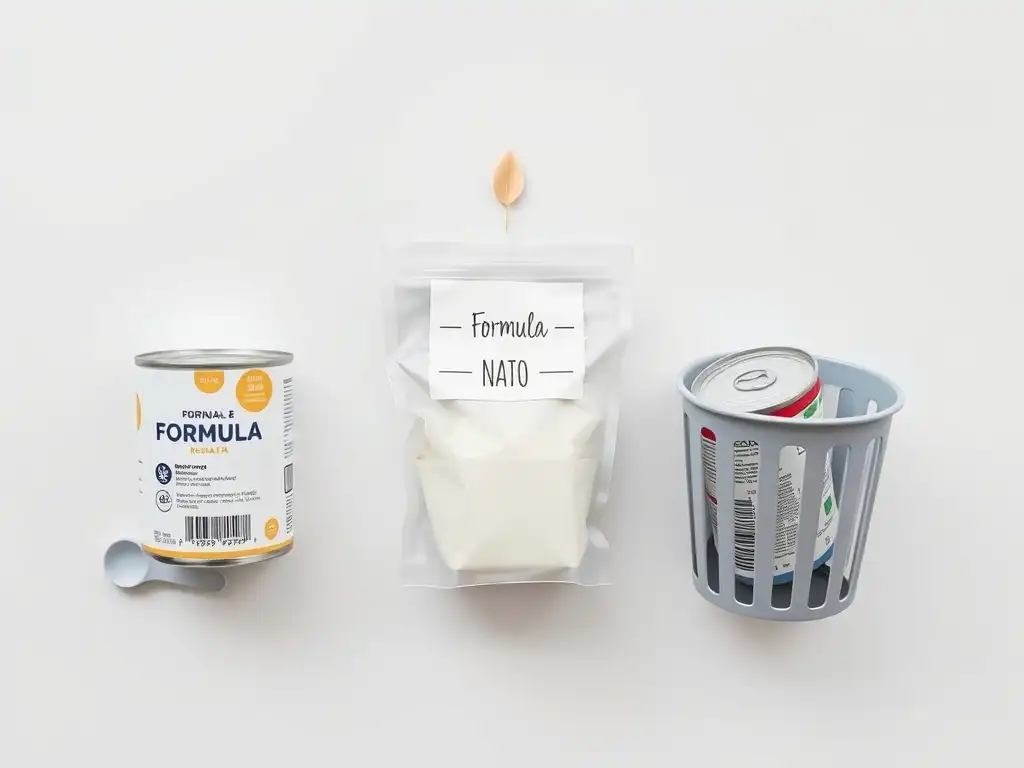
This section delves into advanced techniques for storing baby formula, ensuring optimal safety and minimizing the risk of bacterial contamination. We'll move beyond the basics, focusing on practices that will help you confidently manage your baby's formula supply. Safe storage of baby formula is paramount for your little one's health.
Checking Expiration Dates: Importance of Timely Replacement
Always check the expiration date printed on the formula container. This date indicates the manufacturer's guarantee of the product's quality and safety. Using expired formula poses several risks, including potential nutrient degradation and increased chances of bacterial growth. Discard any formula that has passed its expiration date, even if it appears unchanged. Don't be tempted to use it; your baby's well-being is worth the cost of replacement.
Remember, the expiration date refers to unopened containers. Once you open a can or container of formula, the shelf life significantly shortens. Always adhere to the manufacturer's recommended storage guidelines after opening, typically within 1-2 weeks, depending on the type of packaging. To help you remember, write the date of opening directly on the container with a permanent marker. This simple step can significantly improve safe formula storage practices.
Labeling and Dating Containers: Tracking Preparation and Storage Times
Proper labeling is crucial for effective formula storage. When you prepare a bottle, clearly label it with the date and time of preparation. This is especially important if you're preparing multiple bottles in advance. Using a permanent marker directly on the bottle or a sticky label will help prevent confusion. This system of labeling and dating containers is vital for ensuring that you're always using the freshest formula.
Consider using different colored markers or labels to distinguish between different formula preparations. For instance, use one color for freshly prepared bottles and another for bottles that have been refrigerated for a set amount of time. This visual cue will help you quickly identify which bottles are safe to use and which ones need to be discarded. This meticulous approach to labeling and dating ensures you always adhere to safe formula storage practices, minimizing the risk of using spoiled formula.
Formula Storage in Different Climates: Adapting to Variable Conditions
The climate significantly impacts how you store baby formula. Extreme temperatures, both hot and cold, can affect the formula's quality and increase the risk of bacterial growth. In hot and humid climates, refrigeration is essential, even for unopened containers. Keep the formula in the coolest part of your refrigerator, away from the door. Ensure proper air circulation around the containers to prevent condensation, which can encourage bacterial growth.
In colder climates, while refrigeration is still recommended after opening, avoid freezing the formula. Freezing can alter the formula's consistency and nutritional value. If you experience power outages, make sure to have a backup plan for storing your prepared formula. This might include a cooler with ice packs to maintain a safe temperature for a limited time. Always prioritize safe formula storage, adapting your methods to the prevailing climatic conditions to ensure your baby’s health and safety. Remember, consistent temperature control is a key component of storing baby formula safely.
Frequently Asked Questions
How long can I store prepared baby formula?
Prepared baby formula should never be stored at room temperature for more than two hours. Refrigerate prepared formula immediately and use within 24 hours. Discard any leftover formula after that time.
What's the best way to store unopened cans or containers of baby formula?
Unopened cans or containers of baby formula should be stored in a cool, dry place, away from direct sunlight and heat. Check the expiration date and use before it expires. Follow the manufacturer's instructions carefully.
Can I freeze baby formula?
While you can freeze prepared baby formula in airtight containers, it's generally not recommended. Thawing and reheating can alter the nutritional value and increase the risk of bacterial contamination. It's best to prepare only what you need.
Is it safe to reuse a bottle that has contained prepared formula?
No, it is not safe to reuse a bottle that has contained prepared formula. Always discard any leftover formula and thoroughly wash and sterilize the bottle before using it again. This helps prevent bacterial growth.
How do I know if my baby formula has gone bad?
Look for any changes in color, smell, or texture. If the formula appears different than usual, or if it smells sour or off, discard it immediately. Always trust your instincts; if something seems wrong, it's best to err on the side of caution.
Final Reflection: Nourishing Futures: Safe Formula Storage and Parental Peace of Mind
The safe storage of baby formula isn't merely a matter of convenience; it's a cornerstone of a child's health and well-being. Improper storage can lead to bacterial contamination, potentially causing serious illness, highlighting the critical importance of adhering to best practices. This knowledge empowers parents to make informed decisions, directly impacting the health and safety of their most precious asset.
The impact of readily available, accurate information on safe formula storage cannot be overstated. It directly addresses a fundamental parental anxiety: ensuring their child's nutritional needs are met safely and effectively. This transcends simple instruction; it's about fostering a sense of confidence and control in a challenging aspect of parenthood. The best gift is not material, but the gift of knowledge and security.
This quote perfectly encapsulates the power of providing parents with the tools to protect their children.
Now, consider your own practices. Reflect on how you store your baby's formula, or how you will store it in the future. Are you confident in your methods? This article serves as a guide, but the ultimate responsibility lies with each parent to prioritize safety and vigilance. Take the time to review the guidelines, make any necessary adjustments, and rest assured knowing you are actively contributing to a healthier, safer future for your child. Your proactive approach is an investment in their well-being, an investment that yields immeasurable returns.
Unlock Your Baby's Health: Master Formula Storage Today!
Thank you for learning about safe formula storage! You now have the knowledge to keep your baby healthy and happy. Ready to put it into practice?
- Prioritize Proper Preparation: Refrigerate any leftover formula immediately after feeding, and always follow the manufacturer's instructions for mixing and storage. This is crucial for your baby's well-being.
- Share your knowledge! Discuss this article and your formula storage tips with other parents in our BabyCareHub community—your experience could help others.
- Explore our other articles on baby nutrition; we cover various topics to support your parenting journey.
Have you discovered any surprising formula storage tips that work well for you and your baby? Share them below!