
The Sibling Circle: Creating a Strong Family Bond

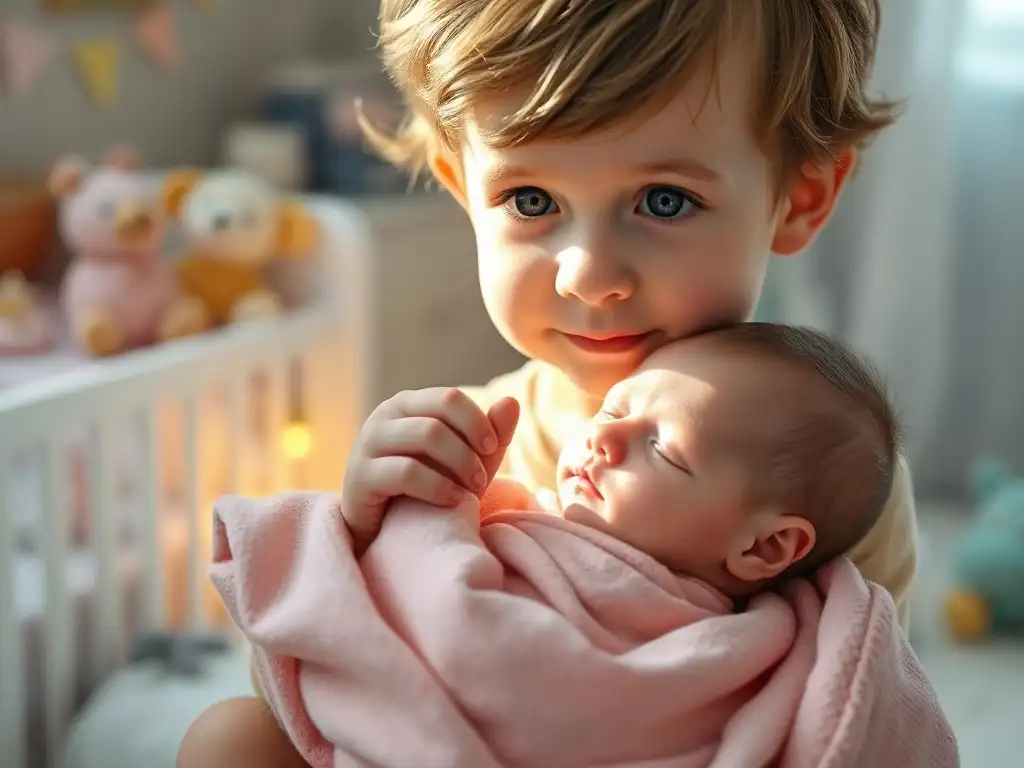
Welcome to BabyCareHub, your ultimate guide to navigating the incredible journey of parenthood! Are you ready to embrace the challenges and joys of welcoming a new baby into your family? We understand that adding a newborn can be a significant adjustment, especially for existing children. This is why we've created a wealth of resources, including our in-depth article on "Older sibling newborn adjustment," exploring practical strategies to foster a strong and loving bond between your children. Discover how to ensure a smooth transition and create a harmonious family environment. Let's embark on this adventure together!
- Preparing Your Older Child for the New Baby: A Smooth Transition
- Welcoming the Newborn: Minimizing Sibling Rivalry and Jealousy
- Building a Strong Sibling Relationship: Long-Term Strategies
- Seeking Support: Resources for Navigating Sibling Dynamics
- Long-Term Benefits of a Strong Sibling Bond: A Positive Family Dynamic
-
Frequently Asked Questions
- How can I prepare my older child for the arrival of a new baby?
- What are some common challenges older siblings face after a newborn arrives?
- How can I manage sibling rivalry after the baby's arrival?
- What are some ways to help my older child bond with the newborn?
- My older child is acting out since the baby arrived; what should I do?
- Final Reflection: Weaving the Threads of Sibling Love
- Unleash the Power of Sibling Bonds: Start Building Today!
Preparing Your Older Child for the New Baby: A Smooth Transition
The arrival of a new baby is a joyous occasion, but it can also be a period of significant adjustment for older siblings. Successfully navigating this transition requires proactive planning and a deep understanding of the emotional landscape your older child is experiencing.
This article focuses on fostering a strong sibling bond before the baby arrives, mitigating potential anxieties, and creating a supportive environment where everyone feels loved and valued. We'll explore practical strategies to help your older child adapt to the changes, minimizing sibling rivalry and maximizing the benefits of a loving, close-knit family.
Preparing for a new baby is not just about preparing the nursery; it's about preparing the entire family, ensuring a positive and lasting impact on your children's relationship. This guide will equip you with the tools and techniques to make the transition as smooth as possible, focusing on the key aspects of older sibling newborn adjustment.
Understanding the Older Sibling's Perspective: Anticipating Challenges in Newborn Adjustment
The birth of a sibling can be a confusing and even upsetting experience for older children. They may feel displaced, experiencing a sudden shift in their position within the family dynamic. Common challenges include:
- Loss of attention: The newborn naturally demands a significant amount of parental attention, leaving older siblings feeling neglected or overlooked. This can manifest as increased clinginess, acting out, or regression to earlier behaviors (e.g., thumb-sucking, bed-wetting).
- Jealousy and resentment: These feelings are entirely normal. Your older child may feel jealous of the attention the baby receives, resenting the newcomer for disrupting their established routine and family structure.
- Confusion and insecurity: Young children may struggle to understand the concept of a new family member and the changes this brings. The uncertainty can lead to anxiety and insecurity, impacting their behavior and emotional well-being.
- Fear of displacement: Older siblings may worry about losing their place in the family, fearing that the new baby will replace them in their parents' affections.
Understanding these potential challenges is the first step towards effectively addressing them. Proactive measures, such as those outlined in the following sections, can significantly alleviate these anxieties and promote a positive sibling relationship.
Creating a Special Bond Before the Baby Arrives: Quality Time and Rituals
Before the baby arrives, invest quality time with your older child, creating special rituals and memories that strengthen your bond. This proactive approach helps mitigate the potential for feelings of displacement and resentment. Consider:
- One-on-one time: Schedule dedicated time for activities your child enjoys, focusing solely on them. This could include playing games, reading together, going on outings, or simply cuddling and chatting.
- Special rituals: Establish new traditions or strengthen existing ones, creating a sense of security and continuity. This could be a weekly movie night, a special bedtime story, or a regular outing to the park.
- "Big Sibling" preparation: Read books about becoming a big brother or sister, engaging in conversations about the upcoming changes and the joys of having a sibling.
- Gifts and surprises: A small gift or surprise for your older child, related to the new baby's arrival (like a "big sibling" t-shirt or a special book), can foster excitement rather than resentment.
Involving the Older Sibling in Baby Preparations: Fostering Excitement and Ownership
Involving your older child in the preparations for the new baby can help them feel included and invested in the process, fostering a sense of excitement and ownership rather than resentment. This can include:
- Choosing baby items: Let your child help select items for the baby's nursery, like bedding, toys, or clothes. This gives them a sense of participation and responsibility.
- Preparing the nursery: Assign age-appropriate tasks, such as helping to organize the baby's clothes or decorate the room. This creates a sense of anticipation and shared responsibility.
- Reading baby books together: Spend time reading books about babies and newborns, helping your child learn about caring for a baby and understanding the changes that are coming.
- Practicing baby care: If appropriate for their age, let your child practice some basic baby care skills, such as gently rocking a doll or helping to change a diaper (on a doll, of course!). This can help them feel prepared and involved.
By actively involving your older child in the preparations, you can transform the arrival of a new baby from a potential source of anxiety into a shared experience of joy and anticipation. Remember, proactive planning and a focus on strengthening the sibling bond before the baby arrives are key to a smooth and positive transition for the entire family. 👶💕
Welcoming the Newborn: Minimizing Sibling Rivalry and Jealousy
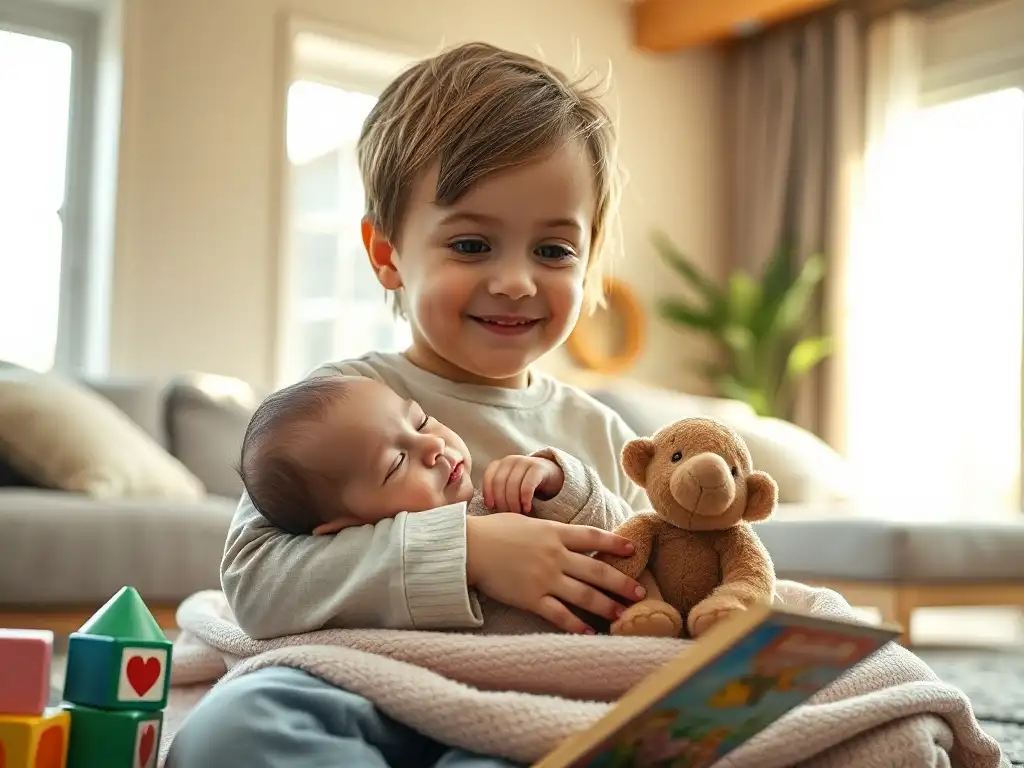
The arrival of a newborn significantly alters family dynamics, often triggering feelings of jealousy and rivalry in older siblings. Successfully navigating this transition requires proactive planning and a sensitive approach. The key is to foster a sense of inclusion and importance for the older child, ensuring they don't feel replaced or neglected. This section details strategies to minimize these negative emotions and cultivate a positive sibling relationship from the start. Understanding the nuances of older sibling newborn adjustment is crucial for a harmonious family environment.
Introducing the Baby: A Gradual and Positive First Encounter
The initial meeting between the older sibling and the newborn should be carefully orchestrated. Avoid overwhelming the older child with immediate, prolonged contact. A short, supervised interaction, perhaps just a few minutes, allows for a gradual adjustment. Let the older sibling touch the baby's hand or foot under your watchful eye. Positive reinforcement is key; praise their gentle touch and patience. It's vital to manage expectations; don't expect instant bonding.
Some children might initially be indifferent, while others may display apprehension or even mild hostility. These reactions are normal and should be addressed with empathy and understanding. Remember, the goal is a positive first experience. Consider involving the older sibling in age-appropriate tasks, such as choosing a blanket or singing a lullaby to the baby. This subtly fosters a sense of responsibility and connection.
The process might take several days or even weeks, depending on the child's temperament and age. Patience and consistent positive reinforcement are essential throughout. Remember to celebrate the older sibling's milestones and achievements, separately from the baby's arrival. This helps to maintain their sense of self-worth. For example, if your older child is potty training, focus extra attention on that progress. This demonstrates that you are still invested in their individual development.
Managing Sibling Dynamics: Strategies for Fair and Balanced Attention
One of the biggest challenges in older sibling newborn adjustment is maintaining a balance of attention. The newborn inevitably requires significant care, but neglecting the older child's needs will inevitably lead to resentment. Creating dedicated one-on-one time with the older sibling is crucial. Even short periods of undivided attention, such as reading a bedtime story or playing a game, can significantly impact their feelings of security and importance. This dedicated time should be consistent and not contingent on good behavior. It is a right, not a reward.
Furthermore, involving the older sibling in age-appropriate childcare tasks, such as fetching diapers or helping with gentle baby massage (under supervision), can foster a sense of responsibility and connection. This approach subtly emphasizes their contribution to the family. Avoid comparing the children or making comments that highlight the perceived differences in parental attention. Phrases like "You were a much easier baby" should be completely avoided. Instead, focus on celebrating the unique qualities of each child.
Addressing Jealousy and Regression: Common Challenges and Solutions for Older Sibling Newborn Adjustment
Jealousy and regression are common manifestations of older sibling newborn adjustment. Regression might involve a return to earlier behaviors, such as thumb-sucking, bed-wetting, or demanding more attention. These are often signs of insecurity and a need for reassurance. Addressing these issues requires patience, understanding, and consistent positive reinforcement. Avoid punishment; instead, offer extra cuddles, praise, and one-on-one time. It's important to acknowledge their feelings without dismissing them. Phrases like, "I know it's hard having a new baby in the family," validate their emotions and create a safe space for expression.
The key is to reaffirm the older sibling's place within the family. Maintain existing routines as much as possible; consistency provides a sense of normalcy and stability during a period of significant change. Consider creating a special “big sibling” box or bag filled with books, toys, or activities designed exclusively for them. This designated space reinforces their unique identity and importance.
Remember, each child is unique, and the specific approach will need to be tailored to the individual. There's no one-size-fits-all solution, but understanding the common challenges and implementing proactive strategies can significantly improve the sibling relationship and ease the transition for everyone. Remember, patience and consistency are paramount during this adjustment period.
Building a Strong Sibling Relationship: Long-Term Strategies
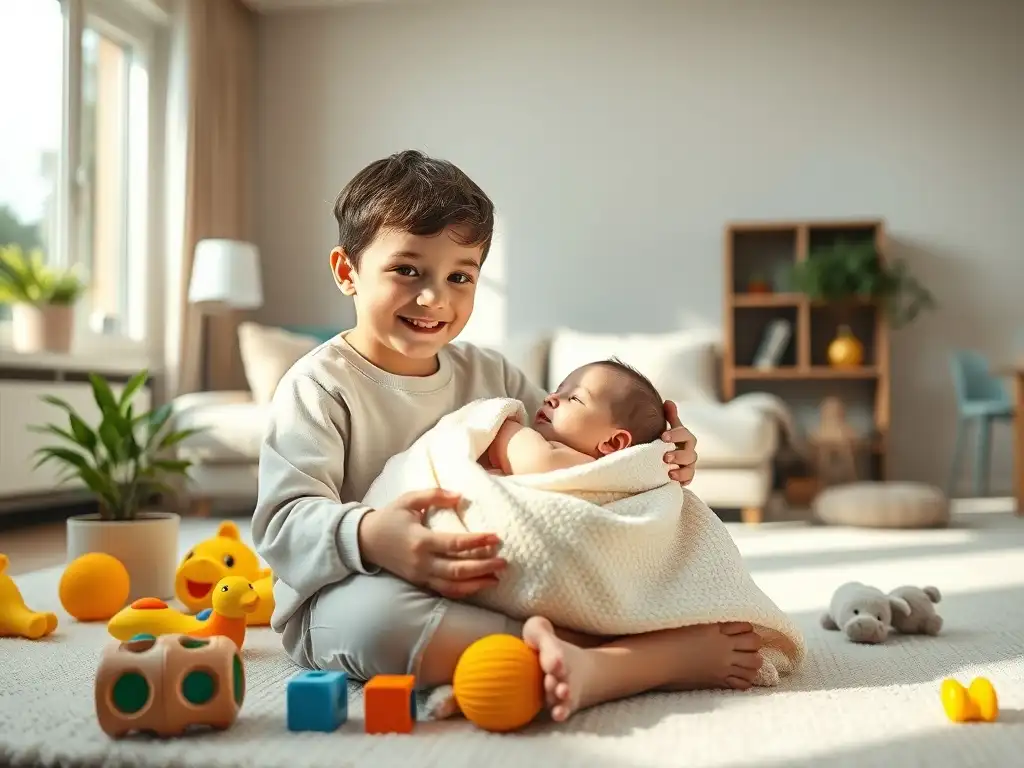
This section focuses on cultivating a positive and enduring relationship between your older child and their new sibling. The arrival of a newborn significantly alters family dynamics, and proactive strategies are crucial for minimizing sibling rivalry and fostering a bond of love and support. Successfully navigating this transition requires a long-term perspective, focusing on consistent effort rather than quick fixes. Remember, older sibling newborn adjustment is a process, not an event.
Creating Special Sibling Time: Dedicated Activities and One-on-One Moments
The key to a harmonious sibling relationship is ensuring that the older child doesn't feel replaced or neglected. Dedicate specific, consistent time each day or week for one-on-one activities with your older child. This shouldn't be rushed or interrupted; it's about focused attention and quality time. These moments should revolve around their interests, not chores or errands.
Consider creating a "special time" ritual. This could be reading a favorite book together before bedtime, baking cookies, building a fort, or engaging in a game they love. The activity itself is less important than the undivided attention and bonding experience it provides.
Documenting these moments – a small photo album or even a simple journal – can reinforce the sense of specialness and create lasting memories. This dedicated time strengthens the bond between you and your older child, making them feel secure and loved even amidst the changes brought about by the new baby. This is crucial for positive older sibling newborn adjustment.
Examples of dedicated activities could include:
- Creative Time: Drawing, painting, crafting, or playing with playdough.
- Active Play: Going to the park, riding bikes, or playing a favorite outdoor game.
- Quiet Time: Reading together, listening to music, or doing a puzzle.
- Learning Time: Engaging in educational activities tailored to their interests.
Encouraging Positive Interactions: Teaching Empathy and Kindness
Teaching empathy and kindness is vital for fostering a positive sibling relationship. Actively demonstrate these qualities yourself, showing compassion and understanding in your interactions with both children. Use everyday situations as teachable moments. For example, if your older child is frustrated with the baby’s crying, explain that the baby is communicating their needs and that it’s okay to feel frustrated but important to be patient and understanding.
Utilize books and storytelling to illustrate empathy. Many children's books explore sibling relationships and address common challenges. Role-playing scenarios can also be helpful. Let your older child practice comforting the baby (with supervision, of course!) or helping with age-appropriate tasks related to the baby's care. This instills a sense of responsibility and helps them connect with their sibling on a positive level. Positive reinforcement, praise, and acknowledgment of their kind actions significantly contribute to their older sibling newborn adjustment process. Remember, consistency in modeling and teaching these behaviors is paramount.
Involving your older child in age-appropriate tasks related to the baby's care can foster a sense of responsibility and teamwork. This doesn't mean assigning them heavy lifting or demanding tasks; instead, focus on small, manageable responsibilities that they can handle with pride.
For example, they might help fetch diapers, gather blankets, or select a toy for the baby. These simple acts can make them feel included and important. Remember to praise their efforts and emphasize the teamwork aspect of caring for the baby. This shared responsibility can build a sense of connection and mutual respect between siblings, making the older sibling newborn adjustment smoother and more positive. This approach helps them understand that caring for the baby is a family effort, promoting a sense of belonging and cooperation.
Remember to adjust tasks based on your child's age and developmental stage. A three-year-old might help by bringing a toy, while a six-year-old could assist with tidying up toys. Always supervise young children to ensure their safety. The goal is not to overburden your older child but to involve them in a meaningful way, promoting a sense of belonging and shared responsibility.
Celebrating Sibling Milestones: Acknowledging Achievements and Growth
The arrival of a newborn significantly alters the family dynamic, often leaving older siblings feeling overlooked or displaced. Actively celebrating their individual milestones is crucial for mitigating these feelings and fostering a strong sibling bond. This isn't just about big events like birthdays; it's about recognizing the smaller, everyday achievements that demonstrate their growth and maturity.
For example, if your older child has been struggling with potty training and finally achieves a week of consistent dryness, make a big deal out of it! Celebrate with a small gift, a special outing, or simply dedicated one-on-one time focusing entirely on them and their accomplishment. This shows them that their efforts are valued and noticed, even amidst the demands of a new baby. Similarly, praise their patience when they share toys or help with small tasks related to the baby, reinforcing positive behavior and demonstrating the value of their contribution to the family.
Consider creating a "Sibling Achievement Chart." This visual aid can track both big and small milestones, from mastering a new skill (like riding a bike) to demonstrating increased responsibility (like consistently tidying their room). Each achievement earns a sticker or a small reward, culminating in a larger celebration once a certain number of achievements are recorded. This method not only celebrates their progress but also visually demonstrates their growth and maturity, helping them feel proud of their accomplishments.
Remember, consistency is key. Regularly acknowledging and celebrating their achievements, no matter how small, sends a powerful message: "You are important, and your contributions matter." This consistent affirmation builds self-esteem and fosters a sense of belonging within the family unit, strengthening the sibling bond and mitigating any feelings of jealousy or resentment towards the new baby.
The goal is to create a positive feedback loop where their achievements are recognized and rewarded, further encouraging positive behavior and a strong sense of self-worth. This proactive approach is essential for navigating the challenges of sibling adjustment and building a lasting, positive sibling relationship.
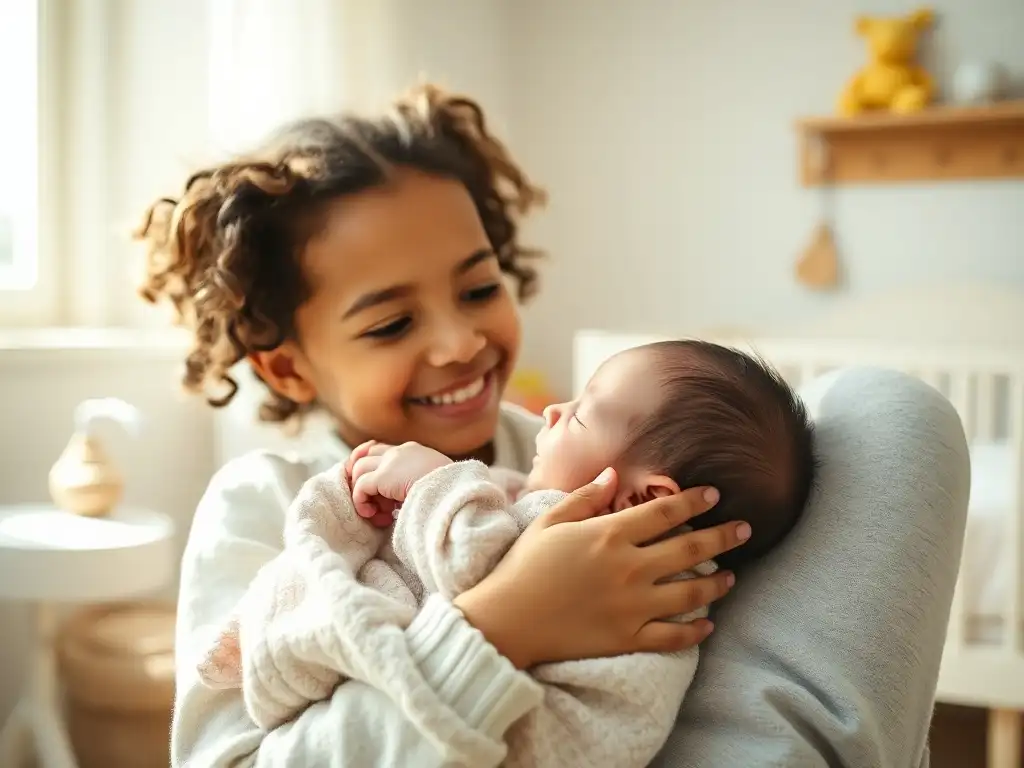
Navigating the transition to a new family member can be challenging, particularly for older siblings. The arrival of a newborn often disrupts established routines and dynamics, potentially leading to feelings of jealousy, resentment, or even regression in behavior. Successfully managing these adjustments requires proactive strategies and a strong support system.
Understanding the common challenges and accessing appropriate resources is crucial for a smooth transition for everyone involved. This section focuses on identifying and utilizing various support mechanisms to foster positive sibling relationships during this significant life change. The key is proactive preparation and ongoing support, recognizing that each family’s experience is unique.
Connecting with Other Parents: Sharing Experiences and Finding Solutions
One of the most valuable resources for navigating older sibling newborn adjustment is connecting with other parents who have successfully traversed similar terrain. Sharing experiences and challenges within a supportive community can offer invaluable insights and practical solutions. Many online forums and in-person support groups cater specifically to parents grappling with sibling dynamics after a new baby arrives.
These platforms provide a safe space to voice concerns, ask questions, and learn from the collective wisdom of others. For example, a parent might share their experience of using a special "big sibling" gift to help their older child feel included and valued, while another might detail strategies for managing sibling rivalry during playtime. The shared experiences can normalize feelings of frustration and uncertainty, reminding parents that they are not alone in their struggles.
The sense of community and shared understanding can significantly alleviate stress and empower parents to make informed decisions. Remember, every family's dynamic is unique, but the common thread of navigating a significant change offers a powerful bond and a wealth of shared solutions.
Professional Guidance: When to Seek Help for Older Sibling Newborn Adjustment Issues
While peer support is invaluable, there are instances where professional guidance is necessary for older sibling newborn adjustment. If an older sibling exhibits significant behavioral changes—such as prolonged tantrums, increased aggression, or noticeable regression in developmental milestones—seeking professional help is advisable. A child psychologist or therapist specializing in sibling relationships can provide tailored strategies to address specific concerns.
These professionals can assess the situation, identify underlying causes of the child's behavior, and provide evidence-based interventions. For example, they might recommend family therapy sessions to improve communication and resolve conflicts, or suggest individual therapy to help the older child process their emotions and adjust to the new family dynamic. Early intervention is key; addressing issues promptly can prevent the development of long-term behavioral problems.
Recognizing the signs and seeking professional help when needed is a crucial aspect of fostering a healthy and harmonious family environment, especially during this period of significant transition. Remember, seeking professional help is not a sign of failure but rather a proactive step towards ensuring the well-being of all family members. Prioritizing mental health for the entire family strengthens the sibling bond and creates a more supportive environment for everyone.
Long-Term Benefits of a Strong Sibling Bond: A Positive Family Dynamic
Establishing a strong sibling bond from the outset, particularly when welcoming a newborn, offers numerous advantages that extend far beyond the initial adjustment period. The positive ripple effect impacts the entire family dynamic, fostering a supportive and loving environment for years to come. This section will explore the profound long-term benefits of nurturing this crucial relationship, focusing on the crucial period of older sibling newborn adjustment. Successfully navigating this transition lays the foundation for a lifetime of enriching connections.
Emotional Support and Resilience: The Power of Sibling Relationships
Siblings often provide a unique form of emotional support, unavailable from parents or peers. A strong sibling bond acts as a buffer against life's inevitable stressors. Research indicates that children with close sibling relationships exhibit increased emotional resilience, better coping mechanisms during challenging times, and a stronger sense of self-worth. This is especially true during the older sibling newborn adjustment phase.
The initial feelings of jealousy or displacement can be mitigated by fostering understanding and open communication. For example, involving the older sibling in age-appropriate newborn care, like choosing a baby outfit or reading a story, can help them feel included and important, fostering a sense of responsibility and connection. This proactive approach reduces feelings of being replaced and promotes feelings of belonging within the family unit.
Furthermore, the presence of a supportive sibling can significantly improve a child's self-esteem and confidence, especially during the challenging years of adolescence. The shared experiences and understanding between siblings create a secure base from which to navigate the complexities of growing up. This translates into increased emotional regulation and a greater capacity to form healthy relationships later in life.
The benefits of a strong sibling bond extend far beyond childhood. Shared experiences, from playful childhood games to navigating the challenges of adolescence, create a rich tapestry of memories that bind siblings together throughout their lives. These shared memories form the bedrock of a lifelong companionship, offering a sense of belonging and continuity across generations. The older sibling newborn adjustment period, while potentially challenging, can also become a source of shared memories.
The older sibling's involvement in welcoming the new baby creates a unique narrative of family bonding, which they will cherish as they grow older. This early experience of shared responsibility and love contributes to the development of empathy and compassion. The bond forged during this time can be a source of comfort and strength throughout life, providing a reliable support system during both happy and challenging times. Moreover, the ability to share intimate experiences and offer unconditional support creates a unique form of resilience that can benefit both siblings.
This lasting connection offers a sense of belonging and shared history that enriches their lives immeasurably. The value of this lifelong companionship cannot be overstated, particularly in the context of the older sibling newborn adjustment. It's a bond that transcends time and circumstance, creating a lasting legacy of love and support.
Frequently Asked Questions
How can I prepare my older child for the arrival of a new baby?
Start preparing well in advance, involving your older child in small ways like picking out baby clothes or reading books about siblings. This helps them feel included and less anxious about the change. Positive reinforcement is key.
What are some common challenges older siblings face after a newborn arrives?
Common challenges include feelings of jealousy, reduced attention from parents, and difficulty adjusting to the new family dynamic. These are normal and temporary.
How can I manage sibling rivalry after the baby's arrival?
Spend individual time with each child, showing them that you love and appreciate them both equally. Create special activities just for the older sibling and incorporate them into baby care routines where appropriate.
What are some ways to help my older child bond with the newborn?
Encourage positive interactions like reading to the baby together or letting the older sibling help with age-appropriate tasks, such as bringing diapers. Supervise interactions closely to ensure safety and create positive memories.
My older child is acting out since the baby arrived; what should I do?
Increased attention-seeking behavior is common. Try to understand the root cause of their behavior and address it with patience and empathy. Consistent discipline and positive reinforcement remain crucial.
Final Reflection: Weaving the Threads of Sibling Love
The arrival of a newborn profoundly impacts the family dynamic, particularly for older siblings; navigating this transition successfully is crucial for fostering lifelong bonds. The adjustment period, often fraught with emotional upheaval and competition for attention, can either create lasting rifts or strengthen familial ties, depending on how it's handled. Understanding the complexities of this period is not just about managing tantrums; it's about building a resilient and loving family unit.
The impact of sibling relationships on an individual's emotional development and overall well-being is undeniable. The early years, especially those surrounding the arrival of a new baby, shape the landscape of these relationships for years to come. The family you come from is not as important as the family you create.
This quote, while often used in a broader context, resonates deeply here. We don't just inherit our family; we actively build and nurture it, especially in moments of significant change like the addition of a new member. The strategies discussed in this article—from proactive preparation to consistent communication and dedicated one-on-one time—are not mere suggestions; they are the building blocks of a strong sibling bond.
Now, consider your own experiences, or those of families you know. How have you witnessed the sibling dynamic shift with the arrival of a new baby? What strategies have proven effective, and what challenges remain? Take the insights from this article and actively cultivate a supportive and loving environment for your children, or for the children in your life. Remember, the effort invested in nurturing sibling relationships yields immeasurable rewards, creating a foundation of love and support that will last a lifetime.
Unleash the Power of Sibling Bonds: Start Building Today!
Thank you for exploring the importance of strong sibling relationships! We hope you gained valuable insights into fostering connection and understanding within your family. Now it's time to put that knowledge into practice.
- Prioritize dedicated sibling time: Schedule even 15 minutes a day for uninterrupted sibling interaction—play, talk, or simply be together. This dedicated time is crucial for nurturing positive relationships.
- Show sibling appreciation: A simple weekly ritual, like each sibling writing a short, positive note to another or sharing a special snack, fosters gratitude and strengthens bonds.
- Share this article: Let's build a community of families committed to strong sibling relationships! Spread the word and encourage positive sibling connections.
What unique strategy will you use to strengthen the bonds within your family? Share your ideas in the comments below!