
Nursery Lighting Secrets: Gentle Illumination for Peaceful Nights

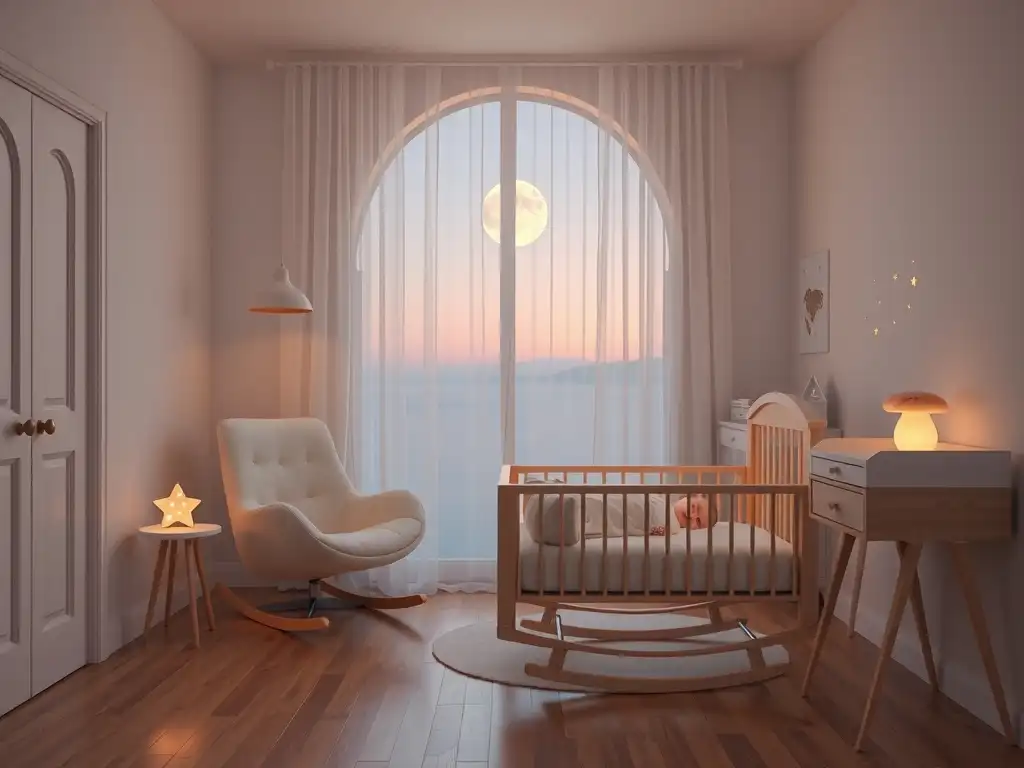
Welcome to BabyCareHub, your ultimate guide to navigating the incredible journey of parenthood! Are you ready to unlock the secrets to peaceful nights? Our expert Baby nursery night light guide, featured in our Sleep Training & Routines section, reveals how the right lighting can transform your baby's sleep and create a serene environment for your little one. Discover the surprising impact of gentle illumination and learn how to choose the perfect night light for a happier, healthier baby. Let's dive in!
- Understanding the Importance of Baby Nursery Night Lights
- Choosing the Right Baby Nursery Night Light: A Comprehensive Guide
- Setting Up Your Baby's Nursery Night Light for Optimal Sleep
- Baby Nursery Night Light Guide: Troubleshooting Common Issues
- Creating a Holistic Sleep Environment Beyond Lighting
- Additional Resources for Baby Sleep
- Frequently Asked Questions
- Final Reflection: Illuminating the Path to Peaceful Slumber
- Unveil Your Baby's Dreamland: Create the Perfect Nursery Glow
Understanding the Importance of Baby Nursery Night Lights
Choosing the right lighting for your baby's nursery is crucial for creating a peaceful and sleep-conducive environment. This isn't just about aesthetics; the type and intensity of light significantly impact your little one's sleep patterns, development, and overall well-being. This comprehensive guide, your ultimate Baby Nursery Night Light Guide, will explore the science behind gentle illumination and offer practical advice on selecting and using nightlights to foster a calm and restful atmosphere for your baby.
We'll delve into the effects of light on melatonin production, discuss creating a soothing nursery environment, and offer practical tips to ensure your baby sleeps soundly through the night. This is more than just choosing a cute nightlight; it's about understanding how lighting affects your baby's delicate biological clock and supporting their healthy development. Let's illuminate the path to peaceful nights for both you and your baby!
Why Dim Lighting Matters for Baby Sleep
Infants, unlike adults, have a more sensitive circadian rhythm – their internal biological clock that regulates sleep-wake cycles. Exposure to bright light, even at night, can disrupt this delicate balance. Bright lights suppress the production of melatonin, a crucial hormone that regulates sleep. In babies, insufficient melatonin can lead to difficulty falling asleep, frequent nighttime awakenings, and shorter sleep durations. Conversely, a dimly lit nursery promotes melatonin production, signaling to your baby's body that it's time to sleep.
This results in improved sleep quality and longer, more restful sleep periods. Research suggests that even low levels of ambient light can impact a baby's sleep cycle, highlighting the importance of carefully managing the lighting in your baby's room. Consider the impact: a well-rested baby means a well-rested parent! 😴
The Impact of Light on Melatonin Production in Infants
Melatonin, often called the "sleep hormone," is primarily produced in the pineal gland in response to darkness. Exposure to light, especially blue light emitted from electronic devices, inhibits melatonin production. This effect is particularly pronounced in infants due to their still-developing circadian rhythms. Studies have shown a strong correlation between exposure to artificial light at night and sleep disturbances in infants.
Therefore, creating a dark, or at least dimly lit, nursery environment is essential for optimal melatonin production and healthy sleep patterns. This doesn't mean complete darkness – a soft, gentle nightlight can provide sufficient illumination for nighttime feedings and checks without significantly disrupting melatonin production. The key is to choose a nightlight with a low-intensity, warm-toned light.
Creating a Calming and Sleep-Inducing Nursery Environment
Creating a calming nursery environment goes hand-in-hand with thoughtful lighting choices. Beyond the nightlight itself, consider the overall ambiance. Soft, muted colors on the walls, comfortable bedding, and a quiet, clutter-free space all contribute to a peaceful atmosphere. You can further enhance the calming effect by incorporating elements like white noise machines or calming music. Remember, consistency is key.
Establishing a regular bedtime routine that includes dimming the lights gradually before bedtime helps signal your baby's body that it's time to sleep. This predictability helps regulate their circadian rhythm, leading to improved sleep. Think about creating a sanctuary, a space dedicated to rest and relaxation, where gentle light plays a vital role in promoting healthy sleep habits from the very beginning. This holistic approach ensures your baby’s nursery is not just visually appealing, but also functionally optimized for optimal sleep.
Choosing the Right Baby Nursery Night Light: A Comprehensive Guide
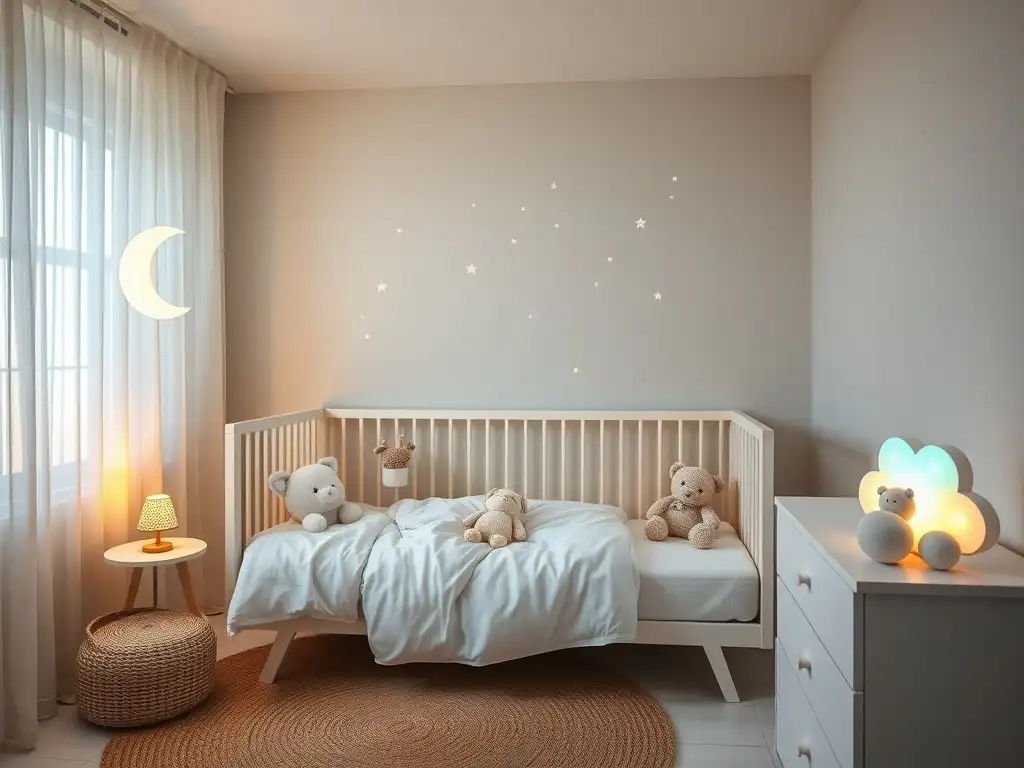
Choosing the right night light for your baby's nursery can significantly impact their sleep quality and overall well-being. This guide will help you navigate the options and select a night light that promotes a peaceful and safe sleep environment for your little one. Finding the perfect balance of illumination and safety is key, and understanding the various features available will empower you to make an informed decision. This is a critical aspect of creating the optimal baby nursery environment for sleep, as part of your overall baby nursery night light guide.
Types of Baby Night Lights: A Detailed Comparison (LED, Projection, Sound Machines)
The market offers a variety of baby night lights, each with its unique features and benefits. Let's explore some popular types:
- LED Night Lights: These are generally the most energy-efficient and long-lasting option. They produce a soft, consistent glow, minimizing harsh light exposure. Many LED night lights offer adjustable brightness settings, allowing you to customize the illumination level to suit your baby's needs. Furthermore, LED night lights are often available in various shapes and designs, adding a touch of whimsy to the nursery. Consider the color temperature; warmer tones (around 2700K-3000K) are generally considered more soothing for sleep.
- Projection Night Lights: These create a calming ambiance by projecting images or patterns onto the ceiling or walls. This can be particularly engaging for babies and toddlers, providing a visual distraction during bedtime. However, ensure the projected images are not too stimulating, opting for soft, pastel colors and simple designs to avoid overstimulation. Some projection night lights even include soothing sounds, combining visual and auditory stimulation for a more comprehensive sleep aid.
- Sound Machine Night Lights: These combine the benefits of a night light with white noise or other calming sounds. The gentle sounds can help mask disruptive noises, creating a more consistent and peaceful sleep environment. The addition of a night light provides a familiar visual cue, aiding in the transition to sleep. Consider sound machines that offer a variety of sounds and adjustable volume levels to find the perfect setting for your baby. Look for features like automatic shut-off timers to conserve battery life and ensure the sound machine doesn't run all night.
Brightness Levels and Their Effects on Baby's Sleep
The brightness of your baby's night light is crucial. Too bright, and it can disrupt their sleep cycle; too dim, and it might not provide enough comfort. The ideal brightness level depends on your baby's age and individual preferences.
| Brightness Level | Effect on Baby's Sleep | Recommended Age Range |
|---|---|---|
| Very Dim (0.5-1 lumens) | Provides minimal light for nighttime reassurance without disrupting sleep. | Newborns - 6 months |
| Dim (1-3 lumens) | Offers a gentle glow for comfort and navigation without significant light exposure. | 6 months - 2 years |
| Moderate (3-5 lumens) | Suitable for older toddlers who might need more light for comfort or nighttime potty training. | 2 years + |
It's important to note that these are general guidelines. Observe your baby's response to different brightness levels and adjust accordingly. Many night lights offer adjustable brightness settings, allowing for easy customization. Start with a very dim setting and gradually increase the brightness only if your baby seems to prefer it.
Safety Features to Consider When Choosing a Night Light
Safety should be your top priority when selecting a night light for your baby's nursery. Look for these essential safety features:
- Overheating Protection: Choose night lights with built-in overheating protection to prevent potential fire hazards. This is particularly important for night lights that remain on for extended periods. Look for certifications from reputable safety organizations.
- Durable and Non-Toxic Materials: Ensure the night light is made from durable, non-toxic materials that are safe for your baby to touch. Avoid night lights with small, detachable parts that could pose a choking hazard.
- UL Certification (or equivalent): Look for products with a Underwriters Laboratories (UL) certification or equivalent, indicating the product has met certain safety standards. This provides an extra layer of assurance regarding the product's safety.
- Automatic Shut-Off Timer: Many night lights offer an automatic shut-off timer, which is a valuable safety feature. This ensures the night light doesn't remain on all night, saving energy and reducing the risk of overheating.
By carefully considering these factors and choosing a night light with appropriate safety features, you can create a safe and soothing sleep environment for your baby, contributing to better sleep for both you and your little one. Remember, a well-chosen night light is a valuable addition to your baby's sleep routine, acting as a comforting companion throughout the night. 😴
Setting Up Your Baby's Nursery Night Light for Optimal Sleep
This section delves into the practical aspects of implementing a night light in your baby's nursery, focusing on creating a calming and sleep-conducive environment. Choosing the right night light is only half the battle; proper placement and light level adjustment are crucial for maximizing its benefits and minimizing potential disruptions to your little one's sleep. This guide will equip you with the knowledge to create the perfect, gentle illumination for your baby's peaceful nights.
Remember, the goal is to provide just enough light for navigation without stimulating your baby's senses excessively. This is a key element of a successful baby nursery night light guide.
Ideal Placement of Night Lights for Maximum Comfort and Minimal Disruption
The placement of your baby's night light is paramount. Poor placement can lead to harsh shadows, unwanted glare, or insufficient illumination. The ideal location minimizes disruption while providing enough light for nighttime checks and diaper changes. Avoid placing the light directly above the crib; this can create harsh shadows and potentially stimulate your baby.
Instead, consider these strategic placements:
- On a nearby wall or shelf: This casts a softer, diffused light across the room, minimizing direct exposure to your baby's eyes. Experiment with different heights to find the optimal level of illumination.
- Across the room: A night light positioned on a dresser or changing table across the room can provide sufficient ambient light without being overly intrusive.
- Behind furniture: Placing the light behind a bookshelf or other piece of furniture diffuses the light effectively, creating a soft glow.
Think about the direction of the light source. Avoid pointing it directly at your baby's face. A gentle, indirect light is far more conducive to sleep. A good baby nursery night light guide emphasizes the importance of indirect lighting for optimal sleep.
Consider the type of night light you have chosen. Some project images or have rotating colours, which might be stimulating for some babies. Others provide a soft, constant glow. Opt for a night light with adjustable brightness for greater control over the light levels.
Adjusting Light Levels for Different Sleep Stages
The intensity of the night light should be adjusted to suit your baby's sleep stage. Newborns, for example, may benefit from a very dim light, barely illuminating the room. As your baby grows, you may gradually increase the brightness. The key is to find a balance that allows you to check on your baby without startling them awake.
Here's a suggested approach:
| Sleep Stage | Recommended Light Level | Rationale |
|---|---|---|
| Newborn (0-3 months) | Very Dim | Minimizes stimulation, ensuring a dark and peaceful sleep environment. |
| 3-6 Months | Dim | Allows for easy nighttime checks without harsh illumination. |
| 6-12 Months | Moderately Dim | Provides sufficient light for navigation while remaining gentle. |
| >12 Months | Dim to Moderate | Offers more control and allows the child to adjust to the light level. |
Remember, every baby is different. Observe your baby's reactions to the light levels and adjust accordingly. If you notice your baby is restless or frequently waking up, try dimming the light. A good baby nursery night light guide stresses the importance of responsiveness to your baby's individual needs. This is a crucial aspect of creating a positive sleep environment.
Using Night Lights to Ease Nighttime Feedings and Diaper Changes
Night lights are invaluable during nighttime feedings and diaper changes. They provide sufficient illumination to safely navigate the room without waking your baby fully. The soft light allows you to attend to your baby's needs without disturbing their sleep cycle excessively.
Here are some tips for using night lights during these nighttime routines:
- Dim the light: Keep the light intensity low to minimize disruption. A very dim light is usually sufficient for these tasks.
- Focus the light: Direct the light away from your baby's face to avoid glare.
- Minimize movement: Move slowly and quietly to avoid startling your baby.
- Maintain routine: Keep your nighttime routines consistent to help your baby establish a predictable sleep pattern. This contributes significantly to the overall success of your baby nursery night light guide strategy.
By following these guidelines, you can effectively use a night light to make nighttime feedings and diaper changes smoother and less disruptive for both you and your baby. The right approach can significantly improve the quality of sleep for everyone. This is a critical point for any successful baby nursery night light guide. Remember, consistency and observation are key.
Baby Nursery Night Light Guide: Troubleshooting Common Issues
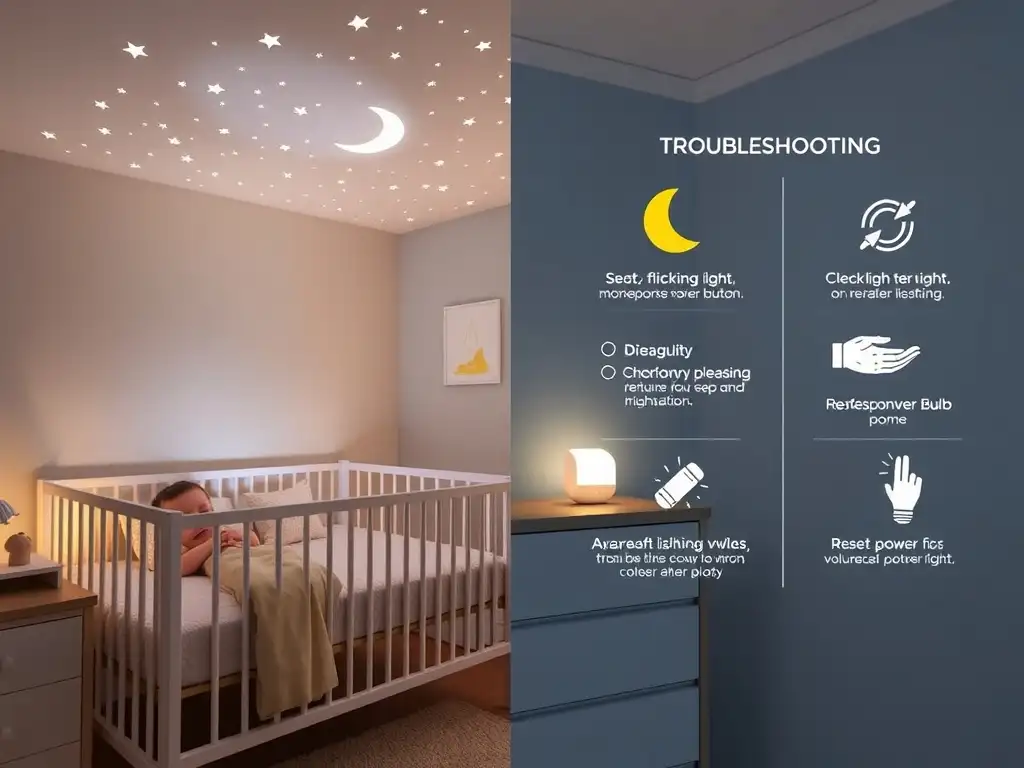
This section addresses common concerns and provides practical solutions for maximizing the benefits of a night light in your baby's nursery while minimizing potential drawbacks. A well-chosen and properly used night light can significantly improve sleep quality for both baby and parents, contributing to a more peaceful and positive nighttime routine. Remember, the goal is gentle illumination, not harsh brightness.
Addressing Concerns About Light Exposure Affecting Baby's Vision
Many parents worry about the potential impact of night lights on their baby's developing vision. While excessive light exposure can be detrimental, the low-level illumination provided by a properly selected night light poses minimal risk. The American Academy of Pediatrics (AAP) generally advises against bright lights at night, focusing instead on creating a dimly lit environment. The key is to choose a night light with low lumens and a warm, soft glow. Avoid lights that emit blue light, as this can interfere with melatonin production, a hormone crucial for sleep regulation.
Research suggests that a dimly lit room actually promotes better sleep for infants. A completely dark room can sometimes be overly stimulating, causing babies to wake up more frequently. A gentle night light can help to ease transitions between sleep cycles and reduce the anxiety associated with waking in complete darkness. Consider using a night light with adjustable brightness settings to fine-tune the illumination level to your baby's needs. Remember to place the night light at a distance from your baby's crib to minimize direct exposure.
Dealing with Night Light Fears in Infants and Toddlers
While a night light is intended to soothe and comfort, some babies and toddlers may develop a fear of the light itself. This can manifest as crying, increased anxiety at bedtime, or difficulty settling down. If your child exhibits these behaviors, there are several strategies you can employ:
- Gradual Introduction: Don't suddenly introduce a bright night light. Start with a very dim light for a short period and gradually increase the duration and brightness as your child becomes more comfortable.
- Choose the Right Light: Opt for a night light with soft, warm light, and consider those with soothing sounds or nature scenes projected onto the ceiling.
- Positive Association: Create a positive association with the night light by using it during playtime or bedtime stories.
- Talk About It: Reassure your child that the night light is there to help them feel safe and secure. Explain that it's a friendly light, not a scary one.
- Alternative Options: If the night light continues to be a problem, consider other calming strategies like a soft cuddly toy or a white noise machine.
Remember, patience and consistency are key. Addressing night light fears requires a gentle and understanding approach. Observe your child's reactions and adjust your strategy accordingly. The goal is to create a secure and comforting sleep environment.
Maintaining Your Baby's Night Light for Long-Term Use
A baby's night light is a valuable tool for many years, but proper maintenance will extend its lifespan and ensure it continues to provide safe and effective illumination. Here's how to maximize its longevity:
- Regular Cleaning: Dust and fingerprints can accumulate on the night light, diminishing its light output and potentially causing safety hazards. Clean it regularly with a soft, damp cloth.
- Bulb Replacement: Be sure to replace burned-out bulbs promptly. Always use the correct type of bulb recommended by the manufacturer.
- Safety Inspection: Regularly inspect the night light for any signs of damage, such as cracks or frayed wires. If any damage is found, discontinue use immediately and replace the night light.
- Proper Placement: Ensure the night light is placed safely away from bedding and curtains to prevent fire hazards. Avoid placing it where it could be easily knocked over.
- Energy Efficiency: Consider using LED night lights, as they are more energy-efficient and have a longer lifespan than incandescent bulbs.
By following these simple maintenance tips, you can ensure your baby's night light remains a safe and reliable source of comfort and gentle illumination for years to come, helping your little one sleep soundly and peacefully throughout the night. Regular checks and preventative maintenance will help avoid sudden malfunctions and ensure a consistent nighttime routine. 😴
Creating a Holistic Sleep Environment Beyond Lighting
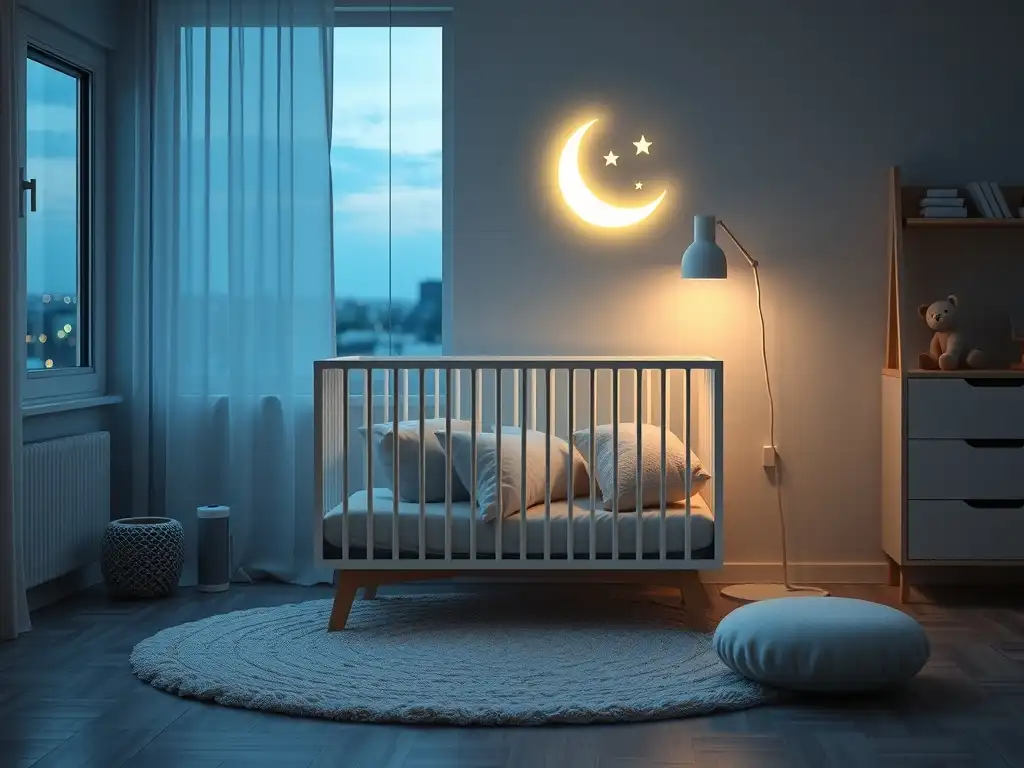
Creating a peaceful sleep environment for your baby goes beyond just choosing the right night light. A holistic approach considers several interconnected factors that contribute to a restful night's sleep for both baby and parents. This section delves into crucial elements often overlooked in the pursuit of a well-lit (or dimly lit!) nursery. Optimizing these aspects can significantly improve your baby's sleep quality and duration, leading to happier, more rested family members. Think of it as creating a sleep sanctuary, a haven of calm specifically designed for your little one's slumber.
The Role of White Noise Machines in Promoting Sleep
White noise machines are often touted as sleep aids, and for good reason. The consistent, gentle sounds they produce can mask disruptive noises – from traffic outside to creaks in the house – that might otherwise startle a sleeping baby. This creates a more stable and predictable auditory environment, promoting deeper, uninterrupted sleep. Studies have shown that white noise can be particularly beneficial for babies with sensitivities to sound.
However, it's crucial to use white noise machines responsibly. Keep the volume at a low level – roughly equivalent to the sound of a gentle rainfall. Excessive volume can be harmful to your baby's hearing. Furthermore, consider the type of white noise. While many machines offer a variety of sounds (ocean waves, fan noise, etc.
), opt for a consistent, unchanging sound to avoid stimulating your baby. Finally, always place the machine at a safe distance from the crib to prevent any accidental hazards. Remember, the goal is to create a soothing backdrop, not an overwhelming auditory experience. Proper use of a white noise machine can be a powerful tool in your baby nursery night light guide.
Importance of a Consistent Bedtime Routine for Babies
A consistent bedtime routine is arguably just as important as the right lighting and sound environment. Establishing a predictable sequence of events signals to your baby that it's time to wind down and prepare for sleep. This predictability helps regulate their circadian rhythm, the internal biological clock that governs sleep-wake cycles.
A typical routine might include a warm bath, a gentle massage, putting on pajamas, reading a bedtime story, singing a lullaby, and finally, placing your baby in their crib. The specific activities are less important than the consistency of the routine. Aim for a routine that lasts approximately 30-45 minutes, allowing ample time for your baby to transition from wakefulness to sleepiness.
The routine should be calming and relaxing, avoiding any stimulating activities like rough play or screen time right before bed. A well-established routine significantly contributes to a successful baby nursery night light guide strategy, fostering healthier and longer sleep durations.
Temperature Control and its Impact on Sleep Quality
The temperature of your baby's nursery plays a surprisingly significant role in their sleep quality. An overly warm or cold room can disrupt sleep and lead to discomfort. The ideal room temperature for a baby's sleep is generally between 68°F and 72°F (20°C and 22°C). However, individual preferences may vary, so observe your baby's comfort level. If they seem too hot, they might be sweating or restless; if they seem too cold, they might be shivering or pulling their blankets up tightly.
Monitoring the temperature is crucial, especially during different seasons. In warmer months, consider using a fan (placed safely out of reach of your baby) to circulate air and keep the room cool. In colder months, ensure adequate heating while maintaining a safe distance from any heat sources.
A room thermometer is a valuable tool for monitoring the temperature and ensuring your baby's comfort. This seemingly small detail is often overlooked in a baby nursery night light guide but is essential for creating an optimal sleep environment for your little one. Remember, a comfortable temperature contributes significantly to a peaceful and restful night's sleep.
Additional Resources for Baby Sleep
This section offers supplemental information to enhance your understanding of creating a sleep-conducive environment for your baby, building upon the insights provided in the "Baby nursery night light guide." Finding reliable information and support is crucial for navigating the challenges of newborn sleep. This section focuses on resources that can provide further assistance and guidance in your journey towards establishing healthy sleep patterns for your little one.
Recommended Books and Articles on Baby Sleep
Navigating the world of baby sleep can feel overwhelming. To help you find your way, we've compiled a list of reputable books and articles focusing on various aspects of infant sleep, including the role of light and creating a peaceful nursery environment. These resources offer a deeper dive into the science and practical application of baby sleep techniques, often addressing specific challenges parents encounter.
Many books delve into the complexities of sleep training methods, offering different approaches tailored to various temperaments and parenting styles. These usually include detailed schedules, tips for establishing consistent routines, and strategies for addressing common sleep disruptions. Some prominent authors focus on gentler, responsive methods, while others offer more structured approaches. It's crucial to find a method that aligns with your family's values and your baby's individual needs.
Articles, on the other hand, often focus on specific topics within the broader realm of baby sleep. You'll find articles focusing on the impact of room temperature on sleep, the importance of swaddling (or not swaddling), and the benefits of white noise machines. These resources provide focused information, often backed by research, to address particular questions or concerns. Remember to always cross-reference information from multiple sources to ensure accuracy and consistency.
Here's a sample of topics you might find helpful in your research:
- The impact of melatonin on infant sleep
- Understanding different sleep cycles in babies
- Addressing common sleep regressions
- Creating a consistent bedtime routine
- The role of nutrition in promoting healthy sleep
Online Communities and Support Groups for Parents
The journey of parenthood is often best navigated with a supportive community. Online forums and support groups provide a valuable space to connect with other parents facing similar challenges, share experiences, and receive advice and encouragement. These communities can be a lifeline, offering a sense of belonging and validation during those sleepless nights.
Remember to approach online advice with caution. While many parents offer helpful tips and insights, it's crucial to prioritize information from credible sources and consult with healthcare professionals for personalized guidance. Always prioritize your baby's safety and well-being, and consult with your pediatrician or other qualified healthcare provider before making significant changes to your baby’s sleep routine.
Finding the right online community is key. Look for groups that are moderated and focus on evidence-based practices. Avoid groups that promote potentially harmful or unscientific methods. A supportive community can offer valuable emotional support and practical advice, but always remember to consult with professionals for personalized guidance and to address any concerns. Connecting with other parents can ease the stress and provide reassurance that you are not alone in this journey. Remember, every baby is different, and what works for one may not work for another. Focus on finding what works best for your family. 😴
Frequently Asked Questions
What type of night light is best for a baby's nursery?
A soft, dim night light is ideal. Avoid lights that are too bright or have flashing/strobing elements. Look for options with adjustable brightness and a warm color temperature.
How bright should a baby's night light be?
The light should be dim enough to not disturb your baby's sleep, but bright enough for you to navigate the room safely at night. A good rule of thumb is that you should be able to see comfortably without being blinded.
Are night lights safe for babies?
Yes, when chosen carefully. Ensure the night light is properly secured to prevent it from falling and made from safe materials. Avoid lights that get excessively hot.
What are the benefits of using a night light in a baby's nursery?
Night lights can help soothe babies, reduce nighttime fears, and make nighttime feedings and diaper changes easier for parents. They can also provide a sense of security and comfort.
At what age should I introduce a night light to my baby?
You can introduce a night light anytime after birth, though some parents wait until their baby shows signs of fear of the dark. Observe your baby's cues and adjust accordingly.
Final Reflection: Illuminating the Path to Peaceful Slumber
The gentle glow of a well-chosen night light isn't just about visibility; it's about cultivating a sense of security and calm that fosters healthy sleep for both baby and parent. This seemingly small detail profoundly impacts the overall well-being of a family, shaping the rhythm of nights and the quality of days to come. The right lighting can transform a potentially stressful nighttime routine into a peaceful and predictable experience.
The impact of carefully curated nursery lighting extends far beyond the immediate environment. It speaks to a broader cultural shift towards prioritizing the importance of sleep and creating nurturing spaces for our children. Sleep is the golden chain that ties health and our bodies together.
This quote, though not specifically about nursery lighting, perfectly encapsulates the vital role sleep plays in overall well-being, a role that is significantly influenced by the environment we create for our little ones. The journey to finding the perfect balance of light and darkness is a personal one, and the subtle shifts in mood and behavior we observe in our children as we experiment with different lighting solutions are invaluable lessons in understanding their needs.
Consider the impact of your lighting choices. Think beyond mere functionality; envision the atmosphere you are creating. Are you fostering a sense of calm and security, or inadvertently contributing to anxiety and restlessness?
Take the time to experiment, to observe, and to adjust. The journey towards finding the perfect balance of light and darkness in your baby's nursery is a journey of discovery, one that will ultimately lead to more peaceful nights and happier days for your entire family. Embrace the process, and remember, the gentle glow of a well-chosen night light is a small act with a significant impact.
Unveil Your Baby's Dreamland: Create the Perfect Nursery Glow
Thank you for exploring the world of nursery lighting with us! We hope you've discovered how to create a truly peaceful and calming sleep environment for your little one. Now, let's put those ideas into action.
- Design your ideal nursery lighting scheme: Visualize the perfect lighting for your baby's room, considering their sleep patterns and your family's needs. Sketch it out, or create a mood board! Get creative and plan for different times of day and stages of your baby's development.
- Share your lighting inspiration: Connect with other parents on BabyCareHub's forums and share your lighting setup – pictures are always welcome! Let's build a supportive community of parents creating beautiful and safe spaces for their babies.
- Try a calming bedtime routine with soft lighting: Experiment with dimming the lights or using a nightlight an hour before bedtime to help your little one wind down peacefully. Observe how it affects their sleep.
What's the most innovative lighting solution you've found for your baby's room? We'd love to hear your ideas!