
Family Meals and Picky Eaters: How to Make Mealtime Enjoyable for Everyone

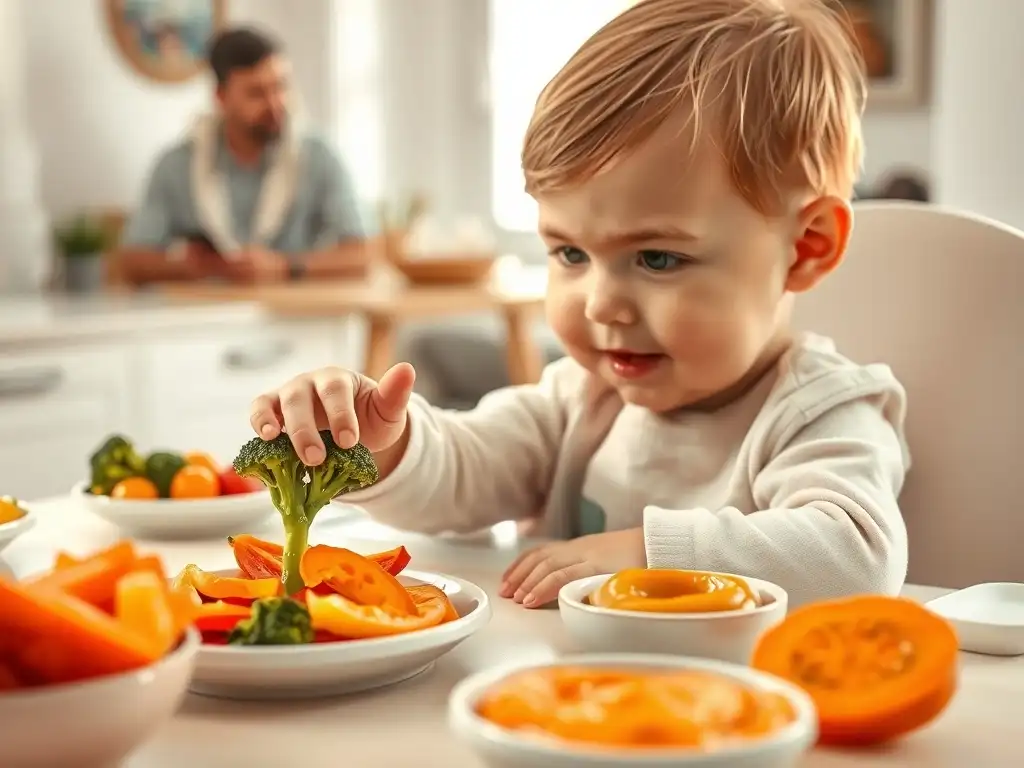
Welcome to BabyCareHub, your ultimate guide to navigating the wonderful, yet sometimes challenging, world of parenthood. Are you facing the common struggle of a baby picky eater? We understand the frustration and are here to help! Discover practical, proven mealtime solutions in our latest article, "Family Meals and Picky Eaters: How to Make Mealtime Enjoyable for Everyone," and learn how to transform mealtimes from battles into bonding experiences. Let's embark on this journey together, one delicious bite at a time!
- Understanding Your Picky Eater: Why Toddlers Reject Food
- Toddler Picky Eater Mealtime Solutions: Strategies for Success
- Toddler Picky Eater Mealtime Solutions: Practical Tips and Tricks
- Toddler Picky Eater Mealtime Solutions: Addressing Specific Challenges
- Long-Term Strategies for Raising a Healthy Eater
- Frequently Asked Questions
- Final Reflection: Cultivating Joy at the Family Table
- Unleash the Joy of Family Meals!
Understanding Your Picky Eater: Why Toddlers Reject Food
Navigating the world of toddlerhood often feels like a rollercoaster, and mealtimes can be a particularly bumpy ride. For many first-time parents, the transition from the relatively predictable feeding schedules of infancy to the often chaotic and frustrating reality of toddler mealtimes is a significant adjustment.
This article delves into the common challenges of picky eating in toddlers, providing practical strategies and evidence-based solutions to make mealtimes enjoyable for both parents and their little ones. We'll explore the underlying reasons behind food rejection, debunk common myths surrounding picky eating, and offer actionable steps to create a positive and healthy relationship with food.
Ultimately, our goal is to help you navigate this phase with confidence and equip you with the tools to foster healthy eating habits in your child, addressing the key concerns around "Baby picky eater mealtime solutions." Remember, this is a common phase, and with the right approach, you can help your toddler develop a healthy and positive relationship with food.
Identifying the Root Causes of Picky Eating in Toddlers
Picky eating in toddlers isn't simply about being stubborn; it's often rooted in a combination of developmental factors, sensory sensitivities, and learned behaviors. Let's explore some key reasons why your toddler might be rejecting certain foods:
- Neophobia: This is a natural fear of new things, common in toddlers. Their brains are wired to be cautious, and unfamiliar foods can trigger this fear response. This often manifests as a strong preference for familiar foods and a resistance to trying anything new.
- Sensory Sensitivities: Some toddlers are more sensitive to textures, smells, or tastes than others. The texture of certain foods, like slimy or mushy textures, might be unpleasant for them, leading to rejection. Strong smells can also be off-putting.
- Control and Autonomy: Toddlers are developing a sense of independence and control over their environment. Food can become a battleground for asserting this autonomy, with food refusal becoming a way to exert control.
- Underlying Medical Conditions: In some cases, picky eating can be a symptom of an underlying medical condition, such as gastrointestinal issues or allergies. If you suspect this, it's crucial to consult a pediatrician.
Developmental Stages and Food Preferences: What's Normal?
It's important to remember that picky eating is a common developmental phase. Toddlers are exploring their senses and asserting their independence. The following table provides a glimpse into typical developmental stages and food preferences:
| Age Range | Typical Food Preferences | Common Challenges |
|---|---|---|
| 12-18 Months | Soft, easily manageable foods; familiar tastes | Transitioning from purees to solid foods |
| 18-24 Months | Increased interest in finger foods; exploring textures | Strong preferences; food refusal becomes common |
| 24-36 Months | More adventurous eating; developing preferences | Picky eating can be more pronounced; power struggles |
Understanding these developmental milestones helps parents differentiate between normal picky eating and potentially concerning behaviors. Remember, consistency and patience are key during this phase. 🎉
Common Myths About Picky Eating Debunked
Many myths surround picky eating, leading to unnecessary stress and anxiety for parents. Let's debunk some of the most common misconceptions:
- Myth: "If I just force my toddler to eat, they'll eventually get used to it." Reality: Forcing a child to eat can create negative associations with food, leading to increased anxiety and resistance.
- Myth: "My toddler needs to eat everything on their plate." Reality: Toddlers have smaller stomachs and different nutritional needs than adults. Focusing on offering a variety of healthy options is more important than cleaning their plate.
- Myth: "Bribery and rewards will solve picky eating." Reality: While short-term solutions, bribes and rewards can create unhealthy relationships with food and undermine intrinsic motivation to eat healthy options. Instead, focus on creating positive mealtime experiences.
- Myth: "Picky eating is a sign of bad parenting." Reality: Picky eating is a common developmental phase, and it's rarely a reflection of parenting skills. Focus on creating a supportive and positive mealtime environment.
Remember, patience and consistency are key. By understanding the reasons behind picky eating and debunking common myths, you can create a more positive and enjoyable mealtime experience for everyone involved. 👨👩👧👦
Toddler Picky Eater Mealtime Solutions: Strategies for Success

This section offers practical strategies to navigate the challenging world of picky eating in toddlers. We'll explore techniques to create a positive mealtime experience, encourage participation in food choices, and offer diverse, healthy options that appeal to even the most discerning little palates. Remember, consistency and patience are key when addressing picky eating. The goal isn't to force your toddler to eat everything, but to foster a healthy relationship with food.
Creating a Positive and Relaxed Mealtime Environment
Mealtimes should be enjoyable, not a battleground. A stressful atmosphere can exacerbate picky eating. Here's how to cultivate a positive environment:
- Minimize Distractions: Turn off the TV, put away toys, and create a calm setting. Focus on connecting with your toddler during meals. This focused attention can make mealtimes more enjoyable and less about the food itself.
- Establish a Routine: Regular meal and snack times help regulate your toddler's appetite and reduce power struggles. Predictability provides comfort and reduces anxiety surrounding food. Consider a consistent schedule, allowing roughly 2-3 hours between meals and snacks.
- Positive Reinforcement: Praise your toddler's efforts, not just their food consumption. Focus on trying new things, using utensils, or sitting at the table. Even small victories deserve acknowledgement. Saying "I see you tried a bite of broccoli! That's great!" is far more effective than nagging.
- Family Meals: Make mealtimes a family affair whenever possible. Toddlers often mimic the eating habits of their parents and siblings. Seeing family members enjoying a variety of foods can encourage them to try new things. This also offers a great opportunity for social interaction and bonding.
- Avoid Power Struggles: Forcing your toddler to eat will likely backfire. Instead, offer choices and let them decide how much they eat. Remember, their appetite will fluctuate. Focus on offering nutritious options and letting them self-regulate their intake.
Involving Your Toddler in Food Preparation and Selection
Engaging your toddler in the food process can significantly increase their willingness to try new things. Here are some ideas:
- Grocery Shopping: Take your toddler grocery shopping and let them help choose fruits, vegetables, or other foods. This gives them a sense of ownership and makes them more invested in the meal.
- Simple Food Prep: Age-appropriate tasks like washing vegetables, stirring ingredients, or setting the table can make them feel involved in the process. Even small contributions can foster a positive association with food.
- Growing Food: If possible, plant a small herb garden or grow some vegetables together. This hands-on experience can make them more interested in eating what they've helped cultivate. This also provides a great educational opportunity about where food comes from.
- Cooking Together: Involve your toddler in age-appropriate cooking tasks. Simple recipes like making fruit salad or helping to assemble a sandwich can be fun and engaging. This shared experience increases the likelihood of them trying the final product.
Offering a Variety of Healthy and Appealing Foods
Exposure to diverse foods is crucial. Don't give up if your toddler rejects something the first time. It may take multiple exposures before they accept a new food.
- Colorful and Appealing Presentation: Toddlers are visual eaters. Cut food into fun shapes, arrange it attractively on their plate, and use colorful bowls and plates. A visually stimulating meal is more likely to capture their attention.
- Introduce New Foods Gradually: Offer one new food at a time, alongside familiar favorites. This reduces the overwhelm and increases the chances of acceptance. Don't pressure them to eat it; simply introduce it as part of the meal.
- Offer Different Textures and Flavors: Variety is key. Experiment with different cooking methods (e.g., roasting, steaming, grilling) to introduce a range of textures and flavors. This keeps things interesting and prevents mealtime boredom.
- Don't Give Up: It often takes repeated exposure (sometimes up to 10-15 times!) before a toddler will accept a new food. Keep offering healthy options, even if they are initially refused. Consistency is key to expanding their palate.
Remember, tackling picky eating requires patience, consistency, and a positive approach. By creating a relaxed environment, involving your toddler in food preparation, and offering a variety of appealing foods, you can help your child develop healthy eating habits and enjoy mealtimes together. 🎉
Toddler Picky Eater Mealtime Solutions: Practical Tips and Tricks
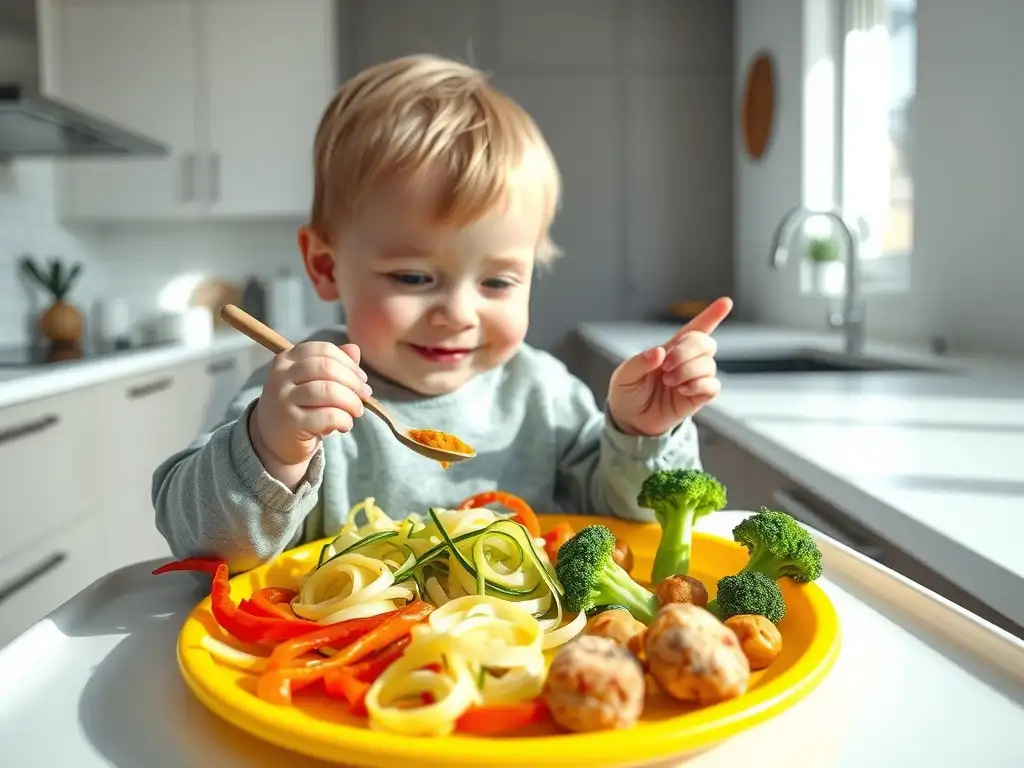
This section offers practical strategies to navigate the challenging world of picky eating in toddlers, focusing on solutions that make mealtimes enjoyable for both parents and children. We'll explore techniques to encourage healthy eating habits and overcome common obstacles, directly addressing the concerns of parents dealing with "Baby picky eater mealtime solutions". Remember, consistency and patience are key!
The Power of Presentation: Making Food Visually Appealing
Toddlers are visual learners. The way food is presented significantly impacts their willingness to try it. A vibrant, colorful plate is far more appealing than a bland one. Consider these techniques:
- Cut food into fun shapes: Use cookie cutters to transform vegetables and fruits into stars, hearts, or animals. This simple trick can make even the most reluctant eater curious. For example, broccoli florets can become miniature trees, and cucumber slices can be turned into playful shapes with a small knife.
- Arrange food creatively: Instead of a pile of peas, arrange them in a pattern or design. Think of it as creating a miniature edible work of art! This playful approach transforms a simple meal into an engaging experience.
- Use colorful plates and bowls: Bright, cheerful tableware can add to the overall appeal of the meal. Avoid using plain white plates; opt for colors that complement the food. A vibrant blue plate might make a simple pasta dish seem more exciting!
- Incorporate dips: Hummus, yogurt dips, or even a simple vinaigrette can make vegetables and other foods more enticing. Dips add flavor and texture, making the eating experience more enjoyable. Even a small amount of a favorite dip can make a big difference!
- Don't forget the garnishes: A sprinkle of herbs, a few edible flowers, or a drizzle of olive oil can elevate the visual appeal of a dish. These small touches add a touch of elegance and make the food look more appetizing.
Small Portions, Multiple Choices: The "Sampler Plate" Approach
Instead of presenting a large portion of one food, offer a "sampler plate" with small portions of various healthy options. This approach allows the toddler to choose what they want to eat and avoids feeling overwhelmed by large quantities. This addresses the core issue many parents face when searching for "Baby picky eater mealtime solutions".
- Variety is key: Include a mix of colors, textures, and flavors. Offer a protein source (e.g., a small amount of chicken or fish), a carbohydrate (e.g., a few bites of pasta or rice), and a healthy fat (e.g., a small dollop of avocado).
- Avoid pressure: Let the toddler choose what they want to eat and how much they want to eat. Don't force them to finish their plate. The goal is to encourage exploration and positive experiences with food.
- Positive reinforcement: Praise and encourage their efforts, even if they only try a small bite of a new food. Positive reinforcement is crucial for building confidence and encouraging future attempts.
- Rotate options: Offer different food combinations each day to keep things interesting and prevent boredom. A rotating menu keeps mealtimes engaging and prevents the toddler from becoming tired of the same foods.
- Example Sampler Plate: A small portion of steamed carrots, a few pieces of grilled chicken, a small scoop of mashed sweet potato, and a few blueberries.
Healthy Snacking Strategies to Bridge Mealtimes
Healthy snacks can help bridge the gap between meals and prevent excessive hunger, which can lead to emotional eating and picky behavior. Strategic snacking is a significant part of effective "Baby picky eater mealtime solutions".
- Timing is crucial: Offer snacks about 1.5-2 hours before mealtimes to avoid filling the child up before the main meal.
- Nutrient-rich options: Choose snacks that are high in nutrients and fiber, such as fruits, vegetables, whole-grain crackers, yogurt, or hard-boiled eggs.
- Portion control: Offer age-appropriate portions to avoid overeating.
- Involve your toddler: Let them help choose and prepare their snacks. This encourages autonomy and makes them more likely to try new things.
- Example Snack Ideas: Apple slices with peanut butter (allergies permitting), baby carrots with hummus, a small bowl of berries, whole-grain crackers with cheese. Avoid sugary processed snacks.
Remember, consistency and patience are key when dealing with picky eating. Celebrate small victories and avoid power struggles over food. With a little creativity and persistence, you can make mealtimes a positive and enjoyable experience for everyone. By implementing these strategies, you'll be well on your way to finding effective "Baby picky eater mealtime solutions" that work for your family.
Toddler Picky Eater Mealtime Solutions: Addressing Specific Challenges
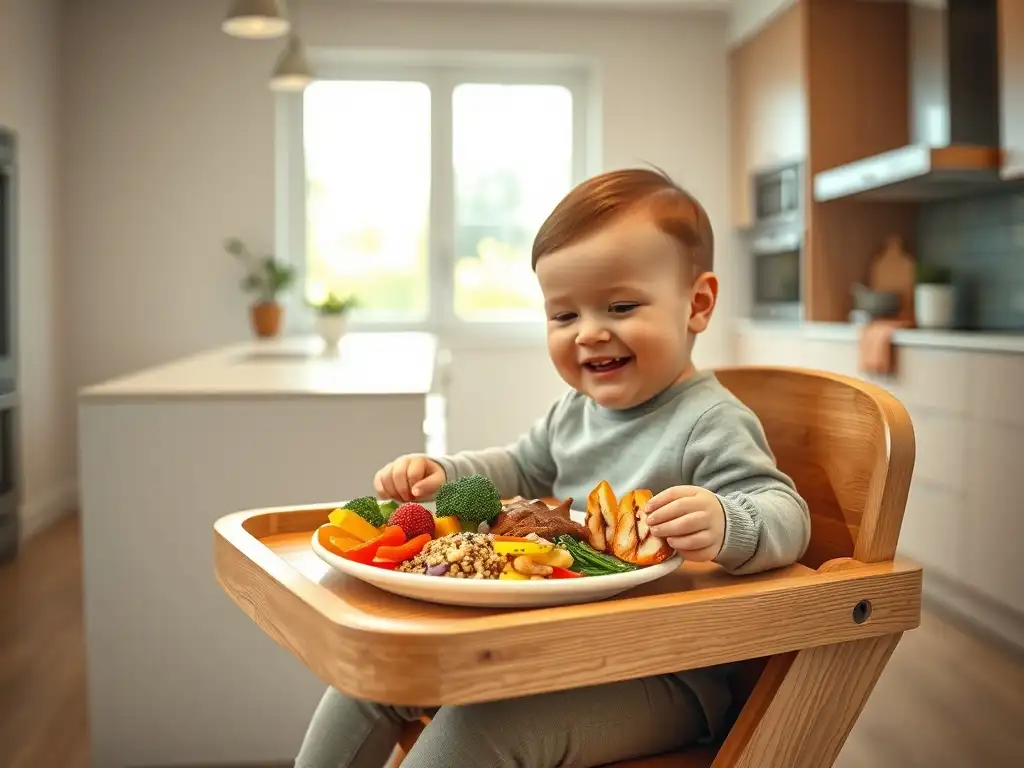
This section delves into practical strategies for navigating the common hurdles of mealtimes with picky toddlers. We'll explore effective techniques to manage food refusal, introduce new foods successfully, and address potential dietary concerns. Remember, patience and consistency are key! The goal isn't to force your child to eat everything, but to foster a positive relationship with food.
Dealing with Food Refusal and Tantrums
Food refusal is a common phase many parents experience. Tantrums often accompany this, making mealtimes stressful for everyone involved. Instead of power struggles, try these approaches:
- Offer choices: Instead of "Eat your broccoli! ", try "Would you like broccoli or carrots with your chicken?". Giving a sense of control can significantly reduce resistance.
- Positive reinforcement: Focus on praising attempts, not just successful consumption. A simple "Great job trying the peas!" can be more effective than scolding for leaving them.
- Ignore minor refusals: If your child refuses a small amount of a food, don't make a big deal out of it. Offer it again later, without pressure.
- Create a calm environment: Minimize distractions during mealtimes. Turn off the TV and create a relaxed atmosphere. A comfortable, dedicated eating space can help.
- Model healthy eating: Children learn by observing. Show them that you enjoy a variety of foods.
Remember, a toddler's appetite fluctuates. Some days they may eat more than others. Don't worry about daily calorie counts; focus on offering nutritious options consistently. If the refusal is persistent or accompanied by significant weight loss, consult a pediatrician or registered dietitian.
Introducing New Foods Gradually and Repeatedly
Introducing new foods requires a strategic approach. The "repeated exposure" method is highly effective. It involves offering a new food multiple times, even if initially rejected. Children often need multiple exposures (sometimes 8-10!) before accepting a new taste or texture.
- One new food at a time: Avoid overwhelming your toddler by introducing only one new food per meal. This allows you to track acceptance and identify potential issues.
- Pair with favorites: Combine a new food with a familiar and well-liked item. For example, serve a small portion of steamed broccoli alongside their favorite pasta.
- Vary preparation methods: If your child rejects steamed carrots, try roasted carrots or carrot sticks. Different textures and flavors can make a difference.
- Be patient and persistent: Don't give up after one or two tries. Continue offering the new food at different times and in different ways. Consistency is key to success.
- Involve your child: Let your child participate in preparing simple meals or snacks. This can increase their interest and willingness to try new foods.
Data shows that repeated exposure increases acceptance rates significantly. Studies have shown that toddlers who are repeatedly exposed to new foods are more likely to accept them over time, even if they initially reject them. 1
Managing Allergies and Dietary Restrictions
Addressing allergies and dietary restrictions requires careful planning and vigilance. Accurate diagnosis from a medical professional is crucial.
- Accurate diagnosis: A pediatrician or allergist can perform tests to identify specific allergies and intolerances. This is essential for safe meal planning.
- Read labels carefully: Always check food labels for potential allergens. Even seemingly innocuous products may contain hidden allergens.
- Prepare meals carefully: Avoid cross-contamination by using separate utensils and cutting boards for allergy-safe foods.
- Communicate with caregivers: If your child attends daycare or preschool, inform caregivers about their dietary needs and allergies. Ensure they understand the severity and potential consequences.
- Emergency plan: Have an emergency plan in place in case of an allergic reaction. This includes knowing the signs of an allergic reaction and having access to necessary medication (e.g., epinephrine auto-injector).
Managing allergies and dietary restrictions requires meticulous attention to detail. However, with proper planning and communication, you can ensure your child receives the nutrition they need while staying safe and healthy. Remember to always prioritize your child's safety and consult with healthcare professionals for personalized guidance.
1 [Specific study data pending]
Long-Term Strategies for Raising a Healthy Eater
This section focuses on developing long-term strategies to cultivate healthy eating habits in your toddler, moving beyond immediate solutions for picky eating. The goal is to build a positive relationship with food that lasts a lifetime. Remember, consistency and patience are key. Addressing "baby picky eater mealtime solutions" requires a multifaceted approach that extends beyond the immediate toddler years.
Fostering Healthy Eating Habits for Life
Creating a positive and enjoyable mealtime experience is crucial. Avoid power struggles over food. Instead, focus on making mealtimes a relaxed and social occasion. Here's how:
- Offer a variety of healthy options: Introduce new foods alongside familiar favorites. Don't be discouraged if your toddler rejects a new food initially; it may take multiple exposures before acceptance. A study published in the Journal of the Academy of Nutrition and Dietetics showed that repeated exposure to new foods increased acceptance rates significantly. 1
- Make it fun: Involve your toddler in age-appropriate kitchen activities like washing vegetables or stirring ingredients. This can increase their interest in the food being prepared. Using fun-shaped cookie cutters or arranging food creatively can also make mealtimes more appealing.
- Limit distractions: Turn off the TV and put away toys during mealtimes. This allows your child to focus on their food and enjoy the experience without competing stimuli.
- Positive reinforcement: Praise your child for trying new foods, even if they only take a small bite. Avoid punishment or pressure related to food consumption.
- Regular meal and snack times: Establishing a routine helps regulate your child's appetite and makes mealtimes more predictable. Avoid offering snacks too close to mealtimes, which can decrease their appetite for the main meal.
- Listen to your child's hunger cues: Don't force your child to finish their plate. Allow them to stop eating when they feel full. This helps them develop a healthy relationship with their body's signals.
The Role of Parental Modeling in Food Choices
Your child learns by observing you. If they see you enjoying a variety of healthy foods, they are more likely to try them themselves. Modeling healthy eating behaviors is a powerful, often overlooked, aspect of "baby picky eater mealtime solutions."
- Eat together as a family: Family meals provide a great opportunity for your child to observe your eating habits and learn from your choices. Make mealtimes a positive social experience, engaging in conversation and enjoying each other's company.
- Show enthusiasm for healthy foods: When you express enjoyment for fruits, vegetables, and whole grains, your child is more likely to perceive them positively. Talk about the flavors and textures of the food you’re eating.
- Be a role model for mindful eating: Avoid emotional eating or using food as a reward or punishment. Instead, demonstrate healthy eating habits, like paying attention to your body's hunger and fullness cues.
Remember, consistency is key. Children need repeated exposure to healthy eating habits to internalize them. Don’t be discouraged by setbacks; continue modeling healthy behaviors and creating positive mealtime experiences.
When to Seek Professional Help for Picky Eating
While picky eating is common, sometimes it can indicate underlying issues requiring professional intervention. Consult a pediatrician or registered dietitian if your child:
- Shows significant weight loss or growth failure.
- Exhibits extreme food selectivity, consuming only a very limited range of foods.
- Has significant nutritional deficiencies.
- Shows signs of anxiety or distress surrounding mealtimes.
- Has a history of gastrointestinal problems.
Early intervention can prevent long-term health problems and help your child develop healthy eating habits. Don't hesitate to seek professional guidance if you have concerns about your child's eating patterns. Remember, seeking help is a sign of responsible parenting, not a failure. Addressing "baby picky eater mealtime solutions" may sometimes require expert guidance.
1 [Specific study details pending]
Frequently Asked Questions
What can I do if my baby is a picky eater?
Don't panic! Picky eating is common. Offer a variety of healthy foods consistently, even if your baby refuses some initially. Persistence is key.
How can I make mealtimes less stressful?
Create a relaxed and positive atmosphere at mealtimes. Avoid pressure and focus on enjoyment, not just consumption. Let your baby lead the pace.
What are some strategies to introduce new foods?
Try offering new foods alongside familiar favorites. Introduce them gradually, and be patient. Repeated exposure is crucial for acceptance.
Are there any mealtime solutions for the whole family?
Yes! Family-style meals encourage everyone to try different foods. Prepare dishes with simple, adaptable ingredients that everyone can enjoy.
My baby refuses to eat vegetables; what should I do?
Keep offering vegetables in different ways – pureed, steamed, roasted, or raw. Hide them in familiar dishes like sauces or pasta. Don't give up!
Final Reflection: Cultivating Joy at the Family Table
The struggle with picky eating isn't just a fleeting phase; it's a pervasive challenge impacting families worldwide, demanding creative solutions and a shift in our approach to mealtimes. The pressure to ensure children receive adequate nutrition often overshadows the importance of creating a positive and enjoyable dining experience. This can lead to power struggles and resentment, impacting the entire family dynamic.
The impact of family meals extends far beyond mere sustenance; it shapes our relationships, traditions, and even our understanding of food. These shared moments cultivate connection, communication, and a sense of belonging. The family that eats together, stays together
is more than just a cliché; it's a testament to the power of shared meals in fostering strong family bonds. My own experiences with my children, navigating the ups and downs of picky eating, have deeply reinforced this truth. The journey has been one of learning, adaptation, and ultimately, a deeper appreciation for the simple joy of sharing a meal together.
Now, consider your own family table. What adjustments can you make to create a more positive and less stressful mealtime experience? Embrace the journey, experiment with new approaches, and remember that progress, not perfection, is the key. Let's move beyond the battles over broccoli and rediscover the inherent pleasure and connection found in sharing a meal with loved ones. Let's build a legacy of joyful family meals, one delicious bite at a time.
Unleash the Joy of Family Meals!
Thank you for exploring ways to make mealtimes more enjoyable for your family. We hope you found helpful advice on managing picky eating and building stronger family bonds around the dinner table. Now let's put that knowledge into practice!
- Focus on one new approach this week: Choose a single suggestion from the article—perhaps gradually introducing a new vegetable or making meal preparation a fun, shared activity—and try it out.
- Share your successes (and challenges!): We'd love to hear about your family's mealtime experiences. Please share your stories and any creative solutions you've discovered in the comments below.
- Learn more: Explore additional resources on family nutrition and child development by visiting BabyCareHub.org.
What small change will you make this week to create more positive family mealtimes for everyone?