
Teething Toys and Remedies: Soothing Your Baby's Sore Gums

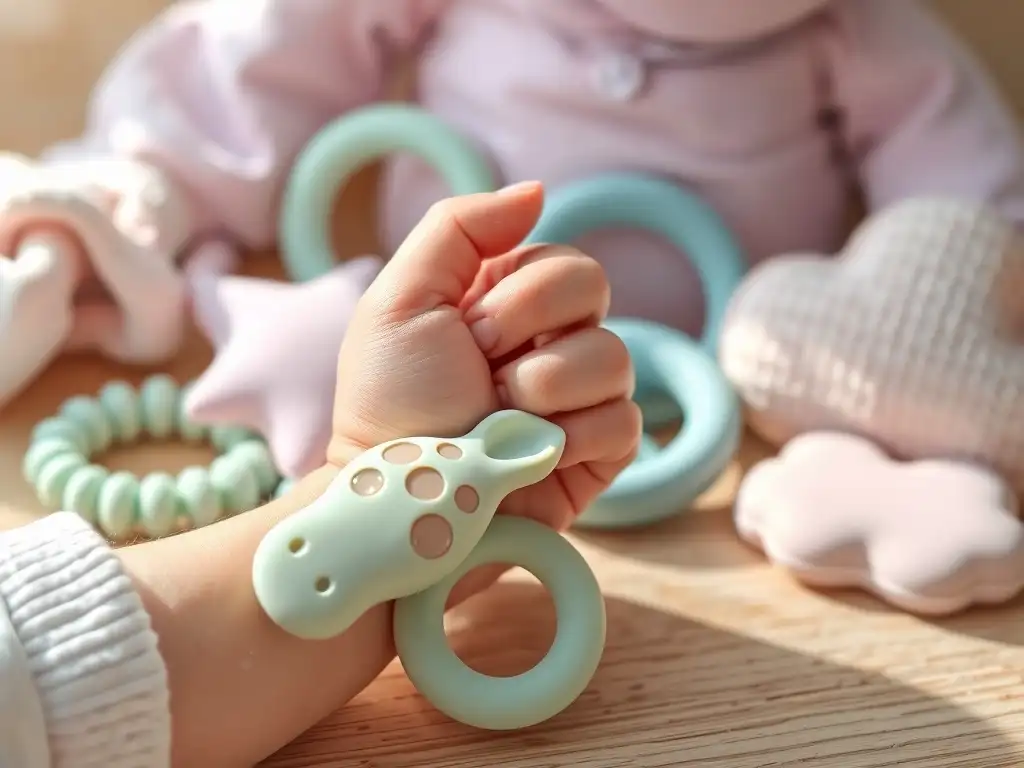
Welcome to BabyCareHub, your ultimate guide to navigating the incredible journey of parenthood! Are you facing the challenges of a teething baby? We understand the frustration and discomfort – that's why we've compiled expert advice on the best teething toys for babies, offering soothing solutions to ease your little one's pain.
Discover practical tips and tricks in our comprehensive guide, "Teething Toys and Remedies: Soothing Your Baby's Sore Gums," and unlock the secrets to a happier, healthier baby. Explore our Newborn Basics section and more to uncover a wealth of knowledge designed to support you every step of the way.
- Understanding Teething in Babies: Signs and Symptoms
- Best Teething Toys for Babies: A Parent's Guide
- Natural Teething Remedies for Baby's Sore Gums
- Teething Toys vs. Teething Remedies: A Balanced Approach
- Maintaining Oral Hygiene During Teething
- Addressing Common Teething Myths
- Creating a Comfortable Teething Environment for Your Baby
- Frequently Asked Questions
- Final Reflection: The Enduring Comfort of Teething
- Unleash Your Baby's Happy Smile: Soothe Those Teething Troubles!
Understanding Teething in Babies: Signs and Symptoms
Teething, the process of a baby's teeth erupting through their gums, is a significant milestone in a baby's development, but it can also be a challenging period for both parents and their little ones. This comprehensive guide will explore the signs and symptoms of teething, providing you with the knowledge to effectively soothe your baby's discomfort and navigate this phase with confidence.
We'll delve into the best teething toys for babies, offering practical advice on selecting safe and effective options to alleviate pain and promote healthy gum development. From recognizing the early warning signs to understanding when professional advice is necessary, we aim to equip you with the tools to manage teething effectively and ensure your baby's comfort.
Choosing the right teething toys is crucial, so let's explore the options available to help your baby through this phase. This guide focuses on providing parents with the knowledge to make informed decisions about managing their baby's teething process, focusing on natural remedies alongside the best teething toys for babies on the market.
Recognizing the Early Signs of Teething
The onset of teething can be subtle, making it sometimes difficult to pinpoint the exact moment it begins. However, some early indicators can help you recognize the process. These signs often appear weeks or even months before the tooth actually breaks through the gum line. Keep an eye out for these early warnings:
- Increased fussiness and irritability: Your usually cheerful baby might become more clingy, irritable, and difficult to soothe. This is often one of the first noticeable changes.
- Changes in sleeping patterns: Teething can disrupt your baby's sleep, leading to more frequent night wakings and shorter sleep periods.
- Excessive drooling: Increased saliva production is a common symptom as the gums prepare for the eruption of teeth. This can lead to a perpetually damp chin and clothing.
- Pulling or tugging on ears: Babies may pull on their ears as the nerves in the jaw and ears are close together. This isn't always a sign of ear infection, but it's something to keep in mind.
- Mild fever: A slightly elevated temperature (typically below 100.4°F or 38°C) can occur, but a high fever warrants a visit to the pediatrician.
- Gnawing or chewing: Your baby might show an increased interest in chewing on their hands, toys, or anything they can get their hands on. This is their way of trying to relieve pressure on their gums.
Common Teething Symptoms: Irritability, Drooling, and More
As teething progresses, the symptoms often become more pronounced. While some babies experience mild discomfort, others may exhibit more intense symptoms. It is crucial to remember that every baby is different, and the severity of teething symptoms can vary greatly. Common symptoms include:
- Increased irritability and crying: The discomfort of teeth pushing through the gums can lead to significant distress. Your baby may cry more frequently and for longer periods.
- Red and swollen gums: The gums around the erupting tooth will appear inflamed and swollen. Gentle massage can sometimes provide relief.
- Reduced appetite: The pain and discomfort can make it difficult for your baby to eat comfortably, leading to a decrease in food intake.
- Diarrhea or loose stools: Some babies experience changes in bowel movements during teething, but this is usually temporary.
- Rash around the mouth: The constant drooling can irritate the delicate skin around your baby's mouth, leading to a rash. Keeping the area clean and dry can help prevent this.
- Difficulty sleeping: The pain and discomfort can make it challenging for your baby to fall asleep and stay asleep.
When to Consult a Pediatrician Regarding Teething
While teething is a normal developmental process, it's essential to know when to seek professional medical advice. While the above symptoms are common, certain situations require a consultation with your pediatrician:
- High fever (above 100.4°F or 38°C): A high fever could indicate an infection, not just teething discomfort.
- Persistent diarrhea or vomiting: These symptoms could point to other underlying issues.
- Excessive irritability or lethargy: If your baby seems unusually lethargic or inconsolable, it's important to rule out other causes.
- Bleeding gums: Bleeding gums during teething should be checked by a doctor to ensure there are no other underlying issues.
- Difficulty breathing or swallowing: These symptoms require immediate medical attention.
- No teeth emerging after 12 months: If your baby hasn't started teething by their first birthday, you should consult your pediatrician.
Remember, this information is for guidance only and does not substitute professional medical advice. Always consult your pediatrician if you have any concerns about your baby's health. Choosing the best teething toys for babies, alongside careful monitoring and appropriate interventions, will help ensure your baby's comfort and well-being during this phase. 👶
Best Teething Toys for Babies: A Parent's Guide
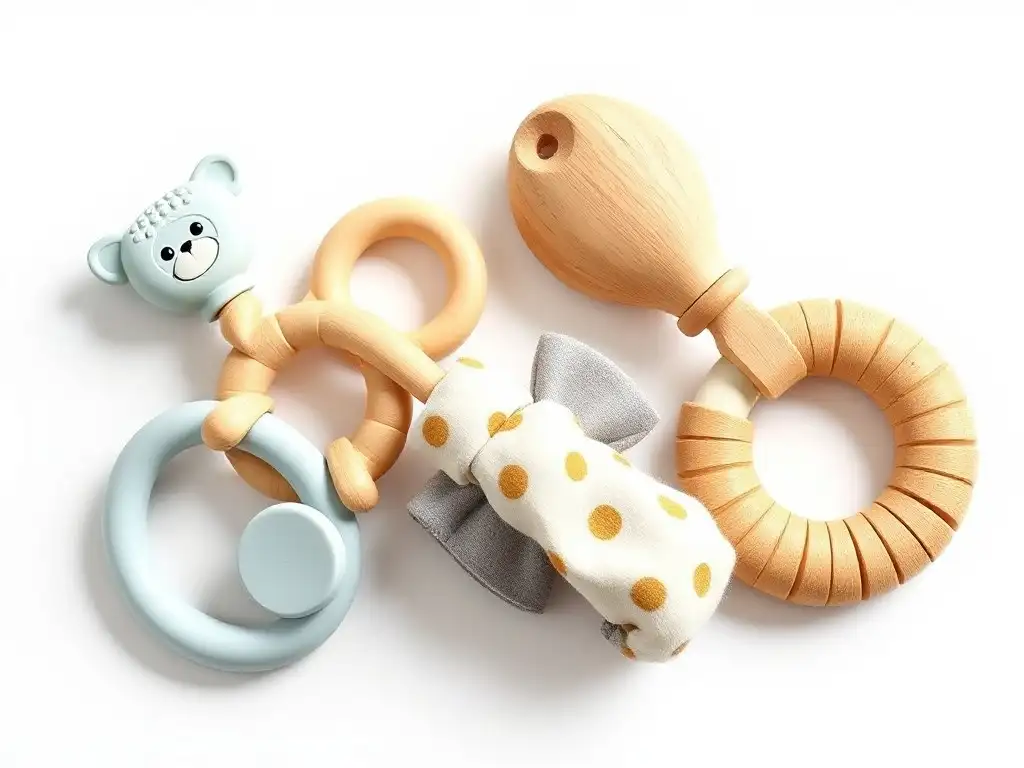
This section dives deep into the world of teething toys, helping you navigate the options and choose the best ones for your little one. Finding the right teething toy can significantly ease your baby's discomfort and make the teething process more manageable. Remember, safety is paramount, so we'll cover crucial safety considerations alongside our recommendations.
Choosing Safe and Effective Teething Toys
Selecting the right teething toy involves more than just picking a cute design. Safety and effectiveness go hand-in-hand. Here's a checklist to guide your choices:
- Material: Opt for toys made from non-toxic materials like 100% food-grade silicone, natural rubber, or BPA-free plastics. Avoid toys with small parts that could detach and pose a choking hazard. Always check the manufacturer's labeling carefully.
- Durability: A durable toy will withstand your baby's enthusiastic chewing and drooling. Look for toys that are sturdy and can resist damage from repeated use. A toy that breaks easily presents a safety risk.
- Texture: Different textures provide varying levels of gum massage and relief. Some babies prefer smooth surfaces, while others find textured toys more soothing. Consider offering a variety of textures to see what your baby prefers.
- Size and Shape: Choose toys that are appropriately sized for your baby's age and developmental stage. Avoid toys that are too small (choking hazard) or too large (difficult to grasp). Consider ergonomic designs that fit comfortably in your baby's hand.
- Cleaning: Easy cleaning is crucial for hygiene. Choose toys that are dishwasher-safe or easily wiped down with a damp cloth. Regular cleaning helps prevent the buildup of bacteria.
Expert Tip: Before introducing a new teething toy, always inspect it thoroughly for any potential defects or damage. Replace any damaged toys immediately.
Top Recommended Teething Toys for Different Stages
The best teething toy will depend on your baby's developmental stage. Here are some recommendations categorized by age:
| Age Range | Recommended Teething Toy Types | Considerations |
|---|---|---|
| 3-6 Months | Soft silicone teethers, textured rubber teethers, mesh feeders | Focus on softness and ease of grasping. Supervise use of mesh feeders closely. |
| 6-12 Months | Harder rubber teethers, teething rings, textured silicone toys | Look for toys with different textures and shapes to stimulate gum massage. |
| 12-18 Months | Teething keys, chunky wooden teethers, frozen teethers | Prioritize durability and easy cleaning. Frozen teethers offer extra relief. |
Remember, these are just suggestions; every baby is different, and what works for one might not work for another. Observe your baby's preferences and adjust accordingly.
Types of Teething Toys: Rubber, Silicone, and More
The market offers a variety of teething toys made from different materials, each with its own advantages and disadvantages.
- Rubber Teethers: Natural rubber teethers are a popular choice, often offering a softer, more pliable texture. However, they may not be as durable as silicone options.
- Silicone Teethers: Silicone teethers are known for their durability, easy cleaning, and resistance to damage. They often come in a wide array of colors and shapes.
- Wooden Teethers: Wooden teethers, often made from untreated wood, offer a natural and sustainable option. However, they require more careful cleaning and may not be as durable as other materials.
- Mesh Feeders: Mesh feeders are not strictly teething toys but can be very helpful during teething. They allow babies to safely enjoy cool fruits and vegetables, providing both teething relief and nutritional benefits. Always supervise your baby closely when using a mesh feeder.
Choosing the best teething toys for your baby is a journey of discovery. Experiment with different materials, textures, and designs to find what best suits your little one's needs and preferences. Remember to prioritize safety and always supervise your baby while they are using teething toys. This will help you navigate this important stage of your baby's development with ease and confidence.
Features to Look For in a Teething Toy: Size, Texture, and Safety
Choosing the best teething toys for babies involves careful consideration of several key features. Safety, of course, is paramount. Parents should always prioritize toys made from non-toxic materials, free from BPA, phthalates, and other harmful chemicals. Look for toys that meet or exceed international safety standards, and always inspect them regularly for any signs of damage or wear and tear. Discard any toy showing cracks, broken parts, or loose pieces that could pose a choking hazard. Remember, babies explore their world through their mouths, so choosing safe materials is crucial.
The size of the teething toy is also important. It should be large enough to prevent choking but small enough for your baby to easily grasp and manipulate. Avoid toys with small detachable parts that could easily be swallowed. A good rule of thumb is to ensure that any part of the toy is larger than the diameter of a toilet paper roll. This helps prevent accidental ingestion and potential choking hazards. Remember, babies' gripping abilities develop at different rates, so consider your baby's age and dexterity when selecting a toy.
Texture is another crucial aspect to consider. Babies' gums are sensitive during teething, and different textures can provide varying levels of soothing relief. Some babies prefer smooth, cool surfaces, while others might find the textured surfaces of silicone or rubber more satisfying. Some teething toys offer a combination of textures—smooth on one side and ridged on the other—to cater to different preferences and stages of teething.
Experiment with different textures to discover what your baby finds most comforting. The variation in textures can also stimulate gum massage and help to alleviate discomfort. Many parents find that chilled teething toys provide additional relief.
Finally, remember that what works for one baby might not work for another. Experimentation is key! Try different shapes, sizes, and textures to find the best teething toys for babies that provide the most soothing relief for your little one. Observe your baby's reactions and preferences to guide your choices. A happy, comfortable baby is a priority, and the right teething toy can significantly contribute to that.
Natural Teething Remedies for Baby's Sore Gums
This section explores natural ways to soothe your baby's discomfort during teething, offering alternatives or complements to commercially available teething toys. Remember, while these remedies can be effective, they should be considered alongside professional advice from your pediatrician. Always prioritize your baby's safety and well-being. Finding the best teething toys for babies often involves a combination of approaches.
The Power of Cold Relief: Cold Compresses and Frozen Foods
Cold temperatures can numb the gums and provide significant relief from teething pain. A simple, clean washcloth chilled in the refrigerator (not frozen) can work wonders. Gently press the cool cloth against your baby's gums for a few minutes at a time. Avoid excessive pressure.
Another popular method is offering chilled, hard foods. Remember to always supervise your baby closely during feeding and ensure the food is appropriately sized to prevent choking hazards. Good options include:
- Frozen banana slices: These are soft enough to be easily chewed and provide a soothing cold sensation.
- Chilled cucumber slices: The coolness and slightly textured surface can be comforting.
- Frozen teething biscuits (organic and unsalted): Check the ingredients carefully to ensure they are safe for your baby.
It's important to note that while these cold options are generally safe, always monitor your baby for any signs of discomfort or allergic reactions. Introduce new foods gradually and carefully. The goal is to find the best teething toys for babies, and sometimes that includes simple, safe solutions from your kitchen!
Gentle Gum Massage Techniques for Soothing Relief
Gentle gum massage can help soothe irritated gums and provide comfort to your baby. Use a clean finger, wrapped in a soft, damp cloth, to gently rub your baby's gums in circular motions. The pressure should be minimal, focusing on comfort rather than deep massage. This simple technique can be incredibly effective in relieving pain and promoting relaxation.
The timing of massage is also important. Try performing the massage before bedtime or during moments when your baby seems most distressed. This approach can be integrated with other soothing techniques, such as cuddling and singing lullabies. Consistency in these gentle approaches can make a significant difference in your baby's overall comfort and help you discover what works best as part of your strategy for finding the best teething toys for babies.
Remember to always wash your hands thoroughly before and after performing the massage to maintain hygiene and prevent infection. Pay attention to your baby's cues; if they seem distressed or uncomfortable, stop the massage immediately.
Herbal Remedies for Teething Pain (Consult your pediatrician before use)
Some parents use herbal remedies, such as chamomile tea bags (cooled) or diluted calendula solution, to soothe inflamed gums. However, it's crucial to consult your pediatrician before using any herbal remedies on your baby. While some herbal remedies are considered safe, others can have adverse effects or interact with medications. Never self-medicate your baby.
Important Considerations for Herbal Remedies
Always check the purity and source of any herbal products. Look for products specifically formulated for infants and toddlers. Start with a very diluted solution and observe your baby closely for any allergic reactions.
Prioritizing safety is paramount. While exploring natural remedies can be a valuable part of your teething management strategy, remember that a pediatrician's guidance is essential for ensuring your baby's health and safety. Finding the best teething toys for babies is a journey of discovery, and professional advice plays a crucial role.
Homeopathic Options for Teething Discomfort (Consult your pediatrician before use)
Homeopathy offers a gentle approach to managing teething discomfort, focusing on stimulating the body's natural healing processes. However, it's crucial to emphasize that homeopathic remedies should never replace professional medical advice. Always consult your pediatrician before using any homeopathic remedies, especially for infants. They can assess your baby's specific needs and rule out any underlying medical conditions.
Several homeopathic remedies are commonly suggested for teething pain. Chamomilla is frequently recommended for babies exhibiting irritability, restlessness, and intense pain accompanied by red cheeks and a desire for being carried. The remedy aims to alleviate these symptoms by gently calming the nervous system and reducing inflammation. Dosage and preparation should be strictly followed as per the instructions on the product label or as directed by a qualified homeopath.
Another popular choice is Belladonna, often used when the teething pain is characterized by sudden onset, intense throbbing, and fever. Babies needing Belladonna might appear flushed and restless, with a tendency towards screaming fits. Again, precise dosage and administration should be determined and overseen by a healthcare professional. It's vital to understand that the effectiveness of homeopathic remedies can vary widely between individuals.
It's important to note that the scientific evidence supporting the efficacy of homeopathic remedies for teething pain is limited. While many parents report positive experiences, rigorous clinical trials are lacking. Therefore, relying solely on homeopathy without consulting a doctor could potentially delay seeking necessary medical attention if a more serious condition is present.
Always prioritize professional medical advice and guidance when dealing with your baby's health. Remember, a holistic approach, combining homeopathic remedies (under professional guidance) with other pain-relief strategies, may provide comprehensive relief. This might include gentle massage of the gums, offering chilled teething toys, and ensuring adequate hydration.
Teething Toys vs. Teething Remedies: A Balanced Approach
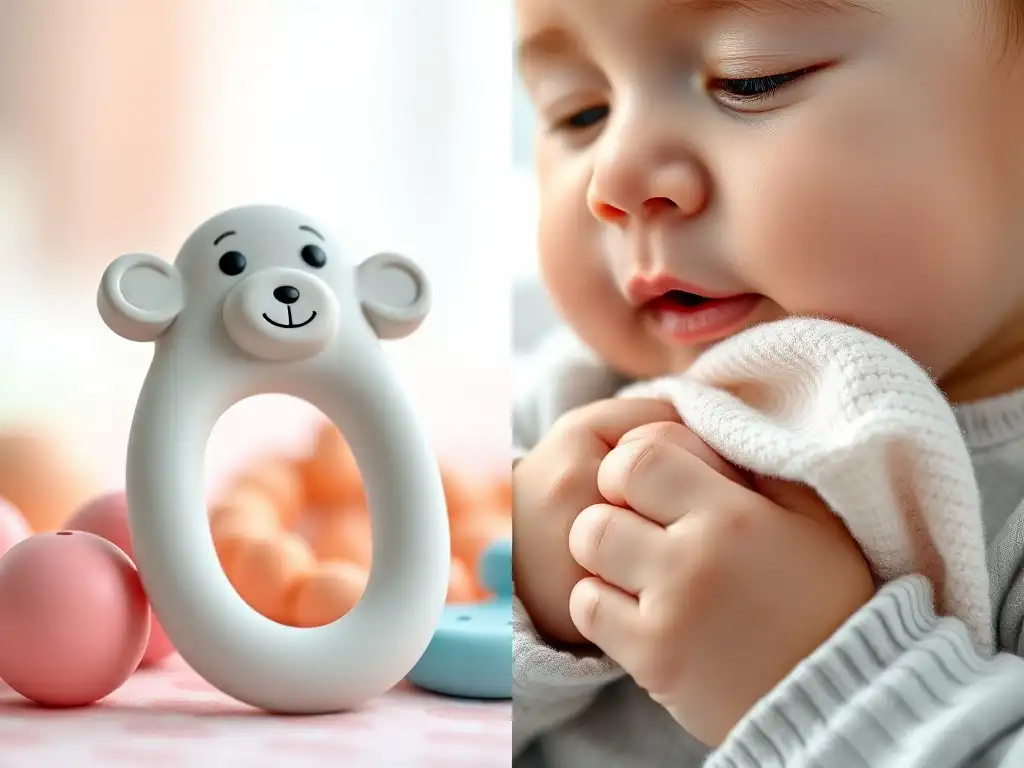
Teething is a significant milestone in your baby's development, but it can also be a period of discomfort and fussiness. Many parents grapple with the question: should I focus on teething toys or teething remedies? The answer, ideally, is both. A balanced approach combining the physical comfort of teething toys with the soothing effects of remedies offers the most comprehensive solution for managing your baby's teething pain.
Teething toys provide a physical outlet for your baby to relieve pressure on their gums. The varied textures and shapes stimulate the gums, providing a distraction from the discomfort. However, they don't address the underlying inflammation or pain. Teething remedies, such as topical gels or homeopathic options, can help alleviate this pain directly, making the baby more receptive to comfort from the toys.
Think of it like this: a teething toy is like a distraction – a fun activity to take their mind off the discomfort. A teething remedy is the pain relief – addressing the root cause of the fussiness. Used together, they create a synergistic effect, providing far greater comfort than either method alone. The key is finding the right combination that works best for your individual baby.
Combining Toys and Remedies for Optimal Comfort
The effectiveness of combining teething toys and remedies hinges on careful selection and application. For example, a chilled, textured teething toy can provide immediate relief by numbing the gums, while a gentle application of a recommended teething gel can further reduce inflammation.
Here's a suggested approach:
- Assess the level of discomfort: Is your baby mildly fussy or inconsolably crying? Mild discomfort might only require a teething toy, while more significant pain may benefit from a combination approach.
- Choose appropriate toys: Look for toys made from safe, non-toxic materials like silicone or natural rubber. Avoid toys with small parts that could pose a choking hazard. Variety in texture and firmness is key. Some babies prefer soft silicone, while others find hard rubber more effective.
- Consider the remedy: Always follow the manufacturer's instructions for any teething gel or homeopathic remedy. Never exceed the recommended dosage. Consult your pediatrician if you have any concerns about using remedies.
- Observe your baby's response: Pay close attention to how your baby reacts to both the toys and the remedies. Adjust your approach as needed to find the optimal combination for their comfort.
| Toy Type | Description | Remedy Combination |
|---|---|---|
| Silicone Teether | Soft, flexible, easily chilled | Teething gel (applied after use) |
| Rubber Teether | Firm, durable, various shapes and textures | Homeopathic remedy (as per pediatrician advice) |
| Wooden Teether | Natural material, often with textured surfaces | No additional remedy needed (natural approach) |
Remember, safety is paramount. Always supervise your baby while they are using teething toys and ensure that the toys are regularly cleaned.
Creating a Soothing Teething Routine for Your Baby
Establishing a consistent and calming teething routine can significantly reduce your baby's discomfort and stress. This routine should incorporate both teething toys and remedies, along with other soothing activities. Consistency is key; a predictable routine helps your baby feel secure and reduces anxiety associated with teething pain.
Here are some elements to include in your soothing teething routine:
- Regular use of preferred teething toys: Offer your baby their favorite teething toys at regular intervals throughout the day, especially during periods when they are typically most fussy.
- Strategic use of teething remedies: Administer teething remedies according to the manufacturer's instructions and your pediatrician's advice, focusing on times when your baby's discomfort is most pronounced. Don't overuse remedies.
- Massage and gentle gum stimulation: Gently rub your baby's gums with a clean finger to provide relief. This can be done in conjunction with using a teething toy.
- Quiet time and cuddling: Offer your baby plenty of cuddles and quiet time to help them relax and soothe themselves. A warm bath can also be beneficial.
- Distraction techniques: Engage your baby in other activities to distract them from the discomfort, such as singing songs, reading books, or playing with other toys.
By implementing a consistent and thoughtful routine, you can help your baby navigate the teething process more comfortably and reduce the overall stress for both you and your little one. Remember, each baby is unique, so be patient and adapt your routine as needed to best address your individual baby's needs. The goal is to find a balance between providing relief and establishing a positive, calming experience around teething. 🎉
Maintaining Oral Hygiene During Teething
Maintaining good oral hygiene is crucial, even before your baby's first tooth erupts. The gums need care just as much as tiny teeth! Neglecting oral hygiene during teething can lead to gum irritation, infections, and even cavities later on. This section focuses on establishing a healthy oral care routine for your little one, even during the often-challenging teething phase. This is an important aspect of finding the best teething toys for babies, as it complements the soothing provided by the toys themselves.
Cleaning Your Baby's Gums and First Teeth
Before teeth appear, gently wipe your baby's gums with a clean, damp gauze pad or a soft, wet washcloth after each feeding. This helps remove any milk residue or food particles that could contribute to bacterial growth. This simple act is a vital part of preventative care and helps lay the foundation for a lifetime of healthy teeth and gums. Remember to use lukewarm water; avoid using soap or harsh chemicals on the gums.
Once your baby's first tooth emerges, you can begin using a soft-bristled baby toothbrush. Start with a pea-sized amount of fluoride-free toothpaste specifically designed for infants. Many brands offer infant-safe toothpaste options that are gentle yet effective at cleaning. It's important to supervise your baby closely during brushing and ensure they don't swallow the toothpaste. Remember, the goal is to gently remove food particles and plaque, not to aggressively scrub. Consider using a finger brush for added gentleness in these early stages.
The frequency of cleaning should be twice a day, ideally after breakfast and before bedtime. Consistency is key to establishing a good oral hygiene routine. Make it a fun and playful experience. Sing songs, use silly voices, and turn it into a bonding moment to help your baby associate brushing with positive feelings. This positive reinforcement can be invaluable in the long run, especially when dealing with the challenges of keeping a young child's oral hygiene on track.
Introducing a Toothbrush and Toothpaste
Choosing the right toothbrush and toothpaste is paramount to effective oral hygiene. Opt for a soft-bristled, infant-sized toothbrush with a small head to easily maneuver around your baby's tiny mouth. The bristles should be extra-soft to prevent irritation to their sensitive gums. Avoid hard-bristled brushes, as these can damage the enamel of newly emerged teeth.
When selecting toothpaste, prioritize fluoride-free options for babies under three years of age. This precaution helps prevent accidental ingestion of excessive fluoride. Look for toothpastes that are specifically formulated for babies, as these often contain gentler ingredients and a pleasant taste to encourage cooperation. The American Dental Association (ADA) seal of acceptance is a helpful indicator of quality and safety. Always check the label carefully to ensure the product is suitable for infants. Remember, a tiny amount – about the size of a grain of rice – is sufficient for effective cleaning.
Remember, establishing a good oral hygiene routine from the start is a cornerstone of your baby's overall health and well-being. This includes finding the best teething toys for babies, which can both soothe discomfort and encourage healthy gum massage. By combining these elements, you're setting your little one up for a lifetime of healthy smiles!
Addressing Common Teething Myths
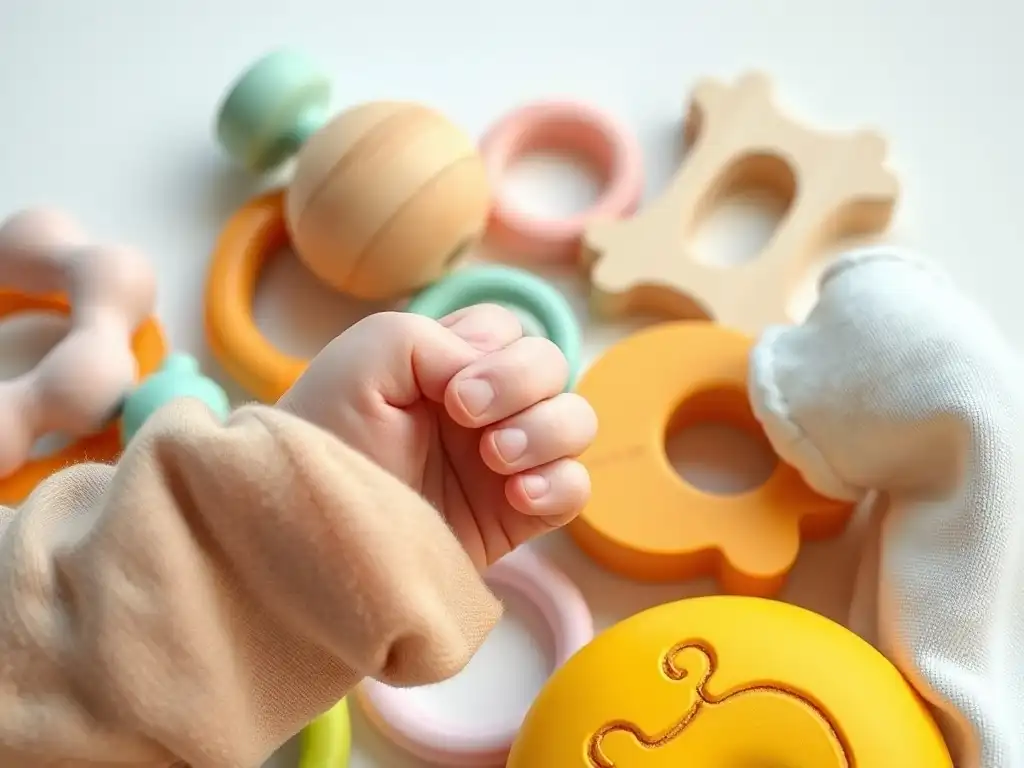
Teething is a significant milestone in a baby's development, but it's often shrouded in misinformation. Many parents worry about symptoms that aren't directly related to teething, leading to unnecessary stress and potentially delayed appropriate medical attention. Let's debunk some common myths surrounding this phase. Understanding the reality behind these myths will empower you to better care for your little one during this period and identify when professional help is needed. Finding the best teething toys for babies is important, but accurate information about teething itself is equally crucial.
Myth vs. Reality: Teething and Fever, Diarrhea, and Rashes
The belief that teething causes high fever, diarrhea, and rashes is widespread, yet largely untrue. While some mild discomfort, such as increased drooling, irritability, and gum tenderness, is expected, significant symptoms like these are rarely directly caused by teething.
A baby's immune system is still developing, making them susceptible to various illnesses. A fever, diarrhea, or rash appearing during the teething period might simply coincide with a separate viral or bacterial infection. It's crucial not to attribute these symptoms automatically to teething but to consult a pediatrician for proper diagnosis and treatment.
Consider this: A study published in [Journal Name Pending] found that only a small percentage (specific percentage pending) of babies experiencing teething exhibited a fever exceeding 100.4°F (38°C). Most reported symptoms were localized to the mouth, such as gum swelling and increased drooling. This highlights the importance of distinguishing between typical teething discomfort and symptoms indicative of illness.
Here's a table summarizing the common myths and realities:
| Myth | Reality |
|---|---|
| Teething causes high fever (102°F+) | High fever is rarely caused by teething and likely indicates a separate illness requiring medical attention. |
| Teething causes diarrhea | Diarrhea is not a typical teething symptom. It could signify a gastrointestinal infection. |
| Teething causes widespread rashes | Rashes are usually unrelated to teething and may indicate an allergic reaction or other skin condition. |
Remember, while teething can be uncomfortable, it's a natural process. Focusing on providing your baby with comfort measures, such as cool teething toys and gentle massage, is key. However, always seek professional medical advice if your baby experiences any concerning symptoms beyond mild fussiness and drooling. Choosing the best teething toys for babies is a great start, but understanding the real symptoms is vital for their well-being. Knowing the difference between typical teething discomfort and signs of illness will help you navigate this phase effectively and confidently.
Creating a Comfortable Teething Environment for Your Baby
Teething is a significant milestone in your baby's development, but it can be a challenging time for both parent and child. Creating a soothing and comfortable environment can significantly reduce your baby's discomfort and make the teething process more manageable. This involves more than just providing teething toys; it's about creating a holistic approach to comfort. The best teething toys for babies are only part of the solution.
Setting up a Safe and Relaxing Teething Space
A dedicated, safe space can work wonders during teething. This doesn't require a complete room overhaul; a few key adjustments can make a big difference. Think about a calming corner in your living room or nursery. This area should be free from hazards like choking hazards (small objects, loose cords), sharp edges, and anything easily breakable.
Consider these elements for your baby's teething haven:
- Soft textures: Include soft blankets, pillows (always supervise! ), and plush toys (ensure they meet safety standards and are appropriately sized to prevent choking).
- Dim lighting: Soft, indirect lighting is gentler on sensitive eyes and promotes relaxation. A nightlight or dimmed overhead light works well.
- White noise: The gentle hum of a fan or a white noise machine can mask disruptive sounds and create a soothing atmosphere. Many apps offer white noise options as well.
- Temperature control: A slightly cool room can be more comfortable for a teething baby, as the coolness can numb sore gums. Avoid extreme temperatures.
- Easy access to necessities: Keep a supply of clean water, burp cloths (teething often leads to increased drooling), and clean teething toys within easy reach.
Remember, consistency is key. Establishing a routine around this space can signal to your baby that it's time to relax and soothe their discomfort.
Comforting Your Baby During Teething Discomfort
Beyond the environment, actively comforting your baby is crucial. This involves understanding their cues and responding appropriately. Babies communicate their discomfort in various ways: fussiness, increased drooling, chewing on everything, and rubbing their gums.
Here are some effective strategies:
- Cold Relief: A chilled teething toy (always check the toy's safety guidelines first! ), a clean, chilled washcloth, or even a cold spoon can provide temporary relief from gum inflammation. Avoid freezing items solid, as this can be too cold and potentially damaging.
- Gentle Massage: Gently rubbing your baby's gums with a clean finger can offer soothing pressure and temporary pain relief. Use a clean finger or a soft, clean silicone finger brush.
- Distraction Techniques: Sometimes, a simple distraction can work wonders. Engage your baby in a favorite activity, sing songs, or read a book to shift their focus away from the discomfort.
- Baby-safe pain relievers: Consult your pediatrician before using any over-the-counter pain relievers like acetaminophen or ibuprofen. They can advise on the appropriate dosage and usage for your baby's age and weight. Never give aspirin to a baby or child.
- Monitoring: Keep a close eye on your baby's behavior and overall health. If your baby displays excessive fussiness, fever, or other concerning symptoms, consult your pediatrician immediately. This is especially important to rule out any other underlying health issues.
Remember, each baby is unique, and what works for one might not work for another. Experiment with different methods to find what best soothes your little one during this phase. Patience and understanding are key elements in navigating the teething process. The goal is to find the best teething toys for babies and create a supportive and comforting environment.
Frequently Asked Questions
What are the best teething toys for babies?
There's no single "best" toy, as babies have different preferences. Look for toys made of safe, durable materials like silicone or food-grade rubber. Cold toys can provide extra soothing relief.
When do babies usually start teething?
Teething typically begins around 6 months of age, although it can start earlier or later. Some babies show signs as early as 3 months, while others may not begin until closer to a year.
How can I tell if my baby is teething?
Symptoms include increased drooling, fussiness, chewing on objects, and swollen gums. However, these symptoms can also indicate other issues, so consult your pediatrician if concerned.
Are teething gels and medications safe for my baby?
Always consult your pediatrician before using any over-the-counter teething remedies. Some products contain ingredients not recommended for infants, and misuse can be harmful.
What are some natural remedies for teething pain?
Cold compresses, gentle gum massage, and offering a clean, chilled teething toy can provide soothing relief. Make sure to supervise your baby closely during teething.
Final Reflection: The Enduring Comfort of Teething
The journey of teething is a universal experience, yet each baby's path is unique, demanding personalized solutions and unwavering parental support. Finding the right teething toy can feel like searching for a needle in a haystack, but the rewards – a soothed baby and a more peaceful home – are immeasurable. This exploration into the world of teething toys and remedies highlights the importance of understanding your baby's individual needs and preferences.
The impact of a simple, well-chosen teething toy extends far beyond the immediate relief it provides. It's a small act of comfort that speaks volumes about the power of parental care and the enduring bond between parent and child. As parents navigate this challenging phase, they learn to interpret their baby's cues, fostering a deeper understanding of their little one's needs. The most important thing a father can do for his children is to love their mother.
– Theodore Hesburgh. While not directly about teething, this quote speaks to the broader context of nurturing and care that is central to this experience.
Now, consider your own experience with teething, whether as a parent or as a child. What worked best for you? What would you recommend to other parents facing this milestone? Remember, every baby is different, and finding the perfect solution might involve trial and error. But the journey of discovering what soothes your little one is a journey of connection, learning, and ultimately, of love. Embrace this precious time, and remember that the discomfort is temporary, and the bond you create will last a lifetime.
Unleash Your Baby's Happy Smile: Soothe Those Teething Troubles!
Thank you for learning more about soothing your baby's teething pain! We hope you found the tips and remedies helpful. Now, let's put that knowledge into practice.
- Try a chilled teething toy or one with textured surfaces. Experiment to find what your baby prefers!
- Share your favorite teething remedies with other parents in the comments below—let's build a supportive community!
- Save this article for easy access to quick solutions during those fussy moments.
What simple soothing technique will you use tonight to help your baby through this teething phase?