
Adaptive Equipment for Babies with Special Needs: Resources and Options

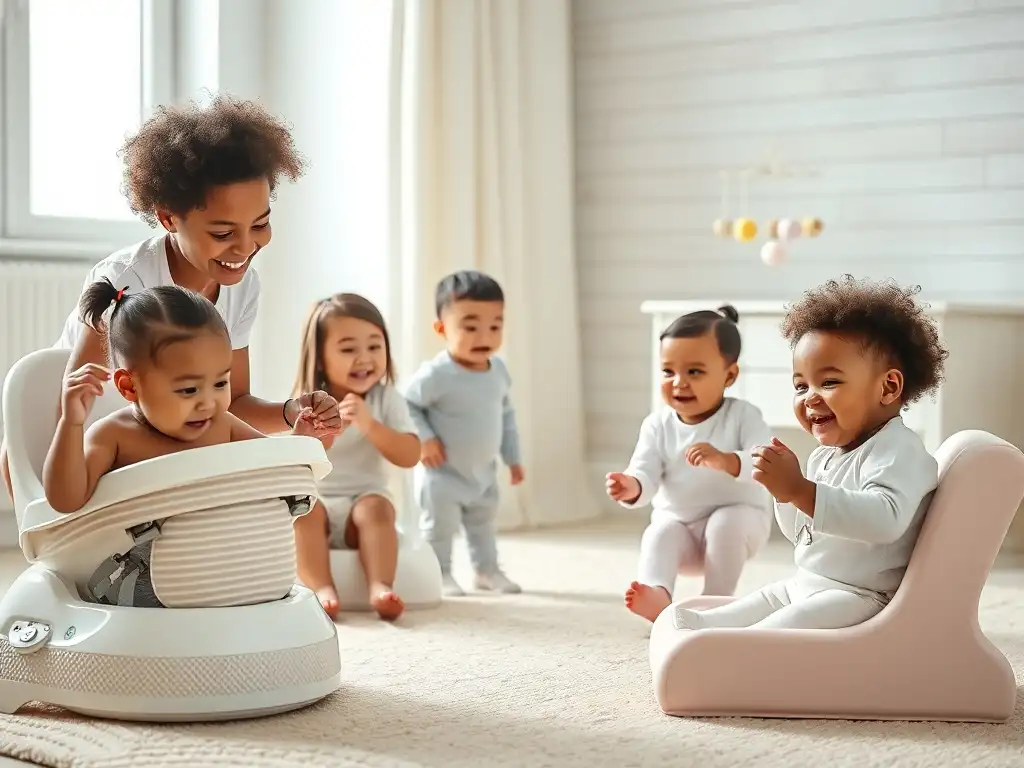
Welcome to BabyCareHub, your ultimate guide to navigating the incredible journey of parenthood. Are you a first-time parent seeking reliable information and support? Then you've come to the right place! We're dedicated to providing comprehensive, step-by-step guidance on all aspects of baby care. But what happens when your little one has unique needs? Discover our Special needs baby equipment guide, a crucial resource offering insights and options to help you provide the best possible care for your child. Explore the wealth of knowledge available here and embark on this parenting adventure with confidence.
- Understanding Your Special Needs Baby's Equipment Needs
- Special Needs Baby Equipment Guide: Key Categories
- Resources and Support for Finding Adaptive Equipment
- Financial Assistance Programs for Special Needs Baby Equipment
- Maintaining and Cleaning Adaptive Equipment
- Long-Term Planning for Adaptive Equipment Needs
-
Frequently Asked Questions
- What kind of adaptive equipment is available for babies with special needs?
- Where can I find adaptive equipment for my baby?
- How do I choose the right adaptive equipment for my baby?
- Is adaptive equipment covered by insurance?
- How can I learn more about adaptive equipment for babies with special needs?
- Final Reflection: Empowering Futures Through Adaptive Equipment
- Empower Your Little One: Take the Next Step Towards Comfort and Growth
Understanding Your Special Needs Baby's Equipment Needs
Navigating the world of parenthood is a joyous yet challenging journey. For parents of babies with special needs, this journey often requires additional preparation and resourcefulness. This guide provides a comprehensive overview of adaptive equipment designed to support the unique needs of your little one, empowering you to create a safe, comfortable, and stimulating environment.
Finding the right equipment can significantly improve your baby's quality of life and ease the challenges you may face. We will explore various types of adaptive equipment, focusing on how to assess your baby's individual needs and match them with the appropriate resources and solutions. This "Special needs baby equipment guide" is designed to help you understand the available options and make informed decisions to best support your child's development and well-being.
Remember, every baby is unique, and the right equipment is crucial for their comfort and progress. We'll delve into common challenges faced by parents and explore practical solutions to address them effectively.
Assessing Individual Needs: A Personalized Approach to Adaptive Equipment
Choosing the right adaptive equipment for your baby with special needs requires a personalized approach. There's no one-size-fits-all solution. The process begins with a thorough assessment of your baby's specific needs and capabilities. This assessment should ideally involve a team of professionals, including your pediatrician, a physical therapist, an occupational therapist, and potentially other specialists depending on your baby's diagnosis.
Consider these key factors when assessing your baby's needs:
- Mobility: Does your baby have difficulty moving, sitting, or standing? This will influence the need for items like specialized strollers, car seats, or positioning aids.
- Feeding: Does your baby require specialized feeding equipment, such as a feeding tube or adapted bottles?
- Sensory sensitivities: Is your baby overly sensitive to light, sound, or touch? Adaptive equipment might include calming swings, noise-reducing headphones, or weighted blankets.
- Respiratory support: Does your baby require respiratory assistance? This might necessitate the use of a ventilator or other respiratory support equipment.
- Communication: Does your baby have difficulty communicating their needs? Augmentative and alternative communication (AAC) devices may be beneficial.
Remember to meticulously document your findings and share them with the healthcare professionals involved in your baby's care. This collaborative approach ensures a comprehensive understanding of your baby's requirements and facilitates the selection of the most appropriate equipment. Open communication with your healthcare team is crucial throughout this process. Regular evaluations will help you monitor your baby's progress and adjust equipment as needed. The goal is to create a supportive environment that promotes your baby's development and overall well-being.
Common Challenges & Corresponding Equipment Solutions
Many parents of babies with special needs face common challenges that can be significantly eased with the right equipment. Let's explore some of these challenges and the corresponding solutions available:
| Challenge | Equipment Solution | Additional Considerations |
|---|---|---|
| Difficulty Feeding | Specialized bottles, feeding tubes, adaptive spoons | Consult a feeding therapist for personalized recommendations. |
| Difficulty Sleeping | Wedge pillows, inclined sleepers, calming swings | Consider the baby's positioning needs and potential risks. |
| Limited Mobility | Adapted strollers, wheelchairs, walkers, positioning aids | Ensure proper safety measures and appropriate fit. |
| Sensory Overload/Understimulation | Calming swings, weighted blankets, sensory toys, noise-reducing headphones | Consult an occupational therapist for sensory integration strategies. |
| Difficulty with Temperature Regulation | Temperature-controlled clothing, blankets, or incubators | Monitor the baby's temperature closely. |
| Respiratory Issues | Nebulizers, oxygen concentrators, suction machines | Ensure proper training and supervision for equipment use. |
This table provides a starting point. The specific equipment needed will vary greatly depending on your baby's individual needs and diagnosis. Remember, seeking professional guidance is crucial for choosing the right equipment and ensuring its safe and effective use. The journey of parenthood with a special needs baby is unique, and having the right support and resources can make a world of difference. Your dedication and proactive approach will contribute significantly to your child's development and overall well-being.
Special Needs Baby Equipment Guide: Key Categories
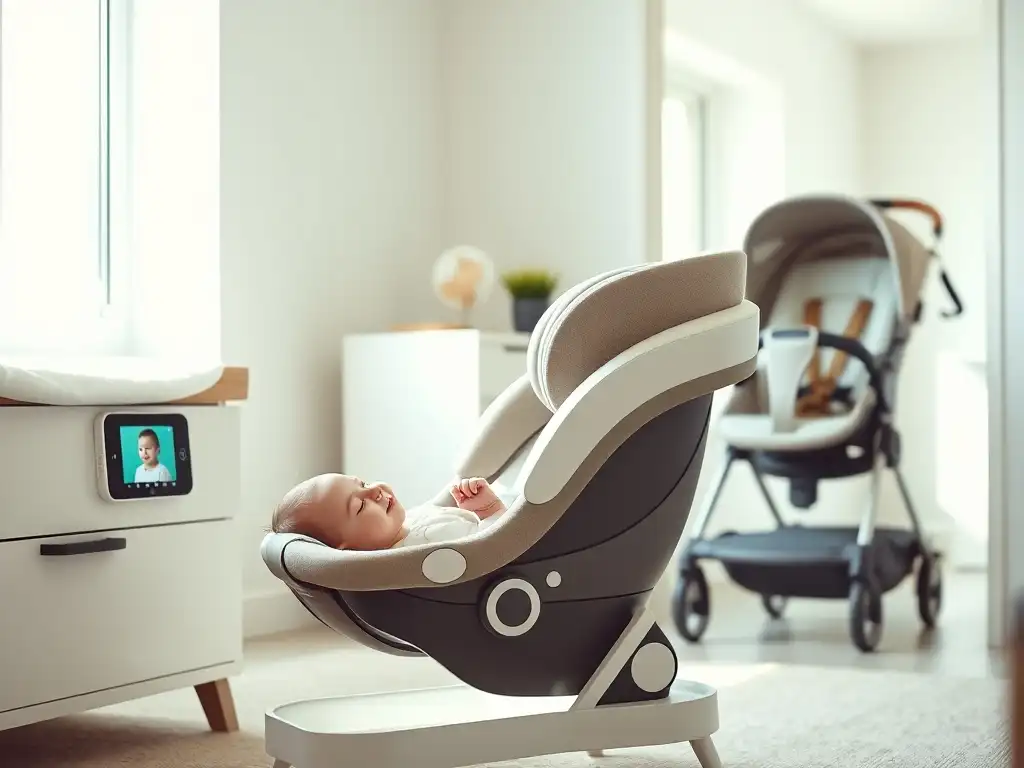
This section provides a comprehensive overview of essential equipment categories for babies with special needs. Navigating the world of adaptive baby equipment can feel overwhelming, but understanding the key categories can simplify the process. This guide focuses on providing parents with a clearer understanding of available options, empowering them to make informed decisions based on their baby's unique requirements. Remember, always consult with your pediatrician or a specialist for personalized recommendations tailored to your child's specific needs. This information is for general guidance and should not replace professional medical advice.
Feeding Equipment for Babies with Special Needs: Bottles, Cups, and More
Feeding a baby with special needs often requires specialized equipment to ensure proper nutrition and development. The right tools can significantly improve mealtimes, making them less stressful for both the baby and the caregiver. The market offers a wide variety of adaptive feeding solutions designed to address diverse challenges.
Specialized Bottles for Different Feeding Challenges
Many babies with special needs experience difficulties with traditional bottle feeding. These challenges can include low muscle tone, difficulty coordinating sucking and swallowing, or reflux. Specialized bottles address these issues through innovative designs. For example, bottles with different nipple flows cater to varying sucking abilities, while angled bottles can help with reflux. Some bottles feature weighted bases for better stability and easier handling.
Selecting the right bottle often involves trial and error; understanding your baby’s specific feeding challenges will guide you towards the most appropriate option. Consider factors like nipple material (silicone, latex, etc. ), nipple shape (orthodontic, preemie, etc. ), and bottle size when making your selection. A feeding specialist or lactation consultant can offer invaluable assistance in this process.
Adaptive Cups and Sippy Cups for Easier Drinking
Transitioning from bottle to cup can be a significant milestone, but it can present unique challenges for babies with special needs. Adaptive cups and sippy cups are designed to make this transition smoother and more successful. These cups often feature specialized spouts, handles, or weighted bases to improve stability and control. Some cups have valves to prevent spills and reduce frustration for both the baby and caregiver.
The choice of cup will depend on the child's developmental stage and motor skills. Consider cups with different spout types (soft, hard, angled), handle styles (built-in, removable), and spill-proof mechanisms. Look for cups that are easy to clean and sterilize, as hygiene is paramount.
Mobility and Positioning Equipment: Supporting Development
Supporting a baby's development, especially when facing mobility challenges, is crucial. A wide range of adaptive equipment is available to aid in positioning and movement, promoting comfort, safety, and optimal growth.
Car Seats and Strollers Designed for Special Needs
Safe transportation is paramount. Specialized car seats and strollers accommodate babies with diverse needs, including those with limited head control, respiratory issues, or other medical conditions. These products often incorporate features like additional support systems, adjustable harnesses, and specialized padding. When choosing these items, ensure they comply with all relevant safety standards and are properly fitted for your baby's size and specific needs. Consult with a car seat technician for proper installation and fit. Consider factors such as weight capacity, adjustability, and ease of cleaning.
Adaptive High Chairs and Feeding Supports
Mealtimes should be enjoyable and safe. Adaptive high chairs provide secure and comfortable seating for babies with various needs. Features like adjustable height, footrests, and body supports help ensure proper posture and prevent falls. Some high chairs offer additional features, such as specialized trays, harnesses, and reclining options. Ensure the chosen high chair is sturdy, easy to clean, and meets all safety standards. Choosing a chair with adjustable features allows for growth and adaptation as the child develops.
Positioning Aids and Supports for Various Needs
Positioning aids are crucial for babies with limited mobility or muscle tone. These supports can help maintain proper posture, improve comfort, and facilitate development. Options range from wedges and bolsters to specialized seating systems and positioning chairs. The type of support needed will depend on the specific needs of your baby. A physical therapist or occupational therapist can provide guidance on selecting appropriate positioning aids and ensuring correct usage. Consider factors such as material, adjustability, and ease of cleaning when making your selection. Remember that proper positioning is vital for preventing complications and promoting overall well-being.
Sensory Equipment for Calming and Stimulation
Sensory processing difficulties are common among babies with special needs. Some babies may be oversensitive to stimuli, while others may seek out intense sensory experiences. Providing the right sensory equipment can significantly improve their comfort and well-being, fostering a more positive developmental trajectory. Careful consideration should be given to the individual needs of the baby, as what calms one child might overstimulate another.
A multi-sensory approach, incorporating various textures, sounds, and visual elements, is often beneficial. For example, a weighted blanket might provide deep pressure that soothes an overstimulated baby, while a soft, textured mobile could offer visual stimulation for a baby who needs more sensory input. Regular observation and adjustment of the sensory environment are crucial for optimal results.
The goal is to find the sweet spot – the level of stimulation that promotes comfort and engagement without causing distress or overwhelm. Professional advice from occupational therapists or other specialists can be invaluable in tailoring a sensory environment to a specific baby's needs. Remember that consistency in the sensory environment can be key to helping a baby regulate their responses.
Sensory Toys and Calming Devices for Over-Stimulation
Many commercially available sensory toys and calming devices can be incredibly helpful in managing overstimulation in babies with special needs. These often focus on providing deep pressure, gentle movements, or predictable sensory input. Weighted stuffed animals, for instance, offer a comforting, constant pressure that can soothe an anxious or overstimulated baby. Swaddles, especially those with specific features like gentle compression, can also be exceptionally effective.
Sound machines that emit calming white noise or nature sounds can help to mask overwhelming auditory stimuli. Vibrating devices, used cautiously and appropriately, can provide a calming tactile input. However, it's vital to remember that not all calming devices work for every baby. Experimentation and careful observation are key to identifying what provides comfort and relief for your child.
Always prioritize safety and supervise your baby closely while they use any sensory device. It's also essential to consider the baby's age and developmental stage when selecting a sensory toy or calming device, ensuring it is both appropriate and safe. Consult with a healthcare professional or therapist for personalized recommendations.
Sensory Integration Tools for Enhanced Development
Sensory integration therapy aims to help babies with special needs better process and respond to sensory input. Specialized equipment plays a crucial role in this process. For example, swings can provide vestibular input, improving balance and coordination. Therapy balls offer opportunities for proprioceptive input, enhancing body awareness. Different textured surfaces, such as soft fabrics, smooth surfaces, and textured mats, can stimulate tactile processing.
Climbing structures, within safe boundaries, can encourage gross motor skills development. However, the use of these tools should always be guided by a qualified occupational therapist or other healthcare professional. They can assess the baby's specific needs and design a personalized sensory integration program. The therapist will carefully select and introduce the equipment, ensuring the baby's comfort and safety.
The program will likely involve gradual exposure to different types of sensory input, gradually increasing the intensity and complexity as the baby adapts. Regular sessions with a therapist, combined with the use of appropriate equipment at home, can significantly improve sensory processing and overall development. This approach is not a one-size-fits-all solution; individual needs vary greatly. Therefore, personalized guidance from professionals is essential.
Resources and Support for Finding Adaptive Equipment
This section focuses on practical resources and support systems available to parents seeking adaptive equipment for their babies with special needs. Finding the right equipment can be challenging, but understanding where to look and what resources are available can significantly ease the process. This guide aims to empower parents with the knowledge to navigate this journey effectively. Remember, every baby is unique, and the right equipment will depend on your child's specific needs and preferences.
Finding Reliable Suppliers and Retailers of Adaptive Equipment
Locating trustworthy suppliers and retailers is crucial when purchasing adaptive equipment. The quality and safety of the equipment are paramount for your baby's well-being. Here's a breakdown of potential avenues to explore:
- Specialized Medical Supply Stores: These stores often carry a wider range of adaptive equipment than general retailers, including items specifically designed for babies with various needs. They frequently have knowledgeable staff who can offer personalized advice and guidance. Expect to find items like specialized feeding equipment, adaptive seating, and mobility aids.
- Online Retailers: The internet offers a vast selection of adaptive equipment, but careful vetting is crucial. Look for retailers with positive customer reviews and a clear return policy. Pay close attention to product descriptions and specifications to ensure the equipment meets your child's needs and safety standards. Be wary of extremely low prices, which might indicate lower quality or unsafe products.
- Manufacturer Websites: Many manufacturers of adaptive equipment have their own websites, providing direct access to their products and often including detailed information on specifications, safety features, and warranty details. This can be a great source for detailed information and potentially direct customer support.
- Therapy Professionals: Occupational therapists, physical therapists, and other specialists working with babies with special needs often have strong relationships with reliable equipment suppliers. They can provide personalized recommendations based on your child's specific needs and may even be able to assist with obtaining equipment through their professional networks.
Insurance coverage for adaptive equipment varies significantly depending on your location, insurance provider, and the specific equipment required. Understanding the process can save you time and frustration. Here are some key steps to consider:
- Contact Your Insurance Provider: Start by contacting your insurance company directly to inquire about coverage for adaptive equipment. Obtain a detailed explanation of their policies, including what types of equipment are covered, the required documentation, and the approval process. Ask about pre-authorization requirements.
- Obtain Prescriptions and Documentation: Many insurance providers require a prescription or referral from a medical professional to approve coverage for adaptive equipment. Your child's pediatrician, therapist, or other specialist can provide the necessary documentation outlining the medical necessity of the equipment. Ensure all documentation is complete and accurate.
- Understand Your Policy's Limitations: Be aware that insurance policies often have limitations on coverage, such as maximum reimbursement amounts or restrictions on specific brands or types of equipment. Understanding these limitations upfront will help you manage your expectations and plan accordingly. Consider exploring options for appealing denials if necessary.
- Explore Financial Assistance Programs: If insurance coverage is insufficient, explore financial assistance programs offered by charities, non-profit organizations, and government agencies. These programs can help offset the cost of adaptive equipment.
Support Groups and Online Communities for Parents of Special Needs Babies
Connecting with other parents facing similar challenges can provide invaluable support and practical advice. Online communities and support groups offer a safe space to share experiences, ask questions, and learn from others' journeys.
- Online Forums and Social Media Groups: Numerous online forums and social media groups are dedicated to parents of babies with special needs. These platforms offer opportunities to connect with others, share information, and receive emotional support. Search for groups focusing on specific conditions or types of equipment.
- Local Support Groups: Consider seeking out local support groups in your community. These groups often provide in-person opportunities to connect with other parents and receive support from experienced individuals. Contact your child's pediatrician or therapist to inquire about local resources.
- National Organizations: Many national organizations dedicated to specific disabilities or conditions offer support services and resources for parents. These organizations may provide information on equipment, financial assistance, and advocacy.
Remember, navigating the world of adaptive equipment for your special needs baby can feel overwhelming. Utilizing these resources and seeking support from others can make the journey significantly easier and more manageable. 🫂
Financial Assistance Programs for Special Needs Baby Equipment
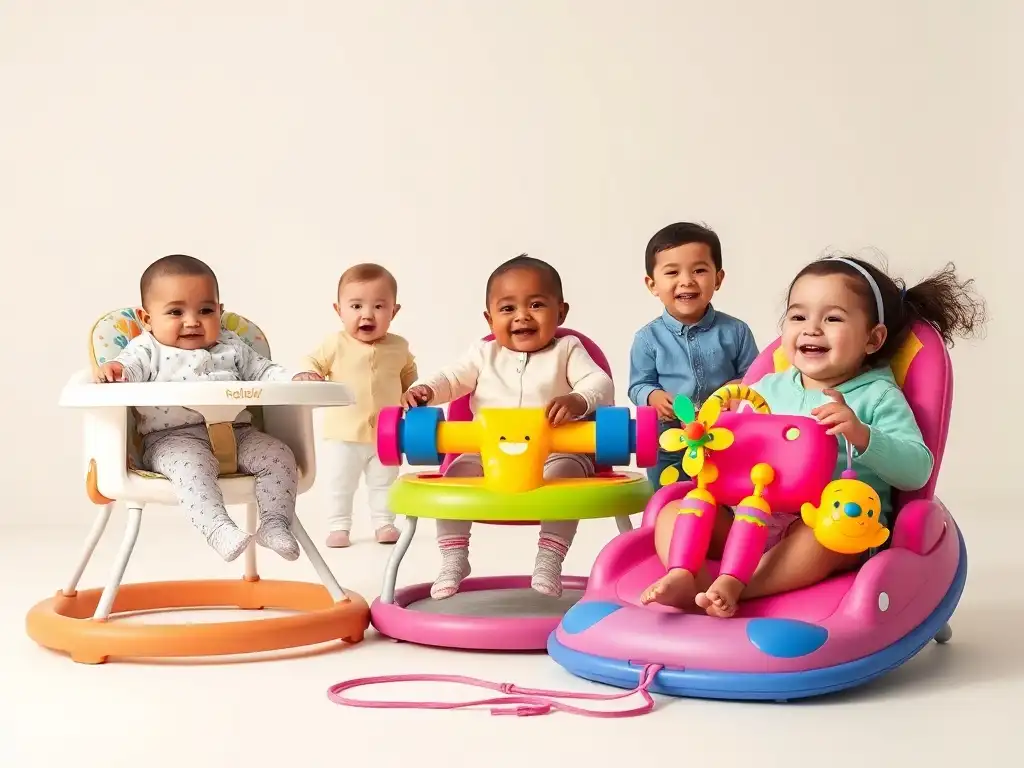
Securing the necessary adaptive equipment for a baby with special needs can present significant financial challenges. Many families find themselves facing unexpected and substantial costs. Fortunately, several avenues exist to help alleviate this burden. This section outlines key resources and programs designed to provide financial assistance for acquiring essential equipment. Understanding these options is crucial for navigating the complexities of providing optimal care for your child. This guide focuses on accessing financial aid specifically for special needs baby equipment, a critical aspect of the "Special needs baby equipment guide."
Government Programs and Grants for Adaptive Equipment
Government agencies at both the federal and state levels often offer programs designed to assist families with the costs associated with raising a child with special needs. These programs can vary significantly in their eligibility criteria and the types of equipment they cover. It's crucial to research the programs available in your specific region. For example, some states provide waivers or subsidies for medical equipment, including adaptive seating, specialized feeding supplies, and mobility aids.
Eligibility requirements typically involve demonstrating financial need and providing documentation of your child's diagnosis and specific equipment needs. The application process can be complex and time-consuming, often requiring extensive paperwork and medical evaluations. However, the potential benefits can be substantial, significantly reducing the financial strain on families. Persistence and thorough preparation are key to successfully navigating the application process.
Here’s a sample of the types of information you may need to gather:
- Medical documentation: Detailed reports from your child's pediatrician, specialist, and therapist outlining their diagnosis, treatment plan, and the necessity of specific equipment.
- Financial documentation: Proof of income, tax returns, and other financial statements demonstrating your financial need.
- Prescriptions: Prescriptions for specific adaptive equipment from your child's healthcare providers.
Charitable Organizations Offering Support for Special Needs Families
Beyond government programs, numerous charitable organizations dedicate themselves to supporting families of children with special needs. These organizations often provide financial assistance for adaptive equipment, as well as other forms of support such as respite care, counseling, and educational resources. Many focus on specific disabilities or conditions, while others offer broader assistance.
Some charities offer grants directly to families, while others partner with medical equipment providers to offer discounted rates or subsidized equipment. Researching organizations that align with your child's specific needs can significantly increase your chances of securing assistance. Many organizations have online applications, while others may require contacting them directly.
Remember to thoroughly research each organization's eligibility criteria and application process. The availability of funding and the specific types of equipment covered can vary widely. Consider factors such as:
| Organization Type | Potential Benefits | Potential Drawbacks |
|---|---|---|
| National Organizations | Broader reach, potentially larger grant amounts | More competitive application process |
| Local/Regional Organizations | More personalized support, potentially faster processing | Smaller grant amounts, limited geographic reach |
| Faith-based Organizations | Potential for additional community support | May have specific religious affiliation requirements |
Finding the right resources requires dedication and research. However, accessing these programs can make a substantial difference in a family's ability to provide the best possible care for their child with special needs. Remember to keep detailed records of all applications and communications with these organizations. This diligent approach can improve your chances of securing the financial support you need. This detailed information should assist you in navigating the complex landscape of financial aid options as part of your "Special needs baby equipment guide."
Maintaining and Cleaning Adaptive Equipment
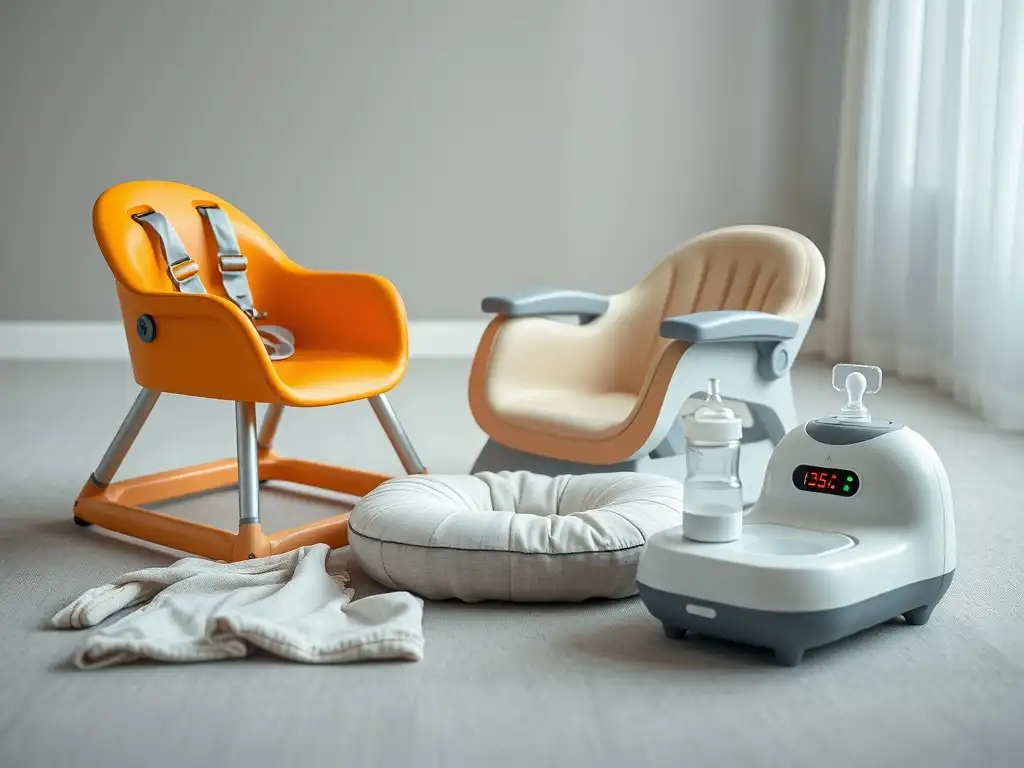
This section focuses on the practical aspects of caring for adaptive equipment for babies with special needs. Proper maintenance and cleaning are crucial not only for the longevity of the equipment but also for the health and safety of your baby. Following these guidelines will help ensure your child's equipment remains functional and hygienic. A well-maintained adaptive equipment setup contributes significantly to your baby's comfort and well-being, allowing for optimal development and reducing the risk of infection. Remember, consistent care is key in prolonging the lifespan and effectiveness of these vital tools.
Cleaning and Sanitizing Procedures for Different Equipment Types
Maintaining hygiene for adaptive equipment is paramount. Different materials require different cleaning methods. Here's a breakdown for common types of equipment:
- Feeding Equipment (e.g., specialized bottles, sippy cups, feeding tubes): These items require meticulous cleaning to prevent bacterial growth. Always follow the manufacturer's instructions, but generally, hand-washing with hot, soapy water is recommended. For items that are dishwasher-safe, use the highest temperature setting. Sterilization using a steam sterilizer is highly recommended, especially for newborns and infants with compromised immune systems. Thorough rinsing is crucial to remove all traces of soap.
- Positioning and Mobility Equipment (e.g., wheelchairs, car seats, supportive cushions): These often have fabric components that may require spot cleaning with a mild detergent and water. Always air dry thoroughly to prevent mold and mildew. For removable covers, machine washing in cold water on a gentle cycle is usually acceptable, but check the manufacturer's labels carefully. Avoid harsh chemicals or bleach.
- Medical Equipment (e.g., monitors, oxygen tanks, suction devices): These require specific cleaning and sanitizing protocols, often outlined by the manufacturer or healthcare provider. Always adhere to these instructions precisely. Some components may require disinfection with specialized solutions. Never attempt to clean or repair medical equipment without professional guidance.
- Assistive Technology (e.g., communication devices, adaptive toys): The cleaning method will depend on the material. Wipe down surfaces with a damp cloth and mild soap. Avoid submerging electronic devices in water. Always disconnect the device from the power source before cleaning.
Table 1: Cleaning Summary for Adaptive Baby Equipment
| Equipment Type | Cleaning Method | Sanitization Method | Frequency |
|---|---|---|---|
| Feeding Equipment | Hot, soapy water; Dishwasher (if applicable) | Steam sterilization | After each use |
| Positioning/Mobility Equip. | Mild detergent and water; Machine wash (covers only) | Air drying; Sun drying (if appropriate) | As needed; Weekly for fabric covers |
| Medical Equipment | Manufacturer's instructions | Manufacturer's instructions | As directed by healthcare provider |
| Assistive Technology | Damp cloth and mild soap | Wipe down; Avoid submersion in water | Daily or as needed |
Remember to always prioritize safety. Never leave your baby unattended while cleaning equipment. If unsure about a specific cleaning procedure, consult your pediatrician or a healthcare professional specializing in your baby's condition. Following these guidelines will help create a safe and healthy environment for your child.
Regular Maintenance and Replacement Schedules
Regular maintenance extends the life of your adaptive equipment and ensures its continued effectiveness. This includes regular inspections for wear and tear, and timely replacements when necessary. Neglecting maintenance can compromise safety and functionality. The frequency of maintenance varies depending on the equipment type and usage.
- Visual Inspections: Conduct regular visual inspections for any signs of damage, such as cracks, tears, loose parts, or rust. Address these issues promptly. This proactive approach can prevent more serious problems down the line.
- Functional Checks: Regularly check the functionality of all equipment. Ensure that straps are secure, wheels roll smoothly, and all mechanisms operate as intended. Malfunctioning equipment can pose a safety risk.
- Replacement Schedules: Replacement schedules depend on factors such as usage frequency, material wear, and manufacturer recommendations. Some components may have a limited lifespan. Always consult the manufacturer's instructions for guidance on replacement timelines. Prioritize safety; don't hesitate to replace worn-out equipment.
- Record Keeping: Maintain a record of all equipment purchases, maintenance checks, and replacements. This log will be invaluable in tracking the condition of your baby's equipment and ensuring timely replacements. This is especially important for insurance claims or warranty purposes. A simple spreadsheet or notebook can suffice.
Remember that proactive maintenance is crucial for both safety and cost-effectiveness. Regular checks prevent unexpected breakdowns and costly repairs, ultimately contributing to a smoother journey of care for your child. By following these guidelines, you'll help ensure your baby has access to safe and reliable adaptive equipment, maximizing their comfort and development.
Long-Term Planning for Adaptive Equipment Needs
Navigating the world of adaptive equipment for babies with special needs can feel overwhelming, especially when considering the long-term implications. A proactive approach to planning is crucial, ensuring your child has the necessary support to thrive as they grow and develop. This involves understanding your child's unique needs, anticipating future challenges, and strategically acquiring or adapting equipment to meet those evolving requirements. Effective long-term planning minimizes disruptions, maximizes resources, and ultimately contributes to your child's overall well-being. This section will explore key strategies for long-term planning in this area, offering a comprehensive "Special needs baby equipment guide" for parents.
Adapting Equipment as Your Child Grows and Develops
Babies with special needs often require equipment adjustments as they reach developmental milestones. What works perfectly at six months may be unsuitable at twelve. For example, a baby initially using a specialized infant car seat might need a different model as they grow larger and their physical needs change. Similarly, a feeding chair designed for infants may need replacing with a larger, more adaptable chair as the child gains weight and height. This is not simply a matter of buying larger versions of existing equipment. Consider these factors:
- Increased Mobility: As a child gains more mobility, equipment needs to adapt to accommodate this. This might involve transitioning from a static positioner to a dynamic one allowing for increased range of motion, or transitioning from a stationary swing to a mobile walker.
- Changing Physical Needs: Changes in muscle tone, posture, or sensory sensitivities require frequent reassessment of equipment suitability. A child's evolving needs might necessitate adjusting straps, adding padding, or even replacing equipment entirely.
- Cognitive Development: As cognitive abilities evolve, the complexity of adaptive equipment may also need to change. Simple switches might be replaced with more sophisticated control systems, catering to the child's increasing understanding and dexterity.
Consider the example of a child with cerebral palsy. Their equipment needs will likely change significantly over time. They might start with a specialized stroller, then transition to a wheelchair as they grow. The type of wheelchair itself will likely need adjustments as their size and capabilities change. This necessitates proactive planning and regular consultations with therapists and equipment specialists.
Future Equipment Needs and Planning Considerations
Forecasting future needs is a challenge, but crucial for efficient resource allocation. Several strategies can help:
- Regular Evaluations: Schedule regular assessments with therapists (physical, occupational, speech) to monitor your child's progress and identify potential future equipment needs. This proactive approach allows for timely acquisition or adaptation of equipment.
- Financial Planning: Adaptive equipment can be expensive. Explore funding options early on, including insurance coverage, grants, and charitable organizations. Creating a dedicated savings plan can also alleviate financial stress in the long run. Consider the long-term cost of repairs and replacements.
- Research and Networking: Connect with other parents of children with similar needs. Their experiences and advice can be invaluable in anticipating future equipment requirements and navigating the process of obtaining them. Online support groups and local organizations can provide vital information and support.
- Modular Equipment: When possible, opt for modular equipment that can be adapted and modified as your child grows. This extends the lifespan of the equipment and reduces the need for frequent replacements. This is a cost-effective and environmentally conscious approach.
Proactive planning is not just about buying equipment; it’s about creating a supportive environment that adapts to your child's changing needs. By anticipating challenges, securing appropriate funding, and engaging with support networks, you can ensure your child has the tools they need to thrive throughout their development. This comprehensive approach is key to providing the best possible care and creating a positive and supportive environment for your child's growth.
Frequently Asked Questions
What kind of adaptive equipment is available for babies with special needs?
A wide range of equipment exists, including specialized feeding supplies like adapted bottles and spoons, mobility aids such as wheelchairs and walkers, positioning devices for support and comfort, and sensory toys to stimulate development. The best options depend on your baby's specific needs.
Where can I find adaptive equipment for my baby?
Many resources exist, including online retailers specializing in adaptive equipment, medical supply stores, therapy clinics, and organizations dedicated to supporting families of children with special needs. Your baby's doctor or therapist can also provide recommendations.
How do I choose the right adaptive equipment for my baby?
Consult with your pediatrician or a therapist to determine your baby's specific needs and the most appropriate equipment. Consider factors like your baby's age, size, and abilities, as well as your family's lifestyle and preferences. Proper fitting and safety are paramount.
Is adaptive equipment covered by insurance?
Insurance coverage for adaptive equipment varies widely depending on your plan and location. It's crucial to check your policy details and contact your insurance provider to understand what's covered before making any purchases. Many organizations offer financial assistance programs.
How can I learn more about adaptive equipment for babies with special needs?
Numerous online resources, support groups, and organizations offer valuable information and support. Connect with other parents of children with special needs to share experiences and learn from their journeys. Your healthcare team is also a crucial source of information and guidance.
Final Reflection: Empowering Futures Through Adaptive Equipment
The journey of raising a child with special needs is unique and challenging, yet filled with immeasurable love and potential. Access to the right adaptive equipment can be the difference between navigating daily life with ease and facing constant, overwhelming struggles. This guide has highlighted the vast array of resources and options available, aiming to empower parents and caregivers to find the perfect tools to support their child's development and well-being.
The impact of adaptive equipment extends far beyond the practical; it shapes a child's self-esteem, independence, and overall quality of life. It allows for participation in activities that might otherwise be inaccessible, fostering a sense of belonging and inclusion. As we've explored various types of equipment, from feeding aids to mobility devices, the overarching theme has been one of empowerment. The greatest handicap in life is a bad attitude.
– Scott Hamilton. This quote resonates deeply, as the right equipment can significantly improve a child's attitude towards their own abilities and the world around them.
Now, I invite you to reflect on the information presented. Consider how this knowledge can inform your own approach to supporting children with special needs, whether it's through advocacy, fundraising, or simply spreading awareness. Remember, every small step towards understanding and providing the necessary resources contributes to a more inclusive and supportive environment for these incredible children and their families. Let's work together to build a future where every child has the opportunity to thrive.
Empower Your Little One: Take the Next Step Towards Comfort and Growth
Thank you for exploring adaptive equipment for babies with special needs! We hope this guide provided valuable information and resources to support your family. Now, let's put this knowledge into action:
- Prioritize your baby's comfort and well-being by carefully selecting appropriate adaptive equipment. Begin by identifying your baby's specific challenges and researching solutions tailored to those needs. Consider consulting an occupational therapist for personalized recommendations.
- Connect with other parents and share your experiences. Join our BabyCareHub online community forum; exchanging stories and learning from others can be incredibly beneficial and supportive.
- Explore local resources and support networks. Check your community for organizations offering support groups, workshops, or equipment lending programs for families raising children with special needs.
Ready to make a positive difference in your baby's life? What's the first step you'll take to improve their comfort and overall well-being?