
Reading and Development: How Books Promote Cognitive, Social, and Emotional Growth


Welcome to BabyCareHub, your ultimate guide to navigating the incredible journey of parenthood! Are you ready to unlock the extraordinary power of reading for your little one? Discover the surprising and significant Baby reading developmental benefits that extend far beyond simple entertainment, shaping your child's cognitive, social, and emotional growth in profound ways. Dive into our comprehensive article, "Reading and Development: How Books Promote Cognitive, Social, and Emotional Growth," and embark on a journey of enriching your baby's world through the magic of books.
- The Amazing Impact of Baby Reading on Developmental Milestones
- Baby Reading Developmental Benefits: A Comprehensive Guide for First-Time Parents
- Maximizing the Benefits: Tips for Effective Baby Reading
- Resources and Further Reading: Expanding Your Baby's Literary Journey
- Frequently Asked Questions
- Final Reflection: The Enduring Power of the Page
- Unlock Your Child's Potential: Start Reading Today!
The Amazing Impact of Baby Reading on Developmental Milestones
Reading to your baby isn't just a sweet bedtime ritual; it's a powerful tool that significantly boosts their cognitive, social, and emotional development. From the earliest months, exposing your little one to books lays the foundation for a lifelong love of learning and fosters crucial skills that will benefit them throughout their lives.
This article explores the profound developmental benefits of early literacy, providing practical tips and examples to help you maximize the impact of shared reading experiences. Understanding how books promote cognitive, social, and emotional growth will empower you to nurture your child's development in a fun and engaging way, setting them on a path to success.
We'll delve into specific ways to leverage reading time to cultivate essential skills, making this enriching activity a cornerstone of your baby's development journey. This guide will help you understand how even seemingly simple actions like reading aloud can have a truly remarkable effect on your baby's future.
Cognitive Development: Building Brainpower Through Early Literacy
Reading to your baby, even from infancy, significantly impacts their cognitive development, laying the groundwork for future academic success. The rhythmic sounds of your voice, the engaging visuals in picture books, and the interactive nature of storytelling all contribute to a stimulating environment that strengthens neural connections in the brain.
These early experiences shape their capacity for language acquisition, memory development, and attention span, setting the stage for a lifetime of learning. The benefits extend far beyond simply recognizing letters and words; early literacy fosters critical thinking skills, problem-solving abilities, and a love of learning that will serve them well in all aspects of life.
Boosting Language Acquisition with Interactive Board Books: Examples and Recommendations
Interactive board books, with their sturdy pages and engaging textures, are perfect for the youngest readers. The simple repetition of words and phrases helps babies learn vocabulary and understand sentence structure. Books featuring animals, everyday objects, or familiar actions are ideal for building early language skills. For example, Dear Zoo by Rod Campbell is a classic choice, with its interactive flaps and repetitive phrases.
Similarly, The Very Hungry Caterpillar by Eric Carle uses bright colors and simple text to introduce new vocabulary and concepts. Remember to point to the images as you read, making the connection between the words and the pictures explicit. Encourage your baby to participate by making sounds or pointing at images. This active engagement significantly enhances language acquisition.
Enhancing Memory and Attention Span Through Storytelling: Practical Tips for Parents
Storytelling, even in its simplest form, significantly enhances a baby's memory and attention span. The repetition of phrases and the predictable nature of many children's books help babies anticipate what comes next, building their cognitive skills. Using different tones of voice, sound effects, and engaging facial expressions can further captivate their attention and aid in memory retention. For instance, when reading Brown Bear, Brown Bear, What Do You See?
you can change your voice for each animal, making the experience more dynamic and memorable. Remember to pause frequently, allowing your baby time to process the information and engage with the story. Short, frequent reading sessions are more effective than long, infrequent ones, especially for younger babies.
Beyond cognitive benefits, reading to your baby fosters crucial social-emotional development. The shared experience of reading creates a special bond between you and your child, building trust and security. Books offer opportunities to explore emotions, discuss feelings, and understand different perspectives, all contributing to the development of empathy and emotional intelligence. The act of cuddling up together during story time provides comfort and security, creating positive associations with reading and learning.
Developing Emotional Intelligence Through Character Analysis in Children's Literature
Children's literature often features characters experiencing a wide range of emotions. Using these stories as a springboard, you can help your baby understand and identify different feelings. For example, discussing the sadness of a character who loses a toy, or the happiness of a character who makes a new friend, can help them develop emotional awareness. This early exposure to emotional complexity equips them with the ability to better understand and manage their own emotions, a cornerstone of emotional intelligence. Engage your baby in conversations about the characters' feelings, encouraging them to express their own emotions as well.
Promoting Social Skills Through Interactive Reading Activities
Reading shouldn't be a passive activity. Interactive reading activities can significantly enhance social skills. Pointing to pictures, asking simple questions, and encouraging your baby to make sounds or gestures all promote engagement and interaction. For instance, reading a book about animals can lead to a discussion about different animal sounds, encouraging your baby to imitate them. These interactive elements foster turn-taking, communication, and social interaction, laying the foundation for healthy social relationships. Remember to praise and encourage your baby's participation, making the reading experience positive and reinforcing.
Building a Love of Reading: Creating a Positive Reading Environment for Your Baby
Creating a positive reading environment for your baby is crucial for fostering a lifelong love of books. This doesn't require elaborate setups; it's more about establishing a consistent and enjoyable routine. Think of it as cultivating a special time for connection and shared experience. Begin by setting aside dedicated reading time each day, even if it's just for 10-15 minutes. Consistency is key; your baby will learn to anticipate this special time and associate it with positive feelings.
Make it a relaxed and comfortable experience, free from distractions. Turn off the television, put away your phone, and focus entirely on your baby. This undivided attention will strengthen your bond and make reading a cherished ritual. Remember, the goal is to make reading fun and engaging, not a chore.
Use varied vocal tones, expressive facial expressions, and even puppets to bring the stories to life. Your enthusiasm will be contagious! Furthermore, consider incorporating different reading environments. Reading in different places, such as your baby's crib, a rocking chair, or even during tummy time, can help make reading a more flexible and enjoyable part of your daily routine.
Creating a Cozy Reading Nook: Essential Elements for a Successful Reading Routine
A designated reading nook doesn't have to be a separate room; it can be a small, comfortable space within your existing living area. The key is to create an atmosphere conducive to relaxation and focus. Think soft lighting – a warm lamp is ideal – comfortable seating for both you and your baby, and a selection of age-appropriate books within easy reach. A soft blanket or rug can add to the coziness.
Consider incorporating sensory elements, such as soft textures or calming music playing softly in the background. The goal is to create a haven where you and your baby can snuggle up together and enjoy the magic of storytelling. Remember, the environment should be safe and secure, free from hazards.
Keep potentially dangerous items out of reach, and ensure the lighting is not too bright or harsh. A well-designed reading nook can significantly enhance your baby's reading experience, making it more enjoyable and memorable. The aim is to create a space your baby associates with comfort, security, and positive reading experiences.
Selecting Age-Appropriate Books: A Guide to Choosing the Right Materials
Choosing the right books for your baby is essential for maximizing the developmental benefits of reading. For newborns and infants (0-6 months), focus on high-contrast books with simple shapes and bold colors. These books stimulate visual development and help babies track objects. Books with textured pages are also beneficial at this age, providing tactile stimulation. As your baby grows (6-12 months), you can introduce books with simple storylines and repetitive phrases. Board books are ideal at this stage due to their durability.
Look for books with bright, engaging illustrations and sounds. Interactive elements, such as lift-the-flaps or textures, can add to the fun. For babies aged 12-18 months, you can start introducing books with more complex storylines and vocabulary. Books with simple rhymes and songs are also a great choice. Remember to choose books that are age-appropriate and engaging. Avoid books with small parts that could pose a choking hazard.
Always supervise your baby while they are reading to ensure their safety. Prioritize books made from durable, non-toxic materials. The right selection of books will not only entertain your baby but will also help them develop crucial cognitive, social, and emotional skills. Remember, it's not just about the words; it's about the shared experience and the bond you create through reading together. 🧸
Baby Reading Developmental Benefits: A Comprehensive Guide for First-Time Parents

Reading to your baby, even from the earliest stages of life, offers a wealth of developmental benefits that extend far beyond simple literacy skills. It's a powerful tool for fostering cognitive, social, and emotional growth, laying a strong foundation for your child's future success. This section delves into the specific ways reading positively impacts your baby's development, offering a detailed understanding of the "Baby reading developmental benefits" you can expect.
We'll explore how early exposure to books stimulates brain development, enhances language acquisition, and strengthens the parent-child bond. The benefits are truly multifaceted and contribute significantly to your little one's overall well-being.
Choosing Books Based on Your Baby's Age and Interests: A Detailed Breakdown
Selecting appropriate books for your baby is crucial to maximize the positive impact of reading time. The type of book, its content, and its features should align with your baby's developmental stage and interests. Different age groups respond to different stimuli, and catering to these preferences ensures engagement and enjoyment. The following breakdown provides specific recommendations based on age:
Books for Newborns (0-3 Months): Focusing on High Contrast and Simple Shapes
Newborns have limited visual acuity. Their world is primarily defined by high contrast and simple shapes. Therefore, books designed for this age group should feature bold black and white patterns, simple geometric shapes, and large, easily discernible images. The focus is on visual stimulation, helping your baby develop their visual perception and tracking skills.
Consider books with:
- High-contrast patterns: Think stark black and white designs, or bold primary colors.
- Simple shapes: Circles, squares, and triangles are ideal.
- Durable materials: Choose board books that can withstand enthusiastic (and sometimes messy) handling.
- Minimal text: Very little, if any, text is necessary at this stage.
Examples of suitable books might include those featuring simple animal shapes or basic patterns. The key is visual stimulation and the creation of a positive association with books. This early exposure sets the stage for future reading enjoyment.
Books for Infants (3-12 Months): Introducing Textures, Sounds, and Simple Stories
As your baby grows, their cognitive abilities expand. Infants in this age range begin to develop object permanence and understand cause and effect. Books for this stage should incorporate various textures, sounds, and simple storylines.
Consider books with:
- Different textures: Fabric patches, crinkled pages, and raised elements engage tactile senses.
- Simple sounds: Crinkling, rustling, or squeaking sounds add another layer of engagement.
- Repetitive phrases: These help with language development and memorization.
- Familiar objects: Images of common household items help build vocabulary.
At this stage, you can start introducing simple stories with repetitive phrases and actions. For example, "Pat-a-Cake" or "The Itsy Bitsy Spider" are excellent choices. The repetitive nature of these rhymes helps with language acquisition and memorization. The interaction between parent and child during these reading sessions is crucial for bonding and language development.
Books for Toddlers (12-24 Months): Engaging Simple Stories with Repetitive Phrases
Toddlers are developing rapidly, both cognitively and linguistically. They are starting to understand narratives and engage more actively with stories. Books for toddlers should incorporate simple plots, engaging illustrations, and interactive elements.
Consider books with:
- Simple storylines: Easy-to-follow narratives with clear beginnings, middles, and ends.
- Familiar characters: Animals, vehicles, or everyday objects they can relate to.
- Interactive elements: Lift-the-flaps, touch-and-feel elements, or moving parts.
- More complex vocabulary: Gradually introduce new words and concepts.
Choosing books that align with your toddler's interests is vital. If they love animals, select books featuring animals. If they are fascinated by vehicles, opt for books about cars, trucks, or trains. This personalization enhances their engagement and enjoyment, further reinforcing the positive association with reading. Remember, the goal is to make reading a fun and engaging experience that fosters a lifelong love of books. This early engagement significantly contributes to their future literacy and overall development, showcasing the undeniable "Baby reading developmental benefits".
Maximizing the Benefits: Tips for Effective Baby Reading
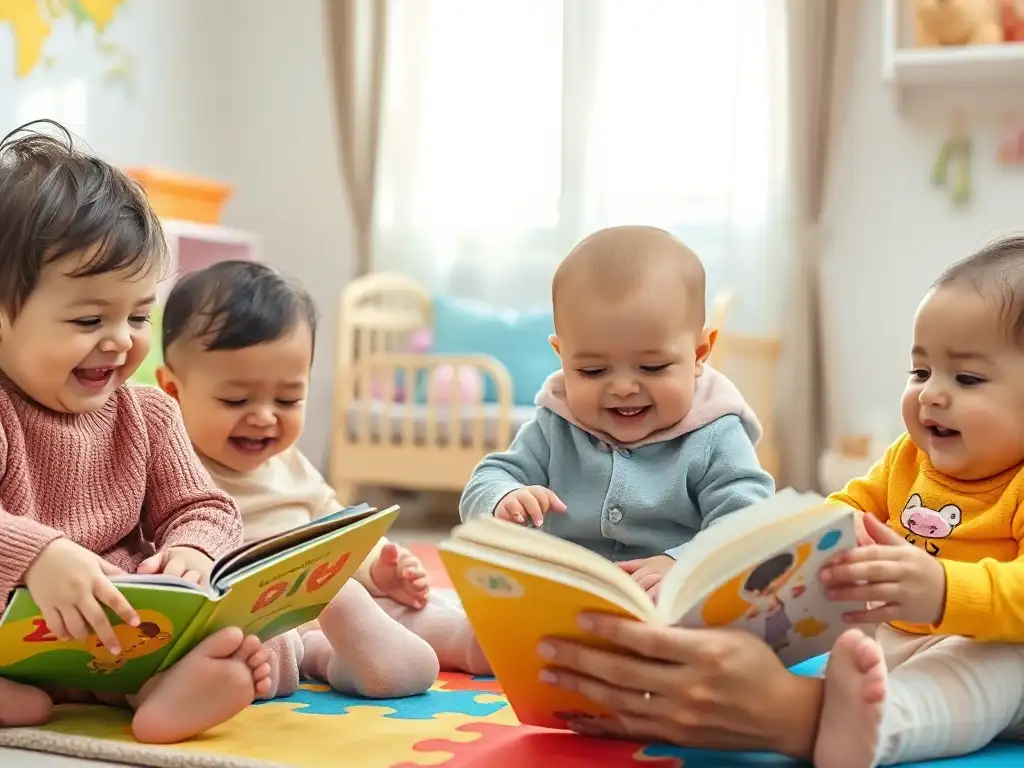
Reading to your baby isn't just about passively listening to a story; it's an interactive process that significantly impacts their cognitive, social, and emotional development. To maximize these "baby reading developmental benefits," consider these essential tips. Consistency is key; aim for regular reading sessions, even if they're short. A few minutes daily are more effective than a long session once a week.
Choose books with vibrant colors, simple repetitive words, and engaging illustrations tailored to your baby's age and developmental stage. Remember, the goal isn't just to read the words but to foster a love of books and stories. The more frequently you engage your baby in reading, the more profound the impact will be on their overall development. Early exposure to language and literacy lays the foundation for future academic success and a lifelong appreciation for reading.
Making Reading Time Fun and Engaging: Interactive Activities and Games
Infants thrive on interaction. Transforming reading time into a playful experience greatly enhances its effectiveness and makes it more enjoyable for both you and your baby. Remember to adapt your approach based on your baby’s age and attention span.
Interactive Reading Techniques: Engaging Your Baby During Story Time
Don't just read the words monotonously. Vary your tone, pitch, and pace to keep your baby engaged. Pause frequently to let them react to the story. Point to the pictures and name the objects, using simple words and sounds. Encourage them to touch the pages or even turn them (if they are able).
Ask simple questions like, "Where's the doggy?" or "What color is the ball?". These interactive elements actively involve your baby in the reading process, making it a shared experience rather than a passive one. This approach strengthens their comprehension and vocabulary significantly, contributing to their cognitive development.
Singing Songs and Rhymes: Enhancing Language Development Through Music
Singing songs and rhymes alongside reading is incredibly beneficial for language development. Nursery rhymes introduce rhythm, rhyme, and repetition, which are foundational elements of language acquisition. The melodic nature of songs makes them easily memorable for babies, and the repetition helps them to internalize words and phrases. Combine singing with actions, such as clapping or waving, to further engage your baby’s senses.
Familiar songs can also become comforting routines, promoting emotional security and bonding between you and your baby. Consider incorporating songs that focus on specific sounds or actions, helping to enhance their sensory and motor skills. The benefits extend beyond language; musical exposure early in life positively impacts cognitive development and overall well-being.
Using Props and Puppets: Bringing Stories to Life Through Sensory Experiences
Sensory exploration is crucial for infant development. Incorporate props and puppets to add a tactile dimension to reading time. For example, if you're reading a book about animals, you might use stuffed animals or finger puppets. This adds another layer of engagement and allows your baby to actively participate in the storytelling.
The sensory stimulation enhances their cognitive development and strengthens their memory and comprehension. The tactile interaction provides a richer, more memorable experience, fostering a love for reading that extends beyond the visual and auditory aspects. Simple props can transform a simple story into a rich multi-sensory experience for your baby.
Addressing Common Challenges: Overcoming Obstacles to Successful Reading
Even with the best intentions, challenges can arise during reading time. Understanding and addressing these obstacles is crucial to maintaining a positive and productive reading experience. Remember, patience and flexibility are essential.
Dealing with Distractions During Reading Time: Practical Strategies for Parents
Babies are easily distracted. Minimize interruptions by creating a quiet and comfortable reading space. Choose a time when your baby is alert and well-rested, and avoid reading when they're hungry or tired. If they become distracted, gently redirect their attention back to the book. Sometimes, a short break is necessary. Don't force them to engage if they seem uninterested. A positive, relaxed atmosphere is more effective than forcing interaction. Experiment with different times of day to find the optimal reading time for your baby.
Keeping Baby Engaged: Techniques for Maintaining Interest During Reading Sessions
Maintaining your baby's interest requires creativity and adaptability. Vary the types of books you read, alternating between board books, cloth books, and picture books. Use different voices and expressions to bring the characters to life. Incorporate interactive elements such as peek-a-boo or simple games. If your baby loses interest in one book, try another. Remember that short, frequent reading sessions are more effective than long, infrequent ones. Observe your baby's cues and adjust your approach accordingly. Their engagement is crucial for maximizing the benefits of reading.
Creating a Positive Reading Experience: Avoiding Pressure and Promoting Enjoyment
Reading should be a positive and enjoyable experience for both you and your baby. Avoid putting pressure on your baby to understand or participate. Focus on creating a loving and supportive atmosphere. Celebrate their successes, no matter how small. If your baby shows signs of frustration or disinterest, take a break and try again later. Remember, the goal is to foster a love of reading, not to force it. A positive association with reading will lay the foundation for a lifetime of enjoyment and learning. Prioritize bonding and creating a joyful shared experience over achieving specific milestones.
Resources and Further Reading: Expanding Your Baby's Literary Journey

This section provides valuable resources to continue your baby's literary journey and enhance your understanding of the developmental benefits of reading. We've compiled a list of recommended books and websites, along with access to BabyCareHub's expert advice, to support you every step of the way. Remember, consistent engagement with books is key to maximizing the positive impact on your baby's cognitive, social, and emotional growth. Early literacy is a powerful tool for shaping your child's future success.
Recommended Books and Websites for Parents: Expanding Your Knowledge
Finding the right resources to support your parenting journey is crucial. Here are some excellent books and websites offering further insights into early childhood development and the benefits of reading to your baby. These resources can help you better understand the developmental milestones and how to effectively nurture your baby's love for books. Remember, engaging with these resources alongside your daily reading sessions will enrich your understanding and enhance your bonding experience with your little one.
[Website/Book Resource 1]: Affiliate Link
This resource would typically contain a link to a reputable website or book focused on early childhood development or reading to babies. Information about the specific content of this resource, such as a description of how it helps parents understand the developmental benefits of baby reading, would be included here. For example, this could be a website with articles on choosing age-appropriate books or a book detailing the importance of interactive reading. The focus would be on the content's relevance to "baby reading developmental benefits."
[Website/Book Resource 2]: Affiliate Link
This section would mirror the format of the previous one, featuring another valuable resource. This could potentially be a different type of resource, such as a book focusing on specific age groups or a website offering printable activities related to the books you read with your baby. The description would highlight how this resource complements the others, ensuring comprehensive support for parents.
[Website/Book Resource 3]: Affiliate Link
Similar to the previous entries, this section would include a third high-quality resource, perhaps a website dedicated to creating a home library or a book focusing on the long-term benefits of early literacy. The description would emphasize the unique value proposition of this resource and its contribution to the overall understanding of "baby reading developmental benefits." The benefits of early literacy and the positive impact on a child's future academic success would be underscored.
BabyCareHub's Expert Advice: Personalized Guidance on Your Baby's Development
BabyCareHub is committed to providing comprehensive support for first-time parents. We understand that every baby is unique, and their developmental journey requires personalized attention. To further assist you in maximizing the benefits of reading for your baby's development, we offer several additional resources within our platform.
Accessing Additional Resources on BabyCareHub: [Link to relevant BabyCareHub pages]
This section would typically include links to relevant pages on the BabyCareHub website, such as articles on specific developmental milestones, guides on choosing age-appropriate books, and interactive tools to track your baby's progress. Examples might include: a page dedicated to tracking your baby's reading progress, a blog post on interactive reading strategies, or a quiz to assess your baby's developmental stage. The content would reinforce the importance of consistent engagement with books for optimal "baby reading developmental benefits."
This would be tailored to the site's structure and content. The focus would remain on the various ways BabyCareHub assists parents in leveraging the power of reading for their child's holistic development.
Frequently Asked Questions
What are the cognitive benefits of reading to my baby?
Reading aloud stimulates brain development, improving language acquisition, memory, and cognitive skills. Early exposure to language significantly impacts future academic success.
Story time fosters bonding and connection, building a strong parent-child relationship. Books also introduce concepts of empathy, friendship, and emotions, contributing to healthy social-emotional development.
When should I start reading to my baby?
You can begin reading to your baby from birth. Even newborns benefit from the sound of your voice and the rhythm of language. Start with simple board books with bright pictures.
What types of books are best for babies?
Choose brightly colored books with simple text and engaging pictures. Board books are durable and perfect for little hands. Consider books with textures, sounds, or interactive elements.
Are there any long-term benefits to reading with my baby?
Yes! Studies show a strong correlation between early exposure to books and improved literacy skills, stronger vocabulary, and better academic performance throughout childhood and beyond. Reading together lays a foundation for a lifelong love of learning.
Final Reflection: The Enduring Power of the Page
The simple act of reading to a child is not merely a pastime; it's a foundational pillar of their cognitive, social, and emotional development, profoundly shaping their future. The benefits extend far beyond vocabulary acquisition, impacting their ability to empathize, problem-solve, and navigate the complexities of the world. In a digital age saturated with fleeting distractions, the enduring power of shared reading remains a vital tool for nurturing well-rounded individuals.
The impact of early literacy experiences is undeniable, shaping not only a child's academic trajectory but also their overall well-being. Reading fosters a love of learning, cultivates imagination, and provides a safe space for exploration and emotional processing. As Neil Gaiman eloquently stated, What is impossible is often merely a matter of time and perspective.
This holds true for the seemingly insurmountable challenges children face; through stories, they learn resilience, empathy, and the power of perseverance. The books we share with our children become a part of their very being, shaping their understanding of themselves and the world around them.
Consider the books you loved as a child. What lessons did they impart? What worlds did they unlock? Now, take that power and share it with the young minds in your life. Make time for reading, not just as a chore, but as a sacred act of connection and growth. Embrace the magic of storytelling, and watch as the seeds of knowledge, empathy, and imagination blossom into a richer, more fulfilling life for the children you love. The future, after all, is written one page at a time.
Unlock Your Child's Potential: Start Reading Today!
Thank you for exploring the powerful connection between reading and your child's development! You've discovered how books nurture cognitive, social, and emotional growth—a truly rewarding journey! Now, let's put this knowledge into practice.
- Establish a daily reading routine: Even 15 minutes a day can significantly benefit your child. Select books that capture their imagination and actively involve them in the reading process.
- Engage in shared reading experiences: Discuss the story, characters, and illustrations with your child. Ask open-ended questions and encourage them to share their thoughts and feelings about what they've read.
- Create a dedicated reading space: Designate a cozy corner of your home as a special reading area, complete with comfortable cushions and favorite toys. This will help make reading a cherished family activity.
What wonderful adventures await you and your child as you explore the magic of books together?