
The Importance of Babyproofing: Protecting Your Little One from Harm


Welcome to BabyCareHub, your ultimate guide to navigating the incredible journey of parenthood! Are you a first-time parent feeling overwhelmed by the sheer volume of information out there? We understand. That's why we've created this comprehensive resource, packed with practical advice and expert insights. Discover how to confidently tackle the challenges of newborn care, from mastering feeding schedules to ensuring a safe and nurturing environment. Ready to get started? Download our essential babyproofing checklist for first-time parents and take the first step towards creating a secure haven for your little one. Let's begin building a brighter, safer future together!
-
Babyproofing Checklist for First-Time Parents: A Step-by-Step Guide
- Assessing Your Home's Hazards: A Comprehensive Room-by-Room Inspection
- Prioritizing Babyproofing Tasks: What to Tackle First
- Essential Babyproofing Supplies: A Shopping List for New Parents
- Securing Furniture and Appliances: Preventing Tip-Overs and Entrapment
- Childproofing Electrical Outlets and Cords: Avoiding Electrical Shocks
- Protecting Your Little One from Sharp Edges and Corners: Safety Padding Solutions
- Securing Cabinets and Drawers: Preventing Access to Harmful Substances
- Window and Balcony Safety: Preventing Falls and Injuries
- Staircase Safety: Gates, Barriers, and Other Protective Measures
- Bathroom Safety: Preventing Drowning and Burns
- Kitchen Safety: Preventing Burns, Cuts, and Poisoning
- Toy Safety: Choosing Age-Appropriate and Safe Toys
- Creating a Safe Play Area: Designating a Baby-Friendly Space
- Dealing with Toxic Substances: Poison Control and Storage Solutions
- Emergency Preparedness: First Aid Kit and Contact Information
- Beyond the Checklist: Creating a Safe and Stimulating Environment for Your Baby
- Resources for First-Time Parents: Further Support and Information
-
Frequently Asked Questions
- What is babyproofing and why is it important for first-time parents?
- What are the key areas to focus on when babyproofing my home?
- When should I start babyproofing my home?
- What is a comprehensive babyproofing checklist for first-time parents?
- What are some common mistakes first-time parents make when babyproofing?
- Final Reflection: A Legacy of Safety: Building a Secure Future for Our Children
- Unlock Your Little One's Safe Exploration!
Babyproofing Checklist for First-Time Parents: A Step-by-Step Guide
Becoming a first-time parent is an incredibly exciting journey filled with immense love and, let's be honest, a healthy dose of anxiety. One of the most significant concerns for new parents is ensuring their baby's safety. Creating a safe and secure home environment is paramount, and babyproofing plays a crucial role in this process.
This comprehensive guide provides a step-by-step checklist designed specifically for first-time parents, helping you navigate the process of babyproofing your home effectively and efficiently. We'll cover everything from identifying potential hazards to selecting the right safety equipment, empowering you to create a nurturing and secure space for your little one to grow and thrive.
This checklist focuses on practical, actionable steps, prioritizing safety and ease of implementation, so you can focus on enjoying the precious moments with your newborn, knowing your home is a safe haven. Remember, babyproofing isn't a one-time task; it's an ongoing process that adapts as your baby grows and develops new skills.
Assessing Your Home's Hazards: A Comprehensive Room-by-Room Inspection
Before you even think about purchasing babyproofing supplies, a thorough assessment of your home is crucial. This involves a room-by-room inspection, focusing on potential hazards from your baby's perspective. Crawl around on your hands and knees – literally! – to see what your baby might see and reach. Consider these points for each room:
- Living Room: Check for low-hanging cords (curtains, lamps, electronics), sharp corners on furniture, coffee tables with accessible surfaces, fragile items within reach, and fireplaces (consider using a fireplace screen). Don't forget about unsecured electronics!
- Kitchen: Secure cabinets containing cleaning supplies, sharp knives, and breakable items. Cover electrical outlets and stove knobs. Install cabinet locks to prevent access to potentially harmful substances. Ensure all heavy appliances are securely placed and that pot handles are turned inward to prevent tipping.
- Bathroom: Secure medicine cabinets, toilet lids, and any cleaning products. Consider non-slip mats in the tub and shower. Keep all toiletries out of reach.
- Bedrooms: Secure dresser drawers to prevent tipping, and ensure that window cords are inaccessible. Remove any choking hazards like small toys or buttons.
- Stairways: Install baby gates at the top and bottom of all staircases. Consider using a pressure-mounted gate for ease of installation and removal.
Remember to document your findings! A written list of hazards identified in each room will help you prioritize your babyproofing efforts and ensure you don't miss anything. This detailed approach is key to creating a safe and secure environment for your baby. Consider taking photos of potential hazards for reference.
Prioritizing Babyproofing Tasks: What to Tackle First
With so many potential hazards to address, prioritizing tasks is essential. Focus on the most immediate threats first. Here's a suggested order:
- Stairways: Preventing falls down the stairs is paramount. Install baby gates immediately.
- Kitchen: Secure cabinets containing cleaning supplies and sharp objects. Cover stove knobs and electrical outlets.
- Bathroom: Secure medicine cabinets and toilet lids. Keep all toiletries out of reach.
- Living Room: Secure any low-hanging cords and fragile items within reach.
- Bedrooms: Secure dresser drawers to prevent tipping.
This prioritized approach allows you to quickly address the most significant risks, providing a relatively safe environment while you tackle other areas at a more leisurely pace. Remember that safety is a journey, not a destination, and every step you take towards a safer home is a positive one.
Essential Babyproofing Supplies: A Shopping List for New Parents
Having the right tools makes babyproofing much easier. Here's a list of essential supplies:
| Item | Quantity | Notes |
|---|---|---|
| Outlet covers | 10+ | Consider child-resistant covers. |
| Cabinet locks | 10+ | Choose locks that are easy to use but difficult for a baby to open. |
| Corner guards | 8+ | Protect against sharp edges on furniture. |
| Baby gates | 2+ | One for each staircase, and potentially for doorways. |
| Strap locks for appliances | 2+ | Secure large appliances like refrigerators and washing machines. |
| Window guards | As needed | Prevent falls from windows. |
| Furniture straps | As needed | Secure dressers and bookcases to the wall. |
This list provides a solid foundation for babyproofing your home. Remember that additional items may be needed depending on your specific home environment and the age of your baby. Always consult the instructions provided with each product before installation. Remember to regularly check that all safety devices are functioning correctly and replace any that are damaged or worn. Your vigilance is your baby's best protection. 👶🏠
Securing Furniture and Appliances: Preventing Tip-Overs and Entrapment
Preventing furniture tip-overs is crucial for babyproofing your home. A seemingly stable dresser or bookcase can easily topple if a child climbs on it. To mitigate this risk, use furniture straps or anti-tip brackets to secure these pieces to the wall. These inexpensive safety devices are readily available at most baby stores and online retailers.
Ensure that the straps are securely fastened and regularly checked for any signs of wear and tear. Remember to anchor taller furniture pieces, like bookcases, especially those containing heavy items. This is particularly important in rooms where your baby spends the most time, such as the living room and bedroom. Furthermore, consider the placement of furniture.
Avoid placing heavy objects on higher shelves within reach of your little one. Remember, prevention is key! Regularly inspect your furniture and appliances for any potential hazards, and address them immediately. Don't underestimate the importance of this step; a tipped-over piece of furniture can cause serious injury to your baby.
Childproofing Electrical Outlets and Cords: Avoiding Electrical Shocks
Electrical outlets and cords pose a significant threat to curious babies. Young children are naturally inclined to explore their environment, and electrical outlets are no exception. To prevent electrical shocks, use safety plugs to cover all unused outlets. These plugs are inexpensive and easily installed. They provide a physical barrier, preventing your baby from inserting fingers or objects into the outlets.
Beyond outlets, consider the cords of appliances. Loose cords can be a strangulation hazard or present a risk of pulling down heavy objects. Use cord covers or organizers to secure and tidy up cords, preventing them from becoming a tripping hazard or a potential source of entanglement for your baby. Pay particular attention to appliances located in areas where your baby plays, such as lamps, televisions, and other electronic devices.
Remember to regularly check the condition of your electrical outlets and cords. Damaged outlets or frayed cords should be repaired or replaced immediately. This simple act of vigilance can significantly reduce the risk of electrical shocks and other electrical-related accidents. Regularly inspect and maintain your electrical systems as part of your ongoing babyproofing efforts.
Protecting Your Little One from Sharp Edges and Corners: Safety Padding Solutions
Sharp edges and corners on furniture and other household items represent a significant hazard to crawling and toddling babies. A simple bump into a sharp corner can result in painful injuries, including bruises, cuts, and even more serious lacerations. To mitigate this risk, consider using corner and edge protectors. These soft, protective coverings are designed to cushion sharp edges and corners, reducing the impact of accidental bumps. They come in various materials and styles, so you can choose ones that match your home's decor.
Install them on all furniture with sharp edges and corners within your baby's reach, including tables, desks, and coffee tables. Pay special attention to areas where your baby spends a lot of time playing or crawling. Beyond corner protectors, consider the overall layout of your furniture. Positioning furniture strategically can minimize the risk of collisions with sharp edges and corners.
For example, you might move furniture away from high-traffic areas or use furniture with rounded edges whenever possible. Remember, creating a safe environment for your baby is a continuous process. Regularly inspect your home for potential hazards and adapt your babyproofing strategies as your child grows and develops. A proactive approach to safety will contribute significantly to your baby's well-being.
Securing Cabinets and Drawers: Preventing Access to Harmful Substances
Preventing access to harmful substances stored in cabinets and drawers is paramount for babyproofing your home. Young children are naturally curious and will explore their environment, putting anything within reach into their mouths. This presents a significant risk, especially with cleaning supplies, medications, and other potentially toxic items.
One of the most effective methods is using childproof locks. These are readily available at most baby stores and come in various designs, including adhesive latches, magnetic locks, and slide locks. Consider the type of cabinets and drawers you have when selecting locks; some are better suited for certain cabinet styles than others. For example, adhesive latches work well on flat surfaces, while slide locks are ideal for drawers. Remember to always test the locks to ensure they're securely fastened and difficult for your child to open.
Beyond locks, consider storing potentially hazardous items in high cabinets or areas your child cannot reach. Even with locks in place, this additional precaution provides an extra layer of safety. Keep in mind that children are surprisingly resourceful and can learn to open simple locks quickly. Regularly check the locks and replace any that show signs of wear or are becoming easier for your child to manipulate.
The goal isn't just to prevent immediate access but to delay access long enough to allow you to intervene and redirect your child's interest. This proactive approach significantly reduces the chances of accidental ingestion of harmful substances. Finally, remember to keep the contact number for poison control readily accessible.
Window and Balcony Safety: Preventing Falls and Injuries
Windows and balconies pose a significant risk of falls for babies and toddlers. Their inherent curiosity often leads them to climb on windowsills or lean over railings, putting them in danger of serious injury. Therefore, implementing appropriate safety measures is crucial to prevent such accidents.
One of the primary safety measures is installing window guards or window stops. These devices prevent windows from opening more than a few inches, significantly limiting the risk of falls. They should be securely fitted and regularly inspected to ensure they remain effective. Remember to choose guards or stops that meet safety standards. Additionally, for windows that are higher up or accessible via furniture, consider keeping them locked at all times, especially when your child is unattended.
Balconies require equally stringent precautions. Ensure that balcony railings are sturdy and meet safety regulations, with gaps small enough to prevent a child from slipping through. Consider adding additional barriers or safety nets if necessary, particularly if your balcony is at a significant height. Never leave a child unattended on a balcony, regardless of the safety measures in place. Supervise your child closely, especially near windows and balconies, and teach them about the dangers of approaching these areas without supervision. This combination of physical barriers and constant vigilance will create a safer environment for your little one.
Staircase Safety: Gates, Barriers, and Other Protective Measures
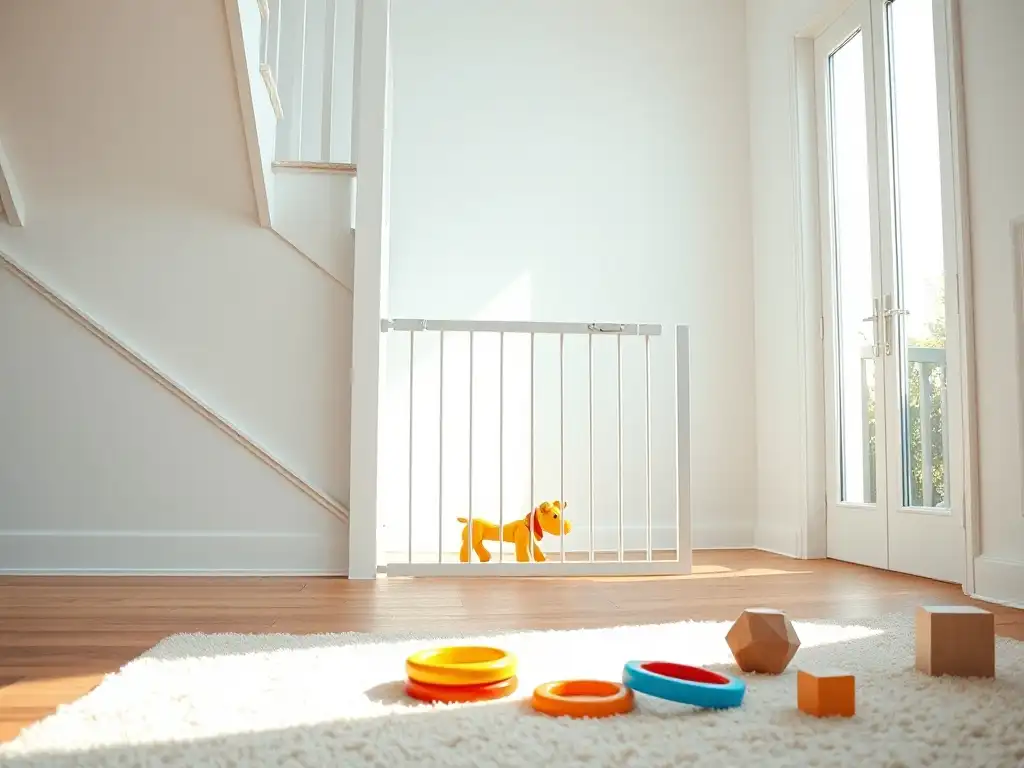
Stairways present a significant hazard for young children, who are at high risk for falls. Installing safety gates is one of the most effective ways to protect your child from these potential accidents. Choose gates that are sturdy, easy to install, and difficult for a child to open. Pressure-mounted gates are convenient, but ensure they are firmly fitted to prevent accidental dislodging. Hardware-mounted gates offer greater security and are often a better choice for wider openings or areas where pressure-mounted gates might be less secure.
Beyond gates, consider adding additional safety measures. For example, if there are any low-lying obstacles near the stairs, remove them or secure them to prevent your child from tripping. Proper lighting on the stairs will also improve visibility and reduce the risk of falls, both for your child and for adults navigating the staircase.
Regularly inspect the gates and other safety equipment to ensure they are in good working order and securely fastened. Always supervise your child near the stairs, even with safety gates in place, as children can be surprisingly resourceful in finding ways around obstacles. Remember, a multi-layered approach combining robust safety equipment with vigilant supervision is crucial for maximizing your child's safety on the stairs.
Bathroom Safety: Preventing Drowning and Burns
Preventing accidents in the bathroom is crucial for babyproofing your home. Drowning is a significant risk, even in small amounts of water. Never leave your baby unattended near bathtubs, sinks, or toilets, even for a moment. Always ensure the water is lukewarm before bathing your baby; testing with your inner wrist is a good method. Avoid using extremely hot water for cleaning purposes, as scalding is a serious risk.
Consider installing anti-scald devices on your faucets to limit the maximum water temperature. Store all cleaning supplies, medications, and toiletries out of reach, preferably in locked cabinets. A child-resistant latch on the medicine cabinet is a worthwhile investment. Remember, a few seconds of inattention can lead to a tragic accident.
Prioritize constant supervision and proactive safety measures in the bathroom. A non-slip bath mat can also prevent falls, adding another layer of protection for your little one. Regularly check for any leaks or potential hazards, such as loose tiles or exposed wiring. A proactive approach to bathroom safety is essential for creating a secure environment for your baby.
Kitchen Safety: Preventing Burns, Cuts, and Poisoning
The kitchen is another high-risk area requiring significant babyproofing. Preventing burns is paramount. Turn pot handles inward on the stovetop to prevent your baby from grabbing them. Use the back burners whenever possible and avoid leaving hot drinks or food within their reach. Install stovetop safety knobs to prevent accidental activation by curious little fingers.
Sharp knives and other cutting utensils should be stored out of reach, ideally in locked drawers or cabinets. Keep cleaning supplies, including harsh chemicals and detergents, locked away securely. Many cleaning products contain toxic substances that can cause serious harm if ingested. Consider using childproof latches on all kitchen cabinets and drawers. Additionally, keep electrical cords neatly organized and out of reach, preventing potential strangulation hazards.
Be mindful of small objects that could be choking hazards, such as buttons, coins, or small food items. Always supervise your baby when they are in the kitchen, even if they are in a high chair. Remember, a well-babyproofed kitchen is a safe kitchen. Regularly review your safety measures to ensure they remain effective as your baby grows and develops. This continuous vigilance is key to minimizing kitchen-related accidents.
Toy Safety: Choosing Age-Appropriate and Safe Toys
Selecting age-appropriate and safe toys is crucial for your baby's well-being. Always check toy labels for age recommendations and safety warnings. Avoid toys with small parts that could pose a choking hazard for babies under three. Toys should be made of non-toxic materials and be sturdy enough to withstand rough play. Inspect toys regularly for any damage, such as broken pieces or loose parts, and discard any damaged toys immediately.
Soft toys should be regularly washed to remove dust mites and bacteria. Choose toys that encourage developmentally appropriate play, such as rattles, stacking cups, or soft blocks. Avoid toys with long strings or cords that could pose a strangulation risk. Always supervise your baby while they are playing with toys to prevent accidents.
Consider the toy's size and shape – ensure it is not too small to be swallowed or too large to be a tripping hazard. Remember, toy safety is an ongoing process; regular checks and careful selection are crucial for a safe and enjoyable playtime experience. Prioritize toys that stimulate your baby's senses and promote their cognitive and physical development while ensuring their complete safety. This proactive approach will contribute significantly to a safe and enriching play environment for your little one.
Creating a Safe Play Area: Designating a Baby-Friendly Space
Creating a safe play area is paramount for your baby's well-being. This dedicated space should be free from hazards and designed to encourage exploration while minimizing risks. Consider the following when establishing your baby's play area:
- Floor Covering: Opt for soft, padded flooring like carpeting or interlocking foam mats to cushion falls. Hardwood floors or tile can be unforgiving if your little one takes a tumble. Avoid rugs with long fringes or tassels that could pose a strangulation hazard.
- Furniture Selection: Choose sturdy, low-profile furniture. Avoid anything with sharp edges or corners. Consider anchoring tall furniture to the walls to prevent tipping accidents. A bookshelf, for example, should be securely fastened, especially if it contains heavy items.
- Toy Selection: Choose age-appropriate toys that are free from small parts that could be choking hazards. Regularly inspect toys for damage and discard any that are broken or pose a potential risk. Always supervise your baby during playtime.
- Wall Protection: Consider using corner guards on sharp furniture edges and outlet covers to prevent electric shocks. These small but significant precautions can significantly reduce the risk of injury.
- Window Treatments: Ensure window coverings are secured and out of reach to prevent strangulation or entanglement. Cordless blinds are a safer alternative to traditional blinds with cords. This is especially crucial in a play area where your baby might be crawling or pulling themselves up.
Dealing with Toxic Substances: Poison Control and Storage Solutions
Protecting your baby from toxic substances is a critical aspect of babyproofing. This requires careful storage of cleaning products, medications, and other potentially harmful materials.
- High Storage: Store all cleaning supplies, medications, and other potentially harmful substances out of reach, ideally on high shelves or in locked cabinets. This ensures that your curious baby cannot access these items. Remember that children are surprisingly adept at reaching things!
- Poison Control Knowledge: Familiarize yourself with your local poison control center's phone number and keep it readily accessible. Knowing how to react quickly in a poisoning emergency can be life-saving. Post the number prominently near your phone.
- Secure Storage Containers: Use child-resistant containers for all medications and hazardous substances. While not foolproof, these containers add an extra layer of security. Never assume that a child cannot open a container; always double-check.
- Careful Product Selection: When choosing cleaning products, opt for non-toxic or eco-friendly options whenever possible. This reduces the risk of exposure to harsh chemicals. Consider the long-term health implications for your child.
- Regular Inspection: Periodically check your storage areas to ensure that all potentially hazardous materials are securely stored and out of reach. This is especially crucial after cleaning or rearranging your home.
Emergency Preparedness: First Aid Kit and Contact Information
Being prepared for emergencies is essential for any parent. Having a well-stocked first-aid kit and readily available emergency contact information can make all the difference in a crisis.
- First Aid Kit Essentials: Assemble a comprehensive first-aid kit that includes bandages, antiseptic wipes, gauze pads, pain relievers (appropriate for your baby's age), and any other necessary supplies. Keep the kit in a readily accessible location and ensure that all family members know its location.
- Emergency Contacts: Create a list of emergency contacts including your pediatrician, poison control center, and trusted neighbors or family members. Keep this list near your phone and ensure that it is updated regularly. Consider adding the contact information to your phone as well.
- Emergency Plan: Develop a basic emergency plan that outlines what to do in case of common accidents like burns, cuts, or choking. Practice this plan with other caregivers to ensure everyone is prepared. A well-rehearsed plan can help reduce panic in a stressful situation.
- CPR Certification: Consider taking a CPR and first aid course designed for infants and children. Knowing CPR can be invaluable in a life-threatening emergency. Many community centers offer these courses.
- Regular Check-ups: Regularly check your first-aid kit to ensure that all supplies are in good condition and that medications are not expired. Replace any outdated or damaged items promptly. This proactive approach ensures that you are always prepared.
Beyond the Checklist: Creating a Safe and Stimulating Environment for Your Baby
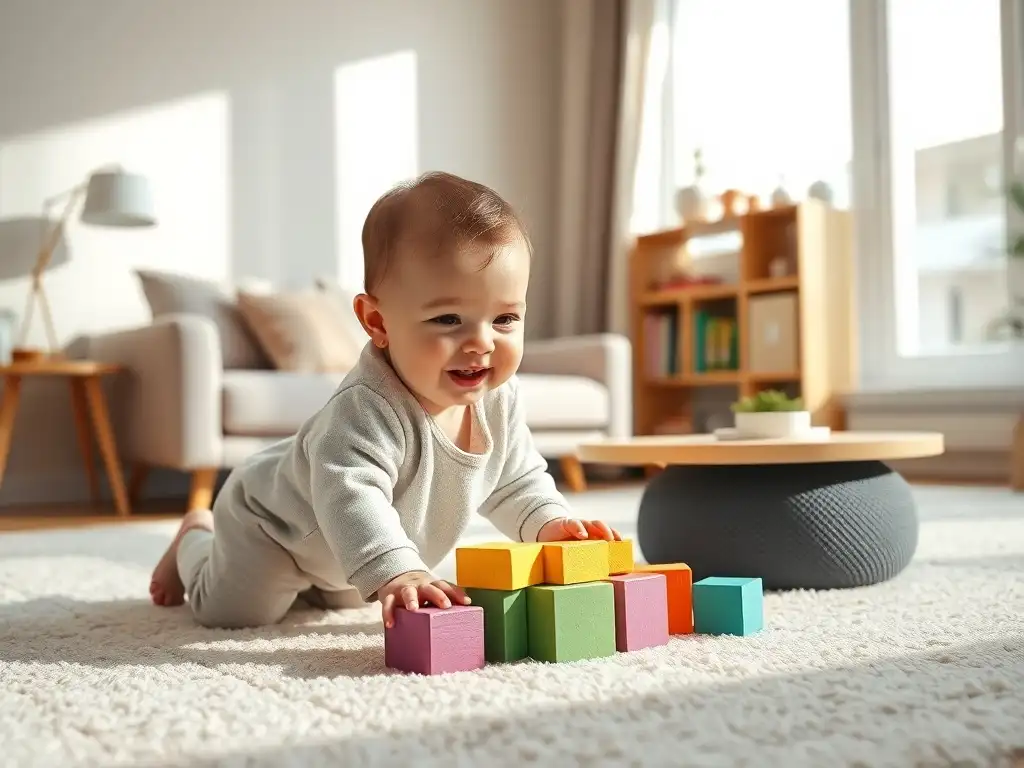
This section moves beyond the typical babyproofing checklist often targeted at first-time parents, delving into the creation of a home that's not only safe but also enriching for your baby's development. A checklist provides a great starting point for babyproofing, but true safety involves a holistic approach, considering your child's evolving needs and abilities. This means adapting your safety strategies as your little one grows and learns.
Remember, babyproofing isn't just about preventing accidents; it's about fostering independence within a secure environment. The goal is to create a space where your child can explore and learn while minimizing risks. This approach significantly reduces parental stress and builds a foundation of trust and confidence.
Babyproofing for Crawlers and Toddlers: Adapting to Developmental Stages
The developmental milestones your baby reaches directly impact your babyproofing strategy. A checklist designed for a newborn won't suffice for a mobile toddler. Here's a breakdown:
- Crawlers (6-10 months): At this stage, focus on securing low-lying hazards. This includes:
- Securing electrical cords with cord covers.
- Blocking access to stairs with baby gates.
- Padding sharp corners and edges of furniture.
- Removing small objects that could be choking hazards.
- Regularly checking for loose items that could be pulled down.
- Toddlers (12-36 months): Toddlers are more mobile and curious, requiring a more comprehensive approach. Consider:
- Installing cabinet locks to prevent access to cleaning supplies and medications.
- Using window guards to prevent falls.
- Securing heavy furniture to walls to prevent tipping.
- Covering electrical outlets with safety plugs.
- Storing potentially dangerous items (e.g., knives, scissors) out of reach and in locked cabinets.
Remember to regularly reassess your babyproofing efforts as your child develops new skills. What was safe last month might pose a danger now. The key is adaptability and proactive safety measures. A proactive approach is much more effective than reacting to accidents.
Regular Safety Checks: Maintaining a Safe Home Environment
Creating a safe environment isn't a one-time task; it's an ongoing process. Regular safety checks are crucial for maintaining a safe home for your growing child. Consider implementing a monthly or quarterly safety audit, focusing on different areas of your home each time. This systematic approach ensures that potential hazards are identified and addressed promptly.
Here's a sample schedule:
| Month | Focus Area | Checklist Items |
|---|---|---|
| 1 | Kitchen & Bathrooms | Check cabinet locks, secure cleaning supplies, inspect electrical cords |
| 2 | Living Room & Bedrooms | Inspect furniture stability, check for sharp edges, review window guards |
| 3 | Stairs & Hallways | Check baby gates, inspect handrails, clear walkways |
| 4 | Outdoor Areas (if applicable) | Secure fences, remove hazards, check for potential climbing points 🪴 |
Remember to involve other family members in these checks, fostering a shared responsibility for your child's safety. This shared responsibility is key to making the babyproofing process effective and sustainable.
Teaching Your Child About Safety: Age-Appropriate Safety Lessons
While babyproofing minimizes risks, teaching your child about safety is equally important. This proactive approach empowers them to make safe choices as they grow older. Start early by using simple language and positive reinforcement.
- Infants (0-12 months): Focus on creating a predictable and safe routine. This consistency helps establish a sense of security and reduces the likelihood of accidents.
- Toddlers (12-36 months): Introduce simple safety rules using clear and concise language. For example, "Hot things are dangerous. Don't touch!" Use visual aids like picture cards to reinforce lessons.
- Preschoolers (3-5 years): Begin teaching more complex safety concepts, such as stranger danger, road safety, and fire safety. Role-playing can be a fun and effective way to teach these skills.
Remember, consistent and patient teaching is key. Children learn through repetition and positive reinforcement. Make safety lessons a fun and interactive part of your daily routine. This approach lays the foundation for safe and responsible behavior throughout their childhood. 🧸
Resources for First-Time Parents: Further Support and Information
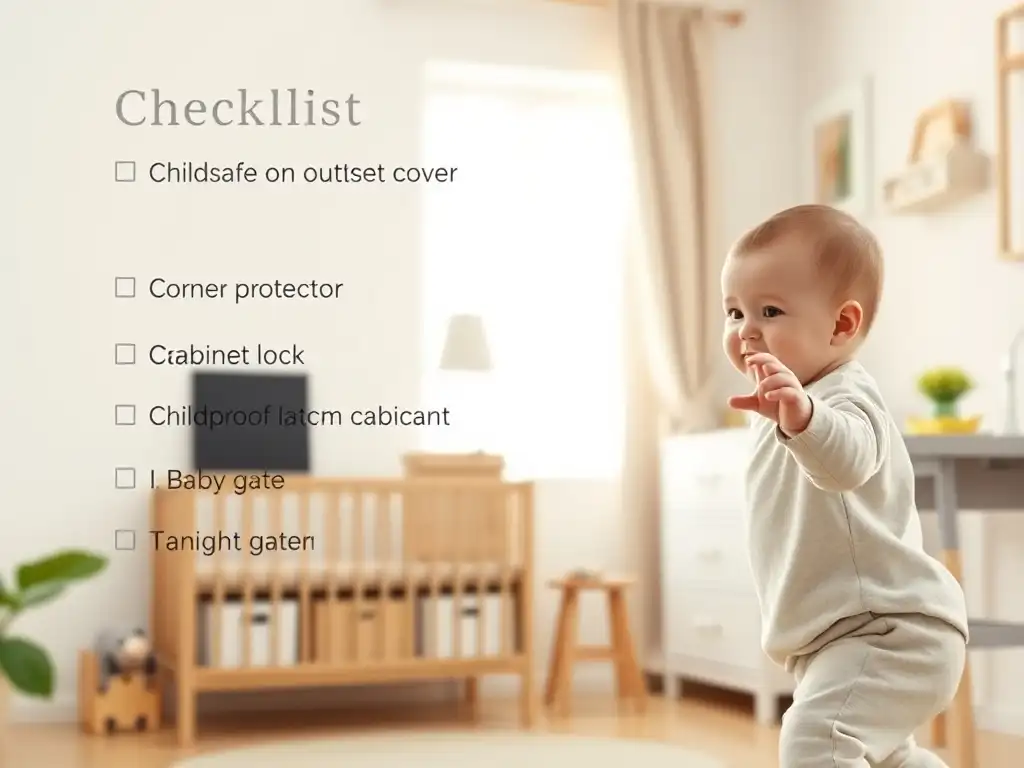
Creating a safe environment for your newborn is a top priority for first-time parents. Babyproofing can feel overwhelming, but remember you're not alone. Numerous resources exist to guide you through this process and provide additional support. This section offers a starting point for finding further information and expert advice as you create a baby-friendly home. This checklist, focusing on babyproofing checklist firsttime parents, should help you feel more confident in your approach.
Recommended Babyproofing Products: Reviews and Recommendations
Choosing the right babyproofing products can significantly impact the effectiveness of your safety measures. Not all products are created equal; some are more durable, easier to install, and better suited to different needs. Thorough research is crucial before making a purchase. Consider factors like your home's layout, your baby's developmental stage, and your budget.
Here's a breakdown of product categories to consider, along with factors influencing selection:
- Outlet Covers: Choose covers that are difficult for little fingers to remove. Look for ones with a secure locking mechanism. Consider the aesthetic appeal as well; you want covers that blend seamlessly with your décor. Some are even designed to match specific outlet styles.
- Cabinet Locks: Magnetic locks are generally preferred for their ease of use and strength. Ensure they are rated for use with heavier cabinets and drawers. Test the locking mechanism frequently to ensure it remains effective. Consider child-resistant latches, particularly for cabinets containing cleaning products or sharp objects.
- Corner and Edge Guards: These are essential for protecting your baby from sharp corners on furniture and tables. Look for guards made from soft, durable materials that are easily cleaned. Consider the thickness and adhesive strength for optimal protection.
- Door Stops: These prevent fingers from getting pinched in doors. Choose durable door stops that stay in place effectively. Consider the style and color to match your home's aesthetic. Also, look for options that don't easily come loose.
- Window Guards: These are vital for preventing falls from windows. Ensure they are installed correctly and securely. Choose guards that meet safety standards and are appropriate for your window type. Regularly check for wear and tear.
Remember to always supervise your baby, even with babyproofing in place. No system is foolproof. Regularly inspect your babyproofing to ensure everything remains securely in place. Consider replacing worn-out or damaged items promptly. Remember, babyproofing checklist firsttime parents is a journey, not a destination.
Local Safety Resources: Connecting with Experts and Support Groups
While online resources are invaluable, connecting with local experts and support groups offers personalized advice and a sense of community. This can be especially helpful for first-time parents navigating the complexities of babyproofing and child safety.
- Local Pediatrician: Your pediatrician is a fantastic resource for personalized advice on babyproofing your home based on your child's developmental stage and specific needs. Don't hesitate to ask questions about potential hazards and safety concerns.
- Child Safety Organizations: Many communities have organizations dedicated to child safety. These organizations often offer workshops, classes, and resources tailored to local needs. They can provide valuable information on local regulations and safety standards.
- Parent Support Groups: Connecting with other parents, especially first-time parents, can provide invaluable emotional support and practical advice. Sharing experiences and learning from others can alleviate stress and build confidence.
- Home Safety Inspections: Some organizations offer home safety inspections to identify potential hazards you might have overlooked. This professional assessment can provide peace of mind and ensure your home is truly baby-safe. [Specific information pending: List of local organizations offering home safety inspections].
Remember, proactive babyproofing and a supportive community are crucial for creating a safe and nurturing environment for your little one. By combining the knowledge gained from resources like this babyproofing checklist firsttime parents guide with the support of local experts, you can build a safe and happy home for your baby. Enjoy this special time! 👶
Frequently Asked Questions
What is babyproofing and why is it important for first-time parents?
Babyproofing is the process of making your home safe for your crawling and exploring baby. It's crucial for preventing injuries and ensuring your baby's well-being. First-time parents often benefit from a structured approach.
What are the key areas to focus on when babyproofing my home?
Prioritize areas where your baby spends the most time, such as the living room, kitchen, and bathroom. Focus on securing potential hazards like electrical outlets, sharp corners, and toxic substances. Remember to childproof cabinets and drawers.
When should I start babyproofing my home?
Ideally, you should begin babyproofing as soon as your baby starts to become mobile, even before they start crawling. This proactive approach will minimize risks as your baby's mobility increases. Being prepared is key.
What is a comprehensive babyproofing checklist for first-time parents?
A checklist should include securing furniture, covering electrical outlets, blocking stairways, installing cabinet locks, and storing cleaning products out of reach. Consider using corner and edge protectors and window guards. Refer to resources like BabyCareHub for detailed lists.
What are some common mistakes first-time parents make when babyproofing?
Common mistakes include underestimating a baby's abilities, focusing only on obvious hazards, and not regularly checking for new dangers as your baby grows. Regularly reviewing your safety measures is essential for ongoing protection.
Final Reflection: A Legacy of Safety: Building a Secure Future for Our Children
The relentless energy of a toddler exploring their world is both exhilarating and terrifying. Babyproofing isn't just about preventing minor bumps and bruises; it's about creating a safe haven where curiosity can flourish without the constant threat of serious injury. This fundamental act of parental care lays the groundwork for a lifetime of confident exploration and growth.
The impact of a properly babyproofed home extends far beyond the toddler years. It fosters a sense of security and trust, shaping a child's understanding of their environment and their place within it. This early emphasis on safety translates into a lifelong appreciation for risk assessment and responsible behavior. The best way to find yourself is to lose yourself in the service of others.
– Mahatma Gandhi. While not directly about babyproofing, this quote speaks to the selfless act of creating a safe environment for a child, an act that ultimately benefits both parent and child.
Now, consider your own home. Take a moment to walk through each room, viewing it through the eyes of a curious, mobile infant. Are there potential hazards lurking unseen? This isn't just about ticking off items on a checklist; it's about cultivating a mindful approach to safety, a proactive stance that prioritizes your child's well-being above all else. Embrace the challenge of creating a truly secure environment, and watch as your child thrives in a world designed with their safety and happiness in mind.
Unlock Your Little One's Safe Exploration!
Thank you for learning about babyproofing your home. We hope you feel empowered to create a safer environment for your child. Ready to get started?
- Prioritize the biggest dangers: Take a fresh look around your home and identify the three biggest potential hazards for your baby. Focus on these first to make the biggest impact quickly.
- Share your experiences: Join our BabyCareHub community and connect with other parents. Share your successes and challenges—we can all learn from each other!
- Track your progress: Use a checklist, sticky notes, or a spreadsheet to track your progress. Checking off completed tasks will boost your confidence and keep you motivated.
What area of your home are you prioritizing this week, and what's your biggest challenge so far?