
BabyProofing Your Home: Creating a Safe Haven for Your Little One


Welcome to BabyCareHub, your ultimate guide to navigating the exciting yet challenging journey of parenthood! Are you ready to create a safe and nurturing environment for your precious little one? Then you've come to the right place. Discover our essential babyproof home safety checklist and learn how to transform your house into a haven where your baby can thrive and explore without compromising their safety. Let's embark on this journey together – your baby's well-being starts here.
-
Babyproofing Checklist: A Room-by-Room Guide to Home Safety
- Assessing Your Home's Safety: A Pre-Babyproofing Inspection
- Living Room Babyproofing: Securing Hazards in the Family Hub
- Kitchen Safety for Babies: Preventing Burns and Other Accidents
- Babyproofing the Nursery: A Safe Sleep Environment
- Bathroom Babyproofing: Preventing Drowning and Other Risks
- Hallway and Staircase Babyproofing: Preventing Falls and Injuries
- Babyproofing Products: Essential Tools for a Safer Home
- Creating a Safe Outdoor Environment: Backyard Babyproofing
- Ongoing Babyproofing Maintenance: Staying Ahead of the Curve
- Frequently Asked Questions
- Final Reflection: Building a Legacy of Safety, One Home at a Time
- Ready to Transform Your Home into a Safe Sanctuary?
Babyproofing Checklist: A Room-by-Room Guide to Home Safety
Bringing your little one home is an incredibly joyous occasion, filled with love and anticipation. However, it also marks the beginning of a new chapter focused on ensuring your baby's safety and well-being. This comprehensive guide provides a step-by-step approach to babyproofing your home, transforming it into a safe haven where your child can explore and grow without unnecessary risks.
We'll cover a room-by-room babyproofing checklist, focusing on common hazards and offering practical solutions to mitigate them. This guide aims to equip you with the knowledge and tools necessary to create a secure environment for your precious baby, addressing crucial aspects of home safety and helping you navigate the process of creating a truly babyproof home, effectively addressing your concerns regarding a "babyproof home safety checklist". Let's begin building a safe and nurturing space for your little one to thrive!
Assessing Your Home's Safety: A Pre-Babyproofing Inspection
Before diving into the room-by-room babyproofing process, a thorough inspection of your home is crucial. This preliminary assessment helps identify potential hazards you might otherwise overlook. Think of it as a safety audit for your home, from the perspective of a curious, mobile baby. Get down on your hands and knees – literally! – to see your home from your baby's viewpoint. Look for potential dangers such as loose electrical cords, sharp corners, accessible cleaning supplies, and small objects that could be choking hazards. Consider these key areas during your inspection:
- Low-hanging hazards: Anything within reach of a crawling or pulling-up baby needs immediate attention.
- Electrical outlets and cords: Uncovered outlets and dangling cords pose significant risks.
- Sharp edges and corners: Protect sharp edges on furniture and corners with corner guards or padding.
- Windows and balconies: Ensure windows are securely locked and balconies are gated.
- Toxic substances: Store cleaning supplies, medications, and other potentially harmful substances out of reach and in locked cabinets.
Remember to take photos or notes of areas needing attention. This will create a visual record to guide your babyproofing efforts and ensure you address every potential hazard. This meticulous approach will ensure your baby's safety and peace of mind. Consider using a checklist to systematically document your findings. This will ensure a comprehensive and efficient babyproofing process.
Living Room Babyproofing: Securing Hazards in the Family Hub
The living room, often the heart of the home, presents a unique set of babyproofing challenges. It's a space where family gathers, plays, and relaxes, but it also contains many potential hazards for a curious baby. Let's tackle these challenges systematically.
Securing Furniture and Preventing Tipping Accidents
Many pieces of furniture, especially tall or heavy ones, pose a tipping risk. A curious baby pulling themselves up on a bookcase or entertainment center could easily cause it to topple, resulting in serious injury. To mitigate this risk:
- Anchor furniture to walls: Use sturdy wall anchors and straps to secure tall furniture pieces like bookcases, dressers, and entertainment centers.
- Secure heavy objects: Keep heavy objects on lower shelves, away from the edges.
- Use furniture safety straps: These straps can secure furniture to the wall, preventing tipping accidents.
- Avoid placing furniture near windows: This prevents the possibility of a fall from a height.
Remember, prevention is key! By taking these measures, you dramatically reduce the risk of furniture tipping accidents.
Electrical Outlet Safety and Cord Management
Electrical outlets and cords are ubiquitous in the living room and represent a major safety concern. Babies are naturally curious and may try to put things into electrical outlets or chew on cords. Here's how to address this:
- Use outlet covers: Install safety plugs in all unused electrical outlets.
- Secure cords: Use cord covers or tuck cords away neatly to prevent tripping hazards and prevent your child from accessing and chewing on them.
- Keep electronics away from reach: Place electronics and their cords out of reach.
- Regularly inspect cords: Check cords for damage, and replace damaged ones immediately.
Preventing Poisoning: Safeguarding Cleaning Supplies and Medications
The living room might also contain cleaning supplies and medications, both of which can be extremely dangerous to babies if ingested. Implementing these steps can significantly reduce the risk of poisoning:
- Store all cleaning supplies and medications out of reach: Place them in high, locked cabinets.
- Use childproof locks: Install childproof locks on all cabinets containing potentially harmful substances.
- Keep the poison control number handy: Post the poison control number prominently near your phone.
- Never leave cleaning supplies unattended: Always supervise children when cleaning.
Remember, creating a safe home environment for your baby is an ongoing process. Regular inspections and adjustments are crucial to ensure your little one remains safe as they grow and develop. By following these guidelines, you’ll be well on your way to creating a safe and happy home for your family. 👶🏠
Kitchen Safety for Babies: Preventing Burns and Other Accidents
The kitchen is a hub of activity, but also a potential minefield of hazards for curious babies. Babyproofing this area requires a multi-pronged approach, focusing on preventing burns, falls, and access to dangerous items. Implementing these safety measures will significantly reduce the risk of accidents and create a safer environment for your little one.
Stovetop and Oven Safety Measures
Stovetops and ovens are major sources of burns. Always turn pot handles inward to prevent little hands from grabbing them and pulling hot pots or pans down. Consider using back burner positions whenever possible. Install stove knob covers to prevent your baby from turning on the burners. Oven safety is equally crucial; keep oven doors closed and consider using an oven lock to prevent accidental opening. Remember, even a brief moment of inattention can lead to a serious accident. Regularly checking the temperature of food and surfaces is essential to avoid accidental burns.
Preventing Falls from Countertops
Countertops present a significant fall risk. Never leave your baby unattended on high chairs or even for a moment on the countertop. Installing safety gates at the entrances to the kitchen can help restrict access. Keep frequently used items within easy reach to minimize the need to climb or reach for things on higher shelves. Consider using child-resistant latches on cabinets and drawers under the countertops to prevent your baby from accessing dangerous items or pulling down heavy objects. Prioritize keeping breakable items out of reach or in secure storage.
Securing Cabinets and Drawers
Cabinets and drawers often contain cleaning supplies, sharp objects, and other dangerous items. Install childproof latches on all lower cabinets and drawers, ensuring they are securely fastened and difficult for your baby to open. Keep hazardous materials such as cleaning products, medications, and sharp knives in high, locked cabinets completely out of reach. Regularly check that the latches are functioning correctly, as babies are remarkably adept at finding ways around safety mechanisms. Consider using magnetic cabinet locks for added security, as these are often more difficult for children to manipulate.
Safe Food Storage and Preparation
Food storage and preparation also require attention. Keep food items that could pose a choking hazard (like nuts, popcorn, or small candies) in high, locked cabinets. Always supervise your baby while eating, and cut food into small, manageable pieces to minimize choking risks. Store all potentially harmful foods and substances—such as cleaning products, pesticides, and medications—in locked cabinets, well out of reach. Remember, a moment of carelessness can lead to a potentially dangerous situation for your child. Regularly clean up spills and crumbs to prevent falls and create a cleaner, safer environment for your baby.
Babyproofing the Nursery: A Safe Sleep Environment
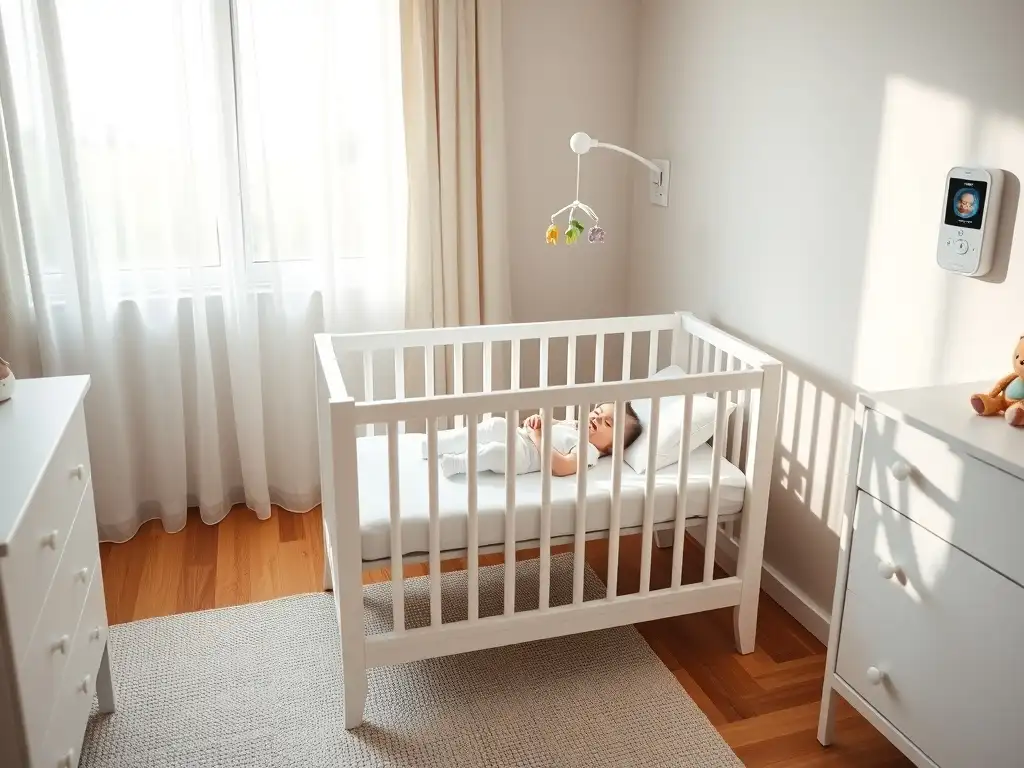
The nursery should be a sanctuary of safety and tranquility for your baby. Creating a secure sleep environment is paramount. This includes ensuring the crib is safe, windows are secure, and potential choking hazards are eliminated. A properly babyproofed nursery contributes significantly to a peaceful night's sleep for both you and your baby.
Crib Safety and Mattress Security
The crib should be the safest place for your baby to sleep. Ensure the crib meets current safety standards, with no loose screws, gaps, or broken slats. The mattress should fit snugly, with no gaps between the mattress and the crib sides. Avoid using pillows, blankets, bumper pads, or loose toys in the crib, as these pose suffocation risks.
Always place your baby on their back to sleep on a firm, flat surface. Regularly inspect the crib for any signs of damage or wear and tear and replace it if necessary. A secure and safe crib is a fundamental aspect of babyproofing the nursery.
Window and Blind Safety
Windows and blinds present a significant hazard in the nursery. Install window guards or safety latches to prevent your baby from opening windows and falling out. Ensure that cords from blinds and curtains are out of reach, as these pose strangulation risks. Consider cordless blinds or shades as a safer alternative. Regularly check the condition of window guards and safety latches to ensure they remain securely fastened. Protecting your baby from falling out of windows is a critical aspect of nursery safety.
Toy Safety and Choking Hazards
Toys should be age-appropriate and safe. Avoid toys with small parts that could pose a choking hazard. Inspect toys regularly for damage and discard any broken or worn-out toys. Always supervise your baby while they are playing with toys. Store toys in designated areas to prevent clutter and tripping hazards. Choosing toys that are specifically designed for babies and meet safety standards is essential for preventing accidents. Regularly rotate toys to keep your baby engaged and prevent boredom.
Bathroom Babyproofing: Preventing Drowning and Other Risks
The bathroom presents unique hazards for babies and toddlers. Water, sharp objects, and toxic substances are all readily available, demanding careful attention to detail when babyproofing. A comprehensive approach is crucial to minimizing risks and creating a safe bathing environment. This involves securing potentially harmful items, preventing falls, and ensuring the overall safety of the space. Neglecting these precautions can lead to serious accidents, underscoring the importance of proactive babyproofing measures. The goal is to create a bathroom that is both functional for parents and safe for your little one.
Securing Toiletries and Cleaning Products
Toiletries and cleaning products are often stored within easy reach of curious little hands. These items can be toxic if ingested or cause severe skin irritation upon contact. Therefore, storing them securely is paramount. Consider using high, locked cabinets or shelves well out of reach of your child.
Alternatively, using childproof locks on lower cabinets is a good solution. Always check the labels of your products and ensure they are stored in their original containers. Never leave cleaning supplies unattended and always supervise children around cleaning activities. Remember, prevention is far better than cure when it comes to child safety, so taking these preventative measures is essential.
Preventing Falls in the Tub and Shower
Falls in the tub and shower are a common cause of injury among young children. The slippery surfaces and hard edges pose significant risks. To mitigate these risks, using a non-slip bath mat is crucial. These mats provide extra traction and help prevent slips and falls.
Additionally, installing grab bars can provide additional support for both parents and children. Choose a tub and shower that has rounded edges to minimize the risk of bumps and bruises. Always supervise children closely during bath time, never leaving them unattended, even for a moment. A consistent, attentive approach is key to preventing accidents.
Locking Cabinet Doors
Bathroom cabinets often contain a variety of items that are potentially harmful to babies and toddlers, from medications to cleaning supplies. Therefore, securing these cabinets with childproof locks is essential. These locks are readily available at most hardware stores and are easy to install. Choose locks that are difficult for children to open, but easy for adults to operate. Regularly check the locks to ensure they are functioning correctly and haven't been tampered with. This simple act of securing cabinets can significantly reduce the risk of accidental poisoning or injury.
Hallway and Staircase Babyproofing: Preventing Falls and Injuries
Hallways and staircases are common areas for falls and injuries among young children. Their mobility increases rapidly, leading to an increased risk of accidents. Therefore, implementing proper safety measures is crucial to create a safe environment for your child to explore. This includes the installation of appropriate safety gates, the removal of trip hazards, and the provision of adequate lighting.
Stair Gate Installation and Selection
Installing a sturdy stair gate is one of the most effective ways to prevent falls down the stairs. Choose a gate that is appropriately sized for your staircase and is securely mounted to the wall. Consider the type of gate that best suits your needs; pressure-mounted gates are convenient but may not be as secure as hardware-mounted gates. Always ensure that the gate is properly installed and functioning correctly. Regularly inspect the gate for any signs of damage or wear and tear and replace it if necessary. Remember, a secure gate is an investment in your child's safety.
Removing Trip Hazards
Hallways and staircases often contain numerous trip hazards, such as loose rugs, electrical cords, and toys. These hazards can cause children to stumble and fall, leading to potential injuries. Remove any loose rugs or secure them firmly to the floor. Keep electrical cords neatly organized and out of reach of children. Store toys and other items away when not in use. Regularly inspect the hallway and staircase for any potential hazards and take steps to eliminate them. This proactive approach to safety can significantly reduce the risk of falls and injuries.
Proper Lighting
Adequate lighting in hallways and staircases is essential for both parents and children. Poor lighting can increase the risk of falls and injuries. Ensure that the hallway and staircase are well-lit, especially at night. Consider installing nightlights or motion-sensor lights to provide additional illumination. Keep light switches within easy reach for adults. Sufficient lighting allows for better visibility, reducing the risk of tripping or falling, especially in the dark. This simple measure adds a critical layer of safety to your home's babyproofing strategy.
Babyproofing Products: Essential Tools for a Safer Home
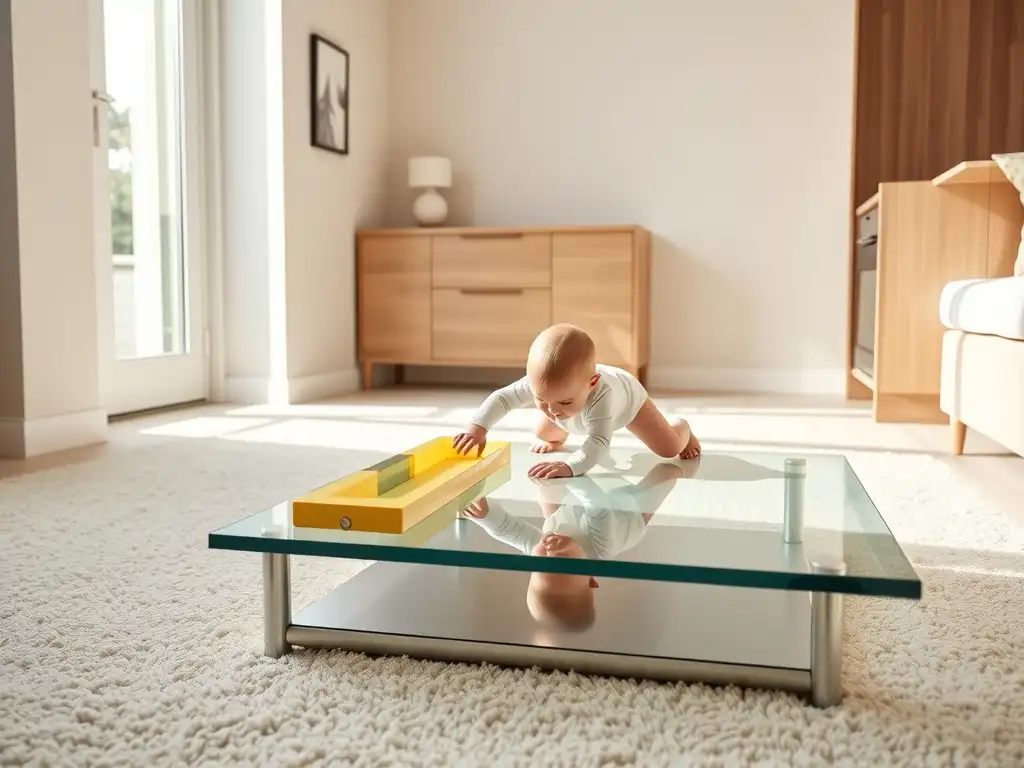
Creating a truly safe haven for your baby involves more than just rearranging furniture. Investing in the right babyproofing products is crucial for mitigating risks and providing peace of mind. This section will delve into essential tools and considerations for effective babyproofing, focusing on key product categories to help you build your own comprehensive babyproof home safety checklist.
Gate Selection: Choosing the Right Baby Gate for Your Home
Selecting the appropriate baby gate is paramount. Different gates cater to various needs and locations. Consider these factors:
- Gate Type: Pressure-mounted gates are quick and easy to install, ideal for temporary use or doorways without framing. However, they are less secure than hardware-mounted gates. Hardware-mounted gates require drilling into the door frame, providing a more secure and permanent solution. Retractible gates are space-saving options suitable for wider openings.
- Gate Height: Ensure the gate is tall enough to prevent your child from climbing over it. A minimum height of 30 inches is generally recommended, but taller gates offer additional security, especially as your child grows.
- Gate Material: Look for sturdy materials like wood or metal that are durable and resist damage. Avoid gates with potentially hazardous small parts that a baby could detach and put in their mouth.
- Gate Opening Mechanism: Choose a gate with a mechanism that is easy for adults to operate but difficult for a child to manipulate. Self-closing and locking mechanisms are highly recommended.
Example: A pressure-mounted gate might suffice for a temporary barrier in a hallway, while a hardware-mounted gate is essential for stairways. Consider purchasing multiple gates of varying types for different areas of your home. Remember to always check the gate regularly to ensure it is securely fastened and functioning correctly. A faulty gate can be more dangerous than no gate at all!
Corner and Edge Protectors: Protecting Your Little One from Sharp Edges
Sharp corners and edges on furniture and other household items pose a significant risk to crawling and toddling babies. Corner and edge protectors offer a simple yet effective solution.
- Types of Protectors: These come in various forms, including foam, rubber, and plastic. Foam protectors are soft and pliable, ideal for absorbing impacts. Rubber and plastic protectors are typically more durable and can withstand more wear and tear. Some protectors are self-adhesive, making installation quick and easy. Others require screws or other fasteners.
- Placement: Strategic placement is crucial. Focus on high-traffic areas and furniture with prominent sharp edges, such as coffee tables, desks, and nightstands. Remember to check regularly for any signs of wear or damage and replace protectors as needed.
- Material Considerations: Consider the material's durability and ease of cleaning. Some materials are more resistant to stains and damage than others. Look for non-toxic and BPA-free materials to ensure your child's safety. Also, consider the aesthetic appeal, selecting protectors that blend well with your home decor.
Outlet Covers and Childproof Locks: Preventing Electrical Shocks and Access to Dangerous Items
Electrical outlets and cabinet contents represent significant hazards for curious babies. Outlet covers and childproof locks are indispensable in minimizing these risks.
- Outlet Covers: These simple yet effective devices prevent children from inserting fingers or objects into electrical outlets, preventing potential electrical shocks. Choose durable and securely fitting covers that resist tampering.
- Childproof Locks: These are crucial for securing cabinets and drawers containing cleaning supplies, medications, and other dangerous items. Different types of locks are available, including magnetic, adhesive, and keyed locks. Consider the type of cabinet or drawer and choose the lock that provides the most secure fit.
- Strategic Placement: Install outlet covers in all accessible outlets throughout your home. Pay special attention to low-lying outlets within reach of children. For cabinets, prioritize those containing cleaning supplies, medications, and other potentially harmful items. Regularly inspect locks and covers to ensure they remain securely in place and functional. Replace any damaged or worn-out items immediately. A comprehensive babyproof home safety checklist should always include these items.
Remember, a proactive approach to babyproofing is essential. Regularly inspect your home for potential hazards and adjust your safety measures as your child develops and explores their environment. The peace of mind knowing you've taken steps to create a safe environment for your little one is priceless.
Cabinet and Drawer Locks: Securing Cabinets and Drawers
Cabinet and drawer locks are essential babyproofing tools, preventing access to potentially hazardous cleaning supplies, medications, sharp objects, and other dangerous items often stored in kitchen cabinets and bathroom vanities. The market offers a wide variety of options, each with its own advantages and disadvantages. Choosing the right type depends heavily on your cabinet and drawer styles.
For example, some locks utilize adhesive strips for easy installation without drilling, making them ideal for renters or those who prefer a non-permanent solution. These adhesive locks are generally suitable for lighter cabinets and drawers, but may not be strong enough for heavier ones or those frequently subjected to significant force. Always check the manufacturer's weight recommendations before purchasing.
Another popular option is the magnetic lock system. These systems consist of a magnetic catch that's attached to the inside of the cabinet or drawer and a corresponding magnet installed on the outside. They are generally more robust than adhesive locks and offer a clean, almost invisible look. However, they may require some minor adjustments to ensure a snug fit and may not be suitable for all cabinet styles. Strong magnets can also interfere with certain electronic devices if placed nearby.
Finally, there are the more traditional pressure-mounted locks. These use pressure to secure themselves against the cabinet or drawer, requiring no drilling or adhesive. While generally stronger than adhesive locks, they may leave visible marks and are not always aesthetically pleasing. Additionally, their effectiveness can vary depending on the cabinet's construction.
Choosing the right type of lock also depends on your child's age and developmental stage. A toddler who's just learning to climb might need stronger, more tamper-proof locks than a slightly older child who is more easily distracted. Consider purchasing a variety of locks to suit your needs and the different types of cabinets and drawers you have. Remember to always test the locks thoroughly after installation to ensure they are securely fastened and effective in preventing access.
Regularly check the locks for wear and tear and replace them as needed to maintain optimal protection. Investing in high-quality, reliable cabinet and drawer locks is a crucial step in creating a safe environment for your baby. The peace of mind knowing that dangerous items are safely secured is invaluable.
Creating a Safe Outdoor Environment: Backyard Babyproofing
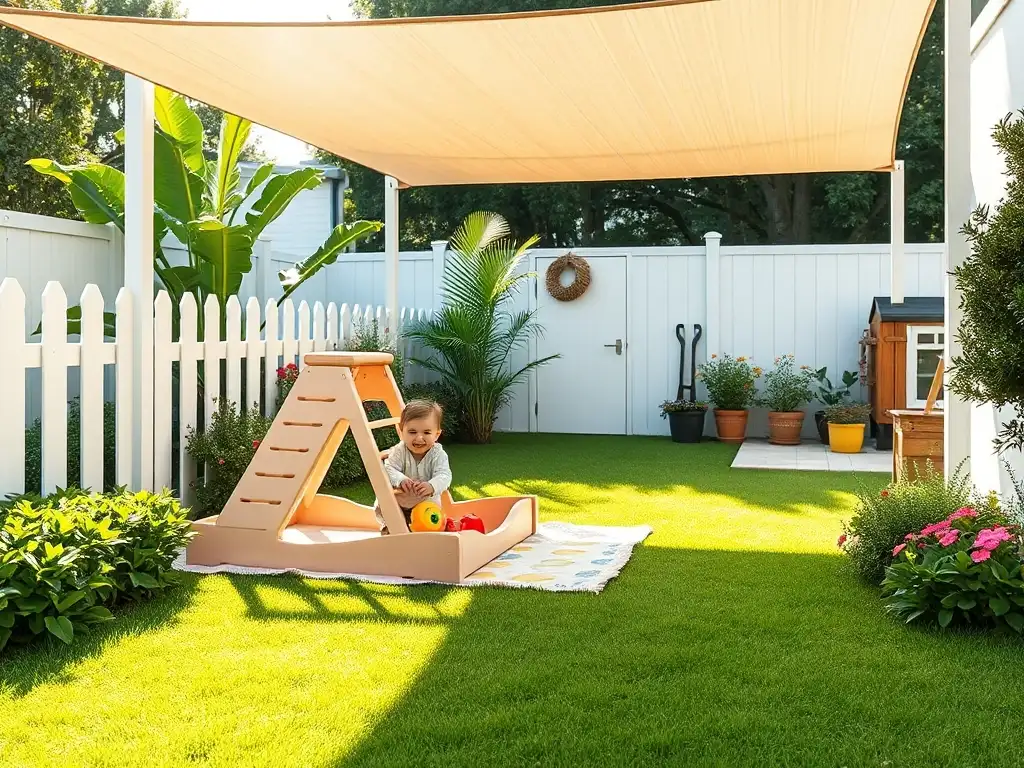
Creating a safe outdoor space for your little one is just as crucial as babyproofing the inside of your home. A seemingly harmless backyard can present numerous hazards to a curious and mobile baby. This section focuses on transforming your backyard into a secure and enjoyable play area, minimizing risks and maximizing fun. Remember, a proactive approach to outdoor babyproofing is key to preventing accidents. This section will guide you through essential steps to achieve this, contributing to your comprehensive babyproof home safety checklist.
Fencing and Gates: Securing Your Yard
Proper fencing and gates are paramount to preventing your baby from escaping the backyard and encountering potential dangers outside your property. Consider the height of your fence – it should be at least four feet tall, ideally taller, to prevent climbing. Check for any gaps or weaknesses in the fence's structure. Repair or replace any damaged sections immediately. Furthermore, gates should be self-closing and self-latching, ideally using a latch that is out of your baby's reach.
Consider using a gate that is designed specifically for babies – these typically feature double-locking mechanisms for added security. Regularly inspect gates and fences for any signs of wear and tear, addressing any issues promptly. Remember, a secure perimeter is the first line of defense in your babyproof home safety checklist. Investing in high-quality materials and regular maintenance is crucial for ensuring long-term safety.
Think of it as an investment in peace of mind. Don't forget to also consider the ground level. Ensure there are no gaps under the fence that a small child could crawl under. You might need to install additional fencing or barriers at ground level.
Pool Safety and Water Hazards
Water hazards pose a significant risk to babies and toddlers. If you have a pool, spa, or any other body of water on your property, stringent safety measures are non-negotiable. A four-sided fence completely surrounding the pool is essential, with self-closing and self-latching gates. The gate latch should be placed at a height unreachable by children.
Consider adding alarms to the gates to alert you if they are opened unexpectedly. Always supervise children around water, even for brief moments. Never leave your baby unattended near a pool, even if they are in a floatation device. Empty any containers that could hold water, such as buckets, and ensure that there are no standing water sources in your yard that could pose a drowning risk.
If you have a pond or other natural water source, consider installing a fence around it as well. This is a vital component of your babyproof home safety checklist. The potential for accidents is high, so proactive and vigilant safety measures are paramount. Remember, drowning is silent and can happen in seconds.
Plant Safety and Poisonous Plants
Many common garden plants are toxic if ingested by babies and toddlers. Identify and remove any potentially poisonous plants from your backyard. Common culprits include oleander, azaleas, rhododendrons, and certain types of lilies. Consult a gardening guide or a local nursery to identify plants that could be hazardous to children.
If you are unsure about a particular plant, it's best to err on the side of caution and remove it. For plants you cannot remove, consider building a barrier around them to prevent your child from accessing them. Keep in mind that even seemingly harmless plants can cause irritation if touched or ingested. Consider planting child-safe alternatives that are non-toxic and add beauty to your garden.
This is a crucial step in your babyproof home safety checklist, ensuring that your child's curiosity doesn't lead to accidental poisoning. Regularly check your garden for any new or unfamiliar plants, and research their toxicity before allowing your child to play nearby. A safe and enjoyable outdoor space should be free from such hazards.
Ongoing Babyproofing Maintenance: Staying Ahead of the Curve
Babyproofing isn't a one-time event; it's an ongoing process that adapts to your child's rapid development. Think of it as a dynamic safety plan, constantly evolving to meet the new challenges each stage presents. A thorough initial babyproofing effort is crucial, but consistent maintenance is equally vital to ensure your home remains a safe haven for your little explorer.
This section focuses on maintaining that initial safety net and proactively addressing emerging risks as your child grows. Staying vigilant is key to preventing accidents and fostering a secure environment for your child's healthy development. Regular inspections and adjustments are not merely recommended; they're essential components of a comprehensive babyproofing strategy.
Regular Safety Checks and Inspections
Implementing a schedule for regular safety checks is paramount. Consider a monthly, or even bi-monthly, inspection routine. This systematic approach allows you to identify and address potential hazards before they escalate into accidents. Think of it as a preventative maintenance program for your home's safety systems.
Here's a suggested checklist for your regular inspections:
- Cabinet and Drawer Locks: Check for any signs of wear and tear on cabinet and drawer locks. Replace any damaged locks immediately to prevent access to hazardous materials. Test the locks to ensure they are still functioning correctly and securely.
- Electrical Outlets: Examine all electrical outlets for any signs of damage or loose plugs. Ensure that outlet covers are securely in place and that no cords are within reach of your child. Consider using surge protectors for added safety.
- Window Guards and Locks: Verify that window guards are securely fastened and that windows are properly locked. Check for any signs of damage or looseness.
- Furniture Anchoring: Inspect all anchored furniture, such as bookshelves and dressers, to ensure they remain securely fastened to the wall. Re-tighten any loose bolts or screws.
- Stair Gates: Check that stair gates are securely closed and latched. Ensure that they are still correctly fitted to the doorway or stairwell and show no signs of damage. Test the gate's mechanism regularly.
- Toxic Substances: Regularly review the placement and storage of all cleaning products, medications, and other potentially harmful substances. Ensure they are stored securely out of your child’s reach, ideally in locked cabinets.
Remember, a proactive approach is far more effective than reacting to accidents. Regular safety checks are a small investment with potentially huge returns in terms of your child's safety and peace of mind. A simple visual inspection, accompanied by a hands-on test of security measures, will go a long way in creating and maintaining a safe environment. Don't forget to involve other family members in this crucial task, making it a shared responsibility.
Adapting Your Babyproofing as Your Child Grows
As your child grows, their abilities and mobility change rapidly. What was once a secure environment might suddenly become a hazard as your little one develops new skills, such as climbing, reaching, and pulling themselves up. This necessitates a dynamic approach to babyproofing, adjusting your safety measures to match your child's evolving capabilities. Think of it less as a static checklist and more as a continuous adaptation process.
Here's how to adapt your babyproofing strategy as your child develops:
| Developmental Stage | Adapting Your Babyproofing | Example |
|---|---|---|
| Crawling (6-10 months) | Lower furniture, secure loose cords, install gates at the bottom of stairs | Securely anchor low bookcases to the wall; tie up dangling electrical cords; install a sturdy gate at the bottom of the stairs to prevent access. |
| Pulling to Stand (9-12 months) | Anchor tall furniture, cover sharp corners, add corner guards | Securely anchor tall dressers and bookcases; use corner guards to protect sharp edges of tables and furniture. |
| Walking (12-15 months) | Install more gates, childproof cabinets thoroughly, secure all hazardous items | Install additional gates to block access to potentially hazardous areas. Ensure all cabinets containing cleaning supplies or medications are securely locked. |
| Climbing (18+ months) | Secure windows, install window guards, place heavier items lower | Install window guards to prevent falls; place heavy objects on lower shelves to prevent them from falling. |
This table provides a general guideline; however, remember that every child develops at their own pace. Observe your child's abilities and adjust your babyproofing strategy accordingly. Proactive adaptation is key to maintaining a safe environment throughout your child's early years. Regularly reassess your home's safety features to ensure they are still effective, and don't hesitate to add extra layers of protection as needed.
Resources and Further Information: [Link to relevant resources]
This section would normally contain links to further resources, such as websites dedicated to child safety, organizations offering babyproofing advice, and relevant government guidelines. Unfortunately, links are outside the scope of this response. However, a thorough online search for "babyproofing resources" or "child safety guidelines" will yield numerous reputable sources of information.
Remember to prioritize reliable and authoritative sources when seeking further information on this important topic. Consulting multiple sources can help you develop a comprehensive and effective babyproofing strategy tailored to your specific needs and circumstances. The safety of your child is paramount, so thorough research and careful planning are essential.
Frequently Asked Questions
What is the most important aspect of babyproofing?
The most important aspect is proactive planning. Begin well before your baby's mobile, focusing on areas they'll access first, like the living room and kitchen. Prioritize hazards like outlets and sharp edges.
How can I babyproof on a budget?
Many babyproofing solutions can be DIYed or sourced affordably. Use inexpensive drawer locks, furniture straps, and foam padding. Prioritize the highest-risk areas first.
What areas of my home need the most attention?
Focus on the kitchen (cabinets, appliances, cleaning supplies), bathroom (toiletries, medicine), and living room (electrical outlets, cords, furniture). Stairways and windows also require special attention.
When should I start babyproofing my home?
Ideally, begin babyproofing before your baby's arrival. This allows for a more thorough and less rushed process. However, it's never too late to start, even after your baby starts crawling.
What are some common babyproofing mistakes to avoid?
Avoid relying solely on gate barriers; they only address a small area. Don't assume your child won't reach something; they're more resourceful than you think! Regularly reassess your babyproofing as your child develops new skills.
Final Reflection: Building a Legacy of Safety, One Home at a Time
Creating a truly safe home for a baby isn't just about ticking boxes on a checklist; it's about cultivating a mindful environment where a child can thrive and explore without unnecessary risk. The seemingly small act of babyproofing transforms a house into a haven, a space designed specifically for the unique vulnerabilities and boundless potential of a new life. This shift in perspective is crucial, moving beyond mere compliance to a proactive, loving approach to child safety.
The journey of babyproofing is more than just installing gates and covering outlets; it's a deeply personal reflection on our responsibility as caregivers. It's about anticipating potential hazards before they arise, a constant evolution of awareness and adaptation as our children grow and their capabilities expand. This process profoundly shapes our understanding of parenthood and the unwavering commitment it demands. The best thing about being a parent is that you're never alone in your thoughts. You're always thinking about your child.
This resonates deeply as we navigate the challenges and joys of creating a safe space for our little ones.
Now, consider your own home. Take a moment to walk through each room, not just with your eyes, but with the perspective of a curious, mobile baby. What potential hazards do you see? What adjustments can you make to create an even safer and more enriching environment? This isn't a one-time task; it's an ongoing conversation between you and your home, a testament to your love and commitment to your child's well-being. Embrace this journey, and build a legacy of safety that extends far beyond the walls of your home.
Ready to Transform Your Home into a Safe Sanctuary?
Thank you for taking the time to learn how to childproof your home! We hope you feel confident and empowered to create a safe and nurturing environment for your little one. Now let's put your newfound knowledge into action.
- Prioritize your three biggest hazards: Take a fresh look around your home and immediately address the three greatest safety risks you've identified. This focused approach will make a significant difference!
- Share your progress: Let the BabyCareHub community know how your childproofing is going! Post a picture of your safest space in the comments—inspire other parents!
- Use our comprehensive childproofing checklist: Dive deeper into specific safety measures with our detailed checklist; it's organized by room to help you create a truly secure haven for your child.
Ready to make your home even safer for your precious child? What area will you tackle first?