
Baby Vaccination Schedule: Tips for Tracking Your Baby's Progress


Welcome to BabyCareHub, your ultimate guide to navigating the incredible journey of parenthood! Are you ready to confidently tackle the challenges and joys of raising your little one? We understand the overwhelming feeling of being a first-time parent, which is why we've created this comprehensive resource. Discover the essential information you need, starting with our detailed Baby vaccination schedule tracker – ensuring your baby's health and well-being is always top priority. Explore our Health & Safety section and unlock the secrets to a smoother, more informed parenting experience. Let's embark on this adventure together!
- Understanding Your Baby's Immunization Schedule
- Creating a Baby Vaccination Schedule Tracker
- Essential Information for Each Vaccination Visit
- Optimizing Your Baby's Vaccination Journey
-
Frequently Asked Questions
- What is a baby vaccination schedule tracker, and why is it important?
- How can I find my baby's recommended vaccination schedule?
- What happens if my baby misses a vaccination?
- Are there any apps or online tools to help me track vaccinations?
- What information should I record in my baby's vaccination tracker?
- Final Reflection: The Enduring Importance of Childhood Immunizations
- Ready to Conquer Your Baby's Vaccination Journey?
Understanding Your Baby's Immunization Schedule
Navigating the world of newborn care can feel overwhelming, especially for first-time parents. Among the many crucial aspects of raising a healthy baby, understanding and meticulously tracking your baby's vaccination schedule stands out as a critical priority. This comprehensive guide will equip you with the knowledge and tools to confidently manage your baby's immunizations, ensuring their optimal health and protection against preventable diseases. We'll delve into a recommended vaccination timeline, explain the purpose of key vaccines, and address common concerns and misconceptions surrounding infant vaccinations.
By the end of this article, you'll feel empowered to effectively utilize a baby vaccination schedule tracker and advocate for your child's well-being. This is crucial for building a strong foundation for your baby's health journey, allowing you to focus on enjoying those precious early moments with peace of mind. 👶
Recommended Vaccination Timeline for Infants
The recommended vaccination schedule for infants varies slightly depending on your location and healthcare provider's guidelines. However, a general timeline provides a helpful framework. It's crucial to remember that this is a general guideline, and your pediatrician will provide a personalized schedule based on your baby's individual needs and health history. Always consult with your doctor for the most accurate and up-to-date information. They will consider any pre-existing conditions or potential contraindications before creating a tailored plan.
Here's a sample timeline, but remember to consult your doctor:
| Age | Vaccine | Notes |
|---|---|---|
| 2 Months | HepB, RV, DTaP, Hib, PCV13 | These are often given as a combined shot to minimize the number of injections. |
| 4 Months | RV, DTaP, Hib, PCV13 | Booster shots for the previous vaccines. |
| 6 Months | RV, DTaP, Hib, PCV13, HepB | Booster shots, and potentially HepB depending on the previous administration. |
| 6-12 Months | Flu (annual) | Administered yearly, usually starting around 6 months. |
| 12 Months | MMR, Varicella, HepA | These are often given separately. |
| 15 Months | [specific information pending] | This slot may include boosters or additional vaccines depending on the region. |
| 18 Months | [specific information pending] | This slot may include boosters or additional vaccines depending on the region. |
This schedule provides a general overview. Some vaccines may be administered earlier or later depending on specific circumstances. Always follow your doctor's recommendations. Remember to keep a detailed record of all vaccinations received. This will be invaluable for future reference and for ensuring your child receives all necessary boosters at the appropriate times.
Key Vaccines and Their Purpose: Protecting Your Little One
Understanding the purpose of each vaccine is crucial to appreciating the importance of vaccination. These vaccines protect your baby from serious and potentially life-threatening diseases. Here are some key vaccines and their functions:
- DTaP (Diphtheria, Tetanus, and Pertussis): Protects against three serious bacterial infections.
- Hib (Haemophilus influenzae type b): Protects against bacterial meningitis, pneumonia, and other infections.
- PCV13 (Pneumococcal Conjugate Vaccine): Protects against pneumococcal bacteria, a common cause of pneumonia and ear infections.
- IPV (Inactivated Poliovirus Vaccine): Protects against polio, a debilitating disease.
- RV (Rotavirus Vaccine): Protects against rotavirus, a leading cause of severe diarrhea in infants.
- HepB (Hepatitis B Vaccine): Protects against hepatitis B, a viral infection that can cause liver damage.
- MMR (Measles, Mumps, and Rubella Vaccine): Protects against three highly contagious viral diseases.
- Varicella (Chickenpox Vaccine): Protects against chickenpox, a viral infection that can cause a painful rash.
- HepA (Hepatitis A Vaccine): Protects against hepatitis A, a viral infection that can cause liver inflammation.
Regular vaccination significantly reduces the risk of your baby contracting these diseases, contributing to their overall health and well-being. The benefits of vaccination far outweigh any potential risks. Remember to discuss any concerns you may have with your doctor.
Common Concerns and Misconceptions about Infant Vaccinations
Many parents have concerns or misconceptions about infant vaccinations. Addressing these concerns openly and honestly is crucial for making informed decisions.
The most common concern is the potential for side effects. While side effects are possible, they are usually mild and temporary, such as soreness at the injection site, fever, or fussiness. Serious side effects are extremely rare.
Some common misconceptions include the belief that vaccines cause autism (this has been extensively debunked by scientific research) and that vaccines overload a baby's immune system (the human immune system is capable of handling multiple vaccines simultaneously). It's essential to rely on credible sources of information, such as your pediatrician and reputable health organizations, to dispel these myths and make informed decisions based on factual evidence. Don't hesitate to ask your doctor any questions you may have.
Your peace of mind is crucial for both you and your baby. Remember, vaccination is one of the most effective ways to protect your child from serious diseases. 🎉
Creating a Baby Vaccination Schedule Tracker
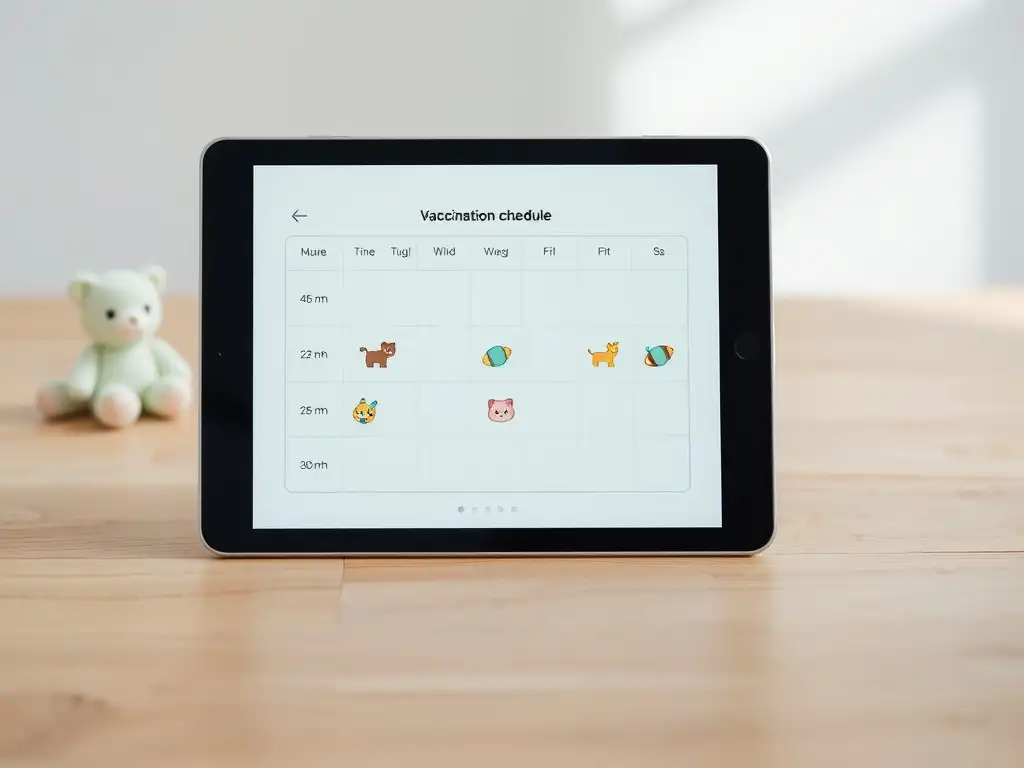
This section focuses on practical strategies for creating and maintaining a comprehensive baby vaccination schedule tracker. Effective tracking is crucial for ensuring your baby receives all necessary vaccinations on time, contributing significantly to their health and well-being. A well-organized system minimizes the risk of missed appointments and allows for easy access to vital vaccination information when needed. This is especially important for first-time parents navigating the complexities of infant healthcare. We'll explore both digital and manual methods to help you find the perfect solution for your needs.
Utilizing Digital Tools for Vaccine Tracking: Apps and Software
Numerous digital tools are available to simplify baby vaccination tracking. Many smartphone apps offer features such as customizable schedules, vaccination reminders, and the ability to store crucial medical information. These apps often incorporate features like growth charts and other developmental milestones, providing a holistic view of your baby's progress. The convenience of having this information readily accessible on your phone is a significant advantage.
Some apps also allow you to share vaccination records securely with your pediatrician, streamlining communication and ensuring a smooth flow of information between you and your healthcare provider. However, it's crucial to choose reputable apps with strong privacy protections to safeguard your child's sensitive medical data. Consider looking for apps with positive user reviews and endorsements from healthcare organizations. Remember to always check the app's privacy policy before downloading and using it.
Choosing the right app depends on your personal preferences and technological comfort level. Some parents prefer simpler apps focusing solely on vaccination tracking, while others appreciate more comprehensive apps incorporating broader aspects of baby care. Research different options and select the one that best suits your needs.
Building a Personalized Vaccination Chart: A Printable Template
For parents who prefer a more tangible approach, creating a personalized printable vaccination chart offers a practical alternative to digital tools. This method allows for a visual representation of your baby's vaccination progress, providing a clear and accessible overview at a glance. Numerous free templates are available online, offering varying levels of detail and customization options.
You can easily adapt these templates to include additional information relevant to your baby's health, such as the date and time of each vaccination, the administering physician's name, and any observed reactions. Adding notes about your baby's response to each vaccine can be beneficial for future reference. Consider laminating the completed chart for durability and longevity.
Creating your own chart allows for complete personalization. You can tailor the design to your preferences, adding decorative elements or color-coding to enhance its visual appeal and make it more engaging. This tactile approach can be particularly appealing to parents who appreciate the physical act of recording their baby's progress. Remember to keep the chart in a safe and easily accessible location.
Maintaining an Accurate Record: Tips for Tracking Vaccine Dates and Details
Maintaining an accurate record of your baby's vaccinations is paramount. Regardless of whether you utilize a digital app or a printable chart, consistency is key. Develop a routine to update your chosen tracking method immediately after each vaccination appointment. This ensures that the information is current and readily available.
- Immediately after each appointment: Record the date, time, vaccine administered, and any relevant notes (e.g., reactions, side effects).
- Keep backups: If using a digital app, consider backing up your data regularly to a cloud service or external hard drive. If using a paper chart, keep a photocopy or scan in a separate, secure location.
- Regularly review: Periodically review your baby's vaccination record to ensure accuracy and identify any potential discrepancies.
- Communicate with your pediatrician: Don't hesitate to contact your pediatrician if you have any questions or concerns regarding your baby's vaccination schedule or any observed reactions.
Accurate and up-to-date vaccination records are essential for your baby's health and well-being. By utilizing a reliable tracking system and following these tips, you can ensure that your child receives the necessary immunizations on schedule, protecting them from various preventable diseases. Remember, proactive tracking is a significant step in safeguarding your child's health.
Essential Information for Each Vaccination Visit
This section provides crucial information to help you prepare for and manage your baby's vaccination appointments. Remember, a proactive approach ensures a smoother experience for both you and your little one. Successfully navigating the baby vaccination schedule is a key component of responsible parenthood, and utilizing a baby vaccination schedule tracker can significantly aid this process.
Preparing for Your Baby's Vaccination Appointment
Before heading to your baby's vaccination appointment, there are several key steps to take to ensure a smooth and efficient visit. Proper preparation minimizes stress for both you and your baby. Consider these points:
- Check your baby's vaccination record: Review the recommended baby vaccination schedule provided by your pediatrician or public health agency. This will help you confirm which vaccines are due at this visit. Using a baby vaccination schedule tracker, either a physical copy or a digital app, is highly recommended to maintain accurate records.
- Dress your baby comfortably: Choose loose, comfortable clothing that allows easy access to the injection sites. Avoid clothing with restrictive elements or those made of scratchy materials. Think soft cotton!
- Bring a pacifier or comfort item: Many babies find the vaccination process unsettling. Having a familiar comfort item can help soothe your baby before, during, and after the injections.
- Pack snacks and drinks: Depending on your baby's age and the length of the appointment, bringing snacks and drinks can help keep them happy and hydrated.
- Plan for potential fussiness: Vaccinations can sometimes cause temporary discomfort. Be prepared for your baby to be fussier than usual following the appointment. This is perfectly normal.
Remember, your pediatrician's office will likely provide additional instructions or recommendations, so it's always best to confirm their specific guidance. Consistent use of a baby vaccination schedule tracker will ensure you never miss a scheduled appointment.
Understanding Potential Side Effects and Managing Them
While vaccinations are incredibly safe and effective, some minor side effects are possible. Knowing what to expect can ease your concerns and help you manage any discomfort. Common side effects include:
- Pain or tenderness at the injection site: This is usually mild and can be managed with gentle massage and over-the-counter pain relievers (always consult your pediatrician before administering any medication to your baby).
- Low-grade fever: A slight fever is a common reaction, often resolving within 24-48 hours. Use age-appropriate fever-reducing medication as directed by your pediatrician.
- Fussiness or irritability: Your baby might be more fussy or irritable than usual for a day or two after the vaccination. Comforting measures like cuddling, rocking, and skin-to-skin contact can be very helpful.
- Redness or swelling at the injection site: This is usually temporary and will subside within a few days.
It's crucial to remember that these are generally mild and temporary. However, severe reactions are rare. A well-maintained baby vaccination schedule tracker allows you to quickly reference the date of vaccination and any noted side effects, facilitating easier communication with your doctor if any concerns arise.
When to Contact Your Pediatrician After Vaccination
While most side effects are mild and self-limiting, there are certain situations where you should contact your pediatrician immediately:
- High fever (over 102°F or 39°C): A high fever warrants immediate medical attention.
- Excessive crying or inconsolable fussiness: If your baby is crying excessively and cannot be comforted, contact your pediatrician.
- Seizures: Seizures are a serious medical emergency and require immediate medical attention.
- Difficulty breathing: Any difficulty breathing should be addressed urgently.
- Severe allergic reaction (rash, hives, swelling of the face, lips, or tongue): This is a medical emergency and requires immediate attention.
Promptly contacting your pediatrician is essential for addressing any concerns and ensuring your baby's well-being. A detailed baby vaccination schedule tracker helps you document any unusual occurrences after vaccination, aiding in clear and concise communication with your healthcare provider. This proactive approach ensures your baby receives the best possible care.
Optimizing Your Baby's Vaccination Journey

This section focuses on maximizing the effectiveness of your baby's vaccination schedule, ensuring your little one receives optimal protection against preventable diseases. A well-organized approach to tracking your baby's vaccinations is crucial for maintaining their health and well-being. This involves more than simply attending appointments; it's about proactive communication, staying updated on recommendations, and understanding the vital role of timely vaccinations. Let's delve into the key aspects of this journey.
Communicating Effectively with Your Pediatrician
Effective communication with your pediatrician is paramount in ensuring your baby's vaccination schedule stays on track. Don't hesitate to ask questions; clarity prevents misunderstandings. Before each appointment, prepare a list of concerns or questions. This proactive approach ensures you receive the most accurate and personalized information for your baby's specific needs.
For instance, if you have concerns about potential side effects, discuss them openly with your doctor. They can provide reassurance and address any anxieties you might have. Remember, your pediatrician is a valuable resource, and open dialogue is key to a successful vaccination journey. Active participation in these conversations allows you to become an informed and engaged partner in your child's healthcare.
The more prepared you are, the more productive your conversations will be, leading to a smoother and less stressful vaccination experience. Don't forget to confirm the specific vaccines scheduled for each visit and note any specific instructions provided by the doctor. This proactive communication fosters trust and ensures your baby receives the best possible care.
Staying Informed about Vaccine Updates and Recommendations
The landscape of vaccine recommendations and updates is constantly evolving. Staying abreast of these changes is crucial for ensuring your baby receives the most up-to-date protection. Reliable sources of information include your pediatrician's office, the CDC (Centers for Disease Control and Prevention), and reputable health organizations. Regularly checking these sources for updates on recommended vaccines, potential side effects, and any changes in scheduling guidelines is a proactive way to stay informed.
The information provided will help you answer questions and address concerns, especially if you encounter conflicting information online. Remember to differentiate between reliable sources and misinformation. A well-informed parent is best equipped to advocate for their child's health.
This commitment to continuous learning ensures your baby's vaccination journey is aligned with the latest scientific advancements and best practices in pediatric care. Consider setting reminders on your phone or calendar to check for updates at regular intervals, perhaps every three months. This proactive approach helps prevent overlooking critical information.
The Importance of Timely Vaccinations for Your Baby's Health
Timely vaccinations are not merely a schedule to follow; they are a cornerstone of your baby's health and well-being. Each vaccine offers protection against specific diseases, many of which can have severe or even life-threatening consequences for infants. For example, the MMR (Measles, Mumps, and Rubella) vaccine protects against highly contagious diseases that can lead to serious complications. Similarly, the polio vaccine prevents paralysis, a debilitating condition.
Delaying or skipping vaccinations significantly increases your baby's vulnerability to these preventable illnesses. The impact of these diseases can be devastating, leading to hospitalizations, long-term disabilities, and in some cases, even death. Therefore, adhering to the recommended vaccination schedule is a critical step in safeguarding your baby's health and contributing to a healthier community. A timely vaccination schedule reduces the risk of contracting these diseases, protecting your baby and contributing to herd immunity, shielding those who cannot be vaccinated.
Prioritize appointments, and view this as an integral part of your baby's preventative healthcare. The benefits of timely vaccination far outweigh any perceived risks. This proactive approach ensures your child enjoys a healthier childhood and a stronger immune system.
Frequently Asked Questions
What is a baby vaccination schedule tracker, and why is it important?
A baby vaccination schedule tracker is a tool, either digital or physical, used to monitor your baby's vaccination progress. It's crucial for ensuring your baby receives all necessary vaccines on time, protecting them from serious diseases. This helps you stay organized and avoid missed shots.
How can I find my baby's recommended vaccination schedule?
Your pediatrician is the best resource for determining the correct vaccination schedule for your baby. They will provide a personalized schedule based on your baby's age and health. You can also often find general schedules online from reputable sources like the CDC.
What happens if my baby misses a vaccination?
Don't panic if a vaccination is missed. Contact your pediatrician immediately to reschedule. Most missed vaccinations can be caught up, but delaying can increase the risk of your child contracting preventable diseases.
Are there any apps or online tools to help me track vaccinations?
Yes! Many mobile apps and online platforms offer features to track your baby's vaccination schedule. These tools often allow you to input vaccination dates, receive reminders, and even generate reports. Search your app store or online for "baby vaccination tracker."
What information should I record in my baby's vaccination tracker?
Record the date of each vaccination, the type of vaccine administered, and any observed side effects. Keep this information readily available for doctor's visits and to share with caregivers. Some trackers also allow you to record the lot number of the vaccine.
Final Reflection: The Enduring Importance of Childhood Immunizations
The timely and accurate tracking of your baby's vaccination schedule is not merely a logistical exercise; it's a crucial act of safeguarding your child's health and contributing to the collective immunity of our communities. Failing to maintain a complete vaccination record leaves children vulnerable to preventable diseases, a risk we can and should actively mitigate.
The impact of widespread vaccination programs on global health is undeniable. We've witnessed the near eradication of diseases like polio and measles, a testament to the power of collective action and preventative medicine. The single best investment we can make in our children’s future is to ensure they are fully vaccinated.
This quote underscores the profound societal benefit of ensuring every child receives their recommended immunizations. The ongoing fight against vaccine hesitancy highlights the importance of continued education and transparent communication about the safety and efficacy of vaccines.
You now possess the tools to effectively track your baby's vaccination journey. Take the time to understand your child's immunization schedule, utilize the resources available to you, and actively engage with your pediatrician. Remember, this isn't just about your individual child; it's about protecting the health and well-being of future generations. Empower yourself with knowledge, and become a champion for childhood vaccination.
Ready to Conquer Your Baby's Vaccination Journey?
Thank you for taking the time to learn about your baby's vaccination schedule! We hope this guide has provided valuable insights and empowered you to feel confident in this important process. Now, let's put that knowledge into action!
- Create a personalized vaccination tracker: Design your own, or download a free printable one online—whatever method helps you stay organized and on top of appointments. This is crucial for success!
- Connect with other parents: Share your experiences (and any questions!) with other parents in our online community forum. Connecting with others can make all the difference!
- Schedule your next well-baby visit: A quick phone call to your pediatrician's office can secure your spot and keep your baby on track with their vaccinations.
What's one small step you can take today to make managing your baby's vaccinations easier?