
The Ultimate Showdown: BabyLed Weaning Pros vs. Cons


Welcome to BabyCareHub, your one-stop destination for navigating the exciting (and sometimes overwhelming!) journey of parenthood. We're dedicated to providing first-time parents with the essential knowledge and practical support you need to thrive. Are you curious about the latest trends in infant feeding? Then dive into our in-depth analysis of Baby-Led Weaning: Pros and Cons, and discover how to make the best choices for your little one's healthy development. Let's explore the options together!
- Baby-Led Weaning: Understanding the Approach
- Baby-Led Weaning Pros: Advantages for Your Little One
- Baby-Led Weaning Cons: Potential Challenges and Considerations
- Baby-Led Weaning Pros and Cons: Weighing the Balance
- Conclusion: Is Baby-Led Weaning Right for Your Baby?
- Frequently Asked Questions
- Final Reflection: Navigating the BLW Journey: A Personal Choice
- Unlock Your Baby's Eating Journey: Next Steps to a Happy Eater
Baby-Led Weaning: Understanding the Approach
Embarking on the journey of parenthood is an exciting yet often daunting experience. One of the significant milestones is introducing your baby to solid foods, a process that can feel overwhelming for first-time parents. This article delves into the popular method of Baby-Led Weaning (BLW), exploring its advantages and disadvantages to help you make an informed decision about your baby's dietary introduction.
We’ll dissect the core principles of BLW, compare it to traditional weaning methods, and weigh the pros and cons to help you determine if this approach aligns with your family's needs and your baby's developmental stage. Understanding the nuances of BLW empowers you to make choices that best support your baby's healthy growth and development.
This comprehensive guide will equip you with the knowledge to navigate this crucial step with confidence and ease. Remember, every baby is unique, and what works for one may not work for another; this resource aims to provide the information you need to make the best choice for your little one.
What is Baby-Led Weaning (BLW)?
Baby-Led Weaning (BLW) is an approach to introducing solid foods where babies are offered soft, appropriately sized pieces of food to self-feed from the very start. Unlike traditional purees, BLW encourages babies to explore different textures, tastes, and self-feeding skills. This method typically begins around six months of age, when babies show signs of readiness, such as being able to sit upright unsupported, showing interest in food, and having good head and neck control. The focus is on allowing the baby to lead the process, choosing what and how much they eat.
Parents play a crucial role in providing safe, age-appropriate foods and ensuring a supportive environment. Crucially, BLW is not about forcing a baby to eat; it's about offering a variety of nutritious options and letting the baby dictate their intake. This approach emphasizes the development of self-feeding skills, exploration of textures, and a positive relationship with food.
Benefits of Introducing Solids with BLW
Baby-Led Weaning offers several potential benefits, contributing to a positive and healthy start to solid food consumption. These advantages extend beyond simply introducing solids; they influence the child's overall development and relationship with food.
- Improved Self-Feeding Skills: BLW inherently promotes the development of fine motor skills, hand-eye coordination, and self-feeding independence. Babies learn to grasp, manipulate, and chew food, fostering crucial developmental milestones. 👶
- Enhanced Texture Exploration: Instead of solely relying on purees, BLW introduces a variety of textures early on. This helps babies develop their chewing and swallowing abilities more naturally and reduces the risk of texture aversion later in life.
- Reduced Picky Eating: Studies suggest that babies introduced to solids via BLW may be less prone to picky eating later in childhood. The self-selection aspect allows babies to explore different flavors and textures at their own pace, fostering a more positive relationship with food.
- Potential for Better Nutritional Intake: While this isn't guaranteed, some research suggests that BLW babies may consume a wider variety of nutrients due to their self-selection of foods. However, careful parental oversight and provision of diverse options are vital.
- Positive Eating Habits: By allowing babies to control their intake, BLW can contribute to the development of healthy eating habits and a positive body image. The focus is on enjoyment and exploration, rather than quantity or pressure to eat.
Key Differences Between BLW and Traditional Weaning
Traditional weaning, often involving purees and mashed foods, contrasts significantly with BLW. Understanding these differences is essential for choosing the right approach for your baby.
| Feature | Baby-Led Weaning (BLW) | Traditional Weaning |
|---|---|---|
| Food Texture | Finger foods, soft-cooked pieces | Purees, mashed foods, finely ground textures |
| Feeding Method | Self-feeding | Spoon-feeding |
| Baby's Role | Active participant, self-selection | Passive recipient |
| Skill Development | Fine motor skills, chewing | Swallowing, potentially delayed chewing |
| Timing | Typically starts around 6 months | Typically starts around 6 months |
The choice between BLW and traditional weaning is a personal one, dependent on your family's preferences and your baby's individual needs and readiness. Both methods can be successful in introducing solids, but they differ significantly in their approach and the skills they prioritize. Careful consideration of the pros and cons of each method, alongside your baby's developmental cues, is crucial for making an informed decision.
Baby-Led Weaning Pros: Advantages for Your Little One

This section delves into the significant benefits of baby-led weaning (BLW) for your infant's development and overall well-being. We'll explore how this approach fosters crucial skills and potentially impacts long-term eating habits. Remember, always consult your pediatrician before starting any new feeding method.
Enhanced Self-Feeding Skills and Independence in Babies
Baby-led weaning empowers infants to take control of their feeding journey from the outset. Unlike traditional purees, BLW introduces soft, appropriately sized finger foods, allowing babies to self-feed from the very beginning of weaning. This hands-on experience significantly boosts their self-feeding skills and fosters a sense of independence. Studies have shown that babies introduced to BLW often demonstrate a greater ability to manage their food intake and show increased confidence in self-feeding compared to their counterparts introduced to purees. 👶
The act of picking up, manipulating, and bringing food to their mouths strengthens fine motor skills and coordination. This active participation in the eating process helps babies understand the connection between their actions and the satisfying result of eating, building self-esteem and fostering a positive relationship with food. This early independence extends beyond mealtimes, potentially influencing other developmental milestones.
Consider this: A baby mastering the pincer grasp needed to pick up small pieces of broccoli is also developing the hand-eye coordination vital for future tasks like writing and drawing. This early success builds confidence and a sense of accomplishment, setting a positive stage for future learning.
Improved Hand-Eye Coordination Development Through BLW
BLW isn't just about nutrition; it's a significant contributor to a baby's overall development. The process of picking up, exploring, and manipulating different textured foods significantly improves hand-eye coordination. This is because babies are actively engaging multiple senses and motor skills simultaneously.
Think of the various challenges a baby faces during a BLW session: grasping a soft piece of avocado, maneuvering it to their mouth, and coordinating the bite. Each action strengthens the muscles in their hands and fingers, improving dexterity and precision. This isn't just about eating; it's about building foundational skills for future fine motor tasks.
We can see the impact of BLW on hand-eye coordination through observational studies. While large-scale, controlled studies are still needed, anecdotal evidence and smaller-scale research consistently point towards improved hand-eye coordination in babies practicing BLW compared to those fed purees. The varied textures and sizes of food items used in BLW provide a richer sensory experience, leading to enhanced motor skill development. The benefits extend beyond just grasping food; it also enhances their ability to explore and manipulate other objects, further contributing to their overall development.
Potential for Reduced Picky Eating Habits with BLW
One of the often-cited advantages of BLW is the potential for reducing picky eating in later childhood. By allowing babies to explore a wide variety of textures, flavors, and tastes from the start, BLW may help cultivate a more adventurous palate. This early exposure to diverse foods can lead to a more accepting attitude toward new foods later on.
The theory behind this is that babies who self-feed from the beginning are more likely to develop a positive association with food. They have a sense of control over what they eat and how much they eat, leading to a more relaxed and positive attitude towards mealtimes. This positive experience can be crucial in preventing the development of picky eating habits later in life.
While more research is needed to definitively establish a causal link between BLW and reduced picky eating, many parents report that their babies who started with BLW are more open to trying new foods compared to those who started with purees. The increased exposure to a variety of tastes and textures from a young age seems to create a more adventurous eater. This, however, is not a guarantee and should be considered alongside other factors contributing to a child's eating habits. The role of family eating habits and parental influence remains significant.
Exploring Different Textures and Flavors: A Sensory Experience
Baby-led weaning (BLW) offers a vibrant sensory experience for your little one, far exceeding the limitations of purees. From the soft give of steamed broccoli florets to the satisfying crunch of a roasted carrot stick, babies explore a diverse range of textures. This tactile exploration is crucial for their development. They learn to manage different consistencies in their mouths, strengthening their jaw muscles and improving their oral motor skills.
This, in turn, lays the foundation for future speech development. The varied textures also stimulate their sensory receptors, enhancing their ability to discern and appreciate different sensations. Furthermore, BLW introduces a wide palette of flavors early on. Instead of the homogenous taste of purees, babies encounter the natural sweetness of fruits, the earthiness of vegetables, and the savory notes of proteins.
This early exposure to diverse flavors can foster a positive relationship with food, reducing the likelihood of picky eating later in life. The experience is not just about nutrition; it's about actively engaging their senses and creating positive associations with mealtimes. Remember, offering a variety of safely-prepared foods is key to maximizing this sensory exploration.
The Role of BLW in Developing Healthy Eating Habits
One of the most compelling arguments for baby-led weaning is its potential to cultivate healthy eating habits from the very beginning. By allowing babies to self-feed, BLW empowers them to regulate their own intake. They learn to recognize their hunger and fullness cues, fostering a natural understanding of their body's needs. This self-regulation is a crucial component of a healthy relationship with food, reducing the risk of overeating or disordered eating patterns down the line.
Additionally, BLW often results in a more varied diet. When presented with a diverse range of foods, babies are more likely to try new things, expanding their palate and nutritional intake. This contrasts with purees, which can become monotonous and limit exposure to a wider array of nutrients. Furthermore, the act of self-feeding promotes independence and a sense of accomplishment.
The child feels in control of their mealtimes, leading to a more positive and enjoyable eating experience. This positive association with food is invaluable in preventing future struggles with mealtimes and picky eating. However, it's vital to remember that patience and consistency are key to successful BLW, and parental guidance is essential to ensure safety and appropriate food choices.
Baby-Led Weaning Cons: Potential Challenges and Considerations
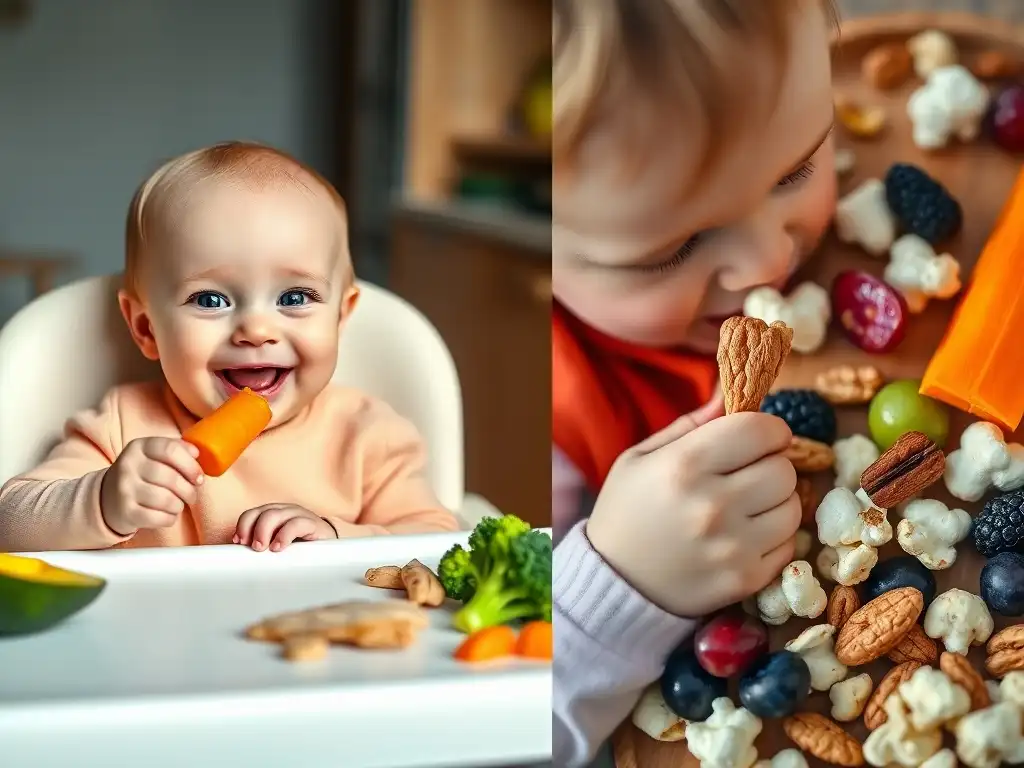
Baby-led weaning (BLW) offers many advantages, but it's crucial to acknowledge potential drawbacks. While often portrayed as idyllic, successfully navigating BLW requires careful planning, vigilance, and a realistic understanding of the challenges involved. This section will delve into some key concerns parents should consider before embarking on a BLW journey. Understanding these potential downsides empowers you to make informed decisions and mitigate risks. Remember, the goal is a positive and safe feeding experience for your little one.
Choking Hazards and Safety Concerns with BLW
One of the most frequently raised concerns surrounding BLW is the risk of choking. While the risk is present with any feeding method, BLW can present unique challenges. Babies exploring food for the first time are still developing their chewing and swallowing reflexes. Therefore, careful food selection and preparation is paramount.
Offering appropriately sized and textured foods is key. Avoid hard, round, or sticky foods that could easily lodge in a baby's airway. Foods should be soft enough to easily mash with gums, and long, thin strips should be avoided. Think soft cooked vegetables cut into long, thin sticks, instead of small, round pieces that could cause problems.
Here's a table summarizing safe and unsafe food choices for BLW:
| Safe Food Choices | Unsafe Food Choices | Reasoning |
|---|---|---|
| Soft cooked carrots (sticks) | Hard, raw carrots | Risk of choking on hard pieces |
| Steamed broccoli florets | Whole grapes | Whole grapes are a significant choking hazard |
| Avocado slices | Nuts (whole or crushed) | Nuts present a severe choking risk |
| Mashed sweet potato | Popcorn | Small, irregular shapes and hard texture |
| Well-cooked pasta (short shapes) | Cherry tomatoes (whole) | Small, round shape and potentially hard skin |
Constant supervision during mealtimes is absolutely critical. Never leave a baby unattended while eating, even for a moment. Learn infant CPR and be prepared to react swiftly in case of a choking incident. Early intervention is key. Remember, proactive preparation and vigilance are your best defenses against choking hazards.
Nutritional Adequacy and Ensuring Balanced Intake
While BLW promotes self-regulation of food intake, ensuring adequate nutritional intake can be a challenge. Babies may initially focus on foods they find appealing, potentially neglecting essential nutrient sources. This could lead to nutritional deficiencies if not carefully monitored.
Parents need to be proactive in offering a wide variety of nutrient-rich foods. This includes iron-rich foods, such as pureed lentils or finely chopped iron-fortified cereals, calcium-rich foods like soft cheese and yogurt, and foods rich in Vitamin D. It is essential to consult with a pediatrician or registered dietitian to ensure your baby is receiving a balanced diet. They can help you create a meal plan that caters to the baby's nutritional needs, while still respecting their preferences and self-feeding abilities.
Regular monitoring of your baby's growth and development is crucial. If you have any concerns about your baby's weight gain or nutritional status, seek professional advice immediately. Remember, a balanced approach that combines BLW with complementary nutritional strategies is key to success.
Messy Meals and Increased Clean-Up Time
Let's face it: BLW is messy! Food will end up everywhere – on the highchair, the floor, the baby, and possibly even the walls! This increased messiness requires a significant commitment to cleaning and tidying up.
Be prepared for a considerable increase in clean-up time after each meal. Invest in easy-to-clean highchairs and placemats. Consider using bibs that are easily washable or disposable. A positive attitude and a sense of humor are essential tools in managing the inevitable mess. Remember, the mess is a small price to pay for the developmental benefits BLW offers. Focus on the positive aspects and embrace the chaos!
Parental Time Commitment and Preparation Needs for BLW
Baby-led weaning (BLW) requires a significant parental time commitment. Unlike traditional purees, which can be prepared in batches, BLW necessitates preparing a wider variety of soft, appropriately sized foods for each meal. This means more chopping, steaming, and cooking, often multiple times a day, especially in the early stages. Parents need to be dedicated to offering a diverse range of nutritious options to ensure adequate nutrient intake for their baby.
Furthermore, the process of supervising a baby during mealtimes is significantly more intensive with BLW. Babies exploring food independently might make a mess, and parents need to be vigilant to prevent choking hazards. This constant supervision can be tiring, particularly for parents who may already be sleep-deprived or juggling other responsibilities.
Planning ahead is crucial; prepping food in advance or using time-saving techniques like batch cooking can alleviate some of the pressure, but it still demands more effort than traditional feeding methods. Remember, consistency is key; even on busy days, maintaining the BLW approach requires dedicated time and effort. This heightened commitment can be a significant drawback for some parents, especially those with limited time or support systems.
Dealing with Food Allergies and Sensitivities During BLW
Introducing a wide variety of foods early on, a cornerstone of BLW, increases the risk of encountering food allergies and sensitivities. While this early exposure might ultimately reduce allergy risk for some, it also means parents need to be extra vigilant. Introducing new foods one at a time, waiting 2-3 days between each introduction, is crucial to identify potential reactions. Parents must be keenly aware of common allergy symptoms, such as rashes, swelling, vomiting, or difficulty breathing.
Having a plan in place – knowing when and how to contact a pediatrician or allergist – is essential. Maintaining a detailed food diary recording everything the baby eats and any subsequent reactions is highly recommended. This diligent tracking allows parents and healthcare professionals to identify potential triggers quickly and efficiently. Furthermore, dealing with a confirmed allergy or sensitivity can be challenging within the BLW framework.
Careful menu planning and the avoidance of specific ingredients require extra effort and attention. While BLW offers many benefits, navigating potential food allergies and sensitivities adds a layer of complexity and responsibility for parents. This increased level of awareness and preparedness is a significant aspect to consider before embarking on a BLW journey. It's crucial to remember that seeking professional advice from a pediatrician or registered dietitian is always recommended, especially when dealing with suspected allergies or sensitivities.
Baby-Led Weaning Pros and Cons: Weighing the Balance
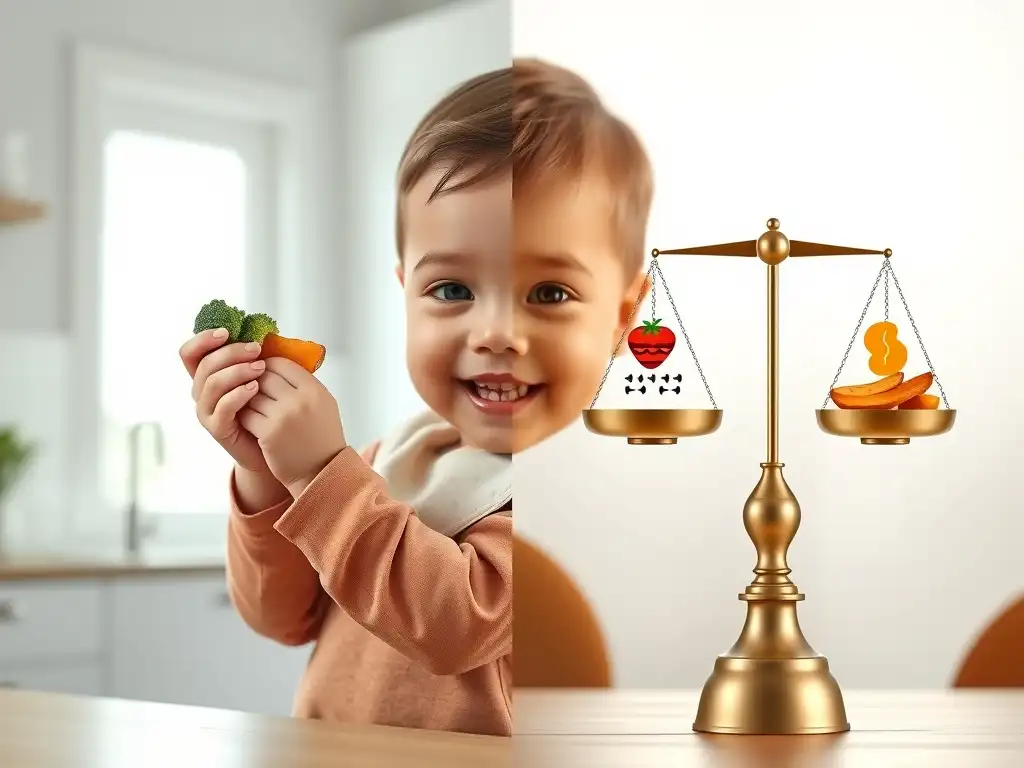
This section delves into the advantages and disadvantages of baby-led weaning (BLW) to help you make an informed decision about your baby's feeding journey. We'll explore the key aspects of BLW, comparing it to traditional methods and addressing common parental concerns. Remember, every baby is unique, and what works for one might not work for another. The goal is to find a feeding approach that best suits your child's needs and your family's lifestyle.
Comparing BLW with Traditional Puree-Based Weaning Methods
Baby-led weaning differs significantly from the traditional puree-based approach. Traditional weaning introduces pureed foods, gradually increasing texture as the baby develops. BLW, on the other hand, skips the purees altogether. Instead, babies are offered soft, appropriately sized pieces of food from the start, allowing them to self-feed and explore different textures and tastes.
| Feature | Traditional Puree-Based Weaning | Baby-Led Weaning (BLW) |
|---|---|---|
| Food Texture | Purees, gradually increasing texture | Soft, appropriately sized pieces of food |
| Feeding Method | Spoon-feeding by caregiver | Self-feeding by baby |
| Development | Focus on swallowing skills | Focus on self-feeding, exploring textures, and developing fine motor skills |
| Food Variety | Often limited initially | Wider variety from the start |
| Mess Factor | Typically less messy | Significantly messier |
The choice between these methods depends on several factors. Puree-based weaning might be preferred by parents who are concerned about choking hazards or prefer a more controlled feeding experience. However, BLW proponents highlight its potential benefits for promoting self-feeding skills, healthy eating habits, and a positive relationship with food. Ultimately, the "best" method is the one that works best for your baby and your family.
Addressing Common Concerns and Misconceptions About BLW
Many parents express concerns about choking when considering BLW. While the risk of choking exists with any feeding method, studies suggest that the rate of choking incidents is not significantly higher with BLW when proper food preparation and supervision are followed. The key is to offer appropriately sized and textured foods that are easy for the baby to manage. Foods should be soft enough to easily mash with the gums, and long, thin, or hard foods should be avoided. Always supervise your baby closely during mealtimes.
Another common misconception is that BLW leads to nutritional deficiencies. With careful planning and a variety of nutrient-rich foods, BLW can provide adequate nutrition. Remember to continue breastfeeding or formula feeding as the primary source of nutrition, using solid foods as complementary foods. It's crucial to consult with a pediatrician or registered dietitian for personalized dietary advice and to monitor your baby's growth and development.
Finally, some parents worry about the messiness associated with BLW. It's true that BLW is often messier than traditional weaning. However, consider the long-term benefits: a more confident and independent eater who enjoys mealtimes. Embrace the mess, protect your floors and clothes, and enjoy the experience!
Tips for Successful Implementation of Baby-Led Weaning
Successfully implementing BLW requires preparation and patience. Here are some key tips for a smooth transition:
- Introduce foods at the right time: Most babies are ready for solids around 6 months of age, but always follow your pediatrician's guidance.
- Choose appropriate foods: Offer soft, cooked vegetables, fruits, and well-cooked, easily-mashable meats. Avoid hard, crunchy, or sticky foods.
- Cut food into manageable sizes: Aim for gum-sized pieces that are easy for your baby to grasp and self-feed.
- Supervise your baby closely: Never leave your baby unattended during mealtimes.
- Be patient and encouraging: It may take time for your baby to get used to eating solids. Don't force them to eat.
- Focus on exploration: Let your baby explore different tastes, textures, and self-feeding techniques.
- Don't worry about the mess: It's inevitable! Embrace the mess and focus on the positive aspects of BLW.
- Consult with your pediatrician: Discuss any concerns or questions you may have with your pediatrician.
Remember, BLW is a journey, not a race. Enjoy the process of watching your baby discover new foods and develop their self-feeding skills. With careful planning and a positive attitude, you can successfully implement BLW and create a positive and enjoyable eating experience for your little one.
When to Seek Professional Guidance for Baby-Led Weaning
Baby-led weaning, while generally safe and beneficial, isn't a one-size-fits-all approach. Some babies may require additional support and monitoring, making professional guidance crucial. Knowing when to seek help is vital for ensuring your baby's healthy development and well-being. This isn't about doubting your parenting abilities; it's about proactively addressing potential challenges and ensuring your little one thrives.
Several situations warrant seeking professional advice from your pediatrician or a registered dietitian specializing in infant nutrition. For example, if your baby shows signs of persistent food allergies or intolerances, such as severe rashes, vomiting, or difficulty breathing after introducing new foods, immediate medical attention is necessary. These reactions can range from mild to life-threatening, and professional assessment is paramount. Don't hesitate to contact your doctor, even if the symptoms seem minor at first. Early intervention is key.
Another reason to consult a professional is if your baby isn't gaining weight appropriately or demonstrates signs of nutritional deficiencies. While baby-led weaning encourages self-regulation, it's important to ensure your baby is consuming enough calories and essential nutrients for healthy growth. A pediatrician can monitor your baby's weight, height, and other developmental milestones to assess their nutritional status and identify any potential issues. They can also offer personalized recommendations to address any concerns and ensure your baby is meeting their nutritional needs. Remember, consistent monitoring is key.
Furthermore, if you have any concerns about your baby's gag reflex or choking, seeking professional guidance is highly recommended. While gagging is a normal part of the learning process, excessive or prolonged gagging can be a cause for concern. A healthcare professional can assess your baby's ability to manage different food textures and offer strategies to reduce the risk of choking.
They can provide valuable insights and techniques to help your baby develop safe eating habits. This is crucial for the overall safety and well-being of your child. Don't hesitate to ask questions; knowledgeable professionals are there to support you.
Finally, if you're facing challenges with implementing baby-led weaning, such as your baby's reluctance to try new foods or difficulties with self-feeding, seeking professional support can be beneficial. A registered dietitian or a lactation consultant can offer tailored strategies and advice to overcome these obstacles. They can provide valuable insights into creating a positive and encouraging feeding environment and help you troubleshoot any challenges you may encounter.
Remember, every baby is unique, and seeking professional help doesn't mean you've failed; it signifies that you're prioritizing your baby's well-being and seeking expert guidance to ensure their successful journey with baby-led weaning. It's a sign of responsible and proactive parenting.
Conclusion: Is Baby-Led Weaning Right for Your Baby?
Baby-led weaning (BLW) offers a unique approach to introducing solids, but like any parenting decision, it's crucial to weigh the pros and cons carefully. This isn't a one-size-fits-all solution; the ideal weaning method depends significantly on your individual circumstances and your baby's development. While BLW empowers babies with increased autonomy and potentially fosters healthier eating habits long-term, it also requires more patience, preparation, and a willingness to embrace messiness. Ultimately, the "best" method is the one that works best for your family.
Factors to Consider When Choosing a Weaning Method
Choosing between traditional purees and baby-led weaning involves considering several key factors. These factors can significantly influence the success and ease of your baby's transition to solid foods.
- Your Baby's Development: Is your baby showing signs of readiness for solids? This includes sitting unsupported, showing interest in food, and having good head and neck control. A premature baby or one with developmental delays may require a different approach.
- Your Lifestyle: BLW demands more hands-on involvement, particularly in meal preparation and cleanup. Are you prepared to dedicate the extra time and effort required? A busy lifestyle might make traditional purees a more manageable option.
- Your Comfort Level: Are you comfortable with the potential for choking hazards associated with BLW? While the risks are manageable with proper preparation and supervision, it requires a proactive and vigilant approach. Purees offer a more controlled introduction to textures.
- Family Preferences and Dietary Habits: Consider your family's eating habits and preferences. BLW naturally introduces a wider variety of flavors and textures, which can be beneficial for developing healthy eating habits. However, if your family primarily consumes processed foods, adapting BLW might be challenging.
- Your Baby's Preferences: Ultimately, your baby's individual preferences should influence your decision. Some babies thrive on BLW, while others may prefer the smoother consistency of purees. Observe your baby's cues and adjust accordingly.
| Factor | Baby-Led Weaning | Traditional Purees |
|---|---|---|
| Messiness | Significantly higher | Significantly lower |
| Time Commitment | Higher (meal prep, cleanup) | Lower |
| Choking Risk | Higher (requires close supervision) | Lower |
| Self-Feeding Skills | Develops faster | Develops more gradually |
| Texture Variety | Introduced earlier and more diversely | Graded introduction of textures |
Remember, you can always combine elements of both approaches! There's no rule that says you have to stick strictly to one method.
Making an Informed Decision Based on Your Baby's Needs and Your Lifestyle
The decision of whether to use BLW or traditional purees is deeply personal. There's no right or wrong answer; the best approach is the one that aligns with your baby's developmental stage, your family's lifestyle, and your comfort level. Don't be afraid to seek advice from your pediatrician or a registered dietitian. They can provide personalized guidance based on your unique circumstances. Remember, the goal is to ensure your baby receives adequate nutrition while enjoying the experience of eating.
Flexibility and responsiveness to your baby's cues are key. Don't be afraid to adapt your approach as your baby grows and develops. Trust your instincts and prioritize a positive and enjoyable feeding experience. The journey of introducing solids should be a happy one for both you and your baby! 👶
Resources and Further Information on Baby-Led Weaning
While this article provides a comprehensive overview of baby-led weaning pros and cons, further research can enhance your understanding and equip you with the knowledge to make the best choice for your little one. Consider consulting reputable sources such as pediatric nutritionists, healthcare professionals, and parenting books focusing on infant feeding. Remember to always prioritize safe and healthy practices when introducing solids to your baby. The goal is to nurture a positive relationship with food from the very beginning.
This sets the stage for healthy eating habits throughout their life. Remember, every baby is unique, and what works for one might not work for another. Stay informed, stay flexible, and above all, enjoy this special milestone in your baby's development!
Frequently Asked Questions
What is Baby-Led Weaning (BLW)?
Baby-Led Weaning (BLW) is a method where babies are offered soft, finger-sized pieces of food from around six months old, skipping purees altogether. Babies self-feed and explore different textures, learning to regulate their own intake. It emphasizes self-feeding and exploring food textures.
What are the pros of Baby-Led Weaning?
Pros include increased independence and self-confidence in babies as they learn to feed themselves. It can also lead to a healthier relationship with food and reduced risk of picky eating. It fosters greater self-regulation of food intake.
What are the cons of Baby-Led Weaning?
Cons can include a messier eating experience, potentially leading to frustration for both parents and babies. There's also a higher choking risk, although manageable with appropriate food choices and supervision. Consistent supervision is crucial.
How can I minimize choking risks with BLW?
Always supervise your baby closely during mealtimes. Offer appropriately sized and soft foods that easily dissolve or mash in the mouth. Start with well-cooked, soft vegetables and fruits. Cut food into long, thin strips to avoid large chunks that could obstruct the airway.
Is Baby-Led Weaning suitable for all babies?
While generally safe and beneficial, BLW isn't suitable for all babies. Babies with certain medical conditions or developmental delays may require a different approach. Consult your pediatrician or healthcare provider to determine the best feeding method for your baby.
The decision of how to introduce solids to your baby is deeply personal, and the debate surrounding Baby-Led Weaning (BLW) versus traditional methods remains incredibly relevant today. The sheer volume of information available online, often conflicting and overwhelming for new parents, underscores the need for clear, unbiased information to guide this crucial developmental stage. Choosing the right path requires careful consideration of your child's individual needs and your family's lifestyle.
The impact of BLW extends far beyond the immediate act of feeding; it shapes a child's relationship with food, fostering independence and adventurous eating habits from the very beginning. The joy of watching a child explore food with their hands and discover new tastes is unparalleled.
This sentiment, echoed by countless parents who have embraced BLW, highlights the profound emotional connection forged during this process. It's not merely about nutrition; it's about building confidence, encouraging self-regulation, and creating positive associations with mealtimes that will last a lifetime.
Ultimately, the "ultimate showdown" isn't about declaring a winner, but about empowering you, the parent, to make an informed decision. Consider the pros and cons presented in this article, reflect on your child's temperament and your family dynamics, and trust your instincts. Remember, there's no one-size-fits-all approach; the most important thing is to create a nurturing and positive environment where your baby can thrive, explore, and develop a healthy relationship with food. Embrace the journey, celebrate the milestones, and enjoy the delicious adventure of feeding your little one!
Unlock Your Baby's Eating Journey: Next Steps to a Happy Eater
Thanks for exploring baby-led weaning with us! We hope you gained valuable insights into its benefits and challenges. Now it's time to put that knowledge into practice. Ready to embark on this exciting adventure?
- Start your baby's baby-led weaning journey today! Carefully introduce age-appropriate foods, focusing on soft, easily manageable textures. Observe your baby's cues and celebrate their discoveries. This is the most crucial step!
- Share your baby-led weaning experiences and tips with other parents in our supportive community forum. Connecting with others can provide invaluable encouragement and advice.
- Consider documenting your baby's food adventures! A photo journal can be a wonderful keepsake and a fun way to track their progress.
What delicious food will your little one discover first on their baby-led weaning journey? Let's hear about it in the comments!