
Texture Troubles: Helping Toddlers Overcome Food Texture Aversions

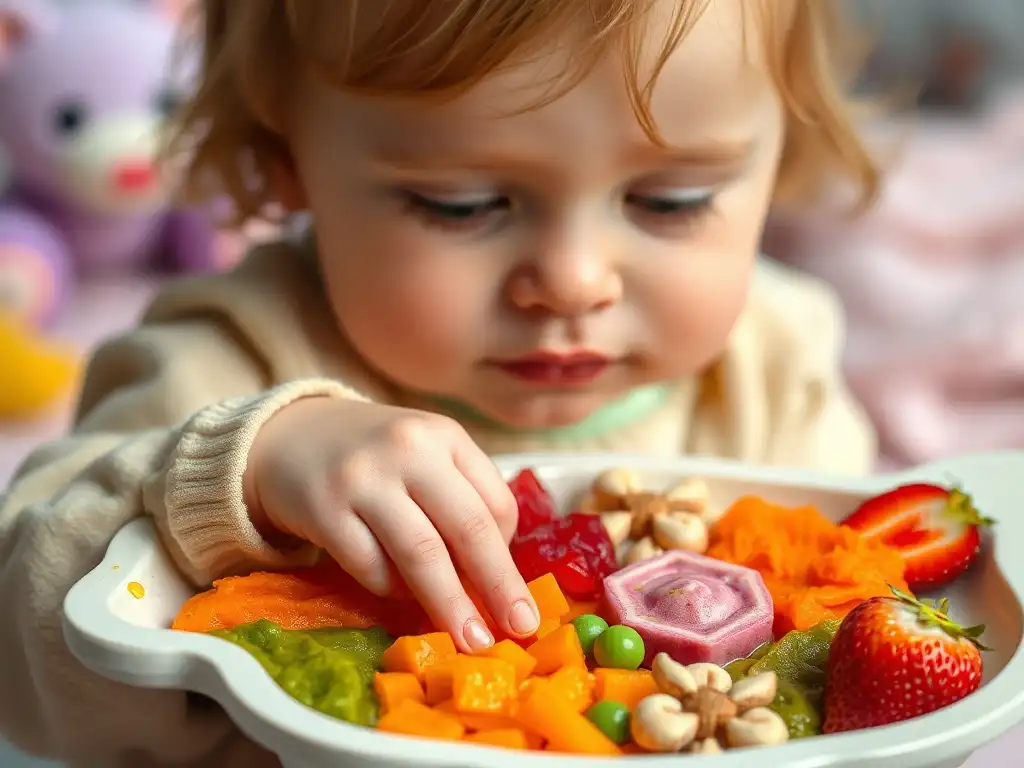
Welcome to BabyCareHub, your ultimate guide to navigating the incredible journey of parenthood! We understand the challenges and triumphs that come with raising a little one, and we're here to support you every step of the way. Are you facing texture troubles with your toddler? Discover practical and effective Toddler picky eating solutions in our latest article, designed to help you conquer mealtime battles and ensure your child thrives. Dive in and unlock the secrets to happy, healthy eating!
- Understanding Toddler Picky Eating and Texture Aversions
- Practical Strategies for Introducing New Textures
- Addressing Specific Texture Aversions
- When to Seek Professional Help for Toddler Picky Eating
- Long-Term Strategies for Preventing Future Texture Issues
- Recipe Ideas: Toddler-Friendly Meals for Diverse Textures
- Case Study: A Success Story of Overcoming Texture Aversion in a Toddler
- Frequently Asked Questions
- Final Reflection: Nurturing a Lifetime of Healthy Eating
- Unlock Your Toddler's Taste Buds: A Delicious Adventure Awaits!
Understanding Toddler Picky Eating and Texture Aversions
Navigating the world of toddler nutrition can feel like a culinary tightrope walk, especially when faced with the common challenge of picky eating. This isn't simply about refusing broccoli; it's often a complex interplay of developmental stages, sensory sensitivities, and underlying anxieties. This article delves into the specifics of texture-based picky eating in toddlers, providing practical strategies and solutions to help your little one embrace a wider variety of foods.
We'll explore the developmental phases of texture acceptance, pinpoint common texture triggers, and uncover the root causes behind this prevalent issue, equipping you with the tools to address your toddler's texture troubles effectively and foster healthy eating habits. Remember, patience and understanding are key ingredients in this journey! We'll cover various toddler picky eating solutions, focusing on strategies that are both effective and gentle.
The Developmental Stages of Food Texture Acceptance
Toddlers don't magically develop a sophisticated palate overnight. The acceptance of different food textures unfolds gradually, mirroring their overall development. Understanding these stages can help parents manage expectations and tailor their approach.
Many experts identify several key stages:
- Stage 1: Purees (4-6 months): Babies initially consume smooth purees, easily digestible and lacking any significant textural variation.
- Stage 2: Mashed Foods (6-8 months): The introduction of slightly coarser textures, like mashed vegetables and fruits, marks a transition.
- Stage 3: Softly Chopped Foods (8-12 months): Smaller, softer pieces of food are introduced, encouraging chewing and developing oral motor skills.
- Stage 4: Variety of Textures (12-18 months and beyond): This stage involves a gradual expansion to include a wider range of textures, from soft cooked vegetables to slightly crunchy options. This is where many toddlers exhibit texture aversions.
It's crucial to remember that each child progresses at their own pace. Some may quickly move through these stages, while others require more time and patience. Pressuring a child to accept new textures prematurely can often backfire, leading to increased resistance.
Common Food Textures That Trigger Aversions
Certain food textures are more likely to trigger negative reactions in toddlers. These often include:
- Slimy or Sticky Textures: Foods like cooked okra, certain types of mushrooms, or even some fruits can elicit disgust due to their slippery or sticky consistency.
- Lumpy Textures: Unevenly blended foods or those with visible chunks can be a challenge for toddlers still developing their chewing skills.
- Crunchy Textures: While some toddlers enjoy crunchy foods, others find them overwhelming or difficult to manage. This can range from raw vegetables to crispy crackers.
- Unusual Textures: Novel or unfamiliar textures, such as the slightly chewy texture of certain meats or the varied textures within a stew, can provoke negative responses.
Understanding these common triggers allows parents to introduce new textures gradually and strategically, minimizing potential negative experiences. For example, starting with a very small amount of the disliked texture mixed with a familiar food can help with acceptance.
Identifying the Root Causes of Texture-Based Picky Eating
Texture aversion in toddlers isn't always just about the food itself. Several underlying factors can contribute:
- Sensory Sensitivities: Some toddlers are naturally more sensitive to certain textures than others. This can stem from a heightened sensitivity to touch, temperature, or even the smell of particular foods.
- Gag Reflex: A sensitive gag reflex can make a toddler wary of new textures, especially those that are considered unusual or lumpy.
- Negative Past Experiences: A previous negative experience with a particular food texture, such as choking or vomiting, can create a lasting aversion.
- Control and Power Struggles: Picky eating can sometimes be a way for toddlers to assert their independence and exert control over their environment.
- Lack of Exposure: Limited exposure to diverse textures during infancy and toddlerhood can result in a narrow range of accepted food textures.
Addressing these underlying factors requires a nuanced approach. This may involve seeking professional guidance from a pediatrician, occupational therapist, or registered dietitian to address sensory sensitivities or gag reflex issues. Creating a positive and relaxed eating environment can also significantly reduce power struggles and encourage exploration of new textures.
Practical Strategies for Introducing New Textures
This section delves into practical, evidence-based strategies to help toddlers overcome food texture aversions, offering solutions for parents struggling with picky eating. Remember, patience and consistency are key when tackling toddler picky eating solutions. We'll explore methods that gently introduce new textures, making the experience positive and encouraging. The goal is to build a healthy relationship with food, promoting nutritional well-being and avoiding future eating struggles.
Gradual Exposure: The Power of Small Steps
Introducing new textures gradually is paramount. Avoid overwhelming your toddler with drastically different textures all at once. Start with familiar foods and subtly alter their consistency. For example, if your toddler enjoys mashed sweet potatoes, gradually introduce chunkier versions over several days or weeks. Begin with very small pieces, increasing size only when your child demonstrates comfort and acceptance.
Here's a sample progression for introducing a new texture, using carrots as an example:
- Puree: Start with a smooth, pureed carrot.
- Slightly Coarse: Gradually add smaller, softer carrot pieces to the puree.
- Mashed: Transition to mashed carrots with slightly larger pieces.
- Soft Pieces: Offer soft, cooked carrot pieces that are easily mashed with the gums.
- Steamed: Introduce steamed, bite-sized carrot pieces.
This gradual approach allows your toddler to adjust to the changing sensory experience without feeling overwhelmed or rejecting the food entirely. Remember, each child develops at their own pace; there's no set timeline. Celebrate small victories and remain patient throughout the process. Consistency is crucial for success in overcoming toddler picky eating solutions. Positive reinforcement plays a significant role.
The "One Bite Rule" and Positive Reinforcement
The "one bite rule" is a widely used strategy for tackling picky eating. It encourages toddlers to try a small portion of a new food without pressure to finish it. The focus isn't on cleaning their plate, but rather on the experience of tasting and exploring the new texture. Even one bite represents progress!
Pairing this with positive reinforcement is vital. Avoid punishment or pressure. Instead, praise effort and participation, even if the toddler only takes a tiny bite. Use positive language like:
- "Wow, you tried a bite of broccoli! That's amazing!"
- "I see you tasted the carrots. Great job trying something new!"
- "You're such a brave explorer trying new foods!"
Positive reinforcement helps create a positive association with trying new foods. This approach is far more effective than forcing or punishing a child, which can often backfire and exacerbate the problem. Remember, the aim is to build a healthy and positive relationship with food, addressing common toddler picky eating solutions.
Making Mealtimes Fun and Engaging: Playful Presentation
Transforming mealtimes into fun and engaging experiences can significantly increase a toddler's willingness to try new textures. Presentation plays a crucial role. Consider these playful strategies:
- Fun Shapes: Use cookie cutters to create fun shapes from vegetables and fruits.
- Dip It: Offer healthy dips like hummus or guacamole to make vegetables more appealing.
- Colorful Combinations: Arrange food in visually appealing ways, using a variety of colors and textures.
- Involve Your Toddler: Let your toddler participate in food preparation, such as washing vegetables or stirring ingredients. This increases their interest and acceptance.
- Themed Meals: Create themed meals, like "pirate night" with fish sticks and "jungle adventure" with fruits and vegetables.
Remember, consistency and patience are key. Don't give up if your toddler rejects a new texture initially. Keep offering it in different ways and at different times. By combining gradual exposure, positive reinforcement, and playful presentation, you can effectively address toddler picky eating solutions and foster a healthy relationship with food. Celebrate every small success and remember that progress, not perfection, is the goal.
Creative Ways to Disguise Textures in Familiar Foods
Introducing new textures can be a challenge, but sometimes, a little culinary creativity can go a long way! The key is to subtly incorporate new textures into foods your toddler already enjoys. This minimizes the shock of encountering something entirely unfamiliar and allows them to gradually adjust to the new sensation.
One effective strategy is to puree or finely chop new vegetables and incorporate them into familiar dishes. For instance, finely grated zucchini or carrots can be added to pasta sauce, almost invisibly altering the texture while boosting nutritional value. Similarly, pureed sweet potato can be mixed into mashed potatoes, adding a subtle sweetness and creaminess. The goal is to introduce the new texture in small amounts, slowly increasing the proportion as your toddler becomes more accepting.
Another excellent approach is to use familiar foods as a vehicle for new textures. For example, if your toddler loves chicken nuggets, try making them at home using finely ground oats or breadcrumbs that include different textures. The familiar taste of chicken will make the altered texture more palatable. Similarly, you can experiment with adding finely chopped nuts or seeds to familiar muffins or pancakes. The added crunch provides a textural contrast that can be surprisingly appealing.
Remember to always prioritize safety. When introducing new textures, carefully consider potential choking hazards. Ensure all foods are appropriately sized and cooked to a soft consistency. Avoid introducing multiple new textures simultaneously; focus on one at a time to better gauge your toddler's reaction and identify any potential sensitivities. Observe your child closely during mealtimes and intervene immediately if you notice any signs of difficulty.
Finally, don't be discouraged by initial resistance. It often takes multiple exposures to a new texture before a toddler accepts it. Keep offering the food in various forms and combinations, and celebrate even the smallest successes. Patience and persistence are vital in overcoming texture aversions. Remember, every positive interaction with food builds confidence and encourages exploration of new tastes and textures.
Addressing Specific Texture Aversions
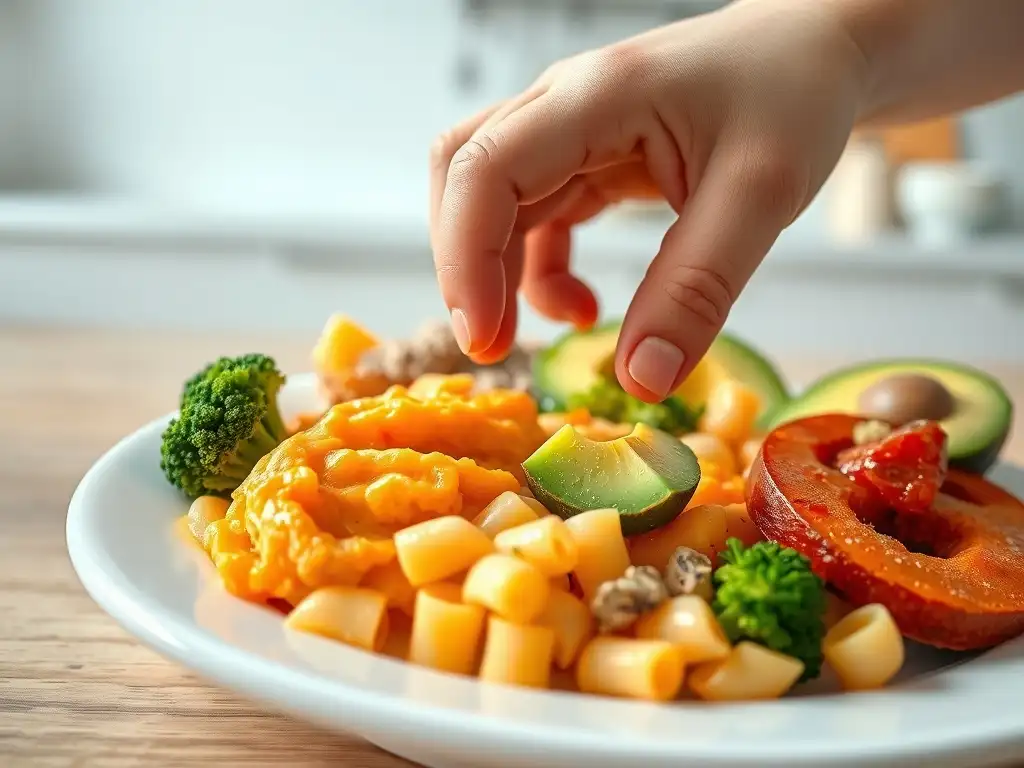
This section delves into practical strategies for addressing common texture aversions in toddlers, offering tailored solutions to help your little one expand their culinary horizons. Remember, patience and persistence are key! We'll explore effective techniques for introducing various textures, focusing on building positive associations with food and minimizing power struggles.
The ultimate goal is to foster a healthy and enjoyable relationship with food, paving the way for a well-balanced diet. This is crucial for your toddler's growth and development, contributing to their overall well-being. Finding the right approach for your child's unique needs is vital in solving toddler picky eating issues.
Overcoming the Fear of Lumpy Foods
Many toddlers express a strong aversion to lumps in their food, preferring completely smooth purees. This is a common developmental stage, but it can be overcome with gradual introduction and positive reinforcement. The key is to introduce lumps very slowly.
Start by slightly altering the consistency of familiar purees. For example, if your toddler enjoys smooth applesauce, begin by adding a tiny amount of finely mashed banana or a few small cooked and mashed sweet potato pieces. Observe their reaction carefully. If they show any signs of distress, stop immediately and try again another day. Consistency is paramount.
Progress incrementally. As your toddler adapts, gradually increase the size and quantity of the lumps. You can use a fork to create small, manageable clumps within a pureed base. Think of it as a gradual transition from smooth to chunky. Positive reinforcement is crucial. Praise and celebrate their attempts, even small ones, to try the lumpy food. Never force them to eat.
Here's a sample progression:
| Stage | Consistency | Example | Notes |
|---|---|---|---|
| 1 | Very slightly lumpy | Smooth puree with a few tiny mashed pieces | Introduce only one new ingredient at a time. |
| 2 | Slightly lumpy | Puree with more visible, small lumps | Gradually increase the number and size of lumps. |
| 3 | Moderately lumpy | Mashed vegetables with a few small whole pieces | Offer familiar foods with small, easily-masticated whole pieces incorporated. |
| 4 | Mostly lumpy | Minimally pureed, mostly chunky texture | Aim for a texture that allows for some chewing but is still manageable. |
Remember, each toddler is unique. Some might progress quickly, while others may require more time and patience. The goal is not to force-feed but to gently introduce new textures and create positive eating experiences. 🎉
Managing Aversions to Soft, Mushy Textures
Some toddlers, conversely, reject soft, mushy textures, preferring crispier or firmer foods. This can be just as challenging, as it often involves introducing foods with a different mouthfeel. The solution, again, lies in gradual introduction and careful observation.
Start by offering slightly firmer versions of their favorite mushy foods. For instance, if your toddler enjoys well-cooked carrots, try offering them slightly less cooked, retaining a bit more firmness. Similarly, if they like mashed sweet potatoes, try presenting them as small, slightly firmer pieces.
Introduce new foods with similar textures incrementally. Consider foods like well-cooked pasta, soft-cooked green beans, or ripe avocado. These offer a slightly firmer texture than purees but are still relatively easy to manage.
Employ creative presentation. Cut foods into fun shapes using cookie cutters. This can make even mushy foods more appealing. Avoid labeling foods as "yucky" or "disgusting," as this can reinforce negative associations. Instead, focus on positive language and encouragement.
Remember to provide a supportive and non-pressuring environment during mealtimes. Making mealtimes enjoyable and stress-free can significantly impact a toddler's willingness to try new things. It's all about building positive associations with food and exploring textures in a playful manner.
Tackling Crunchy and Crispy Foods
Crunchy and crispy foods can be particularly challenging for toddlers due to their texture and the potential for choking hazards. Introducing these textures requires extra caution and a phased approach.
Begin with softer, easily-crushed crunchy foods. Think of things like lightly toasted bread, well-cooked, slightly crisp vegetables (like broccoli florets), or soft crackers. Always supervise your toddler closely while they are eating crunchy foods to minimize the risk of choking.
Gradually increase the crispness and hardness of the foods. As your toddler becomes comfortable with softer crunchy foods, you can slowly introduce slightly crispier options, but always ensure they are age-appropriate and safe for chewing. For example, you might move on to small pieces of roasted vegetables or lightly salted, baked potato chips.
Pay close attention to your toddler's chewing ability. If they struggle to chew or seem to be having difficulty managing the texture, return to softer options and try again later. Avoid pushing them beyond their comfort zone.
Remember that a diverse range of textures is crucial for healthy development, so persistence and patience are key. Celebrate every small victory and focus on creating a positive experience around mealtimes. Every successful attempt to try a new texture builds confidence and sets the stage for future exploration. 🥕
Dealing with Strong Flavors and Spices
Many toddlers exhibit strong reactions to intense flavors and spices. The pungent aroma and sharp taste of garlic, onions, chili peppers, or even strongly seasoned broths can be overwhelming for their developing palates. This aversion isn't necessarily a sign of a problem; it's simply a reflection of their sensitivity to strong stimuli. The key here is gradual introduction and careful dilution. Instead of immediately presenting a dish heavily laden with spices, start by introducing the flavor in minute quantities.
For instance, if your toddler dislikes curries, begin by incorporating a tiny amount of mild curry powder into a familiar dish like pasta sauce. Observe their reaction carefully. If they show any signs of dislike, reduce the amount even further next time. Remember, the goal is not to force them to eat the spicy food, but to familiarize them with the flavor profile gradually. Over time, as they become more accustomed, you can slowly increase the concentration.
You can also try pairing the subtly-spiced food with a favorite item, like a small portion of plain rice or mashed potatoes. This helps to mitigate the intensity of the new flavor and makes the experience less daunting. Positive reinforcement is crucial; praise and encouragement can go a long way in building a positive association with new tastes. Avoid making a big deal out of their refusal, and instead focus on offering a variety of foods, including those with milder spices, regularly.
Dealing with Aversions to Certain Food Groups (e.g., Vegetables)
A common struggle for parents is overcoming a toddler's aversion to entire food groups, particularly vegetables. This can stem from a variety of factors, including texture, appearance, and taste. The solution isn't about forcing them to eat broccoli, but rather about creative presentation and repeated exposure. Start by offering vegetables in various forms. Pureed vegetables can be subtly incorporated into familiar dishes like sauces or soups. Steamed or roasted vegetables can be cut into fun shapes using cookie cutters to make them visually appealing. Mashed sweet potatoes, for instance, can be easily disguised in other dishes, offering a sweet and nutritious addition.
Another strategy is to introduce vegetables in different cooking methods. A child who dislikes steamed green beans might enjoy them roasted with a touch of olive oil and herbs. The key is experimentation; don't be discouraged by initial rejections. Remember, it can take multiple exposures (sometimes up to 10-15 times!) before a toddler accepts a new food. Furthermore, involve your toddler in the cooking process.
Letting them help wash, chop (with supervision! ), or stir ingredients can foster a sense of ownership and increase their willingness to try the finished product. Also, consider the timing of introducing new foods. Avoid offering new vegetables when your toddler is already tired or hungry; a better time might be when they are relaxed and receptive. And finally, remember to model healthy eating habits yourself; toddlers often mirror their parents' behavior. If they see you enjoying a variety of vegetables, they might be more inclined to try them as well.
When to Seek Professional Help for Toddler Picky Eating

Toddler picky eating is common, but knowing when a picky eater needs professional intervention is crucial. While some food neophobia is normal, persistent refusal to eat a diverse range of textures and foods can signal underlying issues impacting your child's nutritional intake and overall development. This section outlines when to seek professional help and where to find support.
Remember, early intervention can make a significant difference in addressing picky eating and promoting healthy eating habits. This is especially important for ensuring adequate intake of essential vitamins and minerals for optimal growth. Early intervention is key to addressing potential nutritional deficiencies before they become more serious.
Recognizing Signs of Underlying Issues
Persistent picky eating, beyond the typical toddler phase, might indicate underlying medical or developmental concerns. These signs warrant a consultation with a healthcare professional:
- Significant weight loss or failure to thrive: If your toddler is consistently below the healthy weight range for their age and height, or is not gaining weight appropriately, this is a serious red flag requiring immediate medical attention. This could indicate a more serious underlying condition impacting their ability to absorb nutrients.
- Nutritional deficiencies: A blood test can reveal deficiencies in essential vitamins and minerals, such as iron, zinc, or vitamin D, often linked to restrictive eating habits. These deficiencies can lead to significant health problems, including anemia and impaired growth.
- Gastrointestinal problems: Persistent vomiting, diarrhea, or constipation, alongside picky eating, may suggest underlying digestive issues that need medical evaluation. These issues can make it difficult for your toddler to tolerate certain textures or foods.
- Sensory processing difficulties: Some toddlers struggle with sensory sensitivities related to food texture, smell, or taste. While many toddlers are sensitive to certain textures, a child with sensory processing disorder may experience significant distress or avoidance related to food. This can affect their willingness to try new foods and textures.
- Behavioral issues: Extreme food refusal that disrupts mealtimes significantly or is accompanied by other behavioral problems warrants professional assessment. This could be a sign of an underlying behavioral issue or anxiety related to food.
- Developmental delays: Picky eating can sometimes be linked to developmental delays impacting oral motor skills or feeding coordination. A thorough developmental assessment can help identify underlying issues and provide appropriate support.
Consulting a Pediatrician or Registered Dietitian
If you suspect an underlying issue or are concerned about your toddler's nutritional intake, scheduling an appointment with your pediatrician is the first step. They can conduct a thorough physical examination, assess your toddler's growth and development, and order necessary tests to rule out any medical conditions. The pediatrician can also refer you to a registered dietitian (RD) specializing in pediatric nutrition.
A registered dietitian can provide personalized guidance on addressing your toddler's picky eating, develop a tailored meal plan to ensure adequate nutrient intake, and offer strategies for introducing new foods and textures. They can also address any concerns about potential nutritional deficiencies and help you create a positive and supportive mealtime environment. Remember to keep a detailed food diary to share with the pediatrician or RD, noting what your child eats, how much, and any reactions or behaviors associated with mealtimes. This detailed information is invaluable in helping professionals assess the situation accurately.
Finding Support Groups and Resources for Parents
Navigating toddler picky eating can be challenging, and you're not alone. Connecting with other parents facing similar challenges can provide invaluable support and practical advice.
- Online forums and communities: Numerous online platforms offer support groups dedicated to picky eaters. These forums provide a space to share experiences, tips, and strategies for managing picky eating.
- Local parenting groups: Your community may have local parenting groups or organizations that offer workshops or support groups focused on child nutrition and picky eating.
- Books and resources: Many books and resources are available providing practical advice and strategies for addressing toddler picky eating. These resources can provide valuable information and support for parents.
Remember, seeking professional help isn't a sign of failure. It's a proactive step towards ensuring your toddler's healthy growth and development. By addressing the issue early and working with healthcare professionals, you can create a positive and supportive environment that fosters healthy eating habits. Early intervention is key for successful management of picky eating and prevention of potential long-term health consequences.
Long-Term Strategies for Preventing Future Texture Issues
Successfully navigating toddler picky eating requires a shift from immediate solutions to proactive, long-term strategies. Addressing texture aversions isn't just about conquering the current battle; it's about building healthy eating habits that will benefit your child for years to come. This section focuses on establishing positive mealtime routines and fostering a healthy relationship with food that minimizes future texture struggles. Remember, consistency and patience are key elements in implementing these strategies effectively. We'll explore three vital approaches to achieve lasting success in tackling toddler picky eating solutions.
Maintaining a Positive and Relaxed Mealtime Environment
Creating a positive and pressure-free mealtime environment is crucial for encouraging toddlers to explore different textures. Avoid power struggles and coercion. Instead, focus on making mealtimes enjoyable and engaging. Think of it as a social event, not a battleground.
Consider these practical tips:
- Minimize distractions: Turn off the TV, put away toys, and create a calm atmosphere. This allows your toddler to focus on the food and the experience of eating.
- Positive reinforcement: Praise and celebrate even small attempts to try new textures. Avoid negative comments or punishments related to food. A simple "Great job trying that!" can go a long way.
- Role modeling: Children often mimic their parents' behavior. Show your toddler that you enjoy eating a variety of foods with different textures.
- Family meals: Regular family meals provide opportunities for social interaction and modeling healthy eating habits. This creates a positive association with mealtimes.
- Patience is key: It can take multiple exposures to a new food before a toddler accepts it. Don't give up after one or two tries. Persistence pays off. Data shows that it can take up to 10-15 exposures before a child accepts a new food.
Continued Exposure to a Variety of Textures and Flavors
Consistent exposure to a wide range of textures and flavors is paramount in preventing future texture aversions. This doesn't mean forcing your toddler to eat everything; it means offering a variety of options and encouraging exploration.
Here's how to implement this strategy:
- Offer a variety of textures at every meal: Include soft, crunchy, smooth, and chewy textures in each meal. This helps your toddler become comfortable with a broader spectrum of sensations.
- Introduce new textures gradually: Start with textures your toddler already enjoys and gradually introduce new ones. Don’t overwhelm them.
- Don't give up easily: If your toddler rejects a new texture, try again another day. Persistence is essential. Remember, each exposure is a step towards acceptance.
- Make it fun: Try different presentation methods, such as cutting food into fun shapes or creating colorful combinations.
- Mix textures: Experiment with combining different textures in one dish. For example, try mixing smooth mashed sweet potato with crunchy roasted vegetables.
Involving Toddlers in Food Preparation
Involving toddlers in the food preparation process can significantly increase their willingness to try new foods and textures. This hands-on experience fosters a sense of ownership and curiosity.
Consider these engaging activities:
- Washing vegetables: Let your toddler help wash fruits and vegetables. This simple task introduces them to the food in a positive way.
- Simple mixing and stirring: Involve them in simple tasks like mixing ingredients or stirring a bowl. This allows them to participate actively in the meal preparation.
- Choosing ingredients: Let your toddler choose fruits or vegetables from the grocery store or farmer's market. This gives them a sense of control and involvement.
- Age-appropriate tasks: Ensure the tasks are age-appropriate and safe. Always supervise young children in the kitchen.
- Taste testing: Encourage your toddler to taste small amounts of new ingredients as you prepare the meal. This can pique their interest and reduce their apprehension.
Implementing these long-term strategies will not only address current texture aversions but will also build a foundation for healthy eating habits throughout your child's life. Remember, patience, consistency, and a positive approach are the cornerstones of success in navigating toddler picky eating solutions. 🎉
The Importance of Patience and Persistence in Overcoming Picky Eating
Overcoming a toddler's food texture aversion requires significant patience and unwavering persistence from caregivers. It's crucial to remember that this isn't a race; it's a marathon. Toddlers, especially those exhibiting picky eating habits, often need repeated exposure to new textures before accepting them. Don't be discouraged if your little one rejects a new food the first, second, or even tenth time. Continue to offer the food in various forms and at different times, always in a calm and encouraging environment.
The key is consistency. Avoid power struggles over food; instead, focus on creating positive associations with mealtimes. This might involve letting your child help prepare simple meals, allowing them choices within a limited range of options, or even just praising their efforts to try new things, regardless of the outcome. Remember, every small step forward is a victory. 🎉
Many parents make the mistake of giving up too easily, especially when faced with repeated rejection. This can lead to a cycle of avoidance, where the child learns that resistance is rewarded. Persistence, however, demonstrates to the child that you're not going to give in, and that trying new foods is a normal and expected part of growing up. This consistent approach fosters a sense of security and helps the child gradually overcome their anxiety around unfamiliar textures. Consider keeping a food journal to track your child's progress and identify patterns in their preferences and aversions.
This can help you tailor your approach and celebrate even the smallest successes. Remember, positive reinforcement is key. Celebrate small wins—even a single bite of a previously rejected food is a milestone worth acknowledging. These celebrations can reinforce positive behaviors and encourage your child to keep trying.
The journey to overcoming picky eating is often a long and winding one, filled with both triumphs and setbacks. However, by embracing patience and persistence, parents can significantly increase their chances of success and help their children develop healthy and varied eating habits. Don't underestimate the power of your consistent efforts; they are the foundation upon which a positive relationship with food is built.
This patience will pay off in the long run, fostering a healthy and positive relationship with food that will benefit your child for years to come. Remember, you are a role model, and your calm and persistent approach will teach your child valuable lessons about perseverance and trying new things.
Recipe Ideas: Toddler-Friendly Meals for Diverse Textures

This section provides practical recipe ideas to help you navigate the tricky terrain of toddler food textures. Remember, the key is gradual introduction and positive reinforcement. Don't force your toddler to eat anything, but consistently offer a variety of textures and flavors. Patience is key when addressing toddler picky eating solutions.
Many toddlers enjoy the comforting smoothness of purees, making them an excellent starting point for introducing new flavors and sneaking in extra veggies. The goal here isn't to solely focus on purees, but to use them as a bridge to more textured foods. We'll focus on recipes that are easily adaptable to increase texture later.
This creamy butternut squash puree, for instance, is packed with vitamins and is naturally sweet, making it a toddler favorite. You can easily adjust the consistency by adding more or less liquid.
- Ingredients: 1 medium butternut squash, peeled, seeded, and cubed; 1/2 cup low-sodium chicken or vegetable broth (or water); 1 tablespoon olive oil; pinch of cinnamon.
- Instructions: Steam or roast squash until tender. Blend with broth and olive oil until completely smooth. Add cinnamon for extra flavor. For a thicker puree, reduce the amount of broth. For a slightly chunkier version, simply pulse the blender a few times instead of blending completely smooth. This gradual increase in texture is crucial for addressing toddler picky eating solutions.
Another excellent option is a creamy avocado puree. Avocados are naturally rich and creamy, providing healthy fats and a mild flavor that most toddlers accept readily.
- Ingredients: 1 ripe avocado, 1/4 cup breast milk or formula (or water), 1 tablespoon plain yogurt (optional).
- Instructions: Simply mash the avocado with a fork until smooth. Stir in breast milk/formula or water to achieve desired consistency. Adding plain yogurt adds a bit of tang and creaminess. Again, you can leave some small chunks for a slightly thicker consistency.
Remember to always supervise your toddler while eating and be mindful of potential allergens.
Soft and Mashed Textures with Familiar Flavors
Once your toddler is comfortable with smooth purees, you can start introducing softer, mashed textures. This stage involves a gradual shift from completely smooth to slightly lumpy, helping them adjust to different mouthfeels. This approach is critical when finding toddler picky eating solutions.
A simple mashed sweet potato is a great example. Sweet potatoes are naturally sweet and easy to mash, providing a familiar flavor with a slightly more textured consistency than a puree.
- Ingredients: 1 medium sweet potato, cooked until tender; 1 tablespoon olive oil; pinch of salt.
- Instructions: Once cooked, mash the sweet potato with a fork until mostly smooth but with some small lumps remaining. Stir in olive oil and salt. You can adjust the lumpiness according to your toddler's preference.
Similarly, well-cooked and mashed chicken or fish offers a good source of protein with a soft, easily manageable texture.
- Ingredients: Cooked chicken breast or white fish (cod, tilapia); 1 tablespoon breast milk or formula (optional).
- Instructions: Flake the cooked chicken or fish with a fork, mashing it slightly to break down the fibers. Adding a little breast milk/formula can create a creamier consistency. Again, leave some small pieces for a slightly coarser texture.
These soft mashed textures provide a stepping stone towards chunkier foods, gradually expanding your toddler's palate and addressing their potential picky eating issues.
Gradually Introducing Lumpy and Chunky Textures
This stage requires patience and persistence. Introduce lumps gradually, starting with smaller, well-cooked pieces. Observe your toddler's reactions and adjust the texture accordingly. Remember, consistency is key when tackling toddler picky eating solutions.
Well-cooked pasta, such as small shells or rotini, is a good option. Ensure the pasta is cooked al dente but still soft enough for easy chewing. Mix it with a simple tomato sauce or pesto for added flavor.
Another good choice is finely diced or shredded vegetables, such as carrots, zucchini, or peas. These can be added to soups, stews, or pasta dishes. Start with small pieces and gradually increase the size as your toddler becomes more comfortable.
Scrambled eggs are another excellent source of protein, and their texture can be easily adjusted. Start with finely scrambled eggs and gradually make them less smooth.
Remember to always supervise your toddler during mealtimes and celebrate their successes, even if they only try a small amount of a new texture. Positive reinforcement is crucial for building positive associations with food and overcoming picky eating behaviors. The journey towards a diverse and enjoyable diet is a marathon, not a sprint, and finding the right toddler picky eating solutions takes time and dedication.
Crunchy and Crispy Treats with Added Nutrients
Toddlers often gravitate towards crunchy textures. Capitalizing on this preference is key to introducing a wider variety of foods. However, simply offering chips or crackers isn't the most nutritious approach. The goal is to create crunchy and crispy treats that are also packed with essential vitamins and minerals. This requires a bit of creativity in the kitchen, but the rewards are well worth the effort. Think beyond processed snacks and explore options like homemade veggie chips.
One excellent example is sweet potato chips. Thinly sliced sweet potatoes, tossed with a little olive oil and a sprinkle of cinnamon, baked until crispy, provide a delightful crunch along with a good dose of Vitamin A and fiber. Another option is kale chips.
Massaging kale leaves with olive oil helps them crisp up nicely in the oven. A light seasoning of sea salt enhances the flavor without overwhelming the natural taste of the kale, offering a significant amount of vitamins K and C. Experiment with different seasonings – nutritional yeast adds a cheesy flavor, while garlic powder provides a savory kick.
For a slightly different approach, consider making homemade granola bars. These can be customized to include various nuts, seeds, and dried fruits, offering a satisfying crunch and a boost of healthy fats, protein, and fiber. Be mindful of potential allergens, however, and always check ingredient labels carefully. You can also adjust the sweetness level to suit your toddler's preferences, aiming for less added sugar and relying more on the natural sweetness of fruits and honey (if used sparingly).
Remember, the goal is to make these treats both appealing and nutritious, contributing to a balanced diet. The added benefit? You'll know exactly what's going into your child's food, avoiding unwanted additives and preservatives often found in commercially available snacks. Incorporating these crunchy and nutritious options into your toddler's diet can significantly contribute to overcoming texture aversions and promoting healthy eating habits.
Case Study: A Success Story of Overcoming Texture Aversion in a Toddler
This case study showcases a successful approach to addressing texture aversion in a two-year-old toddler, offering practical examples of effective strategies for parents facing similar challenges with their own children. The information presented here aims to provide concrete examples relevant to the keyword "toddler picky eating solutions," illustrating how a multi-faceted approach can lead to positive changes in a toddler's eating habits.
Initial Challenges and Aversions
Two-year-old Lily presented with a significant aversion to a wide range of food textures. Initially, her diet consisted primarily of smooth purees and mashed foods. She exhibited strong negative reactions – gagging, spitting out food, and even crying – when presented with anything with even slightly larger pieces or varying textures. Her mother reported significant stress and frustration in trying to provide a nutritionally balanced diet. Lily's aversion extended to foods like:
- Slightly chunky textures: Scrambled eggs with small pieces of yolk, slightly lumpy mashed potatoes.
- Foods with varied textures: Chicken nuggets (the breading was unacceptable), pasta with sauce (she'd separate the components).
- Foods with visible pieces: Steamed vegetables, even finely chopped.
Lily's limited diet raised concerns about adequate nutrient intake, particularly regarding essential vitamins and minerals crucial for her development. This situation is a common example of the challenges parents face when dealing with toddler picky eating solutions. The lack of variety significantly impacted her willingness to explore new foods.
Implemented Strategies and Techniques
A gradual, patient approach, focusing on positive reinforcement and exposure, was implemented. The strategy focused on several key techniques:
- Controlled Introduction of Textures: Instead of immediately introducing chunky foods, we started with very slightly altered textures of foods she already accepted. For instance, her mashed potatoes were made with slightly larger potato pieces, gradually increasing the size over several days.
- Positive Reinforcement: Each successful attempt to try a new texture, even a small lick, was met with enthusiastic praise and celebration. Small rewards, like stickers or a special playtime activity, further reinforced positive behavior.
- Involving Lily in Food Preparation: Allowing Lily to participate in age-appropriate food preparation tasks, such as washing vegetables or stirring ingredients, increased her interest in the food and fostered a sense of ownership.
- Modeling: Parents were encouraged to eat a variety of foods with different textures in front of Lily, demonstrating that these foods were enjoyable and safe.
- Patience and Persistence: This was emphasized as crucial. It took several weeks of consistent effort before noticeable progress was made. Setbacks were expected and dealt with calmly and supportively.
This multi-pronged approach directly addressed the core problem of toddler picky eating and offered sustainable solutions.
Positive Outcomes and Progress Made
After several weeks of implementing these strategies, significant progress was observed. Lily's acceptance of new textures gradually increased. She began to tolerate slightly chunkier foods and even showed interest in trying new items. Her diet expanded to include:
- Soft cooked vegetables: Steamed carrots and peas, initially pureed and gradually introduced in small, soft pieces.
- Scrambled eggs with small pieces of yolk: Initially mixed with her preferred mashed potatoes as a bridge food.
- Small pasta shapes: She still preferred them without sauce initially, but eventually accepted a light tomato sauce.
Importantly, the focus shifted from forcing Lily to eat to encouraging exploration and experimentation. The stress levels at mealtimes decreased significantly for both Lily and her parents. While complete texture aversion wasn't entirely eradicated, the significant improvement in her willingness to try new foods and textures represented a major victory in tackling this common challenge of toddler picky eating solutions. This success highlights the importance of a patient, understanding, and multifaceted approach to managing toddler food texture aversions.
Long-Term Results and Maintenance of Healthy Eating Habits
Following the implementation of the strategies outlined above, Liam, the toddler in our case study, demonstrated significant progress in his acceptance of diverse food textures. His initial aversion to anything beyond smooth purees transformed into a willingness to explore a wide range of textures, including chunky soups, soft-cooked vegetables, and even slightly crunchy fruits. This wasn't a sudden overnight change; rather, it was a gradual process of desensitization and positive reinforcement. Importantly, the focus remained on creating a positive and enjoyable mealtime experience, avoiding pressure or coercion.
The success wasn't solely measured by the expansion of Liam's food repertoire. His overall nutritional intake improved significantly. He started consuming a wider variety of essential vitamins and minerals, leading to better energy levels and improved overall health. This positive shift in eating habits also positively impacted his parents' stress levels, as mealtimes became less of a battleground and more of a family affair.
Maintaining these healthy eating habits required ongoing effort, but the foundation had been established. His parents continued to offer a variety of textures and flavors, ensuring that new foods were introduced gradually and alongside familiar favorites. They also maintained the positive reinforcement techniques, celebrating Liam’s attempts at trying new foods, regardless of the outcome.
They recognized that setbacks were normal and part of the process, avoiding negative reactions or punishment. This consistent and patient approach proved crucial in preventing a relapse into previous picky eating habits. Regular family meals, where Liam participated in the preparation and discussion of food, further reinforced his positive association with food.
The entire family benefited from the improved mealtime dynamics and healthier eating habits. Liam's success story underscores the effectiveness of a patient, positive approach to addressing toddler picky eating, highlighting the long-term benefits of consistent effort and the importance of creating a supportive and enjoyable eating environment. It's a testament to the fact that overcoming toddler picky eating solutions is achievable with the right strategies and unwavering support.
Frequently Asked Questions
Why is my toddler suddenly refusing foods they used to eat?
Toddlers often go through phases of picky eating due to developmental changes in their taste buds and preferences. It's a normal, albeit frustrating, part of growing up. Consistency and patience are key.
How can I introduce new textures to my toddler?
Start by gradually incorporating new textures into familiar foods. For example, if they like mashed sweet potatoes, try slightly chunkier versions. You can also use tools like a food mill or blender to control texture. Positive reinforcement is crucial.
My toddler only eats a few select foods. What should I do?
Offer a variety of healthy options at each meal, even if your toddler only chooses one or two. Don't force them to eat, but don't give in to demands for less healthy alternatives. Persistence is vital.
What if my toddler gags or vomits when trying new textures?
While concerning, this is sometimes a normal part of learning to eat. Ensure the food is appropriately sized and textured to avoid choking hazards. If it's persistent, consult your pediatrician to rule out any underlying issues.
Are there any foods particularly helpful for introducing new textures?
Yes! Soft, easily mashed foods like avocados, bananas, and well-cooked sweet potatoes are excellent starting points. Gradually move to slightly firmer foods like steamed carrots or broccoli florets as your toddler becomes more comfortable. Consider purees as a stepping stone.
Final Reflection: Nurturing a Lifetime of Healthy Eating
The struggle with picky eating in toddlers is far more than just a phase; it's a crucial window in shaping lifelong healthy eating habits. Addressing texture aversions early on isn't merely about getting a child to eat their broccoli; it's about fostering a positive relationship with food that will support their physical and emotional well-being for years to come.
The impact of early childhood food experiences resonates deeply throughout a person's life. It shapes not only their nutritional intake but also their confidence in trying new things and their overall relationship with their body. We are what we repeatedly do. Excellence, then, is not an act, but a habit.
- Aristotle. This quote perfectly encapsulates the importance of establishing healthy eating habits early, transforming them from a struggle into a natural part of life. The journey to overcome texture aversions isn't just about conquering a current challenge; it's about cultivating a lifelong habit of exploration and enjoyment of diverse foods.
You, as a parent or caregiver, hold the key to unlocking a world of culinary possibilities for your child. Don't be discouraged by setbacks; celebrate small victories and remember that patience and consistency are your greatest allies. Approach mealtimes with creativity, understanding, and a focus on building positive associations with food. Embrace the journey, and watch as your little one blossoms into a confident and adventurous eater, ready to explore the vibrant tapestry of flavors the world has to offer.
Unlock Your Toddler's Taste Buds: A Delicious Adventure Awaits!
Thank you for exploring ways to help your child overcome texture challenges. We hope you found helpful advice and practical strategies. Now, let's put that knowledge into action:
- Embrace the Tiny Chef Within: Introduce one new texture each week, focusing on positive reinforcement and playful presentation. Even small successes are significant milestones!
- Share Your Experiences: Connect with other parents in our BabyCareHub community to share your experiences and learn from others facing similar challenges. You might discover surprisingly effective new approaches!
- Download our free "Texture Triumph Toolkit": This resource offers additional tips, recipes, and games designed to make mealtimes more enjoyable and less stressful.
Ready to embark on this delicious adventure with your toddler? What new texture will you try first?