
Bronchiolitis and Hospitalization: When It's Necessary


Welcome to BabyCareHub, your ultimate guide to navigating the incredible journey of parenthood! Are you a first-time parent facing the worry of newborn health? Then you've come to the right place. We understand the anxieties that come with caring for a little one, especially when faced with serious conditions like bronchiolitis. Discover when bronchiolitis hospitalization for your newborn might be necessary and gain the confidence to make informed decisions for your baby's well-being. Let's explore the essential information you need to ensure your baby's health and happiness.
- Understanding Bronchiolitis in Newborns
- Factors Leading to Bronchiolitis Hospitalization in Newborns
- When Hospitalization for Bronchiolitis is Necessary: Key Indicators
- Hospital Treatment for Neonatal Bronchiolitis
- Preventing Bronchiolitis Hospitalization: Practical Steps
- Bronchiolitis Hospitalization: Long-Term Outlook and Recovery
- Bronchiolitis Hospitalization: Questions and Concerns for Parents
- Frequently Asked Questions
- Final Reflection: Navigating the Uncertainties of Newborn Bronchiolitis
- Unlock Your Understanding of Bronchiolitis Care
Understanding Bronchiolitis in Newborns
Bronchiolitis, a common lower respiratory tract infection, primarily affects infants and young children. This detailed guide focuses on bronchiolitis in newborns, providing crucial information for parents and caregivers to understand when hospitalization becomes necessary. Navigating the complexities of a newborn's respiratory health can be daunting, so we'll explore the symptoms, diagnosis, and critical factors that determine whether your baby needs immediate medical attention and potential hospitalization.
Understanding these elements empowers you to make informed decisions and advocate for your little one's well-being. We will delve into the specifics of bronchiolitis, outlining the symptoms that warrant a trip to the emergency room and the situations where hospitalization is essential for your newborn's recovery. This guide aims to equip you with the knowledge to confidently manage this respiratory challenge and ensure the best possible outcome for your baby.
What is Bronchiolitis?
Bronchiolitis is an inflammation of the small airways (bronchioles) in the lungs. It's most often caused by a viral infection, with respiratory syncytial virus (RSV) being the most frequent culprit. This virus causes inflammation and swelling in the bronchioles, leading to mucus buildup and narrowing of the airways. This narrowing makes it difficult for your baby to breathe, leading to symptoms like wheezing, coughing, and rapid breathing.
In newborns, whose respiratory systems are still developing, bronchiolitis can be particularly serious. The severity of the illness varies greatly; some babies experience mild symptoms, while others require intensive medical care. The delicate nature of a newborn's respiratory system necessitates close monitoring and prompt medical intervention when necessary. Understanding the underlying mechanisms of bronchiolitis is crucial in recognizing its potential impact on newborns.
Bronchiolitis Symptoms in Infants
Recognizing the symptoms of bronchiolitis in your newborn is critical for early intervention. While some symptoms might be subtle, paying close attention to your baby's behavior and breathing is paramount. Key symptoms include:
- Increased respiratory rate: A newborn's normal breathing rate is typically faster than an adult's. However, a significantly elevated rate, accompanied by other symptoms, warrants immediate attention. [Specific respiratory rate ranges for newborns pending]
- Wheezing: A whistling or high-pitched sound during breathing, often indicating airway narrowing.
- Cough: A persistent cough, sometimes dry, sometimes producing mucus.
- Difficulty breathing: Retractions (the skin around the ribs and collarbone pulling inward with each breath), nasal flaring (widening of the nostrils), and grunting are all signs of respiratory distress.
- Lethargy and irritability: Your baby may seem unusually tired or fussy, reflecting the extra effort required to breathe.
- Poor feeding: Difficulty feeding or decreased appetite can result from the discomfort and increased respiratory effort.
- Fever: While not always present, a fever can accompany bronchiolitis.
The combination and severity of these symptoms help determine the level of care your baby requires. Early detection is key to minimizing the risk of complications. Remember, it's always better to err on the side of caution and seek medical advice if you have concerns. Observing these symptoms carefully and documenting their progression can be invaluable to your healthcare provider.
Diagnosing Bronchiolitis in Babies
Diagnosing bronchiolitis in newborns often involves a physical examination by a pediatrician or other healthcare professional. The doctor will listen to your baby's lungs using a stethoscope to detect wheezing or other abnormal sounds. While there isn't a specific test for RSV, the doctor will consider the symptoms, the baby's overall health, and the time of year (RSV is more prevalent during certain seasons) to make a diagnosis. In some cases, additional tests, such as a chest X-ray, may be ordered to rule out other conditions or assess the severity of the lung inflammation. These tests help to provide a clearer picture of your baby's respiratory status and guide treatment decisions. The diagnostic process aims to not only confirm bronchiolitis but also to assess its severity and determine the most appropriate course of action. This includes determining whether hospitalization is necessary to provide the appropriate level of care and support.
Factors Leading to Bronchiolitis Hospitalization in Newborns
Bronchiolitis hospitalization in newborns isn't always necessary, but certain factors significantly increase the likelihood. Understanding these factors empowers parents and caregivers to advocate for their little ones and better understand the medical decisions involved. This section focuses on the key indicators that often necessitate hospital admission for newborns suffering from bronchiolitis.
We'll explore the severity assessment, respiratory distress signs, and the risk of dehydration, all crucial elements in determining the need for hospitalization. Remember, this information is for educational purposes and should not replace professional medical advice. Always consult your pediatrician or healthcare provider for any concerns regarding your baby's health.
Assessing Bronchiolitis Severity
Determining the severity of bronchiolitis in a newborn is crucial in deciding whether hospitalization is necessary. Healthcare professionals use several assessment tools, including clinical examination and monitoring vital signs. The severity is often categorized into mild, moderate, and severe. Mild cases might involve some coughing and wheezing, but the baby's overall condition remains stable. Moderate cases often present with increased respiratory distress, while severe cases exhibit significant respiratory difficulty, requiring immediate medical intervention.
Several factors contribute to the severity assessment:
- Respiratory Rate: A rapid respiratory rate (breaths per minute) significantly above the normal range for a newborn is a major warning sign. For example, a respiratory rate consistently exceeding 60 breaths per minute in a newborn could indicate severe bronchiolitis.
- Oxygen Saturation Levels: Low oxygen saturation levels (SpO2) measured with pulse oximetry are another critical indicator. Levels persistently below 90% usually necessitate supplemental oxygen and close monitoring, often leading to hospitalization.
- Retractions: Chest wall retractions (inward pulling of the skin between the ribs during breathing) are a visual sign of respiratory distress. The more pronounced the retractions, the more severe the condition, often requiring immediate intervention and hospitalization.
- Nasal Flaring: Nostrils flaring widely during breathing is another sign of increased respiratory effort and can indicate a need for hospitalization.
- Wheezing and Cough: While present in many cases, the character of the wheezing and cough is important. A harsh, persistent cough coupled with high-pitched wheezing often indicates a more severe case.
Respiratory Distress in Infants with Bronchiolitis
Respiratory distress is a primary reason for bronchiolitis hospitalization in newborns. It's a serious condition characterized by difficulty breathing, often manifested through various symptoms. When a newborn struggles to breathe adequately, their body doesn't receive enough oxygen, leading to potentially life-threatening complications.
Recognizing the signs of respiratory distress is vital for early intervention. These signs include:
- Increased work of breathing: This is often seen as rapid, shallow breathing; grunting sounds with each exhale; and noticeable use of accessory muscles (such as the muscles in the neck and abdomen) to aid breathing.
- Cyanosis: A bluish discoloration of the skin, lips, and nail beds indicates a severe lack of oxygen in the blood. This is a medical emergency requiring immediate hospitalization.
- Lethargy and Irritability: Babies in respiratory distress may become excessively lethargic or unusually irritable due to the effort of breathing. These changes in behavior are significant red flags.
- Apnea: Periods of stopped breathing, even brief ones, are extremely dangerous and necessitate immediate medical attention and hospitalization.
Dehydration and Bronchiolitis
Dehydration is a common complication of bronchiolitis, particularly in newborns. The increased respiratory effort and potential fever associated with the illness lead to significant fluid loss. Dehydration can worsen the overall condition and complicate treatment. Severe dehydration can necessitate intravenous (IV) fluid therapy, often administered in a hospital setting.
Signs of dehydration in a newborn include:
- Sunken fontanelles: The soft spots on a baby's head may appear sunken.
- Decreased urine output: Fewer wet diapers than usual is a crucial indicator.
- Dry mouth and mucous membranes: The inside of the mouth and lips may appear dry.
- Lethargy and decreased activity: The baby might be less responsive and less active than usual.
The severity of dehydration, along with other factors, can influence the decision to hospitalize a newborn with bronchiolitis. Early detection and intervention are crucial in preventing serious complications. Monitoring fluid intake and output is essential, and prompt medical attention is necessary if dehydration is suspected.
Prematurity and Bronchiolitis Risk

Premature babies, born before 37 weeks of gestation, are significantly more vulnerable to bronchiolitis than full-term infants. Their underdeveloped lungs and immune systems leave them less equipped to fight off the respiratory syncytial virus (RSV), the primary culprit behind most bronchiolitis cases. The immaturity of their respiratory systems means that even a mild RSV infection can lead to severe respiratory distress.
These infants often require intensive respiratory support, including oxygen therapy and mechanical ventilation, increasing the likelihood of hospitalization. Furthermore, premature babies may have weaker cough reflexes and less efficient mucus clearance, leading to a buildup of secretions in their airways, further complicating their breathing. The severity of bronchiolitis in premature infants is often directly correlated with their gestational age at birth; the earlier the birth, the higher the risk of severe disease and the greater the need for hospitalization.
This is why meticulous monitoring and early intervention are crucial for premature infants showing any signs of respiratory illness. Studies consistently demonstrate a strong link between prematurity and the need for hospitalization due to bronchiolitis.
Underlying Health Conditions Increasing Hospitalization Risk
Certain underlying health conditions significantly heighten the risk of bronchiolitis hospitalization in newborns. Congenital heart disease, for instance, places extra stress on the already compromised respiratory system during a bronchiolitis infection. The heart's increased workload in these cases can exacerbate respiratory distress, leading to a critical need for medical intervention and hospitalization.
Similarly, chronic lung diseases like cystic fibrosis or bronchopulmonary dysplasia (BPD), a condition frequently affecting premature babies, increase susceptibility to severe bronchiolitis and the necessity for hospitalization. Neurological conditions impacting respiratory control, such as cerebral palsy, can also make infants more vulnerable to complications from bronchiolitis, requiring closer monitoring and potential hospitalization. Immunodeficiencies, genetic disorders affecting the immune system, leave newborns highly susceptible to severe infections, including RSV, making hospitalization a more likely outcome.
Even seemingly minor conditions like cleft palate, which can affect feeding and airway clearance, may increase the risk of bronchiolitis complications and necessitate hospitalization. Therefore, a thorough assessment of the newborn's medical history is crucial in determining the risk of severe bronchiolitis and the potential need for hospitalization.
Age and Bronchiolitis Severity
The age of the newborn is a critical factor determining bronchiolitis severity and the likelihood of hospitalization. Infants under six months of age, particularly those under three months, are at considerably higher risk of severe bronchiolitis. Their smaller airways are more easily obstructed by inflammation and mucus buildup, leading to rapid respiratory distress.
Their immune systems are still developing, making them less capable of effectively combating the RSV virus. This age group often presents with more pronounced symptoms and requires more aggressive medical management, including hospitalization in many cases. As babies get older, their immune systems mature, and their airways become less susceptible to severe obstruction, reducing the risk of severe bronchiolitis and the necessity for hospitalization.
While older infants can still contract bronchiolitis, the severity is often less pronounced, and hospitalization is less frequently required. The age of the infant, therefore, plays a significant role in assessing the need for hospitalization in bronchiolitis cases. This is why pediatricians closely monitor the respiratory status of infants, especially those in the high-risk age group, and promptly intervene when necessary.
When Hospitalization for Bronchiolitis is Necessary: Key Indicators
Bronchiolitis, a common respiratory infection in infants and young children, usually resolves without hospitalization. However, certain signs indicate a need for immediate medical attention and potential hospitalization. Recognizing these critical indicators is crucial for ensuring your baby's well-being. This section focuses on the key symptoms that necessitate bronchiolitis hospitalization in newborns and infants, helping you understand when professional intervention is urgently required.
Early intervention can significantly improve outcomes and reduce the risk of complications. Remember, this information is for educational purposes and should not replace professional medical advice. Always consult your pediatrician or healthcare provider for any concerns regarding your baby's health.
Respiratory Distress
Respiratory distress in a baby suffering from bronchiolitis is a serious warning sign requiring immediate medical attention. This isn't simply about rapid breathing; it encompasses a cluster of symptoms indicating the baby is struggling to get enough oxygen. These symptoms can include:
- Increased respiratory rate: A significantly faster breathing rate than normal for the baby's age. For example, a newborn breathing faster than 60 breaths per minute, or an older infant significantly exceeding their age-appropriate range.
- Retractions: Noticeable pulling in of the skin between the ribs or under the breastbone during breathing. This indicates the baby is working hard to inhale.
- Nasal flaring: Widening of the nostrils during breathing, another sign of increased respiratory effort.
- Grunting: A characteristic sound made during exhalation, as the baby tries to keep the airways open.
- Cyanosis: A bluish discoloration of the skin, particularly around the lips and fingertips, indicating low oxygen levels in the blood. This is a critical emergency sign.
The severity of respiratory distress can vary. Some babies might exhibit only mild retractions, while others might experience severe retractions, grunting, and cyanosis, requiring immediate intervention. Observing these symptoms requires prompt action – contact your pediatrician or proceed to the nearest emergency room. Early intervention is key in mitigating potential complications from severe respiratory distress. The speed of your response can be critical in the outcome.
Persistent Wheezing and Coughing
While a cough and wheezing are common symptoms of bronchiolitis, their persistence and severity can signal the need for hospitalization. It's not just the presence of these symptoms, but their nature and duration that matter. Consider these points:
- Unresponsive to treatment: If your baby's cough and wheezing persist despite home treatments like saline nasal drops and increased fluid intake, it's crucial to seek medical attention. The lack of improvement suggests the infection is more severe than initially anticipated.
- Worsening symptoms: A gradual or sudden worsening of the cough and wheezing, characterized by increased frequency, intensity, or duration, is a cause for concern. This indicates the infection is progressing, possibly leading to more significant respiratory compromise.
- Severe wheezing: Loud, persistent wheezing that significantly impacts the baby's breathing, making it difficult for them to feed or rest, requires immediate medical evaluation. Severe wheezing can be a sign of significant airway obstruction.
The intensity and longevity of wheezing and coughing should be carefully monitored. Maintaining a detailed record of your baby's symptoms, including the frequency and severity of coughing and wheezing episodes, will be invaluable in providing your healthcare provider with crucial information. This detailed information allows for a more accurate assessment of the baby's condition and the appropriate course of action.
Signs of Dehydration
Dehydration is a serious complication of bronchiolitis, especially in infants. Babies who are struggling to breathe often have difficulty feeding, leading to reduced fluid intake. Recognizing signs of dehydration is crucial as it can exacerbate the respiratory condition and lead to further complications. Look for these indicators:
| Sign of Dehydration | Description |
|---|---|
| Fewer wet diapers than usual | Significantly fewer wet diapers than normal for the baby's age and fluid intake. |
| Sunken eyes | Eyes appear sunken or hollow. |
| Dry mouth and tongue | Mouth and tongue appear unusually dry. |
| Lethargy and irritability | Baby appears unusually lethargic, irritable, or unresponsive. |
| No tears when crying | Lack of tears when the baby cries. |
Even mild dehydration in a baby with bronchiolitis warrants immediate medical attention. Dehydration can worsen the respiratory distress and necessitate intravenous fluid therapy, often administered in a hospital setting. Therefore, carefully monitoring your baby's fluid intake and observing for signs of dehydration is essential, especially during a bronchiolitis episode. The earlier dehydration is addressed, the better the chances of a positive outcome. 👶
Hypoxemia
Hypoxemia, or low blood oxygen levels, is a critical indicator necessitating hospitalization for bronchiolitis. Infants with bronchiolitis often experience difficulty breathing, leading to reduced oxygen saturation in their blood. This can manifest in various ways, from subtle changes in skin color (such as a bluish tint to the lips or fingertips, known as cyanosis) to more pronounced respiratory distress.
Monitoring oxygen saturation levels using pulse oximetry is crucial. A persistently low oxygen saturation reading, typically below 90% or even lower depending on the infant's age and overall health, necessitates immediate medical intervention and often hospitalization. Hospitalization allows for continuous monitoring of oxygen levels and administration of supplemental oxygen via nasal cannula or other methods as needed to ensure adequate oxygenation and prevent further complications.
Severe hypoxemia can lead to organ damage and other life-threatening consequences, underscoring the importance of prompt medical attention and potential hospitalization for infants exhibiting this symptom. The severity of hypoxemia directly impacts the decision to hospitalize, with more severe cases requiring immediate intervention.
Failure to Thrive
Failure to thrive (FTT) in infants with bronchiolitis is a serious sign requiring hospitalization. FTT refers to an infant's inability to gain weight or grow at a normal rate. Bronchiolitis, with its associated respiratory distress and difficulty feeding, can significantly impact an infant's ability to consume adequate calories for growth. The increased respiratory effort during feeding can lead to fatigue and reduced intake, exacerbating weight loss.
Dehydration, often a consequence of increased respiratory rate and decreased oral intake, further contributes to FTT. Hospitalization allows for close monitoring of weight and growth parameters, along with aggressive nutritional support. Intravenous fluids can correct dehydration, and specialized feeding techniques or nutritional supplementation may be implemented to ensure adequate caloric intake.
The severity of FTT, coupled with the underlying respiratory illness, necessitates hospitalization to address both the nutritional and respiratory components of the condition. Early intervention is key to preventing long-term developmental consequences associated with FTT. In cases of severe FTT, hospitalization is crucial for prompt intervention and improved outcomes.
Tachycardia
Tachycardia, or an abnormally rapid heart rate, can be a significant warning sign in infants with bronchiolitis requiring hospitalization. The increased heart rate is often a compensatory mechanism to deliver oxygen to the body when breathing becomes difficult. While a slightly elevated heart rate might be a normal response to mild respiratory distress, a persistently high heart rate indicates that the body is working harder than usual to meet oxygen demands.
This elevated heart rate can be indicative of significant hypoxemia or dehydration, both serious complications of bronchiolitis. Monitoring heart rate alongside other vital signs such as respiratory rate and oxygen saturation is essential. A persistently high heart rate, especially combined with other concerning symptoms, warrants immediate medical attention and often necessitates hospitalization.
In the hospital setting, intravenous fluids can be administered to correct dehydration, and supplemental oxygen can address hypoxemia, thus helping to lower the heart rate. Continuous monitoring of the heart rate allows for early detection of any deterioration and prompt intervention to prevent further complications. The presence of tachycardia, especially in conjunction with other symptoms, strongly suggests the need for hospital admission for bronchiolitis.
Hospital Treatment for Neonatal Bronchiolitis
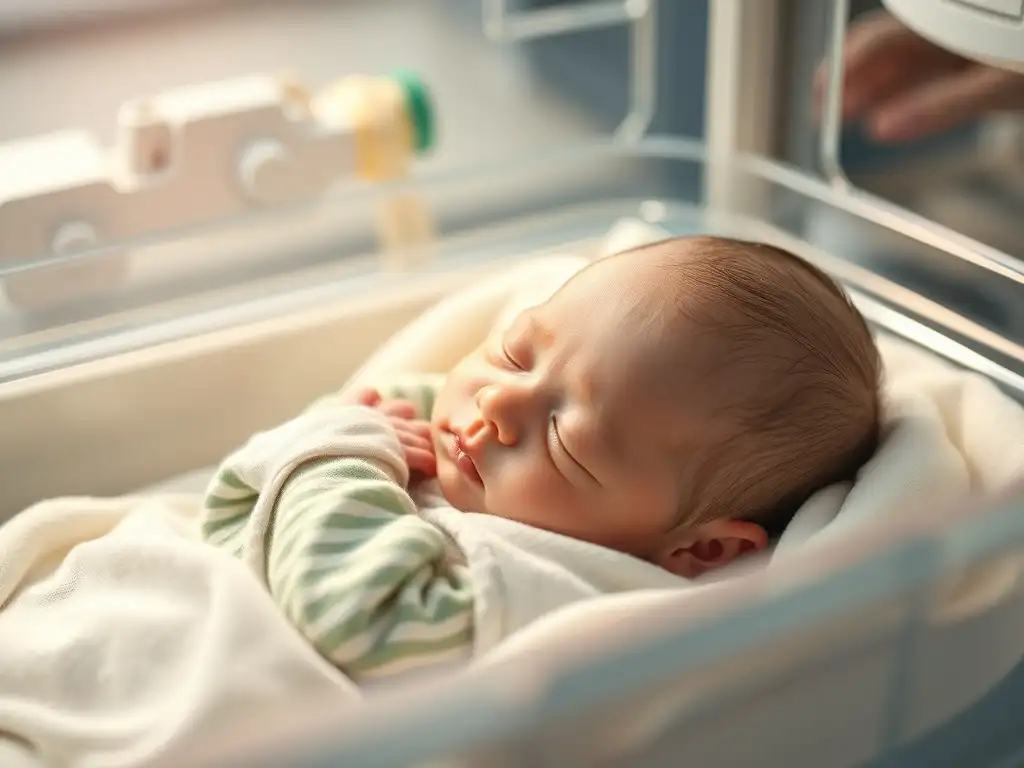
Bronchiolitis, a common lower respiratory tract infection in infants, can sometimes necessitate hospitalization. This section details the crucial aspects of hospital treatment for newborns suffering from severe bronchiolitis, focusing on when such intervention is deemed necessary and the specific treatments employed. Understanding these factors can alleviate parental anxiety and ensure optimal care for your little one.
The decision to hospitalize a newborn with bronchiolitis is based on a careful assessment of their clinical condition, considering factors like respiratory distress, oxygen saturation levels, and overall well-being. The goal of hospitalization is to provide supportive care and manage severe symptoms effectively. Remember, early intervention is key in managing this condition.
Oxygen Therapy
Oxygen therapy is a cornerstone of treatment for newborns with severe bronchiolitis exhibiting hypoxemia (low blood oxygen levels). The administration of supplemental oxygen aims to improve oxygen saturation and alleviate respiratory distress. This is typically achieved through various methods, including nasal cannula, oxygen hood, or high-flow nasal cannula (HFNC), depending on the severity of the condition and the baby's response to treatment.
Close monitoring of oxygen saturation levels using pulse oximetry is essential to ensure the effectiveness and safety of oxygen therapy. The target oxygen saturation level is usually between 90-95%, although this may vary depending on individual circumstances. For example, a premature infant might require a higher saturation target.
Failure to achieve adequate oxygen saturation despite oxygen therapy may indicate the need for more intensive respiratory support. The use of oxygen therapy significantly reduces the risk of further complications associated with hypoxemia, improving the overall prognosis for the newborn. Careful monitoring and adjustment of oxygen flow rates are crucial to avoid potential adverse effects of oxygen toxicity.
Fluid Management
Maintaining adequate hydration is paramount in managing bronchiolitis, particularly in hospitalized newborns. Dehydration can exacerbate respiratory distress and compromise overall health. Infants with bronchiolitis often experience increased respiratory work, leading to fluid loss through increased respiratory rate and fever. Fluid management may involve intravenous (IV) fluids to correct dehydration and maintain adequate hydration status.
The type and amount of fluids administered are carefully determined based on the individual needs of the newborn, considering factors such as weight, age, and clinical condition. Close monitoring of fluid balance, including intake and output, is essential to prevent fluid overload or dehydration. Monitoring urine output, weight, and electrolyte levels provides valuable insights into the effectiveness of fluid management strategies. Accurate assessment of fluid status is crucial for optimal treatment and improving the chances of a positive outcome.
Bronchodilators and Anti-inflammatory Medications
While bronchodilators, such as salbutamol, are often used in older children with wheezing illnesses, their effectiveness in treating bronchiolitis in newborns remains debated. Studies have yielded mixed results, with some showing minimal benefit and others suggesting potential advantages in specific situations. The current consensus leans toward reserving bronchodilators for newborns with severe bronchiolitis who exhibit significant wheezing or respiratory distress unresponsive to other interventions.
Similarly, anti-inflammatory medications, such as corticosteroids, are generally not routinely recommended for newborns with bronchiolitis unless there are indications of severe disease. The potential risks associated with these medications in newborns necessitate cautious and selective use. The decision to utilize these medications is made on a case-by-case basis, considering the severity of the illness and the potential benefits versus risks for the individual infant.
Close monitoring of the newborn's response to any medication is crucial to ensure safety and efficacy. The use of these medications should always be guided by a pediatrician or neonatologist experienced in managing respiratory conditions in newborns.
Vital Signs Monitoring
Continuous monitoring of vital signs is crucial in managing neonatal bronchiolitis. This includes frequent assessment of the baby's heart rate, respiratory rate, oxygen saturation (SpO2), and temperature. These measurements provide vital clues about the severity of the illness and the effectiveness of treatment. A rapid heart rate, for instance, could indicate the baby's body is working harder to compensate for respiratory distress.
Similarly, a low SpO2 reading signifies inadequate oxygen levels in the blood, a critical indicator requiring immediate intervention. Temperature monitoring helps detect potential infections, which can complicate bronchiolitis. The frequency of monitoring varies depending on the baby's condition; critically ill newborns may require continuous monitoring, while those with milder symptoms may only need checks every few hours. Deviations from normal ranges trigger immediate adjustments to the treatment plan, potentially including increased oxygen support or medication adjustments.
Accurate and timely recording of these vital signs is essential for effective communication among healthcare professionals and for tracking the baby's progress. This data forms the basis for clinical decision-making, ensuring the baby receives the most appropriate and timely care. For example, a consistent drop in SpO2 despite oxygen therapy might indicate a need for more aggressive respiratory support, such as mechanical ventilation.
Respiratory Support
Respiratory support for newborns with bronchiolitis ranges from supplemental oxygen to mechanical ventilation, depending on the severity of respiratory distress. Supplemental oxygen, delivered via nasal cannula or oxygen hood, is often the initial intervention. This aims to increase the oxygen levels in the baby's blood, alleviating hypoxia and improving tissue oxygenation. However, if the baby's respiratory effort remains high and oxygen saturation remains low despite supplemental oxygen, more advanced respiratory support might be necessary.
This could include continuous positive airway pressure (CPAP), which helps keep the airways open and improves gas exchange. CPAP is delivered via a nasal mask or prongs, applying gentle pressure to prevent airway collapse. In severe cases, mechanical ventilation may be required. Mechanical ventilation involves a ventilator assisting the baby's breathing, taking over the work of the lungs when the baby is unable to breathe adequately on their own.
The type of ventilation used will depend on the baby's specific needs and may range from non-invasive techniques, such as high-frequency oscillatory ventilation, to invasive techniques, which require an endotracheal tube to be inserted into the trachea. The decision to escalate respiratory support is made based on a careful assessment of the baby's clinical condition, including vital signs, respiratory effort, and arterial blood gas analysis. The goal is to provide the necessary support to maintain adequate oxygenation and ventilation, minimizing the risk of further respiratory complications and improving the chances of a successful recovery. Careful monitoring of the baby's response to respiratory support is essential to ensure that the intervention is effective and to make timely adjustments as needed.
Preventing Bronchiolitis Hospitalization: Practical Steps
Bronchiolitis, a common lower respiratory tract infection in infants, can lead to hospitalization if not managed effectively. While some cases require immediate medical intervention, many hospitalizations can be prevented through proactive measures. Understanding the risk factors and implementing preventative strategies is crucial for the well-being of your newborn. This section focuses on practical steps parents can take to minimize the risk of their baby developing severe bronchiolitis requiring hospitalization. The goal is to empower parents with knowledge to protect their little ones from this potentially serious illness, reducing the need for "Bronchiolitis hospitalization newborn necessary" searches in the future.
Hand Hygiene
Maintaining impeccable hand hygiene is paramount in preventing the spread of respiratory viruses, including RSV, the primary culprit behind most bronchiolitis cases. This seemingly simple practice is incredibly effective. Think of your hands as vectors – they can easily transfer viruses from contaminated surfaces to your baby's vulnerable system.
Thorough handwashing with soap and water for at least 20 seconds is the gold standard. This is especially crucial before handling your baby, preparing their food, or touching any items that come into contact with their face. If soap and water aren't readily available, use an alcohol-based hand sanitizer containing at least 60% alcohol. Remember to cover all surfaces of your hands and fingers, rubbing them together until they are completely dry. The frequency of handwashing should be increased, especially during cold and flu season.
Regular handwashing significantly reduces the transmission of respiratory viruses, potentially preventing the progression of mild illness to severe bronchiolitis requiring hospitalization. It's a simple yet powerful tool in your arsenal against this common childhood ailment. Make hand hygiene a family affair, teaching older siblings the importance of clean hands to protect their baby sibling.
Infection Control
Beyond hand hygiene, broader infection control strategies significantly reduce the risk of bronchiolitis. This involves minimizing exposure to sick individuals and practicing good respiratory etiquette. Avoid crowded places, especially during peak cold and flu season. If you or other family members are feeling unwell, even with minor symptoms like a runny nose or cough, practice social distancing and wear a mask when interacting with the baby. This preventative measure limits the transmission of viruses.
Regular cleaning and disinfection of frequently touched surfaces in your home is also essential. This includes doorknobs, light switches, toys, and changing tables. Use a household disinfectant according to the manufacturer's instructions. Regularly laundering baby's clothes, bedding, and blankets in hot water also helps eliminate potential viral particles. These seemingly small steps collectively contribute to a healthier environment for your baby, reducing the chances of bronchiolitis and the potential need for "Bronchiolitis hospitalization newborn necessary" interventions.
Breastfeeding Benefits
Numerous studies highlight the protective effects of breastfeeding against various respiratory illnesses, including bronchiolitis. Breast milk provides a unique blend of antibodies and immune factors that bolster your baby's immune system, reducing their susceptibility to infections. The antibodies in breast milk, particularly IgA, directly combat respiratory viruses, preventing them from attaching to and infecting the cells in your baby's respiratory tract.
Exclusive breastfeeding for the first six months, as recommended by health organizations worldwide, provides optimal protection. Even partial breastfeeding offers significant benefits. The longer you breastfeed, the greater the protective effect against respiratory infections. This natural immunity conferred by breast milk can significantly reduce the severity of bronchiolitis, potentially avoiding the need for hospitalization. The benefits of breastfeeding extend beyond preventing bronchiolitis; it offers numerous advantages for both mother and baby, contributing to overall health and well-being, further reducing the likelihood of needing "Bronchiolitis hospitalization newborn necessary" care.
Vaccination
Vaccination plays a crucial role in preventing severe respiratory infections like bronchiolitis, significantly reducing the risk of hospitalization. The respiratory syncytial virus (RSV), a primary cause of bronchiolitis, doesn't currently have a widely available vaccine for infants, although research is ongoing and promising developments are emerging. However, protecting against other respiratory viruses through routine vaccinations is vital. These vaccines strengthen the baby's immune system, making them more resilient to various infections that can exacerbate bronchiolitis or lead to similar respiratory illnesses.
For example, the influenza vaccine is highly recommended for pregnant women during their third trimester. This provides passive immunity to the newborn for the first few months of life, a critical period for vulnerability to RSV. Similarly, ensuring the child is up-to-date on all other recommended childhood vaccinations helps build a strong defense against multiple respiratory pathogens, thereby indirectly minimizing the likelihood of severe bronchiolitis requiring hospitalization.
Remember to consult your pediatrician to establish a personalized vaccination schedule for your baby and to understand the potential benefits and risks associated with each vaccine. Early and complete vaccination is a cornerstone of preventative healthcare and can significantly reduce the need for bronchiolitis hospitalization in newborns. The effectiveness of these vaccines in preventing bronchiolitis hospitalization is a subject of ongoing research and may vary depending on factors like the specific strain of virus circulating and the child's overall health.
Home Monitoring and Early Intervention
Careful home monitoring is essential in managing bronchiolitis and preventing unnecessary hospitalizations. Recognizing the early warning signs of worsening symptoms is crucial. This includes closely observing your baby's breathing rate, looking for signs of difficulty breathing like nasal flaring, grunting, or retractions (the skin pulling in around the ribs or collarbone during breathing). Monitoring their oxygen saturation levels, if you have a pulse oximeter at home, can provide valuable data. Keep a close watch for changes in feeding habits; decreased appetite or difficulty feeding can indicate increasing respiratory distress.
Furthermore, pay attention to changes in your baby's behavior; lethargy, irritability, or unusually quiet periods can signal a need for immediate medical attention. Maintaining hydration is paramount. Offer frequent small amounts of fluids to prevent dehydration, a common complication that can worsen the condition. If you notice any significant changes or worsening symptoms—increased respiratory rate, difficulty feeding, decreased oxygen saturation, or changes in behavior—do not hesitate to contact your pediatrician or seek immediate medical attention. Early intervention is key to preventing the progression of bronchiolitis to a severe state requiring hospitalization.
Prompt medical evaluation allows for timely treatment, potentially preventing further complications and reducing the likelihood of a hospital stay. Remember, your vigilance and prompt action are crucial in protecting your baby's health. Trust your instincts; if something seems wrong, seek professional help without delay. Early intervention can make a significant difference in the outcome.
Bronchiolitis Hospitalization: Long-Term Outlook and Recovery
Bronchiolitis, while a common viral infection in infants, can sometimes necessitate hospitalization. Understanding the long-term outlook and recovery process is crucial for parents. The severity of the illness and the baby's overall health significantly influence the recovery period and potential long-term effects. Many babies make a complete recovery with no lasting complications. However, a small percentage may experience lingering issues. Let's delve into the specifics.
Post-Hospital Care
Once your baby is discharged from the hospital after bronchiolitis treatment, careful post-hospital care is essential to ensure a smooth recovery and prevent complications. This involves meticulous monitoring of your baby's respiratory status, hydration levels, and overall well-being.
The initial days post-discharge are critical. Parents should closely observe their baby for any signs of worsening symptoms such as increased difficulty breathing, persistent cough, lethargy, or poor feeding. Maintaining adequate hydration is paramount; offer frequent, small amounts of fluids, adjusting based on your baby's tolerance and preference. This might involve breastfeeding more often, using a bottle with a slow-flow nipple, or using an oral rehydration solution as directed by your pediatrician.
Regular monitoring of your baby's respiratory rate and oxygen saturation levels (if applicable) is crucial. Many parents are taught how to perform these checks at the hospital before discharge. This empowers them to detect any subtle changes that could indicate a relapse or worsening condition. It’s vital to contact your pediatrician immediately if you notice any concerning changes.
Furthermore, a gradual return to normal routines is advisable. Avoid exposing your baby to smoke, pollutants, or crowded places to minimize the risk of reinfection. Ensure adequate rest and avoid overstimulation. A calm and comfortable environment fosters healing. Remember to follow the specific instructions provided by your pediatrician regarding medication, follow-up appointments, and any other necessary precautions. Open communication with your healthcare provider is vital throughout this period.
Potential Long-Term Effects
While most infants recover fully from bronchiolitis without any lasting effects, some may experience potential long-term consequences, although these are relatively uncommon. The severity of the initial infection and the presence of underlying health conditions can influence the likelihood of long-term issues.
Some potential long-term effects, although rare, may include:
- Wheezing: Persistent wheezing or whistling sounds during breathing can occur in some children following bronchiolitis. This often resolves over time, but it can sometimes be a precursor to asthma. Regular monitoring by a pediatrician is essential.
- Increased risk of asthma: Studies suggest a link between severe bronchiolitis and an increased risk of developing asthma later in childhood. This risk is heightened in babies with a family history of asthma or other respiratory conditions. Early detection and management of asthma symptoms are crucial.
- Respiratory infections: Some children may experience a higher frequency of respiratory infections in the years following bronchiolitis. This could be due to ongoing lung inflammation or weakened immune response.
- Developmental delays: In rare cases, severe bronchiolitis and prolonged oxygen dependency can be associated with subtle developmental delays. However, this is not a common outcome, and early intervention therapies can often mitigate potential developmental issues.
It is important to note that the majority of children who experience bronchiolitis hospitalization make a complete recovery without any long-term complications. Regular follow-up appointments with your pediatrician are crucial to monitor your child's progress and address any concerns.
Follow-up Appointments
Following hospitalization for bronchiolitis, regular follow-up appointments with your pediatrician are crucial. These appointments are designed to monitor your baby's recovery, assess for any potential long-term effects, and address any lingering concerns. The frequency of these appointments may vary depending on your baby's individual needs and the severity of their initial illness.
During these follow-up visits, your pediatrician will likely:
- Assess respiratory function: This might involve listening to your baby's lungs, checking their breathing rate, and potentially ordering further tests such as chest X-rays if necessary.
- Monitor for wheezing or other respiratory symptoms: Early detection of persistent wheezing or other respiratory issues is crucial for early intervention and management.
- Evaluate overall health and development: Your pediatrician will assess your baby's weight gain, feeding patterns, and overall development to identify any potential delays or concerns.
- Discuss preventative measures: Your pediatrician will provide guidance on measures to prevent future respiratory infections, such as vaccination recommendations and strategies to minimize exposure to respiratory viruses.
- Address parental concerns: These appointments provide an opportunity to address any questions or concerns you may have regarding your baby's recovery and long-term health.
Consistent communication with your pediatrician is essential throughout this process. Don’t hesitate to reach out with any concerns, no matter how minor they may seem. Early intervention and proactive management can significantly improve your baby's long-term outlook following bronchiolitis hospitalization. Remember, proactive care is key to ensuring your baby thrives.
Bronchiolitis Hospitalization: Questions and Concerns for Parents
This section addresses the common anxieties and questions parents experience when their newborn or infant is hospitalized for bronchiolitis. Bronchiolitis hospitalization is a significant event, and understanding the reasons behind it can help alleviate some of the stress involved. We will explore the typical questions parents ask and provide reassurance based on medical expertise. Remember, while this information is intended to be helpful, it's crucial to always communicate directly with your child's pediatrician or the hospital staff for personalized guidance. This information should not replace professional medical advice.
Common Parental Questions about Bronchiolitis Hospitalization
Parents facing bronchiolitis hospitalization often grapple with several key questions. Let's address some of the most frequently asked:
- "Why is my baby needing hospitalization for bronchiolitis?" Hospitalization for bronchiolitis is usually necessary when the baby's respiratory distress is severe. This might manifest as difficulty breathing, rapid breathing (tachypnea), wheezing, retractions (the skin pulling in around the ribs and collarbone with each breath), nasal flaring, and grunting. Babies who are showing signs of dehydration, poor feeding, or lethargy may also require hospitalization for closer monitoring and treatment. The severity of the illness and the baby's overall condition are crucial factors determining the need for admission. Some babies may require supplemental oxygen or respiratory support, necessitating hospital care.
- "What will happen during my baby's hospital stay?" During their stay, your baby will receive close monitoring of their vital signs, including heart rate, breathing rate, and oxygen saturation levels. The medical team will administer treatments as needed, which might include supplemental oxygen, intravenous fluids (IV), and medication to manage symptoms. The length of the hospital stay varies depending on the severity of the illness and your baby's response to treatment. Regular updates will be provided by the medical team.
- "Can I stay with my baby during the hospitalization?" Many hospitals allow parents to stay with their babies around the clock, providing comfort and support during this challenging time. This can significantly reduce parental anxiety and contribute positively to the baby's recovery. However, specific hospital policies may vary, so it's essential to clarify this with the hospital staff upon admission.
- "What are the long-term effects of bronchiolitis hospitalization?" Most babies recover fully from bronchiolitis without any long-term complications. However, in some rare cases, recurrent wheezing or asthma may develop later in childhood. Regular check-ups with your pediatrician after discharge are crucial to monitor your baby's progress and address any concerns.
Addressing Parental Anxiety Regarding Bronchiolitis
The emotional toll of a newborn's hospitalization for bronchiolitis is significant. Parents often experience heightened anxiety and fear for their baby's well-being.
It's completely normal to feel overwhelmed and anxious. Remember that the medical team is there to provide the best possible care for your baby. Open communication with the doctors and nurses is key to alleviating your anxieties. Don't hesitate to ask questions, express your concerns, and seek reassurance. Taking deep breaths, practicing relaxation techniques, and leaning on your support network – partner, family, friends – can also help manage stress during this challenging time.
Consider keeping a journal to document your feelings and experiences. This can be a valuable tool for processing emotions and reflecting on your journey. Connecting with other parents who have gone through similar experiences can offer comfort and support. Remember that you're not alone, and seeking support is a sign of strength, not weakness. Your baby's health and well-being are the top priority, and the medical team is dedicated to ensuring the best possible outcome. The experience, while difficult, is temporary, and your baby will recover. 🫂
Frequently Asked Questions
What is bronchiolitis?
Bronchiolitis is a common respiratory infection in babies and young children, usually caused by a respiratory syncytial virus (RSV). It inflames the small airways in the lungs, making it difficult to breathe. Symptoms include coughing, wheezing, and difficulty breathing.
When is hospitalization for bronchiolitis necessary?
Hospitalization for bronchiolitis is necessary when a baby shows signs of severe respiratory distress, such as rapid breathing, difficulty feeding, or significant oxygen desaturation. Dehydration and worsening clinical status are also key indicators.
What are the signs of severe bronchiolitis in newborns?
Severe bronchiolitis in newborns can manifest as grunting, retractions (sucking in of the chest muscles), nasal flaring, and cyanosis (bluish discoloration of the skin). These are serious signs requiring immediate medical attention.
How is bronchiolitis treated in hospitalized newborns?
Treatment in the hospital typically focuses on supportive care, including oxygen therapy, intravenous fluids to prevent dehydration, and monitoring vital signs. In severe cases, respiratory support such as ventilation may be needed.
Can bronchiolitis be prevented?
While there's no vaccine for RSV, several measures can help reduce the risk of infection. These include frequent handwashing, avoiding exposure to sick individuals, and following recommendations for preventative measures from your pediatrician. For high-risk infants, preventative medications may be considered.
The delicate health of a newborn battling bronchiolitis demands careful consideration, and understanding when hospitalization is truly necessary is paramount. The information presented in this article highlights the critical balance between watchful waiting and timely intervention, a balance that can significantly impact the outcome for both the infant and the family. The decisions surrounding hospitalization are complex, requiring a nuanced understanding of the disease's progression and the individual needs of each child.
The emotional toll of witnessing a newborn struggle to breathe is immeasurable, a burden shared by countless parents and healthcare professionals. The fear and uncertainty surrounding bronchiolitis are amplified when considering the vulnerability of a newborn. This experience underscores the importance of clear communication, compassionate care, and evidence-based medical decisions. The best medicine is often a listening ear and a caring heart.
This sentiment, though simple, encapsulates the crucial human element in navigating the complexities of newborn bronchiolitis and its potential need for hospitalization.
Now, consider your own understanding of newborn health. Have you gained a clearer perspective on the factors that contribute to the decision-making process surrounding bronchiolitis hospitalization? Take a moment to reflect on the information presented, and remember that advocating for your child's well-being is paramount. Empower yourself with knowledge, and don't hesitate to ask questions and seek clarification from your healthcare provider. Your active participation in your child's care is crucial in ensuring the best possible outcome.
Unlock Your Understanding of Bronchiolitis Care
Thank you for learning more about bronchiolitis and when hospitalization is necessary. We hope this information empowers you to make informed decisions about your child's health. Let's take the next step!
- Download our free guide: "Bronchiolitis: A Parent's Guide to Prevention and Care" for practical tips and resources to help you manage your child’s symptoms and navigate potential hospital visits. This guide offers valuable additional information.
- Share this article with other parents on social media to raise awareness and offer support. Early intervention can significantly improve outcomes.
- Leave a comment below sharing your experiences or questions. Your insights can help other families facing similar challenges.
What will you do today to feel more confident caring for your child during a bronchiolitis episode?