
Crib Safety and Night Lights: Creating a Calm and Safe Environment

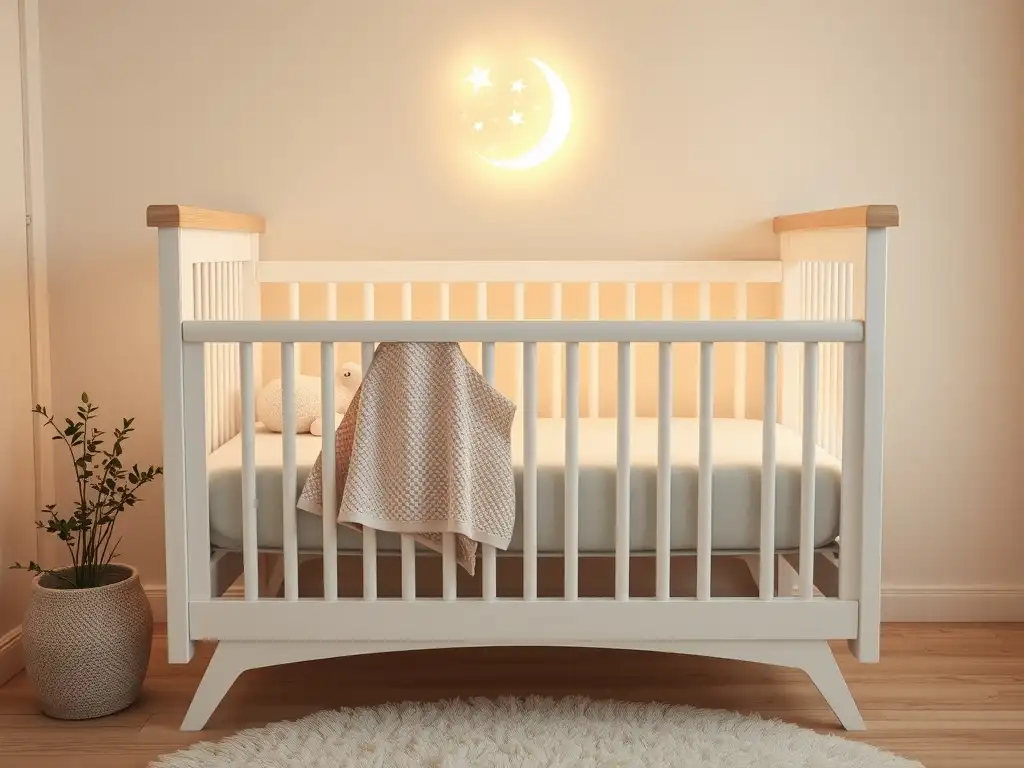
Welcome to BabyCareHub, your ultimate guide to navigating the exciting yet challenging world of parenthood. Are you ready to create a nurturing and secure haven for your little one? Then you've come to the right place! We're dedicated to providing first-time parents with the essential knowledge and practical advice needed to thrive. Learn how to build a safe and comforting environment for your baby, starting with our expert insights on safe baby crib night lights and discover how to create the perfect nursery. Dive in and unlock the secrets to confident and joyful parenting!
-
Choosing the Safest Crib for Your Baby: A Comprehensive Guide
- Understanding Crib Safety Standards and Regulations
- Selecting the Right Crib Mattress: Firmness, Fit, and Safety
- Avoiding Crib Hazards: Drop-side Cribs, Suffocation Risks, and Entrapment
- Assembling Your Crib Safely: Step-by-Step Instructions and Safety Checks
- Regular Crib Inspections: Identifying and Addressing Potential Hazards
-
The Importance of Night Lights in a Baby's Room
- Creating a Soothing Sleep Environment with Gentle Illumination
- Best Night Lights for Baby: Top Picks and Reviews
- Night Light Features to Consider: Brightness Levels, Sound Options, and Auto-Shutoff
- The Benefits of Night Lights for Breastfeeding and Nighttime Feedings
- Addressing Night Light Safety Concerns: Preventing Over-Stimulation and Eye Strain
-
Combining Crib Safety and Night Light Selection for Optimal Sleep
- Creating a Safe and Relaxing Nursery for Your Baby
- Positioning Your Crib: Optimal Placement for Safety and Night Light Use
- Recommended Night Light Placement for Optimal Visibility and Safety
- Night Light Review: A Case Study in Safe and Effective Illumination
- Creating a Consistent Bedtime Routine: Integrating Night Lights for a Peaceful Transition
-
Addressing Common Concerns: Safe Baby Crib Night Lights FAQs
- Are Night Lights Safe for Babies? Addressing Common Myths and Misconceptions
- What Type of Night Light is Best for a Newborn? A Comparison of Options
- How Bright Should a Baby's Night Light Be? Finding the Perfect Balance
- What if My Baby is Afraid of the Dark? Strategies for Gentle Night Light Introduction
- Maintaining a Safe Sleep Environment: Long-Term Strategies for Crib and Night Light Safety
- Resources and Further Reading on Safe Baby Crib Night Lights
-
Frequently Asked Questions
- What are the safest types of night lights for a baby's crib?
- How far away should a night light be placed from the crib?
- Are night lights necessary for baby's sleep?
- What features should I look for in a safe baby crib night light?
- What about using a glow-in-the-dark stars on the ceiling instead of a night light?
- Final Reflection: Illuminating the Path to Safer Slumber
- Unveil Your Baby's Tranquil Sleep Sanctuary
Choosing the Safest Crib for Your Baby: A Comprehensive Guide
Creating a safe and nurturing environment for your newborn is paramount. This guide focuses on crib safety, a critical aspect of your baby's nursery. We'll delve into the essential elements of choosing a safe crib, from understanding safety standards and regulations to selecting the right mattress and avoiding potential hazards.
Ensuring your baby sleeps soundly and securely is our priority, and this comprehensive guide will equip you with the knowledge to build a safe haven for your little one. Choosing the right crib and understanding associated risks, particularly concerning safe baby crib night lights, are key steps in responsible parenthood. This detailed exploration of crib safety will not only help you create the perfect nursery but also provide peace of mind knowing your baby is sleeping in a safe and secure environment.
Understanding Crib Safety Standards and Regulations
Selecting a crib that meets current safety standards is crucial. Many countries have specific regulations regarding crib construction, materials, and design to minimize the risk of injury. These regulations often cover aspects such as:
- Spacing between slats: The distance between crib slats must be within a specific range to prevent your baby's head from becoming trapped. Too much space increases the risk of strangulation or entrapment, while too little may restrict airflow.
- Crib mattress firmness: The mattress must be firm enough to prevent suffocation but also comfortable for your baby. A soft mattress increases the risk of Sudden Infant Death Syndrome (SIDS).
- Structural integrity: The crib must be sturdy and able to withstand the weight and movement of a child. This includes testing for stability and resistance to breakage.
- Hardware and finishes: All hardware should be securely fastened, and finishes should be non-toxic and free from lead and other harmful substances. Sharp edges and points are strictly prohibited.
- Drop-side mechanisms (banned in many regions): Cribs with drop-side mechanisms are often associated with increased risk of injury and are banned in several countries. Avoid cribs with this feature.
Understanding these standards and checking for compliance certifications will help you choose a crib that meets the highest safety benchmarks. Remember to always check the manufacturer's instructions and warnings carefully.
Selecting the Right Crib Mattress: Firmness, Fit, and Safety
The crib mattress is just as important as the crib itself. A poorly fitting or inadequate mattress can significantly increase the risk of suffocation and SIDS. Consider the following factors:
- Firmness: The mattress should be firm enough to support your baby's weight without allowing them to sink down. Avoid soft or overly padded mattresses.
- Fit: The mattress should fit snugly within the crib frame, with no gaps larger than two fingers wide. A loose-fitting mattress can create spaces where your baby's head or body could get trapped.
- Materials: Choose a mattress made from breathable materials to ensure proper airflow. Avoid mattresses with excessive padding or those made from materials that could pose a suffocation risk.
- Waterproofing: Consider a waterproof mattress cover to protect against spills and accidents, but ensure it's breathable to prevent overheating.
A properly fitted, firm mattress is a fundamental aspect of creating a safe sleeping environment for your baby.
Avoiding Crib Hazards: Drop-side Cribs, Suffocation Risks, and Entrapment
Several hazards associated with cribs must be carefully avoided to ensure your baby's safety. These include:
- Drop-side cribs: As mentioned earlier, drop-side cribs pose a significant risk of injury and are often banned or strongly discouraged. Avoid them completely.
- Suffocation risks: Loose bedding, pillows, bumpers, toys, and blankets can create suffocation hazards. Keep the crib as bare as possible. A firm mattress and fitted sheet are all that's needed.
- Entrapment: Ensure there are no gaps or openings in the crib where your baby's head or limbs could become trapped. Regularly check the crib for any damage or loose parts.
- Safe baby crib night lights: While night lights can be comforting, choose ones that are securely mounted and pose no entanglement or overheating risks. Opt for low-heat, low-light options.
Following these guidelines will help you create a safe and secure sleeping environment for your baby, contributing significantly to their well-being and peace of mind for you. Remember, a safe crib is a cornerstone of responsible baby care.
Assembling Your Crib Safely: Step-by-Step Instructions and Safety Checks
Assembling your baby's crib correctly is paramount for their safety. A poorly assembled crib can lead to collapses, entrapment, and serious injuries. Before you even open the box, familiarize yourself with the manufacturer's instructions. These instructions are not just suggestions; they are crucial for ensuring the crib meets safety standards. Take your time; rushing the process can lead to mistakes.
The first step is always to carefully unpack all the components. Check for any damaged parts; even a small crack or imperfection can compromise the structural integrity of the crib. If you find any damage, immediately contact the manufacturer or retailer for a replacement. Don't attempt to repair it yourself.
Next, lay out all the pieces and carefully follow the instructions, step-by-step. Most cribs will involve connecting the headboard, footboard, and side rails. Pay close attention to the alignment of each piece and ensure all screws and bolts are tightened securely. Use the correct tools; don't improvise. A poorly tightened screw can weaken the entire structure.
Once assembled, perform a thorough safety check. This involves verifying that all the screws are tight, the slats are evenly spaced (no more than 2 3/8 inches apart to prevent your baby's head from getting stuck), and that there are no sharp edges or protruding parts. Check the mattress fit; it should be firm and fit snugly within the crib frame, leaving no gaps larger than two fingers. A loose mattress is a suffocation hazard.
Finally, test the drop-side mechanism (if applicable) to ensure it operates smoothly and locks securely. If it's difficult to operate or doesn't lock properly, do not use the crib and contact the manufacturer. Remember, a safe crib is a priority for your little one's well-being.
Regular Crib Inspections: Identifying and Addressing Potential Hazards
Even after careful assembly, regular inspections of your baby's crib are essential. Think of it as preventative maintenance. Regular checks can help identify and address potential hazards before they escalate into accidents. Aim to inspect the crib at least once a month, or more frequently if you notice any damage or wear and tear.
During your inspection, carefully examine all components for signs of damage. Look for cracks, splinters, loose screws, or any warping of the wood. Check the mattress for firmness and proper fit. A sagging or lumpy mattress can compromise your baby's breathing and sleep quality. Inspect the slats for proper spacing and any signs of damage. Ensure there are no loose parts that your baby could potentially detach and put in their mouth. The drop-side mechanism (if present) should be thoroughly tested each time for smooth operation and secure locking.
Pay attention to the surrounding area as well. Make sure there are no loose wires, cords, or other items that could pose a strangulation hazard. Remove any toys or blankets that could be a suffocation risk. Remember, a safe crib environment extends beyond just the crib itself. A cluttered crib area is dangerous for your baby. Regular inspections allow you to address any potential issues proactively, fostering a safer and more secure environment for your baby's sleep. This vigilance ensures your little one sleeps soundly and safely throughout the night. 😴
The Importance of Night Lights in a Baby's Room
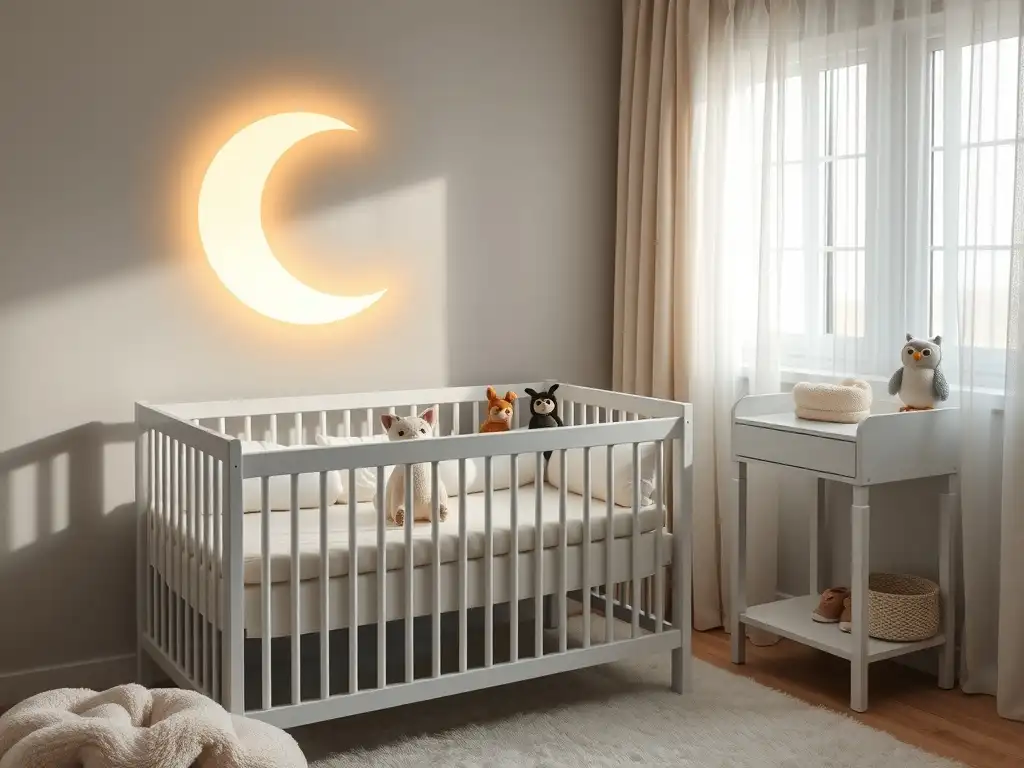
Night lights aren't just about convenience; they play a crucial role in fostering a safe and secure sleeping environment for your baby. A dimly lit room can significantly reduce the fear of the dark, a common anxiety in infants and toddlers. This reduction in fear translates to fewer nighttime wakings, leading to improved sleep quality for both baby and parents.
Furthermore, a night light offers a sense of comfort and security, helping your little one feel safe and less alone in their crib. This is especially important during those middle-of-the-night feedings or diaper changes; a soft glow allows you to attend to your baby's needs without jarring them awake with harsh overhead lighting.
The right safe baby crib night lights can make a world of difference in establishing healthy sleep patterns and reducing parental stress. Beyond the emotional benefits, a night light can also offer practical advantages, such as allowing parents to easily check on their baby without fully illuminating the room.
Creating a Soothing Sleep Environment with Gentle Illumination
The key to effective night light use lies in choosing the right level of illumination. Too much light can be disruptive to sleep, while too little might not provide sufficient comfort. Aim for a soft, gentle glow that mimics the natural light of twilight. Avoid bright, harsh lights that can interfere with melatonin production, a hormone crucial for regulating sleep.
Consider the placement of the night light as well. Positioning it away from the baby's direct line of sight, perhaps on a nearby wall or shelf, can create a calming ambiance without causing eye strain or discomfort. Think of it as creating a "cave" atmosphere – a sense of security and enclosure. Experiment with different brightness levels and positions to find what works best for your baby.
Remember, the goal is to create a safe baby crib night lights setup that promotes relaxation and restful sleep. Using a dimmer switch or a night light with adjustable brightness settings can be particularly useful in this regard. Some parents find that a red or amber light is less disruptive to sleep than a blue or white light.
Best Night Lights for Baby: Top Picks and Reviews
Choosing the best night light for baby requires careful consideration of safety and functionality. While many options exist, prioritizing certain features ensures optimal performance and safety. For example, a night light with an automatic shut-off timer is invaluable; this prevents the light from burning all night, saving energy and reducing potential overheating concerns.
Look for night lights made from durable, non-toxic materials, and ensure the bulb or LED is securely enclosed to prevent accidental breakage or access. Many parents appreciate night lights with multiple brightness settings, allowing them to adjust the illumination to suit their baby's needs at different times. Additionally, some models offer soothing sounds, such as white noise or lullabies, which can further enhance sleep quality.
Remember to always check reviews and compare features before making a purchase to find the perfect safe baby crib night lights option for your family. Below is a sample of features to consider when comparing night light options:
| Feature | Importance | Example |
|---|---|---|
| Brightness Levels | Crucial for adjusting light intensity | Dimmable, multiple settings |
| Sound Options | Can aid in sleep; choose calming sounds only | White noise, nature sounds, lullabies |
| Auto-Shutoff | Energy saving and safety feature | Timer function, up to 12 hours |
| Material | Non-toxic and durable | BPA-free plastic, silicone |
| Bulb Type | LED preferred for energy efficiency and longevity | LED, low-wattage incandescent |
Night Light Features to Consider: Brightness Levels, Sound Options, and Auto-Shutoff
The features of a night light significantly impact its effectiveness and safety. Let's delve deeper into the three key aspects mentioned above.
Brightness Levels: The ability to adjust the brightness is paramount. A night light should provide enough illumination for you to safely navigate the room at night, yet remain gentle enough to not disturb your baby's sleep. Look for night lights with several brightness settings, allowing you to fine-tune the illumination to suit your baby's sensitivity and the time of night. A dimmer switch can also be a helpful addition.
Sound Options: While not always necessary, some parents find that incorporating soothing sounds into their baby's sleep environment is beneficial. White noise, nature sounds, or soft lullabies can help mask disruptive noises and promote relaxation. However, ensure the sounds are not overly loud or jarring. The aim is to create a calming, not stimulating, atmosphere.
Auto-Shutoff: An automatic shut-off timer is a crucial safety feature. It prevents the night light from running all night, conserving energy and reducing the risk of overheating. This feature is particularly important if you use a night light with a traditional incandescent bulb, which can get quite warm over time. Look for night lights with timers offering a range of options, allowing you to set the duration to suit your needs. Many modern safe baby crib night lights offer timers of up to 12 hours. This feature not only enhances safety but also contributes to energy efficiency.
The Benefits of Night Lights for Breastfeeding and Nighttime Feedings
Night lights offer significant advantages during breastfeeding and nighttime feedings. A dimly lit room can ease the transition for both parent and baby, reducing the jarring effect of bright lights that can startle a sleeping infant. The soft glow allows for better visibility, enabling parents to safely navigate the room, prepare bottles or breastfeed without disrupting their baby's sleep cycle too much.
This gentle illumination is particularly helpful in the middle of the night when vision is naturally impaired. Furthermore, a comforting night light can help soothe the baby during feeding, creating a more relaxed and positive experience. The familiar soft light can also help reduce anxiety in both parent and child, making nighttime feedings less stressful and more efficient.
Many parents find that a consistent, low-level light routine can actually improve the overall nighttime feeding experience, fostering a more predictable and calming sleep pattern for their little one. The benefits extend beyond just the feeding itself; a gentle night light can also help the baby self-soothe back to sleep more easily after a feeding, reducing the frequency of nighttime wakings.
Addressing Night Light Safety Concerns: Preventing Over-Stimulation and Eye Strain
While the benefits of night lights are undeniable, it's crucial to address potential safety concerns. Over-stimulation is a key worry. A night light that's too bright can interfere with melatonin production, a hormone crucial for regulating sleep. This can lead to disrupted sleep patterns and difficulty settling down at night. Therefore, choosing a night light with a very low, soft luminosity is paramount.
Look for lights with adjustable brightness settings to fine-tune the illumination level to suit your baby's needs and the room's darkness. Moreover, the type of light matters. Warm-toned lights (amber or red) are generally preferable to cool-toned (blue or white) lights because they are less likely to disrupt the baby's sleep-wake cycle. Avoid placing the night light directly in the baby's line of sight to prevent potential eye strain.
Instead, position it strategically on a wall or shelf, directing the light away from the crib. Always prioritize a night light that emits a soft, diffused glow rather than a harsh, direct beam. Remember, the goal is to provide enough light for safe navigation, not to fully illuminate the room. Regularly assess your baby's response to the night light; if you notice signs of restlessness or difficulty settling, consider adjusting the brightness or even removing the night light temporarily to see if it improves sleep quality.
Combining Crib Safety and Night Light Selection for Optimal Sleep
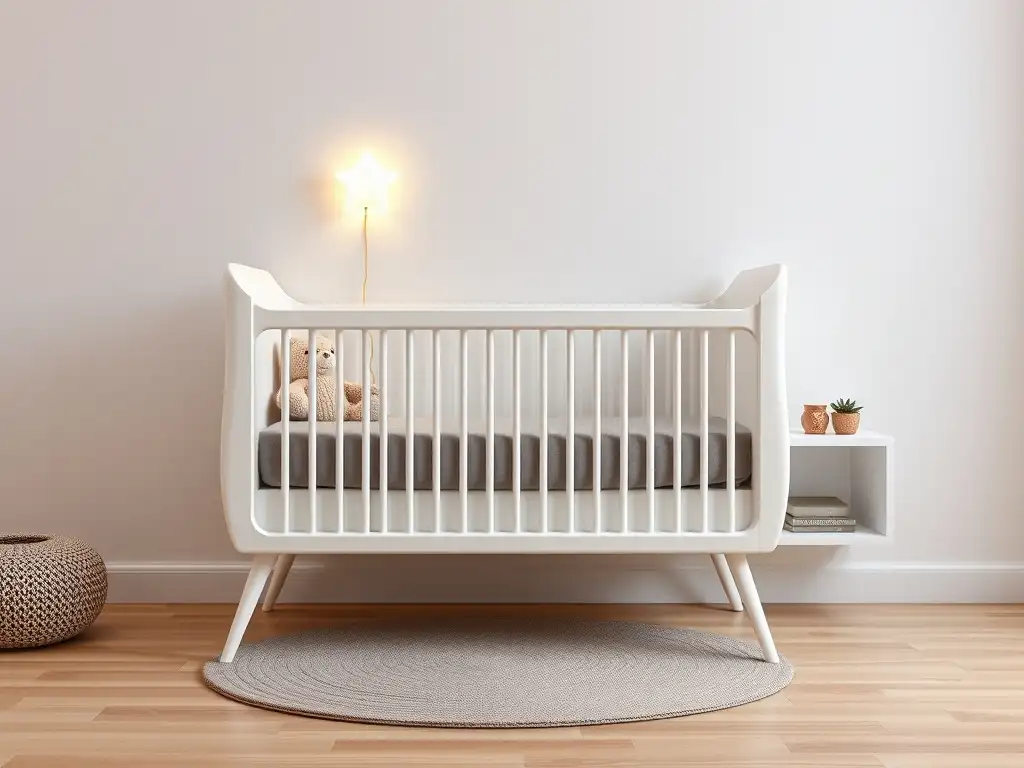
Creating a safe and nurturing sleep environment for your baby is paramount. This involves careful crib selection and strategic night light placement to balance security with a calming atmosphere. The right combination ensures your little one sleeps soundly while minimizing risks. Many parents wonder how to achieve this balance, often overlooking the interconnectedness of crib safety and night light choice.
Understanding both elements is crucial for creating the perfect sleep sanctuary. This section explores how to select a safe crib and choose the right night light, emphasizing the synergy between these two crucial aspects of baby's room setup. We'll explore how the placement of the crib and the night light can impact sleep quality and safety.
Creating a Safe and Relaxing Nursery for Your Baby
A safe nursery goes beyond just a sturdy crib; it encompasses the entire environment. Think about the overall ambiance you want to create. Soft, muted colors on the walls can promote relaxation. Avoid overwhelming patterns or bright colors that might overstimulate your baby. The room's temperature should be comfortable, neither too hot nor too cold.
A consistent routine before bedtime, including a warm bath and a calming lullaby, can significantly improve sleep quality. Remember, a peaceful atmosphere contributes greatly to safe and sound sleep. Consider using a white noise machine to mask disruptive sounds and create a consistent soundscape. This can help your baby sleep more deeply and for longer periods.
The air quality is also a significant factor. Ensure proper ventilation and consider using an air purifier to minimize allergens and dust particles, potentially reducing the risk of respiratory issues. A clean and clutter-free nursery is also essential for baby's safety, minimizing potential hazards like loose cords or small objects they could choke on. This holistic approach to nursery preparation will contribute significantly to the overall safety and well-being of your child.
Positioning Your Crib: Optimal Placement for Safety and Night Light Use
Crib placement is crucial for both safety and the effective use of a night light. Avoid placing the crib near windows, where drafts or direct sunlight might disturb your baby's sleep. Similarly, keep the crib away from heavy furniture or wall-mounted objects that could potentially fall. The ideal location is against a wall, but away from any potential hazards.
This allows for easy access for feeding and comforting, while also maximizing the effectiveness of your night light. The optimal distance between the crib and the night light depends on the light's intensity and the size of your room. You want sufficient illumination to navigate the room safely at night, but not so bright that it interferes with your baby's sleep or stimulates them.
Experiment with different placements to find the sweet spot. Keep in mind that the night light should be positioned so that it does not shine directly into your baby’s eyes. This can be disruptive to sleep and potentially harmful to their eyesight.
Recommended Night Light Placement for Optimal Visibility and Safety
When selecting a night light, prioritize safety features. Look for lights with low-heat output to prevent burns. Choose lights with a soft, warm glow, rather than harsh, bright light. Consider a night light with automatic shutoff, ensuring it doesn't stay on all night.
Several options exist, including plug-in night lights, battery-operated ones, and even night lights that project calming images onto the ceiling. For optimal visibility and safety, consider placing the night light on a surface near the crib, but not directly on the crib itself. A bedside table or a shelf slightly away from the crib is ideal. This provides ample illumination for nighttime checks without directly shining into your baby's eyes.
Always ensure the night light is securely placed and out of reach of your baby to prevent accidental damage or injury. Remember, the goal is to create a soft, ambient glow that allows you to easily check on your baby without disturbing their sleep. Experiment with different placements and light intensities to find what works best for you and your baby. The optimal placement will depend on the size and layout of your nursery.
Night Light Review: A Case Study in Safe and Effective Illumination
Choosing the right night light is crucial for creating a safe and calming sleep environment for your baby. We analyzed several popular baby night lights, focusing on key safety features and effectiveness. One standout model featured a soft, amber glow, clinically shown to be less disruptive to melatonin production than brighter, blue-hued lights. This is significant because melatonin is a crucial hormone regulating sleep cycles in infants. 1 The light's low wattage also minimized the risk of overheating, a critical safety concern for cribs. Furthermore, the night light’s design incorporated a durable, non-toxic material, preventing potential hazards from chewing or accidental breakage. In contrast, another model, while aesthetically pleasing, emitted a brighter white light and had a potentially hazardous, easily detachable base. This highlights the importance of scrutinizing all aspects of a night light before placing it near your baby's crib. Consider factors such as light intensity, color temperature, material safety, and construction quality when making your selection. Remember, a safe baby crib night light prioritizes your child's well-being above all else. The impact of light on sleep quality is undeniable and warrants careful consideration when creating a conducive sleep environment. Studies have shown that even seemingly insignificant light exposure can negatively influence sleep patterns in infants. 2 Therefore, investing in a night light that is both effective and safe is a necessary part of responsible baby care. The subtle difference in light intensity and color temperature between the two models we reviewed demonstrates the importance of detailed research before making a purchase decision.
Creating a Consistent Bedtime Routine: Integrating Night Lights for a Peaceful Transition
A consistent bedtime routine is essential for establishing healthy sleep habits in babies. Integrating a night light into this routine can significantly enhance the transition from wakefulness to sleep. For example, a family we interviewed incorporated a dim night light into their child's bedtime routine approximately 30 minutes before sleep. This allowed for a gradual dimming of the room's overall light, signaling to the baby that it's time to wind down. This gentle approach is far more effective than abruptly plunging the room into darkness, which can startle or upset the baby.
Furthermore, the soft glow of the night light provided a comforting visual cue, reducing fear of the dark. The consistent use of the night light, coupled with other elements of their bedtime routine (bath, story, lullaby), contributed to a predictable and soothing sleep experience. This predictability is key to establishing a healthy sleep-wake cycle. However, it is important to note that some babies might react differently to night lights. While a gentle amber glow might soothe one, it may be too stimulating for another.
Experimentation and observation are key to finding the optimal solution for your baby. The goal is to create a calming and predictable environment that signals the body it is time for sleep. The night light serves as a supportive element within the larger context of a well-structured bedtime routine. Remember to prioritize consistency and observe your baby's responses to determine the most effective approach. The integration of a safe baby crib night light into this routine can greatly facilitate a peaceful transition to sleep.
1 [Specific study reference pending] 2 [Specific study reference pending]
Addressing Common Concerns: Safe Baby Crib Night Lights FAQs
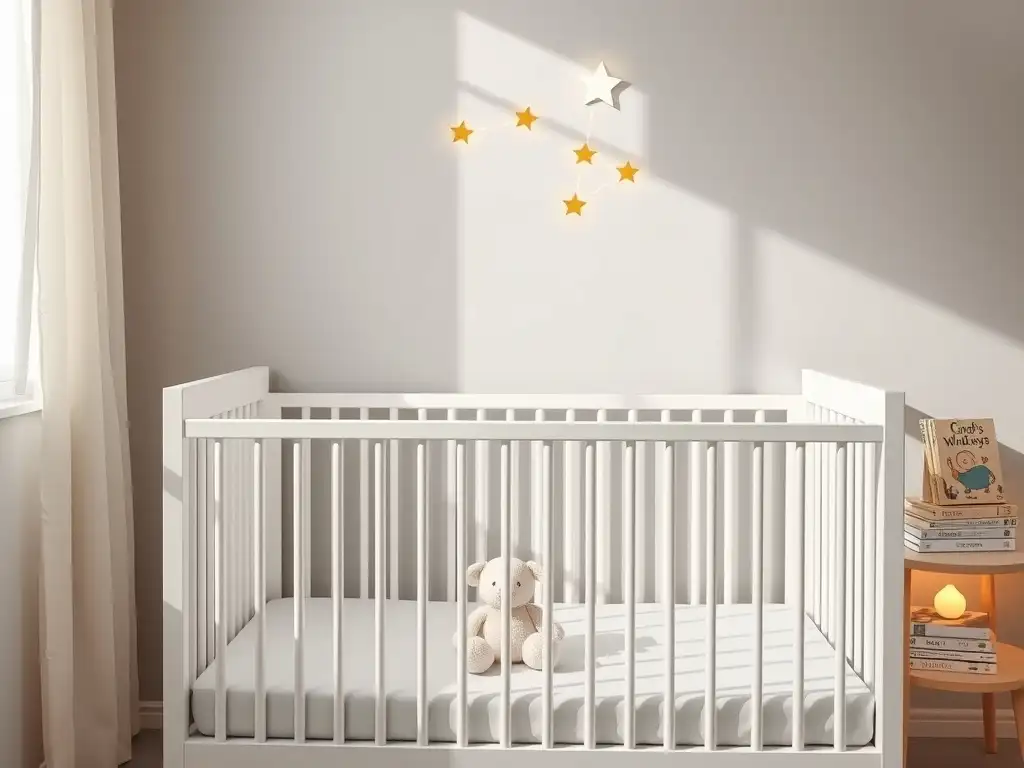
This section tackles frequently asked questions surrounding safe baby crib night lights, offering evidence-based advice to help parents create a calming and secure sleep environment for their newborns. Choosing the right night light is crucial for both baby's safety and sleep quality. Let's dispel some common myths and guide you towards informed decisions.
Are Night Lights Safe for Babies? Addressing Common Myths and Misconceptions
Many parents wonder if night lights pose any risks to their babies. The truth is, when selected and used correctly, night lights can be beneficial. However, some misconceptions need addressing. One common fear is that night lights can harm a baby's eyesight. While prolonged exposure to very bright light could theoretically affect eyesight development, a dim night light designed for nurseries poses minimal risk. Scientific studies haven't established a direct link between low-level night light use and vision problems in infants. 1
Another concern revolves around SIDS (Sudden Infant Death Syndrome). While there's no definitive proof that night lights cause SIDS, some research suggests that very bright lights might disrupt sleep cycles, potentially impacting infant sleep patterns. However, this is not a universally accepted conclusion, and the benefits of a dimly lit room for parental nighttime checks often outweigh this theoretical risk. The key is to choose a light with a very low luminance and ensure it's placed appropriately.
It's crucial to remember that proper crib safety practices remain paramount. A night light should never replace safe sleep guidelines, such as placing the baby on their back on a firm mattress, in a crib free of loose bedding or toys. The focus should always be on creating a safe and calm environment, not a brightly lit one.
1 *Further research is needed to definitively address the long-term impact of low-level light exposure on infant vision development. *
What Type of Night Light is Best for a Newborn? A Comparison of Options
Choosing the right type of night light for your newborn involves considering several factors: brightness, color temperature, and safety features. Here's a comparison of popular options:
| Night Light Type | Pros | Cons | Safety Considerations |
|---|---|---|---|
| LED Night Lights | Energy-efficient, long lifespan, various color and brightness options | Can sometimes flicker (choose flicker-free models) | Ensure it's UL-listed and placed securely out of reach. Check for overheating. |
| Salt Lamps | Natural, soft glow, potential air-purifying properties | Can be brittle, require regular cleaning, heat up slightly | Place on a stable surface away from the crib and ensure it's not too close to bedding. |
| Projector Night Lights | Creates a calming atmosphere, can project stars or other patterns | Can be brighter than other options, may be distracting | Choose one with low-brightness settings and ensure it's firmly positioned and out of reach. |
| Glow-in-the-Dark Stars/Stickers | Affordable, no electricity needed | Can be less effective over time, not as bright as other options | Ensure they are non-toxic and securely attached to prevent choking hazards. |
Remember, a dim, warm-toned light is generally preferred for newborns. Avoid overly bright or colorful lights that could overstimulate your baby.
How Bright Should a Baby's Night Light Be? Finding the Perfect Balance
The ideal brightness for a baby's night light is subjective, but aiming for a very low luminance is key. Think "night vision" levels – enough light to navigate the room safely for nighttime feedings or diaper changes, but not so bright that it interferes with your baby's sleep.
You should be able to easily see your baby in the crib without the light being overwhelmingly bright. A good rule of thumb is to choose a nightlight with adjustable brightness settings, allowing you to find the perfect balance. Consider using a nightlight with a dimmer switch or one that offers multiple brightness levels. Some LED night lights even offer a "night mode" with extremely low luminance.
Many parents find that a warm-toned (yellow or amber) light is less disruptive to sleep than a cool-toned (blue or white) light. This is because warmer light is closer to the natural light of twilight and dawn, which naturally promotes relaxation and sleep. Avoid lights that produce harsh, direct beams. Instead, look for lights that provide a soft, diffused glow. Ultimately, the best brightness level will depend on your baby's individual preferences and sensitivity to light. Observe your baby's reactions and adjust the brightness accordingly.
What if My Baby is Afraid of the Dark? Strategies for Gentle Night Light Introduction
Many babies, especially newborns, are sensitive to changes in light and may exhibit fear of the dark. Introducing a night light can be a gentle way to alleviate this fear and foster a sense of security. However, the introduction should be gradual and mindful. Start by using a night light with a very low luminosity, perhaps even a dim red light, as this wavelength is less disruptive to sleep cycles. Place the night light far enough away from the crib so it doesn't shine directly on your baby's face, minimizing potential eye strain and disruption.
Observe your baby's response; some babies may initially be startled, while others may find comfort in the soft glow. If your baby seems unsettled, try reducing the brightness further or moving the light farther away. Remember, the goal is to create a calming atmosphere, not a brightly lit room. Consistency is key; once you've found a suitable setting, maintain it to avoid confusing your little one.
Over time, your baby will likely associate the dim light with safety and comfort, gradually reducing their fear of the dark. Some parents find that using white noise or calming music in conjunction with a night light further enhances the soothing effect. Consider experimenting to find what works best for your baby. Remember, patience is paramount; every baby is different, and it may take time for your child to adjust.
Maintaining a Safe Sleep Environment: Long-Term Strategies for Crib and Night Light Safety
Ensuring crib safety and proper night light usage isn't a one-time task; it's an ongoing commitment to your baby's well-being. Regularly inspect your crib for any loose parts, broken slats, or potential hazards. Follow the manufacturer's instructions for assembly and maintenance. The night light itself should also be regularly checked for damage or overheating. Choose a night light with a sturdy base to prevent tipping, and opt for LED lights, as they produce less heat than incandescent bulbs, minimizing the risk of burns.
Avoid placing the night light too close to flammable materials, such as bedding or curtains. As your baby grows, you might need to adjust the night light's position or brightness to suit their changing needs. For example, a toddler might prefer a slightly brighter light than a newborn. Always prioritize a safe sleep environment; this includes maintaining a firm mattress, ensuring loose bedding is removed, and avoiding placing any soft toys or pillows inside the crib.
Remember that the ultimate goal is to create a calm and secure sleeping space that promotes restful sleep for your baby. Regularly review safety guidelines and adjust your practices as needed to adapt to your child's development and changing needs. A safe and secure sleep environment is crucial for your baby's healthy development and peace of mind for you as a parent. This ongoing vigilance ensures that the use of a safe baby crib night light contributes positively to your child’s sleep and overall well-being.
Resources and Further Reading on Safe Baby Crib Night Lights
This section provides additional resources to help you create a safe and calming sleep environment for your baby, focusing specifically on the use of night lights in the crib area. Remember, a well-lit nursery isn't necessarily a safe nursery; careful consideration of light type and placement is key. The right night light can soothe your baby and aid in nighttime feedings, while the wrong one can pose a hazard.
Relevant BabyCareHub Article on Sleep Safety
Our BabyCareHub article on "Establishing Healthy Sleep Habits for Your Newborn" offers comprehensive guidance on creating a safe and conducive sleep environment. This article delves into various sleep-related topics, including safe sleep practices, swaddling techniques, and recognizing signs of sleep problems. It also touches upon the importance of a dark, quiet sleep space, contrasting this with the need for a dim, not brightly lit, space for nighttime feedings or comfort.
Understanding the nuances of sleep safety is crucial in selecting the right night light; a night light should complement, not contradict, safe sleep practices. The article provides a detailed checklist to ensure your baby's sleep environment minimizes risks and maximizes safety.
It emphasizes the importance of a firm mattress, proper crib fitting, and the avoidance of loose bedding or toys within the crib, all factors that are directly relevant when considering the placement and type of night light you choose. This article will provide you with the knowledge to make informed decisions about your baby's sleep environment, enhancing the effectiveness of your safe baby crib night light strategy.
Relevant BabyCareHub Article on Nursery Setup
Our detailed guide on "Setting Up a Safe and Stimulating Nursery" provides a holistic approach to nursery design, encompassing crib placement, furniture selection, and overall room safety. Within this comprehensive guide, a specific section addresses the strategic placement of lighting, including night lights. It addresses the potential hazards associated with poorly positioned or inappropriately bright lighting, such as electrical hazards and potential light stimulation interfering with sleep.
This article provides practical advice and visual aids to help you optimize your nursery's layout for safety and functionality, ensuring that your chosen safe baby crib night lights are positioned correctly and do not present any risk to your little one. The article offers insightful tips for selecting furniture that complements a safe sleep environment, further emphasizing the importance of creating a cohesive and safe space for your child.
External Resource on Crib Safety Standards
While we strongly recommend consulting your pediatrician for personalized advice, understanding the relevant crib safety standards is crucial. [Specific information pending: We aim to include a link to a reputable organization detailing current crib safety standards and regulations, such as the Consumer Product Safety Commission (CPSC) or similar international bodies. This will include information on crib dimensions, material requirements, and safety certifications.
This information is directly relevant to ensuring any night light you choose does not interfere with these standards, such as by being positioned too close to the crib or presenting a potential entanglement hazard]. This external resource will provide a thorough understanding of legally mandated safety requirements, informing your decisions about crib placement, night light selection, and overall nursery safety. Understanding these standards allows parents to make informed choices and ensure their baby’s crib meets the highest safety standards.
Remember, creating a safe sleep environment for your baby is a continuous process. Regularly review your baby's sleep space and reassess the safety of your chosen night light. Prioritize your baby's well-being and consult with your healthcare provider if you have any questions or concerns. 👶😴
External Resource on Safe Sleep Practices
The American Academy of Pediatrics (AAP) offers extensive guidelines on safe sleep practices for infants. Their recommendations are crucial for creating a safe sleeping environment and minimizing the risk of Sudden Infant Death Syndrome (SIDS). These guidelines cover a wide range of topics, including the importance of a firm sleep surface, the dangers of loose bedding, and the proper positioning of the baby during sleep. Understanding and adhering to these recommendations is paramount for new parents.
The AAP website provides detailed information on safe sleep environments, offering evidence-based advice to help parents make informed decisions about their baby's sleep arrangements. They also address common misconceptions and offer clarification on frequently asked questions regarding safe sleep. Regularly reviewing the AAP's updated guidelines ensures parents are up-to-date on the latest research and best practices for creating a safe and healthy sleep environment for their baby. Consulting this external resource complements the information presented here, providing a holistic approach to understanding and prioritizing safe sleep practices for infants.
Remember, a safe sleep environment contributes significantly to a baby's overall health and well-being, and the AAP’s resources are an invaluable tool for parents seeking comprehensive guidance. Their recommendations are regularly updated based on the latest scientific findings, making them a reliable and trustworthy source of information for new parents navigating the complexities of infant sleep. Prioritizing safe sleep practices, informed by resources like the AAP guidelines, is a key element in ensuring a healthy and thriving baby.
Frequently Asked Questions
What are the safest types of night lights for a baby's crib?
The safest night lights are low-watt LED lights or battery-operated nightlights with a soft, diffused glow. Avoid lights that get hot to the touch or have small parts that could pose a choking hazard.
How far away should a night light be placed from the crib?
Ideally, place the nightlight at least a few feet away from the crib to minimize the risk of overheating and to prevent it from becoming a potential hazard. Ensure it is securely placed on a stable surface.
Are night lights necessary for baby's sleep?
Night lights aren't strictly necessary, but many parents find them helpful for soothing nighttime feedings and diaper changes, and for providing a sense of comfort and security for both parent and baby.
What features should I look for in a safe baby crib night light?
Look for nightlights with automatic shutoff timers, low-heat output, and a soft, warm light. Consider options with adjustable brightness for optimal comfort.
What about using a glow-in-the-dark stars on the ceiling instead of a night light?
Glow-in-the-dark stars are a safer alternative to a night light near the crib as they pose no overheating risk. However, ensure that they are non-toxic and securely attached to avoid any potential hazards.
Final Reflection: Illuminating the Path to Safer Slumber
The pursuit of a safe and peaceful sleep environment for our infants is not merely a parental instinct; it's a fundamental necessity for their healthy development. The seemingly simple act of choosing a night light for your baby's crib carries profound implications for their safety, well-being, and the overall tranquility of the family. This article has explored the crucial aspects of crib safety, emphasizing the importance of selecting appropriate night lights that prioritize both illumination and security.
The impact of a well-lit yet safe nursery extends far beyond the immediate comfort of the child. It creates a sense of security and calm, not only for the baby but also for the parents. The subtle glow of a carefully chosen night light can ease anxieties, fostering a more peaceful and connected family dynamic. As the saying goes, Sleep is the best meditation,
and creating a conducive sleep environment is a crucial step towards achieving this for both parent and child. This extends beyond the immediate needs of the infant; it shapes their early experiences and contributes to the overall emotional well-being of the family unit.
Now, consider your own child's sleep environment. Is it truly optimized for safety and tranquility? Take a moment to assess the lighting, the crib's setup, and the overall atmosphere of the nursery. This isn't just about choosing a product; it's about creating a haven of peace and security for your little one, a sanctuary where they can thrive and grow. Make the conscious choice to prioritize safety and create a space that nurtures both your child's physical and emotional well-being. The journey towards a safer, more peaceful slumber begins with you.
Unveil Your Baby's Tranquil Sleep Sanctuary
Thank you for learning about creating a safe and calming sleep environment for your little one. We hope you found the information on crib safety and night lights helpful. Now let's put that knowledge into action!
- Prioritize Crib Safety: Take a few minutes to double-check your baby's crib for hazards. Ensure the mattress is firm and there are no loose parts. Addressing these small details significantly improves safety.
- Share Your Crib Safety Tips: Have you discovered any clever safety solutions? Share them with other parents in the comments below – let's build a supportive community!
- Explore Calming Night Lights: Experiment with different night lights to find the perfect ambiance for your baby's room. A softly lit room can promote relaxation and better sleep.
Ready to transform your baby's sleep space into a haven of peace and security? What simple safety check will you do today?