
The Importance of Pet Supervision: Ensuring Baby's Safety

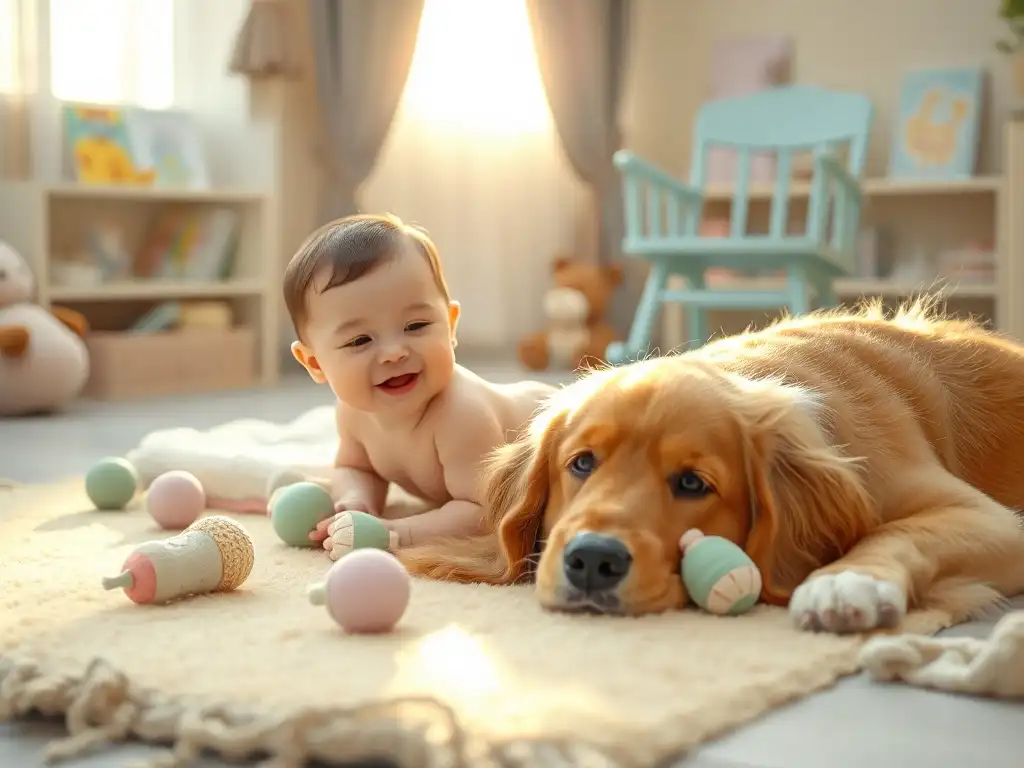
Welcome to BabyCareHub, your ultimate guide to navigating the incredible journey of parenthood! Are you a first-time parent eager to learn everything about caring for your little one? We understand the overwhelming feeling, which is why we've created a comprehensive resource filled with practical advice. Discover essential tips on everything from feeding schedules to developmental milestones.
But first, let's address a crucial aspect often overlooked: baby safety, particularly when pets are involved. Our in-depth article on Baby Safety Pet Supervision Tips will help you create a safe and harmonious home environment for both your baby and your beloved pets. Dive in and start learning how to ensure your baby's well-being!
- Understanding the Risks: Pets and Baby Safety
- Implementing Safe Pet Supervision Strategies: Baby Safety Pet Supervision Tips
- Essential Pet Safety Measures for Baby's Well-being: Baby Safety Pet Supervision Tips
- Long-Term Pet and Baby Coexistence: Baby Safety Pet Supervision Tips
- Frequently Asked Questions
- Final Reflection: A Pawsitive Future for Babies and Pets
- Unlock Your Peace of Mind: Safeguarding Baby and Pet Together
Understanding the Risks: Pets and Baby Safety
Bringing a new baby home is a joyous occasion, filled with love and excitement. However, for families with pets, it's crucial to understand and address the potential safety concerns that arise when introducing a furry friend to a vulnerable infant. This article provides essential guidance on ensuring your baby's safety around pets, focusing on practical strategies and proactive measures to minimize risks.
We'll delve into common hazards, pet temperament assessment, and early warning signs of potential conflicts, empowering you to create a harmonious and safe environment for both your baby and your beloved animal companions. This comprehensive guide will help you navigate the complexities of pet supervision, offering practical tips to ensure your baby's well-being while maintaining a loving relationship with your pets.
Successfully integrating pets and babies requires careful planning and consistent vigilance, and this article aims to equip you with the knowledge and tools to succeed. Remember, proactive safety measures are key to preventing accidents and ensuring a happy, healthy home for everyone.
Infants are incredibly vulnerable, and even well-trained pets can unintentionally cause harm. Understanding common hazards is the first step towards preventative measures. These hazards can range from seemingly minor incidents to serious injuries. Let's explore some key areas of concern:
- Accidental Injuries: Pets, especially larger breeds or excited animals, can accidentally injure a baby through playful roughhousing, stepping on them, or knocking them over. Even a playful nip or scratch from a smaller pet can lead to infection. This is especially true during the baby's early, less mobile months when they are entirely reliant on adult supervision.
- Suffocation Risks: Young babies are particularly at risk of suffocation. A pet could accidentally sit or lie on a baby, restricting their breathing. Similarly, loose blankets or toys near a baby can create a dangerous situation, especially if a pet becomes entangled.
- Transmission of Bacteria and Parasites: Pets can carry bacteria and parasites that can be harmful to infants. Good hygiene practices, such as regular pet grooming and thorough handwashing, are vital in minimizing this risk. Keeping pet areas clean and away from baby's play areas is also important.
- Allergies and Asthma: Pet dander, saliva, and urine can trigger allergic reactions or exacerbate asthma in some infants. Regular cleaning and air purification can help mitigate these issues, but careful monitoring of the baby's health is crucial.
- Bites and Scratches: While most pets are loving and gentle, a frightened or startled animal might bite or scratch a baby, leading to injuries that require immediate medical attention. Understanding your pet’s body language and knowing how to react to signs of stress is paramount.
Assessing Your Pet's Temperament and Behavior Around Babies
Before the baby arrives, it's essential to carefully evaluate your pet's temperament and behavior. This assessment will help you determine the level of supervision required and implement appropriate safety measures. Consider these factors:
- Pre-existing Behavior: Has your pet ever shown aggression or possessiveness towards other animals or people? A history of such behavior warrants extra caution and potentially professional guidance from a veterinary behaviorist.
- Reactions to Stimuli: How does your pet react to loud noises, sudden movements, or unfamiliar objects? Babies can be unpredictable, generating a range of stimuli that might trigger negative reactions in some pets.
- Socialization and Training: Well-socialized and well-trained pets are generally more predictable and less likely to exhibit aggressive or unsafe behavior. Consider refresher training sessions or professional assistance if needed.
- Introducing Your Pet to the Baby Gradually: Don't just throw your pet and baby together. A gradual introduction, with controlled interactions supervised by an adult, is crucial to prevent negative reactions.
- Body Language Awareness: Learn to recognize your pet’s body language. Signs of stress or discomfort, such as flattened ears, tucked tail, or excessive panting, warrant immediate separation of the pet and baby.
Recognizing Early Warning Signs of Potential Pet-Baby Conflicts
Even with careful planning, conflicts can arise. Learning to recognize early warning signs is crucial for preventing escalation and ensuring the safety of both your baby and your pet. These signs can be subtle, but recognizing them promptly allows for timely intervention:
- Increased Anxiety in the Pet: Observe your pet for signs of increased anxiety around the baby, such as restlessness, excessive barking or meowing, or attempts to escape the room.
- Changes in Eating or Sleeping Habits: Stress can manifest as changes in a pet's eating or sleeping patterns. If your pet suddenly becomes more or less interested in food or sleep, it might indicate stress from the baby's presence.
- Possessive Behavior: Some pets become possessive of their toys, food, or even their sleeping spaces. If your pet exhibits possessive behavior towards the baby or baby-related items, intervention is necessary to prevent conflicts.
- Growling or Snapping: Growling or snapping, even playful ones, are warning signs that should be taken seriously. These are clear indications of discomfort or potential aggression. Immediate intervention is crucial to avoid an incident.
- Changes in Elimination Habits: Stress can affect a pet's elimination habits. If your pet starts having accidents inside the house, it could be a sign of underlying stress related to the baby’s arrival. Addressing the stress will help alleviate this issue. Remember, consistent monitoring and proactive intervention are key to creating a safe and harmonious environment for your entire family, including your beloved pets.
Implementing Safe Pet Supervision Strategies: Baby Safety Pet Supervision Tips
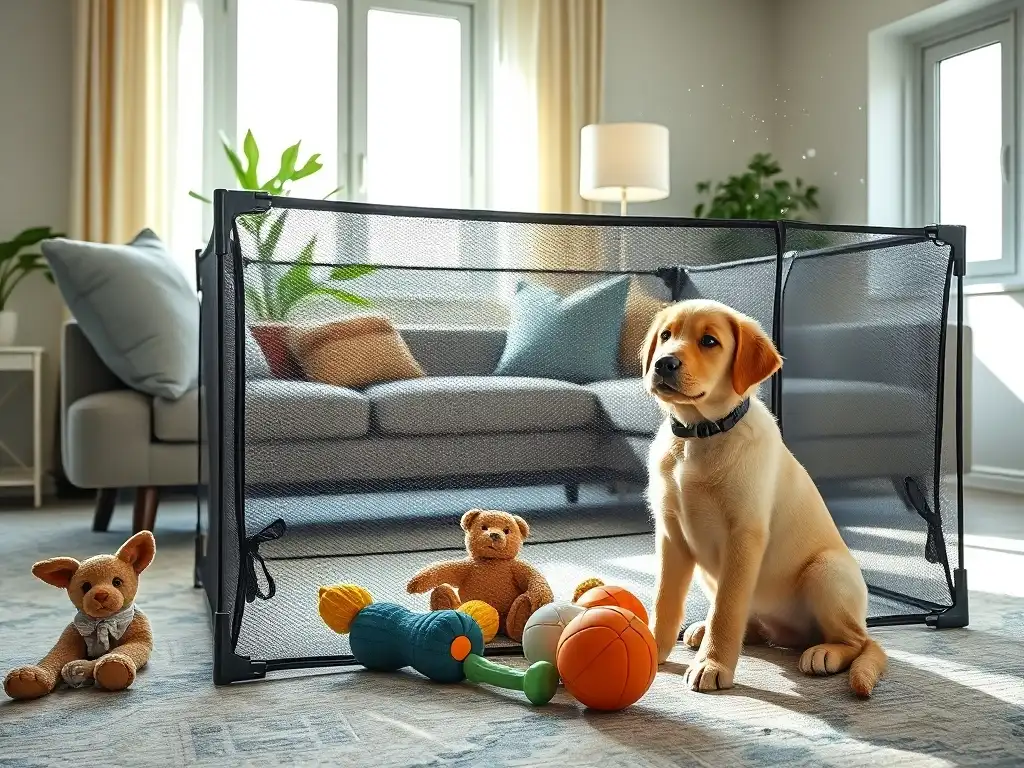
This section delves into practical strategies for ensuring your baby's safety around pets. Remember, even the most well-behaved animal can react unpredictably, especially around a small, moving baby. Proactive measures are crucial for minimizing risks and fostering a harmonious household. These baby safety pet supervision tips are designed to help you create a secure environment for both your child and your furry friends. Consistent application of these strategies is key to successful pet supervision and baby safety.
Creating a Safe Space for Baby: Pet-Free Zones
Establishing pet-free zones is paramount for baby safety. These are areas where your baby can play, crawl, and sleep without the risk of pet interaction. This doesn't mean isolating your pet; rather, it's about creating designated safe havens for your baby.
Consider these practical steps:
- Baby's Room: Designate the baby's room as a completely pet-free zone. This includes keeping pet beds, toys, and food bowls out of the room. Close the door when the baby is unsupervised.
- Play Areas: Create specific play areas for your baby that are off-limits to pets. Use baby gates to section off these areas effectively.
- Feeding Areas: Keep pets away from high chairs, changing tables, and any area where you feed your baby. Food smells can trigger unwanted attention from pets.
Remember, consistency is key. If your pet learns that certain areas are off-limits, they are less likely to venture into those spaces. Reward your pet for staying out of these designated baby zones with treats and praise. This positive reinforcement will aid in establishing the pet-free zones effectively. The goal is to establish routines that minimize the chance of accidental encounters.
Supervising Interactions Between Pets and Baby: Constant Vigilance
Never leave your baby unsupervised with a pet, regardless of the pet's temperament or training. Even the most gentle animal can unintentionally injure a baby through playful nipping, scratching, or accidental stepping.
- Direct Supervision: Always maintain direct visual contact between your baby and your pet. Avoid distractions like your phone or other tasks that may divert your attention.
- Short, Supervised Interactions: Allow short, supervised interactions between your baby and your pet. Start with short periods of observation and gradually increase the time as you feel comfortable. Always remain alert to any signs of discomfort or aggression from either your baby or your pet.
- Body Language Awareness: Learn to recognize signs of stress or aggression in both your baby and your pet. These can include growling, hissing, flattened ears, or excessive licking. If you see these signs, immediately separate your baby and pet.
The importance of constant vigilance cannot be overstated. A moment's lapse in attention can lead to an accident. Prioritize your baby's safety and always be present during any interaction between your baby and your pet. This is non-negotiable for ensuring baby safety with pets.
Training Your Pet: Obedience and Gentle Handling
Proper pet training is a critical component of baby safety pet supervision. A well-trained pet is less likely to exhibit unpredictable behavior around your baby.
- Obedience Training: Enroll your pet in obedience classes or work with a professional trainer to reinforce basic commands such as "sit," "stay," "leave it," and "come." These commands are invaluable in managing your pet's behavior around your baby.
- Gentle Handling: Teach your pet to be gentle with your baby. This may involve rewarding calm behavior around your baby and discouraging any rough play or jumping. This training should begin before the baby arrives.
- Desensitization: Gradually introduce your pet to your baby's scent and sounds. This desensitization process can help your pet adjust more easily to the presence of a baby in the household. Start with items that smell like the baby, such as a blanket or onesie. Slowly introduce the baby's sounds, such as crying or cooing.
Remember, training takes time and consistency. Be patient and persistent in your efforts to ensure your pet understands and respects your baby's boundaries. This proactive approach will significantly contribute to a safer and more harmonious home environment for both your baby and your pet. This is a crucial aspect of baby safety pet supervision tips.
Introducing Pets and Babies Gradually: A Step-by-Step Approach
Introducing a new baby to existing pets, or vice-versa, requires careful planning and a gradual introduction process. Rushing this crucial step can lead to anxiety in both the baby and the pet, potentially resulting in undesirable behaviors or even accidents. The goal is to foster a positive and safe relationship between your baby and your pet from the very beginning. This involves creating a controlled environment where both can acclimate to each other's presence without feeling overwhelmed.
One effective method involves supervised, short interactions. Begin by allowing your pet to sniff baby items, such as a blanket or onesie, before the baby even arrives home. This familiarization helps the pet associate the new scent with something positive. Once the baby is home, start with brief, supervised visits in a controlled environment.
A playpen or crib, for example, can provide a safe space for the baby while the pet is nearby, allowing them to observe each other from a safe distance. Keep these initial encounters short, perhaps only 5-10 minutes, to avoid overwhelming either party. Always ensure adult supervision during these interactions.
Gradually increase the duration and frequency of these interactions as both your baby and your pet become more comfortable. Positive reinforcement is key. Reward your pet with treats and praise for calm behavior around the baby. Never punish your pet for showing natural curiosity or anxiety; instead, redirect their attention and offer positive alternatives. Remember to observe both your baby and your pet closely for any signs of stress or discomfort. If either shows signs of distress, immediately separate them and try again later with shorter interactions.
The process of introduction might take several weeks or even months, depending on your pet's personality and your baby's development. Patience and consistency are crucial. The ultimate aim is to create a harmonious environment where both your baby and your pet feel safe and secure. Remember, every pet and baby is unique, so adjust your approach based on individual needs and responses.
Consider consulting a veterinarian or a pet behaviorist if you encounter significant challenges during the introduction phase. They can offer personalized guidance and support tailored to your specific situation, ensuring a safe and positive outcome for everyone involved. This proactive approach will help you build a loving and safe home environment for your growing family.
Essential Pet Safety Measures for Baby's Well-being: Baby Safety Pet Supervision Tips
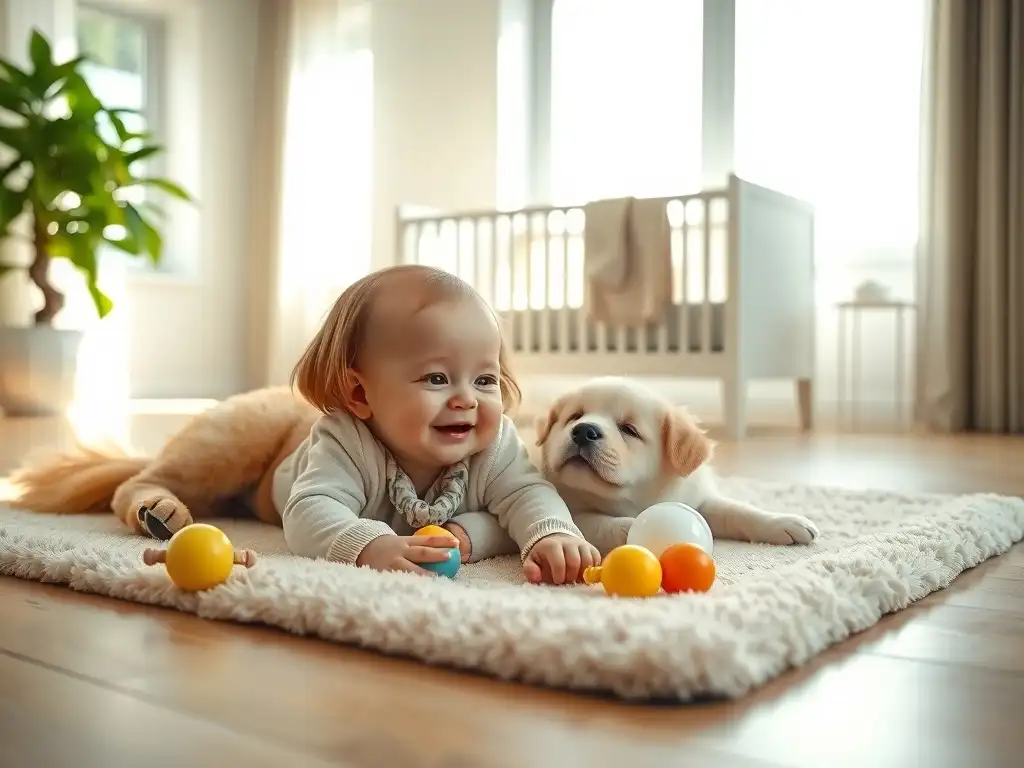
This section focuses on practical steps to ensure your baby's safety around pets, offering actionable advice for first-time parents navigating this crucial aspect of childcare. Integrating pet safety into your daily routine is paramount for preventing accidents and fostering a harmonious home environment for both your baby and your beloved animal companions. Remember, consistent supervision is key, and proactive measures significantly reduce the risk of incidents. These tips are designed to help you create a safe and happy space for everyone.
Choosing Safe Toys and Pet Accessories: Avoiding Choking Hazards
Babies are naturally curious, and their exploratory behavior often extends to anything within reach, including pet toys. Small, easily swallowed items pose a significant choking hazard. To mitigate this risk:
- Regularly inspect pet toys: Remove any damaged or broken toys that could break into small, swallowable pieces. Discard toys with loose parts or those showing signs of wear and tear. This proactive approach significantly reduces the chance of a choking incident.
- Keep pet food and treats out of reach: Pet food, especially dry kibble, is a significant choking hazard for babies. Store pet food in sealed containers, high up and out of your baby's reach.
- Select larger, sturdy pet toys: Opt for large, durable toys that cannot be easily broken down into smaller pieces. Avoid toys made of soft materials that easily tear or break apart. Consider toys designed for larger dogs or cats, as these are less likely to present choking hazards.
- Supervise playtime: Always supervise your baby and your pets during playtime. This is crucial to ensure that your baby doesn’t get hold of anything that could be dangerous. Even seemingly safe toys can pose a risk if a baby attempts to put them in their mouth.
Remember that even seemingly harmless items can become choking hazards if broken down or partially ingested. Regular cleaning and inspection of pet areas are crucial for preventing accidental ingestion.
Maintaining a Clean Environment: Hygiene and Pet Allergies
Maintaining a clean and hygienic environment is crucial for both baby's and pet's health. Pets can carry bacteria and allergens that can trigger reactions in babies. To minimize these risks:
- Regular cleaning: Regularly clean pet bedding, toys, and areas where pets frequently spend time. Vacuuming and mopping floors frequently helps reduce allergen levels. This is particularly important for those with allergies.
- Pet grooming: Regular grooming of your pets, including bathing and brushing, helps minimize shedding and the spread of allergens. This will also reduce the amount of pet dander in your home.
- Allergen-reducing measures: Consider using air purifiers with HEPA filters to reduce airborne allergens in your home. These filters can significantly improve indoor air quality and reduce the risk of allergic reactions.
- Handwashing: Always wash your hands thoroughly after handling pets to prevent the transfer of bacteria or allergens to your baby. This simple step can make a significant difference in preventing illness.
Data from the American Academy of Pediatrics suggests that regular cleaning and hygiene practices significantly reduce the incidence of pet-related allergies in infants. This is a vital step in providing a healthy environment for your child.
Preventing Bites and Scratches: Protective Measures and Interventions
Pets, even the most well-trained ones, can sometimes bite or scratch unexpectedly. Protecting your baby from these potential injuries requires a multi-pronged approach:
- Never leave baby unsupervised with pets: This is the single most important step in preventing bites and scratches. Even seemingly gentle pets can react defensively or playfully in ways that could harm a baby.
- Train your pets: Invest in professional obedience training to teach your pets appropriate behavior around babies. This includes commands like "leave it" and "stay."
- Create safe spaces: Designate specific areas in your home as "baby-only" zones, where pets are not allowed. This could include the baby’s crib or playpen.
- Introduce pets gradually: If you have a new baby and existing pets, introduce them slowly and carefully, under supervision. This allows for a smoother transition and reduces the likelihood of negative interactions.
- Observe body language: Learn to recognize signs of stress or aggression in your pets. If a pet seems anxious or uncomfortable around the baby, separate them immediately.
Careful observation and proactive intervention can significantly reduce the risk of bites and scratches. Remember, even the friendliest pet needs space and can be unpredictable around a vulnerable infant. Prioritizing your baby’s safety is paramount.
Addressing Injuries and Emergencies: First Aid and Veterinary Care
Accidents can happen, even with the best pet safety precautions in place. Knowing how to react quickly and effectively in case of an injury involving your baby and pet is crucial. This means having a well-stocked first-aid kit readily accessible, and understanding basic first aid for both your baby and your pet.
For your baby, this includes knowing how to treat minor cuts, scrapes, and burns, as well as recognizing the signs of more serious injuries requiring immediate medical attention, such as difficulty breathing, excessive bleeding, or a loss of consciousness. Remember, prompt action can significantly impact the outcome of an emergency.
For your pet, familiarity with basic pet first aid is equally important. Knowing how to respond to common pet injuries, such as cuts, bites, or ingestion of harmful substances, can make a significant difference. While you should never attempt to treat serious injuries yourself, knowing how to stabilize your pet until professional veterinary care arrives can be life-saving. This might involve controlling bleeding, preventing shock, or administering basic first aid measures as advised by your veterinarian. Having your veterinarian's contact information readily available, including emergency contact numbers, is paramount.
Furthermore, consider enrolling in a pet first aid and CPR course. These courses provide hands-on training and valuable knowledge to help you confidently handle emergencies. Learning how to assess your pet's condition, administer basic first aid, and perform CPR if necessary can significantly increase your pet's chances of survival in a critical situation.
This is especially important if you have a larger, more powerful pet, as even minor injuries could pose significant risks to your baby. The peace of mind gained from knowing you're prepared is invaluable, allowing you to focus on your baby's needs while ensuring the safety of your beloved pet. Remember, a proactive approach to emergency preparedness offers the best protection for both your child and your furry friend.
This includes understanding the signs of rabies or other zoonotic diseases and knowing how to seek immediate medical care for both your baby and your pet should any such issues arise. Early intervention is key to minimizing the severity of any health complications. Always prioritize professional veterinary care for your pet and immediate medical attention for your baby in any emergency situation.
Long-Term Pet and Baby Coexistence: Baby Safety Pet Supervision Tips
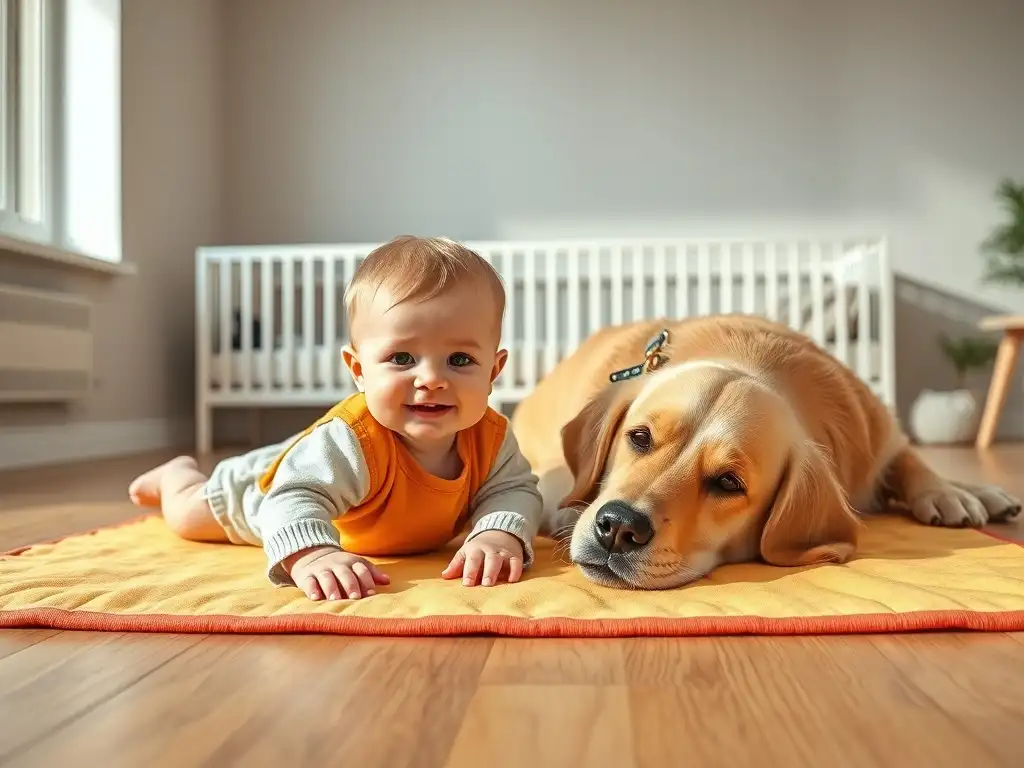
This section focuses on establishing a safe and harmonious environment where your baby and pet can coexist happily and safely. Successful long-term coexistence requires proactive planning and consistent effort. Remember, baby safety pet supervision tips are not just about immediate safety; they're about building a positive relationship that lasts.
Fostering a Positive Relationship Between Pet and Baby
Introducing your pet to your baby should be a gradual process. Avoid overwhelming either party. Start with short, supervised interactions where your pet can sniff the baby's blanket or clothing from a distance. Positive reinforcement is key – reward your pet for calm behavior around the baby with treats and praise. Never force interactions; let your pet approach the baby at its own pace.
Creating a safe space for your baby is vital. This might involve a playpen or crib in a designated area where your pet isn't allowed unsupervised. This isn't about isolating your pet, but about establishing boundaries and preventing accidental harm. Think of it as giving your pet a "break" from the intense stimulation a new baby brings.
Remember, babies make a lot of noise and move unpredictably. These can be startling for pets, especially if they're not used to it. Accustom your pet to these sounds gradually, perhaps by playing recordings of baby sounds at low volumes. This desensitization will help prevent startling reactions. Consistent, gentle introduction and positive reinforcement are the cornerstones of successful pet-baby integration. This approach prioritizes both the well-being of your child and the comfort of your pet.
Continuing Pet Training and Supervision as Baby Grows
As your baby grows and becomes more mobile, the need for consistent supervision increases. Even well-trained pets can react unpredictably to a crawling or toddling baby. Continue reinforcing positive behaviors around your baby and establish clear boundaries. This might involve using baby gates to restrict access to certain areas, especially where your pet's food or toys are kept.
Regular training sessions for your pet, even after the initial introduction, are crucial. Focus on commands like "leave it," "stay," and "down," which are vital for preventing unwanted interactions. This isn't about punishing your pet; it's about providing them with clear expectations and preventing accidents before they happen. Remember, consistent training builds a predictable environment for both your baby and your pet, reducing the potential for unforeseen incidents. Consider enrolling in a professional obedience class for advanced training and personalized guidance.
Addressing Behavioral Changes in Your Pet: Seeking Professional Help
Introducing a baby into the family can trigger behavioral changes in your pet. These changes can manifest in various ways, from increased anxiety and barking to destructive behaviors or changes in appetite. These aren't necessarily signs of aggression towards the baby, but rather a reflection of your pet's adjustment to the altered family dynamic. It's crucial to monitor these changes closely.
If you notice significant shifts in your pet's behavior that you can't manage yourself, don't hesitate to seek professional help. A veterinary behaviorist or certified professional dog trainer can provide personalized guidance and develop a behavior modification plan tailored to your pet's specific needs. Early intervention can prevent escalation and ensure a smoother transition for everyone in the family.
Remember, seeking professional help is a sign of responsible pet ownership and a proactive approach to maintaining a safe and harmonious home environment for both your baby and your pet. Early identification and management of behavioral changes are key to long-term success in integrating pets and babies.
Frequently Asked Questions
How can I ensure my pet's safety around my baby?
Keep your pet on a leash or in a separate room when your baby is unsupervised. Introduce them gradually and supervise all interactions closely. Never leave them alone together, even for a short time.
What are some common dangers pets pose to babies?
Pets can accidentally scratch, bite, or knock over a baby. They can also transmit bacteria or parasites. Furthermore, pets can present a choking hazard with toys or food.
At what age should I start introducing my pet to my baby?
Ideally, introduce them gradually after the baby is a few months old and can sit up unsupported. Always supervise this interaction closely. Start with short, controlled sessions.
What should I do if my pet shows aggression towards my baby?
Immediately separate your pet and baby. Consult a veterinarian or animal behaviorist to address the aggressive behavior. Never force interaction.
What are some practical tips for pet supervision around my baby?
Create designated pet-free zones, like the baby's crib or play area. Childproof your home to prevent access to pet food or toys. Train your pet to respond to commands like "leave it" or "go to your bed".
Final Reflection: A Pawsitive Future for Babies and Pets
The bond between babies and pets is undeniably precious, but ensuring a safe environment for both requires constant vigilance. Ignoring this crucial aspect can have devastating consequences, highlighting the urgent need for proactive pet supervision strategies in every household with young children. The statistics alone underscore the gravity of this issue, demanding a shift in our collective approach to pet and baby safety.
The subtle shifts in family dynamics, the constant adjustments needed to accommodate both a furry friend and a tiny human, are a testament to the evolving nature of modern family life. This delicate balance requires careful consideration and a commitment to learning and adapting. The responsibility we bear is immense, and the potential rewards – a harmonious home where both baby and pet thrive – are immeasurable. The best things in life are not things; they are people and pets.
This simple quote encapsulates the joy and responsibility inherent in sharing our lives with both.
Now, consider your own home. Reflect on the spaces your baby and pet share, the potential hazards, and the preventative measures you can implement. Are your pet's toys safely stored? Are there designated areas where your baby and pet can interact under supervision? Take the time to create a safe haven for both, a space where love and laughter can flourish without fear. This isn't just about following guidelines; it's about building a future where the joy of family life includes the unconditional love of both babies and beloved pets.
Unlock Your Peace of Mind: Safeguarding Baby and Pet Together
Thank you for learning about creating a safe home environment for your baby and pet. We hope this information empowers you to build a harmonious home for everyone.
Ready to take the next steps? Here's how:
- Create a pet-free zone for your baby: Designate a safe space, such as the crib area, playpen, or a specific room, where pets are not allowed. This provides your baby with quiet, pet-free time.
- Continue pet training: Reinforce your pet's obedience training, focusing on commands like "leave it" and "stay." A well-trained pet is essential for safe cohabitation with a baby.
- Share your experiences: Have you found creative ways to ensure safe interactions between your pet and baby? Share your tips and tricks in the comments below – your experience could be invaluable to other parents.
What innovative strategies have you used to create a happy and safe home for your baby and pet?