
Starting Solids: How to Introduce Dairy and Dairy Alternatives


Welcome to BabyCareHub, your ultimate guide to navigating the exciting yet sometimes overwhelming world of parenthood! Are you ready to embark on the delicious journey of introducing solids to your little one? Our Baby starting solids dairy guide offers a comprehensive, step-by-step approach to safely and effectively introducing dairy and dairy alternatives into your baby's diet. Discover expert advice and practical tips to ensure a smooth transition – let's get started!
- The Optimal Time to Introduce Dairy and Dairy Alternatives
- Introducing Dairy: A Step-by-Step Guide for Babies
-
Exploring Dairy Alternatives: Soy, Oat, Almond, and Rice Milk
- Soy Milk for Babies: Benefits, Considerations, and Preparation
- Oat Milk for Babies: Nutritional Value, Potential Allergies, and How to Introduce
- Almond Milk for Babies: Benefits, Risks, and Safe Preparation Methods
- Rice Milk for Babies: Nutritional Content, Potential Concerns, and Usage
- Comparing Dairy Alternatives: Nutritional Profiles and Suitability for Infants
- Creating a Balanced Diet with Dairy and Dairy Alternatives
- Addressing Common Concerns about Dairy Introduction
- Creating a Personalized Dairy and Dairy Alternative Plan for Your Baby
- Frequently Asked Questions
- Final Reflection: Nourishing the Next Generation: A Dairy Journey
- Unlock Your Baby's Culinary Journey!
The Optimal Time to Introduce Dairy and Dairy Alternatives
Introducing your baby to solids is a significant milestone, filled with excitement and perhaps a touch of apprehension. This comprehensive guide focuses specifically on incorporating dairy and dairy alternatives into your baby's diet, offering a step-by-step approach to ensure a smooth and healthy transition. We'll explore the ideal timing for introduction, the developmental cues to watch for, and the key differences between dairy and dairy alternatives, providing you with the knowledge and confidence to make informed choices for your little one. This guide aims to equip first-time parents with the necessary information to navigate this crucial stage of their baby's nutritional journey, empowering them to make healthy and informed decisions regarding their baby's dietary intake, and ultimately contributing to their overall well-being. Remember, always consult your pediatrician before making any significant changes to your baby's diet. This guide serves as a valuable resource but should not replace professional medical advice.
Recognizing Baby's Readiness for Solids: Developmental Milestones and Signs
Before diving into the specifics of dairy and dairy alternatives, it's crucial to understand when your baby is developmentally ready for solids. Introducing solids too early can be detrimental, while delaying can also impact nutritional intake. Several key indicators signal your baby's readiness:
- Age: Generally, most babies are ready to start solids around 6 months of age. However, this can vary depending on individual development.
- Head Control: Can your baby hold their head steady and upright without support? This indicates sufficient neck muscle development for eating.
- Sitting Posture: Does your baby sit upright with minimal support? This is essential for safe and comfortable eating.
- Loss of Tongue-Thrust Reflex: Newborns have a natural reflex to push food out with their tongue. When this reflex diminishes, they are better able to manage food in their mouth.
- Interest in Food: Does your baby show interest in your food, reaching for it or watching you eat intently? This is a great sign of readiness.
Remember, these are guidelines. Some babies may show readiness earlier or later. Always consult your pediatrician to determine the best time to introduce solids for your individual baby. Ignoring these developmental milestones could lead to choking hazards and digestive issues.
When to Introduce Dairy Products: Age Recommendations and Guidelines
Once your baby shows signs of readiness, you can begin introducing dairy products. Whole milk is generally recommended after 12 months of age. Before then, focus on fortified infant formula or breast milk as the primary source of nutrition. Introducing dairy too early can increase the risk of allergies and digestive problems.
Below is a suggested timeline, but always consult with your pediatrician for personalized guidance:
| Age (Months) | Dairy Introduction | Notes |
|---|---|---|
| 6-8 | Full-fat Yogurt (plain, unsweetened) in small amounts. | Introduce gradually and monitor for any allergic reactions. |
| 9-12 | Small amounts of full-fat cheese (e.g., cheddar, mild). | Start with small portions and observe for any digestive discomfort. |
| 12+ | Whole Cow's Milk | Transition from formula or breast milk to whole cow's milk gradually. |
It is crucial to introduce dairy products gradually, starting with small quantities and observing your baby for any allergic reactions or digestive issues. If you notice any signs of discomfort, discontinue use and consult your pediatrician immediately.
Understanding the Difference Between Dairy and Dairy Alternatives
Dairy alternatives, such as soy milk, almond milk, oat milk, and rice milk, are becoming increasingly popular. However, it's essential to understand that these are not nutritionally equivalent to dairy milk, especially for infants. Many dairy alternatives are fortified to improve their nutritional profile, but they often lack the naturally occurring nutrients found in dairy milk, such as calcium and Vitamin D, crucial for your baby's bone development and overall health.
Always check the labels carefully to ensure the alternative you choose is fortified with essential vitamins and minerals. Some dairy alternatives may also contain added sugars, so it's crucial to choose unsweetened varieties. Moreover, some babies may be allergic to specific dairy alternatives.
Therefore, a gradual introduction is recommended, and parental vigilance is imperative. Always consult your pediatrician before introducing any dairy alternatives into your baby's diet, especially before 12 months of age. They can help you choose the best options and monitor your baby's progress.
Introducing Dairy: A Step-by-Step Guide for Babies

This section provides a detailed guide on introducing dairy and dairy alternatives into your baby's diet, focusing on safety, nutrition, and best practices. Remember to always consult your pediatrician before making significant changes to your baby's diet, especially if they have allergies or sensitivities. This guide aims to help you navigate the process confidently, providing you with the information necessary to make informed decisions about your baby's nutritional well-being.
This is a crucial step in your baby's development, and understanding the nuances of dairy introduction is key to ensuring a smooth and healthy transition. We will explore the best types of dairy, safe preparation methods, and appropriate portion sizes to help you feel empowered in this exciting phase of parenthood.
Choosing the Right Dairy Products: Full-Fat Milk, Yogurt, and Cheese
Choosing the right dairy products for your baby is paramount. While whole milk is generally recommended for babies over one year old 1 , introducing dairy before one year often involves other options like yogurt and cheese. Focus on full-fat options initially. Full-fat dairy provides crucial fats necessary for brain development and overall growth. Here's a breakdown:
- Full-Fat Yogurt: Opt for plain, unsweetened yogurt. Avoid yogurts with added sugars, artificial sweeteners, or flavors. Greek yogurt is a good source of protein, but its thicker consistency might require more preparation for younger babies. Look for options with live and active cultures for added gut health benefits. Remember to check the ingredient list carefully!
- Full-Fat Cheese: Choose cheeses like cheddar, mozzarella, or cream cheese, ensuring they are pasteurized. Avoid soft cheeses like brie or feta, as they carry a higher risk of listeria contamination. Introduce cheese in small, manageable pieces that are easy for your baby to gum and chew.
- Whole Milk (After 1 Year): Once your baby reaches their first birthday, whole milk can be introduced. Avoid low-fat or skim milk before age two, as the fat content is crucial for their development. Always ensure the milk is pasteurized.
| Dairy Product | Benefits | Considerations |
|---|---|---|
| Full-Fat Yogurt | High in protein, calcium, and probiotics | Avoid added sugars and artificial ingredients |
| Full-Fat Cheese | Excellent source of calcium and protein | Choose pasteurized hard cheeses, avoid soft cheeses |
| Whole Milk (1+) | Essential for growth and development | Introduce after 1 year, choose whole milk only |
1 Always consult your pediatrician for personalized advice based on your baby's individual needs and development.
Preparing Dairy for Baby: Safe Handling and Cooking Methods
Safe food handling is critical when introducing dairy to your baby. Remember these key points:
- Pasteurization: Ensure all dairy products are pasteurized to eliminate harmful bacteria.
- Temperature: Always serve dairy at a safe temperature. Avoid extremely hot or cold temperatures.
- Storage: Store dairy products properly according to the manufacturer's instructions to prevent spoilage.
- Preparation: For yogurt, you might consider blending it to a smoother consistency. For cheese, offer small, easily manageable pieces. Avoid adding salt or sugar.
Here are some safe preparation methods:
- Yogurt: You can simply serve plain, full-fat yogurt as is, or you can blend it with fruits (like well-cooked and mashed bananas or pears) for a sweeter, more appealing texture.
- Cheese: Grate cheese into small pieces, or cut it into very small, soft cubes. You could also blend it into a puree, but the texture might change.
Starting Small: Portion Sizes and Frequency for Dairy Introduction
Introducing dairy gradually is key. Start with tiny portions, carefully observing your baby's reaction. Pay close attention to any signs of allergies or digestive upset.
- Initial Introduction (6-8 months): Begin with a teaspoon of plain, full-fat yogurt or a small piece of well-cooked, soft cheese.
- Gradual Increase: Gradually increase the portion size as your baby tolerates it well.
- Frequency: Offer dairy 1-2 times a day, depending on your baby's appetite and tolerance.
Remember, every baby is different. Some babies might readily accept dairy, while others might take a little longer to adjust. Be patient and flexible, and always prioritize your baby's comfort and well-being. If you have any concerns about your baby's reaction to dairy, consult your pediatrician immediately. This detailed approach to introducing dairy will help you navigate this crucial step in your baby's nutritional journey. Enjoy this special time with your little one! 🎉
Monitoring for Allergies and Intolerances: Recognizing Symptoms and Seeking Medical Advice
Introducing dairy products, even in small amounts, can trigger allergic reactions or intolerances in some babies. Careful monitoring is crucial during this phase. Symptoms of a dairy allergy can range from mild to severe. Mild reactions might include a slight rash, mild digestive upset (such as gas or fussiness), or a runny nose. More severe reactions, though less common, can involve hives, swelling of the face or throat (angioedema), difficulty breathing, and vomiting. These severe reactions require immediate medical attention.
Dairy intolerance, on the other hand, often manifests as digestive issues. Symptoms like excessive gas, bloating, diarrhea, and persistent crying after feeding might indicate an intolerance. The symptoms of intolerance are typically less severe than those of an allergy, but they can still significantly impact your baby's comfort and well-being. It's important to distinguish between the two, as treatment approaches differ.
It's recommended to introduce dairy gradually, starting with small amounts, and observe your baby closely for any adverse reactions. Keep a detailed food diary, noting the type and amount of dairy introduced, along with the time and any subsequent symptoms. This diary can prove invaluable if you suspect an allergy or intolerance, providing your pediatrician with crucial information for diagnosis. Photos can also be helpful in documenting rashes or other visible symptoms.
If you notice any concerning symptoms after introducing dairy, such as difficulty breathing, swelling, or severe digestive upset, seek immediate medical attention. Don't hesitate to contact your pediatrician or a healthcare professional even if the symptoms seem mild. Early intervention is key in managing allergies and intolerances. A pediatrician can perform allergy testing and offer guidance on managing any identified reactions. Remember, early identification and management are crucial for your baby's health and well-being. They can also advise on appropriate alternatives if necessary, ensuring your baby receives adequate nutrition.
Exploring Dairy Alternatives: Soy, Oat, Almond, and Rice Milk
This section delves into the world of dairy alternatives for babies starting solids, providing a comprehensive guide to help parents navigate the options available. Choosing the right milk alternative is crucial, considering factors such as nutritional content, potential allergies, and ease of preparation. This guide focuses on soy, oat, almond, and rice milk, offering detailed information to support informed decision-making for your little one. Remember, always consult your pediatrician before introducing any new foods, including dairy alternatives, into your baby's diet.
This information is for educational purposes and shouldn't replace professional medical advice. This guide aims to equip parents with the knowledge to confidently navigate the transition to solids and consider diverse dietary options while keeping your baby's health and well-being as the top priority. This is a crucial aspect of the baby starting solids dairy guide.
Soy Milk for Babies: Benefits, Considerations, and Preparation
Soy milk, a popular plant-based alternative, offers several potential benefits for babies. It's a good source of protein, containing all nine essential amino acids. However, it's crucial to understand the considerations involved before introducing it.
Soy milk is naturally low in iron and vitamin B12, essential nutrients for a baby's development. Therefore, supplementation or careful dietary planning is necessary to ensure your baby receives adequate levels of these vitamins. Furthermore, some babies may have soy allergies or intolerances. Introduce soy milk gradually and monitor your baby closely for any signs of allergic reactions such as rashes, digestive upset, or breathing difficulties.
Preparing soy milk for your baby requires careful attention. Unsweetened, fortified soy milk specifically designed for babies is recommended. Avoid using regular soy milk intended for adults, as it may contain added sugars or other ingredients unsuitable for infants. Always check the label to ensure it's free from added sugars, preservatives, and artificial flavors. Always dilute the soy milk with water according to the manufacturer's instructions, typically a ratio of 1:1 or 1:2 (milk to water). This helps to adjust the concentration to be suitable for your baby's digestive system.
Oat Milk for Babies: Nutritional Value, Potential Allergies, and How to Introduce
Oat milk has gained popularity as a nutritious and relatively hypoallergenic dairy alternative. Its creamy texture makes it palatable for many babies. However, like other plant-based milks, it lacks certain nutrients naturally present in breast milk or formula.
Oat milk is a decent source of fiber, which can be beneficial for digestion. However, it's lower in protein compared to soy milk. It also may not contain sufficient amounts of essential vitamins and minerals, such as calcium, vitamin D, and vitamin B12. Therefore, choosing a fortified variety is crucial to ensure your baby receives adequate nutrients. Always check the label for added sugars and other potentially harmful additives.
Potential allergies to oat milk are relatively rare, but they can occur. As with soy milk, introduce oat milk gradually and monitor your baby for any allergic reactions. Begin by offering a small amount diluted with water and observe your baby's response over several days. If you notice any adverse reactions, discontinue use and consult your pediatrician immediately. The preparation is simple: use specifically formulated oat milk for babies, always diluted with water according to the package instructions.
Almond Milk for Babies: Benefits, Risks, and Safe Preparation Methods
Almond milk is another popular plant-based alternative, but its suitability for babies requires careful consideration. While it can be a source of vitamin E, it is naturally low in protein and other essential nutrients. Moreover, there are potential risks associated with its consumption by infants.
One significant concern is the risk of almond allergies. Almond allergies are relatively common, and introducing almond milk too early could trigger a severe reaction. Another concern is the potential for cyanide compounds in almond milk, although the levels are generally low in commercially produced varieties. However, it is still prudent to proceed with caution and choose brands that have undergone rigorous safety testing. Always select unsweetened, fortified almond milk specifically designed for babies. Never use homemade almond milk without consulting a pediatrician due to the risk of contamination and improper nutrient levels.
Preparation is similar to other plant-based milks: dilute with water according to the manufacturer's instructions. Start with a small amount and observe your baby's reaction before increasing the quantity. Remember, always prioritize safety and consult your pediatrician before introducing almond milk or any other new food into your baby's diet. This careful approach is key to following a successful baby starting solids dairy guide.
Rice Milk for Babies: Nutritional Content, Potential Concerns, and Usage
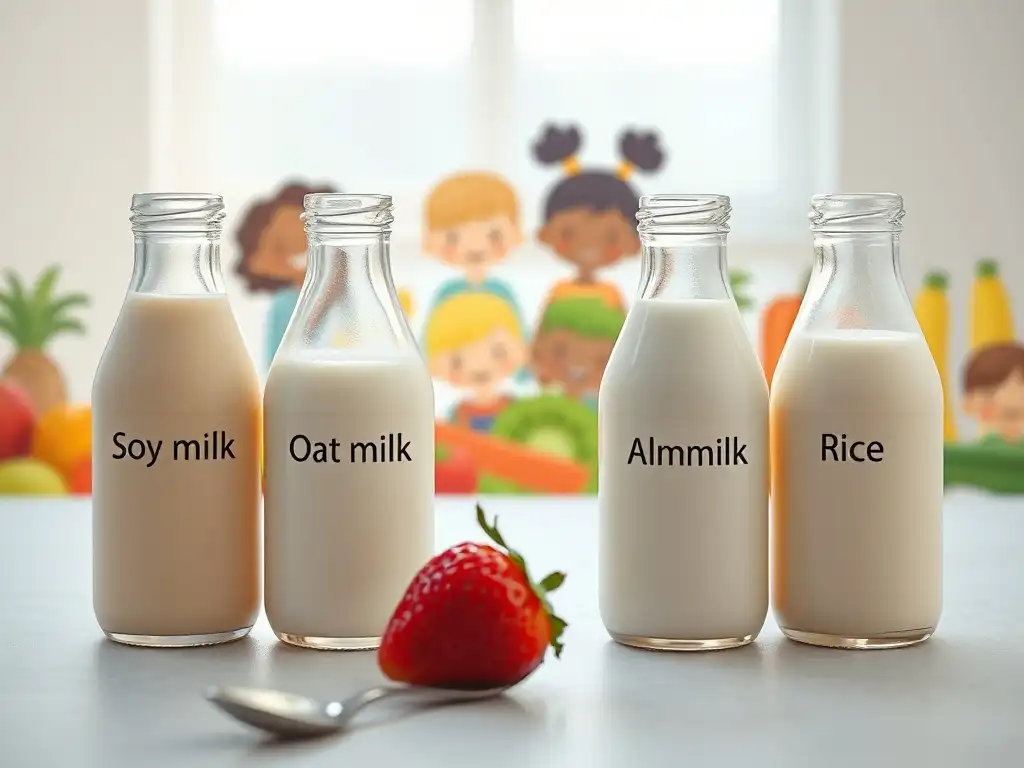
Rice milk, often touted as a hypoallergenic option, presents a complex picture when considering its suitability for infants starting solids. While it's naturally lactose-free, its nutritional profile is significantly less robust than breast milk or formula. Let's delve into the specifics.
Nutritionally, rice milk is primarily composed of carbohydrates derived from rice. It is naturally low in protein and fat, both crucial for a baby's growth and development. While some brands fortify their products with vitamins and minerals like calcium and vitamin D, these additions don't always fully compensate for the inherent nutritional deficiencies. For instance, rice milk often lacks essential fatty acids like omega-3 and omega-6, vital for brain development. Furthermore, the levels of added vitamins and minerals can vary significantly across brands, highlighting the importance of careful label reading.
A significant concern surrounding rice milk for babies is the potential arsenic contamination. Rice is known to absorb arsenic from the soil, and this can accumulate in rice milk. While regulatory bodies set limits on arsenic levels, some health experts recommend caution, particularly concerning prolonged and exclusive use of rice milk in infants. The long-term effects of low-level arsenic exposure in babies are still being studied, emphasizing the need for a balanced and diversified approach to infant nutrition.
Using rice milk in a baby's diet should be approached with careful consideration and ideally under the guidance of a pediatrician or registered dietitian. It should never be used as a primary source of nutrition, but rather as a small part of a varied and balanced diet, once solids have been introduced and other foods are well-tolerated. It's crucial to choose brands with minimal added sugars and those that clearly state their fortification levels.
Comparing Dairy Alternatives: Nutritional Profiles and Suitability for Infants
Choosing the right dairy alternative for your baby requires a careful comparison of their nutritional profiles and suitability for their developmental stage. Let's examine some popular options: soy milk, oat milk, almond milk, and, as discussed above, rice milk. Remember, this information is for general knowledge and should not substitute professional advice.
| Dairy Alternative | Protein Content | Fat Content | Calcium Content | Vitamin D Content | Potential Concerns | Suitability for Infants |
|---|---|---|---|---|---|---|
| Soy Milk | Relatively high, but often needs fortification | Varies greatly depending on the brand | Usually fortified | Often fortified | Allergic reactions possible | Can be introduced after 1 year old, with caution and under a doctor's guidance. |
| Oat Milk | Moderate | Moderate | Usually fortified | Often fortified | Can cause allergic reactions in some babies. | Can be introduced after 1 year old, with caution and under a doctor's guidance |
| Almond Milk | Low | Low | Usually fortified | Often fortified | Low in protein; potential choking hazard due to texture. | Not recommended as a primary source of nutrition for infants. |
| Rice Milk | Very low | Very low | Usually fortified | Often fortified | Potential arsenic contamination; low in essential nutrients. | Not recommended as a primary source of nutrition for infants. |
As the table illustrates, significant variations exist in the nutritional content of these alternatives. While many brands fortify their products, the levels and types of added nutrients can differ substantially. For infants, breast milk or formula remains the gold standard for nutrition during the first year of life. Dairy alternatives should only be introduced as complementary foods after the age of one year, and even then, only under the guidance of a healthcare professional.
A pediatrician or registered dietitian can provide personalized recommendations based on your baby's individual needs and health status. Always prioritize a diverse and balanced diet to ensure your baby receives all the essential nutrients for healthy growth and development. Remember to carefully read labels and choose products with minimal added sugars and artificial ingredients.
Creating a Balanced Diet with Dairy and Dairy Alternatives
This section focuses on the crucial role of dairy and dairy alternatives in your baby's balanced diet as they transition to solid foods. Successfully navigating this stage requires understanding the nutritional benefits and potential drawbacks of various options. Remember, always consult your pediatrician before making significant changes to your baby's diet. This guide provides general information and should not replace professional medical advice.
Incorporating Dairy and Dairy Alternatives into Baby's Meals: Meal Planning Ideas
Introducing dairy and its alternatives should be a gradual process, focusing on one new food at a time to monitor for any allergic reactions. Start with small portions and observe your baby for any signs of discomfort, such as rashes, digestive issues, or breathing difficulties. Here are some meal planning ideas to seamlessly integrate these foods:
- Breakfast: A small amount of full-fat plain yogurt (check for added sugars!) mixed with pureed fruits like banana or peaches. Alternatively, you can offer a small portion of unsweetened dairy-free yogurt made from oats or coconut.
- Lunch: Pureed vegetables (like sweet potato or butternut squash) combined with a tiny bit of finely grated cheese (cheddar or parmesan are good starting points). For dairy-free options, consider adding a small amount of well-cooked lentils or tofu pureed into the vegetables.
- Dinner: Finely mashed avocado can be a great source of healthy fats, and it pairs well with a small amount of full-fat milk added to a creamy vegetable puree. A dairy-free alternative could be adding a small amount of mashed chickpeas or white beans to the puree.
Remember to always prioritize whole, unprocessed foods. Avoid sugary yogurts, processed cheese products, and heavily sweetened dairy-free alternatives. The goal is to provide your baby with essential nutrients in their purest form. Below is a sample weekly meal plan incorporating dairy and dairy alternatives:
| Day | Breakfast | Lunch | Dinner |
|---|---|---|---|
| Monday | Full-fat yogurt + banana puree | Sweet potato + grated cheese | Avocado + milk-added puree |
| Tuesday | Oat yogurt + berries | Lentil puree + peas | Butternut squash + chickpeas |
| Wednesday | Full-fat yogurt + peach puree | Carrot puree + parmesan cheese | Avocado + milk-added puree |
| Thursday | Oat yogurt + applesauce | Green bean puree + tofu puree | Broccoli puree + white beans |
| Friday | Full-fat yogurt + mango puree | Sweet potato + grated cheese | Butternut squash + chickpeas |
This is just a sample; adjust it based on your baby's preferences and dietary needs. Always introduce new foods one at a time and wait a few days before introducing another.
Combining Dairy with Other Foods: Creating Nutritious and Flavorful Combinations
The key to successful solid food introduction is creating meals that are not only nutritious but also appealing to your baby's palate. Here are some ideas for combining dairy and dairy alternatives with other foods to create balanced and tasty meals:
- Dairy: Full-fat plain yogurt can be blended with fruits (berries, bananas, peaches), pureed vegetables (sweet potato, carrots), or even a little bit of cooked oatmeal for a creamy and nutritious breakfast or snack. Grated cheese can be added to vegetable purees or sprinkled on top of pasta (once your baby is ready for it).
- Dairy Alternatives: Unsweetened dairy-free yogurts can be mixed with fruits, pureed vegetables, or added to smoothies (once your baby is developmentally ready). Well-cooked and mashed lentils or chickpeas can be combined with pureed vegetables to provide protein and fiber. Tofu can also be pureed and added to various dishes.
Remember to always check labels for added sugars, preservatives, and allergens. Prioritize whole, unprocessed ingredients to ensure your baby receives the maximum nutritional benefit. Experiment with different flavor combinations to find what your baby enjoys most! A little creativity can go a long way in making mealtimes enjoyable and nutritious.
Addressing Potential Concerns: Common Questions and Myths about Dairy and Alternatives for Babies
Many parents have questions and concerns about introducing dairy and dairy alternatives to their babies. Let's address some common issues:
- Dairy Allergy: Dairy allergies are relatively common in babies. Symptoms can range from mild (rash, digestive upset) to severe (anaphylaxis). If you suspect a dairy allergy, consult your pediatrician immediately. Careful introduction of small quantities and observation are key.
- Lactose Intolerance: Some babies may have difficulty digesting lactose, the sugar in milk. Symptoms include gas, bloating, and diarrhea. If your baby experiences these symptoms after consuming dairy, your pediatrician may recommend lactose-free alternatives.
- Myth: All dairy-free alternatives are automatically healthier: Many commercially available dairy-free alternatives contain added sugars, thickeners, and other processed ingredients. Always check labels carefully and prioritize whole, unprocessed alternatives.
- Myth: Babies need cow's milk early: Cow's milk is not recommended before 12 months of age, as it can be difficult for their immature digestive systems to process. Breast milk or formula should be the primary source of nutrition for the first year. Dairy products can be introduced as part of solid foods, but not as a primary milk source.
By addressing these concerns proactively and following your pediatrician's guidance, you can ensure your baby receives the necessary nutrients while minimizing potential risks. Remember, patience and observation are crucial during this phase of your baby's development. Always prioritize your baby's health and well-being.
Addressing Common Concerns about Dairy Introduction

Introducing dairy products into your baby's diet can be a source of anxiety for many first-time parents. This section aims to alleviate those concerns by addressing frequently asked questions and providing evidence-based information to guide you through the process. Successfully navigating this stage contributes significantly to your baby's healthy growth and development, providing essential nutrients for strong bones and overall well-being. Remember, always consult your pediatrician before making significant changes to your baby's diet.
Dealing with Dairy Allergies and Intolerances in Infants: Symptoms, Diagnosis, and Management
Dairy allergies and intolerances are relatively common in infants. Understanding the differences and knowing how to identify and manage them is crucial for your baby's health.
A dairy allergy is a true immune response where the body's immune system mistakenly identifies milk proteins as harmful invaders. This triggers an allergic reaction. Symptoms can range from mild to severe and may include:
- Mild: Hives, rash, eczema, mild digestive upset (gas, fussiness).
- Moderate: Vomiting, diarrhea, more significant skin reactions.
- Severe: Anaphylaxis (a life-threatening allergic reaction characterized by difficulty breathing, swelling of the face and throat, and a drop in blood pressure). This requires immediate medical attention.
Dairy intolerance, on the other hand, is not an immune response. It's a digestive issue where the body lacks the enzyme lactase, needed to break down lactose (the sugar in milk). Symptoms are primarily digestive and include:
- Gas
- Bloating
- Diarrhea
- Stomach cramps
Diagnosing dairy allergies and intolerances usually involves a combination of:
- Detailed medical history: Your pediatrician will ask about symptoms, family history of allergies, and your baby's diet.
- Physical examination: The doctor will assess your baby's overall health and look for signs of an allergic reaction.
- Allergy testing: This might involve skin prick tests or blood tests to identify specific milk proteins causing the reaction. This is especially important for suspected allergies.
- Elimination diet: Your doctor may recommend temporarily removing dairy from your baby's diet to see if symptoms improve. This is often used for suspected intolerances.
Management depends on the diagnosis:
- Dairy Allergy: Complete avoidance of all dairy products is necessary. This includes milk, cheese, yogurt, and products containing hidden dairy (like some breads, processed foods, and medications). Your pediatrician can help you find suitable alternatives.
- Dairy Intolerance: The severity dictates management. Some babies tolerate small amounts of dairy, while others require complete avoidance. Alternatives like lactose-free milk or soy milk might be considered.
Lactose Intolerance in Babies: Symptoms, Diagnosis, and Dietary Adjustments
Lactose intolerance, as mentioned above, is a common digestive problem in infants. It occurs when the body doesn't produce enough lactase, the enzyme needed to digest lactose, the primary sugar in milk. This results in undigested lactose passing into the large intestine, causing fermentation and resulting symptoms.
Symptoms of lactose intolerance often manifest within 30 minutes to a few hours after consuming dairy products and include:
- Excessive gas and bloating, often leading to significant discomfort and fussiness.
- Watery or frothy diarrhea.
- Stomach cramps and pain.
Diagnosing lactose intolerance can be challenging as symptoms can mimic those of other digestive issues. Your pediatrician will likely consider the following:
- A detailed history of your baby's symptoms, including the timing and severity of symptoms after dairy consumption.
- A physical examination to rule out other conditions.
- A lactose tolerance test (less common in infants due to its invasiveness). This involves measuring blood glucose levels after consuming a dose of lactose. A lack of significant increase suggests lactose intolerance.
- An elimination diet, removing dairy products and observing any improvement in symptoms.
Dietary adjustments for lactose intolerance typically involve eliminating dairy products from the diet. Suitable alternatives include:
- Lactose-free formula or milk (for formula-fed babies).
- Soy milk (ensure it’s fortified with vitamins and minerals).
- Rice milk (often lower in nutrients, so supplementation might be necessary).
- Goat's milk (though not always a suitable alternative for all babies).
Remember, it's crucial to work closely with your pediatrician to develop a safe and effective dietary plan that addresses your baby's specific needs and ensures adequate nutritional intake. They can guide you on appropriate alternatives and monitor your baby's progress. A well-managed diet can significantly improve your baby's comfort and overall health. 👶
Creating a Personalized Dairy and Dairy Alternative Plan for Your Baby
Introducing dairy and dairy alternatives into your baby's diet requires a carefully considered approach, tailored to their individual needs and developmental stage. This isn't a one-size-fits-all process; what works for one baby might not work for another. This section will guide you through creating a personalized plan, ensuring a smooth transition into this new phase of nutrition. Remember, this is a guide; always consult your pediatrician before making significant changes to your baby's diet. This personalized approach is key to successful baby starting solids dairy guide implementation.
Consulting with Your Pediatrician: Importance of Personalized Dietary Advice
Before you even think about introducing dairy or dairy alternatives, a consultation with your pediatrician is paramount. They can assess your baby's overall health, identify any potential allergies or intolerances, and provide tailored recommendations based on your baby's unique developmental milestones. Some babies might be ready for dairy earlier than others, and your pediatrician can help determine the optimal timing.
This initial consultation is crucial for preventing potential problems and ensuring your baby receives the right nutrients at the right time. Your pediatrician can also address any concerns you have about introducing new foods, providing reassurance and guidance throughout the process.
Don't hesitate to ask questions – this is your chance to build a solid foundation for your baby's dietary journey. They can also advise on the best types of dairy and dairy alternatives suited to your baby’s age and specific needs, such as whole milk versus formula, or specific brands of yogurt.
Monitoring Your Baby's Progress: Tracking Growth and Development
Once you begin introducing dairy and dairy alternatives, careful monitoring is essential. Keep a detailed record of your baby's intake, noting the type and amount of dairy consumed, as well as any reactions. Look out for signs of allergies or intolerances such as rashes, digestive upset (diarrhea, constipation, or gas), vomiting, or difficulty breathing. Regularly weigh your baby to track their growth and ensure they are gaining weight appropriately.
You can use a simple notebook or a dedicated baby-tracking app to maintain a record of feedings and weight changes. This data will help you identify any issues early on and adjust your plan accordingly. Remember, consistent monitoring is a key element of a successful baby starting solids dairy guide. A healthy weight gain is a good indicator that your baby is tolerating the new foods well.
Adjusting the Plan as Needed: Adapting to Your Baby's Individual Needs and Preferences
Your baby's dietary needs and preferences may change over time. What they enjoyed at six months might not appeal to them at nine months. Be prepared to adapt your plan as needed. If your baby shows signs of an allergy or intolerance, immediately stop giving them the offending food and consult your pediatrician.
If they consistently refuse a particular dairy product, don't force it. Try offering alternatives or introducing it in different ways. For instance, if they don't like plain yogurt, try mixing it with fruit puree or adding it to oatmeal. Flexibility and patience are key to navigating this phase successfully.
Remember, this is a journey, not a race. The goal is to provide your baby with a nutritious and enjoyable eating experience, which is crucial for their overall development and well-being. A flexible and responsive baby starting solids dairy guide ensures your baby gets the best possible nutrition. 🎉
Frequently Asked Questions
When should I introduce dairy to my baby?
Generally, you can introduce whole milk around 12 months of age. Before that, breast milk or formula remains the primary source of nutrition. Introducing dairy earlier isn't recommended.
What are the benefits of introducing dairy products?
Dairy provides essential calcium and vitamin D, crucial for strong bones and teeth development. It's also a good source of protein for growing babies. Always choose full-fat dairy initially.
What are some good first dairy foods for my baby?
Start with full-fat yogurt (plain, unsweetened) or whole milk cheese (like cheddar) in small amounts. Avoid honey until after 1 year. Introduce one new food at a time to monitor for allergies.
My baby is allergic to cow's milk. What dairy alternatives are there?
Suitable alternatives include soy milk, oat milk, or rice milk, but ensure they are fortified with calcium and vitamin D. Always consult your pediatrician before switching to alternatives.
How much dairy should my baby be consuming?
The amount depends on your baby's age and appetite. Start with small portions and gradually increase as tolerated. Always consult your pediatrician or a registered dietitian for personalized recommendations regarding daily dairy intake.
Final Reflection: Nourishing the Next Generation: A Dairy Journey
The journey of introducing solids to your baby is a pivotal moment, a milestone filled with both excitement and apprehension. Successfully navigating this transition, especially when it comes to dairy and dairy alternatives, directly impacts your child's long-term health and development. Understanding the nuances of introducing these crucial food groups is not just about ticking boxes on a checklist; it's about fostering a healthy relationship with food from the very beginning.
The impact of early dietary choices resonates far beyond the toddler years. Our cultural understanding of nutrition is constantly evolving, and the way we approach introducing dairy and alternatives reflects this shift. The food we eat is a reflection of our culture, our values, and our history.
This quote underscores the importance of making informed choices, not just for our children's physical well-being, but also for shaping their future relationship with food and its cultural significance. We must consider the environmental impact of our choices as well, recognizing the sustainability of different dairy options.
You, as a parent, hold the power to shape your child's future health and relationship with food. Take the time to understand the information presented in this guide, and don't hesitate to consult with your pediatrician or a registered dietitian for personalized advice. Remember, this journey is unique to you and your little one. Embrace the process, celebrate the milestones, and enjoy the delicious adventure of introducing your baby to the wonderful world of food!
Unlock Your Baby's Culinary Journey!
Thank you for learning about introducing dairy and dairy alternatives into your baby's diet! We hope you found the information helpful and empowering. Now let's put that knowledge into practice.
- Start with small amounts of whole milk yogurt or a creamy alternative: Carefully observe your baby's reaction and gradually increase the amount as tolerated. Always supervise your baby while they are eating.
- Share your baby's dairy adventures! Tell us about your experiences and favorite recipes in the comments below. Let's build a supportive community of parents navigating this exciting milestone together!
- Explore a variety of dairy-free options: Experiment with different plant-based milks, such as diluted oat or rice milk, always checking for allergens and ensuring they are suitable for your baby's age.
Ready to embark on this delicious new chapter of your baby's eating journey? What exciting flavor combinations are you looking forward to trying with your little one?