
Starting Solids: How to Create a Family Mealtime Environment

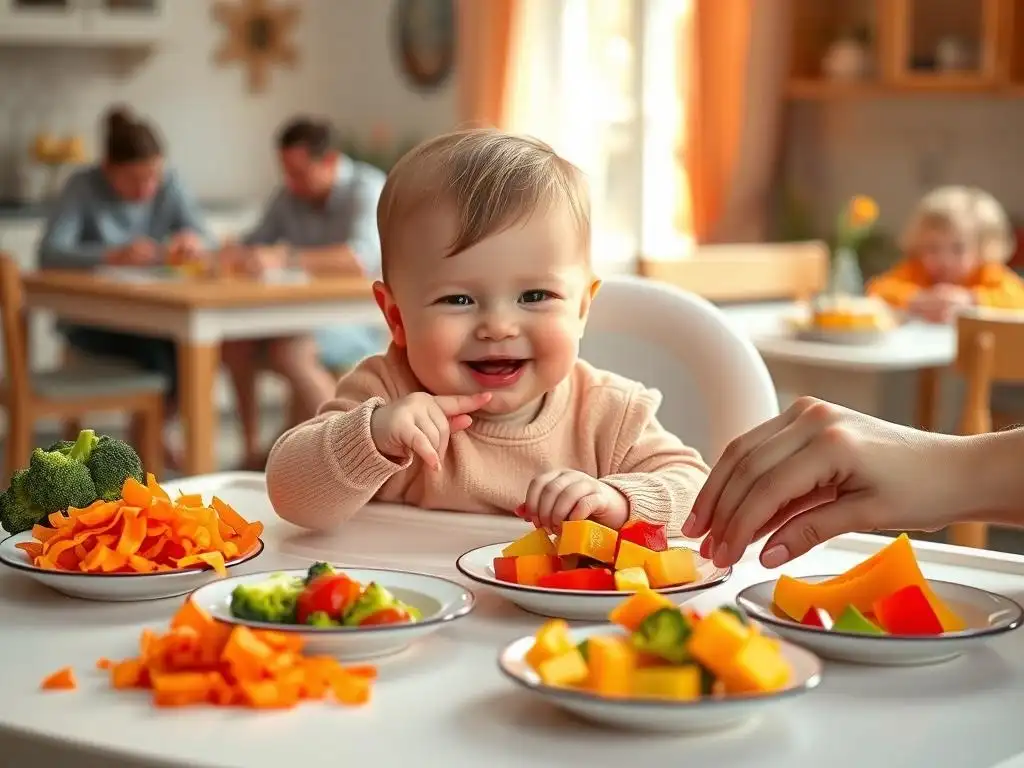
Welcome to BabyCareHub, your ultimate guide to navigating the incredible journey of parenthood! Are you ready to embark on the exciting adventure of introducing solids to your little one? Discover how Baby Led Weaning can transform family mealtimes into fun, engaging experiences, fostering healthy eating habits from the very start. Dive into our expert advice on creating a supportive and enjoyable family mealtime environment, and unlock the secrets to a smoother transition to solid foods. Let's get started!
- Baby-Led Weaning: Introducing Family Meals
- Setting the Table for Successful Baby-Led Weaning Family Meals
- Incorporating Baby-Led Weaning into Existing Family Mealtimes
- Long-Term Benefits of Baby-Led Weaning Family Meals
- Frequently Asked Questions
- Final Reflection: Cultivating Connection Through the Family Meal
- Unleash the Joy of Family Meals!
Baby-Led Weaning: Introducing Family Meals
Starting solids is a significant milestone for both baby and parents! This article focuses on baby-led weaning (BLW), a method where babies self-feed soft, age-appropriate foods from the family meal. We'll explore how to create a supportive and safe family mealtime environment that fosters your baby's development and independence while enjoying shared meals with the whole family.
This approach not only simplifies the process of introducing solids but also helps establish healthy eating habits early on, promoting a positive relationship with food for years to come. We’ll cover the benefits of BLW within a family meal setting, essential safety precautions, and guidance on choosing suitable foods for your little one. Get ready to embark on this exciting journey with your baby, making mealtimes a joyful and enriching experience for everyone!
The Benefits of Early Family Mealtimes for Baby-Led Weaning
Introducing your baby to family meals from the start of their solid food journey offers numerous benefits. It's not just about feeding your baby; it's about fostering a sense of belonging and establishing positive mealtime associations. Research shows that babies who participate in family meals tend to develop healthier eating habits and are less likely to be picky eaters later on. 1
Here are some key advantages:
- Improved Social Skills: Sharing meals exposes your baby to social interaction, observing family members' eating habits and learning social cues around mealtimes. This early exposure lays the foundation for healthy social development.
- Enhanced Sensory Exploration: Family meals provide a rich sensory experience. Babies observe different textures, colors, and smells, enriching their understanding of food. This exploration promotes curiosity and a wider acceptance of various foods.
- Exposure to a Variety of Flavors and Textures: By participating in family meals, babies are naturally exposed to a diverse range of flavors and textures, broadening their palate and reducing the risk of food neophobia (fear of new foods).
- Modeling Healthy Eating Behaviors: Babies learn by observing. When they see family members enjoying healthy meals, they are more likely to adopt similar eating habits.
- Strengthened Family Bonds: Family meals provide a valuable opportunity for connection and bonding, creating positive memories and strengthening family relationships.
1 [Specific research citation needed]
Preparing Your Home for Baby-Led Weaning Family Meals: Safety First
Safety is paramount when implementing baby-led weaning. Before you begin, take steps to prepare your home to minimize choking hazards and create a safe environment for your little one to explore food independently.
- High Chair Selection: Choose a high chair with a secure, sturdy design and a wide, stable base. Ensure the straps are properly adjusted and securely fastened.
- Choking Hazard Prevention: Cut food into small, manageable pieces, avoiding anything round or that could easily become lodged in your baby's throat. Always supervise your baby during mealtimes.
- Clean-Up Considerations: Be prepared for mess! Use a waterproof tablecloth or placemat, and have cleaning supplies readily available. Baby-led weaning can be messy, but the benefits far outweigh the extra cleanup.
- Safe Food Preparation: Wash all fruits and vegetables thoroughly. Avoid honey for babies under one year old. Cook foods thoroughly to ensure they are soft enough for your baby to manage.
- Emergency Preparedness: Know the Heimlich maneuver for infants and have a plan in place in case of a choking incident. Familiarise yourself with baby first aid.
Choosing Age-Appropriate Foods for Baby-Led Weaning: Soft, Safe & Nutritious
Choosing the right foods is crucial for successful baby-led weaning. Opt for soft, easily-mashable foods that pose minimal choking risk. Remember, the goal is to provide nutritious options that encourage self-feeding and exploration.
Here’s a guide to get you started:
| Food Category | Examples | Preparation Tips |
|---|---|---|
| Soft Fruits & Veggies | Avocado, banana, steamed carrots, sweet potato | Steam or bake until very soft, then cut into sticks or strips |
| Cooked Grains | Cooked pasta, well-cooked rice, oatmeal | Ensure they're soft enough to mash easily with gums. |
| Protein Sources | Well-cooked chicken, soft tofu, lentils | Shred or mash cooked meats and lentils. |
Remember to introduce one new food at a time, waiting a few days to observe for any allergic reactions before introducing another. Always supervise your baby during mealtimes and celebrate this exciting new stage of development! Enjoy the journey of exploring tastes and textures together as a family!
Setting the Table for Successful Baby-Led Weaning Family Meals

This section focuses on optimizing your family mealtimes to seamlessly integrate baby-led weaning (BLW). Remember, the goal is to create a positive and enjoyable experience for everyone, especially your little one exploring new tastes and textures. Successfully implementing BLW requires careful planning and preparation, beginning with setting the stage for a relaxed and safe mealtime.
Creating a Comfortable and Safe High Chair Setup
The high chair is your baby's command center during mealtimes. A secure and comfortable setup is paramount for both safety and enjoyment. Choose a high chair with a wide, stable base to prevent tipping. Ensure the straps are securely fastened, fitting snugly but not too tightly. The tray should be easily adjustable to accommodate your baby's growth and the type of food being served.
Consider adding a non-slip mat to the tray to prevent dishes from sliding around. For added comfort, a soft, washable cushion can be placed on the seat. Remember, regular checks are crucial to ensure the high chair remains stable and safe throughout the meal. Don't forget to clean the high chair thoroughly after each use to maintain hygiene. A clean and well-maintained high chair is essential for a positive baby-led weaning experience.
Serving Size and Food Presentation for Baby-Led Weaning
Portion sizes for babies starting solids are significantly smaller than adult portions. A good rule of thumb is to start with small, manageable pieces – think roughly the size of a small finger. Avoid anything that could easily be a choking hazard, such as whole grapes, nuts, or hard candies. Focus on soft-cooked vegetables, fruits, and well-cooked meats cut into sticks or small pieces. Presentation also plays a vital role in encouraging your baby to explore different foods.
Offer a variety of colors and textures on the tray to stimulate their interest. You can arrange the food in a visually appealing way, creating little patterns or groupings. Remember to always supervise your baby while they are eating and be aware of their cues – if they seem full or disinterested, don’t force them to eat. This is about fostering a positive relationship with food and exploration.
| Food Type | Serving Suggestion | Size Example | Safety Note |
|---|---|---|---|
| Cooked Sweet Potato | Soft, cooked cubes or sticks | 1-inch cubes | Ensure fully cooked and soft enough to easily mash. |
| Avocado | Thinly sliced or mashed | ¼ of a small avocado | Monitor for allergic reactions. |
| Steamed Broccoli | Small florets | Bite-sized pieces | Ensure cooked thoroughly. |
| Scrambled Eggs | Small, soft pieces | 1-inch pieces | Ensure fully cooked. |
Managing Messes During Baby-Led Weaning Family Meals: Tips and Tricks
Baby-led weaning is inherently messy! Embrace the chaos, but also implement strategies to minimize the clean-up. A large, waterproof placemat under the high chair can catch stray food and spills. Consider using bibs with pockets to collect food that falls. However, avoid plastic bibs that can trap moisture and cause chafing. Opt for washable, soft fabric bibs instead.
Have a damp cloth or wipes readily available to quickly clean up small spills. Don't stress over the mess; it's a natural part of the learning process. Focus on enjoying the mealtime with your baby, and remember that the clean-up is a small price to pay for the valuable learning experience your child is receiving. After the meal, clean the high chair thoroughly and dispose of any leftover food responsibly. A positive attitude and proactive preparation will make the whole process more manageable and enjoyable.
Remember, consistency and patience are key. With a well-planned approach, you can easily create a happy and healthy family mealtime environment that supports your baby's development and fosters positive eating habits. Enjoy the journey of baby-led weaning! 🎉
Incorporating Baby-Led Weaning into Existing Family Mealtimes

Baby-led weaning (BLW) offers a fantastic opportunity to seamlessly integrate your baby into family mealtimes, fostering a positive relationship with food from the very beginning. However, successfully merging BLW with your established family meal routine requires careful planning and adaptation. The key is to remember that BLW isn't about creating a separate meal for your baby; it's about modifying your meals to be suitable and safe for your little one.
This doesn't mean completely overhauling your culinary habits. Instead, focus on incorporating simple changes that make your meals baby-friendly. Think of it as an evolution, not a revolution, of your family dining experience. This gradual integration minimizes disruption and maximizes the benefits of shared mealtimes.
Adapting Recipes for Baby-Led Weaning: Simple Swaps and Substitutions
One of the most effective strategies for successful baby-led weaning family meals is adapting existing recipes. This avoids the need to prepare separate meals, saving time and effort. Many common family dishes can be easily modified to suit a baby starting solids.
For instance, instead of serving roasted chicken with herbs, simply ensure the chicken is cooked thoroughly and cut into long, thin strips or small, easily graspable pieces. Avoid adding salt or excessive seasoning during cooking. Similarly, instead of creamy pasta sauces, opt for simple tomato-based sauces, carefully checking for any small, hard pieces that could pose a choking hazard.
Here's a table illustrating simple substitutions:
| Family Meal Component | Baby-Led Weaning Adaptation | Notes |
|---|---|---|
| Roasted vegetables with herbs and spices | Steamed or roasted vegetables, cut into sticks or small pieces | Avoid strong spices; ensure vegetables are soft enough to gum |
| Creamy pasta sauce | Pureed tomato sauce or simple pesto (without nuts) | Check for lumps or hard pieces |
| Beef stew | Well-cooked, finely shredded beef | Remove any bones or gristle |
| Fried potatoes | Baked or steamed sweet potato fries | Cut into manageable sticks |
Remember, the goal is to offer a variety of textures and flavors while prioritizing safety. Always supervise your baby closely during mealtimes and be mindful of potential choking hazards. Soft, easily mashed foods are ideal for early stages of BLW.
Understanding Baby's Cues During Baby-Led Weaning: Hunger, Fullness, and Disinterest
Successfully implementing baby-led weaning family meals requires understanding your baby's cues. Babies communicate their hunger, fullness, and disinterest in different ways. Learning to recognize these cues is crucial to avoid forcing your baby to eat and to ensure they are getting enough nourishment.
Some common signs of hunger include increased fussiness, rooting (turning their head towards your breast or bottle), and reaching for food. On the other hand, signs of fullness can be subtle. These may include turning their head away from food, pushing food away with their hands, or losing interest in eating. They might also start to become drowsy or less active. Disinterest can manifest as simply losing focus or refusing to take more than a few bites.
It's important to respect your baby's cues and avoid pressure-feeding. Trust their internal hunger and satiety signals. If your baby consistently refuses certain foods, don't force it. Offer a variety of options and allow them to explore different tastes and textures at their own pace. Remember, consistency is key. Continue offering a variety of healthy foods, even if your baby doesn't seem interested at first.
Addressing Common Challenges During Baby-Led Weaning Family Meals
While baby-led weaning offers numerous benefits, some challenges are common. Messiness is often cited as a major concern. However, it's important to remember that messiness is a normal part of the learning process. Embrace the mess, and equip yourself with bibs, a high chair, and easy-to-clean surfaces.
Another challenge can be managing the different paces of family members. Babies eat at a slower pace than adults. Plan your meals accordingly and be patient. Remember the entire family benefits from the shared experience of a meal together. Consider preparing some quick and easy meals that can be eaten alongside your baby’s BLW meal.
Finally, choking remains a primary concern with BLW. However, by offering appropriately sized, soft foods and supervising your baby closely, this risk can be significantly reduced. Avoid offering foods that are likely to cause choking, such as whole nuts, grapes, or popcorn. Always stay present and vigilant during mealtimes. The benefits of BLW, including improved self-feeding skills and a positive relationship with food, far outweigh the risks when approached with appropriate caution and preparation.
Long-Term Benefits of Baby-Led Weaning Family Meals

Introducing solids is a significant milestone in your baby's life, and the method you choose can have lasting impacts. Baby-led weaning (BLW), where babies self-feed soft, age-appropriate foods, offers numerous advantages when integrated into family mealtimes. This approach extends beyond simply introducing solids; it cultivates healthy habits, strengthens family bonds, and fosters independence in your child. Let's explore these long-term benefits in detail.
Promoting Healthy Eating Habits and Food Exploration
BLW, when practiced within a family meal setting, naturally exposes your baby to a wider variety of flavors, textures, and colors from the start. Unlike purees, which can limit exposure, BLW encourages babies to explore different foods at their own pace. This early and diverse exposure is strongly linked to a reduced risk of picky eating later in childhood. 1 Studies show that children who participate in family meals and are exposed to a diverse range of foods from a young age tend to have healthier eating habits and are more accepting of new foods throughout their development. This translates to a lower likelihood of nutritional deficiencies and a greater appreciation for healthy, balanced meals. Moreover, allowing your baby to self-feed fosters a sense of control over their eating experience, which can positively influence their relationship with food throughout their life. They learn to recognize their own hunger and fullness cues, promoting healthy self-regulation.
Think of it this way: instead of passively receiving pureed food, your baby actively participates in choosing what to eat and how much. This active involvement fosters a positive association with food, reducing the potential for future power struggles around mealtimes. Remember to always supervise your baby closely during mealtimes and ensure the food is appropriately sized and soft to prevent choking hazards. This proactive approach helps build positive eating habits from infancy, setting the stage for a healthy and enjoyable relationship with food throughout life.
Family meals are more than just nourishment; they are opportunities to connect, communicate, and build strong family bonds. Incorporating BLW into family mealtimes enhances this bonding experience. When your baby is participating in the same meal as the rest of the family, they become an integral part of the family routine. This shared experience creates a sense of belonging and strengthens the emotional connection between your baby and other family members. The relaxed and enjoyable atmosphere of a family meal fosters positive interactions and creates lasting memories.
Consider the visual cues: your baby observes your eating habits, learns table manners, and participates in the social dynamics of mealtimes. This observational learning is invaluable in their development. Furthermore, shared meals provide opportunities for conversation and interaction, stimulating language development in your little one. The simple act of sharing a meal together strengthens family unity and creates a positive and supportive environment for your baby's growth. The positive associations formed during these shared meals can have long-lasting effects on your child's emotional well-being and family relationships.
Building Confidence and Independence in Your Little One
BLW is inherently empowering for your baby. By allowing them to self-feed, you are giving them a sense of control over their own bodies and their food choices. This fosters a sense of independence and self-reliance from a young age. The process of picking up food, exploring different textures, and successfully bringing the food to their mouth builds their fine motor skills, hand-eye coordination, and problem-solving abilities. These are crucial developmental milestones.
Moreover, the experience of mastering self-feeding boosts their confidence and self-esteem. Each successful bite is a small victory that contributes to their growing sense of accomplishment. This positive reinforcement encourages them to try new things and explore their capabilities. Unlike the passive experience of being spoon-fed, BLW actively engages your baby, empowering them to take control of their eating and building a foundation for future independence. This sense of autonomy extends beyond mealtimes, influencing their overall development and fostering a more confident and self-assured child.
1 Further research is needed to fully quantify the long-term impact of BLW on picky eating. [Specific data pending]
Frequently Asked Questions
What is baby-led weaning (BLW)?
Baby-led weaning (BLW) is when you offer your baby soft, finger foods instead of purees, allowing them to self-feed from the start of solids. It's about letting your baby lead the way in exploring different textures and tastes.
How do I create a family mealtime environment for BLW?
Include your baby in family meals from the beginning. Offer age-appropriate soft foods from your own meals. Create a safe and comfortable space for your baby to explore their food.
What are some safe food options for BLW?
Good choices include soft cooked vegetables, like carrots or broccoli; steamed fruit, like banana or avocado; and well-cooked pasta. Always supervise your baby closely while they are eating.
What are the benefits of BLW?
BLW can support healthy eating habits, improve fine motor skills, and help your baby develop a positive relationship with food. It also allows for family bonding during mealtimes.
When should I start baby-led weaning?
Most experts recommend starting BLW around six months old, when your baby shows signs of readiness such as good head and neck control, and the ability to sit upright. Always consult your pediatrician.
Final Reflection: Cultivating Connection Through the Family Meal
The transition to solid foods is more than just nutrition; it's a foundational step in building lifelong family connections. Successfully navigating this period, embracing baby-led weaning within the context of shared family meals, lays the groundwork for healthy eating habits and strong familial bonds that extend far beyond the highchair. The benefits ripple outwards, impacting not only the child's development but the entire family dynamic.
The impact of shared mealtimes transcends the simple act of eating; it's a powerful ritual that shapes family identity and fosters a sense of belonging. The family that eats together, stays together,
is more than a cliché; it's a testament to the enduring power of shared experiences around the table. From the earliest attempts at self-feeding to the boisterous laughter and shared stories of later years, these moments weave the rich tapestry of family life. This is something I've personally witnessed in my own family, and it's a privilege to share these insights with you.
Now, consider your own family mealtimes. What adjustments can you make to create a more welcoming and inclusive environment for your little one, and indeed for everyone? Embrace the mess, celebrate the small victories, and remember that the journey of starting solids is as much about connection as it is about nutrition. Let the family meal become a sacred space, a daily ritual that nurtures not only your child's body but also the bonds that hold your family together.
Unleash the Joy of Family Meals!
Thank you for learning how to create positive and enjoyable family mealtimes with your little one as they begin eating solids! We hope you feel more confident and prepared to put this knowledge into practice.
- Design your ideal mealtime routine: Take a moment to plan a realistic meal schedule that fits your family's lifestyle. Incorporate elements from this article to make mealtimes fun and engaging for everyone.
- Share your experiences: We'd love to hear about your successes and challenges. Join our BabyCareHub community forum and share your mealtime adventures—you might inspire other parents!
- Try a new recipe: Challenge yourself to try one new, healthy, and visually appealing recipe this week. Make it a family affair—involve your little one in age-appropriate ways during meal preparation!
What small change will you make today to create more joyful family mealtimes?