
Grandparents' Role in Supporting New Mom's Mental Health


Welcome to BabyCareHub, your ultimate guide to navigating the beautiful yet challenging world of parenthood. We understand the rollercoaster of emotions that comes with welcoming a new baby, and that's why we've created this comprehensive resource. But what about the support system?
Discover the crucial role grandparents play in a new mother's mental wellbeing and how their involvement can significantly impact her journey. Learn how to harness this invaluable support network and ensure a smoother transition into motherhood in our latest article, "Grandparents' Role in Supporting New Mom's Mental Health." Read on to uncover the secrets to a happier, healthier start for both you and your little one.
- The Unique Challenges of New Motherhood and Mental Wellbeing
- How Grandparents Can Provide Essential Support
- Grandparents' Role in Fostering a Supportive Family Network
- Grandparents' Contribution to a Healthy Family Dynamic
- Seeking Professional Help When Needed
- Frequently Asked Questions
- Final Reflection: The Unsung Heroes of Postpartum Wellbeing
- Unleash Grandparents' Power: Support a New Mom's Well-being
The Unique Challenges of New Motherhood and Mental Wellbeing
Becoming a new mother is a transformative experience, filled with immense joy but also significant challenges. The transition to motherhood often involves a complex interplay of physical, emotional, and psychological changes that can significantly impact a woman's mental wellbeing.
This article explores the crucial role grandparents can play in supporting new mothers' mental health, focusing on the unique difficulties faced during the postpartum period and the ways in which familial support can make a profound difference. Understanding the specific needs of new mothers and the potential for postpartum mood disorders is paramount to providing effective and compassionate support, and this guide offers practical insights for grandparents eager to lend a helping hand.
The information presented here will help grandparents recognize signs of postpartum depression and anxiety, understand the impact of sleep deprivation, and ultimately contribute to a healthier and happier experience for new mothers and their families. This is particularly important as the keyword "Grandparents supporting new mom's mental health" highlights the growing recognition of the vital role extended family plays in navigating this crucial period.
The Postpartum Period: Physical and Emotional Changes
The postpartum period, typically lasting six weeks after childbirth, is a time of significant physiological and psychological adjustment for new mothers. Physically, women experience hormonal fluctuations, potential bleeding (lochia), and the physical demands of breastfeeding or bottle-feeding. These changes can lead to fatigue, discomfort, and even pain. Emotionally, the postpartum period is characterized by a rollercoaster of feelings.
While many women experience the "baby blues"—mild sadness, tearfulness, and mood swings—others grapple with more severe conditions like postpartum depression (PPD) and postpartum anxiety (PPA). The intensity and duration of these emotions vary greatly, but understanding these normal fluctuations is crucial for recognizing when support is needed. The physical recovery from childbirth itself can be demanding, leaving the new mother with little energy for emotional self-care. Grandparents can help alleviate this burden by providing practical support, such as assistance with household chores, meal preparation, and caring for older siblings.
Identifying Postpartum Depression and Anxiety Symptoms
Postpartum depression (PPD) and postpartum anxiety (PPA) are serious mental health conditions that affect a significant number of new mothers. It's crucial for grandparents to be aware of the symptoms to offer timely support. PPD is characterized by persistent sadness, loss of interest in activities, feelings of worthlessness, and difficulty bonding with the baby. Symptoms of PPA include excessive worry, intrusive thoughts, difficulty sleeping, and panic attacks.
These conditions are not simply "baby blues" and require professional help. Grandparents can play a vital role by observing the new mother's behavior and gently encouraging her to seek professional help if they notice persistent symptoms. This might involve subtly suggesting a check-up with her doctor, offering to help with childcare to allow time for therapy appointments, or simply being a listening ear without judgment.
Recognizing the signs early can make a huge difference in the mother's recovery. A helpful approach includes learning to distinguish between normal postpartum emotional fluctuations and the more persistent and debilitating symptoms of PPD and PPA. This knowledge empowers grandparents to offer the most appropriate and timely support.
The Impact of Sleep Deprivation on Maternal Mental Health
Sleep deprivation is a significant factor contributing to postpartum mental health challenges. Newborns frequently wake during the night, leading to chronic sleep disruption for new mothers. This lack of sleep exacerbates feelings of exhaustion, irritability, and anxiety, making it harder to cope with the demands of motherhood.
The cumulative effect of sleep deprivation can significantly worsen symptoms of PPD and PPA. Grandparents can provide invaluable support by offering to take over night feedings or caring for the baby during the night, allowing the new mother to get some much-needed rest. Even small periods of uninterrupted sleep can make a significant difference in a mother's mood and overall well-being.
This practical assistance is not only beneficial for the mother's mental health but also strengthens the bond between grandparents and grandchild. Furthermore, providing consistent and reliable support during nighttime hours can significantly reduce the new mother's stress levels, allowing her to focus on bonding with her baby and addressing her own emotional needs. The simple act of offering respite from sleep deprivation can be a powerful tool in supporting maternal mental health.
How Grandparents Can Provide Essential Support
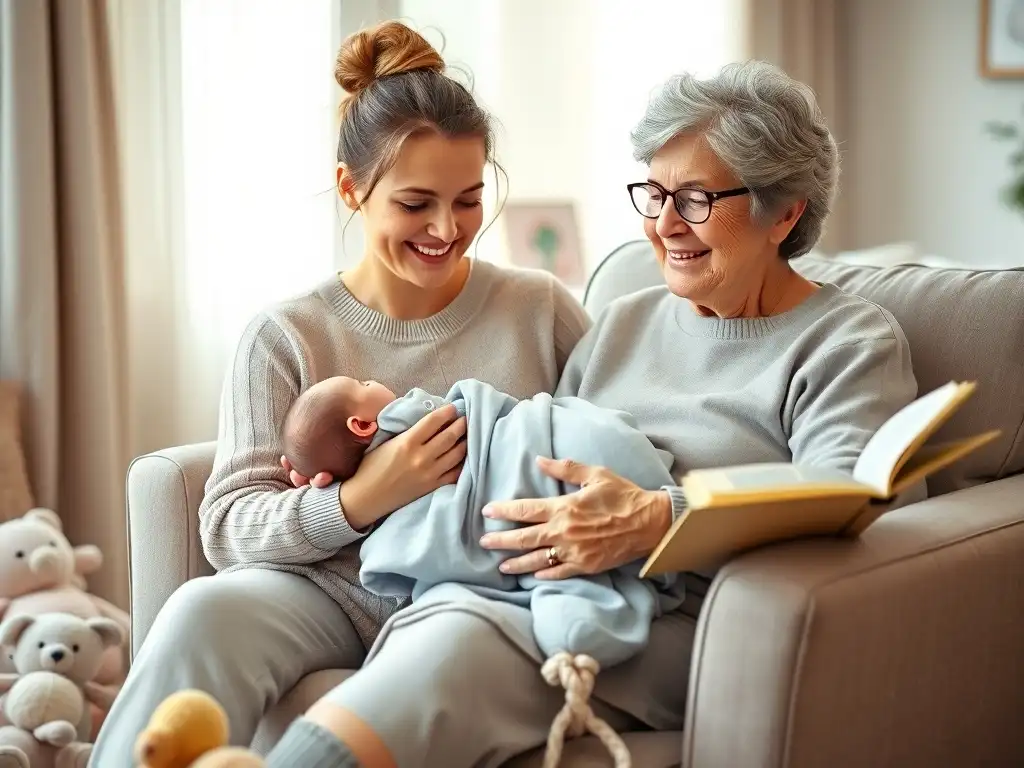
Grandparents play a crucial role in supporting new mothers' mental well-being. The transition to parenthood is often overwhelming, marked by sleep deprivation, hormonal shifts, and the immense responsibility of caring for a newborn. Grandparents, with their experience and wisdom, can offer invaluable assistance, easing the burden and fostering a supportive environment that promotes maternal mental health.
This support isn't merely about babysitting; it's about providing a holistic network of practical and emotional assistance. The benefits extend beyond the immediate relief to the new mother; it strengthens family bonds and creates a positive environment for the baby's development. Understanding the specific ways grandparents can contribute is key to maximizing their positive impact on a new mom's mental health.
Practical Assistance: Lightening the Load for New Moms
The early days and weeks after childbirth are physically and emotionally demanding. Grandparents can significantly alleviate this pressure by providing practical help, freeing up the new mother's time and energy to focus on bonding with her baby and tending to her own well-being. This practical support directly contributes to reducing stress and improving maternal mental health. The reduction in stress and increased support are key factors in improving maternal mental health outcomes.
Help with Household Chores and Errands
Simple tasks that often get neglected in the whirlwind of caring for a newborn, such as laundry, cleaning, and yard work, can be readily taken over by grandparents. This frees up valuable time for the new mother to rest, recover, and bond with her baby. Imagine a scenario where Grandma takes over the laundry for a week, allowing the new mom to spend that time skin-to-skin with the baby or simply catching up on sleep.
This seemingly small act can have a significant impact on her mental state. Even running errands, such as grocery shopping or picking up prescriptions, can make a world of difference.
Meal Preparation and Grocery Shopping
Providing nutritious meals is critical for a new mother's physical and mental recovery. Grandparents can take the initiative to prepare meals, ensuring the new mother has access to healthy and convenient food options. This eliminates the stress of meal planning and cooking, allowing her to focus on other priorities. Consider a weekly meal plan prepared by the grandparents, complete with nutritious options and healthy snacks. This thoughtful gesture will not only improve the mother's physical well-being but also reduce her mental load. Grocery shopping, another time-consuming task, can also be taken off her plate, further reducing stress.
Assisting with Older Siblings
If the new mother has other children, grandparents can provide invaluable support by assisting with their care. This includes helping with homework, getting them ready for school, and ensuring their needs are met. This support allows the new mother to focus her attention on the newborn without feeling the added pressure of managing multiple children simultaneously. A well-rested and supported mother is a happier and healthier mother. Grandparents' help can prevent sibling rivalry and ensure a smooth transition for older siblings, minimizing stress for the entire family.
Emotional Support and Companionship
Beyond practical help, emotional support is equally crucial for a new mother's mental well-being. The postpartum period can be emotionally challenging, with hormonal fluctuations and feelings of anxiety and depression being common. Grandparents can offer a compassionate ear and provide the emotional support needed to navigate this transition.
Offering a Listening Ear and Empathy
Simply listening without judgment is a powerful form of support. Grandparents can create a safe space for the new mother to express her fears, anxieties, and challenges without feeling pressured to fix everything. Validating her feelings and offering empathy can significantly improve her emotional state. This empathetic listening creates a strong bond of trust and support. A simple, "I understand how difficult this must be," can go a long way in making a new mother feel heard and understood.
Providing Encouragement and Positive Reinforcement
New mothers often experience feelings of self-doubt and inadequacy. Grandparents can offer encouragement and positive reinforcement, reminding the new mother of her strengths and capabilities. Celebrating her successes, however small, can boost her confidence and self-esteem. A simple "You're doing a great job" can make a world of difference. Celebrating milestones, both big and small, is essential in keeping spirits high.
Creating Opportunities for Rest and Relaxation
Sleep deprivation is a significant contributor to postpartum depression. Grandparents can create opportunities for the new mother to rest and relax, even if it's just for a short period. This could involve taking the baby for a walk, offering to soothe the baby to sleep, or simply providing a quiet space for the mother to unwind. Prioritizing rest, even in small increments, is vital for mental health recovery. These moments of respite can help the mother regain her energy and improve her overall well-being. Even a 20-minute nap can significantly improve mood and energy levels.
Respecting Boundaries and Fostering Open Communication
Grandparents play a vital role in supporting new mothers, but respecting boundaries is paramount. Open communication is key to a healthy and supportive relationship. This means actively listening to the new parents' needs and preferences, even if they differ from your own. A simple "How are you feeling today?" can go a long way in showing you care and are attentive to their emotional well-being.
Remember, becoming a parent is a deeply personal journey, and each family will navigate it differently. Avoid imposing your own experiences or expectations; instead, focus on offering support tailored to their specific needs. Regular check-ins, without being intrusive, show your continued support and willingness to be there for them. This proactive approach helps build trust and ensures the new parents feel comfortable seeking assistance when needed. Remember, your role is to support, not to control.
Understanding the Importance of Parental Autonomy
Parental autonomy is crucial for a new mother's mental health. Allowing parents to make their own decisions regarding their baby's care, even if you disagree, is vital. While you may have years of experience, the modern approach to parenting often differs significantly from past practices. Interfering or second-guessing their choices can create tension and undermine their confidence, negatively impacting their mental well-being. Instead of imposing your opinions, offer gentle suggestions, framed as options rather than directives.
For example, instead of saying "You should swaddle the baby like this," try "Have you considered swaddling? It can sometimes help them sleep better. Here's how I used to do it, but of course, you can do what works best for you." This approach respects their autonomy while still offering helpful advice. Remember, their confidence in their parenting abilities is essential for their mental health.
Navigating Differences in Parenting Styles
Differences in parenting styles between generations are common. What worked for you may not work for your child and their partner. Accepting these differences is essential for maintaining a positive relationship and supporting the new mother's mental health. Openly discussing these differences, focusing on mutual understanding and respect, is crucial. Instead of directly criticizing their choices, try to understand the reasoning behind them.
Perhaps they've researched specific methods or have a different philosophy about parenting. Learning about their choices and acknowledging their validity can foster a more harmonious relationship. Remember, your goal is to support their journey, not to impose your own. A collaborative approach, respecting individual choices, will create a more supportive and less stressful environment for the new parents.
Avoiding Unwanted Advice and Criticism
Unsolicited advice and criticism can be incredibly damaging to a new mother's mental health. Even well-intentioned comments can be perceived negatively, especially during a period of significant hormonal and emotional changes. Before offering advice, ask yourself if it's truly needed and if the parents have explicitly requested your input. If you're unsure, it's best to refrain from offering advice altogether.
Instead of criticizing, focus on offering practical help, such as preparing meals, doing laundry, or helping with household chores. These acts of service demonstrate your support without interfering with their parenting decisions. Remember, your primary role is to provide emotional and practical support, allowing them to navigate this challenging period with confidence and peace of mind. A supportive and understanding presence is far more valuable than unsolicited advice.
Grandparents' Role in Fostering a Supportive Family Network
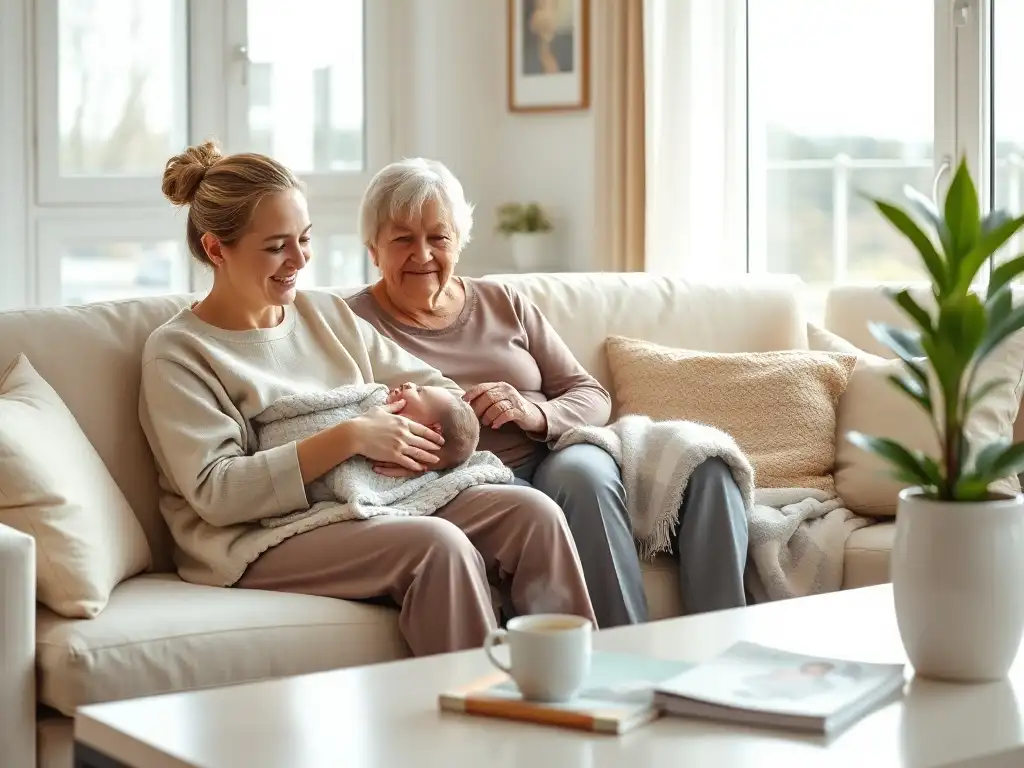
Grandparents play a crucial role in supporting new mothers' mental health by contributing to a strong, loving, and helpful family network. This support extends beyond simply babysitting; it involves actively fostering an environment where the new mother feels understood, valued, and empowered. The impact of this support is significant, contributing to reduced postpartum depression and anxiety rates, and improved overall maternal well-being. This isn't just about providing practical assistance; it's about providing emotional sustenance during a period of significant life adjustment. Studies show that a strong support network is directly correlated with improved mental health outcomes for new mothers. 1 This section will explore how grandparents can actively build this crucial support system.
Building a Strong Support System for the New Parent
Building a strong support system for a new mother requires a multifaceted approach. It's not simply about offering help; it's about understanding the unique challenges and needs of the new parent. Grandparents can offer invaluable support by:
- Providing practical assistance: This could involve helping with household chores, meal preparation, running errands, or even assisting with baby care, allowing the new mother time for rest and self-care. A concrete example is a grandparent offering to cook a few meals a week, freeing up the new mother's time to focus on bonding with the baby and recovering physically.
- Offering emotional support: This includes active listening, empathy, and validation of the new mother's feelings. It's crucial to avoid judgment and instead offer unconditional support and understanding. This might involve simply being present, offering a listening ear, or validating her feelings – even if those feelings are frustration, exhaustion, or sadness.
- Respecting boundaries: It’s vital that grandparents understand and respect the new parents' decisions regarding their parenting style and approach. This includes respecting their choices regarding feeding, sleep training, and other aspects of childcare. Offering advice should always be done delicately and only when requested.
- Encouraging self-care: Grandparents can subtly encourage the new mother to prioritize self-care activities, such as taking short walks, reading a book, or engaging in hobbies she enjoys, even if it's only for a few minutes a day. This can significantly impact her overall mental well-being. A simple suggestion of "Why don't you take a short walk while I watch the baby?" can make a world of difference.
The key here is proactive, thoughtful support tailored to the individual needs of the new mother, rather than a generic approach. Regular check-ins, both in person and via phone calls, are also valuable in maintaining a strong connection and offering ongoing support.
Facilitating Communication Between Family Members
Open and honest communication is essential for a supportive family environment. Grandparents can play a vital role in facilitating this communication by:
- Acting as a mediator: Sometimes, disagreements arise between the new parents and other family members. Grandparents, with their experience and wisdom, can often act as mediators, helping to resolve conflicts constructively and fostering understanding between all parties involved. This might involve suggesting family meetings to discuss concerns openly and respectfully.
- Encouraging open dialogue: Grandparents can encourage open and honest dialogue between the new parents and other family members, ensuring that everyone feels heard and understood. This involves creating a safe space for expressing feelings and concerns without judgment.
- Setting clear expectations: It's crucial to establish clear expectations regarding roles and responsibilities within the family. Open communication prevents misunderstandings and resentment. This might involve having a family meeting to discuss who will be responsible for what tasks and how often.
- Promoting a positive family atmosphere: Grandparents can contribute significantly to a positive and supportive family atmosphere by modeling healthy communication patterns and encouraging respectful interactions between all family members. This includes actively listening to concerns and offering encouragement.
Effective communication is the cornerstone of a strong family unit, particularly during the stressful period following the birth of a child. Grandparents can act as a crucial bridge, promoting understanding and cooperation.
Grandparents possess a wealth of parenting experience and wisdom that can be invaluable to new parents. However, it's crucial to share this knowledge in a supportive and non-judgmental way. Effective ways for grandparents to share their experience include:
- Offering gentle guidance: Instead of dictating, grandparents can offer gentle guidance and suggestions based on their own experiences. This might involve sharing anecdotes from their own parenting journey, highlighting both challenges and triumphs.
- Sharing practical tips: Grandparents can share practical tips and tricks they learned over the years, such as soothing techniques for a crying baby or strategies for managing nighttime feedings. Sharing these tips should be done sensitively, acknowledging that every baby is unique.
- Validating the new parents' feelings: Grandparents should validate the new parents' feelings and experiences, even if they differ from their own. This helps build trust and creates a supportive environment.
- Respecting individual parenting styles: It's essential to remember that parenting styles have evolved significantly over time. Grandparents should respect the new parents' choices and avoid imposing their own outdated methods.
Sharing experiences should be a two-way street; listening to the new parents' concerns and perspectives is just as crucial as offering advice. The focus should always be on supporting the new parents' journey, not imposing a specific parenting philosophy.
1 [Specific study data pending]
Grandparents' Contribution to a Healthy Family Dynamic

Grandparents play a crucial, often underestimated, role in supporting a new mother's mental health. Their involvement significantly impacts the overall family dynamic, contributing to a more supportive and less stressful environment for everyone. This support extends beyond simple childcare; it's about fostering a strong family unit where the new mother feels valued, understood, and capable. The presence of actively involved grandparents can alleviate many of the pressures associated with early parenthood, directly contributing to improved maternal mental wellbeing. Studies show a strong correlation between strong grandparent-parent relationships and reduced postpartum depression symptoms 1 . This positive influence stems from several key areas, as detailed below.
Strengthening the Bond Between Grandparents and Grandchild
The bond between grandparents and grandchildren is uniquely powerful. Early and consistent interaction fosters a secure attachment that benefits the child's emotional development throughout life. This, in turn, indirectly supports the new mother's mental health. When grandparents actively participate in the child's care—from gentle rocking to reading bedtime stories—they contribute to the child's overall well-being.
A happy, well-adjusted baby makes parenting significantly easier, reducing stress and anxiety levels in the new mother. This strengthens the parent-child bond, which is crucial for the mother's emotional stability. Consider the following example: a grandmother who regularly takes the baby for walks in the stroller allows the mother valuable time for rest, self-care, or other crucial tasks.
This seemingly small act contributes substantially to the mother's sense of competence and reduces feelings of overwhelm. The benefits extend beyond immediate relief; this consistent support builds a strong foundation for a healthy family structure. The positive feedback loop—happy baby, supported mother, strengthened family bonds—is a powerful testament to the role grandparents play.
Creating Positive Family Memories
Grandparents' involvement in the early stages of a child's life contributes to the creation of cherished family memories. These shared experiences—from celebrating first birthdays to baking cookies together—are invaluable for strengthening familial bonds and creating a sense of belonging. These memories provide a sense of continuity and stability for the new mother, offering a comforting anchor amidst the often turbulent waters of new parenthood.
The act of creating these memories, the shared laughter and joy, can be profoundly therapeutic, counteracting feelings of isolation and anxiety that are common among new mothers. For instance, a grandfather teaching his grandchild a family song or sharing stories from his own childhood creates a legacy and fosters a sense of connection across generations.
This not only provides joy for the child and the family, but also offers a respite and a source of strength for the mother, reminding her of the enduring support system she has. These shared positive experiences directly contribute to the overall emotional well-being of the family unit.
The Long-Term Benefits of Grandparental Involvement
The positive impact of grandparental involvement extends far beyond the immediate postpartum period. A strong grandparent-grandchild relationship provides a lasting source of emotional support, stability, and guidance throughout the child's life. This consistent support system can buffer the child against future stressors and contribute to their resilience.
This, in turn, lessens the burden on the parents, allowing them to focus on their own well-being and the child's development without feeling constantly overwhelmed. The long-term effects of this support can be seen in the child's academic performance, social skills, and overall mental health. Furthermore, knowing that a stable and supportive network exists reduces the anxieties and uncertainties associated with raising children, making motherhood a less daunting experience.
The long-term benefits for the mother include a stronger sense of self-efficacy, increased confidence in her parenting abilities, and a greater capacity to manage future challenges. This enduring support network significantly contributes to her overall mental well-being and strengthens the foundation of the family as a whole. The investment in these family bonds pays dividends for years to come.
1 [Specific study referencing the correlation between strong grandparent-parent relationships and reduced postpartum depression symptoms pending]
Seeking Professional Help When Needed
Grandparents play a crucial role in supporting new mothers, but recognizing when professional help is necessary is vital for the well-being of both the mother and the baby. While emotional support from family is invaluable, it cannot replace the expertise of mental health professionals when dealing with postpartum depression, anxiety, or other serious mental health conditions. Early intervention is key to successful treatment and recovery.
This section details how grandparents can identify warning signs and encourage their daughter or daughter-in-law to seek professional help. Understanding the nuances of postpartum mental health is essential for effective support. Remember, encouraging professional help isn't about placing blame; it's about ensuring the mother receives the appropriate care she needs to thrive.
Recognizing Signs That Professional Intervention is Necessary
Identifying the signs of postpartum depression or anxiety can be challenging, even for healthcare professionals. However, grandparents can play a crucial role in observing subtle changes in their child's behavior and emotional state. These signs may include persistent sadness or low mood lasting more than two weeks, significant changes in appetite (either increased or decreased), difficulty sleeping or excessive sleeping, feelings of worthlessness or guilt, loss of interest in activities once enjoyed, withdrawal from social interaction, and extreme irritability or anger.
Furthermore, mothers experiencing postpartum psychosis may exhibit more severe symptoms such as hallucinations, delusions, and disorganized thinking. These are serious conditions requiring immediate professional attention. Grandparents should be aware that these symptoms can manifest differently in each individual.
It is important to note that some level of sadness or exhaustion is normal after childbirth; however, persistent and debilitating symptoms warrant professional evaluation. If you notice several of these signs consistently, it's crucial to gently encourage your child to contact their doctor or a mental health professional. Remember to approach the conversation with empathy and understanding, emphasizing your concern for her well-being and offering your unwavering support.
Resources and Support for Postpartum Mental Health
Numerous resources are available for new mothers experiencing mental health challenges. Grandparents can help their daughter or daughter-in-law access these resources, which might include:
- Obstetricians and Gynecologists (OB/GYNs): These healthcare providers often screen for postpartum depression and can provide referrals to mental health specialists.
- Pediatricians: Pediatricians also play a vital role in monitoring the mother's mental health and can offer guidance and support.
- Therapists and Counselors: Therapists specializing in perinatal mental health provide evidence-based treatments such as cognitive behavioral therapy (CBT) and other therapies tailored to address the unique challenges of postpartum.
- Support Groups: Connecting with other new mothers facing similar challenges can provide invaluable emotional support and a sense of community. These groups offer a safe space to share experiences and learn coping mechanisms.
- Online Resources: Several reputable websites and organizations offer information and support for postpartum mental health. These can be a valuable resource for both the mother and her support network.
Grandparents can actively help by researching local resources, accompanying their daughter to appointments, and providing practical support to ease her burden, allowing her to focus on her mental health journey. This proactive approach significantly contributes to the mother's overall recovery. It's also important to remember that resources vary by location, so local research is essential.
Encouraging Mothers to Prioritize Self-Care
Self-care is often overlooked in the demanding role of motherhood, but it's crucial for a new mother's mental and physical well-being. Grandparents can actively encourage their daughter to prioritize self-care by:
- Offering practical assistance: This might include helping with household chores, childcare, or meal preparation, freeing up time for the mother to rest and recharge.
- Encouraging healthy habits: Promote healthy eating, regular exercise (even short walks), and adequate sleep. These seemingly small changes can make a significant difference in mood and energy levels.
- Facilitating relaxation techniques: Suggest mindfulness exercises, meditation, or other relaxation techniques to help manage stress and anxiety.
- Promoting social connection: Encourage the mother to spend time with supportive friends and family, fostering a sense of belonging and reducing feelings of isolation. This might involve organizing playdates, coffee dates, or simply offering a listening ear.
- Respecting boundaries: It's equally important for grandparents to respect the mother's need for alone time and personal space. Understanding her limits and supporting her choices are key to fostering a positive and healthy relationship.
By actively promoting self-care and providing practical support, grandparents can contribute significantly to the new mother's mental and emotional well-being, creating a supportive environment conducive to recovery and healthy development. This holistic approach, encompassing professional guidance and self-care, is vital for the overall success of the postpartum period.
Frequently Asked Questions
How can grandparents help a new mom's mental health?
Grandparents can offer crucial emotional support, practical assistance with childcare, and respite care, allowing the new mom time for self-care and rest. This reduces stress and promotes mental well-being.
What are some practical ways grandparents can help?
Grandparents can help with household chores, prepare meals, run errands, or simply spend time with the baby, allowing the mom to rest and recover. Even small acts of kindness make a big difference.
What if the grandparents live far away?
Even long-distance support is invaluable. Grandparents can offer regular phone calls, video chats, or send encouraging messages. They can also send care packages or contribute financially to alleviate some pressure.
How can grandparents avoid interfering or offering unsolicited advice?
Grandparents should focus on active listening and offering support when asked. It's important to respect the parents' decisions regarding baby care and to avoid imposing their own opinions or methods.
What if the relationship between the new mom and her parents is strained?
Open and honest communication is key. Consider family therapy or mediation to address underlying issues. Focusing on the well-being of the baby can help bridge the gap and improve family dynamics.
Final Reflection: The Unsung Heroes of Postpartum Wellbeing
The unwavering support of grandparents is not merely a helpful addition to new parenthood; it's a crucial pillar in safeguarding a mother's mental health during the postpartum period. The emotional and physical demands of caring for a newborn are immense, often leading to exhaustion, anxiety, and even postpartum depression. Grandparents, with their experience and unconditional love, offer a lifeline that can significantly impact a mother's well-being and the overall family dynamic.
The influence of grandparents extends far beyond practical childcare; it creates a supportive network that combats the pervasive isolation many new mothers experience. Their presence offers a sense of community, shared responsibility, and a much-needed break from the relentless cycle of feeding, changing, and soothing. This invaluable support allows new mothers to prioritize their own mental and physical recovery, fostering a healthier and more resilient family unit. The most important thing a father can do for his children is to love their mother.
This sentiment holds true for grandparents as well; their love and support for the new mother strengthens the entire family foundation.
Consider the impact of this support on your own life, or the lives of those around you. Are you a grandparent who can offer this invaluable assistance? Are you a new mother who could benefit from this support? Reach out, build bridges, and remember that the well-being of a mother is the cornerstone of a thriving family. Let's collectively champion the vital role grandparents play in nurturing the mental health of new mothers, creating a brighter future for generations to come.
Unleash Grandparents' Power: Support a New Mom's Well-being
Thank you for learning about the vital role grandparents play in supporting new mothers' mental health. You've gained valuable insights into fostering a nurturing environment during this crucial postpartum period. Now, let's put that knowledge into action!
- Prioritize Connecting with New Mothers: Reach out to a new mother in your life, or encourage a friend or family member to do so. Ask specifically how she's doing and offer practical support, such as preparing a meal, providing an hour of childcare, or simply lending a listening ear. A little help can go a long way.
- Share This Information: Spread the word about the importance of grandparental support for new mothers' well-being. Share this article with your network – helping others understand the positive impact they can have is incredibly rewarding.
- Join the Conversation: How have you, or someone you know, seen grandparents provide invaluable mental health support to new mothers? Share your experiences in the comments below – let's build a supportive community and learn from each other!
Are you ready to make a tangible difference in a new mother's life today?