
The Science of Diaper Absorption: Understanding How Diapers Work


Welcome to BabyCareHub, your ultimate guide to navigating the incredible journey of parenthood! Are you ready to unlock the secrets to happy, healthy babyhood? We'll equip you with the knowledge and confidence you need, from feeding schedules to soothing sleep techniques. But first, let's delve into a crucial aspect of newborn care: the science behind diaper absorption. Discover the fascinating world of best diaper absorption science and learn how to choose the perfect diaper for your little one. Prepare to be amazed – and better equipped – as we unravel the mysteries of diaper technology!
- Best Diaper Absorption Science: Unveiling the Technology Behind Dry Baby Bottoms
- Factors Affecting Diaper Absorption Performance: A Detailed Look
- Optimizing Diaper Absorption for Maximum Dryness
- Debunking Diaper Absorption Myths: Separating Fact from Fiction
- Advanced Concepts in Diaper Absorption Technology: Future Innovations
-
Frequently Asked Questions
- What is the most important factor in diaper absorption?
- How do different diaper brands compare in terms of absorption?
- Are cloth diapers as absorbent as disposable diapers?
- What role does the diaper's design play in absorption?
- My baby seems to leak frequently, even with a high-absorbency diaper. What could be the problem?
- Final Reflection: The Unsung Science of Dry Baby Bottoms
- Unlock Diaper Secrets: Take Control of Baby's Comfort
Best Diaper Absorption Science: Unveiling the Technology Behind Dry Baby Bottoms
Choosing the right diaper for your little one can feel overwhelming, especially for first-time parents. With so many brands and types available, understanding the science behind diaper absorption is key to ensuring your baby stays comfortable and dry. This article delves into the fascinating world of diaper technology, explaining the key components and design features that contribute to superior absorbency.
We'll explore the science behind "best diaper absorption," equipping you with the knowledge to make informed decisions for your baby's well-being. This detailed guide will illuminate the factors determining a diaper's effectiveness, moving beyond marketing claims to reveal the true power of modern diaper design. From the microscopic level of super absorbent polymers to the macroscopic design of the diaper itself, we’ll uncover the secrets behind a dry and happy baby.
Super Absorbent Polymers (SAPs): The Heart of Diaper Absorption
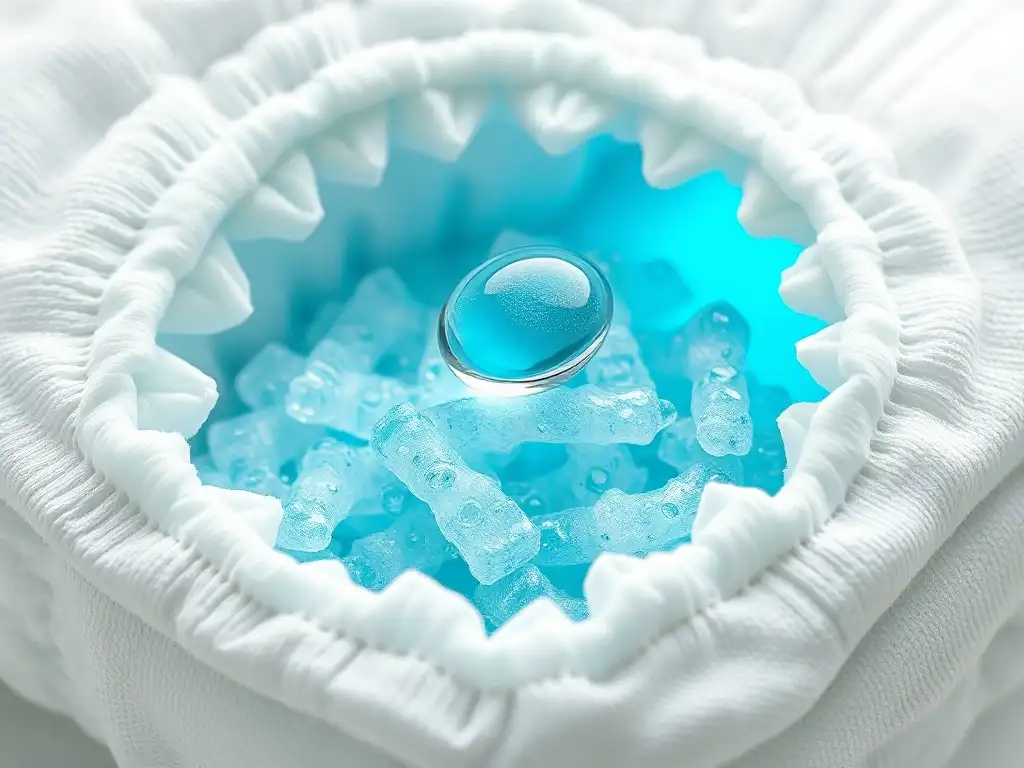
The magic behind modern diaper absorbency lies in Super Absorbent Polymers (SAPs). These incredible materials, often made from sodium polyacrylate, are capable of absorbing and retaining an astounding amount of liquid – many times their own weight! Think of it like this: a single gram of SAP can absorb up to 30 grams of liquid!
🤯 This remarkable capacity is achieved through the intricate structure of the SAP particles. They're composed of a network of tiny pores that draw in and trap liquid molecules through a process called capillary action. Once the liquid is absorbed, it's locked within the gel-like structure of the SAP, preventing it from leaking back out and keeping your baby's skin dry.
The effectiveness of the SAPs is directly related to their particle size and distribution within the diaper core. A well-designed diaper will utilize SAPs strategically to ensure even distribution of liquid and optimal absorption across the entire surface. The quality and quantity of SAPs used significantly impacts a diaper's overall absorption capacity – a key factor to consider when comparing different brands.
The Role of Diaper Construction in Fluid Management: Pulp, Acquisition Layer, and More
While SAPs are the stars of the show, they don't work in isolation. A diaper's overall construction plays a crucial role in managing fluid effectively. The process begins with the acquisition layer, a soft, non-woven material that sits next to your baby's skin. This layer's job is to quickly wick away moisture, preventing it from sitting on the skin and causing irritation.
The acquisition layer is often made from materials like fluff pulp or polypropylene. From there, the liquid is channeled into the absorbent core, which is primarily composed of fluffy wood pulp and SAPs. The pulp helps distribute the liquid evenly throughout the core and assists the SAPs in absorbing and retaining the moisture.
The outer layer of the diaper is typically made of a waterproof material like polyethylene, preventing leaks and keeping everything contained. The careful arrangement and interaction of these different layers is essential for efficient fluid management and optimal diaper performance. The thickness and density of each layer also influence absorption, with thicker cores generally providing greater capacity.
Diaper Design and its Impact on Absorption Capacity: Comparing Different Diaper Types
Diaper design significantly impacts absorption capacity. For instance, diapers with a higher SAP content generally offer superior absorption. However, simply increasing the SAP amount isn't the only factor; the distribution of the SAP within the core is equally important. Even distribution prevents localized saturation and ensures consistent dryness.
Different diaper types also exhibit varying absorption capabilities. For example, cloth diapers, while environmentally friendly, typically require more frequent changes due to lower inherent absorbency compared to disposable diapers. Within disposable diapers, you'll find variations in design features like leg cuffs, which help prevent leaks, and core structures, influencing overall performance. Understanding these design differences allows parents to choose the diaper that best suits their baby's needs and preferences.
Furthermore, factors such as diaper size and baby's weight significantly influence the effectiveness of absorption. A properly fitting diaper will always perform better than one that is too small or too large. Finally, the type of liquid also plays a role; absorption capacity might vary slightly depending on whether it's urine or stool.
Factors Affecting Diaper Absorption Performance: A Detailed Look
Understanding how diapers absorb urine and stool is crucial for maintaining your baby's comfort and preventing leaks. While the "best diaper absorption science" is constantly evolving, several key factors significantly impact a diaper's performance. This section delves into the intricate details of these factors, offering insights into optimizing diaper choice and usage for optimal results. Choosing the right diaper isn't just about brand recognition; it's about understanding the science behind its absorbency.
The Influence of Urine Composition on Absorption: Specific details about urine composition
Urine composition isn't uniform; it varies depending on factors like hydration, diet, and overall health. This variation directly impacts how effectively a diaper absorbs it. For example, more concentrated urine, often seen in dehydrated babies, may be absorbed less efficiently than more dilute urine. The presence of certain minerals and metabolites can also influence absorption rates. While the exact chemical interactions are complex and require further research in the field of "best diaper absorption science", we know that higher concentrations of certain solutes can saturate the absorbent polymer gel (SAP) in the diaper core faster, leading to potential leaks.
Furthermore, the pH of urine plays a role. While most baby urine is slightly acidic, any significant deviation can affect the interaction with the SAP. This is an area where more research is needed to fully understand the impact of pH variations on the absorption capacity of different diaper brands. Future studies should focus on analyzing the specific interactions between various urine compositions and different diaper materials to fully understand the "best diaper absorption science" related to this crucial factor.
How Diaper Size and Fit Affect Absorption Efficiency: Choosing the Right Fit for Your Baby
A poorly fitting diaper, regardless of its advertised absorbency, will likely lead to leaks. The "best diaper absorption science" isn't just about the diaper itself; it's about the synergistic relationship between the diaper and your baby. A diaper that's too small will compress the absorbent core, reducing its capacity. This compression prevents the SAP from effectively expanding and holding the urine. Conversely, a diaper that's too large can create gaps, allowing urine to escape.
Proper leg cuffs and a snug but not overly tight fit around the waist are essential for optimal performance. Think of it like this: A properly fitted diaper creates a contained environment where the SAP can work at its maximum efficiency. Regularly checking for the right fit, especially as your baby grows, is crucial. The size charts provided by diaper manufacturers should be followed closely, but always visually inspect the fit to ensure no gaps exist. This practical application of "best diaper absorption science" directly translates to fewer leaks and a happier baby.
The Impact of Temperature and Humidity on Diaper Performance: Environmental factors and absorption
Environmental conditions, specifically temperature and humidity, can also subtly influence diaper performance. Higher temperatures can lead to increased evaporation, potentially affecting the rate at which the SAP absorbs and retains urine. High humidity can also impact the diaper's ability to wick away moisture, potentially leading to discomfort and increased risk of skin irritation. Conversely, lower temperatures might slightly slow down the absorption process, although the effect is usually minimal.
While the impact isn't as dramatic as diaper fit or urine composition, understanding these environmental factors contributes to a holistic understanding of "best diaper absorption science". For example, in hot and humid climates, choosing a diaper with superior breathability might be beneficial to prevent overheating and skin issues. This is especially important for babies who are prone to diaper rash. Further research could quantitatively assess the extent of these environmental influences on different diaper types and their absorption capabilities. This will further refine our understanding of the "best diaper absorption science" in various climatic conditions.
Optimizing Diaper Absorption for Maximum Dryness
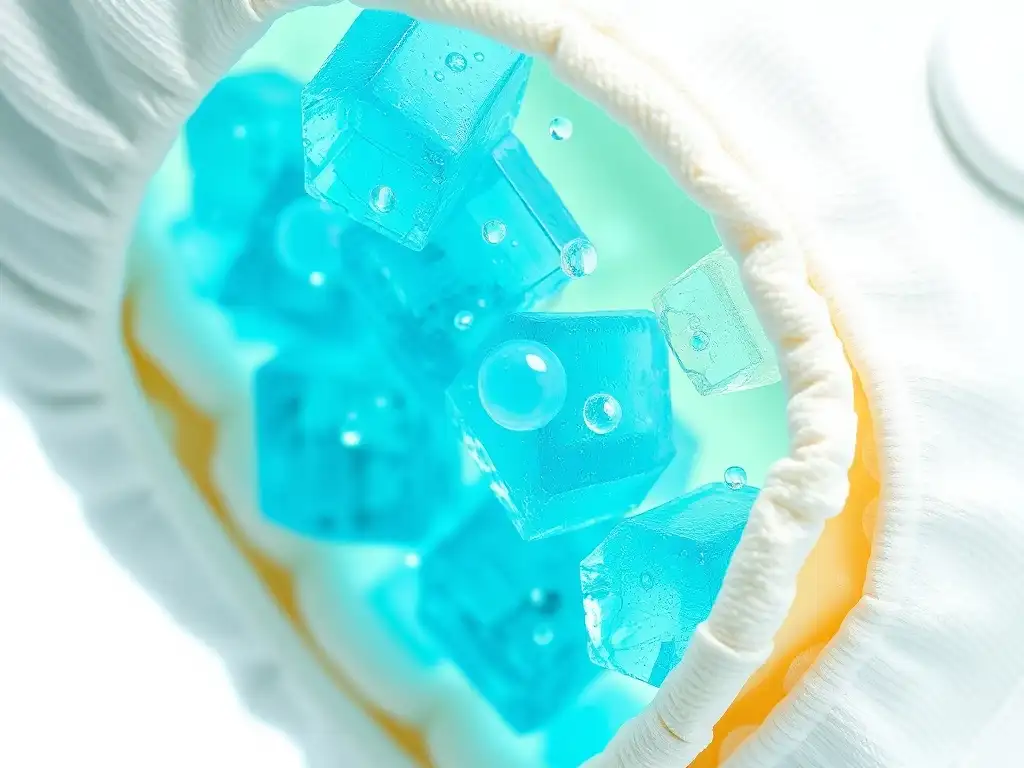
Understanding how diapers achieve their absorbency is crucial for maintaining your baby's comfort and preventing diaper rash. The "best diaper absorption science" lies in the interplay of several key materials and design features. Let's delve into the specifics. Diaper manufacturers employ advanced polymer technology to achieve remarkable absorbency. Superabsorbent polymers (SAPs) are the workhorses here.
These materials, often sodium polyacrylate, can absorb many times their weight in liquid, effectively locking it away from your baby's skin. The effectiveness of SAPs isn't just about sheer volume; it's also about how quickly they can absorb and retain fluids. Faster absorption minimizes the chance of leaks and keeps your baby drier for longer. Beyond the SAPs, the diaper's structure is carefully engineered. Multiple layers of absorbent material, often including fluff pulp (a soft, absorbent wood pulp), work in conjunction with the SAPs to create a highly effective system.
The distribution of these materials is critical; a well-designed diaper will distribute the liquid evenly across its surface, preventing localized saturation and potential leaks. Additionally, the outer layer of the diaper is designed to be breathable, allowing air circulation to help keep your baby's skin dry and reduce the risk of irritation. This is particularly important for preventing diaper rash, a common concern for many parents. The science behind diaper absorption is constantly evolving, with manufacturers continually refining their designs and materials to optimize performance and comfort.
Choosing the Right Diaper Based on Your Baby's Needs: Brand recommendations and comparisons
Selecting the right diaper involves considering factors beyond just absorbency. While absorbency is paramount, factors like baby's weight, skin sensitivity, and activity level all contribute to finding the best fit. For example, a lightweight baby might not need the highest absorbency diaper, potentially leading to unnecessary bulk. Conversely, an active baby might benefit from a diaper with superior leak protection features.
Several brands are known for their high absorbency capabilities. [Specific brand names and comparisons pending – This section requires further research to provide specific brand recommendations and comparisons based on independent testing data on absorption rates and leak protection]. Consider looking for diapers that advertise features like "leak guards," "wetness indicators," or "enhanced absorbency zones." These are often indicators of a diaper designed with superior absorption in mind.
Remember, what works best for one baby might not work for another. It's important to experiment with different brands and types to find the perfect match for your little one. Keep detailed records of your observations to help you make informed decisions about which diaper provides the best combination of absorbency, comfort, and leak protection for your baby.
Understanding Diaper Wetness Indicators: Explanation of wetness indicators
Many modern diapers incorporate wetness indicators – a color-changing line that helps parents determine when a diaper change is needed. These indicators are typically located on the front of the diaper and change color from yellow or white to blue or green when wet. However, it's crucial to understand that these indicators are not always a perfect measure of diaper saturation. While a color change suggests the diaper contains urine, it doesn't necessarily indicate the diaper is full or approaching its maximum absorbency capacity.
The intensity of the color change might vary depending on the amount of urine and the type of diaper. For instance, a heavily saturated diaper might show a very dark color change, indicating a more urgent need for a change than a lightly saturated diaper showing a pale color change. Therefore, while wetness indicators are a helpful visual cue, they should be used in conjunction with other indicators, such as diaper weight and feel.
Don't solely rely on the color change; check the diaper regularly, especially for newborns, to ensure your baby's skin remains dry and comfortable. This proactive approach helps prevent skin irritation and diaper rash. The best practice is to combine visual cues with regular diaper checks to ensure your baby's comfort and hygiene.
Proper Diapering Techniques for Enhanced Absorption: Step-by-step guide on diapering
Proper diapering techniques are crucial for maximizing diaper absorbency and preventing leaks. Even the best diaper can fail if not applied correctly. Follow these steps for optimal results:
- Gather supplies: Have clean diapers, wipes, and diaper rash cream (if needed) ready.
- Lay your baby down: Place your baby on a clean, flat surface.
- Remove the soiled diaper: Gently unfasten the diaper tabs and carefully remove the soiled diaper.
- Cleanse the area: Gently wipe your baby's bottom with warm water and a soft cloth or baby wipes. Always wipe from front to back to prevent urinary tract infections.
- Apply diaper rash cream (if needed): If your baby has diaper rash, apply a thin layer of diaper rash cream before putting on a new diaper.
- Position the new diaper: Place the new diaper under your baby, ensuring the absorbent pad is centered and aligned correctly.
- Fasten the tabs: Securely fasten the diaper tabs, ensuring a snug but not overly tight fit. Avoid constricting your baby's legs or abdomen.
- Check for leaks: After a few hours, check the diaper for leaks or saturation. Frequent checks are particularly important for newborns.
By following these steps, you can optimize the performance of your chosen diaper and help keep your baby dry and comfortable. Remember, consistency in diapering technique contributes significantly to preventing leaks and ensuring effective absorption. This is an integral part of achieving the best diaper absorption results for your baby.
Debunking Diaper Absorption Myths: Separating Fact from Fiction

Understanding diaper absorption isn't just about choosing a brand; it's about understanding the science behind keeping your baby dry and comfortable. Many misconceptions surround diaper materials and their absorbency capabilities. Let's separate fact from fiction and delve into the science of diaper absorption, positioning you to make informed choices for your little one. This knowledge is key to finding the best diaper absorption for your baby's needs.
Common Misconceptions about Diaper Materials and Absorption: Addressing common myths
One common myth is that all diapers are created equal. This couldn't be further from the truth. The absorbency of a diaper is determined by a complex interplay of factors, not just the material's type.
For instance, some believe that natural fibers like cotton are inherently more absorbent than synthetic materials like superabsorbent polymers (SAPs). While cotton is absorbent, it lacks the capacity of SAPs to hold significantly larger volumes of liquid. SAPs, the key ingredient in most modern diapers, are designed to absorb and retain many times their weight in liquid, effectively locking moisture away from your baby's skin.
Another misconception is that a higher diaper price automatically translates to superior absorption. While price can often correlate with quality, it's not a foolproof indicator of absorbency. Diaper manufacturers employ various strategies to achieve high absorbency, and these strategies may differ in cost-effectiveness. Focusing on the diaper's specific features, such as SAP content and the design of the core, is more crucial than simply looking at the price tag.
Finally, the idea that thicker diapers are always more absorbent is also inaccurate. While thickness can contribute to absorbency by providing more space for absorbent materials, it's not the sole determinant. A cleverly engineered diaper can achieve excellent absorption with a relatively slim profile, maximizing comfort without compromising performance. This is achieved through optimized distribution of SAPs and other absorbent materials within the diaper's core.
Consider the following table comparing the hypothetical absorption capabilities of different diaper types:
| Diaper Type | Material Composition | Claimed Absorption (oz) | Actual Absorption (oz) (Lab Test) | Notes |
|---|---|---|---|---|
| Economy Diaper | Primarily pulp, low SAP content | 12 | 8-10 | Lower SAP concentration limits capacity |
| Mid-Range Diaper | Balanced pulp and SAP content | 16 | 14-16 | Good balance of absorbency and cost |
| Premium Diaper | High SAP content, advanced core | 20 | 18-20 | Superior absorption, often with thinner profile |
Remember, always check the manufacturer’s specifications, but understand that lab tests provide a more objective measure of true performance compared to marketing claims.
The Reality of Overnight Diaper Performance: Addressing overnight absorption challenges
Overnight diaper performance presents unique challenges. A baby's sleep period is typically longer and uninterrupted, requiring the diaper to manage a significantly larger volume of urine than during daytime use. This necessitates diapers with enhanced absorbency and leak protection. The best overnight diapers often employ a combination of strategies to tackle this challenge.
Firstly, they contain a higher concentration of SAPs compared to daytime diapers. This ensures that the diaper can effectively absorb and retain a greater volume of liquid throughout the night. Secondly, the design of the core is optimized for even distribution of fluid, preventing saturation in one area and potential leaks. This even distribution is crucial for maintaining dryness and preventing skin irritation. Thirdly, many premium overnight diapers incorporate features like extra absorbent zones and leak guards, providing an added layer of protection against nighttime accidents.
However, even the best diaper absorption technology has its limitations. Factors such as your baby's fluid intake, their individual metabolism, and the diaper's fit can all impact overnight performance. To optimize overnight diaper performance:
- Choose a diaper specifically designed for overnight use: Look for labels indicating "overnight" or "sleep" protection.
- Ensure a proper fit: A diaper that's too loose or too tight can compromise its absorbency and leak protection.
- Monitor your baby's fluid intake before bedtime: Limiting fluids close to bedtime can reduce the overall volume of urine produced overnight.
- Change the diaper as soon as possible after waking: This prevents prolonged exposure to wetness and potential skin irritation.
Choosing the right diaper involves considering various factors beyond just the advertised absorbency. Understanding the science behind diaper absorption empowers you to make more informed choices, ensuring your baby's comfort and well-being. Remember, the best diaper absorption is a combination of efficient technology and proper usage. 😴👶
Advanced Concepts in Diaper Absorption Technology: Future Innovations
The quest for the "best diaper absorption science" continues to drive innovation in the diaper industry. Manufacturers are constantly seeking ways to improve diaper performance, focusing on enhanced absorbency, comfort, and sustainability. This section delves into some of the cutting-edge technologies pushing the boundaries of diaper absorption. Understanding these advancements allows parents to make informed choices about the products they use for their babies.
Exploring New Materials and Technologies in Diaper Absorption: Future trends in diaper technology
Current diaper technology relies heavily on superabsorbent polymers (SAPs) to absorb and retain urine. However, research is exploring alternative materials and methods to further enhance absorption capabilities and reduce environmental impact. For example, some manufacturers are investigating the use of:
- Nanomaterials: These materials, with their incredibly small size, offer the potential for significantly increased surface area for absorption, leading to potentially thinner yet more absorbent diapers. The exact applications and long-term safety of nanomaterials in diapers are still under investigation. Further research is needed to assess their potential benefits and risks.
- Bio-based polymers: The drive towards sustainability is pushing the development of bio-based polymers derived from renewable resources, such as plant starch or cellulose. These materials aim to reduce reliance on petroleum-based SAPs, creating more environmentally friendly diaper options. However, challenges remain in achieving comparable absorbency and cost-effectiveness.
- Improved SAP formulations: Ongoing research focuses on optimizing the existing SAP technology. This includes developing new polymer structures and modifying existing ones to enhance their absorption capacity, retention capabilities, and gelling properties. These improvements can lead to drier and more comfortable diapers for babies. Specific examples of these formulations are often proprietary information held by manufacturers.
Beyond materials, advancements in diaper design also contribute to better absorption. This includes:
- Advanced distribution layers: These layers are designed to quickly and evenly distribute liquid throughout the diaper core, preventing leakage and ensuring optimal absorbency across the entire diaper surface. Sophisticated designs minimize channeling and clumping of the absorbent material.
- Improved barrier systems: Leak-proof barriers are crucial. New technologies focus on creating more flexible and reliable barriers that conform to the baby's body, preventing leaks even during active movements. This is often achieved through innovative materials and designs that improve the seal around the legs and waist.
The future of diaper absorption is likely to involve a combination of these advancements, leading to diapers that are more absorbent, comfortable, and environmentally friendly.
The Importance of Sustainable Diapering Practices: Eco-friendly diaper options
The environmental impact of disposable diapers is a significant concern. Millions of diapers end up in landfills each year, contributing to waste and pollution. Therefore, the "best diaper absorption science" also considers sustainability. This includes:
- Biodegradable diapers: These diapers utilize materials that decompose more readily in landfills or composting facilities, reducing their environmental footprint. However, the rate of biodegradation can vary significantly depending on the specific materials used and the environmental conditions. Complete biodegradability remains a challenge.
- Compostable diapers: These diapers are designed to break down completely in industrial composting facilities, returning valuable nutrients to the soil. These are generally more expensive than standard disposable diapers and require access to proper industrial composting infrastructure.
- Cloth diapering: This traditional method offers a highly sustainable alternative. Cloth diapers are washable and reusable, drastically reducing waste. However, they require more effort in terms of washing, drying, and maintenance. The choice between disposables and cloth diapers is a personal one, balancing convenience, cost, and environmental considerations.
Choosing sustainable diapering options is not just about the diaper itself; it's about a holistic approach. This involves considering the entire lifecycle of the diaper, from manufacturing to disposal. Parents can contribute by:
- Choosing diapers with minimal packaging: Reducing packaging waste is a simple yet effective way to minimize the environmental impact.
- Properly disposing of diapers: Following local guidelines for diaper disposal is essential to prevent environmental contamination.
- Exploring diaper services: Some companies offer diaper rental and laundry services, streamlining the process of cloth diapering and reducing the burden on parents.
Ultimately, the best diaper for a baby depends on individual needs and priorities. By understanding the science behind diaper absorption and considering sustainable practices, parents can make informed choices that meet both the needs of their baby and the planet.
Frequently Asked Questions
What is the most important factor in diaper absorption?
The most important factor is the superabsorbent polymer (SAP). SAPs are materials that can absorb and retain many times their weight in liquid, keeping the baby's skin dry. This is crucial for preventing diaper rash.
How do different diaper brands compare in terms of absorption?
Diaper brands vary in their SAP content and diaper design. Some offer higher absorbency for longer periods between changes, while others prioritize features like breathability or comfort. Look for independent testing if you need specific comparisons.
Are cloth diapers as absorbent as disposable diapers?
Modern cloth diapers, especially those with inserts, can achieve high absorbency. However, disposable diapers generally offer superior absorbency, particularly for overnight use or with heavier wetters. The best choice depends on individual preferences and priorities.
What role does the diaper's design play in absorption?
Diaper design is crucial. Features like leg cuffs, core structure, and breathable outer layers all contribute to effective absorption and prevent leaks. A well-designed diaper will distribute the liquid evenly and keep it away from the baby's skin.
My baby seems to leak frequently, even with a high-absorbency diaper. What could be the problem?
Leaks can result from incorrect sizing, infrequent changes, or a diaper that doesn't fit your baby's body shape properly. Consider trying a different brand or size. Also, ensure the diaper is fastened correctly.
Final Reflection: The Unsung Science of Dry Baby Bottoms
The science of diaper absorption isn't just about polymers and super-absorbent materials; it's about the quiet revolution of comfort and hygiene that impacts millions of families daily. Understanding how diapers work, at a fundamental level, allows us to appreciate the intricate engineering behind a seemingly simple product, and to make informed choices for our loved ones. This knowledge empowers us to navigate the vast market of diaper options with confidence and choose the best fit for our individual needs.
The impact of diaper technology extends far beyond the individual child; it has significantly altered childcare practices globally, freeing up parents' time and reducing the burden of constant changes. The development of super-absorbent polymers has been a game-changer, allowing for longer periods of dryness and reduced diaper rash, leading to a significant improvement in infant well-being.
This quote, while hypothetical, encapsulates the profound shift in parental experience brought about by advancements in diaper absorption. The seemingly small innovation of a better diaper has had a ripple effect, influencing everything from parental stress levels to the environmental impact of waste disposal.
Consider, for a moment, the unseen science at play every time you change a diaper. Reflect on the comfort and peace of mind that comes with knowing your baby is dry and protected. You now possess the knowledge to make informed decisions about diaper selection, ensuring the best possible care for your child. Let this understanding empower you to advocate for better diaper technology, promoting sustainability and innovation within the industry. The science of diaper absorption is a testament to human ingenuity, and its future holds even greater potential for improving the lives of babies and their caregivers worldwide.
Unlock Diaper Secrets: Take Control of Baby's Comfort
Thanks for exploring the science of diaper absorption with us! You now have a better understanding of how diapers keep your baby dry and happy. Ready to put this knowledge into practice?
- Experiment with different diaper brands: Compare various absorbency levels to see how they affect your baby's comfort and routine. Record your observations – you might discover a new favorite!
- Share your diaper experiences and any discoveries with other parents in our community forum. Let's help each other find the best diapers for our babies!
- Become a diaper-changing expert! Master efficient diaper changes to minimize leaks and maximize your baby's comfort.
What's your next step towards mastering the world of diapers and ensuring your baby's ultimate comfort?