
Baby Food Stages Timeline: A Guide for Parents

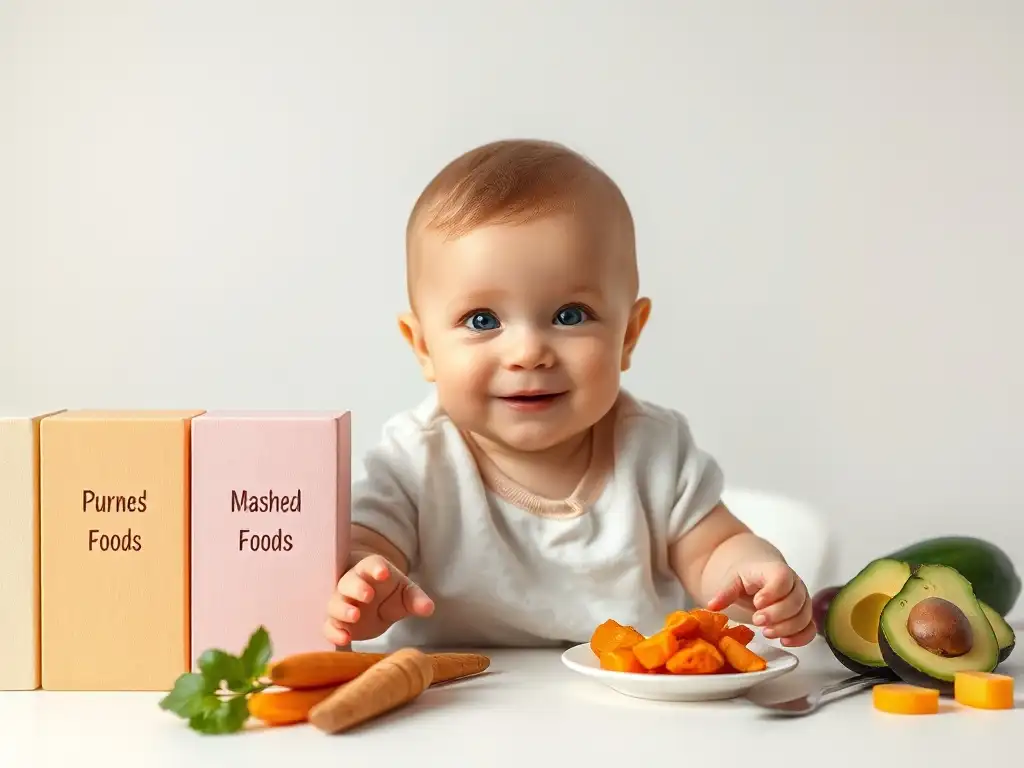
Welcome to BabyCareHub, your ultimate guide to navigating the exciting yet sometimes overwhelming world of parenthood. Are you ready to embark on the incredible journey of introducing solids to your little one? We understand the questions swirling in your mind, and that's why we've created this detailed Baby food introduction timeline, a comprehensive resource to help you confidently navigate this crucial milestone in your baby's development. Discover expert advice, practical tips, and reassuring answers to all your feeding questions – and unlock the secrets to a smooth and healthy transition to solid foods. Let's begin!
- Understanding the Baby Food Introduction Timeline
- Stage 1: Purees and Single-Ingredient Foods (4-6 Months)
- Stage 2: Slightly Thicker Purees and Mashed Foods (6-8 Months)
- Stage 3: Soft Finger Foods and Chopped Foods (8-12 Months)
- Stage 4: Family Foods (12 Months +)
- Potential Challenges and Solutions in Baby's Food Journey
- Creating a Personalized Baby Food Schedule
- Frequently Asked Questions
- Final Reflection: Navigating the Delicious Journey of Baby-Led Weaning
- Unlock Your Baby's Culinary Journey!
Understanding the Baby Food Introduction Timeline
Introducing your baby to solid foods is a significant milestone, filled with excitement and perhaps a touch of anxiety for first-time parents. This comprehensive guide provides a detailed timeline and practical advice on introducing solids, helping you navigate this exciting journey with confidence. We’ll explore the ideal time to start, the key signs of readiness in your little one, and the best choices for those first crucial meals.
Understanding the baby food introduction timeline is key to ensuring your baby receives proper nutrition and develops healthy eating habits from the start. This guide focuses on the crucial first steps, providing a roadmap to successfully introduce solid foods to your baby, addressing common concerns and offering expert-backed recommendations.
Successfully navigating this stage sets the foundation for a positive relationship with food throughout your child's life. Remember, every baby is unique, so while this timeline serves as a helpful guide, always consult your pediatrician for personalized advice tailored to your baby's specific needs and development.
When to Start Introducing Solids: The 4-6 Month Mark
Most pediatricians recommend introducing solid foods between 4 and 6 months of age. Before 4 months, a baby's digestive system isn't fully developed to handle solid foods, and introducing them too early can lead to digestive issues. After 6 months, the window of opportunity for optimal nutritional absorption from breast milk or formula begins to diminish. This 4-6 month window is generally considered the ideal time to begin supplementing breast milk or formula with solid foods.
However, it's crucial to look beyond just age. Your baby's developmental milestones are equally important indicators of readiness. Waiting until your baby shows clear signs of readiness ensures a smoother transition and minimizes potential problems. This includes things like being able to sit upright with minimal support, showing interest in food (watching you eat, reaching for your food), and having good head and neck control.
This timeframe is a guideline; individual babies may develop at slightly different paces. Always consult your pediatrician to determine the best time to start introducing solids for your baby. Early introduction can strain their digestive system, while delaying too long can lead to nutritional deficiencies. The key is to observe your baby's cues and work in conjunction with your pediatrician's advice.
Signs of Readiness for Solid Foods: Developmental Milestones
Beyond the age range, several key developmental milestones signal your baby's readiness for solid foods. These aren't just arbitrary markers; they indicate that your baby's body and digestive system are prepared for this new stage of nutrition. Observe your baby carefully for these signs:
- Good Head and Neck Control: Can hold their head steady and upright without support.
- Sitting Upright: Can sit with minimal support. This is crucial for safe swallowing and preventing choking.
- Showing Interest in Food: Watches you eat with interest, reaches for your food, or opens their mouth when offered food.
- Loss of Tongue-Thrust Reflex: The tongue-thrust reflex, which pushes food out of the mouth, generally diminishes around 4 months.
- Doubled Birth Weight: Many babies have doubled their birth weight by 4-6 months, indicating adequate growth and readiness for complementary nutrition.
Ignoring these signs can lead to frustration for both you and your baby, and may even result in rejection of solid foods later on. Remember, a smooth and positive introduction to solids lays the foundation for a healthy relationship with food throughout their life. Patience and observation are key.
Choosing the Right First Foods: Purees, Single-Ingredient Options
The first foods you introduce should be simple, easily digestible, and low in allergens. Purees are a popular starting point because they are smooth and easy for babies to swallow. Single-ingredient purees allow you to easily identify any potential allergies.
Here are some excellent first-food options:
| Food | Benefits | Considerations |
|---|---|---|
| Sweet Potato | Rich in Vitamin A, fiber | Cook thoroughly until very soft. |
| Avocado | Healthy fats, creamy texture | Ripe avocados are essential for easy mashing. |
| Banana | Easy to mash, potassium source | Ensure it’s ripe and soft. |
| Butternut Squash | Rich in Vitamin A, fiber, easily digestible | Cook until very soft and puree until smooth. |
| Peas | Vitamins and minerals | Offer as a puree or well-mashed. |
Avoid introducing multiple new foods at once. Introduce one new food at a time, waiting 2-3 days before adding another. This allows you to monitor for any allergic reactions or digestive upset. Remember to always supervise your baby during feeding and never leave them unattended. A calm and positive approach to mealtimes will set the stage for a happy and healthy relationship with food.
Stage 1: Purees and Single-Ingredient Foods (4-6 Months)
This stage marks the exciting beginning of your baby's culinary journey! Between 4 and 6 months, most babies are developmentally ready to start solids. This doesn't mean they'll suddenly abandon breast milk or formula – these remain the primary source of nutrition for the first year. Instead, introducing purees and single-ingredient foods gradually complements their existing diet, introducing new flavors and textures.
Remember, this is a timeline, not a rigid schedule; every baby develops at their own pace. Consult your pediatrician before introducing solids to ensure your little one is ready. The key indicators of readiness include the ability to sit upright with minimal support, showing interest in food, and having good head and neck control.
Introducing Single-Ingredient Purees: Fruits, Vegetables, and Grains
The best approach is to introduce one new food at a time, waiting 2-3 days before introducing another. This allows you to monitor for any allergic reactions (more on that below). Start with simple, easily digestible purees.
Here's a sample schedule, but remember to adjust it based on your baby's preferences and any advice from your pediatrician:
| Day | Food | Notes |
|---|---|---|
| 1 | Sweet Potato Puree | Excellent source of Vitamin A and fiber. Cook until very soft. |
| 3 | Avocado Puree | Creamy texture, rich in healthy fats. |
| 6 | Banana Puree | Naturally sweet and easily mashed. |
| 9 | Green Bean Puree | Mild flavor, good source of vitamins and fiber. |
| 12 | Rice Cereal | Introduce iron-rich rice cereal mixed with breast milk or formula. |
Remember to always start with small portions – a teaspoon or two is sufficient initially. Gradually increase the amount as your baby gets used to solids. The consistency should be smooth and thin, easily swallowed without choking. Avoid adding salt, sugar, or honey. The natural sweetness of fruits and vegetables is perfect for this stage.
Safe Food Handling Practices for Baby Food Preparation
Hygiene is paramount when preparing baby food. Follow these practices diligently to minimize the risk of foodborne illnesses:
- Wash your hands thoroughly: Before preparing any food, wash your hands with soap and water for at least 20 seconds.
- Clean surfaces: Sanitize all surfaces and utensils that will come into contact with the baby's food.
- Use fresh ingredients: Use fresh, high-quality ingredients. Avoid using foods that are past their prime.
- Cook thoroughly: Cook all foods until they are soft and well-cooked to destroy any harmful bacteria.
- Cool properly: Allow the food to cool completely before serving to prevent burns.
- Store safely: Store leftover purees in airtight containers in the refrigerator for up to 24 hours. Never refreeze thawed purees.
Following these steps will help ensure your baby's food is safe and nutritious. Remember, preventing foodborne illness is crucial for a healthy baby. Always err on the side of caution.
Identifying Allergic Reactions: Recognizing Signs and Symptoms
Introducing new foods comes with the potential for allergic reactions. While most babies tolerate new foods well, it's crucial to be aware of potential symptoms. Allergic reactions can range from mild to severe.
- Mild Reactions: These can include rashes, hives, mild itching, or a slightly runny nose. These often appear within a few hours of eating the food.
- Severe Reactions: Severe reactions are rare but life-threatening. They may include swelling of the face, lips, or tongue (angioedema), difficulty breathing, vomiting, and diarrhea. These require immediate medical attention.
If you notice any of these symptoms after introducing a new food, stop feeding your baby that food immediately and contact your pediatrician. Keep a detailed food diary to track what your baby eats and any reactions they may have. This information will be invaluable in identifying potential allergens and helping your pediatrician make informed recommendations. Early detection and management of allergies are key to ensuring your baby's well-being. Remember, a watchful eye and prompt action are crucial in managing potential allergic reactions.
Stage 2: Slightly Thicker Purees and Mashed Foods (6-8 Months)

This stage marks a significant step in your baby's culinary journey. Around 6-8 months, your little one is ready for slightly thicker purees and mashed foods, paving the way for more complex textures and flavors. This transition is crucial for developing their chewing and swallowing skills, preparing them for the exciting world of finger foods in the next stage.
Remember, every baby develops at their own pace, so observe your child's cues and adjust the texture accordingly. Always prioritize safety and introduce new foods one at a time, waiting a few days to monitor for any allergic reactions. This careful approach to baby food introduction timeline is essential.
Gradually Increasing Texture: From Smooth to Chunky Purees
Initially, you might continue with smooth purees, but gradually increase the thickness. Think of it as a slow progression from a creamy consistency to something a bit more substantial. You can achieve this by:
- Reducing the liquid: Start by slightly decreasing the amount of liquid (breast milk, formula, or water) used when blending fruits and vegetables.
- Using less liquid in cooking: If you steam or boil vegetables before pureeing, reduce the cooking liquid to create a thicker puree.
- Adding cooked grains: Introduce small amounts of cooked and mashed grains like rice, oatmeal, or barley to thicken the puree and add nutrients.
- Using a coarser sieve or blender: Instead of using a high-speed blender, you can use a coarser sieve or a less powerful blender to create a slightly chunkier texture.
For example, instead of a completely smooth sweet potato puree, you can leave some small, soft lumps. This helps your baby get used to different textures and strengthens their jaw muscles. Remember to always supervise your baby during feeding and ensure the pieces are small enough to avoid choking hazards. Monitoring your baby's baby food introduction timeline progress is key.
Introducing Combination Purees: Blending Flavors and Nutrients
Stage 2 is the perfect time to start introducing combination purees. This is a great way to expand your baby's palate and provide a wider range of nutrients. You can experiment with various flavour combinations:
- Sweet and savory: Mix sweet potato with a small amount of carrot and zucchini puree.
- Fruity and creamy: Combine mashed banana with avocado puree for a naturally sweet and healthy treat.
- Vegetable medley: Blend together peas, green beans, and butternut squash for a nutritious and colorful combination.
Remember to introduce one new ingredient at a time to easily identify any potential allergies. Keep a food diary to track what you're feeding your baby and note any reactions. A diverse range of flavors introduced according to a suitable baby food introduction timeline will help your baby develop healthy eating habits.
Self-Feeding Skills Development: Encouraging Independence
As your baby's motor skills improve, they'll start showing interest in self-feeding. Stage 2 is a great time to begin encouraging this independence. You can offer slightly thicker purees in a shallow bowl or on a soft spoon. Let your baby explore the food with their hands, even if it gets a little messy! This helps them develop hand-eye coordination and sensory awareness.
Here are some tips for encouraging self-feeding:
- Offer soft, easily manageable pieces: Avoid anything that could pose a choking hazard.
- Supervise closely: Always remain present during mealtimes to prevent choking.
- Be patient and encouraging: It takes time and practice for babies to master self-feeding.
- Keep it fun and positive: Make mealtimes enjoyable and stress-free.
Remember, the transition to self-feeding is a gradual process. Be patient and celebrate your baby's milestones as they gain confidence and skill. A well-planned baby food introduction timeline, combined with encouragement and supervision, will ensure a smooth and enjoyable transition into this exciting new stage.
Stage 3: Soft Finger Foods and Chopped Foods (8-12 Months)
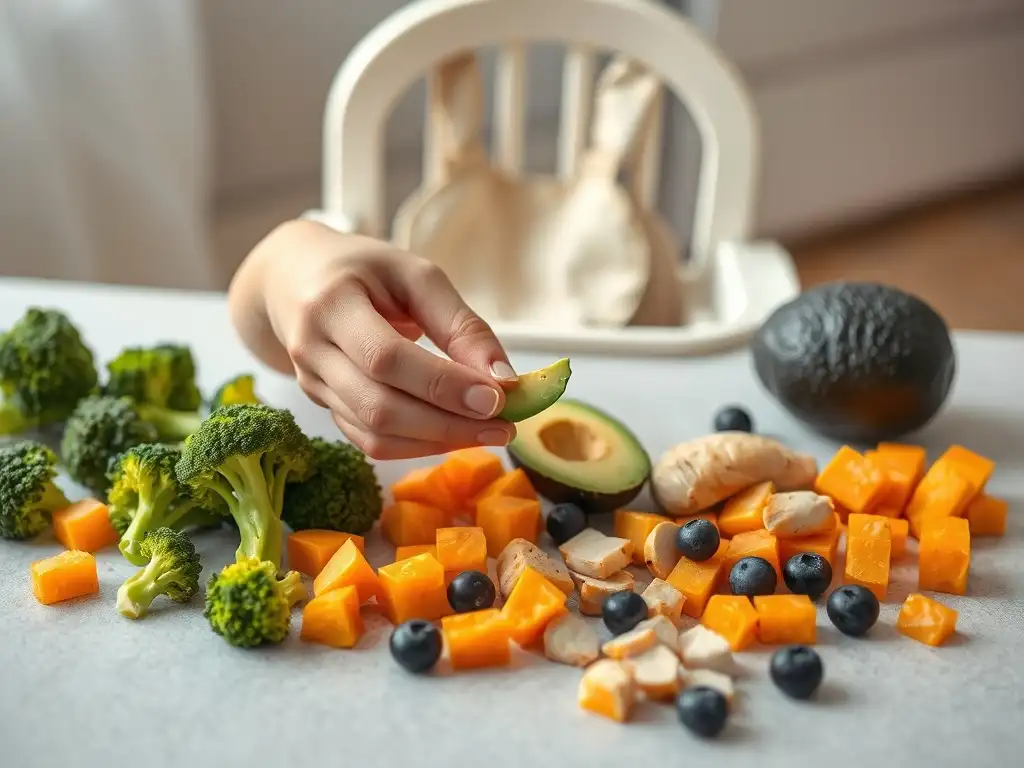
This stage marks a significant milestone in your baby's development: the transition from purees to more textured foods. Between 8 and 12 months, your baby is likely developing the crucial chewing and swallowing skills needed to handle soft finger foods and finely chopped pieces. This phase is exciting, but it also requires careful attention to safety and appropriate food choices.
Mastering this stage will pave the way for a broader range of foods in the coming months. Remember, every baby develops at their own pace, so don't be discouraged if your little one takes a bit longer to adapt. This timeline focuses on the baby food introduction timeline for average development.
Introducing Soft Finger Foods: Safe Options and Choking Prevention
Introducing soft finger foods is a crucial step in your baby's journey towards self-feeding. The key here is to prioritize safety. Choking is a serious concern, so selecting appropriately sized and textured foods is paramount. Opt for foods that easily dissolve or mash in the mouth.
Here's a list of safe and suitable options:
- Well-cooked, soft vegetables: Steamed carrots, sweet potatoes, green beans, and broccoli florets (cut into small, manageable sticks).
- Soft fruits: Ripe bananas (sliced into small pieces), well-cooked pears or applesauce (ensure no large chunks), and ripe avocado (mashed or in small pieces).
- Plain cooked pasta: Small shapes like elbow macaroni or ditalini, cooked until very soft.
- Soft cheese: Small cubes of well-cooked cheese like cheddar or mozzarella (ensure it's not too hard).
- Oats: Well-cooked oatmeal, ensuring it's not too sticky.
Choking Prevention Tips:
- Supervise your baby closely during every meal. Never leave them unattended.
- Cut food into small, manageable pieces. Aim for sizes no larger than ½ inch in diameter.
- Avoid round, hard foods that can easily lodge in the throat.
- Introduce one new food at a time. This helps identify any potential allergies.
- Be aware of your baby's cues. If they seem to be struggling, stop feeding them immediately.
- Learn infant CPR. Knowing this life-saving technique can be crucial in emergency situations.
Developing Chewing and Swallowing Skills: Age-Appropriate Food Choices
As your baby gets closer to 12 months, they'll start to develop more sophisticated chewing and swallowing skills. This allows you to introduce slightly more textured foods. However, avoid anything that's too hard or difficult to manage.
The focus should remain on foods that are easily mashed or dissolved in the mouth. Here are some examples:
- Scrambled eggs: Well-cooked and finely chopped.
- Chicken or fish: Flaked or finely shredded, ensuring no bones are present.
- Soft tofu: Cut into small, manageable cubes.
- Well-cooked lentils or beans: Mashed or very finely chopped.
- Whole-wheat bread: Slightly toasted and cut into small strips or fingers.
Remember to always monitor your baby carefully during this period and adjust the texture of foods according to their abilities. If they seem to be struggling, revert back to softer options.
Managing Mealtimes: Portion Sizes and Feeding Strategies
Mealtimes should be enjoyable and stress-free experiences for both you and your baby. Remember that portion sizes at this stage are still small. Focus on offering a variety of healthy foods rather than large quantities. Your baby's appetite will vary from day to day.
Portion Size Guidelines:
| Food Category | Approximate Portion Size | Notes |
|---|---|---|
| Fruits & Vegetables | 1-2 tablespoons | Offer a variety of colors and textures. |
| Grains | 1-2 tablespoons | Choose whole-grain options whenever possible. |
| Protein | 1-2 tablespoons | Offer lean protein sources like chicken, fish, or beans. |
| Dairy | 1-2 tablespoons | Offer whole milk or full-fat yogurt. |
Feeding Strategies:
- Let your baby self-feed whenever possible. This helps them develop their fine motor skills and independence.
- Create a positive and relaxed mealtime environment. Avoid distractions and pressure.
- Be patient and encouraging. It takes time for babies to learn to eat new foods.
- Don't force your baby to eat. If they refuse a particular food, try again another day.
- Offer water in a sippy cup. This helps them stay hydrated.
Remember, this is a guide, and every baby develops differently. Trust your instincts and adjust the food textures and portion sizes according to your baby's individual needs and preferences. Consulting with your pediatrician is always recommended if you have any concerns about your baby's development or feeding habits. Enjoy this exciting phase of your baby's growth! 🎉
Stage 4: Family Foods (12 Months +)
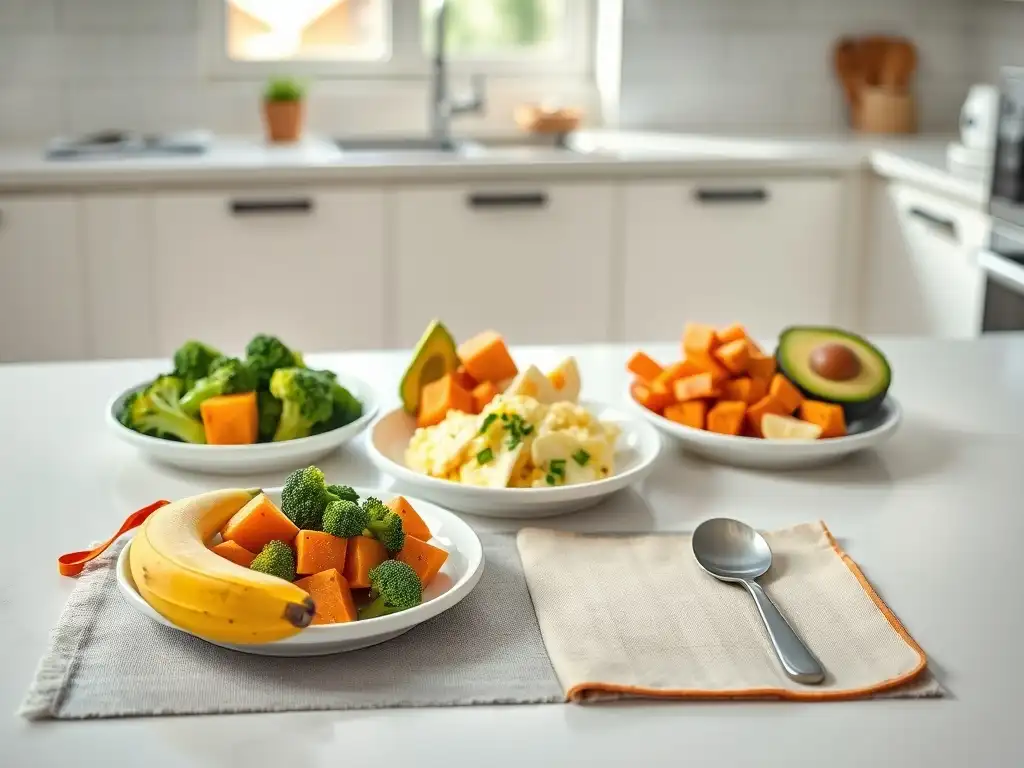
This stage marks a significant milestone in your baby's culinary journey: the transition to family meals! Around 12 months, your baby's digestive system is typically mature enough to handle a wider variety of foods, mirroring the family's diet. This simplifies meal preparation and allows your little one to enjoy the same delicious and nutritious meals as everyone else. However, careful consideration is still necessary to ensure safety and appropriate textures.
This section details how to successfully navigate this exciting phase of baby food introduction. Remember, always consult your pediatrician before introducing new foods, especially if your baby has allergies or specific dietary needs. This baby food introduction timeline focuses on a gradual and safe approach.
Transitioning to Family Meals: Adapting Recipes for Baby
Successfully transitioning your baby to family meals requires careful adaptation of recipes. While your baby can now eat most foods, texture remains crucial. Avoid hard, crunchy foods that pose a choking hazard, such as whole nuts, popcorn, and raw carrots. Instead, opt for soft-cooked vegetables, well-cooked meats cut into small, manageable pieces, and soft fruits.
Here are some practical tips for adapting family meals for your baby:
- Soft Cooking Methods: Steam, boil, or bake foods until very tender. This ensures easy chewing and swallowing.
- Size Matters: Cut food into small, bite-sized pieces, no larger than ½ inch. This minimizes the risk of choking.
- Texture Control: Puree or mash foods as needed to achieve a suitable consistency. You can gradually decrease the puree as your baby develops better chewing skills.
- Seasoning with Caution: Avoid adding excessive salt, sugar, or honey to your baby's food. Focus on natural flavors. A tiny pinch of herbs and spices can enhance the taste without harming your baby.
Remember, the goal is to introduce a variety of flavors and textures while prioritizing safety. This is a gradual process, and your baby might initially show preference for certain foods. Be patient and persistent! 🎉
Nutrient-Rich Family Food Choices: A Balanced Diet for Toddlers
Once your baby transitions to family meals, focusing on a balanced and nutritious diet becomes paramount. Toddlers need a variety of nutrients to support their rapid growth and development. Here's a guide to incorporating nutrient-rich foods into your family's meals:
| Food Group | Examples | Nutritional Benefits |
|---|---|---|
| Fruits | Berries, bananas, applesauce, peaches | Vitamins, minerals, fiber |
| Vegetables | Sweet potatoes, peas, green beans, broccoli | Vitamins, minerals, fiber |
| Whole Grains | Oatmeal, whole-wheat bread, brown rice | Fiber, complex carbohydrates, B vitamins |
| Lean Protein | Chicken, fish, beans, lentils, tofu | Protein, iron, zinc |
| Healthy Fats | Avocado, olive oil, nuts (after 1 year) | Healthy fats, essential fatty acids |
| Dairy/Dairy Alternatives | Yogurt, cheese, milk (or alternatives) | Calcium, vitamin D |
This table provides a starting point. Encourage your toddler to try a wide range of foods from each group to ensure a balanced intake of essential nutrients.
Dealing with Picky Eaters: Strategies for Encouraging Healthy Eating
Picky eating is common among toddlers. However, with patience and persistence, you can encourage healthy eating habits. Here are some strategies:
- Offer Variety: Continue to offer a variety of healthy foods, even if your toddler rejects them initially. Persistence is key! It can take multiple exposures before a child accepts a new food.
- Make it Fun: Cut food into fun shapes using cookie cutters, create colorful arrangements on the plate, or involve your toddler in age-appropriate food preparation.
- Positive Reinforcement: Praise and celebrate your toddler's attempts to try new foods, even if they only take a small bite. Avoid power struggles over food.
- Lead by Example: Toddlers often mimic their parents' eating habits. Show them that you enjoy eating healthy foods.
- Be Patient: It takes time for toddlers to develop healthy eating habits. Avoid getting discouraged if your toddler is resistant to new foods. Keep offering a variety of healthy options, and eventually, they will come around.
Remember, a positive and relaxed approach to mealtimes is crucial. Focus on creating a positive association with food rather than making it a battleground. This is a marathon, not a sprint! 🏃♀️
Potential Challenges and Solutions in Baby's Food Journey
Introducing solid foods to your baby is a significant milestone, filled with excitement and, inevitably, some challenges. Navigating this new phase requires patience, understanding, and a proactive approach to potential hurdles. This section addresses some common difficulties parents encounter and offers practical solutions to ensure a smooth transition to solid foods for your little one. Remember, every baby is unique, and their journey with food will be individual.
Dealing with Constipation and Diarrhea during Food Introduction
Constipation and diarrhea are common occurrences during the baby food introduction timeline. Changes in diet, the introduction of new foods, and the development of the baby's digestive system can all contribute to these issues.
Constipation, characterized by infrequent or difficult bowel movements, can be managed by increasing your baby's fluid intake (breast milk or formula) and introducing foods rich in fiber. Pureed fruits like prunes and pears are excellent sources of fiber and can help soften stools. Adding a small amount of water to purees can also help. However, always consult your pediatrician before making significant dietary changes. If constipation persists or becomes severe, seek professional medical advice.
Diarrhea, on the other hand, involves loose, watery stools and can be caused by food intolerances, infections, or simply the body adjusting to new foods. Monitor your baby for signs of dehydration, such as decreased urination or dry mouth. If diarrhea is accompanied by fever, vomiting, or significant lethargy, seek immediate medical attention.
In milder cases, focus on offering bland, easily digestible foods like rice cereal and bananas, while ensuring adequate hydration. Remember to carefully track your baby's food intake and bowel movements to identify potential triggers. This meticulous record-keeping can be invaluable in pinpointing the cause of the problem and collaborating effectively with your pediatrician.
Addressing Food Allergies and Intolerances: Seeking Professional Advice
Introducing new foods one at a time, waiting 2-3 days between each new food, is a crucial step in identifying potential allergies or intolerances. This allows parents to observe their baby's reaction to each ingredient and pinpoint any adverse effects. Common allergic reactions can manifest as skin rashes, hives, vomiting, diarrhea, or difficulty breathing.
While introducing new foods gradually helps minimize risks, some babies may still exhibit allergic reactions. Early detection is critical. Keep a detailed food diary, noting not only what was eaten but also the timing and any subsequent symptoms. This diary will be an invaluable resource for your pediatrician. If you suspect a food allergy or intolerance, immediately consult your pediatrician or an allergist. They can conduct thorough assessments and provide tailored advice on managing the allergy or intolerance, potentially including allergy testing and the development of a personalized dietary plan.
Managing Fussy Eating Habits: Tips for Parents
Many parents encounter fussy eating habits during their baby's food journey. This is perfectly normal; babies are developing their taste preferences and learning to explore new textures and flavors.
Here are some tips to encourage healthy eating habits and manage picky eating:
- Offer a variety of foods: Introduce different colors, textures, and flavors to broaden your baby's palate.
- Make mealtimes enjoyable: Create a positive and relaxed atmosphere at mealtimes, avoiding pressure or distractions.
- Be patient and persistent: It can take multiple exposures to a new food before a baby accepts it. Don't give up easily!
- Lead by example: Show your baby that you enjoy healthy eating.
- Avoid power struggles: Don't force your baby to eat. Instead, offer small portions and let them decide how much they want to eat.
- Involve your baby in the process: Let your baby help with age-appropriate tasks like washing fruits or vegetables. This can increase their interest in food.
Remember, the baby food introduction timeline is a gradual process. Celebrate small victories, and don't be discouraged by setbacks. With patience, understanding, and the support of your pediatrician, you can navigate this exciting phase successfully and ensure your baby thrives. The key is consistency and a focus on building a positive relationship with food. 🧸
Creating a Personalized Baby Food Schedule
Introducing solid foods to your baby is a significant milestone, and while guidelines exist, remember that each baby develops at their own pace. A rigid "baby food introduction timeline" isn't always the best approach. This section focuses on adapting the general recommendations to suit your little one's unique needs and preferences. The key is flexibility and careful observation.
Adapting the Timeline to Your Baby's Individual Needs
Every baby is different. Some show early signs of readiness for solids, while others take their time. Don't rush the process! Signs of readiness include: good head control, the ability to sit upright with support, showing interest in food, and opening their mouth when offered a spoon. However, even if your baby displays these signs, they might not be ready for solids if they are under 4 months old. Always consult your pediatrician before starting solids.
The traditional timeline often suggests starting around 6 months, but this is just a guideline. If your baby is showing strong signs of readiness before 6 months, discuss it with your pediatrician. They can assess your baby's development and determine if early introduction is appropriate. Conversely, if your baby isn't showing interest or exhibiting the necessary developmental milestones at 6 months, there's no need to worry. Wait until they are ready. Remember, patience is crucial.
Creating a personalized schedule involves observing your baby's cues. If they seem full or disinterested, stop feeding and try again later. Start with small portions, gradually increasing the amount as your baby gets used to solids. Introduce single-ingredient foods first to monitor for any allergies. Keep a food diary to track what you feed your baby and note any reactions. This careful monitoring will help you create a safe and successful introduction to solid foods. Don't be afraid to experiment with different textures and flavors, but always prioritize safety and your baby's comfort.
Monitoring Growth and Development: Seeking Guidance from Pediatricians
Regular check-ups with your pediatrician are essential throughout this process. They can monitor your baby's growth, assess their development, and address any concerns you may have. Your pediatrician can provide personalized advice based on your baby's individual needs and help you adjust the baby food introduction timeline accordingly.
While the general guidelines offer a helpful framework, individual variations are significant. Some babies might readily accept a wide variety of foods, while others might be more selective. It's not uncommon for babies to reject certain foods initially, only to accept them later. Don't get discouraged if your baby doesn't immediately embrace every new food. Keep offering a variety of healthy options, and be patient.
Monitoring your baby's weight and overall health is paramount. If you notice any significant changes in their weight or development, or if you suspect an allergy, contact your pediatrician immediately. They can conduct thorough examinations and provide the necessary guidance to ensure your baby's health and well-being. Remember that open communication with your pediatrician is key to a successful and safe transition to solid foods.
They are your best resource for navigating this exciting stage of your baby's development. Don't hesitate to reach out with any questions or concerns. Your pediatrician's expertise will help you tailor the "baby food introduction timeline" to perfectly fit your baby's unique journey.
Frequently Asked Questions
When should I start introducing solid foods to my baby?
The recommended time to introduce solid foods is around 6 months old, when your baby shows signs of readiness, such as good head control and interest in food. Always consult your pediatrician.
What are the first foods I should offer my baby?
Start with single-ingredient purees like sweet potato, avocado, or peas. Introduce one new food at a time, waiting 2-3 days to check for allergies.
How much baby food should I give my baby at each meal?
Begin with very small portions, a teaspoon or two, gradually increasing the amount as your baby gets used to solids. Follow their cues; don't force them to eat.
What if my baby refuses to eat solid foods?
Don't worry! Some babies take time to adjust. Continue offering a variety of foods in a relaxed and positive environment. Persistence is key.
What are some signs of food allergies I should watch out for?
Be alert to rashes, vomiting, diarrhea, or difficulty breathing after introducing a new food. If you see any of these, consult your pediatrician immediately.
The journey of introducing solid foods to your baby is a pivotal moment in parenthood, a delicate dance between nutrition, development, and the sheer joy of watching your little one explore new tastes. This seemingly simple act is far more complex than it initially appears, impacting not only your baby's physical health but also their sensory development and future relationship with food. Understanding the nuances of a well-paced introduction is crucial for setting them up for a lifetime of healthy eating habits.
The impact of early feeding choices resonates far beyond the first year. It shapes a child's palate, influences their acceptance of diverse foods, and even contributes to their overall well-being. We are what we repeatedly do. Excellence, then, is not an act, but a habit.
- Aristotle. This quote, while not directly about baby food, perfectly encapsulates the long-term consequences of establishing healthy eating patterns from the very beginning. The choices we make during this crucial period lay the foundation for a lifetime of healthy relationships with food, impacting everything from weight management to nutritional intake.
Now, as you embark on this exciting adventure, remember that this timeline is a guide, not a rigid rule. Trust your instincts, observe your baby's cues, and celebrate each milestone, no matter how small. Embrace the mess, the joy, and the inevitable learning curve. You are your baby's first and most important teacher in the world of food, and your patience and love will nurture their healthy growth and development. Take a deep breath, enjoy the process, and remember that every spoonful is a step towards a brighter, healthier future for your little one.
Unlock Your Baby's Culinary Journey!
Thank you for exploring BabyCareHub's guide to baby food stages! We hope the timeline was helpful and has boosted your confidence as you embark on this exciting new adventure. Now, let's put that knowledge into practice.
- Start your baby's personalized food journey today! Begin by introducing age-appropriate foods, carefully observing your baby's reactions. Remember to introduce only one new food at a time.
- Share your baby's food adventures! We'd love to hear about your experiences and see photos of your little one enjoying their meals. Share your stories on our social media pages!
- Explore our collection of delicious and nutritious baby food recipes, tailored to each developmental stage, on the BabyCareHub website.
What exciting new food combinations are you looking forward to trying with your little one, and what's your plan for managing picky eating?