
RearFacing vs. ForwardFacing: When to Make the Switch

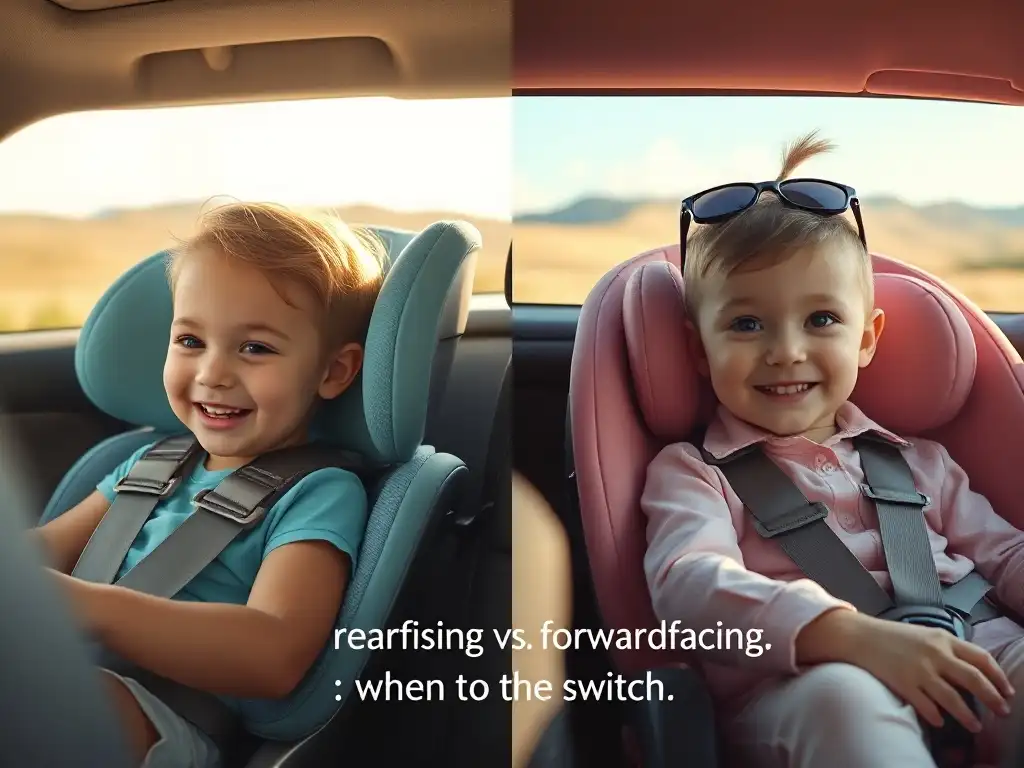
Welcome to BabyCareHub, your ultimate guide to navigating the exciting yet sometimes overwhelming world of parenthood. Are you wondering about the best car seat turning age for your little one? The decision of when to switch from rear-facing to forward-facing car seats is crucial for your baby's safety. Discover the expert advice and detailed insights you need to make this important choice with confidence in our comprehensive guide, "Rear-Facing vs. Forward-Facing: When to Make the Switch," found within our Navigating Baby Essentials section. Let's ensure your baby's journey is as safe and smooth as possible!
- Understanding the Importance of Rear-Facing Car Seats
-
The Transition to Forward-Facing: Best Car Seat Turning Age
- When Can My Child Switch to a Forward-Facing Car Seat? Legal Requirements and Expert Recommendations
- Determining the Optimal Time: Your Child's Height, Weight, and Development
- Signs Your Child is Ready: Physical Development and Maturity
- Gradual Transition: Strategies for a Smooth Switch to Forward-Facing
-
Forward-Facing Car Seats: Safety Features and Considerations
- Safety Features to Look for in Forward-Facing Car Seats: Harness Systems, Side Impact Protection, etc.
- Graco Extend2Fit Forward-Facing Car Seat Review: Comparing Features and Safety Ratings
- Choosing the Right Forward-Facing Car Seat: Size, Weight, and Budget
- Best Forward-Facing Car Seats for Different Ages and Body Types: A Comparative Guide
- Common Myths About Forward-Facing Car Seats Debunked
- Maximizing Safety: Installation and Usage Tips for Both Types of Car Seats
- Choosing the Best Car Seat Turning Age for Your Child: A Personalized Approach
- Frequently Asked Questions (FAQs) about Car Seat Turning Age
-
Frequently Asked Questions
- What is the best age to turn a car seat forward-facing?
- My child is almost two. Should I turn their car seat forward-facing?
- Are there any safety risks associated with turning a car seat too early?
- What are the legal requirements for car seat turning age?
- My child is uncomfortable rear-facing. Should I still wait?
- Final Reflection: The Evolving Landscape of Child Car Seat Safety
- Uncover Your Baby's Perfect Car Seat Position!
Understanding the Importance of Rear-Facing Car Seats
Choosing the right car seat is paramount for your baby's safety. This decision is not merely about convenience; it's about significantly reducing the risk of serious injury or death in the event of a car accident. This article delves into the crucial question of when to transition your child from a rear-facing to a forward-facing car seat, helping you make the safest and most informed decision for your little one.
We'll explore the benefits of rear-facing, the risks associated with premature switching, and offer guidance on determining the optimal time for the transition – ultimately helping you understand the best car seat turning age for your child. Navigating the world of car seats can be overwhelming for first-time parents, but with clear information and a focus on safety, we aim to provide you with the confidence to make the right choice. Remember, your baby's safety is our top priority.
The Safest Position for Infants: Rear-Facing Car Seat Benefits
The overwhelming consensus among child safety experts is that keeping your baby rear-facing for as long as possible is the safest option. In a collision, a rear-facing car seat distributes the impact force across your baby's entire body, protecting their delicate head, neck, and spine. The car seat's shell acts as a protective barrier, significantly reducing the risk of injury. Forward-facing, on the other hand, exposes the baby's head and neck to greater forces, increasing the chance of severe injury.
Consider these key benefits:
- Superior Head and Neck Protection: Rear-facing distributes impact forces more effectively, minimizing the risk of whiplash and head injuries.
- Stronger Spinal Support: The car seat's support cradles the baby's spine, offering superior protection compared to forward-facing.
- Reduced Risk of Internal Injuries: The reduced stress on the neck and spine also helps minimize the risk of internal injuries.
- Extended Protection Period: Keeping your child rear-facing until they reach the maximum height and weight limits of their car seat provides extended protection during their most vulnerable years.
Choosing a rear-facing car seat that meets the latest safety standards is crucial. Always refer to the manufacturer's instructions for weight and height limits.
Rear-Facing Car Seats and Newborn Safety: Minimizing Risks
Newborns are especially vulnerable in car accidents due to their underdeveloped necks and spines. A rear-facing car seat is designed to mitigate these risks. The snug fit and supportive shell provide a secure environment, minimizing movement during a collision. Proper installation is crucial; ensure the car seat is tightly secured to the vehicle's seat using the appropriate latch system or seat belt.
Consider these factors for newborn safety:
- Proper Installation: Incorrect installation can significantly reduce the effectiveness of the car seat. Consider professional installation if you're unsure.
- Choosing the Right Car Seat: Select a car seat that is designed for newborns and has excellent safety ratings.
- Regular Inspections: Regularly check the car seat for any damage or wear and tear. Replace it if necessary.
- Appropriate Positioning: Ensure your baby is correctly positioned in the car seat, with their harness snugly fastened.
Britax One4Life Rear-Facing Car Seat Review: Features and Safety Ratings
The Britax One4Life is a popular choice among parents, lauded for its extended rear-facing capabilities and impressive safety features. It's designed to accommodate children from birth up to 120 lbs, allowing for prolonged rear-facing use, which aligns perfectly with safety recommendations. [Specific information pending on safety ratings and detailed features].
While this car seat offers a long rear-facing period, always remember to consult the manufacturer's instructions and your child's specific growth to determine the appropriate time for the forward-facing transition. Remember, the "best car seat turning age" is not a fixed number, but rather a range determined by your child's size and the car seat's specifications. Prioritizing safety always remains paramount.
Choosing the Right Rear-Facing Car Seat: Size and Weight Limits
Selecting the appropriate rear-facing car seat is crucial for your baby's safety. The most important factors to consider are the car seat's size and weight limits. These limits are clearly indicated on the car seat's label and are determined by the manufacturer based on rigorous safety testing. Ignoring these limits can significantly compromise your child's safety in the event of a collision.
Manufacturers specify both a minimum and maximum weight and height for rear-facing use. The minimum weight is usually around 5 pounds, although some infant car seats accommodate newborns weighing less. The maximum weight and height can vary considerably between models, ranging from 35 to 50 pounds and up to 40 inches. Exceeding these limits means the car seat may not provide adequate protection in a crash. The child might outgrow the harness system, rendering it ineffective. In addition, the child's head could extend beyond the top of the car seat, increasing the risk of head injuries.
It's essential to regularly check your child's size and weight against the car seat's limits. You should consider switching to a convertible car seat that allows for extended rear-facing capabilities once your child nears the maximum limits of their infant car seat. This extended rear-facing period is vital, as studies consistently show that rear-facing car seats offer superior protection in a crash compared to forward-facing seats for young children.
Always prioritize safety and consult your car seat's manual for precise weight and height guidelines. Remember, even if your child appears to have ample room, exceeding the manufacturer's limits invalidates the car seat's safety certifications. Therefore, adhering to these limits is non-negotiable for optimal child safety.
Don't hesitate to consult a certified child passenger safety technician for personalized guidance on choosing the right car seat and ensuring its proper installation. They can help you find a car seat that fits your child's size and your vehicle safely and correctly.
The Transition to Forward-Facing: Best Car Seat Turning Age
This section focuses on determining the optimal time to transition your child from a rear-facing to a forward-facing car seat. Finding the best car seat turning age is crucial for your child's safety. Remember, safety should always be the top priority. We'll explore legal requirements, expert recommendations, and developmental milestones to help you make the informed decision.
When Can My Child Switch to a Forward-Facing Car Seat? Legal Requirements and Expert Recommendations
The legal minimum age for transitioning to a forward-facing car seat varies by location. However, expert recommendations consistently advise keeping children rear-facing for as long as possible, ideally until they reach the maximum height and weight limits of their rear-facing car seat. This is often around age two, but many children remain safely rear-facing well beyond this age.
Many car seat manufacturers design their seats to accommodate children rear-facing up to 40 or even 50 pounds and 40 inches tall. Check your car seat's manual for its specific limits. Ignoring these limits is a serious safety risk. The added protection provided by rear-facing significantly reduces the risk of injury in a collision.
The longer a child remains rear-facing, the better protected they are in a crash.
- American Academy of Pediatrics (AAP)
Following legal minimums isn't enough; prioritize the safety recommendations from organizations like the AAP and the National Highway Traffic Safety Administration (NHTSA). They emphasize the superior protection offered by rear-facing car seats for longer periods.
Determining the Optimal Time: Your Child's Height, Weight, and Development
While legal minimums exist, focusing solely on age is misleading. The best car seat turning age is determined by a combination of factors: height, weight, and developmental maturity. Let's break it down:
- Height: Many rear-facing car seats have a maximum height limit. Reaching this limit is a strong indicator it's time to consider a forward-facing seat. Always refer to your car seat's manual for precise measurements.
- Weight: Similar to height, exceeding the maximum weight limit for rear-facing is another crucial factor. Again, consult your car seat's manual.
- Development: While less quantifiable, your child's overall development plays a role. If they show signs of discomfort or physical limitations in a rear-facing seat, it might be time to consider alternatives. However, discomfort should not outweigh safety. If they are still under the maximum height and weight limits, explore adjustments or consider a different rear-facing car seat model before switching.
| Factor | Consideration |
|---|---|
| Height | Check your car seat's manual for the maximum height limit. |
| Weight | Check your car seat's manual for the maximum weight limit. |
| Development | Observe your child for signs of discomfort or physical limitations. Prioritize safety. |
Signs Your Child is Ready: Physical Development and Maturity
While height and weight are key, observing your child's physical development offers additional insight. However, remember that these are secondary considerations to height and weight limits. Never switch before reaching those limits.
- Outgrowing the harness: If your child's shoulders are above the highest harness slot, it's time for a change. This indicates the harness is no longer providing adequate restraint.
- Head hitting the car seat: If your child's head consistently touches the top of the car seat while rear-facing, it might indicate they're approaching the height limit. Again, prioritize weight and height limits first.
- Discomfort: Some children might express discomfort while rear-facing, particularly older toddlers. However, this is not a primary reason to switch. Explore other options before making the switch. Properly adjusted seating can often alleviate this.
Remember, the transition to a forward-facing car seat is a significant one. Prioritize safety by following the manufacturer's recommendations and consulting with a certified child passenger safety technician. They can provide personalized guidance based on your child's unique needs and car seat selection. The goal is not just to meet the best car seat turning age but to ensure your child is optimally protected in the car. 🚗👶
Gradual Transition: Strategies for a Smooth Switch to Forward-Facing
Switching your child from a rear-facing to a forward-facing car seat can be a significant adjustment for both parent and child. A gradual transition can significantly ease this process and minimize any potential anxieties. It's not just about the physical change in the car seat; it's about adapting to a new visual perspective and potentially a new level of comfort for your little one.
One effective strategy is to introduce the forward-facing car seat gradually. Don't just swap it out overnight. Instead, begin by placing the forward-facing seat in the car alongside the rear-facing seat for a few days. Let your child explore the new seat, touch it, and even sit in it while you're still using the rear-facing seat. This familiarization period can help reduce fear or resistance when the switch finally happens.
Another important element is timing. Consider the child’s developmental stage. Is your child showing signs of readiness? Are they curious about their surroundings and eager to see what's ahead? While the minimum age and height requirements for forward-facing are crucial safety considerations, a child's emotional readiness should also play a role in your decision-making process. Forcing a child who isn't ready can lead to increased fussiness during car rides and create negative associations with the car seat.
Furthermore, consider the duration of car rides. Start with short trips to practice sitting forward-facing. Gradually increase the length of trips as your child becomes more comfortable. Positive reinforcement goes a long way. Praise and rewards for good behavior in the new car seat can help foster a positive association and encourage cooperation. A small toy or a favorite snack can work wonders in making the transition smoother. Remember, patience is key. It may take several days or even weeks before your child completely adjusts to the new position.
Remember to always prioritize safety. Ensure the forward-facing car seat is properly installed according to the manufacturer's instructions and meets all applicable safety standards. Regularly check the harness straps to ensure a snug and secure fit. Even with a gradual transition, you need to be vigilant about safety. The “best car seat turning age” isn’t just about physical maturity, but also about ensuring your child feels secure and comfortable in their new car seat.
Forward-Facing Car Seats: Safety Features and Considerations
Forward-facing car seats offer a different set of safety considerations compared to rear-facing seats. While offering more space and potentially better visibility for the child, they necessitate a careful evaluation of specific safety features to ensure optimal protection. The transition to a forward-facing seat should only occur once your child meets the minimum height and weight requirements specified by the car seat manufacturer and your pediatrician. Remember, safety is paramount.
Safety Features to Look for in Forward-Facing Car Seats: Harness Systems, Side Impact Protection, etc.
Choosing a forward-facing car seat requires meticulous attention to detail. Several key features significantly impact the level of protection offered. Let's delve into the most crucial aspects:
- Harness System: The harness is the primary restraint in a car seat. Look for a five-point harness system (two shoulder straps, two hip straps, and a crotch strap) that is easy to adjust and firmly secures your child. The straps should lie flat against your child's body without twisting or bunching. Consider seats with easy-to-use adjusters for height and harness tightness. A properly adjusted harness is critical for effective protection in a collision.
- Side Impact Protection: Side-impact crashes are a significant concern. Choose a car seat with reinforced side panels and additional padding designed to absorb impact energy and protect your child's head and torso. Look for car seats that have received high ratings in side-impact crash tests from independent safety organizations.
- LATCH System: The Lower Anchors and Tethers for Children (LATCH) system provides a simple and standardized method for securing the car seat in your vehicle. Ensure the car seat is compatible with your vehicle's LATCH system and that the anchors are properly connected. A securely installed car seat is crucial for its effectiveness.
- Head Support: Adequate head support is vital, particularly in forward-facing seats. The headrest should be adjustable to accommodate your child's growth and provide proper support in the event of a collision. Look for headrests that extend high enough to comfortably support the child's head and neck.
- Recline Options: Some forward-facing car seats offer adjustable recline positions. This can enhance comfort and improve the fit of the harness, especially for younger children who may not yet have developed good posture.
Choosing a car seat with these enhanced safety features significantly improves your child's protection while traveling. Remember to always refer to the manufacturer's instructions for proper installation and use.
Graco Extend2Fit Forward-Facing Car Seat Review: Comparing Features and Safety Ratings
The Graco Extend2Fit is a popular choice for parents. Let's analyze its features and safety ratings to see how it stacks up against other options.
While specific safety ratings can vary depending on the testing organization and year of manufacture, the Graco Extend2Fit generally receives positive reviews for its safety features. It typically boasts a robust five-point harness system, good side-impact protection, and a user-friendly LATCH system. Its extended rear-facing capabilities are also noteworthy, offering longer rear-facing use which is generally considered safer. However, it's essential to always check the most up-to-date safety ratings from organizations like the IIHS (Insurance Institute for Highway Safety) before purchasing. [Specific Graco Extend2Fit safety rating data pending]
The Extend2Fit's design features also contribute to its popularity. The extended rear-facing capacity is a significant advantage, and its relatively lightweight design makes it easier to install and maneuver. However, the design and features are always subject to changes by the manufacturers.
Key Features of the Graco Extend2Fit
- Five-point harness system
- Extended rear-facing capability
- Side impact protection
- LATCH system
- Adjustable headrest
Choosing the Right Forward-Facing Car Seat: Size, Weight, and Budget
Selecting the right forward-facing car seat involves considering several factors beyond safety features. Size, weight, and budget all play a critical role in your decision.
- Size: Ensure the car seat is appropriately sized for your child. The seat should provide a snug and comfortable fit without being too restrictive. Check the manufacturer's height and weight limits to ensure your child fits within the specified range. A car seat that's too small or too large can compromise safety.
- Weight: The weight of the car seat itself is an important consideration, particularly if you frequently move the seat between vehicles or need to carry it. Lighter car seats are generally easier to handle.
- Budget: Car seats range in price significantly. While safety shouldn't be compromised, setting a budget beforehand can help you narrow down your options and find a seat that meets your needs without breaking the bank. Look for sales and discounts, but prioritize safety features over cost.
Remember, the "best" car seat turning age is determined by your child's individual height and weight, as well as the car seat's specific specifications. Always consult your child's pediatrician and the car seat manufacturer's instructions before making the switch to a forward-facing car seat. Prioritize safety above all else.
Best Forward-Facing Car Seats for Different Ages and Body Types: A Comparative Guide
Choosing the right forward-facing car seat involves considering both the child's age and physical dimensions. Manufacturers often provide height and weight guidelines, but it's crucial to understand the nuances. A child who is taller or heavier than average for their age might outgrow the lower height or weight limits of a car seat sooner than expected. Conversely, a smaller child may need to remain rear-facing for longer than the average. This can lead to a need for different car seats at different stages of growth.
Several factors contribute to the "best" forward-facing car seat. These include the seat's overall safety ratings, ease of installation, and additional features like side-impact protection, adjustable headrests, and harness systems that accommodate a growing child. Some seats offer extended rear-facing capabilities, allowing children to stay rear-facing longer, which is generally considered safer. However, once the child outgrows the rear-facing limits, carefully selecting a forward-facing seat becomes paramount.
A comparative guide would necessarily involve listing specific models, which is beyond the scope of this general overview. However, we can highlight key features to look for when comparing different forward-facing car seats. For example, consider the type of harness system. Five-point harnesses are generally preferred for their superior safety in a collision.
Additionally, look for seats with easily adjustable harnesses and headrests to accommodate the child's changing size. Features like LATCH (Lower Anchors and Tethers for Children) connectors simplify installation, making it easier to ensure a secure fit. Finally, always prioritize car seats with high safety ratings from independent testing organizations. These ratings are often publicly available and provide valuable insights into the performance of different models in crash simulations.
Consulting these ratings is a crucial step in determining the best forward-facing car seat for your child's specific needs. Remember that safety should always be the top priority when choosing any car seat. Regularly check the car seat's instructions and ensure it is properly installed and adjusted to fit your child correctly.
Common Myths About Forward-Facing Car Seats Debunked
Many parents, eager to see their little ones, rush the transition to a forward-facing car seat. However, several myths surround this decision, leading to potentially unsafe practices. Let's debunk some of the most common misconceptions regarding the "best car seat turning age."
Myth 1: Forward-Facing is Safer After [Age/Weight]
This is perhaps the most pervasive myth. There's no magic age or weight where forward-facing suddenly becomes safer. In fact, pediatric safety experts overwhelmingly recommend keeping children rear-facing for as long as possible, ideally until they reach the highest weight or height limit allowed by their car seat's manufacturer. This can often extend well beyond the commonly cited age of two.
The reason is simple: A rear-facing car seat distributes the force of a collision across the child's entire body, protecting their vulnerable head, neck, and spine. Forward-facing seats, while safer than no car seat, place significantly more stress on these areas in the event of a crash. The stronger the impact, the greater the risk of serious injury or fatality.
Data from numerous studies consistently demonstrates the superior protection offered by rear-facing car seats. Choosing to turn your child forward-facing prematurely significantly increases their risk of injury. Prioritizing the highest weight or height limit on your rear-facing car seat is key to maximizing safety.
Remember, the "best car seat turning age" is not a fixed number; it's determined by your child's size and your car seat's specifications. Consult your car seat's manual and your pediatrician for personalized guidance.
Myth 2: My Child is Too Big for a Rear-Facing Car Seat
Many parents believe that if their child appears to be "outgrowing" their rear-facing car seat, it's time to switch. However, "outgrowing" is often a subjective assessment. While a child might seem cramped, the car seat is designed to accommodate a certain range of sizes, often exceeding what many parents anticipate.
It's crucial to consult the manufacturer's instructions. The car seat will specify maximum weight and height limits for rear-facing. As long as your child falls within those limits, they are safe and should remain rear-facing. Consider these points:
- Legroom: While a child's legs might be bent, this is perfectly acceptable and does not compromise safety. The car seat's harness and shell are designed to protect the vital areas, regardless of leg position.
- Comfort: Adjusting the car seat's straps and headrest can often improve comfort. A slightly uncomfortable position is far preferable to the increased risk associated with premature forward-facing.
- Harness fit: Ensure the harness is properly adjusted and snug. A loose harness significantly reduces the effectiveness of the car seat.
Myth 3: Forward-Facing Car Seats are More Comfortable for Toddlers
While it might seem intuitive that a forward-facing position is more comfortable, this isn't necessarily true. Many toddlers happily and safely remain rear-facing, even appearing content to sleep comfortably in this position. The perception of discomfort often stems from parents' subjective assessment and not from the child's actual experience.
Focusing solely on perceived comfort is a dangerous compromise. The increased safety provided by rear-facing far outweighs any minor discomfort a child might experience. Remember, a child's safety is paramount. Prioritize safety over convenience. Numerous resources and expert opinions emphasize the importance of extended rear-facing, dispelling the notion that forward-facing is inherently more comfortable for toddlers. Prioritize safety; a slightly less comfortable ride is a small price to pay for significantly enhanced protection.
Choosing the right car seat and understanding when to switch is a crucial aspect of ensuring your child's safety. By dispelling these common myths, parents can make informed decisions that prioritize their child's well-being. Remember, always consult your pediatrician and your car seat’s manual for specific guidance tailored to your child’s needs and your car seat model. The "best car seat turning age" is not a universal number but rather a personalized decision based on these factors. 👶🚗
Maximizing Safety: Installation and Usage Tips for Both Types of Car Seats
This section focuses on practical advice to ensure optimal safety regardless of whether your car seat is rear-facing or forward-facing. Remember, even the best car seat is ineffective if not installed and used correctly. Finding the best car seat turning age is only one part of the equation; proper usage is paramount.
Proper Installation of Rear-Facing and Forward-Facing Car Seats: Step-by-Step Guide
Installing a car seat correctly is crucial for your child's safety. Incorrect installation can significantly reduce the effectiveness of the car seat in a collision. The steps may vary slightly depending on the specific car seat model and your vehicle, so always consult your car seat's manual.
Rear-Facing Installation:
- Secure the Base: Ensure the base is firmly attached to your vehicle's seat using either the vehicle's seat belt or the Lower Anchors and Tethers for Children (LATCH) system. A properly installed base should not move more than one inch side-to-side or front-to-back at the belt path.
- Attach the Car Seat: Click the car seat securely onto the base, ensuring a firm connection. You should hear a clear "click" indicating a proper latch.
- Adjust the Recline: Adjust the car seat to the appropriate recline angle as indicated in your car seat manual. This is essential for proper support and safety.
- Check for Stability: Gently try to move the car seat. It should be firmly secured and not shift easily.
Forward-Facing Installation:
- Remove the Base (if applicable): Some convertible car seats can be used forward-facing without the base. Follow your car seat's instructions.
- Secure the Car Seat: Use the vehicle's seat belt to secure the car seat to the vehicle's seat. Route the belt through the designated belt paths.
- Tighten the Seat Belt: Pull the seat belt tightly to eliminate any slack. The car seat should not move more than one inch side-to-side or front-to-back at the belt path.
- Check for Stability: Again, gently try to move the car seat to ensure it's firmly secured.
Securing Your Child in the Car Seat: Harnessing Techniques and Common Mistakes
Even with a correctly installed car seat, improper harnessing can compromise your child's safety. Here's how to do it right:
- Harness Tightness: The harness straps should be snug against your child's body. You should be able to pinch only a small amount of fabric at the collarbone. Too loose, and the child could be ejected in a collision.
- Chest Clip Position: The chest clip should be positioned at armpit level. This ensures the harness straps remain properly positioned across the child's chest and shoulders.
- No Bulky Clothing: Avoid dressing your child in bulky clothing under the harness, as this can create slack and reduce the effectiveness of the restraints.
- Recline Angle: The car seat should be at the correct recline angle, especially for infants. This will prevent your baby from slumping forward.
Common Mistakes:
| Mistake | Consequence | Correction |
|---|---|---|
| Loose Harness Straps | Increased risk of ejection in a collision | Tighten straps until snug against the child's body |
| Incorrect Chest Clip Position | Improper harness distribution | Adjust to armpit level |
| Bulky Clothing Under Harness | Creates slack, reducing harness effectiveness | Dress child in thinner clothing |
| Twisted Harness Straps | Compromises harness function | Untwist straps and re-thread correctly |
Regular Car Seat Inspections: Checking for Damage and Wear and Tear
Regular inspection is vital to ensure the continued safety and functionality of your car seat. Look for the following:
- Cracks or Breaks: Carefully examine the car seat's plastic shell for any cracks, breaks, or damage. Even small cracks can compromise structural integrity.
- Harness Damage: Inspect the harness straps for fraying, cuts, or excessive wear. Damaged straps should be replaced immediately.
- Expiration Date: Check the car seat's manufacturing date and expiration date (if applicable). Many car seats have a lifespan, after which they should be replaced.
- Recall Information: Periodically check for any recalls on your specific car seat model. Manufacturers issue recalls if safety issues are discovered. Staying informed is key. 🚗👶
Remember, prioritizing your child's safety is paramount. By following these guidelines and regularly inspecting your car seat, you significantly increase the chances of protecting your little one during travel. Knowing the best car seat turning age is just one piece of the puzzle; diligent car seat maintenance is equally important.
Choosing the Best Car Seat Turning Age for Your Child: A Personalized Approach
The question of when to turn your child's car seat from rear-facing to forward-facing is a crucial one for parents. There's no single "best" age; instead, the optimal time depends on a combination of factors, prioritizing your child's safety and development. While many car seats allow a transition around age 2, adhering strictly to this age without considering other crucial aspects could compromise your child's safety. The focus should be on reaching the maximum height and weight limits recommended by the car seat manufacturer before transitioning to a forward-facing position.
Considering Individual Factors: Your Child's Unique Needs and Development
Each child develops at their own pace. While guidelines exist, they're not one-size-fits-all. Consider these individual factors:
- Height and Weight: This is paramount. Consult your car seat's manual; it will specify the maximum height and weight limits for rear-facing. Do not turn your child forward-facing until these limits are reached. Many car seats allow rear-facing up to 40 pounds or even higher, significantly exceeding the age 2 guideline. Failing to utilize the full rear-facing capacity of your car seat leaves your child with less protection in a collision.
- Physical Development: Observe your child's physical development. Does your child comfortably fit in the rear-facing position? Are their legs bent at the knees? If they're cramped or uncomfortable, it might be a sign to consider a different car seat with more rear-facing space. However, slight discomfort from bent knees is preferable to the increased risk of injury associated with premature forward-facing.
- Head and Neck Control: While not a primary determinant, good head and neck control can indicate readiness for forward-facing. However, this should always be secondary to the height and weight limits specified by the car seat manufacturer. A child might display good head control before reaching the recommended weight and height, but premature forward-facing compromises safety.
- Developmental Milestones: While developmental milestones are important, they shouldn't override the car seat manufacturer's recommendations on height and weight. Focus on the physical parameters first. Using a checklist of milestones alongside physical measurements gives a comprehensive picture.
Here's a simple table to illustrate the importance of individualized assessment:
| Child | Age (Years) | Height (cm) | Weight (kg) | Rear-Facing? | Notes |
|---|---|---|---|---|---|
| Lily | 2 | 90 | 14 | Yes | Reached age 2, but still under weight limit |
| Tom | 2.5 | 95 | 16 | Yes | Above average height and weight for age |
| Mia | 1.5 | 85 | 13 | Yes | Underweight, needs to grow more |
Remember: Prioritizing your child's safety means adhering to the manufacturer's guidelines on height and weight before considering age as the primary factor in making the switch. 👶
Consulting with a Child Passenger Safety Technician
Seeking advice from a Certified Child Passenger Safety Technician (CPST) is highly recommended. These trained professionals can assess your child's individual needs, inspect your car seat installation, and provide personalized guidance on the optimal time to switch to forward-facing. They can also identify any potential safety issues and help you choose the right car seat for your child's size and developmental stage.
A CPST can answer specific questions related to your car seat, ensuring a safe and proper installation. Their expertise offers an invaluable resource in navigating this critical aspect of child safety. Finding a CPST near you can often be done through online searches or by contacting your local health department.
Resources and Further Information on Car Seat Safety
Numerous resources are available to help parents understand car seat safety guidelines and best practices. These resources frequently provide detailed information on proper installation techniques, weight and height recommendations, and the importance of rear-facing as long as possible. Familiarizing yourself with these resources empowers you to make informed decisions regarding your child's car seat safety. Remember that staying informed is crucial to ensuring your child’s safety on the road. Continuous learning and attention to detail regarding car seat safety is a vital aspect of responsible parenthood. The investment in your child’s safety is immeasurable.
Frequently Asked Questions (FAQs) about Car Seat Turning Age
This section addresses common queries surrounding the optimal age to transition a child from a rear-facing to a forward-facing car seat. Finding the best car seat turning age is crucial for your child's safety. Remember, safety should always be the top priority.
What are the legal requirements for car seat usage in [State/Country]?
Determining the best car seat turning age involves understanding the legal framework in your specific location. Laws vary considerably. For example, in many parts of the United States, laws generally recommend keeping children rear-facing until they reach the maximum height and weight limits specified by the car seat manufacturer. This is often well beyond the age of two. However, specific state regulations can differ, and some states might have minimum age requirements for forward-facing.
It's absolutely crucial to check your state's or country's specific child passenger safety laws. You can typically find this information on your local Department of Transportation or equivalent government agency website. Don't rely solely on generalized advice; always confirm the legal requirements applicable to your region. Failing to comply with these regulations can result in penalties.
Ignoring legal requirements puts your child at unnecessary risk. Prioritize safety and familiarize yourself with the precise rules where you live. The penalties for non-compliance can vary widely, from fines to more serious consequences. Knowing the rules ensures you're providing the safest possible environment for your child.
What happens if my child exceeds the height/weight limits for their current car seat?
Exceeding the height and weight limits printed on your car seat's label is a critical safety concern. Your child's car seat is designed to provide optimal protection within a specific range. Once those limits are surpassed, the car seat's ability to effectively protect your child in a collision is significantly compromised. This means that the best car seat turning age is not solely determined by age, but by physical dimensions.
In this situation, you must immediately transition your child to a car seat appropriate for their size and weight. This might involve switching to a forward-facing convertible car seat (if they haven't already) or a booster seat, depending on their size. Never attempt to continue using a car seat that's exceeded its limits.
The consequences of using an improperly sized car seat can be severe in an accident. Improper restraint could lead to serious injury or even death. Prioritize your child's safety and purchase a new car seat that meets their current height and weight requirements as soon as possible. Remember, the manufacturer's instructions are paramount.
How often should I replace my child's car seat?
The lifespan of a car seat is not indefinite. Car seats, like all safety equipment, degrade over time. Exposure to sunlight, temperature fluctuations, and even normal wear and tear can compromise their structural integrity. Therefore, determining the best car seat turning age also considers the car seat's condition.
While there isn't a universally fixed timeframe, many experts recommend replacing a car seat after approximately six years from its date of manufacture. This is often indicated on a label on the car seat itself. Additionally, you should always replace a car seat that has been involved in a significant collision, regardless of whether visible damage is apparent. Even minor impacts can compromise the car seat's ability to protect your child in a subsequent accident.
Regularly inspect your child's car seat for any signs of damage, wear, or tears. This proactive approach is essential for maintaining optimal safety. Remember, the cost of a new car seat is far less than the potential cost of injury or worse. Prioritize your child's safety and replace the car seat when necessary. A damaged car seat is not a safe car seat.
Frequently Asked Questions
What is the best age to turn a car seat forward-facing?
The best age to switch from rear-facing to forward-facing is generally when your child reaches the highest weight or height limit specified by their car seat's manufacturer. Always prioritize the manufacturer's instructions.
My child is almost two. Should I turn their car seat forward-facing?
Not necessarily. Many car seats allow for rear-facing until 4 or 5 years old, and keeping your child rear-facing as long as possible is safer. Check your car seat's manual for specific guidelines.
Are there any safety risks associated with turning a car seat too early?
Yes. Rear-facing offers superior protection in a crash, particularly for the head and neck. Turning a car seat forward-facing before your child is ready significantly increases the risk of serious injury.
What are the legal requirements for car seat turning age?
Legal requirements vary by location. While some regions may have minimum age or weight guidelines, following your car seat manufacturer's recommendations is crucial for optimal safety, often exceeding minimal legal requirements.
My child is uncomfortable rear-facing. Should I still wait?
While discomfort is understandable, prioritizing safety is paramount. Try adjusting straps or using different car seat accessories to improve comfort. Rear-facing provides far greater protection than forward-facing.
Final Reflection: The Evolving Landscape of Child Car Seat Safety
The journey from rear-facing to forward-facing car seats is a significant milestone for parents, and the decision of when to make the switch is far more nuanced than simply reaching a certain age. Choosing the right time involves a careful consideration of your child's size, developmental stage, and the specific safety features of your car seat. This decision profoundly impacts your child's safety and well-being during their formative years.
The ongoing debate surrounding the optimal age for transitioning highlights the ever-evolving nature of child safety standards. The information presented in this article underscores the importance of prioritizing safety over convenience. We must remember that even small changes in car seat positioning can have significant consequences. The best car seat is the one that's used correctly.
This simple statement encapsulates the essence of responsible car seat usage, emphasizing the need for diligent research, proper installation, and a commitment to keeping our children safe. The cultural shift towards prioritizing extended rear-facing reflects a growing awareness of the crucial role car seats play in protecting our most vulnerable passengers.
Now, consider your own child's development and the car seat you've chosen. Take a moment to review the manufacturer's instructions and reassess your child's readiness for a forward-facing seat. Don't hesitate to seek guidance from certified child passenger safety technicians if you have any doubts or concerns. Remember, the decision to transition is yours, but it should always be rooted in a commitment to providing the safest possible environment for your child's journey. Let's continue to prioritize safety and advocate for informed choices in child car seat usage, ensuring a safer future for all children on the road.
Uncover Your Baby's Perfect Car Seat Position!
Thank you for learning more about rear-facing and forward-facing car seats! We hope this guide has empowered you to choose the safest option for your child. Now, let's put that knowledge into practice.
- Ensure your car seat is correctly installed: Carefully check the harness straps and angles, making sure they fit securely according to the manufacturer's instructions. This is crucial for your child's safety.
- Spread the word: Share your newfound knowledge with friends and family—you could save a life!
- Join the discussion: Share your experiences and ask any remaining questions in the comments below. What's the most important thing you learned about car seat safety, and how will you use this information?