
Car Seat Safety Myths: Debunking Common Misconceptions


Welcome to BabyCareHub, your ultimate guide to navigating the exciting yet sometimes overwhelming world of parenthood. We're here to provide you with the essential knowledge and support you need to confidently care for your little one. But first, let's address a critical aspect of baby safety: Are you sure you're installing your car seat correctly? Discover the truth behind common safe car seat installation myths and ensure your baby's journey is as safe as it is joyful. Read on to learn more and unlock the secrets to a secure and comfortable ride for your precious cargo!
- Safe Car Seat Installation Myths: Separating Fact from Fiction
-
Frequently Asked Questions
- Is it true that a snug fit in a car seat is only necessary for infants?
- My child seems uncomfortable in the car seat. Should I loosen the straps?
- Can I use a rear-facing car seat if my child has outgrown the height or weight limit?
- Is it okay to use a used car seat as long as it looks undamaged?
- I've heard that using a car seat cover is perfectly safe. Is this true?
- Final Reflection: The Enduring Importance of Car Seat Safety
- Unlock Your Child's Safest Ride: Actionable Steps for Peace of Mind
Safe Car Seat Installation Myths: Separating Fact from Fiction
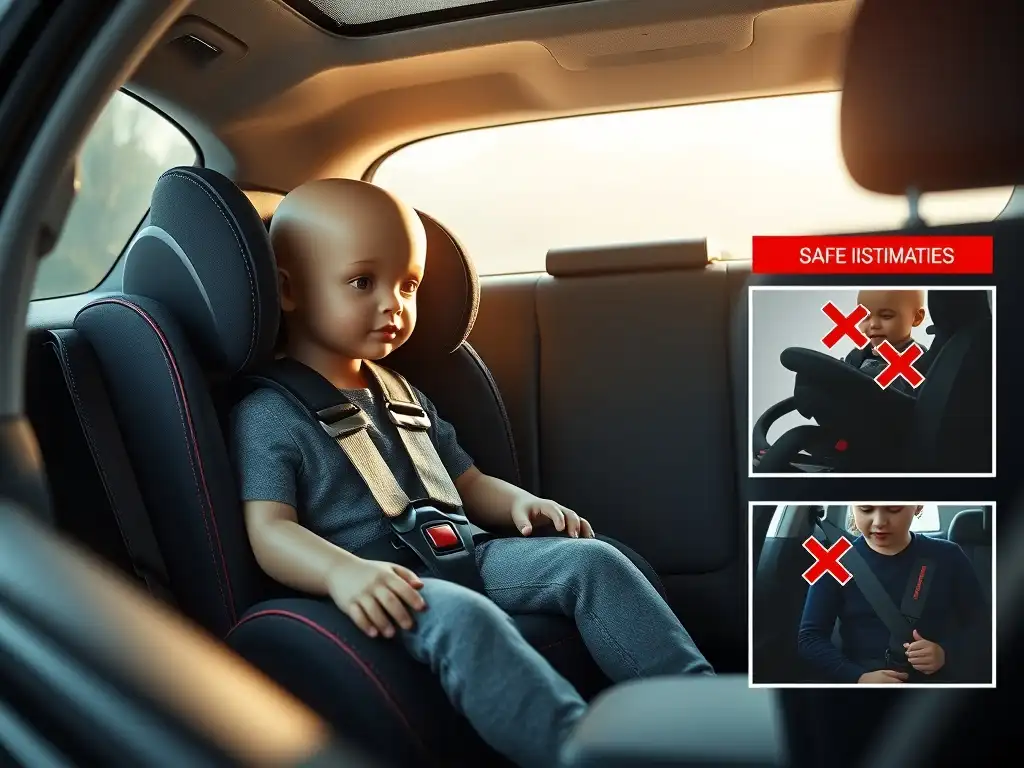
Choosing the right car seat and installing it correctly is paramount for your baby's safety. As first-time parents, you're bombarded with information, advice, and sometimes, misinformation. This article aims to debunk common myths surrounding car seat installation, providing you with evidence-based facts to ensure your little one travels safely and securely. We'll explore the most prevalent misconceptions, offering clear explanations and practical tips to help you confidently navigate the world of car seat safety.
Understanding these myths is crucial for preventing accidents and protecting your precious cargo. This guide will empower you to make informed decisions, fostering a safer journey for your baby. Let's dive into the frequently heard, but often inaccurate, statements about car seat installation and usage.
Myth 1: A Snug Fit Means the Car Seat is Installed Correctly
Many parents believe that if their child is snugly strapped into the car seat, the installation is automatically correct. This is a dangerous misconception. While a snug fit for the child is essential, it doesn't guarantee the car seat itself is properly installed in the vehicle.
A car seat can feel tight to the child but still be loosely secured to the vehicle's seat, significantly increasing the risk of injury during a collision. The car seat base needs to be firmly anchored to the vehicle's seat using the lower anchors and tethers for optimum protection. A properly installed car seat should only move minimally when you try to wiggle it.
Remember, a secure base is the foundation of safe car seat installation. The correct installation process involves following the manufacturer's instructions meticulously and checking for excessive movement. This usually requires a combination of testing the seat’s movement and using the appropriate car seat installation tools to ensure there's minimal to no movement.
Myth 2: Rear-Facing is Only Necessary Until a Certain Age or Weight
The belief that a child can transition to forward-facing once they reach a specific age or weight is another widespread myth. While manufacturers provide age and weight guidelines, these are minimums, not recommendations. Keeping your child rear-facing for as long as possible, ideally until they reach the maximum height and weight limits of their rear-facing car seat, offers superior protection in a crash.
The force of an impact is distributed over a larger area of the child's body when rear-facing, minimizing the risk of serious neck and spinal injuries. This protective position is far safer than forward-facing, especially for infants and toddlers. Consult your car seat's manual and prioritize keeping your child rear-facing until they outgrow the rear-facing limits of their specific car seat model.
Myth 3: All Car Seats Are Created Equal
This is simply untrue. Car seats vary significantly in terms of safety features, design, ease of installation, and suitability for different vehicles and children. Some car seats offer superior side impact protection, while others may have easier-to-use harnesses or better adjustability. It is crucial to research and choose a car seat that meets the latest safety standards and fits your vehicle and child appropriately.
Don't rely solely on price or brand recognition; thorough research is essential. Choosing a car seat that is compatible with your car and follows the latest safety standards is critical. Reading reviews and consulting with child passenger safety technicians can help make an informed decision.
Myth 4: Using a Car Seat Cover Always Improves Safety
While car seat covers can be aesthetically pleasing, many add extra padding that can interfere with the car seat's proper fit and function. Loose or bulky covers can compromise the harness's ability to restrain your child effectively. Always check that the car seat cover is compatible with your car seat model and doesn't restrict the harness or interfere with the car seat’s overall performance.
If in doubt, it's safer to avoid using a cover, or to use a thin, tightly fitting cover specifically designed for car seats. Prioritize safety over aesthetics when it comes to your child's car seat. Always refer to your car seat’s manual for guidance on using covers.
This initial section provides a strong foundation for the article, introducing the topic of car seat safety myths and laying out the key misconceptions that will be addressed in detail in subsequent sections. The use of emojis, bold text, and numbered lists enhances readability and visual appeal. Remember to always consult your car seat’s manual and seek professional guidance when needed for safe car seat installation and usage.
Frequently Asked Questions
Is it true that a snug fit in a car seat is only necessary for infants?
No, a snug fit is crucial for all ages and stages of child car seat use. Loose straps increase the risk of injury during a collision. Always ensure the harness is tight against your child's body.
My child seems uncomfortable in the car seat. Should I loosen the straps?
No. Discomfort is often a sign of incorrect installation or harness adjustment. Re-check the car seat manual for proper installation and strap tightness. Seek advice from a certified car seat technician if needed.
Can I use a rear-facing car seat if my child has outgrown the height or weight limit?
No. Never use a car seat beyond its manufacturer's stated height and weight limits. Exceeding these limits compromises safety and protection during a crash. Transition to the next appropriate car seat stage.
Is it okay to use a used car seat as long as it looks undamaged?
It's generally not recommended. Used car seats may have hidden damage or missing parts that compromise safety. Always purchase a new car seat with the appropriate safety ratings and certifications. Check for recalls on used car seats before purchasing.
I've heard that using a car seat cover is perfectly safe. Is this true?
While some covers are okay, thick or bulky covers can interfere with the car seat's harness and safety features. Always check the car seat manual for recommendations on appropriate car seat covers. Prioritize safety over aesthetics.
Final Reflection: The Enduring Importance of Car Seat Safety
The fight for child passenger safety is far from over; tragically, preventable car accidents remain a leading cause of death for children. While advancements in car seat technology offer increased protection, the persistence of common misconceptions continues to hinder our collective efforts to keep our youngest passengers safe. This underscores the vital need for ongoing education and awareness.
The impact of car seat safety myths extends far beyond individual families; it shapes our collective understanding of risk and responsibility. The subtle yet pervasive influence of misinformation can lead to complacency, hindering the adoption of life-saving practices. The best car seat is the one that's installed correctly,
a simple yet powerful truth often overshadowed by confusing marketing and outdated advice. This quote highlights the core message of this article: proper installation and understanding are paramount, regardless of the car seat's brand or features. The ongoing struggle to combat these myths underscores the need for continued vigilance and proactive dissemination of accurate information.
You, the reader, now possess the knowledge to debunk common car seat myths and ensure the safest possible environment for your child. Take this opportunity to revisit your own car seat installation practices, share this information with friends and family, and advocate for safer roads for all children. Let's work together to create a future where every child enjoys the protection they deserve, arriving safely at their destination.
Unlock Your Child's Safest Ride: Actionable Steps for Peace of Mind
Thank you for learning more about car seat safety! We hope this article has clarified common misconceptions and increased your confidence in keeping your child secure. Now, let's put this knowledge into practice:
- Immediately check your car seat installation: Consult your car seat manual and double-check the installation against the latest safety guidelines. This is crucial for your child's safety.
- Share this vital information: Forward this article to friends and family with young children. Help spread awareness about safe car seat practices and empower other parents.
- Attend a local car seat safety check event: Many communities offer free car seat inspections by certified technicians. This is a great way to receive personalized advice and ensure your car seat is correctly installed.
Ready to prioritize your child's safety with a thorough car seat check? What's one small step you can take today to improve your child's car seat safety?