
Baby Thermometer Calibration: Keeping Your Device Accurate and Reliable

Welcome to BabyCareHub, your ultimate guide to navigating the incredible journey of parenthood! Are you ready to confidently tackle the challenges and joys of raising your little one? We're here to help, offering expert advice and practical tips on everything from feeding schedules to developmental milestones. But first, let's ensure you have the tools you need. Discover how to calibrate your baby thermometer accurately and gain peace of mind knowing you're getting reliable readings – a crucial step in maintaining your baby's health and wellness. Explore our comprehensive resources and start your parenting adventure with confidence!
- Understanding the Importance of Accurate Baby Temperature Readings
- Types of Baby Thermometers and Their Calibration Needs
- Step-by-Step Guide to Calibrating Your Baby Thermometer
- Maintaining Accuracy Over Time: Tips and Tricks
- When to Consult a Healthcare Professional
- Frequently Asked Questions (FAQs) about Baby Thermometer Calibration
- Frequently Asked Questions
- Final Reflection: The Enduring Importance of Accurate Baby Temperature Readings
- Unlock Your Baby's Comfort: Take Control of Temperature Readings!
Understanding the Importance of Accurate Baby Temperature Readings
Accurately measuring your baby's temperature is crucial for their health and well-being. A seemingly small fever can indicate a serious underlying condition, and a misreading can lead to unnecessary worry or, worse, delayed treatment. This article focuses on calibrating baby thermometers accurately, a critical step in ensuring reliable readings and informed decision-making for first-time parents navigating the sometimes-challenging world of infant healthcare.
We'll explore why precise temperature measurement is paramount for infants, the potential risks associated with inaccurate readings, and how to avoid misdiagnosis through proper thermometer calibration. Mastering this skill empowers parents to proactively monitor their baby's health and respond effectively to any potential health concerns. Remember, early intervention is key when dealing with infant illnesses.
Why Precise Temperature Measurement Matters for Infants
Infants have immature immune systems and are more susceptible to rapid temperature fluctuations and infections than older children or adults. Even a slight elevation in temperature can be a significant indicator of illness. Precise temperature measurement allows parents and healthcare providers to:
- Monitor for infections: Fever is a common symptom of various infections, ranging from mild viral illnesses to more serious bacterial infections like pneumonia or meningitis. Accurate temperature readings help identify infections early, enabling prompt treatment.
- Assess the severity of illness: The degree of fever can help determine the severity of an illness. A high fever may require immediate medical attention.
- Track treatment effectiveness: Monitoring temperature changes helps assess the effectiveness of treatment, such as medication or hydration. A consistent high temperature despite treatment warrants further medical evaluation.
- Provide crucial data to healthcare providers: Accurate temperature readings provide vital information to doctors and nurses, assisting them in making informed diagnoses and treatment plans.
Failing to accurately measure your baby's temperature can lead to delayed or inappropriate treatment, potentially worsening the condition. This is why calibrating your baby thermometer accurately is so important.
Potential Risks of Inaccurate Baby Thermometer Readings
Inaccurate temperature readings can have serious consequences for your baby's health. These risks include:
- Delayed treatment: An underestimated fever might lead to delayed medical intervention, potentially allowing an infection to worsen.
- Unnecessary worry and stress: An overestimated temperature could cause unnecessary anxiety and stress for parents, leading to potentially disruptive and unhelpful actions.
- Overmedication: An inaccurate reading leading to a perceived higher temperature could result in giving your baby more medication than needed, potentially leading to side effects.
- Misdiagnosis: Incorrect temperature readings could contribute to misdiagnosis, leading to inappropriate treatment strategies.
The potential for these risks underscores the critical need for regular calibration of your baby's thermometer. Accurate readings are not just about numbers; they are about your baby's health and safety. Think of accurate temperature readings as a crucial piece of the puzzle in ensuring your baby receives the best possible care.
Avoiding Misdiagnosis with Properly Calibrated Thermometers
Regular calibration ensures your thermometer provides accurate readings, minimizing the risks associated with inaccurate measurements. A properly calibrated thermometer is essential for:
- Reliable data: This ensures the measurements taken reflect your baby's actual temperature, providing a clear picture of their health status.
- Informed decision-making: Accurate readings empower parents and healthcare providers to make informed decisions regarding treatment and care.
- Preventing unnecessary medical interventions: Accurate readings help avoid unnecessary hospital visits or treatments.
- Peace of mind: Knowing that you have a reliable tool to monitor your baby's temperature provides invaluable peace of mind.
Remember, a properly functioning thermometer is a critical tool in your baby's healthcare arsenal. By prioritizing accurate calibration, you contribute significantly to your baby's health and well-being. The small effort of calibration pays huge dividends in peace of mind and effective healthcare.
Types of Baby Thermometers and Their Calibration Needs
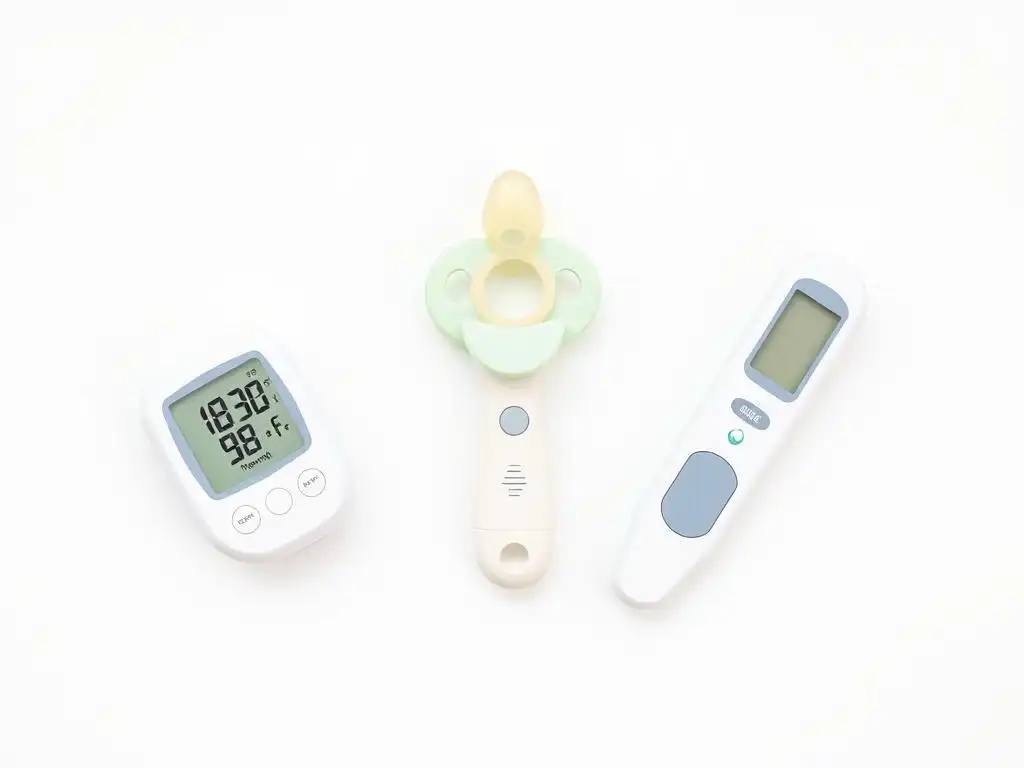
Accurate temperature readings are crucial for monitoring your baby's health. Different types of baby thermometers require varying calibration methods to ensure accurate and reliable readings. Understanding these differences and implementing proper calibration techniques is vital for making informed decisions about your baby's care. Regular calibration helps to avoid misinterpretations that could lead to unnecessary worry or delayed treatment. This section will explore the calibration needs of common baby thermometer types, empowering you to confidently monitor your baby's temperature. The goal is to calibrate baby thermometer accurately, minimizing potential errors and ensuring the best possible care for your little one.
Digital Baby Thermometers: Calibration Techniques and Best Practices
Digital thermometers, often featuring a flexible tip, are popular due to their ease of use and relatively quick reading times. However, like all measuring devices, they can drift over time, requiring periodic calibration to maintain accuracy. While most digital thermometers don't offer a user-adjustable calibration setting, focusing on proper usage and maintenance is key for reliable readings. Regular cleaning with a mild disinfectant solution after each use is paramount. This prevents the build-up of residue that could affect the sensor's sensitivity and lead to inaccurate readings.
Calibrating Braun ThermoScan Digital Thermometer
The Braun ThermoScan is a popular example of a digital thermometer often used for babies. While it doesn't have a user-adjustable calibration setting, ensuring the lens is clean and free from debris is crucial. The manufacturer recommends regular cleaning with a soft, damp cloth and a mild disinfectant. Consistent, careful handling, avoiding drops or impacts, will also extend the life and accuracy of the device. If you suspect inaccuracies despite proper cleaning and handling, contact Braun's customer service or replace the thermometer. Remember, a faulty thermometer can lead to misdiagnosis, so prioritizing accuracy is paramount.
Troubleshooting Common Issues with Digital Thermometers
Several factors can compromise the accuracy of a digital thermometer beyond simple calibration. These include:
- Battery Issues: Low batteries can lead to erratic readings. Always ensure fresh batteries are installed.
- Sensor Damage: Dropping or impacting the thermometer can damage the internal sensor, leading to inaccurate readings.
- Improper Use: Failing to follow the manufacturer's instructions for proper placement and reading time can affect accuracy.
If you notice consistently inaccurate readings, even after addressing these issues, it's time to replace the thermometer. Consistent accuracy is essential when monitoring your baby's health. Remember, promptly addressing any concerns is key to ensuring your baby receives the best possible care.
Infrared Ear Thermometers: Ensuring Accuracy and Reliability
Infrared ear thermometers (IRT) offer a quick and convenient method for taking a baby's temperature. However, their accuracy depends on several factors, including proper technique and environmental conditions. Calibration, in this context, focuses more on proper technique and understanding the factors that can influence readings rather than adjusting a setting on the device itself. Consistent and correct usage is crucial for obtaining reliable temperature readings.
Calibration Methods for Infrared Ear Thermometers
IRT calibration primarily involves ensuring the device is clean and used correctly. Always refer to the manufacturer's instructions for proper placement in the ear canal and reading time. Clean the probe with a soft, damp cloth after each use. Consistent, correct technique is crucial for accurate readings. Regularly check the thermometer's battery to ensure it's functioning correctly. Low battery power can significantly affect the accuracy of the readings. If you are unsure about the accuracy of your readings, it is always best to confirm with a secondary method, such as a digital thermometer.
Factors Affecting Infrared Thermometer Readings: Room Temperature and Earwax
Several external factors can significantly influence the accuracy of IRT readings.
- Room Temperature: Extreme temperatures can affect the sensor's performance. Ensure the room is at a comfortable, stable temperature before taking a reading.
- Earwax: An accumulation of earwax can block the infrared signal and lead to inaccurate readings. Ensure the ear canal is clear of any significant buildup before taking a reading. However, never attempt to clean the ear canal deeply yourself; consult a pediatrician if necessary.
Understanding these factors and using proper techniques is key to obtaining accurate and reliable temperature readings from an infrared ear thermometer. Remember, consistent accuracy is essential when monitoring your baby's health. If you have any doubts about the accuracy of the thermometer, consult your pediatrician. Prioritizing accuracy ensures your baby receives the best possible care.
Pacifier Thermometers: Accuracy Considerations and Calibration
Pacifier thermometers offer a convenient, non-invasive method for taking a baby's temperature. However, their accuracy can be significantly impacted by various factors, making calibration a complex and often unreliable process. These thermometers typically measure temperature through a thermal sensor embedded within the pacifier's tip. The reading is then transmitted wirelessly to a parent unit or displayed directly on the pacifier itself. While seemingly simple, achieving accurate readings requires careful attention to several key aspects.
The accuracy of a pacifier thermometer is heavily dependent on proper placement and sufficient contact time. If the baby doesn't properly suck on the pacifier for a long enough duration, the reading might be inaccurate, underestimating the true temperature. Furthermore, the baby's saliva, along with any residual milk or formula, can interfere with the sensor, leading to inaccurate readings. Even minor variations in the baby's sucking pattern can affect the results. Unlike other thermometers that provide a nearly instantaneous reading, pacifier thermometers require a longer timeframe to reach a stable temperature measurement, which adds another layer of potential inaccuracy.
Regular cleaning is crucial for maintaining the accuracy of a pacifier thermometer. Milk residue and saliva can accumulate on the sensor, affecting its ability to conduct heat correctly. Following the manufacturer's cleaning instructions diligently is paramount. However, even with meticulous cleaning, the gradual wear and tear on the sensor over time can introduce inaccuracies.
There's no straightforward calibration process for these devices. The best way to ensure accuracy is to cross-reference the reading with another reliable thermometer, such as a rectal or temporal artery thermometer, especially if you suspect an inaccurate reading. If discrepancies persist, replacement is often the most effective solution.
Limitations of Pacifier Thermometers and Calibration Challenges
The inherent limitations of pacifier thermometers pose significant challenges to calibration. Unlike traditional mercury or digital thermometers, which can be calibrated using standardized procedures and equipment, pacifier thermometers lack a mechanism for direct calibration. The technology employed in these devices, often involving complex electronic components and wireless transmission, makes direct calibration by the user practically impossible. Attempts to calibrate these thermometers using external methods are highly discouraged as they could damage the sensitive sensor and render the device unusable.
One major limitation stems from the variable nature of the measurement. The baby's sucking action, the amount of saliva present, and the duration of use all affect the reading. These variables make it impossible to establish a consistent baseline for calibration. Furthermore, the wireless transmission component introduces another potential source of error. Interference from other electronic devices or even environmental factors can influence the signal, resulting in inaccurate readings that are difficult to identify and correct.
Therefore, relying on pacifier thermometers as the sole source of temperature measurement for infants is generally not advised. For critical health assessments, always confirm the reading with a more reliable and directly calibrated thermometer. The focus should be on proper usage and regular cleaning to maximize the accuracy of these convenient, but less precise, devices. Regularly comparing readings with a known accurate thermometer is the closest proxy for calibration available.
Step-by-Step Guide to Calibrating Your Baby Thermometer
Accurately measuring your baby's temperature is crucial for their health and well-being. A malfunctioning thermometer can lead to misdiagnosis and potentially delayed treatment. Regular calibration ensures your device provides reliable readings, allowing you to confidently monitor your baby's temperature and take appropriate action when necessary. This guide provides a clear, step-by-step process for calibrating your baby thermometer, helping you to calibrate baby thermometer accurately.
Preparing for Baby Thermometer Calibration: Gathering Supplies
Before beginning the calibration process, gather the necessary supplies. This will streamline the process and ensure you have everything you need on hand. You'll need:
- A control thermometer: This is a thermometer of known accuracy, ideally one that's been recently calibrated itself. A digital thermometer with a high degree of accuracy is recommended. Consider a thermometer traceable to the National Institute of Standards and Technology (NIST) for the highest level of accuracy. 🌡️
- Ice water bath: Prepare a container filled with a mixture of crushed ice and distilled water. Ensure the ice is thoroughly mixed to create a consistent temperature of 0°C (32°F). This provides a stable and reliable reference point for calibration.
- Warm water bath: Prepare a container of warm water, approximately 37°C (98.6°F), the average human body temperature. Use a separate thermometer to ensure accuracy.
- Clean towels or cloths: These are essential for drying your thermometers after immersion in the water baths.
- Timer or stopwatch: Accurately timing the thermometer's readings is crucial for reliable calibration.
- Pen and paper: Record all readings for comparison and future reference. This meticulous record-keeping is essential for ensuring the accuracy of your calibration process.
Calibration Techniques for Different Thermometer Types
Calibration techniques vary slightly depending on the type of thermometer you're using. Digital thermometers generally require a comparison against a control thermometer, while analog thermometers (like glass mercury thermometers – though these are less common now and should be handled with extreme care) may need a more visual comparison against known temperature points. Always refer to your thermometer's manufacturer's instructions for specific calibration guidance. Remember, consistent calibration is key to calibrate baby thermometer accurately.
Using a Control Thermometer for Calibration: A Step-by-Step Guide
This section details the calibration process using a control thermometer. This method is suitable for most digital thermometers.
- Immerse: Simultaneously immerse both your baby's thermometer and the control thermometer in the ice water bath, ensuring both probes are fully submerged and at the same depth.
- Wait: Allow both thermometers to stabilize for at least 30 seconds. Note the readings on both thermometers. Record these values precisely.
- Compare: Compare the readings of your baby's thermometer to the control thermometer. A small discrepancy (within a medically acceptable range – consult your thermometer's manual) is acceptable. Larger discrepancies indicate the need for adjustment or replacement.
- Repeat: Repeat steps 1-3 using the warm water bath. Again, compare readings and note any significant differences.
- Document: Meticulously record all readings in a table. This allows you to track the performance of your thermometer over time. Here's an example table:
| Temperature Source | Control Thermometer (°C) | Baby Thermometer (°C) | Difference (°C) |
|---|---|---|---|
| Ice Water Bath | 0.0 | [Reading Pending] | [Calculation Pending] |
| Warm Water Bath | 37.0 | [Reading Pending] | [Calculation Pending] |
Verifying Accuracy with a NIST-Traceable Thermometer
For the most accurate calibration, consider using a thermometer traceable to the National Institute of Standards and Technology (NIST). These thermometers undergo rigorous testing and calibration, providing a highly reliable benchmark for comparison. Using a NIST-traceable thermometer minimizes uncertainty and ensures the highest level of accuracy in your baby's temperature readings.
This is the gold standard for calibrate baby thermometer accurately. The process is essentially the same as described above, but the increased accuracy of the NIST-traceable thermometer provides a more precise assessment of your baby thermometer's performance. Regular calibration using a high-quality control thermometer, and occasional verification with a NIST-traceable thermometer, guarantees accurate and reliable temperature readings for your little one.
Troubleshooting Calibration Issues: Common Problems and Solutions
Accurate temperature readings are crucial for your baby's health. If you encounter problems during calibration, don't panic. Many issues are easily resolved. Let's explore some common problems and their solutions:
One frequent issue is inconsistent readings during the calibration process. This could stem from several factors. Perhaps the thermometer wasn't fully submerged in the calibration solution (usually ice water), leading to inaccurate temperature transfer. Ensure complete submersion, leaving only the probe exposed, for the entire duration recommended by your thermometer's instructions. Another possibility is that the calibration solution itself wasn't properly prepared.
Carefully follow the instructions for creating a precise ice bath, ensuring the correct ratio of ice and water. Improper mixing can affect the temperature uniformity. Finally, if you're using an electronic thermometer, a low battery could lead to unreliable readings. Replace the batteries before attempting calibration.
Another common problem is a persistent offset even after calibration. This might indicate a more serious issue with the thermometer's internal sensor or circuitry. If the thermometer is still under warranty, contact the manufacturer for repair or replacement. If it's not under warranty, consider purchasing a new, reliable thermometer. Remember, a faulty thermometer can compromise your baby's health. Don't hesitate to seek a second opinion from your pediatrician if you're concerned about the accuracy of your readings.
In some cases, you might notice that the thermometer displays erratic readings, fluctuating wildly even when submerged in a stable temperature environment. This could point to a damaged sensor or internal component. Again, careful examination and, if necessary, replacement or repair are important. Avoid using a damaged thermometer, as it will provide unreliable data.
Finally, remember to always refer to your thermometer's specific instruction manual for detailed troubleshooting steps. Each model may have unique characteristics and solutions.
Regular Calibration Schedule for Maintaining Accuracy
Maintaining the accuracy of your baby's thermometer is paramount. While the frequency of calibration depends on the type of thermometer and its usage, establishing a regular schedule is crucial for reliable readings. For digital thermometers, especially those frequently used, consider calibrating them every 3-6 months. This preventative measure helps identify and correct any potential drift in readings before they impact your baby's care. For less frequently used digital thermometers or analog thermometers, a yearly calibration might suffice. However, always check the manufacturer's recommendations for specific guidelines.
Remember, keeping a log of your calibration dates and results is a smart practice. This helps you track the thermometer's performance over time and makes identifying potential problems easier. Note down the date, the calibration method used, and the observed readings. This detailed record will help you ensure the ongoing accuracy of your baby's thermometer and contribute to your peace of mind. A simple notebook or a dedicated app can be used for this purpose.
Regular calibration is a small investment with a significant impact on the accuracy of your baby's temperature readings, ensuring you always have the most reliable information to support your baby's health. Don't underestimate the importance of this seemingly simple task! Accurate temperature readings can make a significant difference in your response to your baby's health needs. 📅🌡️
Maintaining Accuracy Over Time: Tips and Tricks
Maintaining the accuracy of your baby's thermometer is crucial for ensuring reliable temperature readings. Consistent accuracy helps you monitor your baby's health effectively and seek appropriate medical attention when necessary. Regular calibration isn't typically needed for digital thermometers, but proper care and attention to potential issues are paramount. This section focuses on practical steps to prolong the lifespan and accuracy of your chosen thermometer. Neglecting these simple steps can lead to inaccurate readings, potentially delaying necessary medical intervention. Remember, a slight temperature difference can be significant, especially with infants.
Proper Storage and Handling of Baby Thermometers
Proper storage and handling are key to preserving your baby thermometer's accuracy and longevity. Avoid dropping or subjecting the thermometer to extreme temperatures, as this can damage internal components and lead to inaccurate readings. For example, leaving a digital thermometer in a hot car can affect its sensor. Always store your thermometer in a clean, dry, and safe place, away from sharp objects and potentially harmful substances. Consider a dedicated storage case for extra protection and portability.
A protective case not only safeguards the thermometer from physical damage but also keeps it clean and prevents accidental activation. This is especially important for digital thermometers that can be activated accidentally. Consider the type of thermometer you own; for instance, a glass thermometer might require more delicate handling and storage to prevent breakage. Remember to always handle the thermometer with clean hands to avoid transferring germs. Regularly inspect the thermometer for any signs of damage, such as cracks or loose components.
Cleaning and Disinfecting Your Baby Thermometer: Hygiene Best Practices
Maintaining impeccable hygiene is crucial when using a baby thermometer. Always clean and disinfect your thermometer after each use to prevent the spread of germs and ensure accurate readings. The method of cleaning will vary depending on the type of thermometer. For digital thermometers, gently wipe the tip with a soft, damp cloth and mild soap. For glass thermometers, be extra careful not to break the glass while cleaning. Avoid using harsh chemicals or abrasive cleaners, as these can damage the thermometer and affect its accuracy.
After cleaning, allow the thermometer to completely air dry before storing it. For a more thorough disinfection, you can use a solution of rubbing alcohol (isopropyl alcohol) at a concentration of 70%. Apply a small amount of the solution to a clean cotton swab and gently wipe the thermometer tip. Let it air dry completely before storing.
Remember to always follow the manufacturer's instructions for cleaning and disinfecting your specific thermometer model. Regular cleaning and disinfection will help to maintain the hygiene of your thermometer and avoid cross-contamination. This is crucial for preventing the spread of illnesses, especially among infants.
Recognizing Signs of a Malfunctioning Thermometer: When to Replace
Even with proper care, baby thermometers can malfunction over time. Knowing the signs of a malfunction is crucial for ensuring accurate readings and your baby's health. Inaccurate readings are a primary indicator. If you notice inconsistent readings, especially if they deviate significantly from expected values, it's time to consider replacing your thermometer. For digital thermometers, look for erratic displays, slow response times, or failure to power on. For glass thermometers, check for cracks or any damage to the glass tube.
Another sign of potential malfunction is an unusual display behavior. For example, a digital thermometer might display numbers that are clearly outside the expected temperature range or show completely random digits. If your thermometer consistently gives readings that seem off, even after recalibration (if applicable), it's best to err on the side of caution and replace it. Your baby's health depends on reliable temperature readings, and a malfunctioning thermometer can compromise this. Remember to always consult your pediatrician if you have any concerns about your baby's temperature. Using a reliable thermometer is a critical aspect of responsible infant care.
Choosing a Reliable Replacement Thermometer: Recommendations and Reviews
Replacing your baby's thermometer is crucial if you suspect inaccuracies or if the device is damaged. Choosing a replacement requires careful consideration of several factors to ensure you're getting a reliable and accurate instrument for monitoring your baby's temperature. Accuracy is paramount when it comes to your baby's health, so investing in a high-quality thermometer is a worthwhile expenditure. Don't skimp on this essential piece of baby care equipment.
One crucial aspect is selecting a thermometer type appropriate for your needs and comfort level. Digital thermometers, for example, offer quick readings and are generally easy to use, making them a popular choice among parents. However, they require battery power and can be fragile. On the other hand, temporal artery thermometers provide contactless readings, minimizing disturbance to your baby, but they can be more expensive. Infrared ear thermometers are another option, providing relatively quick and non-invasive measurements, but their accuracy can be affected by earwax buildup. Consider the pros and cons of each type before making a purchase.
When reviewing potential replacements, pay close attention to user reviews. Look for consistent reports of accurate readings and ease of use. Many online retailers provide detailed reviews from other parents, offering valuable insights into the performance and reliability of different thermometer models. Pay attention to comments regarding the ease of cleaning, battery life (for digital thermometers), and overall durability. A thermometer that's difficult to clean or prone to breakage is not ideal for the demands of caring for a baby.
Beyond user reviews, consider looking for thermometers with certifications or endorsements from reputable organizations. These certifications often indicate that the thermometer has been rigorously tested and meets specific accuracy standards. These certifications provide an added layer of confidence in the product's reliability.
Remember, a small investment in a reliable thermometer can provide peace of mind and contribute significantly to your baby's health and well-being. Don't hesitate to compare several models before making your final decision to ensure you're getting the best possible device for your family's needs. The accuracy of your thermometer is directly linked to the confidence you have in assessing your baby's health.
When to Consult a Healthcare Professional
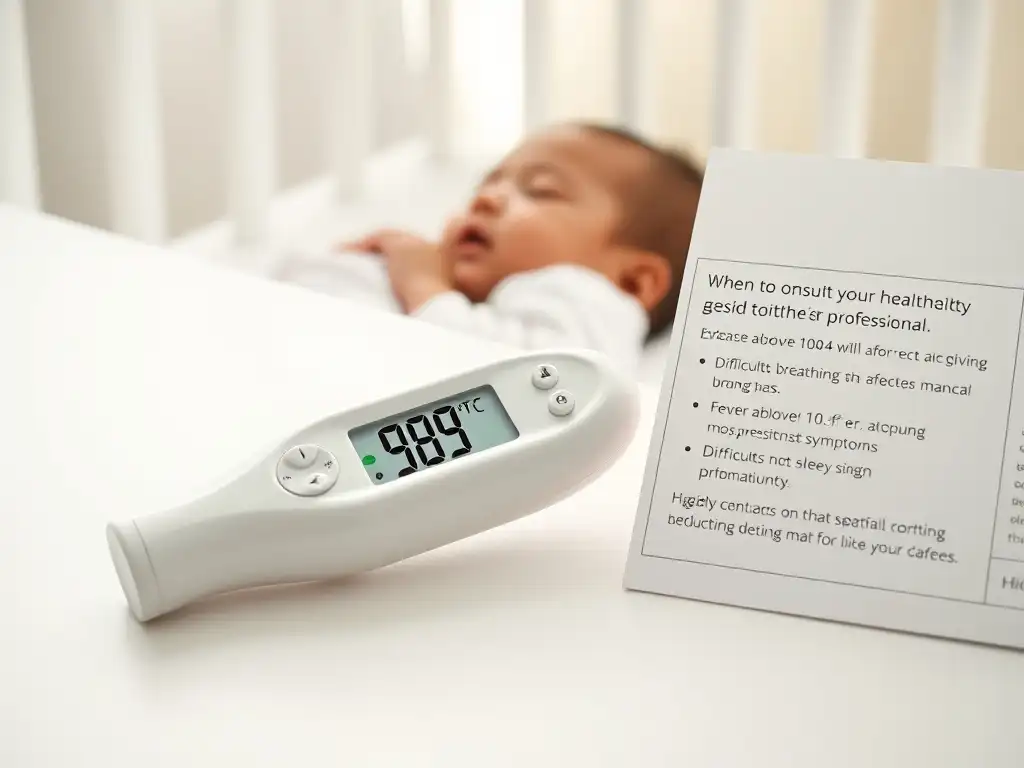
Accurately calibrating your baby's thermometer is a crucial step in ensuring you get reliable readings. However, even with a perfectly calibrated device, understanding when to seek professional medical advice is paramount. This section focuses on interpreting temperature readings and knowing when a visit to the doctor or urgent care is necessary. Remember, while a thermometer provides valuable data, it's a tool; professional judgment is essential for your baby's health. This is especially true for infants under 3 months old, as their immune systems are still developing.
Interpreting Baby Temperature Readings: What's Considered Feverish?
A fever in a baby is generally defined as a rectal temperature of 100.4°F (38°C) or higher. However, this isn't a hard and fast rule. Factors such as your baby's age, overall behavior, and other symptoms need to be considered. For example, a slightly elevated temperature (e.g., 99.5°F or 37.5°C) coupled with fussiness, lethargy, or poor feeding could indicate a problem even if it's technically below the fever threshold. Always trust your parental instincts; if something seems amiss, don't hesitate to contact your pediatrician.
Different methods of temperature taking may also yield slightly different readings. Rectal temperatures are generally considered the most accurate, but axillary (armpit) and temporal artery (forehead) readings can be less precise. Always refer to your thermometer's instructions for accurate interpretation based on the measurement method used. Understanding the nuances of these variations is key to accurately interpreting your baby's temperature and deciding when to call for help. Keeping a detailed record of your baby's temperature readings, along with any other symptoms, can be incredibly helpful for your healthcare provider.
When to Seek Medical Attention for a Fever in Infants
Several scenarios necessitate immediate medical attention for a feverish baby. These include:
- Infants under 3 months old with a rectal temperature of 100.4°F (38°C) or higher: This age group is particularly vulnerable to serious infections. A fever in this age bracket requires prompt medical evaluation.
- Any baby showing signs of dehydration: Dehydration, characterized by dry mouth, sunken eyes, decreased urination, and lethargy, is a serious complication that needs immediate attention. Always consult a healthcare professional if you suspect your baby is dehydrated.
- Fever accompanied by other concerning symptoms: This includes but isn't limited to:
- Lethargy or unusual sleepiness
- Irritability or inconsolable crying
- Difficulty breathing or rapid breathing
- Vomiting or diarrhea
- Stiff neck
- Rash
- Seizures
- Refusal to feed
- Pale or bluish skin
The following table summarizes key situations requiring immediate medical attention:
| Situation | Action |
|---|---|
| Infant under 3 months with a fever | Seek immediate medical attention. |
| Fever accompanied by dehydration | Seek immediate medical attention. |
| Fever with lethargy, irritability, or seizures | Seek immediate medical attention. |
| Fever with difficulty breathing | Seek immediate medical attention. |
| Fever with rash or stiff neck | Seek immediate medical attention. |
Remember, it's always better to err on the side of caution. When in doubt, contact your pediatrician or a healthcare professional. Early intervention can significantly improve your baby's outcome. Your peace of mind is invaluable, and knowing when to seek professional help is a vital part of responsible baby care. Accurate thermometer readings are a valuable tool, but they don't replace professional medical advice. 👶
Frequently Asked Questions (FAQs) about Baby Thermometer Calibration
This section addresses common queries regarding the calibration of baby thermometers, ensuring accurate temperature readings for your little one. Accurate temperature readings are crucial for monitoring your baby's health and responding appropriately to potential illnesses. Remember, a miscalibrated thermometer can lead to incorrect diagnoses and potentially harmful treatment decisions. Let's delve into some frequently asked questions to clarify this important aspect of baby care.
How often should I calibrate my baby thermometer?
The frequency of baby thermometer calibration depends heavily on the type of thermometer and its usage. Digital thermometers, especially those used frequently, benefit from calibration checks every 3-6 months. This is because consistent use can lead to slight drift in accuracy due to battery fluctuations or internal component wear. Analog thermometers (like glass mercury or alcohol-filled ones), while less susceptible to electronic drift, should still be checked against a known accurate thermometer at least once a year, or more frequently if dropped or mishandled. Remember, a seemingly small inaccuracy can significantly impact your baby's health assessment.
Consider keeping a log of your thermometer's calibration checks. This log should include the date of the check, the method used for calibration, and the results obtained. This simple practice helps track the performance of your thermometer over time and allows you to identify potential issues early on. Regular calibration ensures you always have reliable temperature readings for your baby. Think of it as preventative maintenance for a critical piece of baby health monitoring equipment. 👶
What happens if my baby thermometer is inaccurate?
An inaccurate baby thermometer can lead to several potentially serious consequences. A falsely high reading might lead to unnecessary worry and potentially inappropriate treatment, such as administering medication when it’s not needed. Conversely, a falsely low reading could delay appropriate medical intervention in cases of fever, potentially worsening the illness. In both scenarios, the consequences can range from unnecessary stress and anxiety to delayed or inappropriate treatment for your baby.
The impact of an inaccurate reading can vary depending on the magnitude of the error and the underlying health condition of your baby. Even a small difference of 0.5°F (0.3°C) can be significant, especially when assessing a fever. Therefore, maintaining the accuracy of your baby thermometer is paramount to ensuring appropriate and timely medical care for your child. It's crucial to remember that a reliable thermometer is an essential tool for responsible parenting and the well-being of your infant.
Can I calibrate my baby thermometer at home?
Calibrating a baby thermometer at home is possible, but it depends on the type of thermometer. Digital thermometers are generally not designed for home calibration due to their complex internal workings. Attempting to disassemble or manipulate these devices risks damaging them and voiding any warranty. Instead, it's best to compare your digital thermometer to a known accurate thermometer (like one calibrated by a healthcare professional) to check for accuracy.
For analog thermometers, home calibration is slightly easier, but still requires care. You can use a carefully controlled water bath with an accurate thermometer to compare readings. However, this method requires precise temperature control and careful observation. Any errors in the water bath's temperature will directly affect the calibration results. It's important to prioritize safety and accuracy; if you are unsure about the process, it's always best to consult a healthcare professional or refer to the thermometer's manufacturer instructions. Improper calibration can be more harmful than no calibration at all. Prioritize accuracy and seek professional help if needed.
Are there any specific tools needed for calibration?
No specialized tools are typically required to calibrate a baby thermometer, especially digital ones. Most methods rely on readily available household items. For instance, calibrating against an already verified thermometer (like a reliable digital thermometer or even a mercury thermometer, if you have one and understand its safe handling) is a common method. This doesn’t require any special equipment.
You might need a container of ice water for the ice bath method, which is a simple and inexpensive solution. Some calibration methods might involve using a precise temperature source, like a temperature-controlled water bath, but these are not essential for most home calibrations and are more relevant in professional settings. Ultimately, the calibration process itself is more about the procedure than the need for sophisticated tools. The focus should be on ensuring accurate and consistent temperature readings using readily available resources, prioritizing safety and simplicity.
For analog thermometers, you might need a magnifying glass to clearly read the mercury level for more precise calibration. However, this is again a common household item, not a specialized tool. Remember that always prioritize safety when handling mercury thermometers, as they contain a hazardous substance. If you are unsure about using a mercury thermometer, it's best to avoid it and stick to the ice bath method with a digital thermometer you already know to be accurate. This will ensure a safe and reliable calibration process.
Frequently Asked Questions
How often should I calibrate my baby thermometer?
Most baby thermometers don't require regular calibration. However, if you suspect inaccuracy (e.g., readings seem consistently off), or if it's been dropped or damaged, calibration or replacement is advised. Consult your thermometer's manual for specific instructions.
What are the signs of an inaccurate baby thermometer?
Inconsistent readings, readings that seem too high or too low, or readings that differ significantly from other thermometers are all signs of potential inaccuracy. If you have doubts, consult your pediatrician.
Can I calibrate my baby thermometer at home?
Most baby thermometers are not designed for home calibration. Attempting to do so could damage the device and compromise its accuracy. It's best to replace a faulty thermometer.
What is the best type of baby thermometer for accuracy?
Digital thermometers, particularly those with a large, easy-to-read display, tend to be more accurate and easier to use than other types. Look for models with a good reputation for accuracy from reputable brands.
My baby thermometer gives a reading that seems wrong. What should I do?
Always trust your instincts and if you're concerned about a reading, contact your pediatrician immediately. Don't rely solely on one thermometer reading – if possible, use a second thermometer to confirm the temperature.
Final Reflection: The Enduring Importance of Accurate Baby Temperature Readings
Accurate baby temperature readings are not just about numbers; they are about safeguarding the health and well-being of our most vulnerable. A seemingly small discrepancy in a thermometer's calibration can have significant consequences, impacting the speed and effectiveness of medical intervention. This is a reality that demands our constant vigilance and attention to detail.
The quest for accurate temperature readings transcends the simple act of checking a number; it's a reflection of our commitment to responsible parenthood and proactive healthcare. The peace of mind that comes from knowing your thermometer is reliable is invaluable. The care of the child is the care of the future.
This simple statement underscores the profound responsibility we bear in ensuring the health and safety of our children, and accurate temperature measurement plays a crucial role in that care.
Consider the information presented in this article. Take the time to check your own baby thermometer's accuracy. Don't let a simple oversight compromise the health of your child. By understanding the importance of calibration and taking the necessary steps to ensure accuracy, you are actively participating in your child's well-being, building a foundation of health and security that will last a lifetime. Empower yourself with knowledge and take control of your child's healthcare – it's a journey worth undertaking.
Unlock Your Baby's Comfort: Take Control of Temperature Readings!
Thank you for learning about accurately taking your baby's temperature! We hope this guide empowers you to make informed decisions about your child's health. Let's put that knowledge into action:
- Prioritize regular thermometer calibration: Regularly checking your thermometer's accuracy, at least monthly, is crucial for reliable readings. This simple step significantly improves the accuracy of your readings.
- Choose the right thermometer: Research the advantages and disadvantages of different thermometers—digital, pacifier, temporal artery, and others—to find the best option for your family. It's also wise to keep a spare thermometer on hand.
- Share your knowledge: Share your thermometer calibration routine and any helpful tips with other parents. Your experience could be invaluable to them!
What's your preferred method for ensuring your baby's thermometer provides consistently accurate readings?