
Is Your Baby Ready for Winter? A Guide to Cold Weather Precautions


Welcome to BabyCareHub, your ultimate guide to navigating the incredible journey of parenthood! Are you prepared for the unique challenges and joys of keeping your little one safe and warm this winter? Discover essential baby winter safety precautions in our comprehensive guide, designed to equip you with the knowledge and confidence to protect your precious bundle from the cold. Learn about crucial safety measures and expert tips that will help you weather the winter months with peace of mind. Let's dive in and ensure your baby's winter is filled with warmth, comfort, and happy memories.
-
Baby Winter Safety Precautions: Essential Tips for First-Time Parents
- Protecting Your Baby from the Cold: Dressing for Winter Weather
- Winter Weather Hazards: Recognizing and Avoiding Potential Dangers
- Safe Winter Transportation: Car Seats and Strollers in Cold Conditions
- Winter Health Concerns for Babies: Common Illnesses and Prevention
- Creating a Safe and Warm Indoor Environment for Your Baby
- Baby Winter Safety Precautions: Safe Practices for Outdoor Activities
- Baby Winter Safety Precautions Checklist: A Quick Reference Guide
- ### Essential Items for Winter Baby Care: A Comprehensive List
- ### Daily Winter Safety Routine for Your Baby: A Step-by-Step Guide
- Frequently Asked Questions
- Final Reflection: Embracing Winter's Embrace with a Safe and Warm Heart
- Embrace the Cozy Season: Winterize Your Little One's World!
Baby Winter Safety Precautions: Essential Tips for First-Time Parents
Navigating the winter months with a newborn or young baby can feel daunting for first-time parents. The cold weather presents unique challenges, requiring extra care and attention to ensure your little one stays safe, warm, and healthy. This comprehensive guide provides essential tips and precautions to help you confidently handle the winter season and protect your baby from the elements. We'll cover crucial aspects of winter baby care, from dressing your baby appropriately to recognizing and preventing potential cold-weather hazards.
Understanding these baby winter safety precautions is vital for ensuring your baby's well-being throughout the colder months. This article focuses on practical advice to help you confidently address common winter concerns and prioritize your baby's safety. Remember, proactive measures are key to a healthy and happy winter for both you and your baby. Let's dive into the specifics!
Protecting Your Baby from the Cold: Dressing for Winter Weather
Winter weather demands careful consideration when dressing your baby. Overdressing or underdressing can both have serious consequences. The key is layering and choosing the right materials.
Layering for Optimal Warmth: The Importance of Multiple Layers
Layering is crucial for regulating your baby's body temperature. Instead of one bulky outfit, opt for several thinner layers. This allows you to easily adjust clothing as needed throughout the day, preventing both overheating and chilling. A typical layering system might include a thin cotton onesie, a fleece or wool sweater, and a warm outer layer like a snowsuit or bunting. Remember to always check your baby's skin for signs of overheating or being too cold.
Choosing the Right Fabrics: Natural vs. Synthetic Materials for Baby Clothes
The fabric of your baby's clothes significantly impacts their warmth and comfort. Natural fibers like cotton and wool are excellent choices, offering breathability and warmth. Cotton is soft against delicate skin and helps wick away moisture, while wool provides excellent insulation even when wet. Synthetic materials like fleece can also be warm and comfortable, but be mindful of potential allergies. Avoid materials that are scratchy or irritating.
Avoiding Overdressing: Signs Your Baby is Too Warm or Too Cold
Overdressing can be just as dangerous as underdressing. Signs that your baby is too warm include sweating, flushed skin, and damp clothing. Signs of being too cold include cold hands and feet (although this isn't always reliable), shivering (less common in babies), and pale skin. Always check your baby's neck and back; if they are clammy, they're likely too warm. If they feel cool to the touch, add a layer. Remember, a baby's extremities may be cooler than their core body temperature.
Winter Weather Hazards: Recognizing and Avoiding Potential Dangers
Winter brings several potential hazards for babies. Being aware of these risks and taking preventative measures is vital for their safety.
Hypothermia in Infants: Recognizing the Signs and Seeking Immediate Help
Hypothermia, or dangerously low body temperature, is a serious concern for infants. Signs include very cold skin, lethargy, weak cries, slow breathing, and a bluish tint to the skin. If you suspect your baby has hypothermia, seek immediate medical attention. This is a medical emergency requiring prompt professional care.
Frostbite Prevention: Protecting Your Baby's Exposed Skin
Frostbite, the freezing of body tissue, can occur on exposed skin. Protect your baby's face, hands, and feet by covering them appropriately with warm clothing and hats. Use mittens rather than gloves as they offer better protection. Avoid prolonged exposure to extreme cold.
Dehydration in Cold Weather: Ensuring Adequate Fluid Intake
Cold weather can lead to dehydration, even if your baby doesn't appear overtly thirsty. Make sure your baby is getting enough fluids throughout the day, especially if they are spending time outdoors. Breast milk or formula remains the primary source of hydration for infants. For older babies, offer warm water or diluted juice. Pay attention to their wet diaper output as an indicator of hydration.
Safe Winter Transportation: Car Seats and Strollers in Cold Conditions
Winter presents unique challenges for transporting your baby safely and comfortably. Understanding how cold weather affects car seats and strollers is crucial for your baby's well-being. Extreme cold can impact the materials of both, potentially compromising their safety and effectiveness.
Securing Your Baby in a Car Seat During Winter Months
Never place a bulky winter coat directly between your baby and the car seat harness. The extra layers create space, and in the event of an accident, the harness won't restrain your baby effectively. Instead, dress your baby in layers of thinner clothing and use a blanket to keep them warm. Make sure the harness straps are snug against your baby's body.
Remember to always check your car seat's manual for specific instructions on winter use. Consider using a car seat cover designed to protect your baby from the elements without compromising safety. Regularly check your car seat for any damage caused by extreme temperatures.
Keeping Your Baby Warm in a Stroller: Choosing the Right Accessories
Keeping your baby warm in a stroller during winter requires careful planning. Avoid overdressing, which can lead to overheating. Opt for layers of clothing and a warm, weatherproof stroller cover. Look for covers that are windproof and water-resistant, providing an extra layer of protection against the elements.
Consider adding a foot muff or a fleece-lined liner for extra warmth. If possible, choose a stroller with good insulation and avoid prolonged exposure to extreme cold. Remember to regularly check your baby's temperature to ensure they are comfortable and not overheating. A good quality stroller blanket, rather than a bulky sleeping bag, can ensure better safety and maneuverability.
Dealing with Snow and Ice: Safe Winter Walks with Your Baby
Winter walks with your baby require extra caution. Always clear a safe path before heading out, paying close attention to icy patches and snowdrifts. Avoid venturing out during severe weather conditions. Choose a stroller with good traction, perhaps one with larger wheels or all-terrain capabilities.
Consider using snow chains or grips on the stroller's wheels for added stability on icy surfaces. Dress your baby warmly in layers, and remember that they may not be able to communicate if they are cold or uncomfortable. Keep walks short and frequent to avoid prolonged exposure to the cold. Always monitor your baby's body temperature and take breaks indoors if necessary.
Winter Health Concerns for Babies: Common Illnesses and Prevention
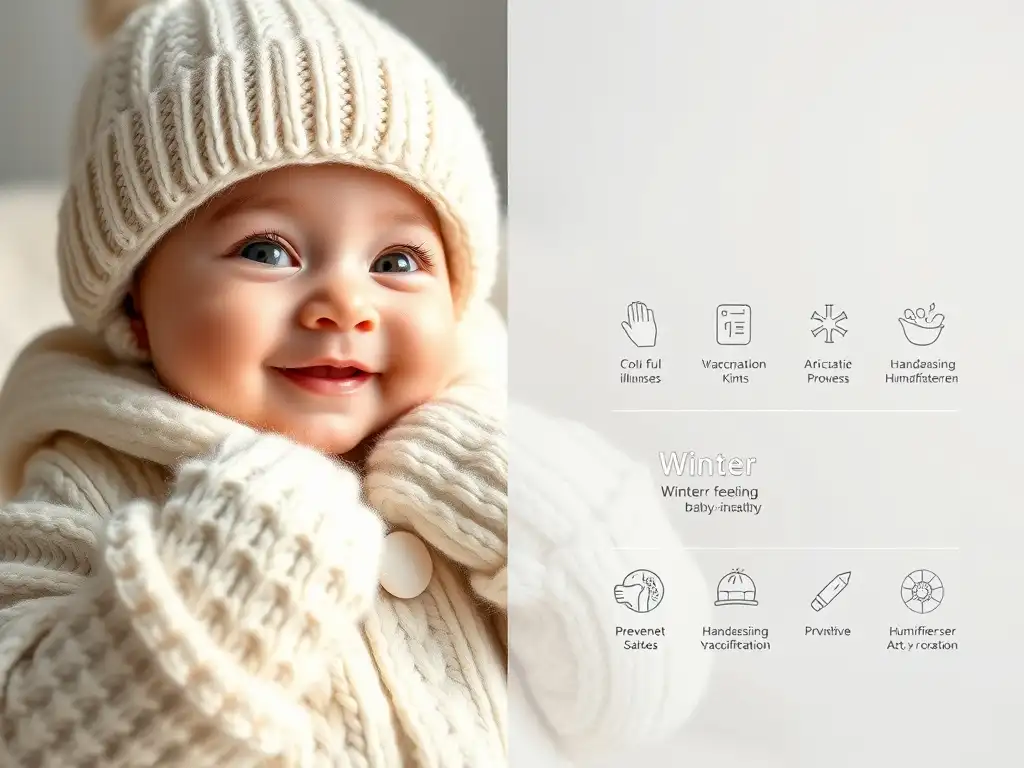
Winter brings an increased risk of respiratory illnesses and other infections for babies. Proactive measures are essential for protecting your little one. Understanding common winter ailments and implementing preventative strategies can significantly reduce your baby's risk of falling ill.
Preventing the Spread of Germs: Hygiene Practices During Cold and Flu Season
Frequent handwashing is paramount. Wash your hands thoroughly and often, especially after being in public places or before handling your baby. Encourage those around your baby to do the same. Regularly disinfect frequently touched surfaces in your home, such as doorknobs, toys, and countertops. If someone in your household is ill, take extra precautions to isolate them and prevent the spread of germs. Avoid close contact with individuals who are sick. Consider using a humidifier in your home to add moisture to the air, which can help to soothe dry coughs and nasal passages.
Boosting Your Baby's Immunity: Nutrition and Healthy Habits
A healthy diet plays a crucial role in strengthening your baby's immune system. Ensure your baby receives proper nutrition through breast milk or formula, supplemented with age-appropriate solid foods. Adequate sleep is also vital for immune function. Establish a consistent sleep routine to ensure your baby gets enough rest. Avoid exposing your baby to excessive stress, as stress can weaken the immune system. Regular exercise and fresh air (when weather permits) can positively impact overall health and immunity. Consult your pediatrician about vitamin D supplementation, especially during the winter months when sunlight exposure is limited.
Common Winter Illnesses in Babies: Recognizing Symptoms and Seeking Medical Advice
Common winter illnesses in babies include colds, the flu, RSV (respiratory syncytial virus), and bronchiolitis. Knowing the symptoms of these illnesses is crucial for early intervention. Symptoms can vary, but may include: fever, cough, runny nose, difficulty breathing, and lethargy. If your baby exhibits any concerning symptoms, such as difficulty breathing or a high fever, seek immediate medical attention. Early diagnosis and treatment can help prevent complications. Don't hesitate to contact your pediatrician with any questions or concerns about your baby's health, especially during the winter months. Trust your instincts – if something doesn't feel right, seek professional help.
Creating a Safe and Warm Indoor Environment for Your Baby
Creating a safe and warm indoor environment is paramount for your baby's well-being during winter. This involves more than just turning up the thermostat; it requires a holistic approach to ensure your little one is comfortable and protected from the harsh elements. A cozy and secure home is crucial for preventing illnesses and ensuring a peaceful sleep. Remember, babies are particularly vulnerable to temperature fluctuations and dry air, so proactive measures are essential.
Consider your baby's room as a sanctuary, a space designed specifically for their comfort and safety. This approach will help minimize risks and maximize your baby’s wellbeing throughout the cold winter months. This careful planning will significantly contribute to a healthy and happy winter for both you and your baby. Don't underestimate the importance of a well-prepared and comfortable home environment; it forms the foundation of your baby's winter safety.
Maintaining a Comfortable Indoor Temperature: Avoiding Drafts and Cold Spots
Maintaining a consistent indoor temperature is key to protecting your baby from cold-related illnesses. The ideal temperature for a baby's room is generally between 68-72°F (20-22°C). However, this can vary depending on your baby's individual needs and the climate in your area. Regularly check the temperature using a reliable thermometer placed away from direct heat sources. Pay close attention to drafts, which can significantly lower the perceived temperature and cause discomfort.
Seal any gaps around windows and doors with weather stripping or draft stoppers. Avoid placing your baby's crib near windows or exterior walls, as these areas are prone to cold spots. Remember, consistent temperature is more important than a slightly higher temperature with fluctuations. A consistent temperature minimizes the risk of your baby getting chilled, which can lead to various health issues. Using a programmable thermostat can help maintain a consistent temperature throughout the day and night.
Humidifying the Air: Preventing Dry Skin and Respiratory Issues
Winter air tends to be very dry, which can lead to dry skin, chapped lips, and even respiratory problems in babies. Low humidity can irritate delicate skin and exacerbate conditions like eczema. Furthermore, dry air can irritate the nasal passages and airways, increasing the susceptibility to colds and other respiratory infections.
Using a cool-mist humidifier in your baby's room can significantly improve the air quality and prevent these issues. Remember to clean the humidifier regularly according to the manufacturer's instructions to prevent the growth of mold and bacteria. You can monitor humidity levels using a hygrometer to ensure the humidity level stays within the recommended range of 40-50%.
Never leave a humidifier running unattended, and always ensure that it is placed safely out of your baby's reach. The benefits of a properly maintained humidifier include healthier skin, reduced respiratory irritation, and a more comfortable sleeping environment for your baby. This proactive measure is an important part of your baby winter safety precautions.
Ensuring Proper Ventilation: Balancing Fresh Air with Warmth
While maintaining a warm indoor temperature is crucial, it's equally important to ensure adequate ventilation to prevent the buildup of stale air and potential pollutants. Babies, with their developing immune systems, are particularly susceptible to airborne irritants. Good ventilation helps circulate fresh air, reducing the concentration of these irritants and minimizing the risk of respiratory issues.
However, opening windows wide in the winter can lead to a significant drop in temperature, which is counterproductive to your baby's comfort and safety. Instead, opt for short bursts of ventilation, perhaps a few minutes several times a day, while ensuring your baby is dressed warmly and is not directly exposed to cold drafts. You can also use an air purifier with a HEPA filter to remove dust, pollen, and other airborne particles, further enhancing the air quality in your baby's room.
Striking the right balance between warmth and fresh air requires careful consideration and consistent monitoring. This subtle yet crucial aspect of baby winter safety precautions deserves attention to ensure a healthy environment for your baby.
Baby Winter Safety Precautions: Safe Practices for Outdoor Activities

This section focuses on ensuring your baby's safety and comfort during winter outings, addressing key concerns related to "baby winter safety precautions". Remember, prioritizing your baby's well-being is paramount, especially in cold weather.
Winter Walks with Your Baby: Tips for Safe and Enjoyable Outings
Taking your baby for a winter walk can be a wonderful bonding experience, but requires careful planning and preparation. The key is to be mindful of the weather and take appropriate precautions.
Choosing the Right Time for Walks: Considering Weather Conditions
Avoid venturing out during peak cold hours (typically early morning and late evening). Opt for the warmest part of the day, and always check the weather forecast before heading out. If the wind chill is dangerously low, postpone your walk. A good rule of thumb is to avoid walks if the temperature is below 0°F (-18°C). Remember, babies lose heat much faster than adults. Consider the wind speed as well; strong winds significantly increase the risk of hypothermia.
Protecting Your Baby's Face and Eyes from the Elements
A baby's delicate skin is highly susceptible to windburn and chapping. Use a hypoallergenic, fragrance-free balm on exposed skin, particularly the face and hands. Consider using a hat that covers the ears and forehead. For added protection, a soft scarf can shield your baby's face from harsh winds. Sunglasses are also essential, even on cloudy days, to protect your baby's sensitive eyes from the sun's glare and UV rays reflected off the snow. Never leave your baby unattended outdoors, even for a short time.
Using a Baby Carrier or Stroller Safely in Winter
If using a stroller, ensure it has good traction on snowy or icy surfaces. Consider adding studded tire covers for better grip. Keep your baby bundled up warmly in a suitable winter sleeping bag or bunting designed for strollers. When using a baby carrier, choose one with good insulation and ensure your baby is dressed warmly. Be extra cautious on slippery surfaces. Consider using a baby carrier that allows you to maintain closer contact for enhanced warmth and monitoring.
Winter Travel with Your Baby: Planning for Safe Journeys
Traveling with a baby in winter presents unique challenges. Careful planning and preparation are crucial to ensure a safe and comfortable journey. Proper "baby winter safety precautions" extend to travel situations as well.
Packing Essentials for Winter Travel: Clothing, Diapers, and Medications
Pack extra layers of warm clothing, including hats, mittens, socks, and a waterproof outer layer. Bring plenty of diapers, wipes, and any necessary medications. Include a thermometer, small first-aid kit, and extra blankets. Consider packing a portable changing mat for convenience. Don't forget essentials like formula or breast milk (if applicable), bottles, pacifiers, and any comfort items your baby is used to.
Keeping Your Baby Comfortable During Long Car Rides
During long car rides, frequent stops are recommended to allow your baby to stretch and move around. Maintain a comfortable temperature inside the car, avoiding both extreme heat and cold. Ensure your baby is securely fastened in an appropriate car seat. Consider bringing along toys and books to keep your baby entertained. Use a car seat cover for extra warmth and protection from the elements. Regularly check on your baby's comfort and adjust clothing as needed.
Adjusting Your Travel Plans for Inclement Weather
Always monitor weather conditions before and during your trip. Be prepared to adjust your travel plans if necessary. If severe weather conditions are predicted, consider postponing your trip or choosing alternative transportation. Stay informed about road closures and potential delays. Safety should always be the top priority when traveling with your baby during winter. Have backup plans in place in case of unforeseen circumstances. Remember, flexibility is key when dealing with winter weather conditions.
Baby Winter Safety Precautions Checklist: A Quick Reference Guide
This checklist helps ensure your little one stays safe and warm throughout the winter months. Remember, every baby is different, so adjust these precautions based on your baby's individual needs and your local climate. Prioritizing baby winter safety precautions is crucial for a healthy and happy winter season.
| Item | Checklist | Notes |
|---|---|---|
| Clothing | ☐ Sufficient layers (avoid overheating) | Consider using thermal underwear, wool socks, and a warm hat. Avoid loose clothing that could pose a strangulation hazard. |
| Car Seat Safety | ☐ Proper car seat installation and warm blankets (avoid bulky items) | Ensure the baby is securely fastened and that blankets don't interfere with the harness. Use a car seat cover designed for winter. |
| Outdoor Excursions | ☐ Limit time outdoors in extreme cold | Dress your baby warmly, and monitor their body temperature closely. Short outdoor trips are best, especially for newborns. |
| Indoor Temperature | ☐ Maintain a comfortable indoor temperature (68-72°F) | Use a reliable thermometer to monitor your home's temperature. Avoid drastic temperature changes. |
| Hydration | ☐ Offer frequent breast milk or formula feeds | Dehydration is a risk in cold weather. Ensure your baby is adequately hydrated. |
| Skin Protection | ☐ Use a gentle, fragrance-free moisturizer to protect against dry skin | Cold weather can dry out delicate baby skin. |
| Monitoring Temperature | ☐ Regularly check your baby’s temperature (especially hands and feet) | Cool hands and feet are normal, but if they feel cold to the touch, it's time to add another layer. |
| Emergency Preparedness | ☐ Have a plan for power outages or unexpected weather events | Prepare a backup plan for heating and essential supplies in case of emergencies. |
### Essential Items for Winter Baby Care: A Comprehensive List
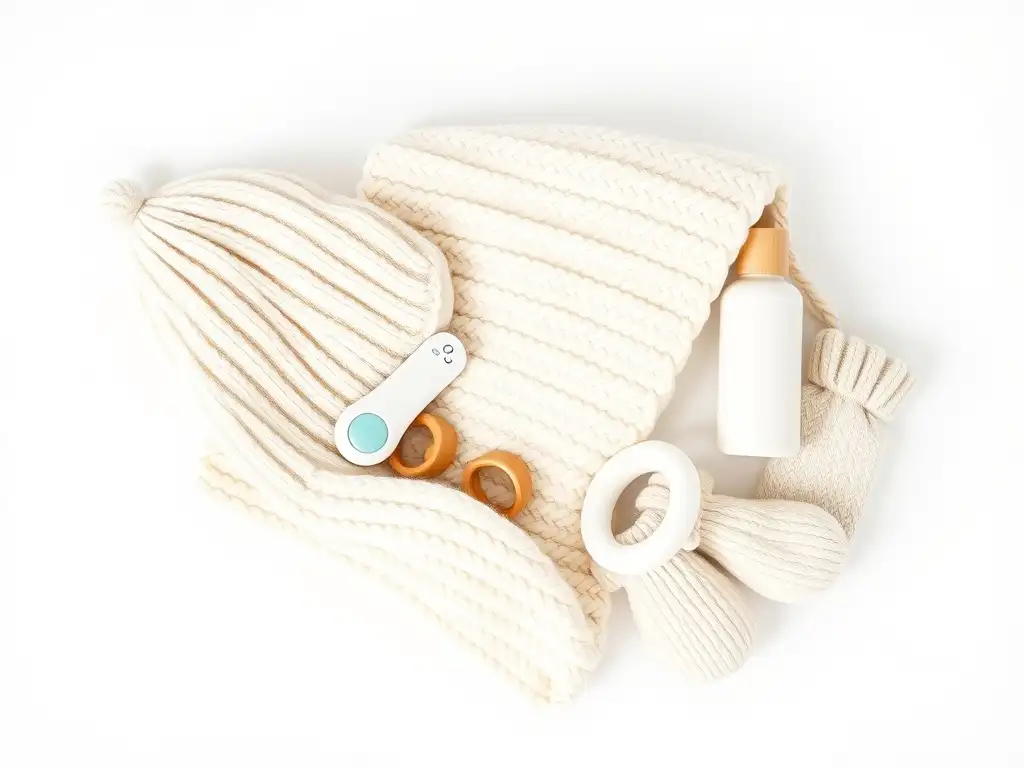
Preparing for winter with a baby requires careful planning and the right equipment. This list provides a detailed overview of essential items to keep your little one safe and comfortable during the colder months. Remember, prioritizing baby winter safety precautions is key.
This list is categorized for easy navigation:
- Clothing:
- Thermal Undershirts and Long Johns: These provide a base layer of warmth without bulk. Opt for soft, natural fabrics like cotton or merino wool.
- Warm Sweaters and Jackets: Choose jackets with hoods for added head protection.
- Mittens and Socks: Keep tiny hands and feet warm. Look for waterproof options for outdoor excursions.
- Hats: A hat is crucial for preventing heat loss from the head. Choose one that covers the ears.
- Waterproof Outerwear: A waterproof snowsuit or bunting bag is necessary for outdoor activities.
- Gear:
- Warm Blanket(s): Choose blankets made from natural fibers like wool or fleece. Avoid loose blankets in the crib to prevent suffocation.
- Car Seat Cover: A dedicated car seat cover will help protect your baby from the elements during travel.
- Stroller Blanket or Footmuff: Provides extra warmth and protection from the wind during walks.
- Health & Safety:
- Humidifier: Dry winter air can irritate your baby's delicate skin and respiratory system.
- Thermometer: Regularly monitor your home's temperature and your baby's temperature.
- First-aid kit: Always have a well-stocked first-aid kit on hand.
### Daily Winter Safety Routine for Your Baby: A Step-by-Step Guide
A consistent daily routine is vital to ensure your baby's safety and well-being during winter. This step-by-step guide outlines key practices to incorporate into your daily schedule. Maintaining these baby winter safety precautions will significantly reduce the risk of cold-related illnesses and accidents.
- Morning: Begin by checking the indoor temperature. Ensure your home is at a comfortable temperature (around 68-72°F). Dress your baby in layers appropriate for the day's activities, paying special attention to extremities. Always check for any signs of skin irritation or dryness.
- Outdoor Excursions: If you're venturing outdoors, keep the time short, dress your baby warmly in layers, and monitor their body temperature closely. Avoid prolonged exposure to wind and cold. Remember to bundle them up appropriately in a stroller footmuff or car seat cover.
- Feeding: Ensure your baby is well-hydrated throughout the day. Offer frequent feedings of breast milk or formula, as dehydration can be a concern in cold weather.
- Indoor Activities: Spend time engaging in indoor play activities to keep your baby stimulated and happy while staying warm.
- Evening: Before bedtime, give your baby a warm bath (if needed) and dress them in sleepwear suitable for the temperature. Ensure their room is well-ventilated but not too cold. Check their temperature again before putting them to sleep.
- Nighttime Monitoring: Continue to monitor the indoor temperature and your baby's comfort throughout the night. A humidifier can be beneficial in maintaining appropriate humidity levels.
By following this routine and incorporating the suggested items, you can significantly improve your baby's comfort and safety throughout the winter months. Remember, consistent application of these baby winter safety precautions is key to a healthy and happy winter season for both you and your baby. 👶
Frequently Asked Questions
How can I keep my baby warm during winter walks?
Dress your baby in layers, including a hat, mittens, and warm socks. Remember that overdressing can be just as dangerous as underdressing, so monitor your baby's temperature. Always ensure their face and head are covered.
What are some winter safety precautions for car seats?
Never leave your baby unattended in a car, especially during winter. Ensure the car seat is properly installed and that your baby is dressed warmly but not bundled too tightly, restricting movement. Consider using a car seat cover for added warmth.
How can I prevent my baby from getting frostbite?
Limit exposure to extreme cold. Keep outings short and ensure your baby's skin is covered and protected from the wind. Check your baby's skin regularly for any signs of paleness or numbness.
My baby's skin gets dry in winter. What can I do?
Use a gentle, fragrance-free moisturizer to prevent dryness and irritation. Give your baby warm baths, but avoid overly hot water. Keep your home at a comfortable humidity level.
Are there any special considerations for winter sleep safety?
Ensure your baby sleeps in a safe, well-ventilated space at a comfortable temperature. Avoid overheating by using appropriate bedding and checking your baby's temperature regularly. A sleep sack is a great option.
Final Reflection: Embracing Winter's Embrace with a Safe and Warm Heart
Protecting our little ones from the harsh realities of winter is not merely a seasonal task; it's a fundamental act of love and responsibility. The cold weather poses unique challenges to infants, whose delicate systems are still developing, making proactive safety measures paramount. This guide has highlighted the crucial steps parents can take to ensure their babies' well-being throughout the winter months, from proper clothing and car seat safety to recognizing the signs of hypothermia and frostbite.
The impact of winter weather on infant health is a timeless concern, woven into the fabric of parenting across generations. The anxieties and joys of keeping a baby safe and warm in the face of winter's chill are a shared human experience. The best thing one can do is to prepare for the worst, and hope for the best.
This sentiment rings true when considering the proactive measures discussed in this article, emphasizing preparedness as the cornerstone of winter safety for infants. The ongoing evolution of winter clothing technology and medical understanding only strengthens the importance of staying informed and adapting our practices to ensure the best possible care for our children.
Now, as you close this guide, take a moment to reflect on the specific steps you can implement to safeguard your little one this winter. Consider creating a personalized winter safety checklist, based on the information provided, and share it with other parents. Remember, your vigilance and proactive approach are the most powerful tools in ensuring a safe and joyful winter for your baby. Let's embrace the season's beauty while prioritizing the well-being of our most precious gifts.
Embrace the Cozy Season: Winterize Your Little One's World!
Thank you for taking the time to learn how to keep your little one safe and warm this winter! We hope this guide has provided valuable insights and practical tips. Now, let's put that knowledge into action:
- Prioritize your baby's warmth: Ensure you have a sufficient supply of warm clothing, including layers, hats, mittens, and booties, for every outing. This is crucial for their comfort.
- Share your winter wisdom: Connect with other parents in our community forum and share your favorite cold-weather parenting tips! We'd love to hear what works best for you.
- Challenge the chill: Enjoy a gentle indoor play session with a snow theme, or take a short stroll in a covered stroller on a mild winter day. Always prioritize safety and comfort.
Ready to face winter with confidence and keep your baby happy and healthy this season? What's your best winter parenting tip?