
Baby Eczema: The Connection Between Teething and FlareUps

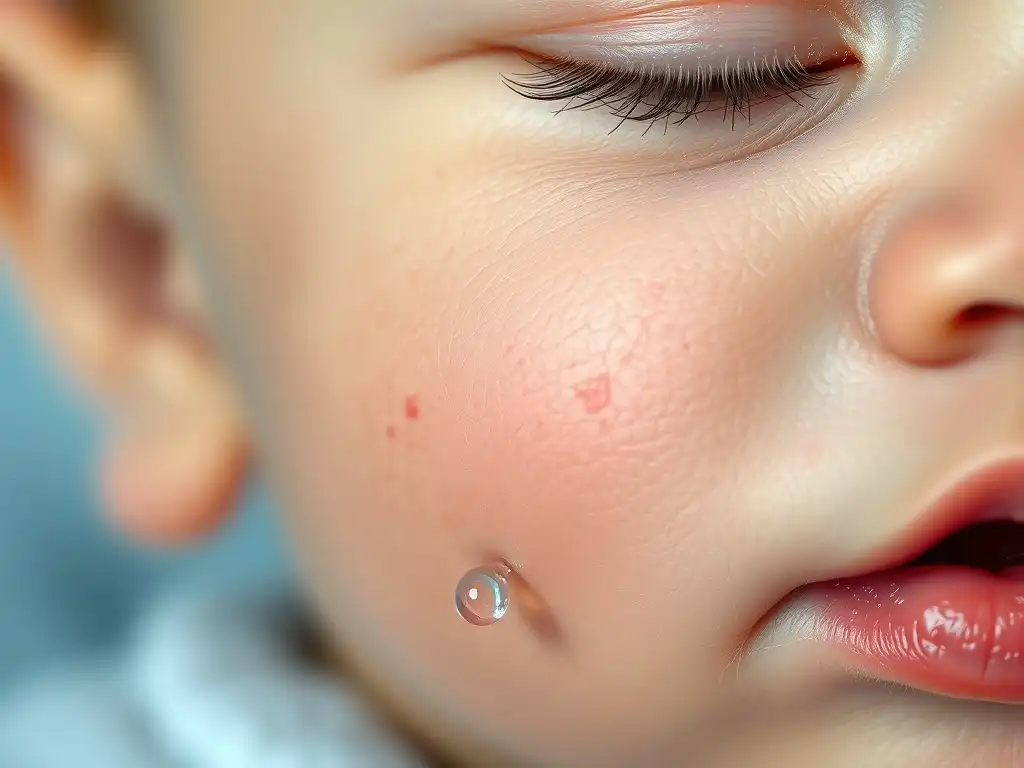
Welcome to BabyCareHub, your ultimate guide to navigating the incredible journey of parenthood! Are you facing unexpected challenges with your little one? We understand that the first year is filled with surprises, and teething baby eczema flareups are a common concern. Discover the surprising connection between teething and eczema flare-ups, and learn practical strategies to soothe your baby's discomfort and protect their delicate skin. Dive in and unlock the secrets to confident and informed baby care!
- Understanding Teething and Baby Eczema Flare-Ups
- Identifying Teething-Triggered Eczema
- Managing Teething-Related Baby Eczema Flare-Ups
- Preventing Teething Eczema Flare-Ups
- Long-Term Management of Eczema and Teething
-
Frequently Asked Questions
- Does teething always cause eczema flare-ups in babies?
- What are the common signs of a teething-related eczema flare-up?
- How can I soothe my baby's eczema during a teething flare-up?
- Can I give my baby any over-the-counter medications for teething-related eczema?
- When should I seek professional medical advice for my baby's eczema?
- Final Reflection: Navigating the Itchy Truth of Teething and Eczema
- Unlock Your Baby's Comfort: Soothe Eczema Flare-Ups
Understanding Teething and Baby Eczema Flare-Ups
Many new parents experience the double whammy of teething and eczema flare-ups in their little ones. The seemingly unrelated events of tooth eruption and skin irritation often occur concurrently, leading to parental concern and a search for answers. This article explores the potential connection between teething and eczema flare-ups in babies, offering insights into the underlying mechanisms and practical advice for managing these common challenges.
We will delve into how teething discomfort can trigger eczema exacerbation, examine the impact on the immune system and skin barrier, and highlight common symptoms to watch for. Understanding this relationship empowers parents to better support their babies during these challenging periods, providing comfort and effective strategies for managing both teething pain and eczema symptoms. Remember, while this article provides information, always consult your pediatrician for personalized advice and treatment for your baby's specific needs.
The Link Between Teething Discomfort and Eczema Exacerbation
The connection between teething and eczema flare-ups isn't always directly causal, but there's a strong correlation. Teething itself is a significant source of discomfort for babies. The pressure and inflammation associated with erupting teeth can lead to increased fussiness, irritability, and even difficulty sleeping. This stress on the baby's system can manifest in various ways, one of which is an exacerbation of pre-existing eczema. Babies with sensitive skin are particularly vulnerable.
The increased stress hormones released during teething periods might compromise the skin barrier function, making it more susceptible to irritants and allergens, ultimately leading to a worsening of eczema symptoms. Furthermore, increased drooling, a common symptom of teething, can also irritate already sensitive skin, contributing to flare-ups. It's crucial to remember that while teething can exacerbate eczema, it's not the sole cause. Other triggers, such as environmental factors and food allergies, also play a significant role.
How Teething Affects the Immune System and Skin Barrier
The immune system plays a crucial role in both teething and eczema. During teething, the body undergoes a period of increased inflammation as the teeth break through the gums. This inflammatory response can, in some cases, impact the immune system's ability to regulate skin inflammation effectively. For babies with eczema, whose skin barrier is already compromised, this disruption can trigger a cascade of events leading to a flare-up.
The weakened skin barrier allows irritants and allergens to penetrate more easily, leading to increased inflammation and worsening of eczema symptoms. Additionally, the increased saliva production from drooling during teething can further irritate the skin, compounding the problem. The exact mechanisms are still being researched, but the interplay between immune response, skin barrier integrity, and the stress associated with teething appears to be a key factor.
Recognizing the signs of a teething-related eczema flare-up is crucial for effective management. While eczema symptoms vary, some common indicators that might be exacerbated by teething include:
| Symptom | Description |
|---|---|
| Increased itching | Baby scratches or rubs affected areas more frequently than usual. |
| Reddened, inflamed skin | Skin appears redder, more swollen, and generally inflamed than usual. |
| Dry, cracked skin | Skin becomes excessively dry, potentially cracking and bleeding in severe cases. |
| Increased weeping | Affected areas may produce more fluid than typically seen with eczema. |
| Sleep disturbances | Baby's sleep is interrupted due to increased discomfort from itching and pain. |
| Irritability and fussiness | Baby is more irritable and fussy than usual, possibly due to discomfort. |
Recognizing these symptoms in conjunction with teething signs can help parents connect the dots and implement appropriate management strategies. Remember to always consult your pediatrician for diagnosis and treatment. Early intervention can often help minimize the severity and duration of eczema flare-ups.
Identifying Teething-Triggered Eczema
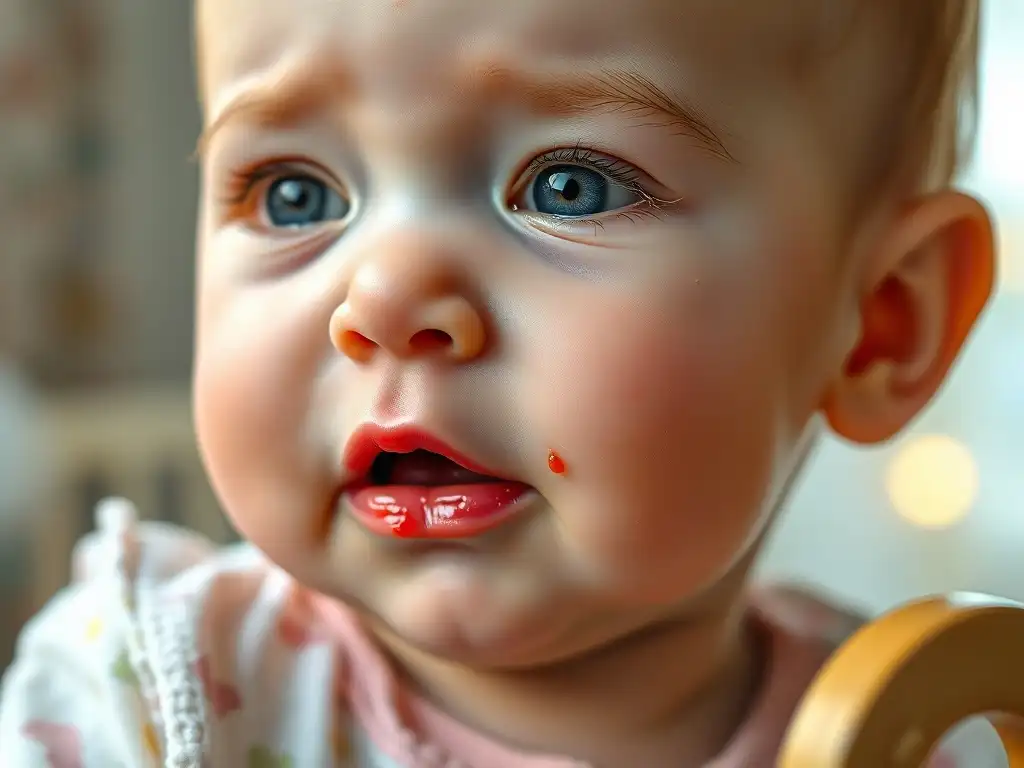
Teething is a significant developmental milestone for babies, often accompanied by discomfort, drooling, and irritability. For babies already prone to eczema, teething can act as a potent trigger, exacerbating existing symptoms or even initiating a new flare-up. Understanding this connection is crucial for effective management of your baby's skin condition. The increased drooling associated with teething can introduce irritants to the already sensitive skin, leading to inflammation and itching. This section will guide you through recognizing the signs and patterns of teething-related eczema flare-ups. Remember, always consult your pediatrician if you have concerns about your baby's skin.
Distinguishing Teething Eczema from Other Irritants
Differentiating teething-related eczema from other irritants can be challenging. While drool is a major culprit during teething, other factors can also contribute to eczema flare-ups. For example, new foods introduced into your baby's diet, changes in laundry detergent, or exposure to harsh chemicals can all trigger a reaction.
To pinpoint the teething connection, consider the timing of the flare-up in relation to teething milestones. Did the eczema worsen around the time your baby started drooling excessively? Are the affected areas primarily around the mouth and chin, where drool accumulates? Keep a detailed diary noting your baby's diet, new products used, and the onset and severity of eczema symptoms. This detailed record will help you and your pediatrician identify potential triggers and develop a tailored management plan.
A key differentiator is the location of the rash. Teething-related eczema often manifests around the mouth and chin due to constant exposure to saliva. However, eczema can appear anywhere on the body. The intensity of the itching and the presence of other teething symptoms, such as swollen gums and irritability, can also help in making the distinction.
Recognizing Key Signs of a Flare-Up During Teething
A teething-induced eczema flare-up often presents with classic eczema symptoms, but intensified. These might include:
- Increased redness and inflammation: The affected skin becomes noticeably redder and more inflamed than usual.
- Intense itching: Your baby may scratch excessively, potentially leading to broken skin and secondary infections. 😩
- Dry, cracked skin: The skin may appear dry, cracked, and scaly, especially around the mouth and chin.
- Weeping sores: In severe cases, weeping sores or blisters may develop.
- Increased irritability: The discomfort from the eczema, combined with teething pain, can make your baby unusually fussy and irritable.
It's crucial to distinguish these symptoms from a simple case of drool rash. A drool rash is usually less severe and clears up quickly with simple measures like keeping the skin clean and dry. Persistent redness, intense itching, and weeping sores strongly suggest a more significant eczema flare-up.
Observing Patterns: Linking Teething Milestones to Eczema Severity
Careful observation can reveal a correlation between your baby's teething milestones and the severity of their eczema. Many parents report a noticeable worsening of eczema symptoms around the time their baby starts drooling more, which typically coincides with the eruption of teeth.
| Teething Milestone | Typical Age (months) | Potential Eczema Impact |
|---|---|---|
| First teeth (lower incisors) | 4-7 | Often a first significant eczema flare-up due to increased drooling |
| Upper incisors | 6-10 | Another potential surge in eczema severity |
| Other teeth (molars, etc.) | 12-30+ | Continued potential for flare-ups as teething continues |
Note that this is a general guideline, and the timing and severity of both teething and eczema can vary greatly between babies. Some babies may experience minimal eczema flare-ups during teething, while others may have more significant reactions. Tracking your baby's teething progress alongside their eczema symptoms allows you to identify patterns and anticipate potential flare-ups. This proactive approach enables you to implement preventative measures and minimize discomfort. Remember, consistent monitoring and a close relationship with your pediatrician are key to effectively managing your baby's eczema.
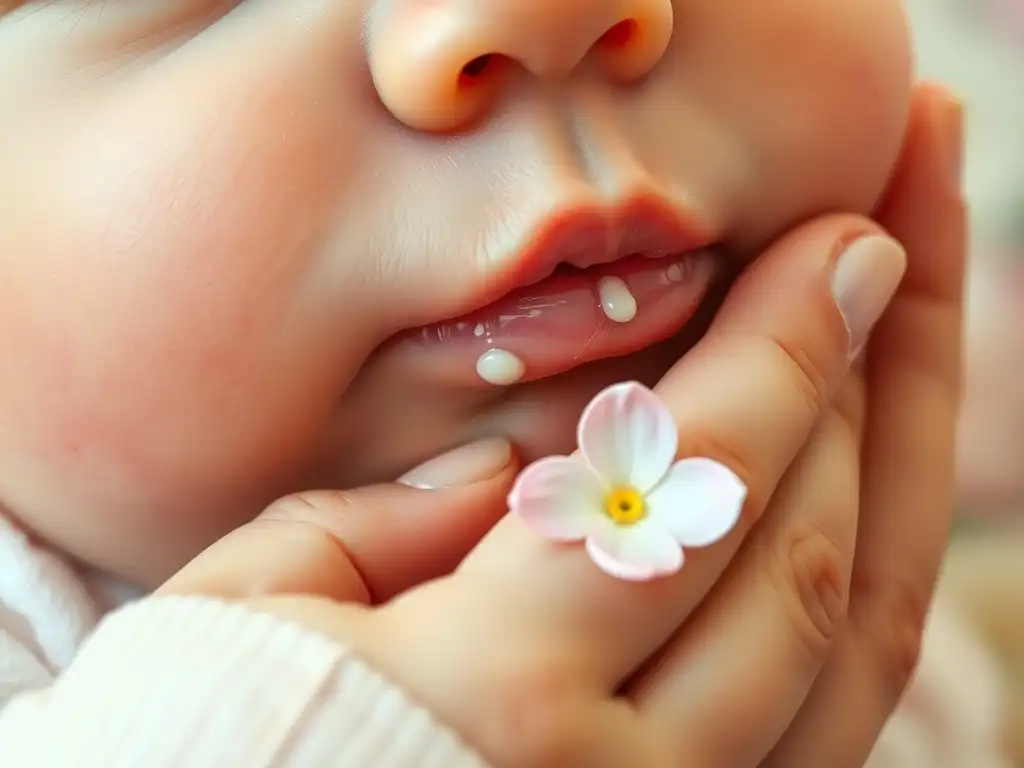
Teething is a significant milestone in a baby's development, but it can unfortunately trigger or exacerbate existing eczema. The connection between teething and eczema flare-ups is often linked to increased saliva production and the baby's tendency to drool more frequently. This constant moisture on the skin can irritate already sensitive skin, leading to worsening eczema symptoms. Furthermore, the discomfort associated with teething can cause babies to scratch their faces more, further damaging the skin barrier and potentially introducing infection.
Understanding this connection is crucial for effectively managing eczema during this period. This section focuses on practical strategies to minimize discomfort and promote healing. Remember, always consult your pediatrician before starting any new treatment for your baby's eczema.
Soothing Eczema During Teething: Gentle Cleansing and Moisturizing
Gentle cleansing and moisturizing are cornerstones of eczema management, especially during teething. Avoid harsh soaps and detergents, opting instead for fragrance-free, hypoallergenic cleansers specifically designed for sensitive skin. Look for products that are pH-balanced to minimize skin irritation. After bathing, gently pat your baby's skin dry – avoid rubbing, which can further aggravate the condition.
The next step is moisturizing. Apply a thick, fragrance-free moisturizer immediately after bathing while the skin is still damp. This helps to lock in moisture and create a protective barrier against further irritation. Look for emollients containing ingredients like ceramides, which help to repair the skin barrier.
Consider using a hypoallergenic baby lotion or a thicker cream or ointment, particularly for areas affected by eczema. Regular application, several times a day, is key to keeping the skin hydrated and reducing itching. A consistent routine is vital for minimizing discomfort and preventing further flare-ups. This consistent approach is crucial for effective management of teething baby eczema flareups.
Here's a sample routine you might follow:
| Time of Day | Activity | Product Recommendation | Notes |
|---|---|---|---|
| Morning | Bath | Fragrance-free, hypoallergenic baby wash | Use lukewarm water; avoid prolonged bathing |
| After Bath | Moisturize | Ceramide-rich cream or ointment | Apply liberally to damp skin |
| Midday | Reapply Moisturizer | Hypoallergenic baby lotion | Especially to areas prone to dryness and scratching |
| Evening | Bath | Fragrance-free, hypoallergenic baby wash | Use lukewarm water; avoid prolonged bathing |
| After Bath | Moisturize | Ceramide-rich cream or ointment | Apply liberally to damp skin; consider a thicker cream for overnight |
Effective Home Remedies for Teething Eczema Relief
While medical treatments are essential for severe eczema, some home remedies can offer soothing relief for minor teething-related flare-ups. Remember, these are complementary approaches and should not replace advice from your pediatrician.
- Cool Compresses: Applying cool, damp cloths to irritated skin can help reduce inflammation and itching. The coolness provides immediate relief from the burning sensation often associated with eczema.
- Oatmeal Baths: Adding colloidal oatmeal to your baby's bathwater can help soothe inflamed skin. The oatmeal acts as a natural emollient, softening and calming irritated skin. Look for specifically formulated oatmeal bath products designed for sensitive baby skin.
- Breast Milk: Breast milk contains natural antibacterial and anti-inflammatory properties. Applying a small amount directly to the affected areas can provide some soothing relief.
Remember to always monitor your baby's reaction to any home remedy and discontinue use if any adverse reaction occurs.
Over-the-Counter Treatments for Eczema Flare-Ups During Teething
For more significant eczema flare-ups during teething, over-the-counter (OTC) hydrocortisone cream (1%) might offer temporary relief. However, it's crucial to use this sparingly and only as directed by your pediatrician. Prolonged use of topical steroids can have potential side effects. Always follow the instructions carefully and never exceed the recommended dosage.
OTC products containing colloidal oatmeal can also provide soothing relief and can be safely used alongside the gentle cleansing and moisturizing routine outlined above. Always check the ingredients list to ensure the product is free from fragrances and potential irritants. Remember, if OTC treatments don't provide sufficient relief or if the eczema worsens, consult your pediatrician immediately. They can assess the severity of the condition and recommend appropriate medical interventions for managing teething baby eczema flareups.
When to Seek Professional Medical Advice for Baby Eczema
Experiencing a teething baby eczema flare-up can be distressing for both parents and the baby. While many mild flare-ups can be managed at home with gentle skincare routines and over-the-counter remedies, knowing when to seek professional medical advice is crucial for your baby's well-being. Several warning signs indicate the need for a doctor's visit. Don't hesitate to contact your pediatrician or a dermatologist specializing in pediatric eczema if your baby's eczema significantly worsens during teething or exhibits any of the following symptoms:
The severity of the eczema is a major factor. If the rash is widespread, intensely itchy, causing your baby significant distress, leading to disrupted sleep, or exhibiting signs of infection (such as yellow crusting, pus, or increased warmth around the affected area), immediate medical attention is warranted. These severe cases often require prescription-strength topical corticosteroids or other specialized treatments to effectively control the inflammation and prevent complications.
Furthermore, if home remedies and over-the-counter treatments prove ineffective after a reasonable trial period (e.g., a week of consistent application), a consultation with a healthcare professional is essential. They can assess the situation, determine the underlying cause of the persistent flare-up, and recommend a more appropriate treatment plan. This might involve adjusting the current treatment, introducing new medications, or exploring potential underlying allergies or sensitivities contributing to the eczema.
Another critical indicator is the presence of secondary skin infections. Baby eczema, especially when exacerbated by teething, creates open sores that are susceptible to bacterial or fungal infections. Signs of infection such as increased redness, swelling, oozing pus, or yellow crusting around the rash necessitate immediate medical intervention. Delaying treatment can lead to more severe complications and prolonged discomfort for your baby. Antibiotics or antifungal medications may be necessary to clear the infection.
Finally, if you notice any unusual symptoms alongside the eczema flare-up, such as fever, lethargy, or changes in feeding habits, consult your pediatrician immediately. These could indicate a more serious underlying health issue that requires prompt diagnosis and treatment. Remember, it's always better to err on the side of caution when it comes to your baby's health. Don't hesitate to seek professional medical advice if you have any concerns. Early intervention can often prevent more significant problems and ensure your baby receives the best possible care.
Preventing Teething Eczema Flare-Ups

Teething is a significant milestone for babies, but it can unfortunately trigger or worsen eczema symptoms in susceptible infants. The connection between teething and eczema flare-ups isn't fully understood, but several factors contribute to this association. Increased drooling during teething can irritate already sensitive skin, leading to inflammation and itching.
Furthermore, the stress and discomfort of teething can potentially disrupt a baby's sleep and overall well-being, indirectly impacting their skin's health. Understanding these connections empowers parents to implement preventative strategies and minimize the impact of teething on their baby's eczema. This section will outline practical steps to proactively manage eczema during this challenging period, focusing on skincare, diet, and environmental factors.
Proactive Skincare Routine for Babies Prone to Eczema
A consistent and gentle skincare routine is crucial for managing baby eczema, particularly during teething. Avoid harsh soaps and detergents, opting instead for fragrance-free, hypoallergenic cleansers specifically designed for sensitive skin. These gentle cleansers help to maintain the skin's natural barrier function without stripping away essential oils. After cleansing, apply a fragrance-free, hypoallergenic moisturizer liberally. This helps to hydrate the skin, preventing dryness and cracking which can exacerbate eczema symptoms. The timing of these applications is also important; apply moisturizer immediately after bathing to lock in moisture.
Consider incorporating an emollient bath additive to further soothe irritated skin during baths. These additives help to hydrate the skin and reduce inflammation. Remember to keep bath times short and the water lukewarm to minimize further skin irritation. Finally, always check the ingredients list of any product you use on your baby's delicate skin, paying close attention to potential allergens and irritants. A detailed record of products used and any reactions can be immensely helpful in identifying triggers. This proactive approach to skincare can significantly reduce the severity and frequency of eczema flare-ups during teething.
Dietary Considerations to Minimize Eczema Flare-Ups During Teething
While the direct link between diet and teething-related eczema flare-ups requires further research, certain dietary considerations can support overall skin health and potentially minimize symptoms. For breastfed babies, the mother's diet plays a crucial role. Eliminating potential allergens from the mother's diet, such as dairy, eggs, soy, peanuts, and wheat, might reduce the likelihood of eczema flare-ups in the baby. This requires careful observation and potentially consultation with a pediatrician or registered dietitian. For formula-fed babies, hypoallergenic formulas might be considered under medical supervision if eczema is severe.
Introducing solid foods requires careful monitoring for allergic reactions. Introduce new foods one at a time, waiting several days before introducing another to identify any potential triggers. Keep a detailed food diary noting any new foods introduced and any subsequent changes in the baby's skin condition. This meticulous record-keeping is essential for identifying potential dietary triggers. Remember that while diet might not be the sole cause of eczema flare-ups during teething, managing potential allergens can be a valuable preventative measure. Always consult a healthcare professional before making significant dietary changes for your baby.
Creating a Soothing and Hypoallergenic Environment for Baby's Skin
The environment plays a significant role in managing baby eczema. Maintaining a consistently cool and humid environment can help to minimize dryness and irritation, reducing the likelihood of flare-ups. Using a humidifier, especially during dry winter months, can significantly improve skin hydration. Furthermore, keeping the baby's clothing and bedding made from soft, breathable, hypoallergenic materials, such as cotton, is crucial. Avoid harsh fabrics, such as wool or synthetic materials, which can irritate sensitive skin. Regularly washing bedding and clothing in fragrance-free, hypoallergenic detergent can further minimize environmental triggers.
Regularly cleaning surfaces and toys with hypoallergenic cleaning products is also recommended. Dust mites and other allergens can exacerbate eczema, so maintaining a clean environment is crucial. Consider using hypoallergenic cleaning products specifically designed for sensitive skin.
Additionally, avoid exposing your baby to excessive heat or cold, as extreme temperatures can exacerbate eczema symptoms. Creating a soothing and hypoallergenic environment is an essential part of a comprehensive eczema management strategy, helping to minimize flare-ups during teething and beyond. The combination of a proactive skincare routine, mindful dietary considerations, and a carefully controlled environment can significantly improve your baby's comfort and well-being during the teething phase.
Long-Term Management of Eczema and Teething
Managing eczema, especially when it coincides with the often-challenging period of teething, requires a long-term, proactive approach. It's crucial to remember that there's no one-size-fits-all solution; what works for one baby might not work for another. Consistent monitoring, careful attention to triggers, and a collaborative relationship with your pediatrician are vital components of successful long-term eczema management. The goal is to minimize flare-ups, improve your baby's comfort, and promote healthy skin development.
This involves understanding the interplay between teething and eczema and adapting your care routine accordingly. Many parents find that keeping a detailed diary of their baby's eczema symptoms, including severity, triggers, and treatments, proves invaluable in identifying patterns and refining their management strategy over time. This approach allows for a more personalized and effective response to future flare-ups. Remember to always consult your pediatrician before making significant changes to your baby's treatment plan.
Developing a Personalized Eczema Management Plan
Developing a personalized eczema management plan involves several key steps. First, meticulously identify your baby's specific eczema triggers. Common triggers include certain foods, fabrics, environmental allergens (like dust mites or pet dander), and irritants (like harsh soaps or detergents). Teething itself can also exacerbate existing eczema, possibly due to increased saliva production and drooling, leading to skin irritation. Keep a detailed journal to track potential links between teething episodes and eczema flare-ups.
Secondly, work closely with your pediatrician to determine the most appropriate treatment strategy. This might involve topical corticosteroids, emollients, or other prescribed medications. The frequency and type of application will be tailored to your baby's specific needs and the severity of their eczema. Thirdly, implement preventative measures to minimize exposure to known triggers.
This could mean choosing hypoallergenic laundry detergents, using cotton clothing, and maintaining a clean, dust-free environment. Finally, regularly review and adjust your plan based on your baby's response to treatment and any changes in their condition. Remember, consistency is key to long-term eczema management. A well-structured plan, created in collaboration with your pediatrician, can significantly improve your baby's quality of life and reduce the frequency and severity of eczema flare-ups associated with teething.
Monitoring Eczema Severity During and After Teething
Monitoring the severity of your baby's eczema during and after teething is essential for effective management. You should pay close attention to several key indicators. The extent of the rash – its size, location, and spread – provides valuable information. Look for changes in skin texture, such as increased dryness, scaling, or cracking.
Observe the presence of weeping or crusting, which can indicate a more severe flare-up. Assess your baby's level of discomfort; increased scratching, irritability, or difficulty sleeping often accompanies worsening eczema. A scoring system, such as the SCORAD index (although adapted for infants), can be helpful for objectively tracking changes in eczema severity over time. Regularly record your observations in a journal, noting the timing of teething milestones and any correlation with eczema flare-ups.
This detailed record will be invaluable in discussions with your pediatrician, allowing for informed decisions about treatment adjustments. Remember, even seemingly minor changes in your baby's eczema should be communicated to your healthcare provider, especially during teething, as this period can significantly impact skin health. Early intervention can often prevent minor issues from escalating into more serious problems.
Supporting Your Baby's Overall Well-being During Teething
Teething can be a challenging time for both babies and parents. While focusing on managing eczema flare-ups, it's equally crucial to support your baby's overall well-being. Providing comfort measures is paramount. Offer soothing relief with cool teething toys or a clean, damp washcloth. Gentle massage of the gums can also provide some comfort.
Ensure your baby is well-hydrated, offering plenty of fluids. A healthy diet, rich in nutrients that support skin health, plays a vital role. Maintain a consistent sleep routine, as disrupted sleep can exacerbate both teething discomfort and eczema symptoms. Remember, a calm and reassuring environment can significantly reduce your baby's stress levels, potentially minimizing the impact of teething on their eczema. Prioritize skin care routines designed to soothe and protect your baby's delicate skin.
This might include regular bathing with gentle, fragrance-free cleansers and the liberal application of prescribed emollients. Finally, don't hesitate to seek support from your pediatrician or other healthcare professionals if you are concerned about your baby's well-being or if their eczema symptoms worsen significantly during teething. A holistic approach, focusing on both physical and emotional comfort, is essential for navigating this period successfully. Remember that you're not alone; many parents experience similar challenges, and seeking professional guidance is always a positive step.
Frequently Asked Questions
Does teething always cause eczema flare-ups in babies?
No, while teething can trigger eczema flare-ups in some babies, it's not a guaranteed cause. Many factors contribute to eczema, and teething is just one potential irritant. Other factors may be more significant.
You might see a worsening of existing eczema symptoms, such as increased redness, itchiness, dryness, and weeping. The rash might appear near the mouth, but could also be elsewhere on the body. Increased irritability is also common.
How can I soothe my baby's eczema during a teething flare-up?
Maintain a consistent skincare routine, using gentle, fragrance-free moisturizers and prescribed topical treatments. Cool compresses can help with itching. Avoid irritants, including harsh soaps and certain fabrics.
It's crucial to consult your pediatrician before using any over-the-counter medications, even seemingly innocuous ones. They can advise on safe and effective treatments for your baby's specific situation.
When should I seek professional medical advice for my baby's eczema?
Seek immediate medical attention if your baby's eczema is severe, spreading rapidly, or accompanied by fever or other concerning symptoms. Don't hesitate to contact your pediatrician for any concerns.
The connection between teething and eczema flare-ups in babies is not merely anecdotal; it's a lived reality for countless parents struggling to soothe their little ones' discomfort. This often-overlooked link highlights the crucial need for a holistic approach to infant skincare and well-being, moving beyond simple symptom management to understanding the underlying interplay of factors impacting a baby's delicate skin.
The emotional toll of witnessing your baby grapple with the dual challenges of teething pain and eczema's relentless itch is immense. It's a constant cycle of sleepless nights, anxious days, and the persistent search for relief. This experience underscores the importance of informed decision-making, emphasizing the need for open communication with pediatricians and a proactive approach to managing both conditions. The most important thing is to understand your child's unique needs and to find a treatment plan that works for both of you.
This simple statement encapsulates the heart of effective parenting in the face of such challenges.
You, as a parent, are now equipped with a deeper understanding of this often-overlooked connection. Take this knowledge and empower yourself to advocate for your child's comfort. Don't hesitate to seek professional guidance, meticulously track your baby's symptoms, and explore various management strategies to find what works best for your family. Remember, navigating this journey is a testament to your love and dedication, and your proactive approach will make a world of difference in your baby's quality of life.
Unlock Your Baby's Comfort: Soothe Eczema Flare-Ups
Thank you for learning more about the connection between teething and eczema flare-ups! We hope this information helps you understand and manage your little one's sensitive skin. Here's how to put this knowledge into practice:
- Create a soothing bath routine: Adding a few drops of colloidal oatmeal to your baby's bathwater can provide significant relief. This simple change can make a big difference.
- Use gentle skincare products: Choose hypoallergenic lotions and creams formulated for sensitive baby skin. Keeping a record of what works best can be very helpful.
- Share your experiences and tips with other parents! Supporting each other is key to successful management of eczema in babies.
What small step will you take today to soothe your baby's eczema?