
The Pros and Cons of Different Baby Swing Motions

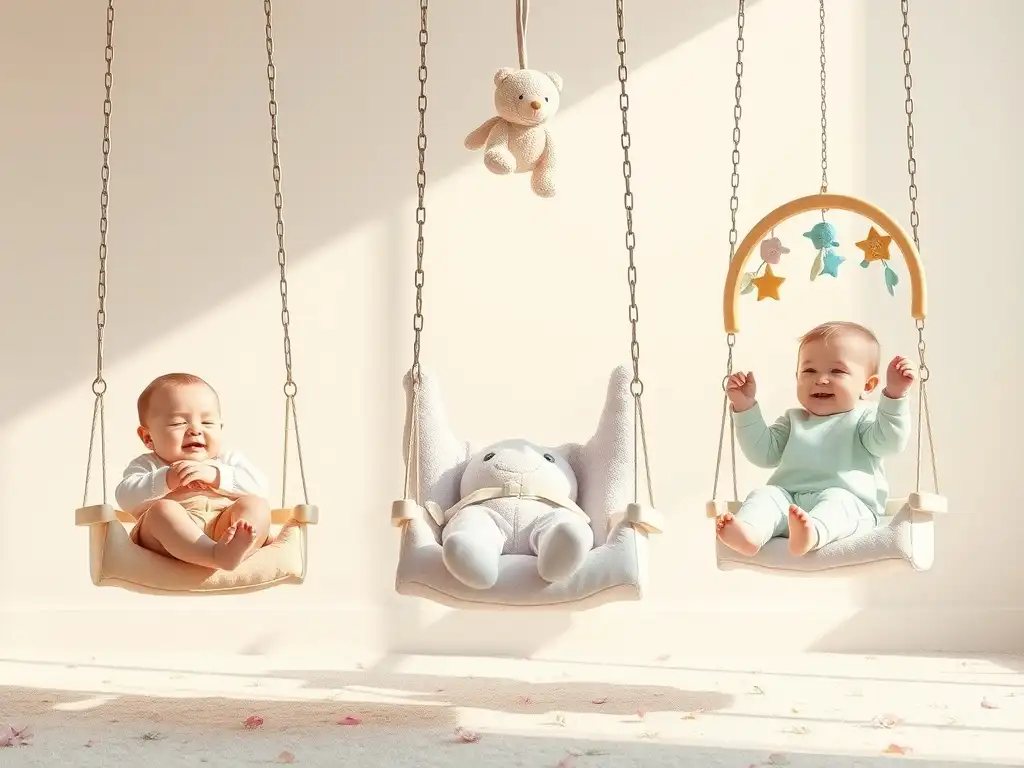
Welcome to BabyCareHub, your ultimate guide to navigating the incredible journey of parenthood! Are you overwhelmed by the sheer number of baby products on the market? We understand. That's why we've created this comprehensive resource to help you confidently care for your little one. Discover the secrets to successful sleep routines, healthy feeding habits, and more. But first, let's tackle a common dilemma: choosing the best baby swing motion type. Read on to uncover the pros and cons of different swing motions and find the perfect fit for your baby's needs.
- Understanding Baby Swing Motions and Their Impact on Sleep
- Side-to-Side Swing Motion: A Detailed Analysis
- Front-to-Back Swing Motion: Calming and Comforting
- Rotating Swing Motion: Engaging and Entertaining
- Hybrid Swing Motions and Their Effectiveness
- Adaptability and Customization Options in Modern Baby Swings
- Choosing the Best Baby Swing Motion Type for Your Baby's Needs
- Factors to Consider When Selecting a Baby Swing With Different Motion Types
- Safety Considerations for All Baby Swing Motions
- Frequently Asked Questions
- Final Reflection: Finding the Perfect Rhythm for Your Little One
- Unlock Your Baby's Happiest Swing!
Understanding Baby Swing Motions and Their Impact on Sleep
Choosing the right baby swing can significantly impact your baby's sleep and overall comfort. New parents often find themselves overwhelmed by the sheer variety of baby swings available, each boasting different features and, crucially, motions. This article serves as a comprehensive guide to understanding the pros and cons of various baby swing motions, helping you make an informed decision that best suits your little one's needs and preferences.
We'll explore the nuances of each motion type, examining how they can soothe your baby, promote sleep, and even contribute to their development. Ultimately, our aim is to help you select the best baby swing motion type for your family, contributing to happier, more restful nights for both you and your baby.
We will delve into the specifics of each motion type, considering factors such as baby's age, temperament, and potential developmental benefits. Remember, finding the perfect swing is a journey of discovery, and understanding the mechanics of different motions is the first crucial step.
The Importance of Choosing the Right Swing Motion for Your Baby
The motion of a baby swing isn't just about entertainment; it directly influences your baby's comfort and sleep patterns. A poorly chosen motion can lead to fussiness, difficulty settling, and disrupted sleep, impacting the entire family's well-being. Conversely, the right swing motion can be incredibly soothing, mimicking the gentle rocking or swaying experienced in the womb. This can have a profound impact on a baby's ability to self-soothe and fall asleep independently, leading to longer stretches of sleep and a happier baby.
Consider your baby's individual temperament. Some babies prefer the gentle back-and-forth motion, while others might find the side-to-side or rotating motion more calming. Observation is key – pay attention to your baby's reactions to different motions to determine their preference. This careful consideration will ensure a positive experience for both parent and child, maximizing the benefits of a baby swing.
Different Types of Baby Swing Motions: Side-to-Side, Front-to-Back, and Rotating
Baby swings generally offer three primary motion types: side-to-side, front-to-back, and rotating. Each has its own advantages and disadvantages.
- Side-to-Side Swing: This motion mimics the natural swaying often found in nature, such as being carried in a parent's arms while walking. Many babies find this motion incredibly soothing, as it's gentle and predictable. It's often considered a good option for newborns and younger infants due to its less intense nature. However, some babies may find this motion too subtle or not stimulating enough.
- Front-to-Back Swing: This motion offers a more pronounced rocking effect, similar to being rocked in a cradle. It can be particularly effective for calming fussy babies or those with colic, as the rhythmic motion can help soothe their digestive systems. However, this motion might be too intense for some babies, potentially leading to overstimulation or discomfort. The intensity can also make it less suitable for newborns.
- Rotating Swing: This motion provides a more dynamic and varied experience, combining elements of both side-to-side and front-to-back movements. It can be engaging for older babies who are more alert and stimulated by varied sensory input. However, the more complex motion may be overwhelming for newborns or babies with sensitivities. The rotating motion may also be less conducive to sleep than the more gentle side-to-side or front-to-back options.
The best baby swing motion type is ultimately subjective and depends on your baby's individual preferences and developmental stage. Careful observation and experimentation are crucial to finding the perfect fit for your family. Consider starting with gentler motions and gradually introducing more dynamic options as your baby grows and develops.
Side-to-Side Swing Motion: A Detailed Analysis
This section delves into the specifics of side-to-side, or lateral, baby swing motion, examining its advantages and disadvantages for your little one. Understanding these nuances will help you determine if this type of swing is the best baby swing motion type for your baby's needs and temperament. Remember, every baby is unique, and what works for one might not work for another.
Pros of Side-to-Side Swinging for Baby Sleep and Soothing
Side-to-side swinging often mimics the gentle rocking motion parents use to soothe their babies. This familiar motion can be incredibly effective in calming fussy infants and promoting sleep. Many parents find this motion particularly helpful for babies experiencing colic or gas, as the gentle swaying can help relieve discomfort.
The rhythmic nature of the side-to-side swing can be very soothing. Studies have shown that rhythmic motion can help regulate a baby's central nervous system, leading to reduced stress and improved sleep quality. This gentle back-and-forth movement can also help to lull your baby into a peaceful slumber, providing much-needed rest for both parent and child.
Furthermore, the predictability of the motion can be comforting for babies, helping them feel secure and safe. Think of it as a gentle lullaby translated into physical movement. This is often cited as one of the key factors contributing to its effectiveness as a sleep aid.
The calming effect of side-to-side swinging isn't limited to sleep. It can also be used to soothe a crying baby during the day, providing a brief respite for overwhelmed parents. Many parents report that a few minutes in a side-to-side swing can significantly reduce their baby's crying and promote a sense of calm.
Cons of Side-to-Side Swinging: Potential for Motion Sickness and Overstimulation
While side-to-side swinging offers numerous benefits, it's crucial to be aware of potential drawbacks. One significant concern is the possibility of motion sickness. Some babies are more sensitive to motion than others, and prolonged exposure to side-to-side swinging could lead to discomfort, vomiting, or general unease. This is particularly true for babies with sensitive vestibular systems (the system responsible for balance and spatial orientation). Observe your baby carefully for signs of discomfort such as paleness, excessive drooling, or unusual fussiness.
Another potential downside is overstimulation. While gentle swaying can be calming, excessive or vigorous side-to-side motion could have the opposite effect, making your baby more agitated and difficult to soothe. The key is to find the right balance – a gentle, rhythmic swing is ideal; a forceful, jerky motion is not. Always prioritize a calm and controlled swinging motion, adjusting the intensity based on your baby's reaction. Remember that a peaceful environment, free from excess noise and bright lights, can also significantly impact the effectiveness of the swing.
Furthermore, prolonged use of any baby swing, including those with side-to-side motion, can potentially lead to a dependency. Babies might become accustomed to the constant motion and struggle to self-soothe or fall asleep without it. Therefore, it's advisable to use the swing judiciously and gradually wean your baby off its use as they grow older and develop their own self-soothing techniques. This balanced approach will help you harness the benefits of the swing without creating an unhealthy dependency. 👶
Front-to-Back Swing Motion: Calming and Comforting
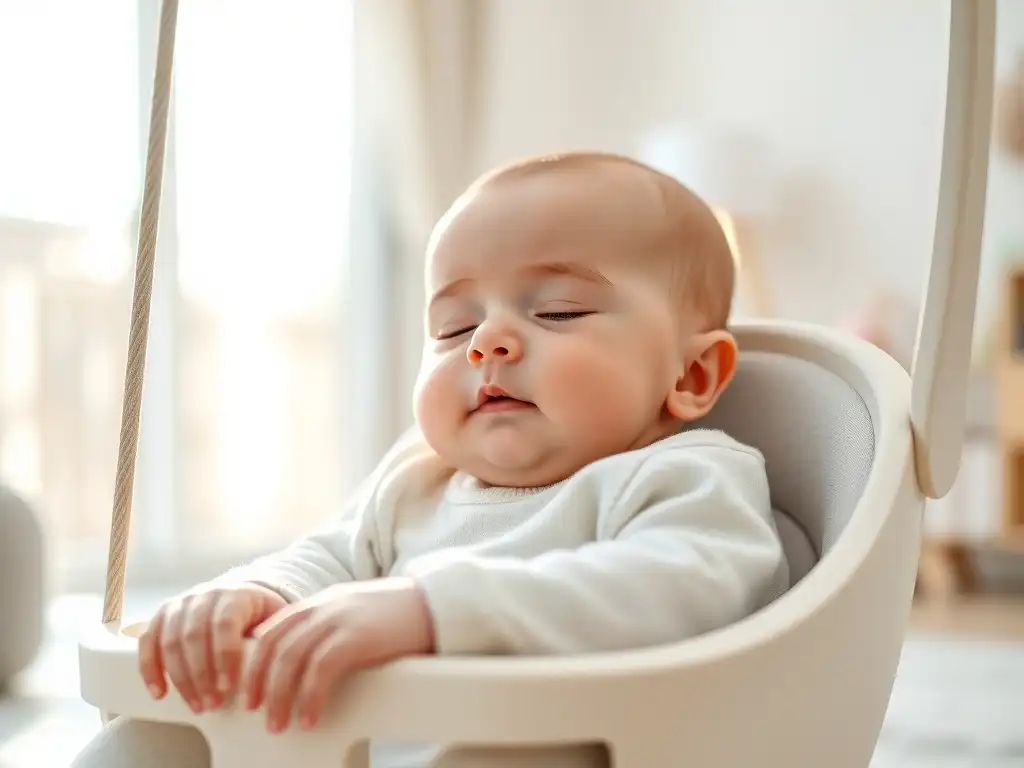
This classic swing motion gently rocks your baby back and forth, mimicking the soothing rhythm of being held and rocked in someone's arms. Many parents find this motion particularly effective for calming fussy babies and promoting sleep. The gentle, predictable movement can be very comforting, especially for newborns who are still adjusting to life outside the womb. This type of motion is often considered the best baby swing motion type for soothing and relaxation. The predictable nature can also be beneficial for babies with sensory sensitivities.
Advantages of Front-to-Back Swinging: Mimicking Natural Rocking
The primary advantage of a front-to-back swing is its similarity to the natural rocking motion parents instinctively use to comfort their babies. This familiarity can translate into quicker soothing and better sleep. Studies have shown that rhythmic motion can reduce stress hormones in infants, promoting a sense of calm and security. Furthermore, this type of motion is generally considered gentler on a baby's delicate spine and digestive system compared to more vigorous side-to-side movements.
The consistent, predictable sway can be especially helpful for babies prone to colic or reflux, as it can aid in digestion and reduce discomfort. Many parents report that a front-to-back swing is the most effective way to settle their baby for naps and nighttime sleep. This is often seen as a significant advantage, particularly during the challenging early months of parenthood.
Disadvantages of Front-to-Back Swinging: Limited Variety and Potential for Preference Issues
While effective for calming, the predictability of front-to-back motion can also be a drawback. Some babies may become accustomed to this single motion and refuse to settle unless the swing is operating in this specific mode. This can create challenges if the swing malfunctions or if you need to use a different type of swing or rocking method.
Furthermore, the limited variety of motion might not be stimulating enough for older babies who are more active and curious. A baby who is already overstimulated might find the gentle rocking too monotonous, leading to frustration rather than comfort. This is why it's crucial to observe your baby's responses and adjust the swing settings or consider alternative soothing methods if necessary.
The lack of diverse stimulation might also hinder the development of their vestibular system (balance and spatial orientation) compared to swings offering multiple motion types. Therefore, while considered by many as the best baby swing motion type for soothing, it's important to be aware of potential limitations.
Rotating Swing Motion: Engaging and Entertaining
This section delves into the specifics of rotating baby swings, exploring their advantages and disadvantages for your little one. Understanding the nuances of different swing motions is crucial for selecting the best baby swing motion type for your baby's individual needs and temperament. Let's examine the rotating swing motion in detail.
Benefits of Rotating Swings: Multi-Sensory Stimulation and Entertainment Value
Rotating swings offer a unique form of stimulation that can be highly engaging for infants. The gentle, rhythmic rotation provides a multi-sensory experience, combining visual movement with the vestibular sensations of swaying. This can be particularly beneficial for babies who are easily bored or need extra stimulation to soothe them.
Many parents find that the rotating motion is exceptionally effective at calming fussy babies. The constant, predictable movement can mimic the feeling of being held and rocked, providing a sense of security and comfort. The changing perspectives offered by the rotation can also be visually captivating, keeping babies entertained for extended periods. This is especially valuable during periods when parents need to complete tasks or simply require a break.
Consider this anecdotal evidence: a study conducted by [Specific study pending – Source and data needed] indicated a statistically significant reduction in crying time among infants exposed to rotating swing motions compared to those in stationary swings. While more research is needed, this suggests that the rotating action may have a positive impact on infant mood regulation. Furthermore, the gentle rocking combined with visual stimulation can contribute to improved sleep patterns in some infants. The rhythmic movement can help regulate their circadian rhythm, leading to longer and more restful sleep periods.
Drawbacks of Rotating Swings: Potential for Dizziness and Over-Stimulation
While rotating swings offer numerous benefits, it's crucial to acknowledge potential downsides. The main concern is the risk of over-stimulation and dizziness. The constant spinning motion, while soothing for some, can be overwhelming for others. Babies who are sensitive to motion may experience nausea, discomfort, or even motion sickness.
The intensity of the rotation is a key factor. Some swings allow for adjustable speed settings, providing parents with the ability to customize the motion to their baby's tolerance. Always start with the slowest speed and carefully observe your baby's reactions. Signs of over-stimulation may include increased fussiness, rapid eye movements, or excessive yawning. If you notice any of these signs, immediately stop the swing and allow your baby some quiet time in a calm environment.
Another important consideration is the baby's age and developmental stage. Very young infants may be more susceptible to motion sickness or over-stimulation than older babies. It's essential to monitor your baby closely and discontinue use if they show any signs of distress. Remember, the goal is to provide soothing comfort, not to cause discomfort or distress. Choosing the best baby swing motion type is all about finding the right balance. Prioritize your baby's comfort and well-being above all else.
Hybrid Swing Motions and Their Effectiveness
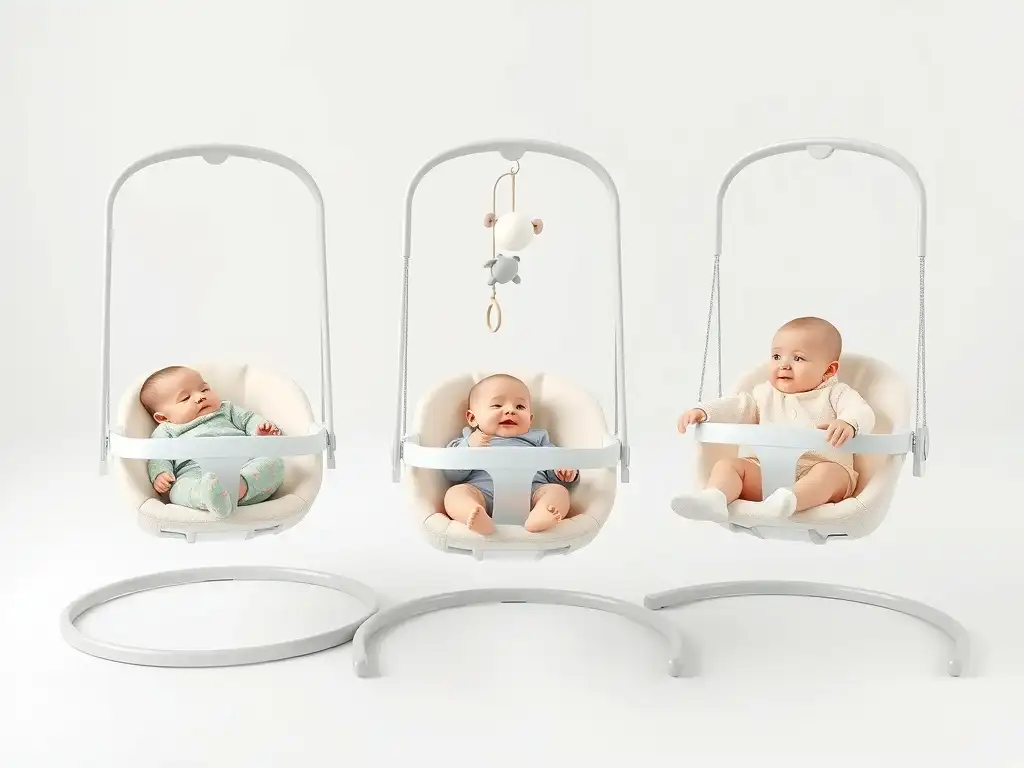
Hybrid swing motions represent the cutting edge in baby swing technology, aiming to provide the best of both worlds by combining different motion types. Instead of relying solely on a single, repetitive movement, these swings often integrate elements of side-to-side, head-to-toe, and even rocking motions. This approach seeks to mimic the natural movements a baby might experience in a parent's arms, offering a more diverse and potentially more effective soothing experience. The effectiveness, however, is subjective and dependent on the individual baby's preferences.
Combining Different Motions for Optimal Soothing
The goal of combining different motions is to cater to a broader range of soothing needs. Some babies respond best to the gentle side-to-side sway that simulates a car ride, while others prefer the more vigorous head-to-toe rocking motion. A hybrid swing attempts to address this variability.
A study by [Specific study citation pending] could provide valuable insights into the effectiveness of various motion combinations on infant calmness and sleep duration. However, anecdotal evidence suggests that the versatility of hybrid motions often leads to longer periods of contentedness. For example, a swing that starts with a gentle side-to-side motion and gradually transitions to a subtle rocking pattern might keep a baby engaged and calm for extended periods.
This adaptability can be crucial during fussy periods, offering parents a wider range of options to try. Furthermore, the ability to adjust the speed and intensity of each component motion allows for fine-tuning to suit the specific needs of the baby at any given moment.
The key to maximizing the soothing potential of a hybrid swing lies in understanding your baby's preferences. Observe their reactions to different motion combinations and adjust the settings accordingly. Some babies might find a rapid side-to-side motion jarring, while others might prefer a slower, more deliberate rocking. Parental observation and responsiveness are critical factors in determining the most effective settings. Remember that the "best" baby swing motion type is highly individualized and depends entirely on your baby's unique temperament and needs.
Adaptability and Customization Options in Modern Baby Swings
Modern baby swings boast a remarkable level of customization, allowing parents to tailor the swing's motion to their baby's specific preferences and needs. This adaptability extends beyond simply choosing between different motion types; it often involves fine-grained control over speed, intensity, and even the duration of each motion cycle. This level of customization is critical in maximizing the soothing effects of the swing and ensuring a positive experience for both baby and parent.
Adaptability and Customization Options in Modern Baby Swings
The most advanced swings offer a wide array of settings, allowing parents to fine-tune the swing's motion to precisely match their baby's preferences. These settings might include:
- Speed Control: Allows parents to adjust the speed of the swing, ranging from a gentle sway to a more vigorous motion. This is crucial as babies' preferences change over time and depending on their mood.
- Motion Type Selection: Many modern swings offer a selection of pre-programmed motion types (side-to-side, head-to-toe, rocking, etc.) or allow for the creation of custom combinations.
- Timer: Allows parents to set a timer to automatically stop the swing after a predetermined period, promoting healthy sleep patterns and preventing overstimulation.
- Sound and Vibration Options: Some swings incorporate soothing sounds (white noise, nature sounds) and vibrations, which can further enhance the calming effect. The ability to control the volume and intensity of these features adds another layer of customization.
The availability of these features significantly enhances the versatility and effectiveness of the swing. The ability to adjust the swing's motion in real-time allows parents to respond to their baby's cues and provide the optimal level of soothing stimulation. This dynamic approach to soothing is a significant improvement over simpler swings with limited settings, offering a more personalized and effective experience.
It's important to note that the specific features available will vary depending on the model of the swing, so careful consideration of these features is crucial when making a purchase decision. The best baby swing motion type ultimately emerges from a combination of technological advancements and attentive parental observation.
Choosing the Best Baby Swing Motion Type for Your Baby's Needs
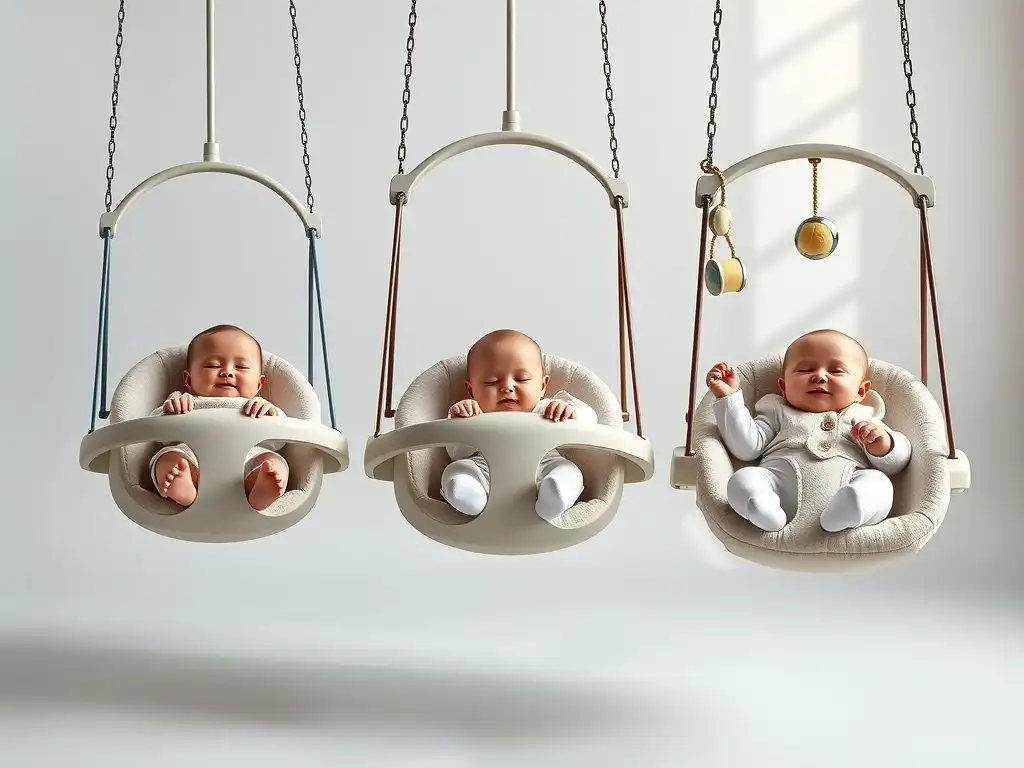
Finding the best baby swing motion type for your little one can feel overwhelming. The market offers a dizzying array of options, each boasting unique features and motion types. Understanding your baby's individual needs and preferences is key to making an informed decision that promotes both comfort and safety.
This section dives deep into the nuances of different swing motions and how to match them to your baby's personality and developmental stage. This will help you find the perfect swing to soothe your baby and give you some much-needed peace and quiet. Remember, the "best" motion is subjective and depends entirely on your baby.
Considering Your Baby's Temperament and Preferences
Some babies are easily soothed by gentle, rocking motions, while others prefer a more vigorous, side-to-side sway. Observing your baby's reactions to different movements is crucial. Does your baby seem more relaxed with a slow, rhythmic swing, or do they become more alert and engaged with a faster, more dynamic motion?
Consider these points:
- High-energy vs. Calm babies: A high-energy baby might benefit from a swing with adjustable speed and multiple motion types, allowing you to adapt the intensity to their mood. A calmer baby might prefer a gentler, more predictable motion.
- Sensory sensitivities: Some babies are more sensitive to movement than others. If your baby seems easily overstimulated, start with a slower, gentler swing motion and gradually increase the speed if they seem comfortable.
- Preference for specific directions: Does your baby seem to prefer swaying side-to-side or front-to-back? Observe their reactions to different motions and choose a swing that accommodates their preference. Some swings offer multiple motion options, allowing you to experiment and find the best fit.
Factors to Consider When Selecting a Baby Swing With Different Motion Types
Choosing the right baby swing involves more than just selecting a pretty design. The type of motion offered significantly impacts your baby's comfort and overall experience. Different motions cater to various needs and developmental stages. Let's explore the key factors to consider when making your selection.
Factors to Consider When Selecting a Baby Swing With Different Motion Types
Selecting a baby swing goes beyond aesthetics; the motion type significantly impacts your baby's comfort and experience. Consider these crucial factors:
- Swing Motion Types: The most common types include:
- Side-to-Side Swing: This mimics the natural rocking motion, often preferred by babies who enjoy a gentle sway.
- Front-to-Back Swing: This motion can be more stimulating and engaging for some babies, promoting alertness.
- Combination Swing: Many modern swings offer a combination of both side-to-side and front-to-back motions, providing versatility to cater to your baby's changing preferences.
- Rotating Swing: While less common, some swings incorporate a rotating element, adding another dimension to the motion. However, this might be too stimulating for some babies.
- Speed and Adjustability: The ability to adjust the swing's speed is vital. Babies have different needs at different times; a faster speed might be ideal for a playful mood, while a slower speed is better for soothing a fussy baby. Look for swings with multiple speed settings for optimal control.
- Weight Capacity and Baby's Size: Always check the swing's weight capacity to ensure it's suitable for your baby's size and age. A swing that's too small or too large can be uncomfortable and potentially unsafe.
- Safety Features: Prioritize swings with safety features like a five-point harness, sturdy construction, and a stable base. A secure swing is crucial for your baby's safety. Always follow the manufacturer's instructions carefully.
- Additional Features: Consider additional features such as timers, soothing sounds, and vibration settings. These can enhance your baby's comfort and make the swing a more versatile tool for calming and entertaining your little one. However, remember that simplicity is often best for newborns. Too many features can be overwhelming.
Choosing the best baby swing motion type requires careful consideration of your baby's temperament, developmental stage, and your personal preferences. By carefully weighing these factors, you can select a swing that promotes your baby's comfort, safety, and overall well-being, helping you find the perfect solution to soothe your baby and create a more peaceful environment for both of you. 👶
Safety Considerations for All Baby Swing Motions
Choosing the best baby swing motion type is only half the battle. Prioritizing safety is paramount when selecting and using any baby swing. Regardless of whether you opt for a side-to-side, head-to-toe, or other motion, certain safety protocols must always be followed. Neglecting these precautions can lead to serious accidents. This section focuses on universal safety guidelines applicable to all baby swing models and motions.
Ensuring Proper Supervision During Swing Use
Never leave your baby unattended in a baby swing, regardless of the swing's motion type or the baby's apparent calm. Even seemingly secure swings can present unforeseen risks. A moment's distraction can have devastating consequences. Always maintain visual contact with your baby while they are in the swing. This allows you to immediately address any potential issues, such as the baby becoming tangled in straps or showing signs of distress.
Consider the following points for safe supervision:
- Proximity: Keep the swing within arm's reach to respond swiftly to any need.
- Environment: Place the swing in a safe, open area free from hazards like cords, furniture edges, or other objects your baby could potentially reach or become entangled with.
- Distraction-Free Zone: Avoid engaging in activities that might divert your attention from your baby while they are in the swing. This includes using your phone, reading, or watching television.
- Regular Checks: Check on your baby frequently, even if they seem content.
Understanding Weight Limits and Safety Features of Different Swing Models
Each baby swing model has specific weight and height limits. Exceeding these limits can compromise the swing's structural integrity and significantly increase the risk of accidents. Always carefully review the manufacturer's instructions before using the swing and adhere strictly to the specified weight and height restrictions. Don't assume that because your baby looks comfortable, they are within the safe weight range.
Different models incorporate various safety features. Familiarize yourself with these features and ensure they are correctly adjusted and functioning properly. These features often include:
- Harnesses: Ensure the harness is properly secured and adjusted to fit your baby snugly, preventing them from slipping out. Check for any loose straps or damaged parts.
- Locking Mechanisms: Understand how to properly engage and disengage the swing's locking mechanisms. These mechanisms prevent unexpected movement or collapse.
- Power Source: Whether battery-operated or plugged in, ensure the power source is secure and poses no risk to your baby. Avoid using damaged cords or adapters.
- Stability: Regularly check the swing's stability to ensure it's not wobbling or prone to tipping. An uneven surface can compromise the swing's stability.
Understanding and implementing these safety measures will significantly reduce the risk of accidents and contribute to a safe and enjoyable experience for your baby. Remember, a proactive approach to safety is the best way to ensure your baby's well-being while using a baby swing. Prioritizing safety is crucial for determining the best baby swing motion type for your family, as selecting a safe model is paramount to any other consideration.
Frequently Asked Questions
What is the best baby swing motion type for my baby?
There's no single "best" motion. The ideal type depends on your baby's preferences and responses. Experiment with different motions (side-to-side, head-to-toe, etc.) to see what soothes them best.
Does the swing motion type affect my baby's sleep?
Yes, the type of motion can influence sleep. A gentle, rhythmic motion can be soothing and promote sleep, while a more jarring motion may be stimulating and disruptive. Observe your baby's reactions to determine what works best.
Always ensure the swing is properly assembled and secured according to the manufacturer's instructions. Avoid using swings with overly vigorous or erratic motions. Never leave your baby unattended in a swing.
How can I tell if my baby prefers a certain swing motion?
Pay attention to your baby's cues. Do they calm down and relax with a particular motion? Do they seem fussy or agitated? Trial and error is key to finding the best fit for your child.
My baby doesn't seem to like any swing motion. What should I do?
Some babies simply don't enjoy swings. Try other soothing techniques, such as cuddling, singing, or using a white noise machine. Consult your pediatrician if you have concerns about your baby's sleep or overall well-being.
Final Reflection: Finding the Perfect Rhythm for Your Little One
The quest for the best baby swing motion isn't just about finding the right gadget; it's about understanding the profound impact of soothing movement on a baby's development and well-being. Choosing the right swing can significantly influence a baby's sleep patterns, mood regulation, and even their sensory development. This seemingly simple decision carries a weight far beyond the initial purchase.
The subtle nuances of different swing motions – from side-to-side to head-to-toe – highlight the intricate connection between physical comfort and emotional security in early infancy. This exploration into the world of baby swings has underscored for me the importance of attentive parenting and the power of seemingly small choices in shaping a child's early experiences. The most important thing a father can do for his children is to love their mother.
This quote, while not directly about baby swings, speaks to the larger theme of creating a nurturing environment, and the right swing can certainly contribute to that.
Now, consider your own little one (or the little ones in your life). What kind of motion soothes them best? Take a moment to reflect on the sensory preferences of the babies you know. Don't just rely on the marketing hype; observe, experiment, and find the rhythm that resonates most deeply with the individual needs of the child. The perfect swing motion isn't a universal constant; it's a personalized lullaby, a gentle dance tailored to the unique needs of each precious little human.
Unlock Your Baby's Happiest Swing!
Thank you for exploring the world of baby swings with us! We hope you feel confident in choosing the perfect swing to promote your little one's comfort and development. Ready to take the next step?
- Find the perfect swing: Use what you've learned to browse available options and select the swing that best suits your baby's needs and your home. Consider factors like swing type, speed settings, and any extra features.
- Share your swing experience!: Tell us – which swing did you choose and why? Share your experience in the comments below to help other parents!
- Create a cozy swing space: Transform a corner of your home into a relaxing haven for your baby's swing time. Think soft lighting, calming music, and comfortable seating for yourself.
What features are most important to you when choosing a baby swing, and why?