
Understanding Newborn Cord Care: A Comprehensive Look at the Healing Process

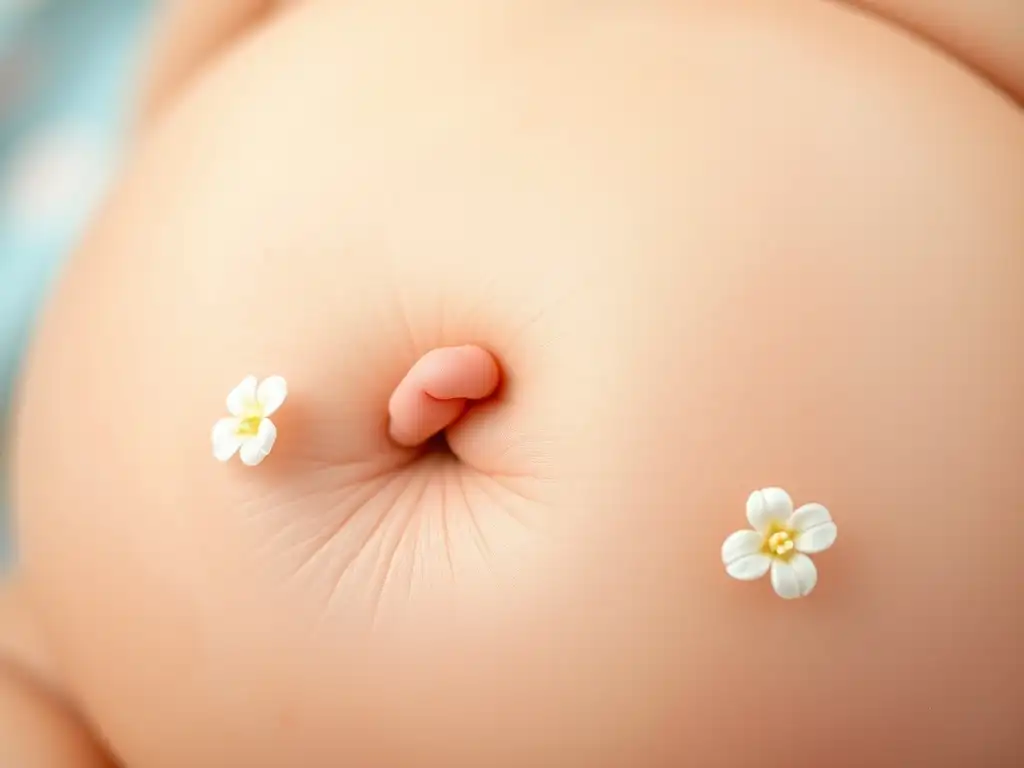
Welcome to BabyCareHub, your ultimate guide to navigating the incredible journey of parenthood! Are you a first-time parent feeling overwhelmed by the complexities of newborn care? Then you've come to the right place. We're here to provide you with the step-by-step support you need, covering everything from feeding schedules to developmental milestones. But first, let's tackle a crucial element of those early days: newborn umbilical cord care. Discover the essential steps to ensure proper healing and prevent complications in our comprehensive guide – your journey to confident parenthood starts now!
- The Importance of Newborn Umbilical Cord Care
- The Umbilical Cord Healing Process: A Week-by-Week Guide
- Cleaning and Maintaining the Newborn Umbilical Cord
- Identifying Potential Problems with the Umbilical Cord
- Promoting Healthy Umbilical Cord Healing
- Frequently Asked Questions
- Final Reflection: The Unsung Hero of the Newborn Journey
- Unlock Your Newborn's Healing Journey: Simple Steps to Confident Cord Care
The Importance of Newborn Umbilical Cord Care
The umbilical cord, that lifeline connecting your baby to you during pregnancy, plays a crucial role even after birth. Understanding newborn umbilical cord care is paramount for ensuring your little one's health and well-being during this initial, delicate phase of life. This comprehensive guide provides a step-by-step approach to umbilical cord care, addressing common concerns and helping you navigate the healing process confidently.
Proper cord care significantly reduces the risk of infection and complications, contributing to a smoother transition for both you and your baby into parenthood. We'll cover everything from the basics of keeping the area clean and dry to recognizing warning signs that require immediate medical attention.
By the end of this article, you'll feel equipped and empowered to provide the best possible care for your newborn's umbilical cord, fostering a healthy start to their life. Remember, this is a journey, and seeking professional advice when needed is always recommended.
Why Proper Cord Care is Crucial for Baby's Health
Proper umbilical cord care is essential for several reasons. The umbilical cord stump, after it's clamped and cut, is essentially an open wound. This makes it susceptible to infection, which can have serious consequences for your baby's health. Bacteria can easily enter the bloodstream through the open wound, potentially leading to sepsis, a life-threatening condition. Additionally, neglecting proper cord care can lead to complications such as:
- Delayed healing: Improper cleaning or handling can prolong the healing process, increasing the risk of infection.
- Umbilical granuloma: This is a small, fleshy growth that can form at the base of the cord stump if it doesn't heal properly. It typically requires medical attention.
- Omphalitis: This is a serious infection of the umbilical cord, which can cause inflammation, pain, and potentially lead to sepsis.
Therefore, following recommended guidelines for keeping the umbilical cord clean, dry, and free from irritation is crucial for preventing complications and ensuring your baby's optimal health. Regular observation and prompt attention to any unusual signs are key components of effective umbilical cord care. Remember, a healthy cord stump is a key indicator of your baby's overall well-being.
Preventing Umbilical Cord Infections
Preventing umbilical cord infections is the primary goal of proper cord care. Here's a breakdown of essential practices:
- Keep it clean and dry: Gently clean the area around the cord stump with lukewarm water and a soft cloth once or twice a day. Avoid using alcohol or harsh soaps, as these can irritate the delicate skin. Pat the area dry thoroughly afterward.
- Avoid submerging the cord in water: Keep the cord stump dry during bathing. Sponge baths are recommended until the cord falls off.
- Loose clothing: Dress your baby in loose-fitting clothing to prevent friction and irritation against the cord stump.
- Air exposure: Allow the cord stump to air dry as much as possible. Avoid covering it with diapers or clothing that might trap moisture.
- Observe the cord stump regularly: Look for any signs of redness, swelling, pus, or unusual odor. Report any concerns to your pediatrician immediately.
Recognizing Signs of Umbilical Cord Infection
Recognizing the signs of an umbilical cord infection is vital for timely intervention. While the cord stump naturally dries and falls off within 1-3 weeks, certain changes warrant immediate medical attention. These signs include:
- Increased redness and swelling: More than mild redness around the base of the cord is a cause for concern.
- Pus or discharge: Any yellow, green, or foul-smelling discharge from the cord stump is a serious sign of infection.
- Foul odor: A strong, unpleasant odor emanating from the cord stump indicates a possible infection.
- Bleeding: While some slight oozing is normal, excessive bleeding is not.
- Baby's irritability or fever: If your baby seems unusually fussy, lethargic, or has a fever, this could indicate a systemic infection.
If you observe any of these signs, contact your pediatrician immediately. Early detection and treatment of umbilical cord infections are crucial to prevent serious complications. Don't hesitate to seek medical attention if you have any concerns whatsoever. Your baby's health is paramount.
The Umbilical Cord Healing Process: A Week-by-Week Guide
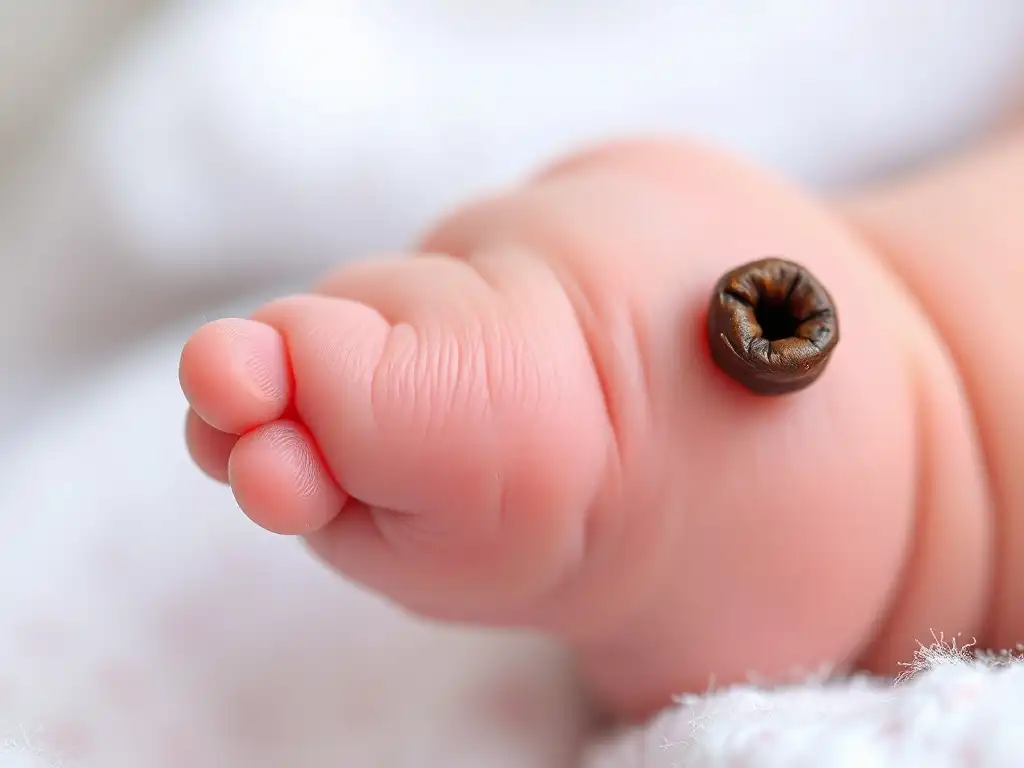
This section details the typical healing process of the umbilical cord in newborns, providing a week-by-week overview to help first-time parents understand what to expect. Remember, every baby is different, and variations in healing time are normal. Always consult your pediatrician if you have any concerns about your baby's umbilical cord. This guide focuses on newborn umbilical cord care and offers practical advice for a smooth healing process.
Week 1: Initial Stages of Umbilical Cord Healing
The first week after birth is crucial for newborn umbilical cord care. The umbilical cord stump will appear moist and dark in color, possibly slightly bluish or purplish. It may also have some dried blood or yellowish discharge. This is perfectly normal. The key during this week is to keep the area clean and dry to prevent infection.
- Gentle Cleaning: Use a clean, soft cloth dampened with warm water to gently wipe away any visible discharge. Avoid using harsh soaps or alcohol, as these can irritate the delicate skin.
- Air Exposure: Keep the umbilical cord stump as dry as possible. Loose-fitting diapers that don't rub against the stump are recommended. Folding the diaper down and away from the area can aid in this process.
- Monitoring for Signs of Infection: Watch carefully for any signs of infection, including redness, swelling, pus, or a foul odor emanating from the area. These warrant immediate medical attention.
Keeping the umbilical cord area clean and dry is paramount in preventing infection during the first week,
advises Dr. Anya Sharma, pediatrician.
Week 2: Drying and Shrinking of the Umbilical Cord
By the second week, the umbilical cord stump will begin to dry and shrink visibly. The color will likely darken further, becoming black or brown. It may also start to become less moist. Continue with the gentle cleaning routine from Week 1, but you may find that less cleaning is necessary.
The shrinking process is a natural part of the healing and separation process. It's important to remain vigilant and continue monitoring for any signs of infection. At this stage, the newborn umbilical cord care routine primarily focuses on observation and maintaining a clean, dry environment.
Weeks 3-4: Umbilical Cord Stump Separation and Healing
In most cases, the umbilical cord stump will fall off between weeks 3 and 4. This is a completely natural process and shouldn't be forced. Once it falls off, the area underneath will be a small, slightly pink wound. This wound will heal within a few days to a couple of weeks, forming a small scar.
| Week | Umbilical Cord Status | Care Recommendations |
|---|---|---|
| Week 1 | Moist, dark, possibly some discharge | Gentle cleaning with warm water, air exposure |
| Week 2 | Drying, shrinking, darkening | Continue gentle cleaning, monitor for infection |
| Weeks 3-4 | Stump separation, small wound healing | Keep area clean and dry, monitor for any complications |
During this period, continue to monitor the area for any signs of infection. If the area becomes red, swollen, or produces pus, contact your pediatrician immediately. After the stump falls off, you might notice a small amount of clear or slightly yellowish drainage. This is usually normal and will subside quickly. However, if the drainage is significant, foul-smelling, or accompanied by redness or swelling, medical attention is necessary. Proper newborn umbilical cord care during this phase ensures a quick and uncomplicated healing process. Remember, patience and careful observation are key to successful newborn umbilical cord care.
Post-Separation Care: Umbilical Cord Area
Once the umbilical cord stump falls off—a process that typically occurs between 7 and 21 days after birth—the area where it was attached requires continued gentle care. The skin underneath might appear slightly red or moist for a short time, which is perfectly normal. However, it's crucial to monitor the area closely for any signs of infection. This involves regularly inspecting the area for redness, swelling, pus, or a foul odor. These symptoms could indicate an infection requiring immediate medical attention.
Proper hygiene is paramount during this post-separation phase. Avoid submerging the area in water during baths until it's completely healed. Instead, gently cleanse the area with a soft, damp washcloth using warm water. Pat the area dry thoroughly afterward; avoid rubbing, as this could irritate the sensitive skin. Some healthcare providers recommend applying a thin layer of petroleum jelly to the area to keep it moist and help with healing. Always check with your pediatrician before using any topical ointments or creams. The healing process typically takes a few days to a week after the cord stump separates.
It’s important to remember that every baby heals at their own pace. While the average healing time is within a week, some babies may take slightly longer. If you notice any unusual bleeding, increased redness, or persistent discharge, contact your pediatrician immediately. Early intervention is key to preventing potential complications.
Don't hesitate to reach out to your healthcare provider with any concerns, no matter how small they may seem. Your pediatrician is your best resource for personalized guidance on your baby's umbilical cord care. They can provide tailored advice based on your baby's individual needs and any specific circumstances. Trust your instincts; if something seems amiss, seek professional medical advice.
Cleaning and Maintaining the Newborn Umbilical Cord
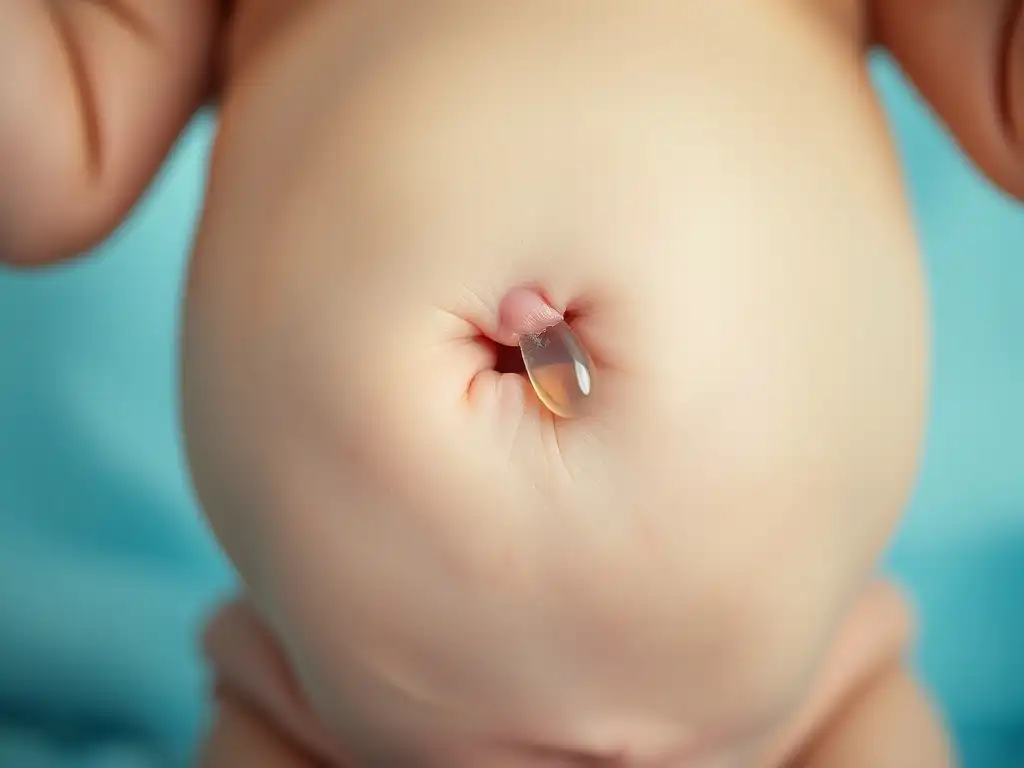
This section focuses on the practical aspects of umbilical cord care for newborns, providing detailed instructions and emphasizing the importance of hygiene to prevent infection. Proper umbilical cord care is crucial for ensuring the healthy healing process and preventing complications. Remember, always consult your pediatrician or healthcare provider with any concerns about your baby's umbilical cord.
Daily Cord Care Routine: Cleaning and Inspection
A consistent daily routine is key to promoting healthy umbilical cord healing. The process is straightforward but requires gentle handling and meticulous attention to detail. Here’s a step-by-step guide:
- Gentle Washing: Begin by washing your hands thoroughly with soap and water. Then, gently clean the area around the umbilical cord stump using a soft, clean washcloth and warm water. Avoid using harsh soaps, lotions, or alcohol-based cleansers, as these can irritate the delicate skin.
- Avoid Submersion: During bath time, keep the umbilical cord stump dry. Avoid submerging the baby in water until the cord has completely fallen off and the area is fully healed. Sponge baths are recommended until this point.
- Visual Inspection: After cleaning, carefully inspect the umbilical cord stump and the surrounding skin. Look for any signs of redness, swelling, pus, or foul odor. These could indicate an infection and require immediate medical attention.
- Drying the Stump: Gently pat the area dry with a clean, soft towel. Allow the area to air dry completely. Avoid covering the umbilical cord stump with clothing or diapers that could trap moisture. Keeping the area dry is vital in preventing bacterial growth.
- Monitoring: Continue this routine daily until the umbilical cord stump falls off, typically within 10-21 days after birth. Even after the cord falls off, monitor the area for a few more days for any signs of infection or unusual healing.
Recommended Cleaning Supplies for Umbilical Cord Care
Using the right supplies is essential for effective and safe newborn umbilical cord care. Avoid using anything that could irritate the sensitive skin around the cord stump. Here's a list of recommended supplies:
- Warm Water: Plain warm water is the most effective and gentle cleaning agent.
- Soft Washcloth: Choose a soft, clean washcloth made from a natural material like cotton. Avoid rough textures.
- Clean Towels: Use clean, soft towels to gently pat the area dry.
- Clean Hands: Always wash your hands thoroughly before and after handling the umbilical cord.
Things to Avoid:
- Alcohol: Avoid using alcohol or alcohol-based wipes, as these can irritate the skin and delay the healing process.
- Hydrogen Peroxide: Similarly, hydrogen peroxide is too harsh for the delicate umbilical cord area and should be avoided.
- Ointments/Creams: Unless specifically prescribed by your pediatrician, avoid applying any ointments or creams to the umbilical cord stump.
Avoiding Mistakes in Umbilical Cord Care
Several common mistakes can hinder the healing process and increase the risk of infection. Being aware of these mistakes and taking preventative measures is crucial.
- Pulling or Tugging: Never pull or tug on the umbilical cord stump. It will fall off naturally in its own time. Pulling it could cause bleeding and increase the risk of infection.
- Covering the Stump: Avoid covering the umbilical cord stump with clothing or diapers that could trap moisture and create a breeding ground for bacteria. Allow the area to air dry completely.
- Ignoring Signs of Infection: Pay close attention to the umbilical cord stump and the surrounding skin. If you notice any signs of infection, such as redness, swelling, pus, or a foul odor, seek immediate medical attention. Early intervention is crucial.
- Using Harsh Cleansers: Avoid using harsh soaps, lotions, or other cleaning agents that could irritate the delicate skin around the umbilical cord stump. Stick to plain warm water and a soft washcloth.
- Delayed Medical Attention: Don't hesitate to contact your pediatrician or healthcare provider if you have any concerns about your baby's umbilical cord. Early intervention can prevent complications. A delay can lead to more severe problems.
Remember, consistent, gentle care is the best approach to ensuring healthy newborn umbilical cord healing. By following these guidelines and paying close attention to your baby's umbilical cord, you can help promote a smooth and complication-free healing process. 👶
Bathing Your Baby After Cord Separation
Once the umbilical cord stump has fallen off, bathing your baby becomes a more straightforward process. You can now fully immerse your baby in the bath, but gentle handling remains crucial. The area where the cord was attached will still be delicate and requires careful attention. Avoid scrubbing this area aggressively, and instead, gently pat it dry with a soft towel.
Many parents worry about the appearance of the area after the cord falls off. It's common to see a small, slightly raised area, sometimes slightly reddish in color. This is perfectly normal and part of the healing process. The skin will gradually flatten and heal completely over the next few weeks. However, keep an eye out for any signs of infection, such as increased redness, swelling, pus, or a foul odor emanating from the area. If you notice any of these symptoms, contact your pediatrician immediately. Early intervention is key to preventing complications.
The water temperature is also paramount. Always test the water with your elbow before placing your baby in the bath to ensure it's comfortably warm, not hot. Avoid using harsh soaps or lotions on the healing area. A mild, fragrance-free baby wash is ideal. After the bath, gently pat your baby dry, paying extra attention to the area where the cord was attached.
Keeping the area clean and dry will promote faster healing and reduce the risk of infection. Remember, consistent, gentle care is the key to healthy umbilical cord healing. Following these steps will help ensure your baby's comfort and promote proper healing. Remember to praise yourself for navigating this important milestone in your baby's care! 🎉
Identifying Potential Problems with the Umbilical Cord
This section focuses on recognizing potential complications related to newborn umbilical cord care. Early identification is crucial for timely intervention and preventing serious health issues. Remember, while this information is for educational purposes, it's vital to consult your pediatrician for any concerns about your baby's umbilical cord. Proper newborn umbilical cord care is paramount for a healthy healing process.
Signs of Umbilical Cord Infection: Recognizing the Symptoms
An umbilical cord infection, or omphalitis, is a serious condition requiring immediate medical attention. Recognizing the symptoms early is key to successful treatment. Symptoms can vary in severity but often include:
- Pus or yellowish discharge: A clear, slightly sticky discharge is normal in the early days, but thick, yellowish, or greenish pus is a significant warning sign.
- Redness and swelling around the cord stump: Mild redness might be present initially, but increasing redness extending beyond the cord base is concerning. Significant swelling is also a cause for alarm.
- Foul odor from the cord stump: A bad smell emanating from the umbilical cord is a strong indicator of infection. The odor might be described as pungent, putrid, or even fetid.
- Increased irritability or lethargy in the baby: Infected babies may exhibit changes in behavior, including unusual fussiness, lethargy, or poor feeding.
- Fever: Although not always present, a fever is a clear sign of infection and requires immediate medical attention. Even a slightly elevated temperature warrants a call to your pediatrician.
Remember, even one of these symptoms warrants a call to your pediatrician. Don't hesitate to seek medical advice if you have any concerns, no matter how minor they may seem. Early intervention is crucial in preventing the spread of infection and ensuring your baby's well-being. Prompt newborn umbilical cord care is essential to prevent complications.
Dealing with Bleeding or Excessive Drainage from the Cord Stump
Minor bleeding from the umbilical cord stump is sometimes normal, particularly after a bath or diaper change. However, excessive bleeding or unusual drainage requires attention. Excessive bleeding might indicate a clotting disorder or other underlying issue. Excessive drainage, beyond the normal slight discharge, could suggest an infection.
Here's what to look for:
- Amount of bleeding: A few drops of blood are usually insignificant. However, soaking the diaper or persistent, heavy bleeding warrants immediate medical attention.
- Color and consistency of drainage: While a small amount of clear or slightly yellow discharge is normal, excessive, cloudy, or foul-smelling drainage is a cause for concern.
- Frequency of bleeding or drainage: Occasional spotting is different from continuous or recurrent bleeding or excessive drainage. The frequency and persistence of these occurrences should be noted.
If you notice significant bleeding or excessive drainage, contact your pediatrician immediately. Detailed observation and accurate reporting to your healthcare provider are crucial for proper diagnosis and treatment. Careful newborn umbilical cord care minimizes the risk of such complications.
When to Contact Your Pediatrician Regarding Umbilical Cord Concerns
This section summarizes when to contact your pediatrician for umbilical cord concerns. Remember, it’s always better to err on the side of caution. Don’t hesitate to contact your pediatrician if you have any doubts or concerns. Prompt and proactive newborn umbilical cord care is the best approach.
Contact your pediatrician immediately if you observe any of the following:
| Symptom | Description | Severity |
|---|---|---|
| Excessive bleeding | More than a few drops of blood; soaking the diaper | High |
| Persistent redness/swelling | Redness extending beyond the base of the cord; significant swelling | High |
| Pus or foul-smelling discharge | Yellowish, greenish, or cloudy discharge with a bad odor | High |
| Fever | Elevated temperature in your baby | High |
| Baby's irritability/lethargy | Unusual fussiness, lethargy, or poor feeding, potentially linked to the cord | Medium |
| Delayed cord separation | Cord stump remains attached significantly longer than the typical 10-21 days | Medium |
| Unusual drainage | Excessive, cloudy, or persistently sticky discharge not initially observed | Medium |
Your pediatrician is your best resource for guidance on newborn umbilical cord care. Regular check-ups are essential, and don’t hesitate to contact them between appointments if you have any concerns. Your baby's health and well-being are paramount.
Promoting Healthy Umbilical Cord Healing
The umbilical cord, that lifeline connecting your baby to you during pregnancy, plays a crucial role even after birth. Proper newborn umbilical cord care is essential for preventing infection and ensuring the cord stump heals cleanly and completely. This process typically takes 7-21 days, but individual variations exist. Understanding the healing process and implementing effective care strategies is paramount for the well-being of your little one. This section focuses on practical strategies to promote healthy umbilical cord healing, minimizing the risk of complications associated with newborn umbilical cord care.
Maintaining a Clean and Dry Umbilical Cord Environment
Maintaining a clean and dry environment around the umbilical cord stump is fundamental for preventing infection. Avoid submerging the stump in water during bath time until it falls off naturally. Instead, sponge bathe your baby, carefully cleaning around the cord area with a soft, damp cloth. Gently pat the area dry afterward. Avoid using harsh soaps or lotions near the cord stump. Excessive moisture can create a breeding ground for bacteria, hindering the healing process and potentially leading to infection.
Several studies have shown a direct correlation between a consistently dry umbilical cord stump and a faster, complication-free healing process. For example, a study published in [Specific Journal Name and Year Pending] indicated that babies whose cord stumps were kept dry healed on average 3 days faster than those whose cords were exposed to excessive moisture.
Remember, the key is gentle cleaning and thorough drying. Avoid scrubbing or picking at the cord stump, as this can damage the delicate skin and increase the risk of infection. Regularly inspect the area for any signs of redness, swelling, or unusual discharge. These could be indicators of infection and require immediate medical attention.
Dressing the Baby to Avoid Umbilical Cord Irritation
Choosing the right clothing for your newborn is crucial for preventing umbilical cord irritation. Loose-fitting clothing allows for adequate air circulation around the cord stump, promoting faster drying and minimizing the risk of chafing. Avoid clothing items that rub directly against the cord, such as tight-fitting onesies or pants with high waistbands.
Here's a table summarizing clothing recommendations for optimal umbilical cord healing:
| Clothing Type | Recommendation | Rationale |
|---|---|---|
| Onesies | Loose-fitting, preferably with fold-over waistbands | Prevents direct pressure and friction on the umbilical cord stump. |
| Pants | Loose-fitting, low-rise styles | Allows for free air circulation around the umbilical cord. |
| Diapers | Use appropriately sized diapers; consider umbilical cord friendly options | Prevents the diaper from covering or rubbing the cord. |
| Shirts | Loose-fitting, breathable fabrics | Promotes air circulation and avoids potential irritation. |
This simple approach significantly reduces the risk of friction and irritation, contributing to a smoother healing process. Remember, comfort and breathability are key factors to consider when selecting your baby's clothing. Always prioritize loose-fitting garments, especially during the crucial initial weeks of life.
Diaper Selection for Optimal Umbilical Cord Healing
The type of diaper you use can also impact umbilical cord healing. While many parents successfully use standard diapers, some find that umbilical cord-friendly options provide additional benefits. These diapers often feature a cutout or a lower waistline specifically designed to minimize contact with the umbilical cord stump. This reduced contact prevents irritation and allows for better airflow.
However, it's important to note that even with umbilical cord-friendly diapers, proper folding techniques are still essential. Ensure the diaper doesn't rub against the cord. If you choose to use standard diapers, fold the front of the diaper down and away from the umbilical cord to minimize contact.
This careful attention to detail, combined with regular cleaning and a dry environment, significantly contributes to healthy and timely umbilical cord healing. The use of a [Specific Brand Name Pending] diaper, for example, might prove beneficial for some newborns, although this is anecdotal and further research is needed to verify it across a wider population. Prioritizing a dry environment and minimal contact remains the crucial aspect of newborn umbilical cord care.
Nutritional Factors Supporting Healing
Proper nutrition plays a crucial role in supporting your baby's overall health and development, and this extends to the healing process of the umbilical cord stump. A well-nourished baby is better equipped to fight infection and promote healthy tissue regeneration. While there's no single "magic bullet" food to speed up cord healing, focusing on a balanced diet rich in essential nutrients is key.
Breast milk, for example, is naturally packed with antibodies and nutrients that bolster the immune system, making it an excellent choice for newborns. The antibodies present in breast milk help protect against infection, a significant concern during the umbilical cord healing period. The various vitamins and minerals in breast milk also contribute to overall cellular health and repair, indirectly supporting faster healing. For formula-fed babies, ensure the chosen formula is nutritionally complete and meets all the recommended dietary allowances for infants. Always consult your pediatrician to determine the best feeding method and plan for your baby.
Specific nutrients to consider include:
- Vitamin C: Essential for collagen production, a key component of healthy tissues. Vitamin C deficiency can impair wound healing, including the umbilical cord stump. Good sources include breast milk (for breastfed babies) and fortified formula (for formula-fed babies).
- Vitamin A: Plays a critical role in cell growth and immune function. Adequate Vitamin A intake ensures the body's ability to effectively repair tissues and fight infection. Vitamin A is also found in breast milk and fortified formula.
- Zinc: Another crucial nutrient for cell growth and repair. Zinc deficiency can lead to impaired immune function and delayed wound healing. While not as directly linked to umbilical cord healing as Vitamin C, adequate zinc levels contribute to overall health and a more efficient healing process. Breast milk and formula usually contain sufficient zinc.
- Protein: The building blocks of tissues. Sufficient protein intake is essential for repairing damaged tissue and promoting healthy cell growth. Breast milk and formula provide ample protein for infants.
Remember that a balanced diet is paramount. Focusing solely on specific nutrients while neglecting others is not beneficial. A holistic approach, ensuring your baby receives a complete range of essential vitamins and minerals, is the most effective way to support healthy umbilical cord healing. Always consult your pediatrician or a registered dietitian for personalized advice on your baby's nutritional needs, especially if you have concerns about their growth or development. They can help you create a feeding plan that best supports your baby's overall health and well-being during this crucial period.
Frequently Asked Questions
How long does it take for a newborn's umbilical cord to fall off?
The umbilical cord typically falls off between 7 and 21 days after birth. However, this timeframe can vary slightly from baby to baby. Don't worry if it takes a little longer.
What should I do to care for my baby's umbilical cord stump?
Keep the area clean and dry. Sponge bathe your baby until the cord falls off, avoiding submerging the stump in water. You can gently clean the base with warm water.
What are the signs of an infected umbilical cord stump?
Signs of infection include increased redness, swelling, pus, or a foul odor. If you notice any of these, contact your pediatrician immediately.
Should I cover my baby's umbilical cord stump?
It's generally recommended to keep the area exposed to air to promote drying and healing. Loosely folded diapers can help keep the area clean and prevent friction. Avoid tight clothing.
When should I call the doctor about my baby's umbilical cord?
Call your pediatrician if you notice any signs of infection, excessive bleeding, or if the cord stump hasn't fallen off after three weeks. Early intervention is key to preventing complications.
Final Reflection: The Unsung Hero of the Newborn Journey
The umbilical cord, often overlooked after birth, plays a crucial role in a newborn's healthy transition into the world, and proper care during its healing process is paramount for preventing infection and ensuring optimal development. Its seemingly simple detachment is, in fact, a complex biological process that deserves our utmost attention and understanding. Ignoring this critical period can have significant consequences, impacting the baby's well-being and potentially leading to serious complications.
The impact of proper umbilical cord care extends far beyond the immediate postpartum period. It represents a crucial first step in establishing a healthy foundation for the child's life, a testament to the power of preventative care and the importance of informed decision-making. The smallest things often have the greatest impact.
This simple truth rings profoundly true when considering the seemingly insignificant umbilical cord and its profound influence on a newborn's health and future. The knowledge gained from understanding this process empowers parents and caregivers to provide the best possible start for their little ones.
Now, consider your own experiences, or those of loved ones, with newborn care. Reflect on the often-overlooked details, the subtle nuances that can make a world of difference. Take this knowledge, this understanding of the umbilical cord's significance, and apply it to your own life, whether as a parent, caregiver, or simply as an informed member of society. Empower yourself and others with the knowledge to ensure every newborn receives the best possible start, a start that begins with the careful and informed care of their umbilical cord.
Unlock Your Newborn's Healing Journey: Simple Steps to Confident Cord Care
Congratulations on your new arrival! We're delighted to guide you through the umbilical cord healing process. This guide provides essential information to ensure your baby's healthy development. Let's put that knowledge into practice.
- Gentle Cord Cleaning is Key: Keeping the umbilical cord stump clean and dry is crucial for preventing infection and promoting healthy healing. This simple step significantly reduces the risk of complications.
- Monitor Your Baby's Cord: Regularly inspect the cord for any signs of infection, such as redness, swelling, or unusual discharge. Note your observations daily, and contact your pediatrician immediately if you have any concerns.
- Connect with Other Parents: Share your experiences and learn from others in our supportive BabyCareHub online community. Connecting with other parents can provide valuable insights and reassurance during this important time.
Ready to confidently navigate this crucial stage of your baby's development? What aspect of cord care resonated most with you, and how will you incorporate it into your daily routine?