
Keeping Your Baby Safe From Outdoor Chemicals: A Guide

Welcome to BabyCareHub, your ultimate guide to navigating the incredible journey of parenthood. We understand that becoming a first-time parent is both exhilarating and overwhelming, which is why we've created this comprehensive resource. But have you considered the hidden dangers lurking in your own backyard? Learn how to protect your little one from potentially harmful baby safe outdoor chemicals and ensure a healthy and happy environment for your growing family. Discover practical, step-by-step advice within our Health & Safety section – your baby's well-being is our priority.
- Understanding the Risks of Outdoor Chemicals to Babies
- Creating a Chemical-Free Outdoor Space for Your Baby
- Babyproofing Your Outdoor Play Area: Chemical Safety Measures
- Monitoring Your Baby for Chemical Exposure
-
Frequently Asked Questions
- What are some common outdoor chemicals that pose a risk to babies?
- How can I protect my baby from exposure to these chemicals?
- What should I do if my baby comes into contact with a harmful chemical?
- Are there specific times of day when outdoor chemical exposure is more likely?
- What are some safe alternatives to chemical-based lawn and garden products?
- Final Reflection: Protecting Our Little Ones in a Chemical World
- Embrace a Chemical-Free Haven for Your Little One
Understanding the Risks of Outdoor Chemicals to Babies
Bringing your little one home is a joyous occasion, filled with love and anticipation. However, new parents often overlook a crucial aspect of babyproofing: the outdoor environment. Your garden, yard, and even seemingly harmless outdoor spaces can harbor hidden dangers in the form of chemicals. This comprehensive guide will equip you with the knowledge and strategies to protect your baby from the harmful effects of outdoor chemicals, ensuring a safe and healthy environment for your child's development.
We'll explore common culprits, identify potential sources of exposure, and delve into the significant impact of certain chemicals on infant health, providing practical steps you can take to minimize risk and create a truly baby-safe outdoor space. Remember, proactive measures are key to safeguarding your baby’s well-being. This guide focuses on the vital topic of "baby safe outdoor chemicals," providing actionable advice for first-time parents navigating this often-overlooked area of baby safety.
Common Outdoor Chemicals Harmful to Babies
Many common garden and yard products pose significant risks to babies. These chemicals can be absorbed through the skin, inhaled, or ingested, leading to a range of health problems. Some of the most concerning include:
- Pesticides: These chemicals, designed to kill insects, can be highly toxic to infants. Exposure can cause neurological damage, respiratory problems, and developmental delays. Even low levels of exposure can have long-term consequences. The impact varies depending on the specific pesticide and the level of exposure. For example, organophosphate pesticides are particularly concerning due to their known neurotoxicity.
- Herbicides: Used to control weeds, herbicides can also be harmful to babies. Some herbicides are known endocrine disruptors, interfering with the body's hormone system and potentially affecting development. Glyphosate, a widely used herbicide, is a subject of ongoing research regarding its potential health effects.
- Fertilizers: While seemingly benign, excessive use of fertilizers can lead to runoff containing harmful nitrates. Infants are particularly vulnerable to nitrate poisoning, which can cause serious health issues, including the “blue baby syndrome” (methemoglobinemia).
- Wood preservatives: Treated lumber often contains chemicals like chromated copper arsenate (CCA), which is highly toxic. Avoid direct contact with treated wood, especially if your baby might crawl or play near it.
- Fungicides: Used to control fungal growth, fungicides can also be harmful if ingested or inhaled. Some fungicides contain substances that are known carcinogens or endocrine disruptors.
Identifying Sources of Outdoor Chemical Exposure in Your Yard
Identifying potential sources of chemical exposure in your yard is the first step towards creating a safe environment for your baby. Consider these common sources:
- Recently treated lawns and gardens: Avoid letting your baby play on lawns or in gardens that have been recently treated with pesticides, herbicides, or fertilizers. Wait at least 24 hours, preferably longer, following application before allowing access. Always follow the product label instructions carefully.
- Untreated wood: While untreated wood is generally safer than treated lumber, ensure it is free of splinters and other hazards that could injure your baby.
- Standing water: Mosquitoes can breed in stagnant water, leading to the use of insecticides. Eliminate standing water sources to reduce the need for chemical treatments.
- Neighboring properties: Be aware of pesticide and herbicide use on neighboring properties. Talk to your neighbors about their practices and consider planting natural barriers to minimize drift.
The Impact of Pesticides and Herbicides on Infant Health
The impact of pesticide and herbicide exposure on infants can be severe and long-lasting. Studies have linked exposure to:
- Neurodevelopmental delays: Pesticides, in particular, can disrupt brain development, potentially leading to learning disabilities, attention deficit disorders, and other cognitive impairments. The developing nervous system of infants is especially vulnerable.
- Respiratory problems: Exposure can trigger or worsen respiratory illnesses like asthma and bronchitis. Babies’ lungs are still developing and are more sensitive to irritants.
- Immune system dysfunction: Some chemicals can weaken the immune system, making infants more susceptible to infections.
- Hormonal disruption: Certain herbicides can interfere with hormone production, potentially impacting growth and development. This can have significant long-term consequences.
- Cancer risk: Long-term exposure to some pesticides and herbicides has been linked to an increased risk of childhood cancers. This is a critical concern for parents.
Protecting your baby from outdoor chemicals requires vigilance and proactive measures. By understanding the risks and taking appropriate precautions, you can create a safe and nurturing environment for your little one to thrive. 👶
Dangers of Chemical Fertilizers for Babies
Chemical fertilizers, while boosting plant growth, pose significant risks to babies. These fertilizers often contain high concentrations of nitrates, phosphates, and other chemicals that can be harmful if ingested or even absorbed through the skin. Babies, with their developing immune systems and tendency to put things in their mouths, are particularly vulnerable. Ingestion of fertilizer can lead to gastrointestinal upset, including vomiting and diarrhea. More serious consequences, though less common, can include methemoglobinemia, a condition where the blood's ability to carry oxygen is reduced, potentially leading to serious health complications. 1 The symptoms of methemoglobinemia can include bluish discoloration of the skin and mucous membranes, rapid heart rate, and shortness of breath. Even skin contact with fertilizers can cause irritation and allergic reactions in sensitive babies.
Furthermore, the runoff from chemically fertilized lawns and gardens can contaminate soil and water sources, potentially leading to indirect exposure for babies. This contamination can affect the quality of food grown in home gardens and potentially contaminate water sources used for drinking or bathing. The long-term effects of low-level exposure to these chemicals are still being studied, but there are concerns about potential impacts on neurological development and overall health.
Therefore, choosing organic fertilizers or natural alternatives is crucial for protecting your baby from the potentially harmful effects of chemical fertilizers. Remember, prevention is always better than cure when it comes to your baby's health and safety. Selecting natural gardening methods significantly reduces the risk of chemical exposure.
1 Further research is needed to provide exact figures on the incidence of methemoglobinemia caused by fertilizer ingestion in babies. This information is included to highlight a potential, albeit serious, risk.
Creating a Chemical-Free Outdoor Space for Your Baby
Creating a safe outdoor environment for your baby requires a proactive approach to minimizing exposure to harmful chemicals. Many common lawn and garden products contain pesticides, herbicides, and fertilizers that can be detrimental to a baby's developing immune system and overall health. This section focuses on practical strategies to eliminate or significantly reduce these risks, ensuring your little one can enjoy the outdoors without compromising their well-being.
Remember, even seemingly harmless products can pose risks, so careful selection and application are crucial. The goal is to foster a thriving, chemical-free outdoor space where your baby can play safely and happily. Let's explore some key areas for improvement.
Safe Alternatives to Chemical Weed Control
Chemical weed killers are a major source of outdoor toxins. They can contaminate soil, water, and even the air, posing a significant threat to your baby's health. Fortunately, there are numerous effective and safe alternatives. Instead of reaching for harsh chemicals, consider these options:
- Manual Weed Removal: This age-old method is surprisingly effective, especially for small areas. Regular weeding prevents weeds from establishing themselves, reducing the need for more aggressive control measures. Consider using a hoe or hand trowel for efficient removal.
- Mulching: Applying a thick layer of mulch (wood chips, straw, or shredded leaves) around plants suppresses weed growth by blocking sunlight. This also helps retain soil moisture, reducing the need for frequent watering. It's a win-win!
- Vinegar: Diluted white vinegar can be used as a natural herbicide, particularly effective on small weeds. Always test a small area first to ensure it doesn't harm your desired plants. Remember to use caution and protect your skin when using vinegar.
- Boiling Water: Pouring boiling water directly onto weeds can effectively kill them, especially in cracks in paving or between paving stones. This is a targeted approach, minimizing impact on surrounding plants.
Remember, consistency is key. Regular maintenance using these natural methods will prevent weeds from becoming a major problem, ensuring a safer environment for your baby. For larger areas or persistent weed problems, you might consider consulting a professional who specializes in organic lawn care.
Organic Gardening and Baby Safety
Organic gardening practices significantly reduce exposure to harmful chemicals. By choosing organic seeds, fertilizers, and pest control methods, you're creating a haven for your baby free from synthetic pesticides and herbicides. Let's delve into some specific advantages:
- Nutrient-Rich Soil: Organic gardening focuses on building healthy soil, which in turn produces healthier plants. This means your baby is less likely to be exposed to pesticide residues from conventionally grown produce.
- Beneficial Insects: Organic gardening encourages the presence of beneficial insects that naturally control pest populations. This reduces or eliminates the need for chemical insecticides.
- Reduced Water Contamination: Organic methods minimize the use of chemicals that can contaminate groundwater and runoff, thus protecting your baby's water supply.
- Improved Air Quality: Reducing the use of chemical sprays improves the air quality around your home, creating a healthier environment for your baby to breathe.
Choosing organic produce for your family is also a critical aspect of baby safety. Look for certified organic labels to ensure the food you're feeding your baby is free from harmful chemical residues.
Choosing Safe Lawn Care Products: Natural Solutions
Maintaining a healthy lawn doesn't require harsh chemicals. Several natural alternatives provide effective lawn care without compromising your baby's safety. Consider these options:
- Compost Tea: This nutrient-rich liquid is a fantastic natural fertilizer. It nourishes your lawn while improving soil health.
- Grasscycling: Leaving grass clippings on the lawn after mowing acts as a natural fertilizer, returning nutrients to the soil and reducing the need for chemical fertilizers.
- Natural Pest Control: Instead of chemical insecticides, consider using beneficial nematodes, diatomaceous earth, or insecticidal soap to control pests naturally. Always follow product instructions carefully.
- Aerating and Overseeding: Regularly aerating your lawn improves its health and reduces the need for chemical fertilizers. Overseeding with appropriate grass seed helps thicken the lawn, making it more resistant to weeds.
Choosing natural lawn care products is a significant step towards creating a safer outdoor space for your baby. Remember to always read labels carefully and follow instructions to ensure safe and effective application. Prioritizing natural solutions minimizes risks and promotes a healthier environment for your family. A healthy lawn can be achieved without compromising your baby's safety.
Protecting Your Baby from Neighbor's Chemical Use
Protecting your baby from the potential effects of your neighbors' chemical use requires a proactive and communicative approach. While you can't control what your neighbors do on their property, you can minimize your baby's exposure. Open communication is key; a friendly chat explaining your concerns about your baby's health and sensitivity to chemicals can often lead to understanding and cooperation.
Many neighbors are happy to accommodate requests to reduce chemical use, especially when they understand the potential risks involved. Remember to be polite and respectful; framing your concerns as a shared desire for a healthy neighborhood environment is more likely to be well-received than an accusatory tone.
Consider the timing of your baby's outdoor time. If your neighbors frequently use pesticides or herbicides, try to avoid taking your baby outside during those times. Check with your neighbors about their spraying schedules if possible. This preventative measure can significantly reduce your baby's direct exposure to airborne chemicals. However, remember that chemicals can drift, so even with careful timing, some exposure might be unavoidable.
Another important strategy is to create a physical barrier. Planting dense shrubs or building a small fence around your baby's play area can act as a buffer, reducing the amount of chemical drift that reaches your child. This is particularly effective for pesticides and herbicides applied to lawns. While it won't completely eliminate exposure, it offers an additional layer of protection.
Consider the height and density of the barrier when planning; a taller, denser barrier will provide more effective protection. The type of plants you choose can also influence the effectiveness of this barrier. Evergreen shrubs, for example, provide year-round protection.
Finally, consider the placement of your baby's play area. If possible, locate it further away from areas where your neighbors are likely to apply chemicals. Downwind locations are particularly vulnerable, so consider the prevailing wind direction in your area. Observing your neighbors' landscaping practices can help you identify areas that might have higher chemical use.
This proactive approach can significantly reduce your baby's exposure to potential hazards. Remember, a multi-pronged approach—communication, timing, barriers, and strategic placement—offers the best chance of creating a safer outdoor environment for your little one. Even small steps can make a big difference in protecting your baby from the unintended consequences of neighbor's chemical use.
Babyproofing Your Outdoor Play Area: Chemical Safety Measures
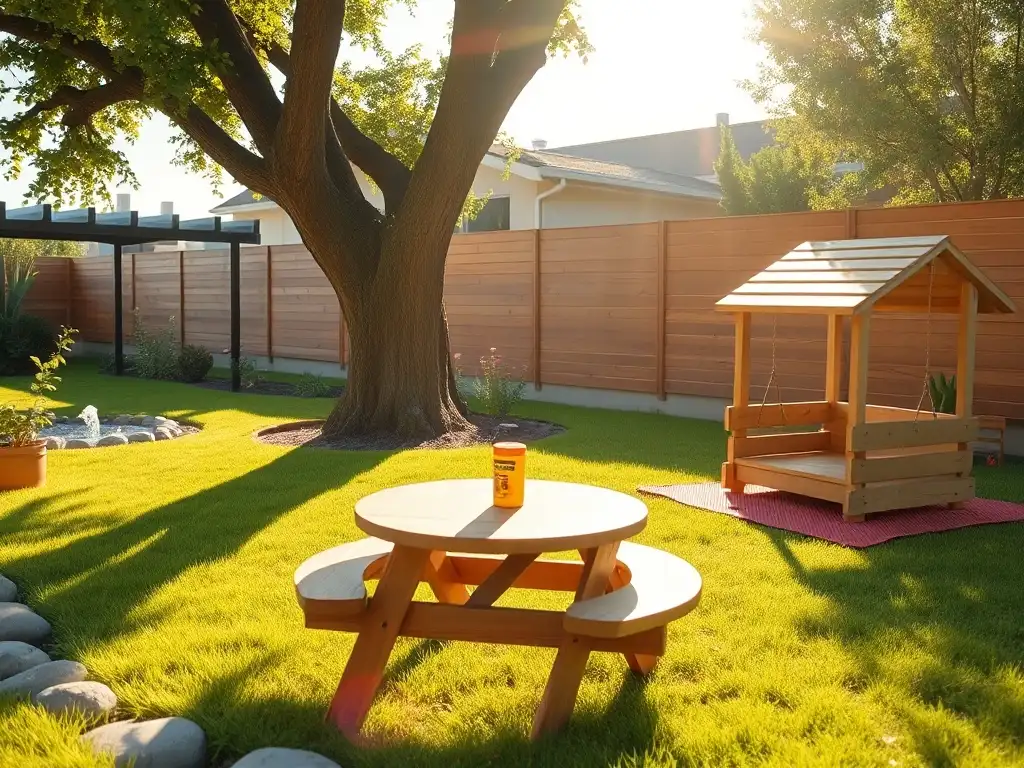
This section focuses on minimizing your baby's exposure to harmful chemicals in your outdoor spaces. Creating a safe environment requires careful consideration of materials, products, and practices. Remember, even seemingly harmless items can contain chemicals that pose risks to your little one's developing system. Prioritizing "baby safe outdoor chemicals" is crucial for their well-being.
Selecting Safe Outdoor Toys and Play Equipment
Choosing toys and equipment made from non-toxic materials is paramount. Look for toys explicitly labeled as non-toxic and BPA-free. Avoid anything with a strong chemical smell, as this could indicate the presence of volatile organic compounds (VOCs). Natural materials like wood (ensure it's treated with child-safe finishes), and untreated cotton are generally safer options. Always check labels for certifications from reputable organizations that verify safety standards.
When selecting plastic toys, opt for those made from high-density polyethylene (HDPE) or polypropylene (PP), which are generally considered safer than other plastics. Avoid PVC (polyvinyl chloride) plastics, as they often contain phthalates, which are endocrine disruptors. Remember to regularly inspect toys for any damage or wear and tear; replace any damaged items immediately to prevent your baby from ingesting small pieces or coming into contact with potentially harmful materials. Prioritizing “baby safe outdoor chemicals” in toy selection significantly reduces potential health risks.
Creating a Safe Sandbox Environment
Sandboxes are a classic outdoor play area, but they can harbor unseen dangers. The sand itself can be contaminated with harmful bacteria, parasites, or even chemicals if sourced improperly. Opt for pre-packaged, play-safe sand designed specifically for children's sandboxes. These sands are usually treated to minimize the risk of contamination. Avoid using sand from unknown sources, such as beaches or construction sites, as these may contain harmful substances.
Regularly clean and disinfect the sandbox to prevent the buildup of bacteria and other microorganisms. Consider covering the sandbox when not in use to prevent animal droppings and other contaminants from entering. Regular maintenance is key to creating a safe and enjoyable sandbox experience for your baby, mitigating risks associated with “baby safe outdoor chemicals” and other contaminants. Consider using a sandbox cover that protects against both rain and animals.
Protecting Baby from Chemical Exposure During Outdoor Play
Protecting your baby from chemical exposure extends beyond toys and sandboxes. Consider the following precautions:
- Lawn care: Avoid using chemical pesticides, herbicides, or fertilizers on your lawn while your baby is playing outdoors. Opt for natural alternatives or wait until after playtime to apply these products. Always allow ample time for the products to dry completely before letting your baby back into the treated area.
- Sunscreen: Choose a sunscreen specifically formulated for babies, free from harmful chemicals like oxybenzone and octinoxate. Apply liberally and frequently, especially during peak sun hours.
- Insect repellent: When using insect repellent, select a product with DEET or picaridin, and follow the manufacturer's instructions carefully. Apply to your clothing rather than directly to your baby's skin whenever possible. Always supervise your baby closely when using insect repellent.
- Clothing: Dress your baby in lightweight, breathable clothing to keep them cool and comfortable during outdoor play. Avoid clothing treated with harsh chemicals or dyes.
Remember, consistent vigilance and proactive measures are essential to ensure your baby's safety in outdoor environments. By prioritizing “baby safe outdoor chemicals” and making informed choices, you can create a playful and healthy outdoor space for your little one.
Regular Cleaning and Maintenance of Outdoor Play Areas
Regular cleaning and maintenance of your baby's outdoor play area are crucial for minimizing exposure to harmful chemicals. Think of it as proactive babyproofing – preventing problems before they arise. This goes beyond simply sweeping up leaves; it involves a systematic approach to eliminating potential hazards.
Firstly, consider the materials used in your play area. Wooden structures, for instance, might require regular treatment with non-toxic sealants to protect against weathering and the leaching of potentially harmful chemicals from treated lumber. Always opt for sealants specifically labeled as safe for children and pets. Check the product label meticulously for any warnings or precautions. Regular inspections for splinters and loose nails are also essential, preventing injuries and ensuring the structural integrity of the play area.
Secondly, regular cleaning removes dirt, grime, and other debris that might harbor harmful bacteria or chemicals. Use a mild soap and water solution for cleaning, avoiding harsh chemicals that could irritate your baby's skin or be absorbed through contact. For particularly stubborn stains, consider using a baking soda paste – a natural and effective cleaning agent. Remember to thoroughly rinse the area after cleaning to remove any soap residue.
Finally, consider the frequency of cleaning. A weekly cleaning for a moderately used play area is generally recommended. However, more frequent cleaning might be necessary during periods of heavy use or inclement weather. After rain or heavy dew, ensure the area is adequately dried to prevent the growth of mold and mildew, which can release harmful spores into the air.
Regular maintenance, including inspecting and repairing any damaged equipment, contributes significantly to a safe and healthy play environment for your baby. A clean and well-maintained play area reduces the risk of chemical exposure and ensures a safe and enjoyable experience for your little one. This proactive approach to cleaning is a vital aspect of keeping your baby safe from outdoor chemicals.
Monitoring Your Baby for Chemical Exposure
Monitoring your baby's exposure to outdoor chemicals requires vigilance and a proactive approach. While complete avoidance is ideal, recognizing potential exposure and understanding the signs is crucial for timely intervention. This section focuses on practical strategies for monitoring your little one's safety in outdoor environments. Remember, even seemingly harmless plants or garden products can pose risks to a vulnerable infant.
Recognizing Symptoms of Chemical Exposure in Infants
Infants react differently to chemical exposure than adults. Their smaller size and developing systems make them more susceptible to adverse effects. Symptoms can be subtle or severe, and prompt recognition is key. Here's a breakdown of potential indicators:
- Skin irritation: Rashes, redness, itching, blistering, or swelling on exposed skin are common signs. This could stem from contact with pesticides, herbicides, or even certain plants. Note the location of the rash—it might correspond to areas where your baby touched a specific surface.
- Respiratory issues: Coughing, wheezing, difficulty breathing, or a runny nose could indicate inhalation of chemical fumes. This is particularly relevant near areas where sprays or fertilizers have been recently used. Observe for increased respiratory rate or labored breathing.
- Gastrointestinal distress: Vomiting, diarrhea, or abdominal pain could result from ingestion of contaminated substances. This is a serious concern and requires immediate attention.
- Neurological symptoms: Lethargy, unusual irritability, difficulty sleeping, or changes in behavior can indicate a more severe reaction. These symptoms might not be immediately apparent, requiring careful observation over several hours.
- Eye irritation: Redness, watering, or swelling of the eyes are possible if your baby has come into contact with irritating chemicals.
It's crucial to remember that the severity of symptoms varies greatly depending on the specific chemical, the amount of exposure, and your baby's individual sensitivity. Even mild symptoms warrant careful monitoring and potentially contacting your pediatrician. Keep a detailed record of any observed symptoms, including the time of onset and any specific activities your baby engaged in before the symptoms appeared. This information is invaluable for medical professionals.
When to Seek Medical Attention for Chemical Exposure
Any suspected chemical exposure, regardless of the severity of symptoms, requires careful consideration. Don't hesitate to seek medical attention if you observe any of the symptoms mentioned previously, especially if they are severe or worsening. Immediate action is crucial in cases of:
- Difficulty breathing: This is a life-threatening symptom requiring immediate emergency medical attention.
- Seizures: Seizures are a serious neurological symptom and need immediate medical intervention.
- Loss of consciousness: Loss of consciousness warrants immediate emergency medical services.
- Persistent vomiting or diarrhea: Dehydration can quickly become a serious problem in infants, necessitating medical attention.
- Severe skin reactions: Extensive rashes, blisters, or swelling indicate a significant reaction and require medical evaluation.
Even if symptoms are mild, it's advisable to contact your pediatrician for guidance. They can assess the situation and advise on appropriate management, possibly recommending further testing or observation. Having a clear record of the potential exposure (e.g., type of chemical, time of exposure) will be helpful for the doctor. Remember, it’s better to err on the side of caution.
Important Precautions to Take After Suspected Exposure
Following suspected chemical exposure, immediate action is vital. Here are key steps to take:
- Remove your baby from the source of exposure: Immediately move your baby away from the area where the exposure occurred. Fresh air is crucial if the exposure involved fumes.
- Wash the affected area: Gently wash any affected skin with mild soap and lukewarm water. Avoid harsh scrubbing, which can worsen irritation.
- Remove contaminated clothing: Change your baby's clothes and any items that may have come into contact with the chemical.
- Contact Poison Control: Contact your local poison control center or emergency services immediately for expert advice. They can provide specific guidance based on the suspected chemical and your baby's symptoms. Keep the product label handy, as it will provide crucial information for the professionals.
- Monitor your baby closely: Observe your baby carefully for any changes in their condition. Record any symptoms and their progression.
- Follow medical advice: Follow the instructions given by your doctor or poison control center carefully. This may involve further observation, treatment, or additional tests.
Remember, prevention is the best strategy. By carefully managing your outdoor spaces and taking precautions to minimize exposure to potential hazards, you can significantly reduce the risk of chemical exposure for your baby. Prioritizing your baby's safety is paramount, and proactive measures are essential for ensuring a healthy and happy childhood.
Frequently Asked Questions
What are some common outdoor chemicals that pose a risk to babies?
Many common garden and lawn products contain harmful chemicals. Pesticides, herbicides, and fertilizers are prime examples, as are some cleaning agents used for outdoor furniture. Always check labels for warnings.
How can I protect my baby from exposure to these chemicals?
Thoroughly wash your baby's hands and face after outdoor playtime. Choose organic gardening products whenever possible, and opt for natural cleaning solutions for outdoor areas. Keep your baby away from treated areas until they are completely dry.
What should I do if my baby comes into contact with a harmful chemical?
Immediately wash the affected area with plenty of soap and water. Call your pediatrician or poison control immediately for guidance and further instructions. Note the product name and active ingredients if possible.
Are there specific times of day when outdoor chemical exposure is more likely?
Exposure is most likely when products have been recently applied. Avoid outdoor play immediately after applying chemicals, and during the hours when chemicals are most likely to be volatile or airborne.
What are some safe alternatives to chemical-based lawn and garden products?
Consider using natural pest control methods, such as introducing beneficial insects or companion planting. Explore organic fertilizers and composting to maintain a healthy lawn and garden without harmful chemicals.
Final Reflection: Protecting Our Little Ones in a Chemical World
The pervasive presence of harmful chemicals in our outdoor environments poses a significant and often overlooked threat to our children's health. This isn't just a concern for parents living near industrial sites; traces of pesticides, herbicides, and other toxins are found even in seemingly pristine parks and playgrounds. The long-term consequences of early exposure to these chemicals are still being uncovered, highlighting the urgent need for proactive measures.
The journey of understanding the impact of outdoor chemicals on babies has been a deeply personal one for me, fueled by a desire to create a safer world for my own child and others. The best way to predict the future is to create it.
– Abraham Lincoln. This quote resonates deeply, as it underscores our responsibility to actively shape a future where children can play outdoors without the constant threat of unseen dangers. We must continue to demand transparency from manufacturers and push for stricter regulations to protect our most vulnerable.
Now, it's your turn. Take a moment to reflect on your own environment. Are you aware of the potential chemical exposures your baby faces? What steps can you take, however small, to minimize these risks? Perhaps it's choosing organic lawn care, opting for natural insect repellents, or simply being more mindful of where your child plays. Every conscious choice we make contributes to a healthier, safer future for our children and generations to come. Let's work together to create that future.
Embrace a Chemical-Free Haven for Your Little One
Thank you for learning how to protect your baby from harmful outdoor chemicals. We hope this guide has empowered you to create a safer environment for them. Now, let's put that knowledge into action!
- Prioritize a chemical-free play area: Remove sources of common outdoor chemicals from your baby's play areas. Use natural lawn care and pest control methods instead of chemical-based ones.
- Share your knowledge: Discuss your new understanding of chemical safety with other parents and caregivers, perhaps through local parenting groups or online forums. Let's build a supportive community dedicated to baby safety!
- Explore natural alternatives: Experiment with chemical-free products for cleaning toys and outdoor gear. You might be surprised by how effective simple, natural solutions can be.
What simple, natural swap are you most excited to try to create a safer outdoor environment for your baby?