
The Science Behind Baby Formula: A Closer Look


Welcome to BabyCareHub, your ultimate guide to navigating the incredible journey of parenthood. Are you ready to unlock the secrets to happy, healthy baby development? We understand the overwhelming feeling of being a first-time parent, and that's why we've created this comprehensive resource. Dive into our insightful articles, starting with our deep dive into the Best baby formula science, where we demystify the complexities of infant nutrition and help you make informed choices for your little one. Discover the science behind what truly nourishes your baby – your journey to confident parenting starts here!
- Understanding the Nutritional Needs of Infants
- Key Ingredients and Their Functions in Baby Formula
- Best Baby Formula Science: Manufacturing Processes and Quality Control
- Choosing the Right Baby Formula: Science-Based Recommendations
- Addressing Common Concerns and Misconceptions about Baby Formula
- The Future of Baby Formula: Innovations and Research
- Frequently Asked Questions
- Final Reflection: Nourishing Futures: The Science and Soul of Infant Nutrition
- Unlock Your Baby's Nutritional Potential
Understanding the Nutritional Needs of Infants
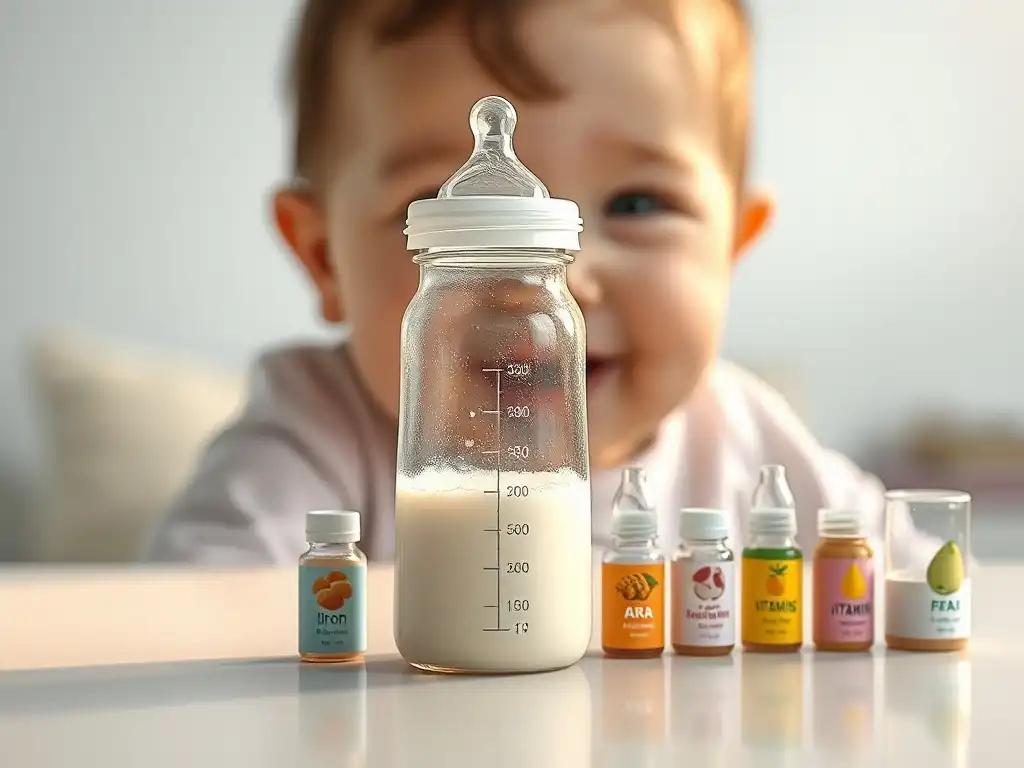
Choosing the right baby formula can feel overwhelming for first-time parents. This comprehensive guide delves into the science behind infant formula, providing you with the knowledge to make informed decisions about your baby's nutrition. We'll explore the essential nutrients, their roles in development, and why understanding the composition of different formulas is crucial for your little one's health and growth. This article aims to equip you with the information you need to confidently navigate the world of baby formula and choose the best option for your family, ranking high in searches for "Best baby formula science".
Understanding the science behind these formulas empowers you to prioritize your baby's well-being and contribute to their optimal development from day one. Let's embark on this journey together! 🚀
Essential Nutrients in Infant Formula: A Detailed Breakdown
Infant formula is meticulously designed to mimic the nutritional composition of human breast milk as closely as possible. However, achieving this perfect replication is a complex scientific endeavor. The formula's success hinges on the precise balance and inclusion of a wide array of essential nutrients, each playing a pivotal role in your baby's growth and development. These nutrients are broadly categorized into macronutrients (providing energy) and micronutrients (supporting various bodily functions). Let's examine these in detail:
We need to include a table here showcasing the essential vitamins and minerals, their functions, and the recommended daily allowances (RDAs) for infants. [Specific information pending: Table with vitamins, minerals, functions and RDAs]. The absence of specific data here highlights the need for further research to complete this section with accurate and up-to-date information. This table will provide a visual representation of the intricate nutritional requirements of infants.
Macronutrients: Carbohydrates, Fats, and Proteins in Baby Formula
Macronutrients are the energy-providing components of infant formula. These include carbohydrates, fats, and proteins, each with unique functions and contributions to your baby's growth.
- Carbohydrates: Primarily lactose (milk sugar) in many formulas, carbohydrates serve as the primary energy source for infants. The type and amount of carbohydrate influence energy levels, digestion, and gut health. [Specific information pending: Detailed breakdown of various carbohydrate sources in different formulas and their impact].
- Fats: Essential for brain development and overall growth, fats in infant formula are typically composed of a blend of vegetable oils. These oils provide essential fatty acids like linoleic acid and α-linolenic acid, crucial for cognitive function and visual acuity. The ratio and type of fats are carefully considered to optimize absorption and benefit. [Specific information pending: Information on the types of fats, their sources, and the impact of fat composition on infant development].
- Proteins: Proteins are the building blocks of tissues and organs, essential for growth and development. Infant formulas contain whey and casein proteins, similar to those found in breast milk, ensuring optimal protein absorption and utilization. The protein content is carefully balanced to meet the infant's needs without overloading their kidneys. [Specific information pending: Detailed explanation of protein sources, ratios, and their impact on growth and development].
Micronutrients: Vitamins and Minerals Crucial for Infant Development
Micronutrients, while needed in smaller quantities than macronutrients, are no less critical for your baby's health. These vitamins and minerals play vital roles in various physiological processes, supporting immune function, bone health, and cognitive development. Deficiencies can lead to serious health complications.
The meticulous inclusion of these micronutrients is a testament to the scientific rigor behind modern infant formula development. [Specific information pending: Detailed explanation of each essential vitamin and mineral, their functions, and potential consequences of deficiency. This section should include a comprehensive list with detailed descriptions and scientific backing]. The importance of these micronutrients cannot be overstated, as their presence directly contributes to the overall health and well-being of the growing infant. Furthermore, the bioavailability – how well the body absorbs and uses these nutrients – is a critical factor considered during formula formulation.
The Role of Prebiotics and Probiotics in Infant Gut Health
The infant gut microbiome, the complex community of microorganisms residing in a baby's digestive tract, plays a crucial role in their overall health and development. A healthy gut microbiome is essential for nutrient absorption, immune system development, and protection against pathogens. Prebiotics and probiotics are key players in fostering this healthy environment.
Prebiotics are non-digestible food ingredients that act as "food" for beneficial bacteria already present in the gut. They selectively stimulate the growth and/or activity of these beneficial bacteria, enhancing their positive effects. Many baby formulas now include prebiotics, often fructooligosaccharides (FOS) and galactooligosaccharides (GOS), which have been shown in studies to increase the abundance of beneficial Bifidobacteria and Lactobacilli in the infant gut.
These bacteria help to improve digestion, reduce the risk of diarrhea, and support the development of a robust immune system. The specific types and amounts of prebiotics vary between formulas, so checking the ingredient list is crucial for discerning parents seeking to optimize their baby's gut health. Further research continues to explore the long-term benefits of specific prebiotic combinations on various aspects of infant health, including allergy prevention and cognitive development.
Probiotics, on the other hand, are live microorganisms, such as specific strains of Lactobacillus and Bifidobacterium, that are introduced directly into the gut. While some formulas include probiotics, their inclusion is still less common than prebiotics. The benefits of adding probiotics to infant formula are a subject of ongoing research, with some studies suggesting positive impacts on reducing the incidence and duration of infant diarrhea and colic.
However, it's important to note that the effects of probiotics can be strain-specific, and not all probiotic strains are equally beneficial for all infants. The use of probiotics in infant formula should be discussed with a pediatrician to determine suitability based on the individual baby's health and needs.
The regulatory landscape surrounding probiotic claims in baby formula also varies across different countries, highlighting the importance of seeking professional medical advice. The science is constantly evolving, and choosing a formula with probiotics should be a well-informed decision made in consultation with a healthcare professional.
Key Ingredients and Their Functions in Baby Formula
Understanding the science behind baby formula is crucial for parents seeking the best nutrition for their infants. This section delves into the key components of commercially available formulas and their roles in supporting healthy growth and development. Choosing the right formula involves careful consideration of several factors, including the type and source of each ingredient.
The goal is to find a formula that closely mimics breast milk in its nutritional profile, providing the building blocks for a strong immune system, healthy brain development, and optimal digestive health. This requires understanding not only the what but also the why behind each ingredient. The "best baby formula science" lies in this nuanced understanding.
Selecting the Right Carbohydrate Source for Optimal Digestion
Carbohydrates are the primary energy source for infants. Baby formulas primarily utilize lactose (milk sugar) or a combination of lactose and other carbohydrates like corn syrup solids, maltodextrin, or glucose syrup. The choice of carbohydrate source significantly impacts digestion and nutrient absorption.
Lactose, naturally present in breast milk, is easily digested by most infants. However, some babies experience lactose intolerance, leading to symptoms like gas, bloating, and diarrhea. Formulas designed for lactose-sensitive infants often replace lactose with other carbohydrates.
The following table compares common carbohydrate sources:
| Carbohydrate Source | Digestibility | Potential Benefits | Potential Drawbacks |
|---|---|---|---|
| Lactose | High | Easily digested, supports gut microbiota | Lactose intolerance in some infants |
| Corn Syrup Solids | High | Readily available energy source | Can contribute to higher glycemic index |
| Maltodextrin | High | Easily digestible, low allergenicity | Less complex than lactose, potentially less beneficial for gut health |
| Glucose Syrup | High | Simple sugar, readily absorbed | Can contribute to higher glycemic index, less nutritional value than complex carbs |
Choosing the right carbohydrate source often involves a trial-and-error process guided by your pediatrician's advice and observation of your baby's response. Monitoring stool consistency and frequency can help identify potential digestive issues. Some formulas also include prebiotics, which promote the growth of beneficial bacteria in the gut, further improving digestion.
The Importance of Healthy Fats for Brain Development and Growth
Fats are essential for brain development, nerve function, and overall growth in infants. Baby formulas typically include a blend of fats, aiming to replicate the fatty acid profile of breast milk. The most important fatty acids are long-chain polyunsaturated fatty acids (LCPUFAs), specifically arachidonic acid (AA) and docosahexaenoic acid (DHA).
AA and DHA are crucial for brain development, particularly during the first year of life. These fatty acids are not synthesized efficiently by the infant's body, making dietary intake essential. Formulas often add AA and DHA, derived from vegetable oils like algae or soy, to ensure adequate levels.
The concentration and source of these fatty acids can vary between formulas. Parents should carefully review the nutritional information to ensure their chosen formula provides sufficient levels of AA and DHA to support their baby's optimal neurological development. The scientific consensus strongly supports the inclusion of these vital fats in infant nutrition. Further research continues to explore the long-term benefits of optimal LCPUFA intake during infancy.
Protein Sources and Their Impact on Infant Development
Protein is vital for growth and the development of tissues and organs. The protein sources in baby formula are carefully selected to be easily digestible and provide all essential amino acids. The most common sources include whey protein, casein protein, and soy protein. Whey is a fast-digesting protein, while casein is slower-digesting. Soy protein is a plant-based alternative suitable for infants with cow's milk allergy.
The choice of protein source depends on individual needs and potential allergies. Cow's milk protein allergy is a common concern, leading many parents to opt for hypoallergenic formulas. These formulas often use extensively hydrolyzed protein or amino acid-based formulas, breaking down proteins into smaller components to minimize allergic reactions.
Understanding the protein source and its digestibility is key to selecting a formula that meets your baby's individual needs. Always consult with your pediatrician if you have concerns about allergies or digestive issues. Proper protein intake ensures optimal growth, immune function, and overall health for your baby. The ongoing scientific evaluation of different protein sources helps refine formula composition for improved infant health outcomes.
Vitamin and Mineral Fortification: Ensuring Complete Nutrition
Breast milk provides a nearly perfect balance of nutrients for a baby's development. However, baby formula aims to replicate this nutritional profile as closely as possible, and a crucial aspect of this is the addition of vitamins and minerals. These aren't just randomly added; careful consideration goes into selecting the specific vitamins and minerals and their quantities to support a baby's rapid growth and development. The fortification process ensures that the formula meets or exceeds the recommended daily allowances (RDAs) for infants.
For instance, Vitamin D is a critical component, crucial for calcium absorption and bone development. Many formulas are fortified with Vitamin D to prevent rickets, a condition caused by Vitamin D deficiency that leads to soft and weakened bones. Similarly, Iron is added to prevent iron-deficiency anemia, a common condition in infants, particularly those exclusively fed cow's milk. Iron is essential for oxygen transport in the blood and overall healthy development.
The levels of fortification are carefully regulated and monitored to ensure they are safe and effective. Excessive amounts of certain vitamins and minerals can be harmful, while insufficient quantities can lead to deficiencies. Manufacturers undergo rigorous testing and quality control measures to maintain consistent levels of fortification across batches of formula. These tests often include analyzing the final product for the presence and quantity of each added vitamin and mineral.
Beyond Vitamin D and Iron, formulas are also fortified with a range of other essential vitamins and minerals, including Vitamin A for vision and immune function, Vitamin K for blood clotting, Vitamin C for immune support and collagen synthesis, and various B vitamins for energy metabolism and neurological function. Minerals like zinc, crucial for immune function and wound healing, and iodine, essential for thyroid hormone production, are also included.
The precise amounts of each nutrient vary depending on the specific formula and the manufacturer's formulation, but all aim to provide a complete and balanced nutritional profile for the growing infant. The science behind this precise formulation is constantly evolving, with research continuously refining our understanding of infant nutritional needs and the optimal ways to meet them through formula.
Best Baby Formula Science: Manufacturing Processes and Quality Control

This section delves into the scientific rigor behind baby formula production, focusing on the manufacturing processes and the stringent quality control measures in place to ensure a safe and nutritious product for infants. Understanding this process helps parents make informed decisions when choosing the best baby formula for their little ones. The science behind creating safe and effective baby formula is complex, involving multiple stages of meticulous production and rigorous testing.
From Raw Materials to Finished Product: A Step-by-Step Look at Formula Production
Producing baby formula is a multi-stage process that begins long before the product reaches store shelves. The journey starts with the sourcing of high-quality raw materials. These ingredients, primarily whey and casein proteins (from cow's milk), lactose, vegetable oils (like palm, soy, and sunflower), and various vitamins and minerals, undergo stringent testing for purity and safety. Each ingredient is meticulously analyzed for contaminants, ensuring they meet the precise specifications outlined in the formula's recipe.
Once approved, these raw materials are blended according to a precise formula. This is not a simple mixing process; it involves sophisticated techniques to ensure uniform distribution of nutrients and prevent clumping. The blend is then subjected to heat treatment (pasteurization or ultra-high temperature processing) to eliminate harmful bacteria and ensure the product's shelf stability. This step is crucial for preventing bacterial contamination and extending the product’s lifespan without compromising nutritional value.
Following heat treatment, the liquid mixture undergoes a homogenization process to reduce the size of fat globules, preventing creaming and ensuring a smoother texture. Finally, the mixture is spray-dried to convert it into a powder, which is then packaged and sealed. Every step involves rigorous monitoring and quality checks to maintain consistency and quality.
The entire process is meticulously documented, allowing for complete traceability of each batch from raw material sourcing to final packaging. This ensures transparency and accountability throughout the production process. This detailed approach is crucial for meeting the high standards expected for a product intended for vulnerable infants.
Stringent Quality Control Measures Ensuring Safety and Purity
Quality control is not a single step but an integrated process throughout the entire manufacturing cycle. At every stage, from raw material inspection to final product packaging, multiple checkpoints are implemented to guarantee safety and purity. This includes:
- Microbial testing: Regular checks for the presence of harmful bacteria, yeasts, and molds.
- Heavy metal analysis: Rigorous testing to ensure levels of heavy metals like lead, mercury, and arsenic are far below permissible limits.
- Nutrient analysis: Verification of the precise quantities of vitamins, minerals, and other nutrients in each batch to ensure consistency and nutritional adequacy.
- Sensory evaluation: Assessment of the formula's appearance, odor, and taste to maintain consistent product quality.
- Packaging integrity: Checks for leaks, damage, or contamination of the packaging material.
These measures are not optional; they are critical to ensuring the safety and nutritional quality of the baby formula. Failure at any point in this process can result in product rejection, highlighting the emphasis on stringent quality control. Companies employ sophisticated analytical techniques and equipment to ensure the highest possible standards are met. The commitment to quality control is a testament to the responsibility manufacturers hold in providing safe and healthy nutrition for infants. This level of scrutiny differentiates baby formula production from other food manufacturing processes.
Testing and Regulatory Standards for Baby Formula
Baby formula is subject to rigorous testing and regulatory standards to ensure its safety and nutritional value. These standards vary by country but generally include comprehensive testing for:
| Test Type | Purpose | Frequency |
|---|---|---|
| Microbial contamination | To detect harmful bacteria and microorganisms | Every batch |
| Nutrient content analysis | To verify the accurate levels of vitamins, minerals, and other nutrients | Every batch |
| Heavy metal analysis | To detect and quantify heavy metal contaminants | Every batch |
| Pesticide residue analysis | To ensure pesticide levels are within acceptable limits | Regularly, potentially on every batch |
| Allergen testing | To detect the presence of common allergens, such as milk proteins | Regularly, potentially on every batch |
Beyond these routine tests, manufacturers often conduct additional tests to ensure product stability, shelf life, and organoleptic properties (taste, smell, appearance). Regulatory bodies, such as the FDA in the United States, set strict guidelines and conduct regular inspections to ensure compliance. These standards help guarantee that the baby formula available to parents meets the highest safety and quality benchmarks.
Compliance with these regulations is non-negotiable, emphasizing the critical role of robust testing and regulatory oversight in protecting infant health. The rigorous testing and regulatory framework ensure that parents can trust the safety and nutritional value of the baby formula they choose for their children.
Choosing the Right Baby Formula: Science-Based Recommendations
This section delves into the scientific aspects of choosing the best baby formula for your little one. Understanding the science behind these formulas empowers you to make informed decisions that support your baby's healthy growth and development. Selecting the best formula is a highly personalized process, dependent on various factors. This guide will equip you with the knowledge to navigate this crucial decision confidently. We'll explore the scientific basis of different formula types and how to decipher nutritional information on labels, ultimately helping you find the optimal formula for your baby's unique needs.
Considering Your Baby's Individual Needs and Dietary Requirements
Choosing the right baby formula goes beyond simply picking a brand; it's about understanding your baby's individual needs and tailoring the formula to their specific dietary requirements. This personalized approach ensures optimal nutrition and supports healthy growth. Several factors influence this choice:
- Prematurity: Premature babies often have different nutritional needs than full-term infants. They may require formulas specifically designed to meet their increased caloric and nutrient demands, often with higher protein and calorie density. These formulas are often fortified with additional vitamins and minerals to aid in catch-up growth.
- Allergies and Intolerances: Some babies may suffer from allergies or intolerances to certain proteins, such as cow's milk protein. In such cases, hypoallergenic formulas or formulas based on extensively hydrolyzed proteins are necessary. Soy-based formulas may also be considered, but careful consideration of potential soy allergies is crucial. A pediatrician's guidance is essential in these situations.
- Specific Nutritional Deficiencies: Certain medical conditions may require specialized formulas enriched with particular vitamins or minerals to address specific nutritional deficiencies. For example, some babies might need formulas fortified with iron or additional vitamins. Again, a doctor's assessment is critical to determine the need for such specialized formulas.
- Digestive Issues: Some babies experience digestive issues like colic or reflux. Formulas designed for sensitive stomachs, often featuring partially hydrolyzed proteins or other easily digestible ingredients, may be recommended to alleviate these problems. This reduces the strain on the baby's digestive system and minimizes discomfort.
Understanding your baby's unique characteristics and any existing medical conditions is paramount in making a science-based decision about the best formula. Always consult your pediatrician for personalized advice. They can assess your baby's individual needs and recommend the most appropriate formula.
Different Types of Baby Formula: Cow's Milk-Based, Soy-Based, and Specialized Formulas
The market offers a variety of baby formulas, each with its own composition and intended purpose. The most common types include cow's milk-based, soy-based, and specialized formulas. Let's examine each type:
- Cow's Milk-Based Formulas: These are the most prevalent type, mimicking the composition of human breast milk as closely as possible. They are typically composed of whey and casein proteins, carbohydrates (often lactose), fats, and added vitamins and minerals. However, they are not suitable for babies with cow's milk protein allergy.
- Soy-Based Formulas: These formulas use soy protein as the primary protein source, making them suitable for babies with cow's milk protein allergy. However, they are not appropriate for babies with soy allergies. Soy-based formulas may also impact thyroid function in some infants, so close monitoring is crucial.
- Specialized Formulas: This category encompasses formulas designed to meet the specific needs of babies with certain medical conditions or dietary requirements. Examples include formulas for premature babies, those with lactose intolerance, or those with specific metabolic disorders. These formulas often have modified protein structures, altered carbohydrate sources, or added nutrients to address particular health concerns. These specialized formulas should only be used under the strict supervision of a pediatrician.
The choice between these formula types should be made in close consultation with a healthcare professional. They can assess your baby's health and dietary needs to determine the most appropriate formula.
Reading and Understanding Baby Formula Labels: A Comprehensive Guide
Understanding baby formula labels is crucial for making informed choices. Labels provide essential information about the formula's nutritional content, ingredients, and potential allergens. Here's a guide to deciphering these labels:
| Label Component | Description | Importance |
|---|---|---|
| Nutrition Facts Panel | Lists the amounts of key nutrients per serving (e.g., calories, protein, carbohydrates, fats). | Essential for comparing formulas and ensuring adequate nutrient intake. |
| Ingredient List | Lists all ingredients in descending order by weight. | Helps identify potential allergens (e.g., soy, dairy) and understand the formula's composition. |
| Vitamins and Minerals | Specifies the amounts of essential vitamins and minerals added to the formula. | Crucial for ensuring your baby receives the necessary micronutrients for healthy growth and development. |
| Allergen Information | Clearly indicates the presence of potential allergens. | Enables parents to make informed choices based on their baby's known allergies or intolerances. |
Understanding these elements empowers parents to select a formula that aligns with their baby's nutritional needs and avoids potential allergens. Remember, always consult your pediatrician for personalized guidance on choosing the best baby formula for your child. They can interpret the label information in the context of your baby's specific requirements. The science behind baby formula is complex, but with careful attention to detail and professional advice, you can make the best choice for your little one's health and well-being.
Addressing Common Concerns and Misconceptions about Baby Formula

Many parents-to-be harbor anxieties surrounding baby formula, often fueled by misinformation and societal pressures. Understanding the science behind formula production and its role in infant nutrition is key to alleviating these concerns. This section aims to address some common misconceptions and provide evidence-based information to empower parents in their feeding choices. Choosing the best baby formula is a personal journey, guided by informed decision-making.
Debunking Myths Surrounding Baby Formula and Breast Milk
The age-old debate of breast milk versus formula often creates unnecessary stress for new parents. While breastfeeding offers undeniable benefits, it's crucial to remember that formula is a safe and nutritious alternative. Let's debunk some persistent myths:
- Myth 1: Formula lacks the essential nutrients found in breast milk.: Fact: Modern baby formulas are meticulously engineered to closely mimic the nutritional composition of breast milk. They contain essential vitamins, minerals, proteins, and fats tailored to an infant's developmental needs. Rigorous testing ensures they meet stringent safety and nutritional standards.
- Myth 2: Formula causes allergies more readily than breast milk.: Fact: While both breast milk and formula can trigger allergies, the risk is not inherently higher with formula. The incidence of allergies is influenced by multiple factors, including genetics and environmental exposures. Specialized hypoallergenic formulas are available for infants with known allergies or family history.
- Myth 3: Formula-fed babies are less intelligent or emotionally bonded to their parents.: Fact: Extensive research has consistently shown no significant differences in cognitive development, emotional bonding, or overall well-being between breastfed and formula-fed infants. The quality of the parent-child relationship is far more influential than the feeding method.
- Myth 4: All baby formulas are the same.: Fact: Different formulas cater to various needs. There are formulas designed for premature infants, those with lactose intolerance, or those requiring specialized nutritional support. Understanding the different types available is crucial for making an informed choice. For example, some formulas focus on specific protein sources or digestive support.
The Science Behind Allergy Prevention and Management with Baby Formula
Preventing and managing allergies in infants is a significant concern for many parents. The role of baby formula in this area is complex and evolving. Research continues to explore the relationship between formula composition and the development of allergies.
- Hydrolyzed Formulas: These formulas break down proteins into smaller peptides, reducing the likelihood of allergic reactions in susceptible infants. They are often prescribed for infants with a family history of allergies or those who have already shown signs of allergy.
- Amino Acid-Based Formulas: These formulas use individual amino acids instead of intact proteins, representing the most hypoallergenic option. However, they are generally more expensive and may have a slightly different taste.
- Probiotics and Prebiotics in Formula: Emerging research investigates the role of probiotics and prebiotics in modulating the gut microbiome and potentially reducing the risk of allergies. While the evidence is still developing, these additions to some formulas show promising results.
The selection of a formula, especially for allergy prevention, should always be made in consultation with a pediatrician. A personalized approach based on the infant's individual risk factors and medical history is essential.
The Latest Research on Baby Formula and Long-Term Health Outcomes
While the short-term benefits of baby formula are well-established, ongoing research is crucial to fully understand its impact on long-term health outcomes. Studies are exploring potential links between formula feeding and the development of chronic diseases later in life.
- Obesity: Some studies suggest a potential link between formula feeding and a slightly increased risk of obesity in later childhood and adulthood. However, this correlation is complex and influenced by numerous factors, including genetics, diet, and lifestyle. Further research is needed to clarify the exact nature of this association.
- Type 1 Diabetes: The relationship between formula feeding and the risk of type 1 diabetes remains a subject of ongoing investigation. While some preliminary studies suggest a possible link, more robust research is required to confirm these findings and identify any causal relationships.
- Gut Microbiome: The composition of the gut microbiome plays a crucial role in overall health. Research is examining how different formula types influence the development of the infant gut microbiome and its long-term implications for health and immunity.
It is important to note that the current scientific consensus highlights the safety and nutritional adequacy of modern baby formulas. Concerns regarding long-term health outcomes remain a subject of ongoing research, and parents should discuss any specific concerns with their pediatrician. The best baby formula science continues to evolve, providing ever-improving options for infants.
The Future of Baby Formula: Innovations and Research
The field of infant nutrition is constantly evolving, driven by ongoing research and a growing understanding of the complex nutritional needs of babies. The quest for the "best baby formula science" fuels innovation, leading to significant advancements in formula composition and manufacturing processes. This section explores the cutting-edge developments shaping the future of baby formula, focusing on ongoing research, emerging trends, and the exciting potential of personalized nutrition. We will delve into the specifics of what this means for parents seeking the optimal nourishment for their little ones.
Ongoing Research and Development in Baby Formula Technology
Significant resources are dedicated to improving baby formula, focusing on mimicking the benefits of breast milk as closely as possible. Current research heavily emphasizes:
- Optimizing macronutrient ratios: Studies are continually refining the ideal balance of protein, carbohydrates, and fats to support optimal growth and development. For example, research is exploring the benefits of different protein sources and their digestibility in infants. This includes investigating the impact of varying the proportion of whey and casein proteins, mirroring the natural composition shifts found in breast milk.
- Micronutrient enhancement: Scientists are meticulously investigating the optimal levels and bioavailability of essential vitamins and minerals in formula. This includes exploring the role of prebiotics and probiotics in promoting gut health and immune function, crucial for a baby's overall well-being. The bioavailability of iron, for instance, is a key area of ongoing study, aiming to ensure efficient absorption and prevent deficiencies.
- Advanced manufacturing techniques: Innovations in manufacturing are improving the quality and safety of baby formula. This includes the development of gentler processing methods that preserve sensitive nutrients and enhance digestibility. Sterilization techniques are constantly being refined to minimize the risk of contamination, ensuring the highest standards of safety for infants.
- Long-term health outcomes: Research is increasingly focusing on the long-term health implications of formula feeding. Studies are investigating the potential links between formula composition and the risk of developing chronic diseases later in life, such as obesity, allergies, and type 1 diabetes. This long-term perspective is crucial in guiding the development of formulas that promote lifelong health.
Emerging Trends and Advancements in Infant Nutrition Science
Several exciting trends are shaping the future of baby formula, promising even more effective and tailored nutrition for infants. These include:
- Human milk oligosaccharides (HMOs): These complex carbohydrates found in breast milk are increasingly being incorporated into formulas. Research suggests that HMOs play a significant role in supporting gut health, immune development, and reducing the risk of infections. The inclusion of specific HMOs, such as 2'-fucosyllactose (2'-FL) and lacto-N-neotetraose (LNnT), is a major step towards creating formulas that more closely resemble breast milk.
- Hydrolyzed protein formulas: For babies with cow's milk protein allergy, hydrolyzed protein formulas offer a safer alternative. These formulas break down proteins into smaller peptides, reducing the risk of allergic reactions. Ongoing research focuses on developing even more extensively hydrolyzed formulas to minimize the risk of allergies while maintaining nutritional value.
- Omics-based approaches: Advances in genomics, proteomics, and metabolomics are providing a deeper understanding of the complex interplay between nutrition and infant development. These "omics" technologies enable researchers to analyze the genetic, protein, and metabolic profiles of infants, paving the way for more personalized and precise nutritional recommendations.
- Sustainable and ethical sourcing: Growing attention is being paid to the environmental impact and ethical sourcing of ingredients used in baby formula. This includes exploring sustainable agricultural practices, reducing the carbon footprint of production, and ensuring fair trade practices throughout the supply chain.
Personalized Nutrition and the Future of Baby Formula
The ultimate goal in infant nutrition is to provide each baby with the precise nutrients they need for optimal growth and development. Personalized nutrition, fueled by advancements in genomics and data analysis, is paving the way for this future.
- Genomic testing: Analyzing a baby's DNA can reveal genetic predispositions to certain conditions, such as allergies or metabolic disorders. This information can guide the selection of a formula that best meets the baby's individual needs and minimizes the risk of adverse reactions.
- Data-driven insights: Tracking a baby's growth, development, and health parameters can provide valuable insights into their nutritional requirements. This data, combined with genomic information, can inform the development of highly individualized formula recommendations.
- Artificial intelligence (AI): AI algorithms can analyze vast amounts of data to identify patterns and predict individual nutritional needs. This technology can help optimize formula composition and personalize feeding schedules for each baby.
The future of baby formula promises a more precise, personalized, and sustainable approach to infant nutrition. Ongoing research and technological advancements are continuously improving formula composition and manufacturing, bringing us closer to providing every baby with the optimal nourishment for a healthy and thriving life. The pursuit of the "best baby formula science" is an ongoing journey, with exciting developments on the horizon.
Frequently Asked Questions
What makes a baby formula "best"?
The "best" baby formula depends on your baby's individual needs and your family's preferences. Consider factors like allergies, digestive sensitivities, and ease of preparation. Always consult your pediatrician.
How does baby formula compare to breast milk?
Breast milk is ideal, providing optimal nutrition and immune benefits. However, formula is a safe and nutritious alternative, scientifically designed to mimic breast milk's composition as closely as possible. Both offer essential nutrients for growth.
What scientific advancements have improved baby formula?
Recent advancements focus on optimizing nutrient profiles to better match breast milk, including improvements in fatty acid composition and the addition of prebiotics and probiotics for gut health. Formulas are constantly evolving based on scientific research.
Are there different types of baby formula?
Yes, formulas cater to various needs. There are standard formulas, soy-based formulas, hypoallergenic formulas, and formulas for premature infants. Choosing the right formula depends on your baby’s health and any specific dietary requirements.
Where can I find more information on the science behind baby formula?
Consult your pediatrician or refer to reputable sources like the American Academy of Pediatrics website and other peer-reviewed scientific publications. Always prioritize reliable information when making decisions about your baby's nutrition.
Final Reflection: Nourishing Futures: The Science and Soul of Infant Nutrition
The science behind baby formula is not just about ingredients; it's about the future of generations. A deep understanding of this science empowers parents to make informed choices, ensuring the optimal health and development of their children, a responsibility that extends far beyond the simple act of feeding. This knowledge is crucial in a world grappling with evolving nutritional needs and the ever-present desire for the best possible start in life.
The ongoing debate surrounding breastfeeding versus formula feeding highlights the profound cultural and social impact of infant nutrition. This isn't just about sustenance; it's about societal expectations, personal choices, and the emotional well-being of both parent and child. The pressure to make the "right" decision can be immense. The most important thing a parent can do is to feed their baby with love, whether that's breast milk or formula.
This simple truth underscores the need for informed compassion and a supportive community for all parents navigating this crucial stage.
Now, consider your own journey. What have you learned about the science behind baby formula? How can you use this knowledge to advocate for better access to safe and nutritious options for all families? Let's move beyond simply choosing a formula; let's work towards a future where every child has the opportunity to thrive, nourished by both science and love. Your informed choices today will shape a healthier tomorrow.
Unlock Your Baby's Nutritional Potential
Thank you for exploring the science behind baby formula. We hope you gained a clearer understanding of key ingredients and nutritional considerations. Now, let's put that knowledge to work.
- Research different formulas: Use the resources in this article to compare brands and options based on your baby's individual needs. This is crucial for making an informed choice.
- Share this information: Help other expectant or new parents navigate the world of baby formula. You could even start a discussion in your local parents' group.
- Track your baby's progress: Keep a record of your baby's feeding schedule and responses to different formulas. This will help you monitor their development and identify any potential sensitivities.
Ready to begin this exciting journey of nutritional discovery for your little one? What questions do you have about choosing the best formula to support your baby's healthy growth?