
The Importance of Car Seat Harnesses: A Detailed Look


Welcome to BabyCareHub, your ultimate guide to navigating the exciting yet sometimes overwhelming world of parenthood. We understand that becoming a first-time parent brings a flood of questions, and ensuring your little one's safety is paramount. That's why we've created this comprehensive resource, packed with expert advice and practical tips. Discover crucial information about baby car seat harness safety, a critical aspect of keeping your precious cargo secure. Dive in and learn how to properly install and utilize your car seat, ensuring worry-free journeys from day one. Let's explore the essentials together!
- Understanding Baby Car Seat Harness Safety: Why it Matters
- Choosing the Right Car Seat Harness for Your Baby
- Proper Installation and Use of Baby Car Seat Harnesses
- Recognizing Signs of a Faulty or Damaged Car Seat Harness
- Beyond the Harness: Additional Car Seat Safety Tips
- Resources and Further Information on Baby Car Seat Harness Safety
- Frequently Asked Questions (FAQs) about Baby Car Seat Harnesses
- Frequently Asked Questions
- Final Reflection: Securing Our Future, One Harness at a Time
- Unlock Your Child's Safe Travels: Take Action Today!
Understanding Baby Car Seat Harness Safety: Why it Matters
Choosing the right car seat is a monumental task for new parents, filled with confusing jargon and a plethora of options. Beyond selecting the appropriate car seat type for your child's age and weight, understanding and correctly using the harness system is paramount. This article delves into the critical importance of baby car seat harness safety, providing essential information to ensure your little one travels safely and securely.
Proper harnessing is not just about following instructions; it's about significantly reducing the risk of serious injury or even death in the event of a car accident. This guide will equip you with the knowledge and understanding to confidently and correctly secure your baby in their car seat, contributing to their overall well-being and peace of mind for you. We'll explore accident statistics, proper harnessing techniques, and debunk common misconceptions, ultimately empowering you to prioritize your baby's safety on every journey.
Infant Car Seat Accident Statistics and Harness Importance
Sadly, car accidents remain a leading cause of death and injury for infants and young children. While precise statistics vary by region and year, studies consistently demonstrate that proper car seat usage, particularly correct harnessing, dramatically reduces the severity of injuries. 1 A properly adjusted harness distributes the forces of impact during a collision, minimizing trauma to the head, neck, and internal organs. Conversely, a loose or improperly installed harness significantly increases the risk of ejection or serious injury. The difference between life and serious injury often boils down to a few centimeters of slack in the harness straps. Think of the harness as your baby's lifeline in a potentially life-threatening situation. The correct use of the car seat harness is not merely a suggestion, but a critical safety measure that significantly improves the chances of your baby surviving a car accident unharmed.
The following table highlights the importance of proper harnessing (Note: Specific figures require further research and may vary depending on the source and geographic location):
| Factor | Impact on Injury Severity |
|---|---|
| Correct Harness Installation | Significantly Reduces |
| Incorrect Harness Installation | Significantly Increases |
| Harness Too Loose | Greatly Increases |
| Harness Too Tight | Increases Discomfort/Risk |
| Child Ejected from Car Seat | Catastrophic Consequences |
Preventing Car Seat Injuries Through Proper Harnessing
Preventing car seat injuries hinges on meticulous attention to detail when installing and using the harness. Here's a step-by-step guide to ensure optimal safety:
- Check the Manual: Always consult your car seat's instruction manual. Each model has specific instructions.
- Snug Fit: The harness straps should be snug against your baby's body. You should be able to fit only one or two fingers between the straps and your baby's chest.
- Chest Clip Position: The chest clip should be positioned at armpit level.
- Recline Angle: Ensure the car seat is reclined to the correct angle, usually indicated in the manual.
- No Twisting: Make sure the straps aren't twisted.
- Regular Checks: Periodically check the harness for wear and tear and replace it if necessary.
Remember, a properly installed and adjusted harness is the first line of defense against injury in a car accident. Regularly reviewing and practicing these steps will become second nature and significantly enhance your baby's safety. Don't hesitate to seek assistance from child passenger safety technicians if you have any doubts or uncertainties. Your baby's safety is worth the effort!
Common Misconceptions About Car Seat Harnesses
Several misconceptions surround car seat harnesses, potentially compromising your baby's safety. Let's address some common misunderstandings:
- "My baby is comfortable, so the harness is fine." Comfort doesn't equate to safety. A loose harness might feel comfortable but offers minimal protection in a collision. Prioritize a snug fit over comfort.
- "A puffy winter coat is okay under the harness." Bulky clothing compresses during an impact, creating slack in the harness and reducing its effectiveness. Dress your baby in lightweight clothing and use a blanket if necessary.
- "The harness should be tight enough to leave red marks." While the harness should be snug, it shouldn't be so tight as to leave marks. A properly adjusted harness should feel secure but not constricting.
- "Rear-facing is only for infants." Keeping your child rear-facing for as long as possible (until they reach the maximum height and weight limits of their rear-facing car seat) significantly enhances safety.
1 [Specific source and data needed here]
Choosing the Right Car Seat Harness for Your Baby
Selecting the appropriate car seat harness is paramount to your baby's safety. A properly installed and adjusted harness significantly reduces the risk of injury in the event of a collision. This section delves into the crucial aspects of harness selection, ensuring you make informed decisions for your little one. Understanding the nuances of harness types, fit, and weight limits is key to achieving optimal baby car seat harness safety.
5-Point vs. 3-Point Harnesses: A Comparison
The most common harness types for infant car seats are 5-point and 3-point harnesses. Understanding their differences is crucial for choosing the safest option for your baby.
A 5-point harness uses five straps: two at the shoulders, two at the hips, and one at the crotch. This configuration distributes the force of an impact across five points, providing superior restraint and minimizing the risk of your baby sliding out or being ejected from the seat during a collision. This is considered the gold standard for baby car seat harness safety.
A 3-point harness, on the other hand, uses only three straps: two at the shoulders and one at the waist. While simpler, it offers less secure restraint than a 5-point harness. The risk of your child moving around or slipping out increases significantly, especially in the event of a sudden stop or impact.
| Harness Type | Number of Straps | Restraint Level | Safety Rating |
|---|---|---|---|
| 5-Point | 5 | Superior | Highest |
| 3-Point | 3 | Adequate (for older children) | Lower |
Choosing a 5-point harness for infants and toddlers is strongly recommended by child safety experts. The added security it provides significantly outweighs any perceived inconvenience. Remember, a securely fastened 5-point harness is the cornerstone of baby car seat harness safety.
Ensuring Optimal Safety: Harness Fit and Adjustment
Even the best harness is ineffective if not properly fitted and adjusted. A loose harness offers minimal protection, increasing the likelihood of injury in a crash. Therefore, regular checks and adjustments are vital.
- Shoulder straps: The shoulder straps should sit snugly against your baby's shoulders, without being too tight. You should be able to fit only two fingers between the straps and your child's neck.
- Chest clip: The chest clip should be positioned at armpit level, ensuring the straps remain close to your baby's body.
- Buckle: The buckle should be securely fastened, with no slack in the straps. Ensure you hear a clear "click" indicating a proper connection.
- Recline: The car seat should be reclined at the appropriate angle for your baby's age and size. This helps maintain proper head and neck support and keeps the harness snug.
Regularly check the harness for any signs of wear and tear. Replace the car seat if the harness shows any damage, fraying, or weakness. Never compromise on baby car seat harness safety. A damaged harness is simply not safe for your child.
Infant Car Seat Harness Height and Weight Limits
Always adhere to the manufacturer's recommended height and weight limits for your infant car seat harness. Exceeding these limits compromises the effectiveness of the harness and can seriously endanger your child. The harness is designed to provide optimal protection within a specific range. Using it outside this range can lead to inadequate restraint and increased risk of injury.
Manufacturers provide clear instructions and labels indicating the appropriate height and weight ranges. Carefully review this information before installing the car seat. Never attempt to modify the harness or extend its limits. Prioritizing baby car seat harness safety means strictly following the manufacturer's guidelines. Failing to do so can have severe consequences. Always double-check the labels and refer to the manual for specific details regarding your car seat model. Remember, a correctly fitted harness within the manufacturer's specified limits is the best guarantee for your child's safety. 👶
Top-Rated Car Seats with Superior Harness Systems
Choosing a car seat with a superior harness system is paramount for your baby's safety. Several brands consistently receive high marks for their harness design and ease of use. These manufacturers often prioritize features that minimize the risk of improper installation and harness misuse, common contributors to car seat accidents.
Factors like easy-to-adjust straps, clearly marked indicators for correct tightening, and robust, comfortable padding all contribute to a safer and more secure ride. Parents should research independent safety ratings and reviews before purchasing any car seat to ensure it meets the highest standards. Remember, a well-designed harness system isn't just about straps; it's about the overall engineering of the seat, including its shell, base, and recline mechanism.
Several independent organizations, like [Specific Organization Name Pending], provide comprehensive testing and ratings of car seats. Their reports often highlight models with exceptionally well-designed harness systems. These reports usually detail the specific features that contribute to a higher safety rating, such as the strength and adjustability of the straps, the effectiveness of the chest clip, and the overall ease of installation.
By paying attention to these details, parents can make informed decisions and select a car seat that provides optimal protection for their child. Remember to always check for updated safety recalls and consult the manufacturer's instructions carefully before each use. Even the best harness system is ineffective if not installed and used correctly.
Focusing solely on a high-ranking model isn’t sufficient; understanding the why behind the rating is crucial. For example, a car seat might score highly due to its innovative five-point harness, which distributes impact forces more effectively than a three-point system. Another might excel because of its intuitive tightening mechanism, minimizing the chance of loose straps. Understanding these nuances allows you to appreciate the features that contribute to superior baby car seat harness safety.
It's also important to consider the specific needs of your child and your vehicle. A car seat that's highly rated but doesn't fit properly or isn't comfortable for your baby will not be as effective as a perfectly fitting, well-maintained seat. Regular inspections and proper maintenance are key to ensuring continued safety.
Proper Installation and Use of Baby Car Seat Harnesses
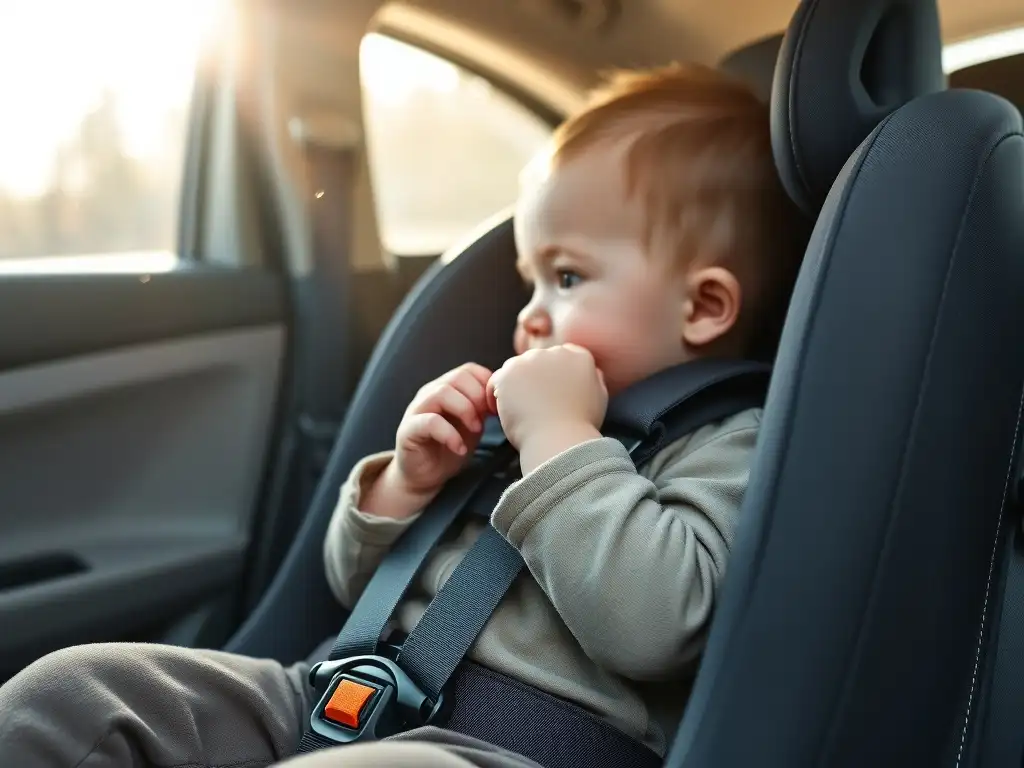
This section focuses on the correct installation and usage of baby car seat harnesses, a crucial aspect of baby car seat harness safety. Understanding and meticulously following these steps is paramount to ensuring your little one's safety during travel. Improper harness usage is a leading cause of car seat-related injuries, so paying close attention to detail is non-negotiable. We will explore the intricacies of harness installation and adjustment to guarantee optimal protection for your child.
Installing a 5-Point Harness Car Seat: A Step-by-Step Guide
A 5-point harness, consisting of two shoulder straps, two hip straps, and a crotch strap, offers the most secure restraint system for infants and toddlers. Correct installation is key to its effectiveness. Here's a step-by-step guide:
- Secure the Car Seat Base: Begin by firmly securing the car seat base to your vehicle's seat using either the vehicle's seat belt or the LATCH system (Lower Anchors and Tethers for Children). Ensure the base is level and doesn't rock. Refer to your car seat's manual for specific instructions, as they vary slightly between models. A properly installed base is the foundation of baby car seat harness safety.
- Positioning the Harness: Once the base is secure, place your baby in the car seat. The harness straps should lie flat against your child's body, without twisting or bunching. The chest clip should sit at armpit level.
- Adjusting the Harness Height: Most 5-point harnesses have adjustable slots for the shoulder straps. Adjust the straps so they sit at or slightly above your child's shoulders. This is vital for proper restraint in the event of a collision. Never let the straps sit below the shoulders, as this significantly reduces effectiveness.
- Tightening the Harness: Tighten the harness straps until they are snug against your baby's body. You should not be able to pinch any excess fabric between the harness and your child. A properly tightened harness minimizes movement during sudden stops or impacts, a key element of baby car seat harness safety.
- Securing the Chest Clip: The chest clip should be positioned at armpit level, ensuring the straps remain snug across the chest and shoulders. This prevents your child from slipping out from under the straps.
- Rechecking: After completing these steps, gently try to move your baby around within the car seat. There should be very little movement. If you can easily move your baby, retighten the harness straps.
Achieving a Snug and Secure Fit: Adjusting Harness Straps
Achieving a snug fit is crucial for baby car seat harness safety. Loose straps can significantly reduce the effectiveness of the car seat in a collision. Here are some tips for adjusting the harness straps:
- Tighten Regularly: Check and tighten the harness straps before every car trip. Babies grow quickly, and clothing can affect the tightness of the straps.
- Avoid Bulky Clothing: Avoid dressing your baby in bulky outerwear while in the car seat. The extra layers can create slack in the straps, reducing protection.
- Use the Recline Feature: Many car seats have a recline feature. Use it to ensure your baby sits upright without slumping. Slouching can cause the straps to loosen.
- Check for Twisting: Ensure the harness straps are not twisted. Twisted straps can distribute force unevenly in an accident.
- Understand the Indicators: Many car seats have indicators to show if the harness is properly tightened. Pay close attention to these visual clues.
Avoiding Common Mistakes: Checking Harness Positioning
Several common mistakes can compromise the effectiveness of a 5-point harness. Being aware of these mistakes and proactively avoiding them is key to maximizing baby car seat harness safety.
- Harness Straps Too Loose: This is the most common mistake. Loose straps allow for excessive movement during a collision.
- Harness Straps Too Tight: While the harness needs to be snug, it should not be overly tight. Overly tight straps can be uncomfortable and potentially restrict breathing.
- Chest Clip Too High or Too Low: The chest clip should always be at armpit level. If it's too high or too low, the harness won't distribute the force correctly during a crash.
- Twisted Straps: Twisted straps can cause uneven pressure distribution, reducing the harness's effectiveness.
- Incorrect Recline: Incorrect recline can cause the baby to slump, reducing the effectiveness of the harness.
Regularly checking the harness positioning and making necessary adjustments is an ongoing commitment to your child's safety. Remember, a few minutes spent ensuring the proper fit of your baby's car seat harness can make all the difference in protecting your precious cargo. Prioritize baby car seat harness safety and enjoy peace of mind on every journey.
Maintaining Safety: Rechecking the Harness After Each Trip
After every car journey, no matter how short, it's crucial to inspect your baby's car seat harness. Even minor adjustments can compromise the safety provided by the harness. This routine check is a critical component of ensuring your child's safety and preventing accidents. Think of it as a quick safety audit. You wouldn't drive a car without checking the tires, would you? Similarly, checking the harness should become second nature.
Specifically, you should visually examine the straps for any signs of wear and tear. Look for fraying, cuts, or any damage that might weaken the harness's ability to restrain your baby. Also, ensure all the straps are correctly positioned and snugly fastened. A loose harness significantly reduces its effectiveness in a collision. Remember that even a seemingly minor adjustment can have major consequences. We've all experienced how easily straps can become twisted or loosened during a car ride. A twisted strap, for instance, can distribute the impact force unevenly in a crash, increasing the risk of injury.
Furthermore, pay attention to the buckle. Is it securely closed? Is it difficult to open? A malfunctioning buckle could be a serious safety hazard. If you notice any issues, it’s crucial to address them immediately. Don't delay – contact the car seat manufacturer or a certified child passenger safety technician for guidance. Your baby's safety is paramount. Regularly checking the harness isn't just a precaution; it's a proactive measure to protect your little one. This simple habit can make a world of difference.
Ensuring Long-Term Safety: Harness Maintenance and Cleaning
Maintaining the cleanliness and condition of your baby's car seat harness is vital for both hygiene and safety. Regular cleaning removes dirt, grime, and spills that could compromise the harness's integrity and potentially weaken the fabric over time. This is particularly important given babies' tendency to drool, spit up, and generally make a mess! 🧼
The cleaning process should follow the manufacturer's instructions precisely. Most harnesses can be spot-cleaned with a mild detergent and water, but some may require specific cleaning methods. Never use harsh chemicals or bleach, as these can damage the harness material and weaken its protective capabilities. Always allow the harness to air dry completely before reinstalling it in the car seat. Avoid using a dryer, as the high heat could damage the straps.
Beyond cleaning, regular inspection for wear and tear is also paramount. Look for any signs of fading, cracking, or damage to the straps. These signs indicate the harness might be nearing the end of its lifespan and needs to be replaced. Remember, a damaged harness cannot guarantee the same level of protection in an accident.
Replacing a worn-out harness is a necessary expense that protects your child's safety. Think of it as an investment in peace of mind. Prioritizing regular maintenance and timely replacements ensures your child travels safely and securely in their car seat. Regularly checking and maintaining your baby's car seat harness is a small effort with significant safety benefits.
Recognizing Signs of a Faulty or Damaged Car Seat Harness
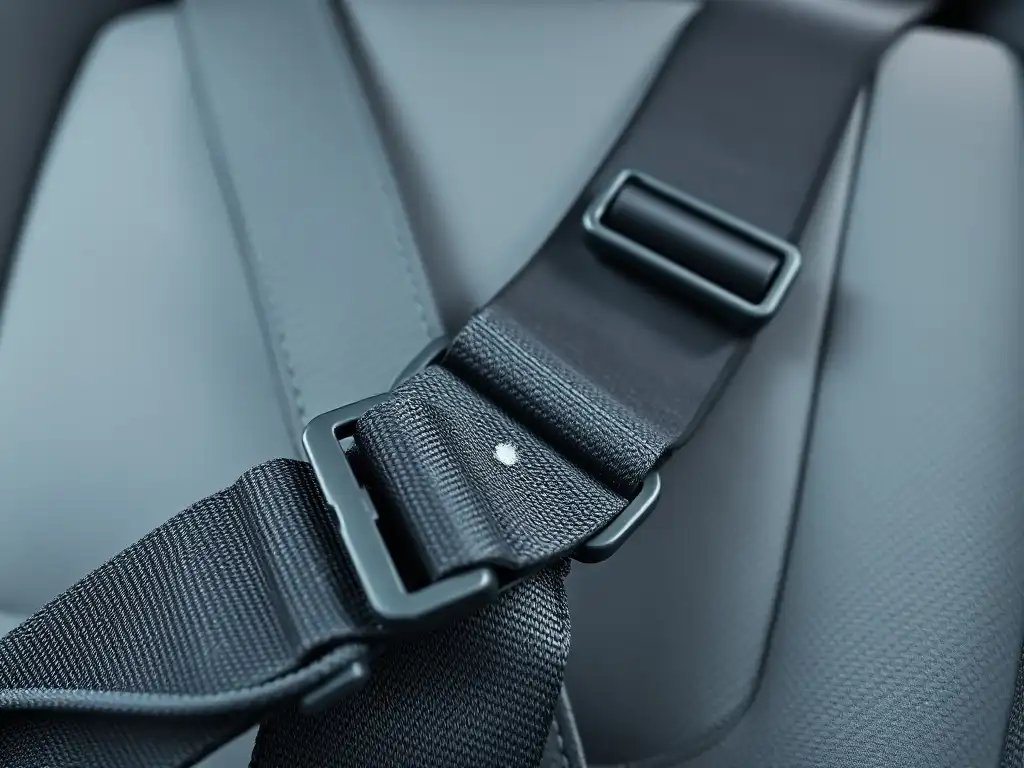
Ensuring your baby's car seat harness is in perfect working order is paramount for their safety. A seemingly minor flaw can compromise the effectiveness of the restraint system during a collision. Regular inspection is key to identifying potential problems before they lead to serious consequences. This section focuses on recognizing the tell-tale signs of a faulty or damaged car seat harness, emphasizing proactive maintenance for optimal baby car seat harness safety.
Identifying Worn or Damaged Harness Straps
Worn or damaged harness straps are a primary indicator of a compromised car seat. Look closely for:
- Fraying: Examine the straps for any fraying or loose threads. Even small amounts of fraying can weaken the strap's integrity, reducing its ability to absorb impact force. Pay particular attention to areas where the straps rub against the car seat frame or buckle.
- Cuts or Tears: Any cuts, tears, or punctures in the harness straps are critical safety hazards. These compromises significantly weaken the straps and can lead to catastrophic failure in an accident. Even small cuts should be cause for immediate replacement.
- Discoloration: Significant discoloration, particularly bleaching or fading, can indicate prolonged sun exposure, which degrades the material's strength. This is especially important to note in areas where the straps are often exposed to sunlight through the car window.
- Stiffness or Brittleness: Harness straps should be flexible. If they feel stiff, brittle, or cracked, this suggests material degradation from age or exposure to extreme temperatures. These straps are far less likely to properly restrain your baby in an accident.
- Buckle Issues: The buckle is the most critical part of the harness. Ensure it operates smoothly and latches securely. Difficulty fastening or unfastening the buckle, or a buckle that doesn't click firmly into place, indicates a potential problem. A faulty buckle could easily fail under stress.
Car Seat Harness Replacement Guidelines
Replacing a damaged car seat harness is not a DIY project. Attempting repairs yourself can compromise the safety features of the car seat and could have devastating consequences. Always follow these guidelines:
- Consult the Manufacturer: The first step is to consult your car seat's manufacturer's instructions. They provide specific guidance on harness replacement and may even offer replacement parts.
- Professional Inspection: Before purchasing a replacement harness, consider having your car seat professionally inspected by a certified child passenger safety technician. They can assess the overall condition of the car seat and determine if a replacement harness is sufficient or if the entire car seat needs replacing. This is crucial for ensuring baby car seat harness safety.
- Authentic Replacement Parts: Only use genuine replacement parts sourced directly from the manufacturer or an authorized retailer. Using non-approved parts can void your warranty and severely compromise the car seat's safety features. Counterfeit parts are often made with inferior materials and lack rigorous safety testing.
- Proper Installation: Once you have obtained a genuine replacement harness, ensure it's installed correctly. Again, consult your car seat's instruction manual for precise installation instructions. Improper installation can render the harness ineffective.
- Regular Inspections: Even with a new harness, continue to regularly inspect the car seat and harness for any signs of wear and tear. Proactive maintenance is crucial for maintaining baby car seat harness safety.
Safely Sourcing Replacement Harnesses
Finding a reliable source for replacement harnesses is crucial for ensuring your baby's safety. Avoid purchasing replacement parts from unreliable sources.
- Manufacturer's Website: The safest option is to order replacement parts directly from the car seat manufacturer's website. This guarantees authenticity and ensures the parts meet safety standards.
- Authorized Retailers: Check with authorized retailers of your car seat brand. They often carry replacement parts and can ensure the parts are genuine.
- Certified Technicians: Certified child passenger safety technicians may be able to help you source replacement parts or direct you to reliable suppliers. Their expertise extends to helping you with questions relating to baby car seat harness safety.
Never compromise on safety. A damaged car seat harness is a significant risk, and replacing it with a genuine part from a reliable source is essential. Remember, your baby's safety is paramount.
Beyond the Harness: Additional Car Seat Safety Tips
This section delves into crucial car seat safety aspects that extend beyond the harness itself, focusing on practices that maximize your baby's protection during car travel. Proper harness usage is paramount, but these supplementary measures are equally vital for ensuring optimal "baby car seat harness safety."
Extended Rear-Facing Guidelines for Enhanced Safety
Keeping your child rear-facing for as long as possible is a cornerstone of baby car seat safety. Many car seats allow for rear-facing up to the maximum weight or height limit specified by the manufacturer. This is generally recommended until at least age two, but ideally, until they reach the highest weight or height limit allowed by their specific car seat model. The longer a child remains rear-facing, the better protected they are in the event of a collision.
The benefits of extended rear-facing are substantial. In a frontal impact, a rear-facing car seat distributes the forces of the crash over the entire body, protecting the vulnerable head and neck. A forward-facing car seat, on the other hand, places more stress on the neck and spine.
Consider these points:
- Manufacturer Recommendations: Always consult your car seat's manual for its specific rear-facing limits. These vary depending on the model.
- Child's Size and Development: While age is a guideline, the child's physical size and development are equally important. If your child is approaching the height or weight limit of their rear-facing car seat, it's time to transition.
- Comfort: While extended rear-facing is safest, ensure your child is comfortable. Regularly check their positioning and make adjustments as needed.
Ignoring these guidelines can significantly compromise your child's safety. The seemingly minor inconvenience of a rear-facing child past the age of two is far outweighed by the enhanced protection offered.
Using Car Seat Mirrors for Improved Visibility
Maintaining visual contact with your baby while driving is crucial, especially for first-time parents. A car seat mirror strategically placed allows you to keep an eye on your little one without compromising your attention on the road. This improves "baby car seat harness safety" indirectly, by allowing you to quickly notice any issues or discomfort your baby may be experiencing.
Choosing the right mirror is essential. Consider these factors:
- Size and Placement: A large, well-positioned mirror offers the best visibility. Ensure it's securely attached and doesn't obstruct your view of the road.
- Adjustability: Mirrors with adjustable arms allow for optimal positioning depending on your vehicle's interior and the car seat's placement.
- Shatterproof Material: Opt for a mirror made of shatterproof material to prevent injury in case of an accident.
Regularly check the mirror's positioning and ensure it remains secure during your drives. A poorly positioned or unsecured mirror can be distracting or even dangerous.
Ensuring Proper Car Seat Placement in Your Vehicle
The location of the car seat within the vehicle significantly impacts its effectiveness. The safest location is generally the back seat, away from airbags. Moreover, the placement within the back seat also matters.
-
Center Seat Preference: If your vehicle has a center rear seat with a tether anchor, utilizing it is often the safest option, as it's the furthest from potential impact points.
-
Avoid Airbag Deployment Zone: Never place a car seat in the front passenger seat if an airbag is present and active. Airbag deployment can cause severe injury or even death to a child in a forward-facing car seat.
-
Vehicle Manual Consultation: Always refer to your vehicle's owner's manual for specific recommendations on car seat placement and tether anchor locations. This information is crucial for ensuring proper installation.
Ignoring these recommendations can significantly reduce the effectiveness of the car seat and compromise your baby's safety. Prioritize the safest placement to maximize "baby car seat harness safety." Remember, a properly installed car seat is the first line of defense in protecting your child in the event of an accident.
Secure Installation: The Role of LATCH and Seat Belts
Ensuring your baby's car seat is correctly installed is paramount for maximizing the effectiveness of the harness and overall baby car seat harness safety. Two primary methods exist for securing a car seat: the Lower Anchors and Tethers for Children (LATCH) system and the vehicle's seat belt. Understanding the nuances of each is crucial for optimal protection.
LATCH, a standardized system found in most newer vehicles, offers a convenient and often simpler installation method. It utilizes lower anchors located in the vehicle's seat bight (the space between the seat back and seat cushion) and an upper tether anchor located near the rear of the vehicle's backseat. Proper LATCH installation involves connecting the car seat's LATCH straps to the vehicle's lower anchors, ensuring a snug and secure fit.
The tether strap, when applicable, should then be connected to the vehicle's tether anchor, further stabilizing the car seat and minimizing forward movement in a collision. Remember to consult your car seat and vehicle manuals for specific LATCH installation instructions, as anchor locations and strap configurations vary between models. Incorrect LATCH use can compromise safety, so meticulous attention to detail is essential.
For example, using both lower anchors and the seat belt simultaneously is generally not recommended unless explicitly stated in your car seat's instructions. Using only one lower anchor instead of two is also dangerous and will not provide the necessary security.
The seat belt installation method, while sometimes more challenging, remains a reliable option, especially in older vehicles lacking LATCH. This method requires threading the vehicle's seat belt through the designated car seat belt paths, ensuring a tight and secure fit. The goal is to achieve minimal movement of the car seat; you should not be able to move the car seat more than one inch from side to side or front to back.
Excess slack in the seat belt can significantly reduce the effectiveness of the harness, reducing baby car seat harness safety. Properly tightening the seat belt is crucial; a loose belt will dramatically increase the risk of injury during an accident. Again, consulting both the car seat and vehicle manuals is vital to ensure correct installation and maximum baby car seat harness safety.
Many vehicles provide visual guides or diagrams to aid in seat belt installation, making the process easier and more effective. Always check for any twisting or improper routing of the seat belt through the car seat. A correctly installed car seat, whether using LATCH or seat belts, should feel incredibly secure and firmly attached to the vehicle's seating.
Resources and Further Information on Baby Car Seat Harness Safety

This section provides valuable resources to help you delve deeper into baby car seat harness safety and ensure your little one is securely protected during every car journey. Understanding the intricacies of car seat harnesses is crucial for optimal safety, and these resources offer further support and guidance. Remember, your baby's safety is paramount.
Recommended Car Seat Safety Organizations
Several organizations are dedicated to providing accurate and up-to-date information on car seat safety, including proper harness installation and usage. These organizations often offer educational materials, safety checks, and even car seat inspections. Consulting these reputable sources can significantly enhance your understanding of baby car seat harness safety.
Here are some examples:
- [Organization Name 1]: This organization provides comprehensive guides on choosing the right car seat, installing it correctly, and ensuring the harness is properly adjusted for your child's age and size. They offer detailed videos and frequently asked questions (FAQs) addressing common concerns about harness usage. They also provide a wealth of information on different car seat types and their suitability for various age groups.
- [Organization Name 2]: This organization focuses on car seat safety inspections and offers hands-on assistance to parents. They provide certified technicians who can verify the correct installation of your car seat and ensure the harness is adjusted appropriately. Their services are invaluable in helping parents confidently secure their children. They also conduct regular safety campaigns educating parents about the latest safety standards and best practices.
- [Organization Name 3]: This organization conducts extensive research on car seat safety and publishes regularly updated reports on accident statistics and safety recommendations. Their data-driven approach helps inform policy changes and improves car seat design and safety features. Their research papers and publications are invaluable resources for understanding the latest advancements in baby car seat harness safety.
| Organization Name | Focus Area | Key Resources Offered |
|---|---|---|
| [Organization Name 1] | Comprehensive guides, FAQs, videos | Detailed guides, instructional videos, FAQ database |
| [Organization Name 2] | Car seat inspections, hands-on assistance | Certified technicians, in-person inspections |
| [Organization Name 3] | Research, data-driven safety recommendations | Research papers, safety reports, policy recommendations |
Remember to always check for the most up-to-date information and contact details directly from the organization's website. These are just examples; many other organizations may be active in your region.
Helpful Online Resources for Parents
The internet offers a wealth of information, but it's crucial to discern reputable sources from unreliable ones. Focusing on official websites and organizations dedicated to child safety is key when researching baby car seat harness safety.
Here are some avenues for finding reliable online resources:
- Government Websites: Many government health and safety agencies provide detailed information on car seat safety regulations and recommendations. These websites often include checklists and guidelines for proper harness adjustment and installation. Look for resources from your country's equivalent of a department of transportation or health and safety agency.
- Peer-Reviewed Studies: Academic journals and databases often publish research on child safety, including studies on car seat effectiveness and harness performance. While these might be more technical, they offer a deeper understanding of the science behind car seat safety.
- Parent Forums (with caution): Online forums can be a valuable resource for sharing experiences and asking questions. However, always be critical of the information you find and prioritize information from verified experts and official sources. Remember that anecdotal evidence shouldn't replace professional advice.
Finding reliable information online requires critical thinking and verification. Always cross-reference information from multiple trustworthy sources to ensure accuracy and avoid misinformation. Your baby's safety relies on your ability to access and interpret information correctly. Prioritize information from certified professionals and official organizations over opinions and anecdotal evidence found in less reputable online sources. This diligent approach ensures you are making the best choices for your child's well-being.
Frequently Asked Questions (FAQs) about Baby Car Seat Harnesses
This section addresses common queries regarding baby car seat harnesses, focusing on ensuring your little one's safety. Understanding these details is crucial for responsible car seat usage and maximizing the protective capabilities of your chosen car seat. Proper installation and usage are paramount for effective "baby car seat harness safety."
Proper Harness Tightness for Infants
Ensuring the harness is snug is critical for effective protection. A too-loose harness significantly reduces its ability to restrain your baby in a crash. Think of it like a seatbelt – if it's loose, it won't protect you effectively. The harness should fit snugly against your baby's body, with minimal slack.
Here's a simple test: Try pinching the harness straps at your baby's shoulder. If you can pinch more than an inch of material, the harness is too loose. Adjust the straps until you can only pinch a small amount, about the width of your pinky finger. Remember to check the harness tightness every time you put your baby in the car seat.
Babies grow rapidly, and adjustments are frequently needed. Always refer to your car seat's manual for specific instructions on adjusting the harness. Failing to maintain proper harness tightness is a common mistake that compromises "baby car seat harness safety."
This is especially important for infants who may have bulky clothing on. Consider using a lightweight blanket or swaddle instead of bulky outerwear, as this can create extra space between the harness and the baby, reducing its effectiveness. The goal is a snug, secure fit that keeps your baby safe. Think of it as a second skin, providing the best possible protection.
Actions to Take After a Car Accident Involving a Child
Even a minor accident can potentially damage the car seat and compromise its ability to protect your baby. After any car accident, no matter how seemingly insignificant, it's imperative to take specific steps. The integrity of the car seat, and thus, the "baby car seat harness safety" is compromised.
First, assess your child's condition. Seek immediate medical attention if there are any visible injuries or concerns. Then, carefully inspect the car seat for any visible damage, such as cracks, tears, or broken parts in the harness or the car seat itself. Even if no damage is apparent, it's advisable to replace the car seat as a precaution. The internal structure may be compromised even without visible damage. Many car seats have a lifespan and may need to be replaced after a certain amount of time or mileage, regardless of accidents.
Finally, contact the car seat manufacturer for guidance on whether the car seat needs to be replaced. They can provide specific instructions and advice based on the model and severity of the accident. Remember, your child's safety is paramount, and erring on the side of caution is always the best approach. Don't hesitate to replace the car seat if you have any doubts. This proactive approach is essential for ensuring ongoing "baby car seat harness safety."
Car Seat Harness Inspection Frequency
Regular inspection of your baby's car seat harness is vital for maintaining optimal "baby car seat harness safety." This is not a one-time task; it’s an ongoing process that should be a part of your routine. Think of it like regularly checking your car's tires – preventative maintenance is key.
We recommend a weekly inspection. Check the harness for any signs of wear and tear, such as frayed straps, loose stitching, or broken buckles. Also, inspect the car seat itself for cracks, damage to the shell, or any other signs of deterioration. Look for any missing parts or modifications that might affect its functionality. Pay close attention to the areas that experience the most stress during a potential accident. The straps, buckles, and the car seat's base are areas of particular importance.
Keep a record of your inspections. This can be helpful in case of an accident or if you need to contact the manufacturer. A simple notebook or digital log will suffice. Regular inspections, even if nothing is found, instill confidence and help ensure your child’s continued safety. Remember, proactive maintenance is the best way to ensure optimal "baby car seat harness safety" and peace of mind. A few minutes spent each week can make all the difference.
Identifying a Damaged Car Seat Harness
Inspecting your baby's car seat harness regularly is crucial for ensuring your little one's safety. A damaged harness significantly compromises the protection it offers in a collision. Knowing how to spot damage is paramount to baby car seat harness safety. Even seemingly minor damage can weaken the harness's ability to restrain your child effectively.
Several key areas require careful examination. Look closely at the straps themselves. Check for fraying, cuts, or any signs of wear and tear. Pay particular attention to areas where the straps rub against the car seat frame or buckle. These points of friction are prone to damage over time. A common indicator of potential problems is discoloration or significant fading of the straps, which can suggest exposure to excessive sunlight or chemicals, weakening the material.
Beyond the straps, scrutinize the buckle. The buckle is a critical component, and damage here can be catastrophic. Check for cracks, breaks, or any signs of deformation. The release mechanism should operate smoothly and securely. If it feels stiff, binds, or doesn't release easily, the buckle might be damaged and needs immediate replacement.
Don't overlook the harness adjuster. This mechanism allows you to tighten or loosen the harness. If it's broken or doesn't function properly, it could render the entire harness ineffective. A malfunctioning adjuster prevents you from achieving the snug, secure fit essential for proper restraint.
Finally, examine the stitching throughout the harness. Loose threads, broken stitches, or any signs of separation are serious indicators of damage. Remember that even small tears or abrasions can compromise the harness's structural integrity, reducing its effectiveness in protecting your child. If you discover any damage, no matter how minor it seems, replace the entire car seat immediately. The safety of your baby is paramount, and taking shortcuts is never an option. Prioritizing baby car seat harness safety is a non-negotiable aspect of responsible parenting.
Frequently Asked Questions
How tight should my baby's car seat harness be?
The harness should be snug. You should be able to fit only one to two fingers between the harness and your baby's chest. If you can fit more, it's too loose.
What are the different types of car seat harnesses?
Most car seats use a five-point harness, with straps over the shoulders and between the legs, securing your baby firmly. Some older models may have different systems, but the five-point harness is the gold standard for safety.
My baby is wriggling out of the harness. What should I do?
Ensure the harness is properly adjusted and snug. Try using harness pads if needed (check your car seat manual), but never add extra padding yourself. If your child consistently escapes, it might be time for a new, better-fitting car seat.
At what age can I switch to a different car seat?
You should follow the height and weight recommendations specified by the car seat manufacturer and your child's development. Never move to a different car seat before your child meets all requirements for the new seat.
What should I do if I'm unsure about my car seat installation or harness adjustment?
Contact a certified Child Passenger Safety Technician (CPST). They can inspect your car seat, ensure correct installation, and demonstrate proper harness adjustment. Many hospitals and fire stations offer this service.
Final Reflection: Securing Our Future, One Harness at a Time
The seemingly simple act of buckling a child into a car seat is, in reality, a powerful statement about our commitment to their safety and well-being. Every click of the harness is a promise, a silent vow to protect our most vulnerable passengers from the unpredictable dangers of the road. This commitment transcends the immediate act; it's a fundamental responsibility that shapes the future.
The pervasive impact of car seat safety awareness campaigns is undeniable, yet the fight for complete compliance and understanding remains ongoing. We've seen significant improvements in child mortality rates due to car accidents, a testament to the effectiveness of proper harness usage. However, complacency remains a threat. The best car seat is the one used correctly,
a simple yet profound statement that underscores the crucial role of education and vigilance. The ongoing evolution of car seat technology and safety standards highlights the continuous need for informed decision-making and proactive safety measures.
You, the reader, now hold the power to make a difference. Take a moment to inspect your child's car seat, ensuring the harness is properly adjusted and secured. Share this knowledge with friends and family, becoming an advocate for safer roads and a brighter future for our children. Let's continue to champion the cause of car seat safety, ensuring that every journey is a safe one, one properly secured harness at a time.
Unlock Your Child's Safe Travels: Take Action Today!
Thank you for learning about the crucial role of car seats in keeping your child safe. You've gained valuable insights into ensuring optimal protection on every journey. Now, let's put that knowledge into action!
- Check your child's car seat immediately: Ensure it's properly installed and adjusted according to the manufacturer's instructions. This simple step could save a life.
- Share this vital information: Forward this article to friends and family with young children—let's work together to spread awareness about car seat safety!
- Attend a local car seat safety check event: Many communities offer free inspections to ensure your car seat is correctly installed. This is a great way to gain peace of mind.
What small adjustment can you make to your child's car seat today to ensure their safety?