
Toddler Food Art: Turning Mealtime into a Creative and Fun Activity

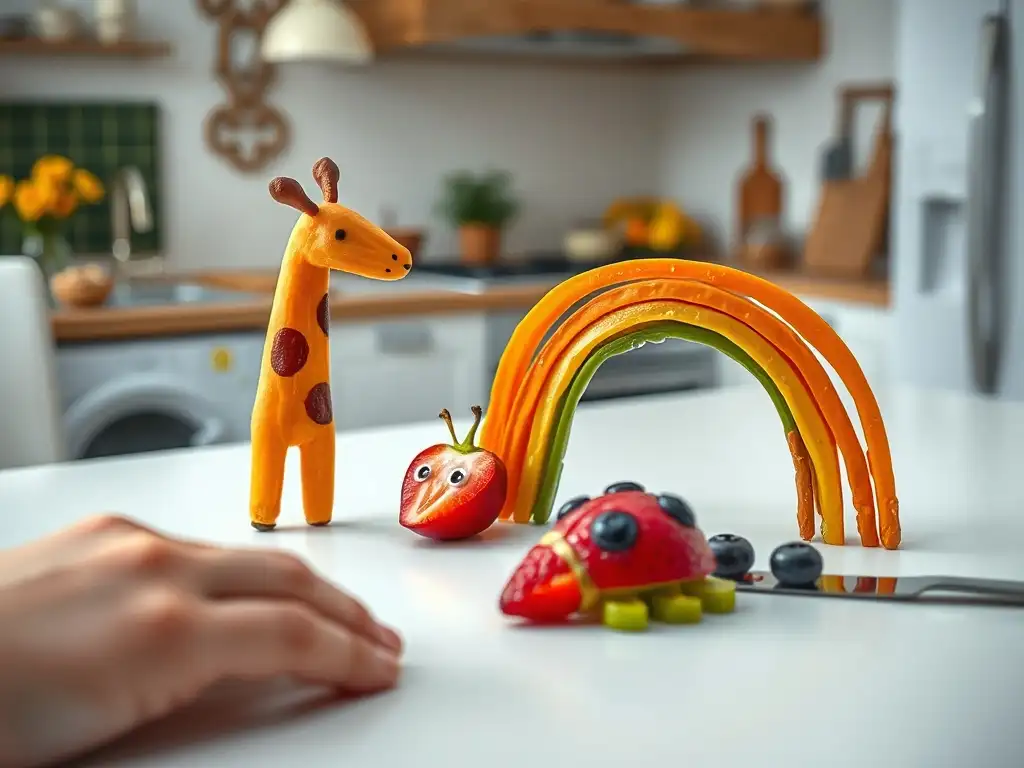
Welcome to BabyCareHub, your ultimate guide to navigating the incredible journey of parenthood! We understand the challenges and joys that come with raising a little one, and we're here to support you every step of the way. Are you ready to transform mealtimes from a battleground into a canvas of creativity? Discover the magic of Toddler Food Art and unlock a world of fun and healthy eating. Explore our Feeding & Nutrition section to learn how to create exciting and nutritious meals your toddler will adore. Let's turn mealtimes into masterpieces together!
- Encouraging Healthy Eating Habits Through Toddler Food Art
- Fun and Easy Toddler Food Art Ideas
- Tips for Creating Appealing Toddler Food Art
- Troubleshooting Common Challenges in Toddler Food Art
- Expanding on Toddler Food Art: Beyond the Plate
- Frequently Asked Questions
- Final Reflection: The Enduring Power of Playful Eating
- Unleash Your Toddler's Inner Artist at Mealtime!
Encouraging Healthy Eating Habits Through Toddler Food Art
Navigating the world of picky eating with toddlers can feel like a constant uphill battle. First-time parents often find themselves overwhelmed by the challenges of ensuring their little ones consume a balanced and nutritious diet. This article explores a fun and effective strategy to transform mealtimes from a power struggle into a joyful, creative experience: toddler food art! We'll delve into the benefits of creative food presentation, explore practical techniques to overcome picky eating, and provide age-appropriate food art ideas to inspire you.
By turning meal preparation into a playful activity, you can foster a positive relationship with food, encourage healthy eating habits, and make mealtimes a cherished family event. This approach not only addresses the nutritional needs of your toddler but also stimulates their imagination and creativity, contributing to their overall development. Let's embark on this culinary adventure together! 🎉
The Benefits of Creative Food Presentation for Toddlers
Creative food presentation, or toddler food art, offers a multitude of benefits beyond simply making food look appealing. It taps into toddlers' natural curiosity and love of play, transforming a potentially stressful experience into a fun and engaging activity. Studies have shown that children are more likely to try new foods when they are presented in an interesting and visually stimulating way. 1 This is particularly beneficial for toddlers who are going through the transition from purees to solid foods and may be exhibiting picky eating behaviors. The visual appeal of food art can pique their interest and encourage them to explore different textures and flavors. Furthermore, involving toddlers in the creation process—allowing them to participate in arranging the food—can foster a sense of ownership and increase their willingness to eat what they've helped to create. This active participation also enhances their fine motor skills and hand-eye coordination. Beyond the immediate benefits, food art can lay the foundation for a positive and healthy relationship with food throughout their lives.
Further Benefits:
- Increased nutrient intake
- Improved mealtime manners
- Development of creativity and imagination
- Enhanced self-esteem and confidence
Overcoming Picky Eating with Engaging Food Art
Picky eating is a common challenge for parents of toddlers. However, food art provides a powerful tool to overcome this hurdle. By presenting healthy foods in fun and unexpected ways, you can bypass the resistance often associated with unfamiliar textures or flavors. For instance, a simple plate of steamed broccoli can be transformed into a miniature "tree" with a carrot "trunk" and a "sun" made from cheese.
This playful approach makes the broccoli less intimidating and more appealing to a toddler's imagination. Remember to involve your toddler in the process; even young children can participate in simple tasks like arranging the food items. This collaborative approach not only makes the mealtime more enjoyable but also encourages them to try new foods they've helped create.
It's crucial to remember that consistency is key. Don't get discouraged if your toddler doesn't immediately embrace every food art creation. Keep experimenting with different designs and approaches, and celebrate even small victories.
| Food Item | Food Art Idea | Nutritional Benefit |
|---|---|---|
| Hummus | Butterfly, flower, or face | Protein, healthy fats |
| Berries | Rainbow, caterpillar, or smiley face | Antioxidants, vitamins |
| Cheese slices | Sun, moon, or animal shapes | Calcium, protein |
| Cooked carrots | Tree trunk, sticks, or building blocks | Vitamin A, fiber |
| Cooked sweet potato | Sun, smiling face, or simple shapes | Vitamin A, fiber |
Age-Appropriate Food Art Ideas for Toddlers
The key to successful toddler food art is to keep it simple and age-appropriate. For younger toddlers (12-18 months), focus on simple shapes and designs using soft, easily manageable foods. Think simple faces made from soft fruits and vegetables, or colorful patterns using different colored purees. As toddlers get older (18-24 months and beyond), you can introduce more complex designs and incorporate a wider variety of foods. Remember to always prioritize safety and avoid using small or choking hazards. Cut foods into bite-sized pieces and supervise your toddler closely during mealtimes. Here are some examples of age-appropriate ideas:
- 12-18 Months: Simple smiley faces using mashed avocado and berries, or colorful stripes of pureed vegetables.
- 18-24 Months: Animal shapes using cheese, cucumber, and bell peppers; simple patterns using different colored fruits and vegetables.
- 24-36 Months: More complex designs, such as boats made from banana slices and berries, or miniature pizzas using whole-wheat pita bread as the base.
1 [Reference to a relevant study on the impact of food presentation on children's eating habits - Information pending]
Fun and Easy Toddler Food Art Ideas
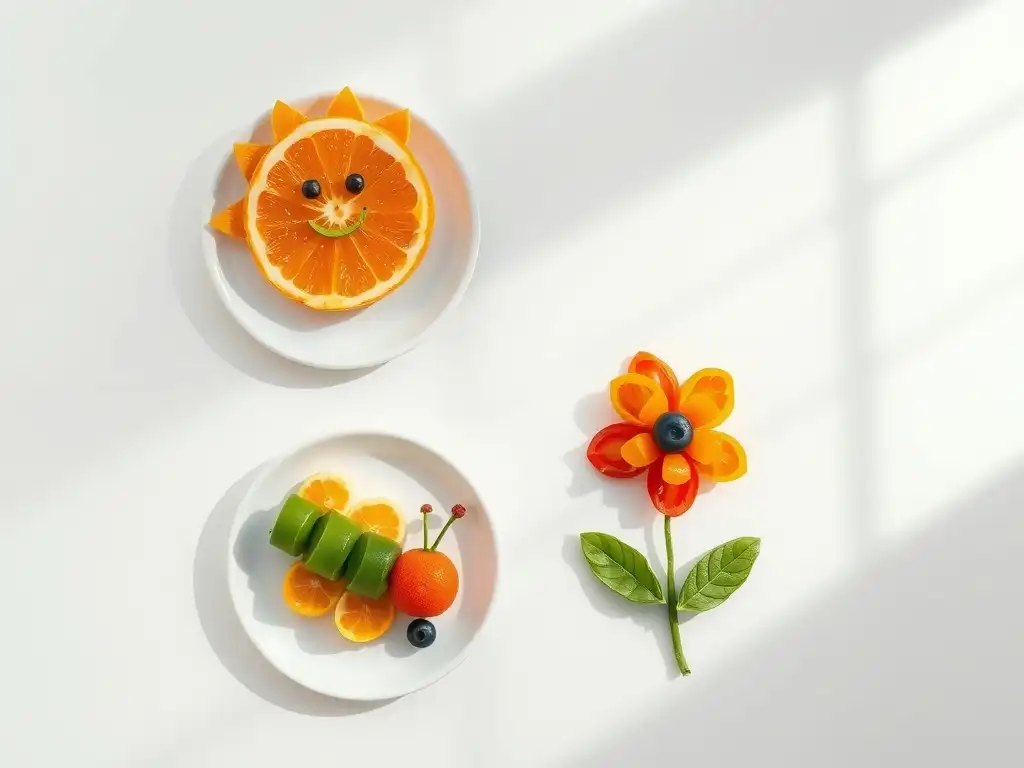
This section explores creative and engaging ways to transform mealtimes into fun, artistic experiences for your toddler. We'll delve into simple yet effective toddler food art ideas that are sure to spark their imagination and encourage healthy eating habits. Remember, the goal is not perfection, but to make mealtime enjoyable and foster a positive relationship with food. Even the simplest creations can bring a smile to your little one's face and make mealtimes less of a battle and more of a playful adventure!
Simple Animal Shapes Using Fruits and Vegetables
Creating adorable animal shapes with fruits and vegetables is a fantastic way to introduce your toddler to different healthy foods. The simplicity of this approach makes it ideal for busy parents and young children alike. Think beyond the typical fruit salad!
Here are some easy ideas:
- Caterpillar: Use alternating segments of cucumber and cherry tomatoes to create a charming caterpillar. Add two raisins for eyes!
- Ladybug: A halved strawberry forms the ladybug's body. Use blueberries for spots. A small piece of celery makes a perfect antenna.
- Penguin: Use a banana for the body, sliced kiwi for the wings, and a small piece of black olive for the eyes.
- Octopus: A small bowl of yogurt serves as the head. Attach eight small pieces of cooked pasta or carrot sticks as tentacles.
Remember to cut fruits and vegetables into appropriately sized pieces to prevent choking hazards. Supervision is crucial during mealtime, especially with small children. Involving your toddler in the creation process can further enhance their enjoyment and engagement with the food. This is a great opportunity for bonding and teaching them about different textures and colors. You can even make it a game – "Let's see how many different colored fruits we can find to make our caterpillar!"
The possibilities are endless! Get creative and let your toddler's imagination guide you. You might be surprised at the innovative food art your little chef can help create! 🥕🍎🍓
Colorful Rainbow Veggie Platter Designs
A rainbow veggie platter is both visually appealing and a fantastic way to introduce a variety of vegetables to your toddler. This approach utilizes the natural colors of fruits and vegetables to create a vibrant and engaging presentation.
To create a rainbow platter:
- Choose your colors: Select vegetables in the colors of the rainbow: red (tomatoes, bell peppers), orange (carrots, sweet potatoes), yellow (corn, squash), green (broccoli, peas), blue/purple (blueberries, purple cabbage), and indigo/violet (eggplant, purple carrots – if available).
- Arrange by color: Arrange the vegetables in an arc, mimicking a rainbow. You can use small bowls or simply arrange them directly on a larger platter.
- Add a dip: A healthy dip, such as hummus or guacamole, adds extra flavor and encourages dipping, making it more interactive for your toddler.
- Get creative with arrangement: Instead of a simple arc, you can create a more complex design, such as a flower or a spiral.
This method not only boosts your toddler's vegetable intake but also teaches them about colors and shapes in a fun and engaging way. Remember to adjust the size and type of vegetables based on your toddler's developmental stage and any potential allergies. This is a great way to introduce new vegetables gradually, starting with those your toddler already enjoys. Don't be discouraged if they don't try everything immediately; consistent exposure is key! 🎉🌈
Creative Face Designs with Sandwiches and Dips
Turn ordinary sandwiches into fun faces! This is a simple yet highly effective method for making mealtimes more engaging. The possibilities are endless, and your toddler will love participating in the creation process.
Here’s how to get started:
- Base: Use a simple sandwich as the base for the face. Round sandwiches work best for creating a circular face shape.
- Eyes: Use small pieces of cheese, olives, or even raisins for the eyes.
- Nose: A small piece of carrot, a cherry tomato half, or even a dollop of hummus can create a cute nose.
- Mouth: Use sliced bell peppers, cucumber, or even a smear of ketchup or mustard for the mouth. A smile is always a good option!
- Hair: Use shredded cheese, small pasta pieces, or even chopped herbs for the hair.
You can even let your toddler help create the face! This is a great way to involve them in the meal preparation process and build their confidence in trying new foods. Let their creativity shine! Remember to consider any potential allergies your child might have and choose safe and appropriate ingredients. This activity is not only fun but also helps develop fine motor skills and creativity. It's a win-win situation for both parents and toddlers! 😄🥪🍅
Fun Food Art with Pancakes and Waffles
Pancakes and waffles offer a fantastic blank canvas for toddler food art. Their soft texture makes them easy to manipulate, and the neutral color allows vibrant toppings to really pop! Think beyond simple syrup; let your little one's creativity shine.
One simple idea is to create animal faces. Use blueberries for eyes, banana slices for ears, and strawberries for noses. A dollop of whipped cream can become a fluffy tail or mane. You can even use a small amount of food coloring to tint the pancake batter itself for a more dynamic base color. For example, a slightly yellow batter can become a cheerful chick, while a subtly green batter can be the base for a playful frog.
Another engaging activity involves creating patterns. Use small pieces of fruit like chopped kiwi, mandarin segments, or raspberries to create stripes, polka dots, or even simple geometric shapes. This activity not only encourages creativity but also helps toddlers learn about shapes, colors, and patterns in a fun, edible way. Remember to supervise closely, particularly with smaller pieces of fruit, to prevent choking hazards.
For older toddlers, you can introduce more complex designs. Consider using a squeeze bottle filled with yogurt or melted chocolate to create intricate lines and swirls. This allows for finer motor skill development and encourages more detailed creations. Remember to offer a variety of toppings to cater to your toddler’s preferences and dietary needs. The possibilities are truly endless!
You can even use cookie cutters to create shapes within the pancake or waffle itself before adding the toppings. This adds an extra layer of fun and engagement to the process. Remember to always prioritize safety and supervise your child closely during this activity. This ensures a fun and safe experience for your little artist.
Tips for Creating Appealing Toddler Food Art
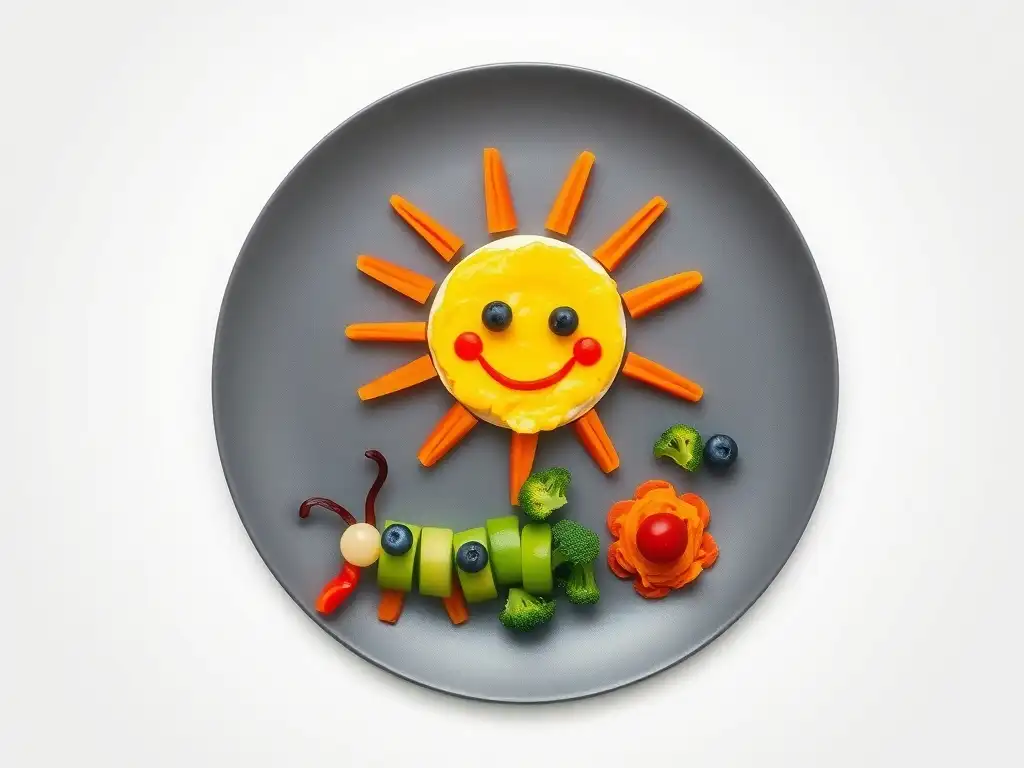
This section offers practical advice for crafting visually engaging and nutritious toddler food art, transforming mealtimes from a potential battleground into a fun, creative experience. Remember, the goal is to make healthy eating enjoyable and to foster a positive relationship with food. We'll explore ingredient selection, simple techniques, and ways to involve your little one in the process.
Choosing Safe and Healthy Ingredients for Food Art
Safety and nutrition are paramount when creating toddler food art. Avoid ingredients that pose choking hazards, such as small, hard pieces of nuts or whole grapes. Opt for soft, easily-mashable foods that are age-appropriate and offer a variety of nutrients.
Here's a list of excellent choices:
- Fruits: Soft fruits like bananas, mashed avocado, well-cooked peaches, and pureed berries are ideal. Cut larger fruits into manageable shapes and sizes.
- Vegetables: Sweet potatoes (mashed or pureed), carrots (cooked and pureed), and zucchini (steamed and mashed) offer vibrant colors and nutrients.
- Dairy: Full-fat yogurt (plain or lightly flavored) is a great base for many designs. Avoid honey for infants under one year old.
- Grains: Cooked whole-wheat pasta or finely crushed cooked quinoa can be used for texture and shape.
- Legumes: Well-cooked and mashed lentils or beans (ensure they are completely soft) can add color and protein.
Remember to always supervise your toddler while they are eating and consuming any food art creations. Introduce new foods one at a time to monitor for any allergic reactions. Consider your toddler's known allergies and dietary restrictions when selecting ingredients. Variety is key – aim for a colorful and nutritionally balanced plate! 🌈
Simple Tools and Techniques for Toddler Food Art
Creating appealing toddler food art doesn't require a professional chef's arsenal. Simple tools can yield impressive results. Here are some suggestions:
- Cookie cutters: Use small, child-safe cookie cutters to create fun shapes from soft foods like fruits and vegetables.
- Small spoons and spatulas: These are perfect for spreading, layering, and arranging food onto plates.
- Piping bags (or zip-top bags with a corner snipped off): These allow for more precise placement and creation of intricate designs.
- Toothpicks or small skewers (under adult supervision): These can be used carefully for assembling more complex designs. Always supervise your child closely to avoid any accidents.
- Plates and bowls: Choose plates and bowls with fun designs or colors to enhance the overall presentation.
Simple techniques can transform ordinary foods into edible masterpieces. Try layering different colored purees, using cookie cutters to create shapes, or arranging foods to resemble familiar objects or characters. For example, a simple smiley face can be made using banana slices for the eyes and a strawberry for the mouth. The possibilities are endless!
Involving Your Toddler in the Food Art Creation Process
Turning mealtime into a collaborative activity can significantly improve your toddler's eating habits and relationship with food. Involving them in the food art creation process fosters a sense of ownership and pride.
Here are some ways to include your toddler:
- Washing and preparing simple ingredients: Let your toddler help wash fruits and vegetables under your supervision.
- Mashing or mixing foods: Provide age-appropriate tasks like mashing bananas or mixing ingredients in a bowl.
- Arranging food on the plate: Let your toddler arrange the food items on the plate, encouraging creativity and self-expression.
- Choosing ingredients: Involve your toddler in selecting fruits and vegetables from the refrigerator or pantry, introducing them to different food options.
- Naming their creations: Encourage your toddler to name their food art creations, boosting their sense of accomplishment and engagement.
Remember to emphasize the fun aspect of the activity and avoid pressure or criticism. Even if the final product isn't perfectly symmetrical, the process of creation is the most important part. This shared experience can transform mealtimes into positive and memorable moments, fostering a healthy and joyful relationship with food. 🥳
Making Food Art a Regular and Enjoyable Mealtime Activity
Creating toddler food art shouldn't be a stressful, once-a-week event. The goal is to integrate it seamlessly into your regular mealtime routine, making it a fun and positive experience for both you and your little one. Consistency is key; aim for at least a few food art creations per week, even if they're simple. This helps normalize the activity and prevents it from feeling like a special occasion that adds pressure.
Start small. Don't feel obligated to create elaborate masterpieces every time. Simple designs using familiar foods are often the most successful. A smiley face made with banana slices and blueberries is just as effective as a complex animal shape. The focus should be on the process and the joy of creating together, not the perfection of the final product.
Involve your toddler in the process as much as possible. Let them help choose the ingredients, wash fruits and vegetables (under supervision, of course! ), and even participate in arranging the food items. This fosters a sense of ownership and pride in their creation. Remember, even if the final result isn't picture-perfect, the shared experience is invaluable. Embrace the mess! Food art is inherently messy, but that's part of the fun. Focus on the positive aspects of the activity and minimize any frustration over spills or smudges.
Consider using a themed approach. One week, focus on farm animals; the next, explore underwater creatures. This provides structure and can make the process even more engaging. You can also tie the food art to books you read or places you visit. For instance, if you’re reading a book about dinosaurs, create a dinosaur-themed plate.
Finally, remember to praise your toddler’s efforts, regardless of the outcome. Positive reinforcement will encourage them to participate in future food art sessions and associate mealtimes with fun and creativity. Positive feedback is crucial in building their confidence and interest in trying new foods. Celebrate their successes, no matter how small! 🎂
Troubleshooting Common Challenges in Toddler Food Art
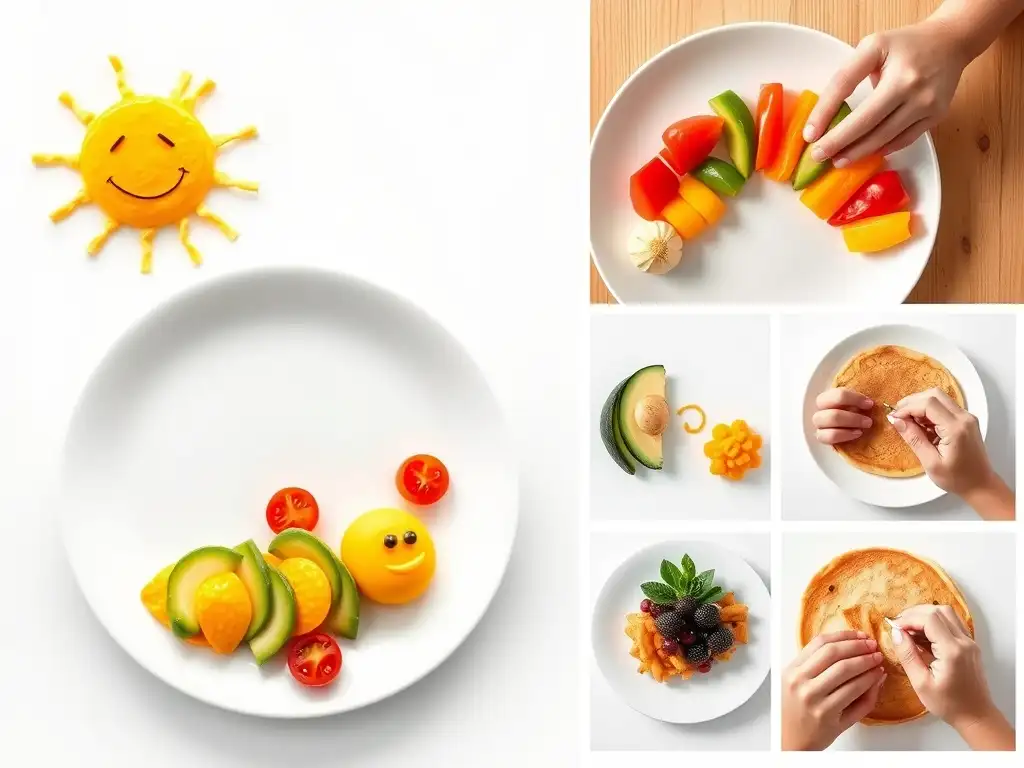
Creating edible masterpieces with your toddler can be a rewarding experience, but it's not always smooth sailing. Let's address some common hurdles and find solutions to keep the creative juices flowing – and the mess manageable!
Dealing with Messes and Spills During Food Art Activities
Let's face it: food art with toddlers is inherently messy. Embrace the chaos, but also implement strategies to minimize the clean-up. A dedicated "art station" is key. Consider using a large, wipeable tablecloth or even a shower curtain liner underneath your work surface. This creates a contained mess zone, making cleanup significantly easier. Think of it as a contained art zone! Instead of using plates, opt for shallow, disposable containers or silicone mats. These are easier to clean and less prone to tipping.
Protecting your toddler's clothing is crucial. Use a smock or even an old shirt. Consider using painter's tape to secure the tablecloth to the table to prevent it from sliding and adding to the mess. Remember that a little mess is part of the fun; however, proactive measures can make a huge difference. After the activity, use warm soapy water and a sponge to clean the work area. If using disposable materials, dispose of them appropriately.
Here's a table summarizing effective mess-management strategies:
| Strategy | Description | Effectiveness | Ease of Implementation |
|---|---|---|---|
| Dedicated Art Station | Designated area with wipeable surface | High | Easy |
| Disposable Containers/Mats | Reduces washing-up and prevents spills | High | Easy |
| Toddler Smock/Old Shirt | Protects clothing from stains and spills | High | Easy |
| Painter's Tape | Secures tablecloth to prevent slippage and additional mess | Medium | Easy |
| Quick Clean-up Routine | Establish a routine for immediate clean-up after the activity | High | Medium |
Remember, preparation is key to managing the inevitable mess! A well-prepared space significantly reduces stress and frustration.
Adapting Food Art Ideas to Different Dietary Needs and Preferences
Toddler food art isn't just about aesthetics; it's about nutrition and enjoyment. Adapting ideas to accommodate various dietary restrictions and preferences ensures all little artists can participate. Consider allergies and intolerances. For example, if your toddler has a dairy allergy, substitute dairy-based ingredients with alternatives like coconut milk or almond milk. Similarly, if they have a gluten allergy, ensure you use gluten-free alternatives like rice flour or oat flour.
Dietary preferences also play a significant role. Some toddlers might be averse to certain textures or colors. For those hesitant about veggies, try pureeing them into sauces or dips for a less noticeable integration. If your child dislikes certain colors, explore alternative ingredients that provide similar nutrients but in different hues. Remember, the goal is to make food fun and appealing.
Here are some examples of substitutions:
- Dairy-free: Replace yogurt with coconut yogurt or silken tofu.
- Gluten-free: Use gluten-free bread, crackers, or pasta.
- Nut-free: Substitute sunflower seed butter or tahini for peanut butter.
- Vegetarian/Vegan: Use vegetable-based alternatives for meat products.
Always consult with your pediatrician or a registered dietitian to ensure dietary modifications are appropriate and safe for your toddler's specific needs. Flexibility and creativity are key to adapting food art to meet individual requirements. Remember to prioritize safety and nutrition above all else.
Keeping Food Art Fun and Engaging for Picky Eaters
Food art can be a powerful tool for engaging picky eaters. By turning mealtime into a playful activity, you can make even the most reluctant eaters more receptive to trying new foods. Present the food art as a game. Instead of directly presenting the food, frame it as a fun activity where they get to create their own edible masterpiece. This approach can make the experience more appealing and less intimidating.
Involve your toddler in the process. Let them choose their preferred ingredients and participate in the creation process. This sense of control and ownership can significantly increase their willingness to try the finished product. Start with simple designs and gradually increase the complexity as your toddler's interest and skills develop. Don't be afraid to experiment with different textures, colors, and flavors.
Positive reinforcement is crucial. Praise their efforts and creativity, regardless of the final outcome. Focus on the process rather than the perfection of the food art. Avoid pressure or coercion. If your toddler isn't interested in participating in a particular session, don't force it. The aim is to foster a positive association with food and mealtimes. The key is to make it an enjoyable experience for both you and your child. Remember, patience and a playful approach are essential for success.
Expanding on Toddler Food Art: Beyond the Plate
This section delves into the exciting world of toddler food art, exploring its benefits beyond simply making meals more appealing. We'll move beyond the basic plate presentation and consider how food art can enhance your toddler's development and social experiences. The possibilities are as endless as your creativity! Remember, the goal is to make mealtimes fun and engaging, fostering a positive relationship with food. This is crucial in navigating the often-challenging phase of picky eating.
Creative Food Art Ideas for Toddler Parties and Events
Toddler food art isn't just for everyday meals; it's a fantastic way to elevate the fun at parties and events. Imagine transforming simple snacks into adorable animals or vibrant landscapes! The possibilities are endless, and the impact on your little one and their friends is significant.
Here are some ideas to get you started:
- Animal Crackers Safari: Arrange animal crackers on a platter to create a miniature safari scene. Add pretzel sticks as trees and small pieces of fruit as rocks for extra detail. This is a simple yet visually appealing idea that toddlers will love.
- Fruit Pizza: Use a large whole-wheat tortilla or a large pancake as the base. Spread it with cream cheese or yogurt and then arrange colorful fruits to create a vibrant pizza. This allows for creativity and teaches about different fruits and their textures.
- Vegetable Rainbow: Arrange colorful vegetables like carrots, bell peppers, and broccoli in a rainbow pattern on a plate. This is a fun way to introduce a variety of vegetables and teach color recognition.
- Caterpillar Sandwiches: Use small cucumber sandwiches or cheese cubes to create a caterpillar shape. Add raisins or blueberries as eyes. This is a simple yet visually appealing idea that toddlers will love.
Remember to consider any allergies or dietary restrictions your toddler or their guests may have when planning your food art creations. Always prioritize safety and hygiene when handling food for young children. 🥳
Using Food Art to Teach Colors, Shapes, and Textures
Food art is a fantastic tool for early childhood education. By creating visually appealing meals, you can subtly introduce your toddler to various concepts, including colors, shapes, and textures. This approach makes learning fun and engaging, turning mealtime into a valuable learning opportunity.
Here's how you can incorporate educational elements:
- Color Recognition: Use foods of different colors to create colorful patterns or pictures. For example, you could arrange red strawberries, yellow bananas, and green grapes to make a simple rainbow. You can even use food coloring in safe amounts on things like yogurt to create more vibrant colors.
- Shape Recognition: Use cookie cutters to create different shapes from sandwiches or fruits. You could also arrange vegetables into geometric patterns. This helps toddlers associate shapes with different foods.
- Texture Exploration: Include foods with varying textures in your creations. For example, you could combine soft avocado slices with crunchy carrot sticks. This encourages exploration and helps toddlers develop a broader understanding of textures.
Consider creating a chart together to track the colors, shapes, and textures explored during mealtimes, making it even more engaging. 📈
Resources and Inspiration for More Toddler Food Art Ideas
The internet is a treasure trove of toddler food art ideas! Numerous blogs, websites, and social media platforms are dedicated to sharing creative and fun mealtime inspiration. Searching for "toddler food art ideas" will yield a wealth of results, showcasing the diverse and imaginative ways parents are turning mealtimes into artistic experiences.
Beyond online resources, consider exploring cookbooks specifically designed for toddlers and young children. Many of these books include creative food art ideas alongside nutritious recipes. Remember to always prioritize safe and age-appropriate food preparation techniques when attempting new recipes. 📚
Remember to adapt these ideas to your toddler's preferences and developmental stage. The most important aspect is to make mealtimes enjoyable and stress-free, fostering a healthy relationship with food that will last a lifetime.
Frequently Asked Questions
What is toddler food art?
Toddler food art is the practice of arranging healthy foods into fun and appealing designs on your toddler's plate. It's a creative way to make mealtimes more engaging and encourage healthy eating.
Why should I try toddler food art?
Creating food art can make mealtimes more fun and exciting for your toddler, making them more likely to try new foods. It's also a great way to boost creativity and fine motor skills.
What kinds of foods work best for food art?
Almost any soft, easily-shaped food works! Think fruits like berries and melon, vegetables like carrots and bell peppers, and even things like cheese and yogurt. Get creative!
How do I start creating toddler food art?
Begin with simple designs using a few foods. You can use cookie cutters, small bowls, or even just your fingers to arrange the food. Remember to prioritize safety and hygiene.
Are there any safety concerns I should be aware of?
Always supervise your toddler while they are eating and ensure the food is appropriately sized and textured to prevent choking. Avoid using small or hard items that could pose a choking hazard.
Final Reflection: The Enduring Power of Playful Eating
Toddler food art isn't just a fleeting trend; it's a powerful tool for fostering healthy eating habits and nurturing a lifelong love of food. The vibrant colors, playful shapes, and sheer joy on a toddler's face when presented with a miniature edible masterpiece speak volumes about the transformative power of creativity in the kitchen. This isn't simply about making meals "prettier"; it's about building positive associations with food from the earliest stages of development.
The impact of this simple approach extends far beyond the immediate mealtime. It encourages exploration, experimentation, and a sense of ownership over one's diet. It fosters a child's natural curiosity and allows them to engage with their food on a deeper level, moving beyond mere consumption. Play is often talked about as if it were a relief from serious learning. But for children, play is serious learning. Play is really the work of childhood.
- Fred Rogers. This quote perfectly encapsulates the importance of integrating play into the often-challenging realm of toddler nutrition.
Now, consider how you can bring the spirit of toddler food art into your own home. Don't be afraid to experiment with different shapes, colors, and textures. Let your child participate in the process, even if it means a little mess along the way. Remember, the goal isn't perfection; it's about creating positive memories and fostering a healthy relationship with food that will last a lifetime. Embrace the mess, embrace the joy, and embrace the power of playful eating.
Unleash Your Toddler's Inner Artist at Mealtime!
Thank you for joining us on this creative culinary journey! We hope you've discovered exciting new ways to make mealtimes fun and engaging for your little one. Now it's time to put your knowledge into practice.
- Create an edible masterpiece! Gather colorful fruits and vegetables and let your toddler take the lead. The goal is to have fun, not create a perfect work of art!
- Share your toddler's creations on social media! Use #BabyCareHubFoodArt to connect with other parents and inspire others.
- Explore more fun toddler activities on BabyCareHub.org – we have plenty more ideas to spark your little one’s imagination!
What exciting food art adventures will you and your toddler create next?