
Gradual Extinction for Night Wakings: A Gentle Approach to Sleep Training


Welcome to BabyCareHub, your ultimate guide to navigating the incredible journey of parenthood! Are you ready to unlock the secrets to peaceful nights and happy days? We understand the challenges of newborn sleep, and that's why we've created this comprehensive resource. Discover our expert advice on gentle sleep training newborn, including a detailed exploration of gradual extinction in our latest article, "Gradual Extinction for Night Wakings: A Gentle Approach to Sleep Training." Learn how to establish healthy sleep habits for your little one, without tears or stress. Let's embark on this adventure together!
- Understanding Your Newborn's Sleep Needs and Gentle Sleep Training Methods
- Preparing for Gradual Extinction Sleep Training: A Step-by-Step Guide
- Implementing Gradual Extinction: A Night-by-Night Approach
- Monitoring Progress and Adjusting Your Approach
- Maintaining Consistency and Long-Term Sleep Success
- When to Seek Professional Help for Persistent Sleep Problems
- Gentle Sleep Training: FAQs and Common Concerns
-
Frequently Asked Questions
- What is gradual extinction, and how does it differ from other sleep training methods?
- Is gradual extinction suitable for all newborns?
- How long does gradual extinction typically take?
- What are the potential drawbacks of gradual extinction?
- How can I ensure my baby's safety during gradual extinction?
- Final Reflection: Finding Peace in the Night: A Legacy of Gentle Sleep
- Unlock Your Baby's (and Your!) Best Sleep Yet
Understanding Your Newborn's Sleep Needs and Gentle Sleep Training Methods
Navigating the world of newborn sleep can feel overwhelming for first-time parents. The seemingly endless cycle of feedings, diaper changes, and comforting cries often leaves parents exhausted and questioning their approach to sleep training. This article focuses on gentle sleep training, specifically the method of gradual extinction, a technique designed to help your baby learn to self-soothe and sleep through the night without resorting to harsh methods that can be detrimental to their emotional well-being.
We'll explore how to understand your baby's sleep patterns, differentiate between genuine needs and attention-seeking behaviors, and implement gradual extinction effectively, creating a positive sleep association for both you and your little one. Remember, gentle sleep training prioritizes your baby's emotional security while guiding them towards healthier sleep habits.
This approach acknowledges that sleep training is a journey, not a race, and focuses on building a loving and supportive sleep environment. We'll provide practical advice and strategies to help you navigate this crucial stage of your baby's development.
Recognizing Normal Newborn Sleep Patterns and Wake Windows
Newborns, unlike adults, sleep in short bursts throughout the day and night. Understanding their typical sleep patterns is crucial for effective sleep training. A newborn's sleep cycle is approximately 50-60 minutes, often punctuated by brief periods of wakefulness. These wake windows, the time between sleep cycles, vary depending on the baby's age and temperament, but generally range from 1.5 to 2 hours in the early weeks.
Expecting your newborn to sleep for long stretches is unrealistic and can lead to unnecessary stress for both you and your baby. Instead, focus on establishing a consistent bedtime routine and creating a calm, dark, and quiet sleep environment. Keep a sleep diary to track your baby's sleep patterns, noting the duration of sleep cycles and wake windows. This will help you identify any unusual patterns and adjust your approach accordingly.
For example, you might notice that your baby consistently wakes up after 45 minutes of sleep; this is a normal sleep cycle, and the goal is to teach them to re-settle themselves during these periods rather than always needing your intervention. Remember that consistency is key! A regular routine will help your baby's body regulate its natural sleep-wake cycle.
Differentiating Between Hunger Cues and Attention-Seeking Behaviors
One of the biggest challenges in sleep training is distinguishing between a baby’s genuine need for food and attention-seeking behaviors. While hunger is a valid reason for waking, many night wakings are rooted in learned associations, such as needing parental comfort to fall back asleep. To differentiate, observe your baby's cues carefully. True hunger is often accompanied by vigorous rooting, sucking motions, and fussiness that escalates quickly.
Attention-seeking behaviors, on the other hand, might involve less intense fussing, whimpering, or simply stirring without clear signs of hunger. Consider the time since the last feeding and the baby's usual feeding schedule. If it's been a relatively short time since the last feeding and the baby seems more restless than truly hungry, they might be seeking comfort or attention.
Keeping a detailed feeding and sleep log can be invaluable in this process. This allows you to track feeding times, sleep durations, and the nature of the baby’s wakings, helping you gain a better understanding of their individual needs and patterns. This detailed approach is crucial for tailoring a gentle sleep training strategy that meets your baby's unique needs.
The Principles of Gradual Extinction for Gentle Sleep Training
Gradual extinction is a gentle sleep training method that focuses on gradually reducing parental intervention during night wakings. Unlike cry-it-out methods, gradual extinction involves providing decreasing levels of comfort over time. The core principle is to teach your baby to self-soothe and fall back asleep independently. This involves gradually increasing the time you wait before responding to your baby's cries.
You might start by checking on your baby after a few minutes, offering minimal comfort like a pat on the back or a shushing sound, then gradually increasing the waiting time each night. The key is to remain consistent and avoid reinforcing the behavior by picking the baby up immediately. It's important to note that this method may involve some crying, but the goal is to minimize it while still enabling your baby to learn self-soothing skills.
The process requires patience and consistency, but the rewards of a well-rested baby and parent are significant. Remember to adjust the waiting time based on your baby's reactions and always prioritize their safety and well-being. This approach emphasizes empathy and understanding, ensuring your baby feels secure and loved while learning valuable self-soothing skills.
Preparing for Gradual Extinction Sleep Training: A Step-by-Step Guide
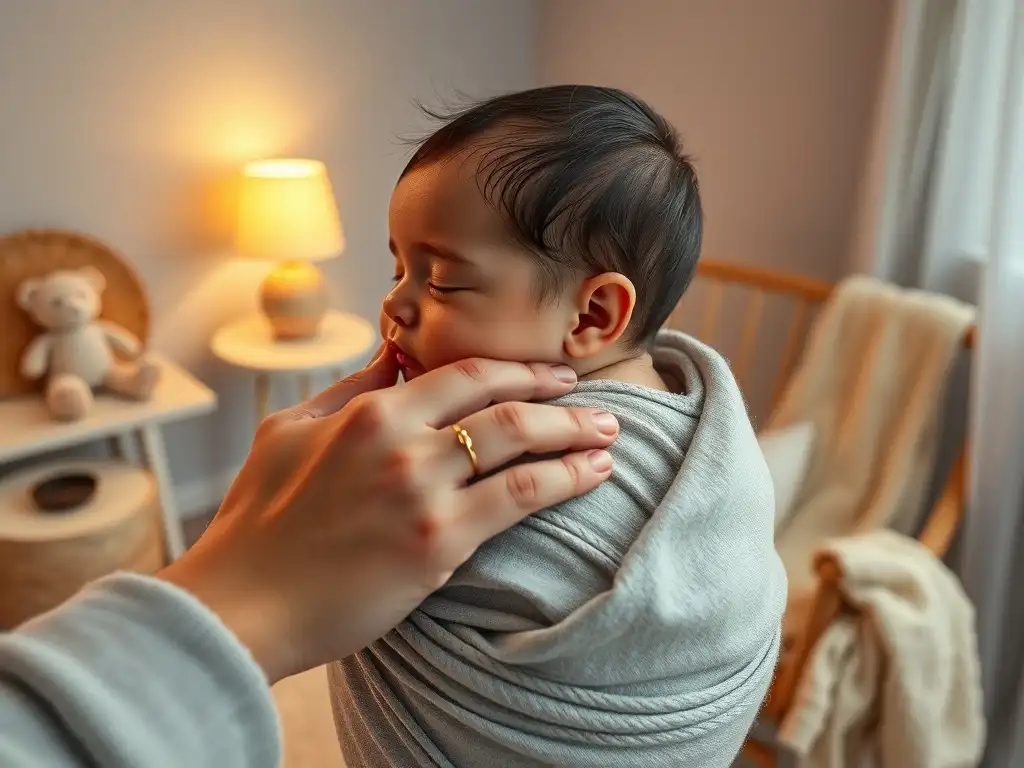
This section details the preparatory steps crucial for successful implementation of gradual extinction sleep training for your newborn. Remember, gentle sleep training newborn methods prioritize your baby's comfort and emotional well-being while guiding them towards independent sleep. Patience and consistency are key.
Creating a Conducive Sleep Environment for Your Newborn
A calming and comfortable sleep environment significantly impacts your baby's ability to fall asleep and stay asleep. Think of it as creating a sleep sanctuary. Consider these elements:
- Optimal Temperature: Maintain a room temperature between 68-72°F (20-22°C). Overheating or chilling can disrupt sleep. A thermometer is a worthwhile investment.
- Darkness and Quiet: Minimize light and noise. Blackout curtains or blinds are helpful, as are white noise machines (consider nature sounds over harsh static). A dark room helps to regulate melatonin production, a hormone crucial for sleep.
- Comfortable Bedding: Use a firm, flat mattress with a fitted sheet. Avoid loose blankets, pillows, or bumpers to prevent suffocation risks (SIDS). Choose breathable fabrics like cotton.
- Air Quality: Ensure good ventilation to maintain fresh air and minimize allergens. Regular cleaning and dusting are essential. An air purifier can be beneficial, especially in areas with poor air quality.
Remember, a consistent sleep environment signals to your baby that it's time to sleep.
Establishing a Consistent Bedtime Routine for Predictable Sleep
Predictability is a cornerstone of gentle sleep training for newborns. A consistent bedtime routine signals to your baby that sleep is approaching, helping regulate their circadian rhythm. This routine should be calming and repetitive. Examples include:
- Warm bath: A warm bath can be very soothing before bed.
- Massage: Gentle massage can relax your baby's muscles.
- Quiet playtime: Limit stimulation; opt for quiet activities like cuddling or reading a book.
- Feeding: Ensure your baby is fed before bedtime.
- Lullaby or quiet song: A familiar lullaby or soft song can be comforting.
- Story time: Reading a short, calming story can promote relaxation.
The routine should last approximately 30-45 minutes and be performed at the same time each night. Consistency is paramount; even weekends should follow the same schedule as much as possible. This predictability helps your baby anticipate bedtime and promotes better sleep.
Choosing the Right Sleep Space for Your Baby: Crib vs. Bassinet
The choice between a crib and a bassinet often depends on space constraints and your baby's developmental stage. Both offer safe sleep environments, but have key differences:
| Feature | Crib | Bassinet |
|---|---|---|
| Size | Larger, accommodates growing baby | Smaller, suitable for newborns |
| Portability | Less portable | More portable, often used in parent's room |
| Longevity | Lasts longer | Used for a shorter period (typically 3-6 months) |
| Cost | Generally more expensive | Generally less expensive |
| Safety Features | More space for potential hazards | Less space, minimizes risk of hazards |
While bassinets offer a cozy and contained environment, especially useful for room sharing in the early months, cribs provide longer-term use. Ultimately, the best choice depends on your individual needs and preferences, ensuring it meets safety standards and provides a safe and comfortable sleeping space for your baby. Remember to always follow safe sleep guidelines to minimize the risk of SIDS. A safe sleep environment is a crucial component of gentle sleep training for newborns.
Implementing Gradual Extinction: A Night-by-Night Approach
This section details the practical application of gradual extinction for gentle sleep training in newborns. Remember, consistency and patience are key. This method prioritizes your baby's emotional security while gently guiding them towards independent sleep. The aim is not to ignore your baby entirely, but to gradually reduce nighttime interventions, allowing your baby to learn self-soothing techniques. This approach is ideal for parents seeking a gentle sleep training newborn solution.
Night 1: Introducing the Method and Setting Expectations
Night one focuses on establishing the new routine and managing parental expectations. Before your baby's bedtime, ensure they are adequately fed and have a calming bedtime routine. This might include a warm bath, a gentle massage, and a quiet story. The key is consistency; stick to this routine every night. Once your baby is drowsy but not yet asleep, place them in their crib awake. This helps them learn to self-soothe and fall asleep independently.
Expect some fussing. This is normal. Instead of immediately rushing to pick them up, use a modified check-in approach. Wait for 5-10 minutes before entering the room. Your initial response should be minimal: a reassuring pat on the back, a soft shushing sound, and then quietly exiting the room.
Avoid eye contact or engaging in any playful interactions, as this can stimulate your baby. This gentle approach reassures your baby that you're nearby while still encouraging self-soothing. Record the duration of crying in a journal to track progress. This data will be invaluable in assessing the effectiveness of the method and making adjustments as needed.
Night 2-3: Extending Check-in Intervals and Minimizing Interventions
On nights two and three, gradually increase the time you wait before checking on your baby. Start by extending the interval to 10-15 minutes. If your baby is still crying, offer the same minimal comfort as before: a pat, a shush, and then leave. The goal is to progressively lengthen the time between interventions, teaching your little one to self-soothe for longer periods. Observe your baby's cues; if the crying becomes inconsolable or changes in tone (indicating distress), shorten the interval temporarily. Remember, flexibility is crucial. Each baby is unique, and their responses will vary.
It's important to note that during these nights, you might experience more crying than on night one. This is expected. However, the overall duration of crying might not necessarily increase dramatically. Instead, it may be spread across fewer, longer periods of self-soothing. Keep a detailed log of your baby's sleep patterns and your interventions, noting the time of each wake-up, the duration of crying, and the type of response given. This data-driven approach allows for necessary adjustments and ensures a tailored sleep training plan for your little one.
Night 4-7: Gradual Increase in Sleep Duration and Response Time
By night four, you should notice a gradual increase in your baby's sleep duration and a decrease in night wakings. Continue extending the check-in interval, aiming for 15-20 minutes or even longer, depending on your baby's response. Your interventions should remain minimal—a gentle pat, a soft shush, and then quietly retreat. The emphasis is on gradually increasing the time your baby spends independently managing their sleep.
If your baby consistently sleeps through longer stretches without waking, you can consider further lengthening the interval or even eliminating the check-in altogether. However, always monitor your baby's cues. If they seem unusually distressed or their sleep patterns regress, don't hesitate to adjust your approach. Remember, the success of gradual extinction relies on careful observation, patience, and a willingness to adapt to your baby's individual needs.
This gentle method promotes a secure attachment while guiding your baby towards healthier sleep habits. This is a gentle sleep training newborn approach that prioritizes your baby's well-being. Remember to celebrate the small victories along the way! 🎉
Addressing Setbacks and Common Challenges During Gentle Sleep Training
Implementing gradual extinction, while gentle, isn't always a smooth process. Parents often encounter setbacks and challenges along the way. Understanding these common hurdles and developing strategies to overcome them is crucial for successful sleep training. Remember, consistency is key, but flexibility is also important. Don't be discouraged by temporary regressions; instead, view them as opportunities to refine your approach.
One common setback is the baby's increased crying. While gradual extinction aims to minimize crying, it's unrealistic to expect complete silence. The intensity and duration of crying might fluctuate from night to night. It's essential to monitor the crying, ensuring it doesn't become excessive or distressed.
If your baby is inconsolable for extended periods, you might need to reassess your approach and consider adjusting your response time or providing more reassurance within the parameters of the chosen method. Keeping a sleep diary can help you track patterns and identify triggers. For example, you might notice that crying is more intense on nights following a change in routine, a growth spurt, or illness.
Another challenge is parental exhaustion. Sleep deprivation can significantly impact your judgment and patience. It's vital to prioritize self-care during this process. Seek support from your partner, family, or friends. Consider delegating tasks or accepting help with household chores. Remember, you cannot effectively support your baby if you are completely depleted. Adequate rest allows you to maintain a calm and consistent approach to sleep training. Planning for daytime naps and prioritizing sleep when the baby sleeps can help mitigate the effects of sleep deprivation.
Furthermore, consistency is paramount. If one caregiver responds differently than another, it can confuse the baby and hinder progress. A unified approach is necessary to ensure clear communication and expectations. Discuss your sleep training strategy thoroughly with your partner or other caregivers to ensure everyone is on the same page and understands the goals and methods employed. This collective approach increases the chances of success and provides a more supportive environment for both the baby and the parents.
Finally, remember that every baby is unique. What works for one may not work for another. Be patient and persistent, but also adaptable. If a particular strategy isn't yielding results after a reasonable period, don't hesitate to re-evaluate your approach or seek guidance from a pediatrician or certified sleep consultant. They can offer personalized advice based on your baby's individual needs and temperament. Remember, gentle sleep training is a journey, not a race. Celebrate small victories along the way and focus on the long-term goal of establishing healthy sleep habits. 😴
Monitoring Progress and Adjusting Your Approach
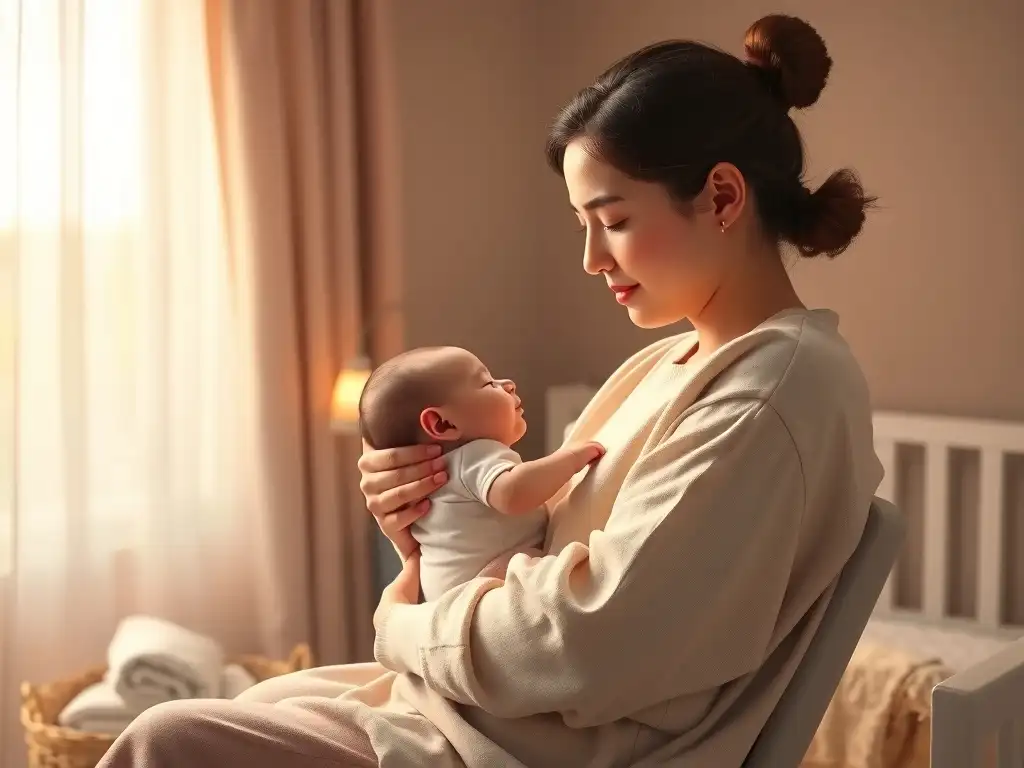
Gentle sleep training for newborns requires patience and flexibility. It's not a one-size-fits-all solution, and what works for one baby might not work for another. Consistent monitoring of your baby's progress is crucial to ensure the method remains effective and doesn't cause undue stress for either you or your little one. Remember, the goal is to establish healthy sleep habits, not to force a rigid schedule.
Tracking Sleep Patterns and Identifying Potential Issues
Accurate sleep tracking is paramount. Use a sleep diary or a baby sleep tracking app to record your baby's bedtime, wake-up times, nighttime wakings, and the duration of each sleep cycle. Note any patterns you observe – for instance, are night wakings consistently around the same time? Is there a correlation between feeding times and sleep duration? This detailed record will help you identify potential issues and adjust your strategy accordingly.
Consider factors beyond just sleep duration. Record your baby's mood before bed, any changes in their routine (e.g., illness, teething), and the environment (e.g., room temperature, noise levels). These seemingly minor details can significantly impact sleep quality.
For example, a sudden increase in night wakings might indicate a growth spurt, a change in their developmental stage, or even a minor illness. By meticulously documenting these factors, you can better understand the root cause and make informed adjustments to your gentle sleep training approach. Don't hesitate to consult your pediatrician if you notice any concerning patterns or if your baby's sleep significantly deteriorates. Their professional guidance is invaluable.
Adapting Your Strategy Based on Your Newborn's Individual Needs
Remember, every baby is unique. What constitutes a "successful night" will vary. Some newborns might naturally transition to longer stretches of sleep earlier than others. Avoid comparing your baby's progress to others; focus on their individual milestones and celebrate their achievements.
If you notice your baby is consistently struggling, don't be afraid to modify your approach. Perhaps you need to extend the check-in time slightly, or offer additional comfort before resuming the gradual extinction technique. You might need to adjust the timing of feeds to better align with their sleep cycles. Flexibility is key to the success of gentle sleep training.
For instance, if your baby is consistently waking up after only 30 minutes of sleep, you might need to reassess your bedtime routine or consider introducing a shorter nap in the afternoon. Pay close attention to your baby's cues – yawning, rubbing their eyes, fussiness – to determine when they are truly tired and ready for sleep.
Signs Your Baby is Ready to Move to the Next Stage of Sleep Training
As your baby progresses, you'll notice subtle shifts in their sleep patterns. These are key indicators that they might be ready for the next stage of sleep training. These indicators include:
- Longer stretches of sleep: If your baby is consistently sleeping for 4-5 hours at a stretch, they might be ready to gradually increase the time between check-ins.
- Improved self-soothing: Do they seem to be able to settle themselves back to sleep more easily after waking? This is a crucial sign of progress.
- Predictable sleep patterns: More consistent bedtime and wake-up times indicate a developing sleep rhythm.
- Reduced nighttime feedings: If night wakings are primarily due to hunger, and you've addressed any dietary needs, a decrease in night feedings suggests readiness for the next stage.
Remember, moving to the next stage should be gradual and based on your baby's individual cues. Don't rush the process; celebrate every milestone and trust your instincts. If you have any doubts, consult your pediatrician or a certified sleep consultant for personalized guidance. The journey of gentle sleep training is a marathon, not a sprint. Enjoy the process and cherish these precious moments with your newborn. 🎉
Maintaining Consistency and Long-Term Sleep Success
Consistency is the cornerstone of successful gentle sleep training for newborns. Once you've established a consistent bedtime routine and implemented gradual extinction, it's crucial to maintain this consistency to solidify your baby's sleep patterns. Inconsistency can undo all your hard work, leading to regression and renewed night wakings. Think of it like building a strong foundation – a wobbly base won't support a sturdy structure.
Creating a Sustainable Sleep Schedule for Your Baby
Establishing a predictable sleep schedule is paramount. This doesn't mean your baby will sleep precisely the same amount each night – babies are unpredictable! However, aiming for roughly the same bedtime and wake-up time, along with consistent nap times, provides crucial structure. For example, a 4-month-old might benefit from a schedule that includes a 7:00 PM bedtime, with naps around 9:00 AM and 1:00 PM.
Remember to adjust this based on your baby's individual cues and sleep needs. Keep a sleep diary to track patterns and make informed adjustments. Observe your baby's sleepiness cues, such as rubbing their eyes or yawning, to help determine optimal nap and bedtime timings. Avoid over-scheduling, allowing for flexibility and responsiveness to your baby's needs.
Remember, this is about gentle guidance, not rigid adherence. A sustainable schedule accounts for variances and allows room for adjustments. The aim is to create a predictable environment that helps your baby learn to regulate their own sleep.
Addressing Early Risings and Adjusting Bedtime as Needed
Many parents struggle with early morning wakings. If your baby consistently wakes up much earlier than desired, despite a consistent bedtime routine and sufficient daytime sleep, you might need to subtly adjust their bedtime. Pushing bedtime slightly later (15-30 minutes) might help. However, avoid making drastic changes, as this can disrupt their sleep cycle. Observe your baby's sleep patterns carefully. Are they tired during the day?
Do they show signs of overtiredness? Adjusting bedtime is a delicate balance; too early and they may be under-tired, leading to difficulty falling asleep, while too late can result in overtiredness and increased night wakings. Remember, a slightly later bedtime is a subtle adjustment, not a complete overhaul. Monitor the results carefully and be patient. This process may involve some trial and error.
When to Seek Professional Help for Persistent Sleep Problems

Despite your best efforts, some babies continue to experience significant sleep difficulties. If you've tried gentle sleep training methods consistently for several weeks and are still facing persistent challenges like frequent night wakings, unusually short sleep periods, or excessive daytime sleepiness, it’s wise to seek professional help. A pediatric sleep specialist or child development expert can offer personalized guidance and address underlying medical or developmental issues that may be contributing to your baby's sleep problems.
They can perform a thorough assessment and provide tailored strategies that address your unique circumstances. Remember, seeking help isn't a sign of failure; it's a proactive step towards ensuring your baby's healthy development and your own well-being. Don't hesitate to reach out for support; you are not alone in this journey.
Early intervention can make a significant difference in the long run. Consider this a valuable investment in your family's sleep health and overall happiness. Seeking professional help for persistent sleep problems is a sign of responsible parenting.
Gentle Sleep Training: FAQs and Common Concerns
This section addresses frequently asked questions and common concerns surrounding gentle sleep training, specifically focusing on the gradual extinction method for newborns and young infants. We understand that choosing a sleep training method can feel overwhelming, and prioritizing your baby's emotional well-being is paramount. This approach emphasizes a gradual reduction of parental intervention, aiming for independent sleep while minimizing distress. Remember, every baby is unique, and what works for one may not work for another. Patience and consistency are key.
Addressing Parental Concerns Regarding Crying and Emotional Well-being
Many parents worry about the potential for increased crying during gentle sleep training. The goal of gradual extinction isn't to let your baby cry inconsolably; rather, it's about gradually increasing the intervals between parental responses. This means initially checking on your baby frequently (e.g., every 5-10 minutes), gradually extending those intervals over several nights. The aim is to teach self-soothing skills, not to ignore your baby's needs entirely.
Observe your baby's cues. Is the crying distressed and prolonged, or are there short periods of fussiness followed by quiet periods? Responding promptly to genuinely distressed cries ensures your baby feels secure and loved, while gradually extending the time between responses allows them to learn to self-soothe. Remember, this process is about gradual extinction – a gentle transition to independent sleep.
It's crucial to monitor your own emotional well-being throughout the process. Sleep deprivation is challenging, and seeking support from your partner, family, or friends is vital. Consider creating a support system before starting sleep training. Remember, you're not alone in this journey, and seeking professional guidance from a pediatrician or sleep consultant is always an option. Prioritizing both your baby's and your emotional well-being is essential for a successful and positive experience.
Understanding the Difference Between Gentle Sleep Training and Cry-It-Out
Gentle sleep training methods, such as gradual extinction, differ significantly from the cry-it-out (CIO) method. While both aim for independent sleep, the approaches differ drastically in terms of parental involvement and the level of distress experienced by the baby.
CIO involves leaving the baby to cry for extended periods without intervention. This can be highly distressing for both the baby and the parents. In contrast, gradual extinction involves a phased approach with progressively longer intervals between parental responses. This approach prioritizes the baby's emotional well-being while still guiding them towards independent sleep.
The key difference lies in the level of parental support provided. Gradual extinction offers reassurance and comfort, while CIO prioritizes independent sleep above all else. Choosing the right method depends on your family’s values and your baby's temperament. Consider your baby's personality and your parenting style when making this important decision. There’s no one-size-fits-all solution, and what works best is highly individualized.
Long-Term Benefits of Gradual Extinction for Healthy Sleep Habits
Successfully implementing gradual extinction can lead to numerous long-term benefits for both your baby and your family. Improved sleep quality for your baby translates to better mood regulation, improved cognitive development, and enhanced physical growth. Adequate sleep is crucial for a baby's overall health and well-being.
For parents, consistent sleep patterns lead to reduced stress and improved mental health. This improved sleep allows for increased energy levels, enhanced emotional resilience, and a more positive parent-child relationship. A well-rested parent is a better parent.
The long-term benefits extend beyond the immediate relief of sleepless nights; they contribute to a healthier and happier family dynamic. Moreover, establishing healthy sleep habits early on can positively influence your baby's sleep patterns for years to come, laying the foundation for a lifetime of restful nights. This gentle, gradual approach helps build a secure attachment, fostering a positive relationship and paving the way for more restful nights for the entire family.
Frequently Asked Questions
What is gradual extinction, and how does it differ from other sleep training methods?
Gradual extinction is a gentle sleep training method that involves gradually increasing the time you wait to respond to your baby's cries at night. Unlike cry-it-out, it emphasizes comfort and reassurance before allowing your baby to self-soothe. This approach aims to build independence gradually.
Is gradual extinction suitable for all newborns?
Gradual extinction is generally recommended for babies older than 4 months who have established a consistent bedtime routine. It might not be appropriate for newborns or babies with underlying health issues or sleep disorders. Consult your pediatrician before starting any sleep training method.
How long does gradual extinction typically take?
The duration varies depending on your baby's temperament and age. Some babies may adjust within a few days, while others might take several weeks. Consistency and patience are key to success. Be prepared for setbacks.
What are the potential drawbacks of gradual extinction?
Some parents find the process emotionally challenging. It requires patience and consistency. There's also the possibility of temporary regression before improvement is seen. However, many find it a gentler alternative to other methods.
How can I ensure my baby's safety during gradual extinction?
Always place your baby to sleep on their back in a crib that meets safety standards. Never leave your baby unattended in their sleep space. Ensure the room is safe and free of hazards. Follow safe sleep practices throughout the process.
Final Reflection: Finding Peace in the Night: A Legacy of Gentle Sleep
The gentle approach to sleep training, far from being a fleeting trend, represents a fundamental shift in our understanding of infant development and parental well-being. It acknowledges the profound emotional connection between parent and child, recognizing that secure attachment is the bedrock of healthy sleep habits. This isn't just about getting more sleep; it's about building a stronger, more loving family unit.
The impact of this approach extends far beyond the crib, shaping the emotional landscape of families for years to come. The emphasis on responsiveness and empathy fosters a secure attachment style, influencing not only sleep patterns but also the child's overall emotional regulation and self-esteem. As the renowned pediatrician Dr. Harvey Karp states, A baby's cry is not a manipulation, but a desperate call for help.
Understanding this fundamental truth underpins the gentle approach, transforming the often-fraught experience of sleep training into a journey of connection and growth.
You, the parent, hold the key to unlocking peaceful nights and a stronger bond with your little one. Consider the principles outlined in this article—patience, empathy, and a deep understanding of your baby's needs—and apply them not just to sleep training, but to all aspects of your parenting journey. Embrace the process, celebrate the small victories, and remember that the journey towards restful nights is also a journey towards a deeper, more meaningful connection with your child. This is a legacy you will both cherish.
Unlock Your Baby's (and Your!) Best Sleep Yet
Thank you for exploring gentler sleep training methods! We hope you've gained valuable insights into creating more peaceful nights for your little one and for yourselves. Now it's time to put this knowledge into practice.
- Start with one small change this week: Focus on just one technique discussed – perhaps adjusting your bedtime routine or optimizing your baby's sleep environment. Small, consistent steps yield significant improvements!
- Share your successes: Tell us what worked best for you in the comments below! Your tips could help other parents on their sleep journey.
- Track your progress: Keeping a sleep diary can be surprisingly helpful in identifying patterns and refining your approach.
What small step will you take tonight to improve your baby's sleep and your own?