
Newborn Cord Care: Tips and Tricks for FirstTime Parents

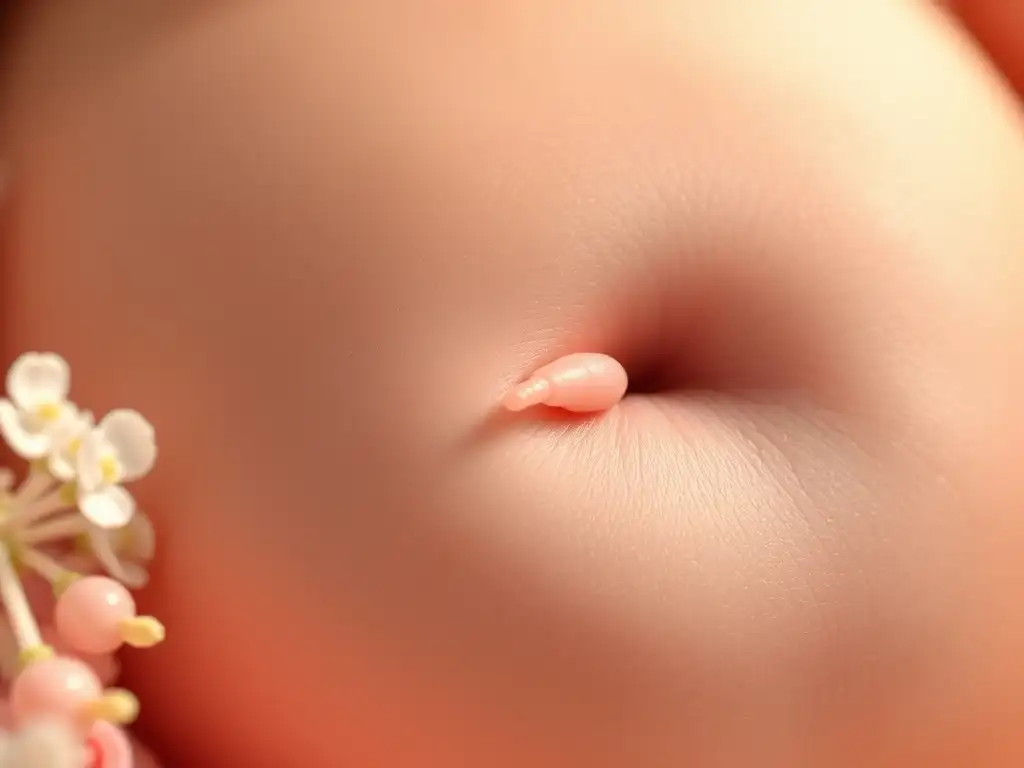
Welcome to BabyCareHub, your ultimate guide to navigating the incredible journey of parenthood! Are you a first-time parent feeling overwhelmed by the sheer volume of information surrounding newborn care? We understand. That's why we've created this comprehensive resource, packed with practical advice and expert tips to help you confidently care for your little one. Learn the essential steps to ensuring a clean newborn umbilical cord and discover more crucial newborn basics – a healthy start is just a click away!
- Understanding Your Baby's Umbilical Cord: A Parent's Guide
- Maintaining a Clean Newborn Umbilical Cord: Essential Steps
- Signs of Infection and When to Seek Medical Attention
- Promoting Faster Umbilical Cord Healing
- Frequently Asked Questions about Newborn Cord Care
-
Frequently Asked Questions
- How often should I clean my newborn's umbilical cord stump?
- What signs should I watch out for that indicate an infection in the umbilical cord?
- How long does it take for the umbilical cord stump to fall off?
- Can I give my baby a bath before the umbilical cord falls off?
- What should I do if the umbilical cord stump bleeds slightly after cleaning?
- Final Reflection: The Unsung Hero of the Newborn Journey
- Unlock Your Newborn's Comfort: Start Their Journey Right
Understanding Your Baby's Umbilical Cord: A Parent's Guide
Welcoming your newborn is a joyous occasion filled with wonder and, let's be honest, a healthy dose of anxiety! Navigating the world of newborn care can feel overwhelming, and one of the first things new parents grapple with is caring for their baby's umbilical cord stump. This guide provides a comprehensive understanding of umbilical cord care, focusing on how to properly clean a newborn umbilical cord and ensure its healthy healing. We'll explore the umbilical cord's function, the stages of its natural drying and detachment, and how to identify signs of infection, empowering you to confidently care for your little one during this crucial period.
This detailed approach will equip you with the knowledge and confidence to maintain optimal hygiene and promote a healthy healing process for your baby's umbilical cord. Remember, a clean newborn umbilical cord is crucial for preventing potential complications. Let's dive in!
What is the Umbilical Cord and its Importance?
The umbilical cord is a lifeline for your baby during pregnancy. This remarkable structure connects your baby to the placenta, providing essential nutrients and oxygen while removing waste products. It's a temporary organ that's vital for fetal development. After birth, the cord is clamped and cut, leaving a small stump attached to your baby's abdomen.
This stump, which is essentially the remaining portion of the umbilical cord, will gradually dry and fall off within one to three weeks. Understanding its importance is the first step in providing adequate care. The cord's role during pregnancy is critical; its healthy function ensures the baby's proper growth and development. Failure to understand its importance could lead to improper care and potentially dangerous complications.
The Healing Process: Stages of Umbilical Cord Drying
The healing process of the umbilical cord stump typically involves several stages. Initially, the stump will appear moist and slightly bluish. Over the next few days, it will begin to dry and darken, eventually turning black or brown. This is a normal part of the healing process. As it dries, the stump will shrink in size.
You may notice a slight odor, which is also generally normal, but a foul smell could indicate an infection. The final stage is the detachment of the stump, usually between 7-21 days after birth. Once the stump falls off, the area underneath will be a clean, pink, and slightly moist wound. It will continue to heal over the next few days, eventually becoming fully closed.
- Stage 1 (Days 1-3): Moist, bluish stump.
- Stage 2 (Days 4-7): Drying, darkening, shrinking.
- Stage 3 (Days 7-21): Black or brown, shrinking further, possible slight odor.
- Stage 4 (Day 7-21): Stump detaches, revealing a clean, healing wound.
- Stage 5 (Days following detachment): Wound heals completely.
Recognizing a Healthy vs. Infected Umbilical Cord
Regularly inspecting your baby's umbilical cord stump is crucial to ensure it's healing properly. A healthy cord stump will typically be dry, dark in color (black or brown), and have minimal odor. The surrounding skin should be clean and free from redness, swelling, or pus. However, be vigilant for signs of infection, such as:
| Sign of Infection | Description |
|---|---|
| Increased redness or swelling | Redness extending beyond the immediate area of the stump is a warning sign. |
| Pus or yellowish discharge | A foul-smelling discharge is a clear indication of infection. |
| Bleeding | Any significant bleeding from the stump should be addressed immediately. |
| Foul odor | A strong, unpleasant odor is a major red flag. |
| Fever in the baby | A fever may accompany a cord infection. |
If you notice any of these signs, contact your pediatrician immediately. Early intervention is key to preventing serious complications. Remember, a clean newborn umbilical cord is not just about hygiene; it's about protecting your baby's health. 👶 Prompt action can prevent minor issues from escalating into more serious problems.
Maintaining a Clean Newborn Umbilical Cord: Essential Steps
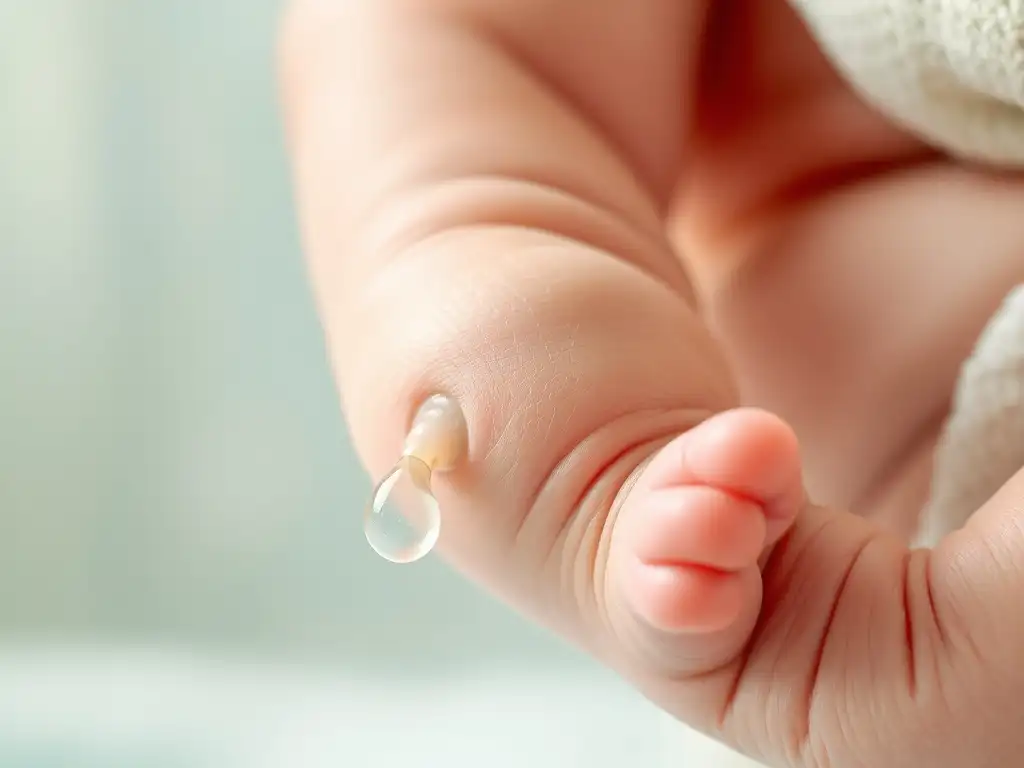
Keeping your newborn's umbilical cord clean and dry is crucial for preventing infection and ensuring proper healing. This process, while seemingly simple, requires gentle handling and adherence to specific guidelines. A clean newborn umbilical cord is vital for a healthy transition into life outside the womb. Neglecting proper cord care can lead to complications, so understanding the essential steps is paramount for first-time parents. This section details a comprehensive approach to umbilical cord care, emphasizing cleanliness and the prevention of infection. Remember, always consult your pediatrician if you have any concerns or notice any signs of infection.
Daily Cord Care Routine: Cleaning and Inspection
A consistent daily routine is key to maintaining a clean newborn umbilical cord. This routine should involve gentle cleaning and careful inspection. Aim for at least once-a-day cleaning, but more frequent cleaning might be necessary if the cord area appears soiled.
The process is straightforward:
- Gently wash your hands: Thorough handwashing is the first and most important step. Use warm water and soap, scrubbing for at least 20 seconds. We'll delve deeper into proper handwashing techniques in the next section.
- Visual Inspection: Before cleaning, carefully inspect the cord stump for any signs of redness, swelling, pus, or unusual odor. These could indicate an infection and require immediate medical attention.
- Cleaning: Using a clean cotton ball or gauze pad dampened with warm water, gently wipe the base of the cord and the surrounding skin. Avoid scrubbing. A single wipe is usually sufficient. Do not use alcohol or hydrogen peroxide unless explicitly instructed by your pediatrician.
- Drying: After cleaning, gently pat the area dry with a clean, dry cotton ball or gauze pad. Allow the area to air dry completely. Avoid covering the cord stump with clothing or diapers that might trap moisture.
- Observation: After cleaning, observe the cord for any changes. Note any redness, swelling, or discharge and report any concerns to your pediatrician promptly. Regular observation is crucial for early detection of potential problems.
Supplies You'll Need for Clean Newborn Umbilical Cord Care
Having the right supplies readily available simplifies the cord care process and ensures hygiene. Gathering these items beforehand will streamline your daily routine. You'll need:
- Warm water
- Mild, unscented soap (optional, check with your pediatrician)
- Soft cotton balls or gauze pads
- Clean, dry towels
Proper Handwashing Techniques Before Cord Care
Before handling your newborn's umbilical cord, meticulous handwashing is non-negotiable. This simple step significantly reduces the risk of infection. Follow these steps for effective hand hygiene:
- Wet your hands: Turn on the tap and wet your hands with clean, running water (warm or cold).
- Apply soap: Apply enough liquid soap to cover all surfaces of your hands.
- Lather: Rub your hands together vigorously, creating a lather. Pay special attention to the backs of your hands, between your fingers, and under your nails.
- Scrub: Continue scrubbing for at least 20 seconds. A good way to time this is to hum the "Happy Birthday" song twice.
- Rinse: Rinse your hands thoroughly under clean, running water.
- Dry: Dry your hands with a clean towel or allow them to air dry.
Remember, maintaining a clean newborn umbilical cord is a simple yet vital aspect of newborn care. Consistent attention to detail and prompt action in case of any concerns will help ensure a healthy and complication-free healing process. Always consult your pediatrician for personalized advice and to address any specific concerns you may have. 👶
How to Clean the Newborn Umbilical Cord: A Step-by-Step Guide
Cleaning your newborn's umbilical cord stump is crucial for preventing infection and ensuring proper healing. The process is simple, but consistency is key. Here's a detailed, step-by-step guide:
First, wash your hands thoroughly with soap and water for at least 20 seconds. This is the most important step, as you don't want to introduce any germs to the delicate area. Dry your hands completely with a clean towel.
Next, gather your supplies. You'll need a soft, clean washcloth, lukewarm water, and mild, fragrance-free soap (specifically designed for babies is ideal). Avoid using alcohol or harsh chemicals. Some parents find cotton swabs helpful for gently cleaning around the base of the cord, but avoid inserting them into the stump itself.
Now, gently clean the area surrounding the umbilical cord stump. Use the lukewarm water and mild soap to dampen the washcloth. Gently wipe the skin around the base of the cord, moving outwards in a circular motion. Don't scrub or apply excessive pressure. Focus on removing any visible dirt or dried blood.
After cleaning, rinse the area thoroughly with clean, lukewarm water to remove any soap residue. Again, be gentle.
Finally, pat the area dry. Use a clean, soft towel to gently pat the area dry. Avoid rubbing, as this could irritate the skin. Allow the area to air dry completely. Exposure to air is crucial for the proper healing of the umbilical cord stump. Loose-fitting clothing will help to facilitate this. Avoid covering the area excessively.
Remember, observe the umbilical cord stump daily. Look for any signs of infection, such as redness, swelling, pus, or a foul odor. If you notice anything unusual, contact your pediatrician immediately. Consistent, gentle cleaning, combined with vigilant observation, helps ensure the healthy healing of your baby's umbilical cord.
Avoiding Common Mistakes in Umbilical Cord Cleaning
Many new parents are understandably nervous about caring for their newborn's umbilical cord. However, some well-intentioned actions can hinder the healing process. Here are some common mistakes to avoid:
- Using harsh soaps or chemicals: Avoid using harsh soaps, alcohol, hydrogen peroxide, or other strong cleaning agents. These can irritate the delicate skin around the umbilical cord and delay healing. Stick to mild, fragrance-free baby soap and lukewarm water.
- Picking or pulling at the cord stump: Resist the urge to pick or pull at the cord stump. This could cause bleeding, infection, or even damage to the underlying skin. Let the cord dry and fall off naturally.
- Over-cleaning: While cleanliness is important, over-cleaning can also be harmful. Gentle cleaning once or twice a day is sufficient. Excessive cleaning can irritate the skin and increase the risk of infection.
- Covering the cord excessively: Keeping the umbilical cord stump exposed to air promotes drying and healing. Avoid covering it with diapers or clothing that might trap moisture. Loose-fitting clothing that doesn't rub against the cord is best. Remember to fold the diaper down and away from the area.
- Ignoring signs of infection: Pay close attention to the umbilical cord stump. If you notice any signs of infection, such as redness, swelling, pus, or a foul odor, contact your pediatrician immediately. Early intervention is crucial in preventing serious complications. Don't hesitate to seek professional medical attention if you are concerned.
By avoiding these common mistakes and following the proper cleaning techniques, you can help ensure that your baby's umbilical cord heals quickly and without complications. Remember, a clean umbilical cord is a happy and healthy umbilical cord! 👶
Signs of Infection and When to Seek Medical Attention

Keeping a clean newborn umbilical cord is crucial for preventing infection. While the cord stump naturally dries and falls off, it's vital to monitor for any signs of infection. Early detection is key to swift treatment and preventing complications. This section details the warning signs you should watch for and when to seek immediate medical attention. Remember, it's always better to err on the side of caution when it comes to your baby's health.
Recognizing Signs of Umbilical Cord Infection
An infected umbilical cord can present several symptoms. These can range from mild to severe, so it's important to be vigilant. Look out for these key indicators:
- Pus or yellowish discharge: A clear, slightly sticky discharge is normal in the early stages of cord drying. However, thick, yellow, or green pus is a significant red flag. This indicates a possible bacterial infection. Take note of the color, consistency, and amount of discharge.
- Redness and swelling around the base of the cord: The skin surrounding the umbilical cord should be relatively clean and free from redness. Significant redness or swelling extending beyond the immediate cord area suggests inflammation and potential infection. Gently touch the area; increased warmth compared to the surrounding skin might also indicate infection.
- Foul odor: A musty or foul odor emanating from the cord stump is another strong indication of infection. This is different from the slightly sweet smell that might be present initially as the cord dries. A truly unpleasant odor warrants immediate attention.
- Increased irritability or fussiness: While newborns cry for various reasons, a persistently fussy baby, especially in conjunction with other signs mentioned above, could indicate discomfort caused by an infected cord. Note the timing and intensity of the fussiness.
- Fever: A fever in a newborn is always a cause for concern. An elevated temperature, even slightly above normal, coupled with other umbilical cord infection symptoms, requires urgent medical intervention. Always check your baby's temperature using a reliable thermometer.
Dealing with Umbilical Cord Bleeding: What to Do
While some slight bleeding might occur as the cord dries and separates, significant bleeding is a serious concern. A clean newborn umbilical cord should not be actively bleeding. If you notice any bleeding:
- Gently clean the area: Use a clean, soft cloth and lukewarm water to gently cleanse the area around the cord. Avoid scrubbing.
- Apply gentle pressure: Using a clean gauze pad or a clean cloth, apply gentle but firm pressure to the bleeding area.
- Monitor the bleeding: Observe the amount of bleeding. If it continues or increases, seek immediate medical attention.
- Keep the area clean and dry: Continue to keep the area clean and dry after the bleeding stops.
- Contact your pediatrician: Even if the bleeding seems to stop, it's crucial to inform your pediatrician about the incident.
When to Contact Your Pediatrician Regarding Umbilical Cord Issues
Don't hesitate to contact your pediatrician if you have any concerns about your baby's umbilical cord. It's better to be safe than sorry. Here's a summary of situations that require immediate medical attention:
| Situation | Action |
|---|---|
| Significant bleeding | Contact your pediatrician or go to the emergency room immediately. |
| Pus or foul-smelling discharge | Contact your pediatrician immediately. |
| Redness and swelling | Contact your pediatrician, especially if accompanied by other symptoms. |
| Fever in the newborn | Seek immediate medical attention. |
| Persistent irritability | Contact your pediatrician, especially if accompanied by other symptoms. |
Remember, early intervention is crucial for preventing complications related to umbilical cord infections. Trust your instincts; if something doesn't seem right, contact your healthcare provider immediately. A clean newborn umbilical cord is a healthy umbilical cord! 👶
Promoting Faster Umbilical Cord Healing

Keeping a clean newborn umbilical cord is crucial for its proper healing. A healthy healing process typically takes 7-21 days, but several factors can influence this timeframe. Understanding these factors and implementing proactive care can significantly contribute to a faster and smoother healing experience for your little one. This section focuses on practical strategies to promote faster umbilical cord healing, ensuring a healthy transition for your baby.
Keeping the Cord Area Dry and Airy
Maintaining a dry and airy umbilical cord stump is paramount to prevent infection and promote healing. Moisture creates an ideal breeding ground for bacteria, hindering the natural drying process. Avoid submerging the cord stump in water during bathing until it falls off naturally. Instead, focus on sponge bathing your baby, carefully cleaning around the cord area with a soft, damp cloth.
After cleaning, gently pat the area dry with a clean, soft towel. Avoid rubbing, as this could irritate the sensitive skin. Loose-fitting clothing allows for adequate air circulation, preventing the area from becoming too warm and moist. Observe the cord stump regularly for any signs of redness, swelling, or unusual discharge. These could be indicators of infection and require immediate medical attention. Remember, keeping the cord stump clean, dry, and exposed to air is key to ensuring a swift and complication-free healing process. Early detection of any issues is crucial for preventing potential problems.
Appropriate Clothing Choices for Newborn Cord Care
Choosing the right clothing is essential for maintaining a clean newborn umbilical cord and promoting healthy healing. Avoid clothing that is too tight or restrictive around the umbilical area. Tight clothing can trap moisture and impede air circulation, creating a breeding ground for bacteria. Opt for loose-fitting outfits that allow the cord stump to breathe freely. Diapers should be folded below the umbilical cord to prevent contact and irritation.
Consider using newborn onesies or shirts that have a slightly wider opening around the belly button area. This will further minimize contact with the cord and prevent friction. Natural fabrics like cotton are preferable, as they are breathable and gentler on your baby's delicate skin. Avoid synthetic materials that may trap heat and moisture. Regularly inspect the cord area for any signs of irritation or redness, paying close attention to how the clothing fits and impacts the healing process. Remember, comfort and breathability are key factors in choosing appropriate clothing for your newborn.
Bathing Your Baby Safely After Umbilical Cord Separation
Once the umbilical cord stump falls off naturally, typically within 1-3 weeks, you can start bathing your baby as usual. However, even after separation, it's important to maintain meticulous hygiene of the area. The navel may be slightly sensitive for a short period after the cord falls off. Sponge baths remain a good option for a few days to ensure the area is completely healed and to prevent any irritation.
When transitioning to full tub baths, ensure the water is lukewarm, not hot, to avoid scalding. Gently wash the navel area with mild soap and water, paying attention to any lingering crusts or dried secretions. Thoroughly rinse the area and pat it dry with a clean towel. Observe the navel area daily for any signs of redness, swelling, or discharge.
If you notice any unusual symptoms, consult your pediatrician immediately. While the cord has separated, maintaining a clean and dry navel is essential to prevent infection and promote complete healing. Gentle care and close observation are critical during this transitional phase.
Frequently Asked Questions about Newborn Cord Care
This section addresses common concerns first-time parents have regarding their newborn's umbilical cord. Maintaining a clean newborn umbilical cord is crucial for preventing infection and ensuring proper healing. Let's dive into some frequently asked questions.
How long does it take for the umbilical cord to fall off?
The umbilical cord stump typically falls off between 7 and 21 days after birth. However, this is just an average. Some babies' cords may detach sooner, while others may take a bit longer. Several factors can influence this timeframe, including the baby's overall health and the individual healing process. There's no need for alarm if your baby's cord falls off outside this range, as long as the area remains clean and shows no signs of infection.
Regular observation is key – if you notice any unusual changes, consult your pediatrician. Remember, patience is vital during this phase; every baby heals at their own pace. Think of it like a tiny, natural scar that eventually disappears. The following table summarizes the typical timeframe and potential variations:
| Timeframe (Days) | Likelihood | Observation Notes |
|---|---|---|
| 7-10 | Common | Cord may appear slightly dry and darker |
| 11-14 | Average | Cord may show signs of separation from the skin |
| 15-21 | Less Common | Cord might be slightly more resistant to falling off |
| >21 | Uncommon (Consult pediatrician) | Potential for underlying issue requiring medical attention |
Monitoring the cord's healing process is crucial. It's a natural process, but ensuring a clean environment minimizes risks.
What if the umbilical cord stump smells bad?
A foul-smelling umbilical cord stump is a sign of potential infection and requires immediate medical attention. A clean newborn umbilical cord should have a minimal or no odor. If you detect a strong, unpleasant smell (often described as pungent or putrid), contact your pediatrician or healthcare provider immediately. This isn't something to wait out; prompt intervention is essential to prevent complications. The odor often accompanies other signs of infection, such as:
- Increased redness or swelling around the cord stump
- Pus or yellowish discharge
- Bleeding
- Fever in the baby
Don't hesitate to seek medical advice if you have any concerns. Early detection and treatment are key to resolving the issue and ensuring the baby's well-being. Remember, it's always better to err on the side of caution. A prompt visit to the doctor can prevent more severe problems.
Can I bathe my baby before the umbilical cord falls off?
Yes, you can bathe your baby before the umbilical cord falls off, but with some important precautions. While keeping the umbilical cord area dry is essential, avoiding clean newborn umbilical cord hygiene altogether isn't recommended. Sponge baths are generally recommended until the cord falls off. This involves gently cleaning the baby's body with a warm, damp sponge, avoiding submerging the umbilical cord area. Ensure the area is thoroughly dried afterward.
You can use a soft, clean cloth to gently pat the area dry. Avoid using harsh soaps or lotions near the cord stump, as these can irritate the sensitive skin. Once the cord falls off, you can transition to regular tub baths. Remember, maintaining a clean newborn umbilical cord is about gentle care and preventing infection, not about avoiding water altogether.
Should I use alcohol or other solutions on the umbilical cord?
The short answer is generally no. While older practices sometimes recommended applying alcohol or other antiseptic solutions to the umbilical cord stump, current medical advice from major pediatric organizations like the American Academy of Pediatrics strongly discourages this. These practices haven't been shown to significantly reduce the risk of infection and may even increase the risk of irritation and delayed healing.
The umbilical cord stump is remarkably self-cleaning. The body's natural defenses are usually sufficient to prevent infection. Keeping the area clean and dry is the most effective way to promote healing. Excessive cleaning or the use of harsh chemicals can disrupt the natural healing process and potentially lead to complications. This includes the use of common household antiseptics like hydrogen peroxide or rubbing alcohol.
Instead of using alcohol or other solutions, focus on gentle cleaning with plain water. If the area appears unusually dirty or has dried blood or other discharge, a soft, damp cloth can be used to gently wipe the area. Always pat the area dry afterward. Observe the cord stump carefully for any signs of infection, such as increased redness, swelling, pus, or a foul odor.
If you notice any of these signs, contact your pediatrician immediately. They can assess the situation and provide appropriate guidance and treatment if necessary. Remember, your pediatrician is your best resource for any concerns regarding your newborn's umbilical cord care.
Trust their expertise and don't hesitate to reach out with questions. Early detection and treatment are crucial for managing any potential complications related to the umbilical cord. A proactive approach to cord care, emphasizing cleanliness and observation, is far more effective than using potentially harmful antiseptic solutions.
Frequently Asked Questions
How often should I clean my newborn's umbilical cord stump?
You should clean the umbilical cord stump once or twice a day with warm water and a soft cloth. Gently pat it dry afterward. Avoid using alcohol unless specifically instructed by your pediatrician.
What signs should I watch out for that indicate an infection in the umbilical cord?
Look out for redness, swelling, pus, or a foul odor around the umbilical cord stump. If you notice any of these, contact your pediatrician immediately.
How long does it take for the umbilical cord stump to fall off?
The umbilical cord stump typically falls off within 7 to 21 days. However, this can vary from baby to baby. Be patient and continue with gentle cleaning.
Can I give my baby a bath before the umbilical cord falls off?
Yes, you can give your baby a sponge bath before the umbilical cord falls off. Just be sure to keep the cord stump dry and avoid submerging it in water.
What should I do if the umbilical cord stump bleeds slightly after cleaning?
A small amount of minor bleeding is normal. Gently pat the area dry with a clean cloth. However, if the bleeding is excessive or doesn't stop, contact your pediatrician.
Final Reflection: The Unsung Hero of the Newborn Journey
The umbilical cord, that often-overlooked lifeline connecting mother and child, plays a surprisingly crucial role even after birth. Its proper care is paramount to a healthy start for your little one, a fact that resonates deeply with the anxieties and joys of new parenthood. Understanding the simple yet vital steps of clean newborn umbilical cord care can significantly reduce the risk of infection and ensure a smoother transition into the world for your baby.
The impact of proper cord care extends beyond the immediate postpartum period. It's a small act with significant consequences, shaping the early days of a parent-child bond and contributing to a healthier future for the child. The quiet confidence gained from mastering this seemingly small task empowers parents, providing a sense of control and competence in the face of the overwhelming experience of new parenthood. The smallest act of kindness is worth more than the grandest intention.
This quote rings true when considering the profound impact of diligent cord care on a newborn's well-being.
Now, as you embark on this incredible journey of parenthood, remember the lessons learned here. Take a moment to reflect on the power of small actions, the importance of knowledge, and the profound responsibility we have in nurturing the precious lives entrusted to our care. Embrace the simple steps of clean umbilical cord care, not just as a routine, but as an act of love, a testament to your commitment to your child's health and happiness. Your diligence will contribute to a healthier, happier start for your little one, and that, in itself, is a truly rewarding experience.
Unlock Your Newborn's Comfort: Start Their Journey Right
Thank you for learning about newborn cord care! We hope this guide has given you the confidence and knowledge to care for your baby's umbilical cord. Now, let's put that knowledge into practice.
- Prioritize cord care: Regular cleaning and monitoring are crucial for preventing infection. This is your main focus for the next few weeks. Follow the steps outlined in this guide carefully.
- Share your experience: Connect with other parents in our BabyCareHub community forum to share your tips, tricks, and ask questions. Supporting each other makes this journey easier.
- Download our free cord care checklist: This handy printable will help you remember each step of the routine and what to watch for.
Ready to embrace this new chapter and give your little one the best possible start? What was the most important thing you learned about newborn cord care from this guide?