
Twin Baby Milestones Checklist: Tracking Progress

Welcome to BabyCareHub, your ultimate guide to navigating the incredible journey of parenthood! Are you ready to understand the unique developmental leaps and bounds of your twin babies? We've created a detailed Twin Baby Development Milestones Checklist to help you track their progress and celebrate each precious achievement. Discover the fascinating world of twin development and ensure your little ones thrive – explore our Newborn Basics section to begin your journey today!
- Understanding Twin Baby Development Milestones
- Key Developmental Milestones for Twin Babies: 0-3 Months
- Key Developmental Milestones for Twin Babies: 3-6 Months
- Key Developmental Milestones for Twin Babies: 6-9 Months
- Key Developmental Milestones for Twin Babies: 9-12 Months
- Creating a Personalized Twin Baby Milestone Tracker
- Addressing Developmental Delays in Twins
- The Importance of Parent-Child Bonding with Twins
- Resources for Parents of Twins
-
Frequently Asked Questions
- What are some key developmental milestones for twin babies?
- How do I track my twins' development milestones?
- Should I be concerned if my twins aren't hitting milestones at the same time?
- My twins seem to be competing for attention. How can I support their individual development?
- What resources are available to help me track my twin babies' development?
- Final Reflection: Navigating the Double Delight of Twin Development
- Unleash Your Twins' Potential: Take Action Today!
Understanding Twin Baby Development Milestones
Navigating the world of newborns is a thrilling yet challenging journey for any parent. But welcoming two newborns into your life? That amplifies the experience exponentially! This article serves as your comprehensive guide to understanding and tracking the developmental milestones of twin babies.
We'll explore the unique aspects of raising twins, providing you with a clear checklist to monitor their individual progress and ensure their healthy development. Successfully tracking twin baby development milestones requires a slightly different approach than monitoring a single infant. Understanding the nuances of their growth, recognizing potential developmental variations between twins, and effectively managing the increased demands on your time are key to providing optimal care.
This checklist will help you stay organized and informed as you cherish these precious early months. Remember, while this checklist provides valuable guidance, individual variations are normal, and consulting your pediatrician regularly is crucial. Let's delve into the specifics to help you confidently navigate this exciting journey.
Unique Challenges of Tracking Twin Development
Raising twins presents unique challenges when it comes to tracking developmental milestones. The sheer volume of tasks—feeding, changing diapers, soothing—can be overwhelming, making it difficult to dedicate individual attention to each child's progress. Furthermore, parents often find themselves comparing twins, which can be unhelpful and potentially lead to inaccurate assessments.
It's crucial to remember that twins, even identical ones, are still individuals with their own unique personalities and developmental trajectories. One might reach milestones earlier than the other, and this is perfectly normal. The constant demands of caring for two infants often lead to information overload, making it difficult to observe subtle developmental cues.
Parents may miss key indicators of progress or potential developmental delays due to this constant state of multitasking. This is why a structured approach, like the checklist we’ll explore later, is vital to keep track of each child's progress. Proper documentation helps you objectively assess each twin's development and facilitates informed discussions with your pediatrician.
Comparing Individual Twin Milestones
While it's natural to observe similarities and differences between your twins, avoid direct comparisons. Each twin should be assessed individually, focusing on their own unique developmental journey. Creating separate milestone trackers for each twin can help you stay organized and avoid accidental conflation of their progress. Even identical twins may show variations in their development, influenced by factors like intrauterine position, individual temperament, and even subtle differences in nutrition or sleep patterns.
For example, one twin might show an earlier interest in crawling, while the other might demonstrate superior fine motor skills, such as grasping objects. Documenting these individual milestones, rather than focusing on who achieved a specific milestone first, is crucial for accurate assessment. This individualized approach will not only allow for better monitoring of each twin's development, but also help prevent parental anxieties stemming from perceived differences in their progress.
Importance of Regular Twin Check-ups
Regular check-ups with your pediatrician are paramount when raising twins. These visits provide a crucial opportunity for professional assessment of each twin's development, addressing any concerns, and receiving personalized guidance. Your pediatrician can identify potential developmental delays early on, allowing for timely intervention and support.
These visits also allow you to ask questions and address any concerns you may have about your twins' progress, sleep patterns, feeding habits, or overall well-being. The increased workload of caring for two infants can make it challenging to identify subtle developmental variations or potential health concerns. A pediatrician's expert eye can detect early signs of developmental delays or medical issues, ensuring your twins receive the necessary care and support in a timely manner.
Furthermore, regular check-ups provide valuable reassurance and an opportunity to discuss any challenges you are facing in caring for your twins. Remember, seeking professional guidance is not a sign of weakness but rather a proactive approach to ensuring the healthy development and well-being of your precious little ones.
Key Developmental Milestones for Twin Babies: 0-3 Months
This section focuses on the crucial developmental milestones your twin babies are likely to reach within their first three months of life. Remember that twins, while often developing similarly, may also show individual variations in their progress. Don't worry if one twin hits a milestone before the other – this is perfectly normal. The key is to monitor their individual progress and celebrate each achievement. This checklist will help you track your twin's "twin baby development milestones".
Physical Development Milestones (0-3 Months)
The first three months are a period of rapid physical growth for your twins. You'll see significant changes in their size, strength, and coordination. Here's what to look for:
- Weight Gain: Expect consistent weight gain. While individual variations exist, significant weight loss or failure to gain weight should be discussed with your pediatrician. Tracking weight gain is crucial, especially with twins, to ensure they are receiving adequate nutrition.
- Head Control: Initially, your babies will have little to no head control. By around 2 months, you should observe improved head control when held upright. By 3 months, they might be able to lift their heads and chests while lying on their tummies.
- Reaching and Grasping: Around 2-3 months, your twins may start reaching for objects and attempting to grasp them. This is a sign of developing hand-eye coordination. They might even manage to briefly hold onto a rattle or your finger.
- Rolling Over: While some babies start rolling over as early as 2 months, it's more common around 3-4 months. Keep a watchful eye, especially during tummy time, as this is when they're most likely to attempt rolling.
- Reflexes: Observe the presence and gradual fading of newborn reflexes like the Moro (startle) reflex, rooting reflex, and sucking reflex. The persistence or absence of these reflexes beyond the expected timeframe warrants a check-up with your pediatrician.
Cognitive Development Milestones (0-3 Months)
Cognitive development in the first three months focuses on sensory exploration and learning to interact with their environment. Keep an eye out for these signs:
- Visual Tracking: Your twins will likely begin tracking moving objects with their eyes by around 1 month. By 3 months, their visual acuity should be significantly improved, allowing them to focus on faces and objects more effectively.
- Auditory Response: They'll show increasing responsiveness to sounds. They might turn their heads towards a sound source or become calmer when hearing soothing music.
- Alertness: Expect periods of increasing alertness and engagement with their surroundings. They will spend more time awake and interacting with their caregivers.
- Exploration: As they develop, you will notice an increased curiosity and a desire to explore their hands and feet. They may even start bringing their hands to their mouths for self-soothing and exploration.
This is a time of building crucial social and emotional bonds with you and other caregivers. Look for these signs:
- Smiling: The appearance of social smiles, typically around 6-8 weeks, is a significant milestone. These smiles are in response to seeing a familiar face, showing the beginning of social interaction.
- Cooing and Gurgling: Your twins will start cooing and gurgling, experimenting with vocalizations and communicating their needs and emotions. This is a precursor to later language development.
- Calming Response to Caregiver: They should show a preference for being held and comforted by their caregivers. This demonstrates the development of attachment and a sense of security.
- Responding to Touch: Observe their response to touch and physical affection. They should show signs of comfort and relaxation when held and cuddled. This is vital for their emotional well-being and bond formation.
Remember, every baby develops at their own pace. While this checklist provides a general guideline for "twin baby development milestones," individual variations are expected and perfectly normal. If you have any concerns about your twins' development, consult your pediatrician. Early intervention can make a significant difference. 👶🏻👶🏻
Key Developmental Milestones for Twin Babies: 3-6 Months

This section focuses on the key developmental milestones your twin babies are likely to reach between the ages of 3 and 6 months. Remember that twins, even identical ones, may develop at slightly different paces. Don't compare your twins to each other excessively; instead, focus on each child's individual progress. This checklist provides a general guideline, and consulting your pediatrician remains crucial for personalized guidance. Tracking your twins' development with this checklist can help you celebrate their unique achievements and address any concerns promptly. This information is geared towards helping you understand typical "twin baby development milestones".
Physical Development Milestones (3-6 Months)
During this period, your twins will experience significant physical growth and development. Expect to see remarkable changes in their motor skills, coordination, and overall physical abilities.
- Improved Head Control: By 3 months, most babies can hold their heads steady while sitting up with support. By 6 months, many can lift their heads and chests while lying on their stomachs, even attempting to push themselves up. This is a crucial step in developing neck and back strength. You might notice one twin mastering this slightly before the other – this is perfectly normal!
- Rolling Over: Between 4 and 6 months, many babies begin rolling from their back to their side, and then onto their stomachs. Some babies might skip the side roll and go straight to tummy time. The reverse – rolling from tummy to back – often comes a little later. This milestone is a significant indicator of their growing strength and coordination.
- Reaching and Grasping: Expect to see improved hand-eye coordination. Your twins will likely be reaching for and grasping toys, your fingers, or anything within reach. They may even start bringing their hands to their mouths. This is a crucial step in developing fine motor skills.
- Sitting Up: While some babies may sit unsupported by 6 months, many need support initially. You can help them develop this skill by providing support with pillows or your hands. Remember to always supervise your twins closely during tummy time and while they are learning to sit.
- Weight and Height Gains: Consistent weight and height gains are also important indicators of healthy physical development. Consult your pediatrician's growth charts for specific benchmarks. This data provides a valuable insight into their overall well-being.
Cognitive Development Milestones (3-6 Months)
Cognitive development in this age group involves significant leaps in learning and understanding. Your twins' brains are rapidly developing, leading to noticeable improvements in their cognitive abilities.
- Object Permanence: This is a significant cognitive milestone where babies begin to understand that objects continue to exist even when they can't see them. You might notice this when your twins search for a toy you've hidden under a blanket. This doesn't mean they fully grasp the concept yet, but it's a beginning.
- Improved Vision: Their vision continues to improve, and they will be able to see things more clearly and at a greater distance. They will also start to follow moving objects with their eyes more effectively.
- Responding to Sounds: Your twins will respond more readily to sounds, turning their heads towards the source of the noise. They may also start to babble more frequently and experiment with different sounds. The sounds they make are not random; they are practicing communication skills.
- Curiosity and Exploration: Expect increased curiosity and exploration of their environment. They will reach for, grab, and try to manipulate objects, showing a growing understanding of cause and effect. This exploratory phase is incredibly important for their cognitive development. Provide a safe environment to encourage this exploration.
Social and emotional development is intertwined with physical and cognitive development, creating a complex interplay of growth.
- Social Smiles: Genuine smiles in response to social interaction become more frequent and pronounced. These smiles are more than just gas reflexes; they reflect your twins' growing awareness of their social world and their bond with you.
- Stranger Anxiety: Some babies start showing signs of stranger anxiety during this period, becoming wary or fussy around unfamiliar people. This is a normal developmental step, reflecting their growing understanding of who they trust and feel safe with.
- Emotional Expression: They will express a wider range of emotions, including happiness, sadness, and anger, often through facial expressions, body language, and vocalizations. Learning to interpret these cues is crucial for understanding your twins' needs.
- Interaction with Each Other: While they are still primarily focused on their individual needs, you may start to notice some interaction between your twins. This could involve reaching for each other, making sounds at each other, or even playing together. It is fascinating to observe how they begin to interact with their sibling.
Remember, every baby develops at their own pace. While this checklist provides a general guideline, it’s vital to consult your pediatrician if you have any concerns about your twins’ development. Early intervention is key to addressing any potential developmental delays. Enjoy this incredible journey of watching your twins grow and flourish!
Key Developmental Milestones for Twin Babies: 6-9 Months
This section focuses on the key developmental milestones your twin babies are likely to reach between six and nine months of age. Remember that twins, even identical ones, may develop at slightly different paces. While comparing their progress is natural, focusing on each individual's achievements is crucial. This checklist serves as a guide, not a rigid standard.
Consult your pediatrician if you have any concerns about your twins' development. Tracking these milestones can help you celebrate their unique journeys and ensure they receive the support they need. This information is designed to help you understand typical twin baby development milestones, offering insights into what to expect during this exciting period.
Physical Development Milestones (6-9 Months)
Between six and nine months, your twins will likely exhibit significant physical advancements. These milestones are crucial indicators of healthy growth and motor skill development. Observe their progress carefully, celebrating each small victory!
Many twins in this age range will start to:
- Sit without support: This is a significant milestone, demonstrating improved core strength and balance. You might notice one twin mastering this earlier than the other – this is perfectly normal.
- Crawl: Crawling is a vital step in gross motor development. Some twins might crawl early, others might skip it and go straight to pulling themselves up. Both are acceptable variations.
- Pull themselves up to stand: Holding onto furniture, your twins will begin to explore the world from a standing position, building leg strength and coordination.
- Transfer objects between hands: This demonstrates enhanced hand-eye coordination and dexterity. Watch them skillfully move toys from one hand to the other!
- Develop pincer grasp: The ability to pick up small objects using their thumb and forefinger is a key development in fine motor skills. Prepare for a lot of tiny things being grabbed!
- Show improved head control: Their heads should be well-supported as they sit or lie down, showing improved neck and upper body strength.
Here's a handy table summarizing these physical milestones:
| Milestone | Description | Typical Age Range (Months) |
|---|---|---|
| Sit without support | Sits upright without assistance | 6-8 |
| Crawl | Moves around on hands and knees | 7-10 |
| Pull to stand | Pulls themselves up to a standing position using furniture | 7-9 |
| Transfer objects hand to hand | Moves objects from one hand to the other | 6-8 |
| Pincer grasp | Picks up small objects using thumb and forefinger | 7-9 |
| Improved head control | Maintains good head control while sitting or lying down | 6-9 |
Remember to provide a safe and stimulating environment for your twins to practice these skills. Baby-proofing your home is essential during this period of increased mobility.
Cognitive Development Milestones (6-9 Months)
Cognitive development in twins during this period is remarkable. You'll witness increased curiosity, problem-solving skills, and object permanence—the understanding that objects continue to exist even when out of sight. Their brains are rapidly developing, absorbing information at an astonishing rate.
Expect to see your twins:
- Show improved memory: They may remember where they last saw a favorite toy.
- Engage in more complex play: They might stack blocks (even if only for a moment! ), explore textures, and show increasing interest in cause-and-effect relationships.
- Understand object permanence: Hiding a toy under a blanket and watching their reaction is a fun way to assess this milestone. Do they try to find it?
- Begin to babble more complex sounds: Their babbling will become more sophisticated, mimicking sounds and tones.
- Respond to their names: They'll likely turn their heads or show recognition when you call their names.
This period is filled with exciting cognitive leaps. Encourage their exploration through interactive play and engaging activities. Remember to provide a stimulating environment to foster their cognitive development.
Social and emotional development are intertwined with other areas of growth. During this phase, you'll observe increased social interaction, emotional expression, and the development of attachment. Understanding these milestones is crucial for supporting their emotional well-being.
Your twins may:
- Show stranger anxiety: They may become wary of unfamiliar people or situations. This is a normal developmental stage.
- Exhibit separation anxiety: Being separated from you or their primary caregiver might trigger distress. Comfort them gently and reassure them of your presence.
- Show increased social interaction with each other: They may play together, engaging in reciprocal interactions, such as babbling or reaching out to each other.
- Express a wider range of emotions: You'll see more distinct expressions of happiness, sadness, anger, and excitement. Responding empathetically to their emotional cues is important.
- Develop a strong attachment to their caregivers: This is a fundamental aspect of their emotional development, fostering security and trust.
This period is crucial for building strong emotional bonds and fostering healthy social development. Respond to their emotional needs with patience and understanding. Creating a secure and loving environment is essential for their overall well-being. Remember, consistent routines and predictable schedules can help reduce anxiety and build security for your twins.
Key Developmental Milestones for Twin Babies: 9-12 Months
This section focuses on the key developmental milestones you can expect your twin babies to reach between 9 and 12 months of age. Remember that every child develops at their own pace, and twins are no exception. While one twin might hit a milestone earlier than the other, both will likely achieve these milestones within a reasonable timeframe. Tracking their individual progress can help you identify any potential concerns early on.
This checklist focuses on the critical areas of physical, cognitive, and social-emotional development for your little ones. This information is intended to be a guide and not a substitute for professional medical advice. Always consult your pediatrician with any questions or concerns about your twins' development.
Physical Development Milestones (9-12 Months)
Between 9 and 12 months, your twins will likely demonstrate significant progress in their physical abilities. This period is marked by increased mobility and dexterity.
- Pulling to stand: Most babies this age can pull themselves up to a standing position using furniture or other supports. You might observe your twins enthusiastically practicing this skill, often falling down just as often as they succeed! This is a crucial step towards walking.
- Cruising: Cruising, or walking while holding onto furniture, is a common sight in this age group. Expect to see your twins shuffling along furniture, gaining confidence and balance with each passing day. This stage often precedes independent walking.
- Independent walking: While some babies start walking as early as 9 months, many twins will take their first independent steps between 10 and 12 months. Be prepared for wobbly steps and lots of falls, but celebrate each tiny achievement!
- Pincer grasp: The refined pincer grasp, using the thumb and index finger to pick up small objects, develops around this time. You'll notice your twins becoming more adept at picking up tiny pieces of food, toys, and even crumbs off the floor!
- Improved fine motor skills: Their fine motor skills will continue to improve. They may be able to stack blocks, scribble with crayons, or even try to feed themselves with a spoon (though it might be messier than efficient! ).
| Milestone | Expected Age Range | Observation Notes |
|---|---|---|
| Pulling to Stand | 9-12 months | Observe how often they attempt this and the level of support they require. |
| Cruising | 9-12 months | Note the duration they can cruise and the stability they demonstrate. |
| Independent Walking | 10-12 months | Record the date of their first independent steps. |
| Pincer Grasp | 9-12 months | Observe their ability to pick up small objects precisely. |
| Stacking Blocks/Scribbling | 10-12 months | Note their level of dexterity and interest in these activities. |
Cognitive Development Milestones (9-12 Months)
Cognitive development in twins during this period is characterized by rapid learning and problem-solving skills.
- Object permanence: Your twins will likely have a strong understanding of object permanence, meaning they know that an object continues to exist even when they can't see it. This is a significant cognitive leap! You can test this by hiding a toy under a blanket and observing their reaction.
- Exploring their environment: Expect increased curiosity and exploration. Your twins will be busy investigating their surroundings, touching, tasting, and manipulating everything within reach. This is a crucial part of their learning process.
- Understanding simple instructions: They may start to understand and respond to simple instructions like "give me the ball" or "wave bye-bye." This is a testament to their growing language comprehension.
- Imitation: Imitation is a key aspect of learning at this age. You'll likely observe your twins mimicking your actions, like clapping, waving, or even making silly faces.
Social and emotional development is equally important during this phase. Your twins will be developing their individual personalities and forming stronger bonds with their caregivers.
- Stranger anxiety: Many babies this age experience stranger anxiety, feeling apprehensive or even fearful around unfamiliar people. This is a normal developmental stage, reflecting their growing awareness of their surroundings and their attachment to familiar faces.
- Separation anxiety: Separation anxiety, the distress experienced when separated from caregivers, is also common. Your twins might cry or become upset when you leave the room, even for a short time.
- Developing social interactions: While they may interact with each other, they're also beginning to engage more with you and other familiar individuals. You might see them reaching out for cuddles, babbling, or giggling in response to your interactions.
- Showing affection: Your twins might start expressing affection through hugs, kisses, or simply being close to you. These are heartwarming displays of their growing emotional bonds.
Remember, consistency and patience are key when supporting your twins' development. Celebrate their individual progress and enjoy this special time in their lives! 👶🏻👶🏼
Creating a Personalized Twin Baby Milestone Tracker
Tracking the development of twins presents unique challenges and rewards. While you'll celebrate shared milestones, remembering individual achievements is crucial for personalized care. Creating a tailored tracker ensures neither twin gets overlooked, fostering their individual growth and well-being. This isn't just about ticking boxes; it's about observing subtle nuances in their development and celebrating their unique personalities. A personalized approach allows you to appreciate the distinct journeys of each baby, even when they share a womb and a birthday. This section will guide you through effective strategies for creating a system that works for you and your twins.
Using a Milestone Chart for Twins
A milestone chart provides a structured framework to document your twins' progress. However, a standard chart might not suffice. Consider adapting a pre-made chart or creating your own. This allows you to:
- Include space for both twins: Instead of one line per milestone, allocate two – one for each twin. This prevents confusion and allows for detailed individual notes.
- Categorize milestones: Organize milestones by developmental area (gross motor skills, fine motor skills, language, social-emotional development, cognitive skills). This provides a clear overview of each twin's progress in different areas.
- Add columns for observations: Don't just record "achieved." Include space for notes on how they achieved the milestone, any challenges faced, and your observations about their individual styles. For example, one twin might master crawling earlier but be more cautious, while the other might be bolder but slower to develop crawling.
- Incorporate photos/videos: A picture is worth a thousand words! Include space to add photos or video clips of your twins reaching milestones. This creates a cherished keepsake and provides visual evidence of their progress.
Example of a customized chart entry:
| Milestone | Twin A (Name) | Twin B (Name) | Notes | Date |
|---|---|---|---|---|
| Rolling from back to stomach | ✓ | ✓ | Twin A rolled at 5 months, Twin B at 5.5 months. Twin B was more hesitant. | 2024-03-15 |
| Sitting unsupported | ✓ | X | Twin B still needs support. | 2024-04-10 |
| First words | "Mama" | "Dada" | Both said their first words around the same time. | 2024-06-01 |
Remember, every child develops at their own pace. Don't compare your twins to each other or to other babies. Focus on their individual journeys and celebrate their unique achievements. 🎉
Tracking Individual Twin Milestones
While twins often share developmental milestones, individual differences are expected and perfectly normal. Focusing solely on shared accomplishments can mask individual strengths and challenges. Consider these strategies for tracking individual progress:
- Separate notebooks or journals: Maintain a separate journal for each twin. This allows for detailed notes on each baby's unique personality, preferences, and developmental trajectory. You can note things like feeding habits, sleep patterns, responses to stimuli, and any unique quirks. This personalized approach becomes a valuable record of their individual stories.
- Color-coded tracking systems: Use different colors for each twin in your chosen tracking method. This makes it instantly clear which data relates to which twin, even at a glance. This simple visual cue avoids confusion and allows for quick data retrieval.
- Regular developmental check-ups: Schedule regular check-ups with your pediatrician. They can assess each twin's development independently and provide personalized guidance. This professional perspective adds invaluable context to your own observations. Don't hesitate to voice any concerns – even minor ones. Early intervention is key.
Remember, the goal is not competition, but careful observation. Each twin is an individual, deserving of personalized attention and celebration of their unique developmental journey.
Apps & Tools for Tracking Twin Development
Several apps and digital tools facilitate twin baby milestone tracking. These tools can streamline the process, offering features like:
- Pre-loaded milestone checklists: Many apps provide comprehensive checklists covering various developmental areas. You can simply check off milestones as your twins achieve them. This structured approach can be especially helpful in the early days when things feel overwhelming.
- Photo and video integration: Some apps allow you to attach photos and videos to milestone entries. This creates a visually rich record of your twins' growth, capturing precious moments and aiding memory recall.
- Progress visualization: Many apps offer charts and graphs visualizing your twins' progress over time. This can help you identify patterns, track overall development, and spot any potential areas of concern. This visual representation can also be incredibly rewarding as you witness their growth.
- Sharing options: Some apps allow you to share progress updates with family and friends, keeping everyone involved in your twins' journey. This feature helps spread the joy and allows loved ones to participate in celebrating milestones.
However, always choose apps that prioritize data privacy and security. Review app permissions carefully before installation. Remember that no app can replace the value of your own observations and the guidance of your pediatrician. Use these tools as helpful supplements, not replacements for direct interaction and personalized care.
Addressing Developmental Delays in Twins
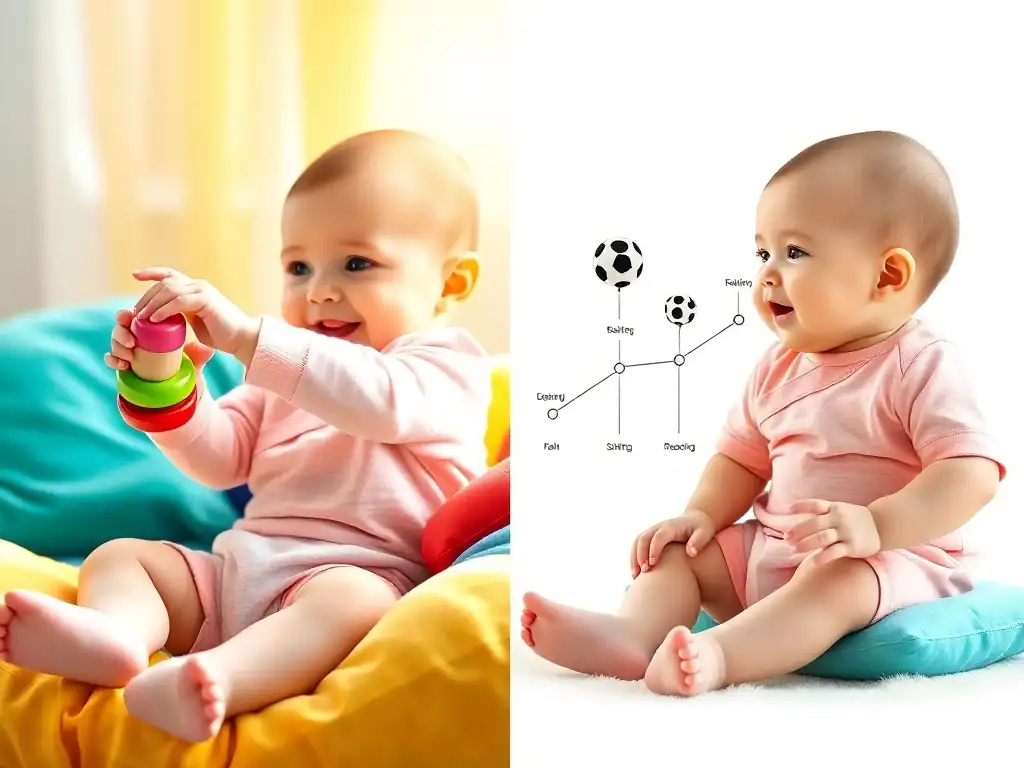
Developmental milestones in twins can sometimes vary, leading parents to understandably worry about potential delays. It's crucial to remember that twins, even identical ones, are still individuals with unique developmental timelines. While they may reach certain milestones around the same time, some may progress faster in certain areas than others. This section aims to equip parents with the knowledge to discern typical variations from actual delays requiring professional intervention. Understanding the nuances of twin development is key to providing the best possible care and support. This focus on "twin baby development milestones" is paramount for informed parenting.
Recognizing Potential Developmental Delays
Recognizing potential developmental delays in twins requires careful observation and comparison, not just against general milestones, but also against each twin's individual progress. While some variations are normal, significant discrepancies between twins or a consistent lag behind expected milestones should raise a flag. For instance, if one twin is consistently crawling and pulling themselves up while the other remains immobile at a significantly older age, this warrants attention. Similarly, significant delays in speech development, social interaction, or fine motor skills (such as grasping objects) should be addressed.
Here's a table highlighting some key areas to monitor for potential delays, keeping in mind that these are general guidelines and individual variations exist:
| Milestone Category | Expected Age Range (Approximate) | Potential Delay Indicators |
|---|---|---|
| Motor Skills (Gross) | 6-12 months | Inability to sit unsupported, crawl, or pull to stand by 12 months |
| Motor Skills (Fine) | 6-12 months | Difficulty grasping objects, transferring objects between hands, or using pincer grasp |
| Language Development | 12-18 months | Limited babbling, no understanding of simple words, lack of pointing or gesturing |
| Social & Emotional Skills | 12-18 months | Lack of social engagement, limited eye contact, excessive clinginess or withdrawal |
| Cognitive Development | 12-18 months | Inability to follow simple instructions, lack of object permanence |
Remember, early intervention is key. Don't hesitate to document your observations and consult your pediatrician even if you have minor concerns. Early detection can significantly impact the outcome. This proactive approach to "twin baby development milestones" ensures your twins receive timely support.
Seeking Professional Help for Twin Development Concerns
If you have concerns about your twins' development, seeking professional help is crucial. Your pediatrician is the first point of contact. They can assess your twins, compare their progress, and determine if further evaluation is needed. This might involve referrals to specialists like developmental pediatricians, occupational therapists, or speech therapists.
Early intervention programs are designed to support children with developmental delays. These programs offer specialized therapies tailored to individual needs, helping children catch up to their peers. Don't feel overwhelmed; many resources are available to support you and your twins. Remember, seeking help is a sign of responsible parenting, not a failure. Addressing concerns promptly regarding "twin baby development milestones" is essential for your children's well-being.
Supporting Twins' Development Through Play
Play is a crucial aspect of your twins' development. Engaging in age-appropriate play activities can stimulate their cognitive, social, emotional, and physical growth. However, planning playtime for twins requires careful consideration. Structured activities should alternate with free play to allow them to explore independently and follow their own interests.
Here are some ideas for stimulating play:
- Sensory Play: Activities involving different textures, sounds, and smells (e.g., finger painting, playing with textured balls, exploring different musical instruments).
- Interactive Games: Simple games involving turn-taking, such as rolling a ball back and forth or stacking blocks. This fosters cooperation and social skills.
- Reading and Storytelling: Regular reading sessions stimulate language development and imagination.
- Physical Activities: Tummy time, crawling activities, and simple exercises promote gross motor skills.
Remember to adapt activities to each twin's individual abilities and interests. The goal is to create a fun and stimulating environment where they can learn and grow at their own pace. This approach to "twin baby development milestones" will help nurture your children's development in a positive and engaging way. 🎉
The Importance of Parent-Child Bonding with Twins
Parent-child bonding is crucial for a child's healthy development, and this is amplified when dealing with twins. The unique challenges of caring for two newborns simultaneously can sometimes make it difficult to establish the strong emotional connection each infant needs. However, prioritizing individual bonding time with each twin is essential for their emotional well-being and overall development. Studies have shown that secure attachment in infancy is a strong predictor of social and emotional competence later in life. 1 This is especially important for twins who might experience increased competition for parental attention. A strong bond provides a sense of security and stability, crucial for navigating the complexities of growing up, especially in a shared environment. The benefits extend beyond emotional well-being; secure attachment has been linked to better cognitive development and improved resilience to stress. Remember, each twin is an individual with unique needs and personalities, and nurturing individual bonds helps you understand and respond to these individual requirements effectively. Ignoring this critical aspect can potentially lead to developmental delays or behavioral issues. Therefore, actively fostering individual bonding sessions is an investment in your twins' long-term health and happiness.
Strategies for Individual Bonding with Each Twin
Creating dedicated one-on-one time with each twin can be challenging, but it's incredibly rewarding. Here are some practical strategies to maximize individual bonding opportunities:
- Skin-to-skin contact: Even short bursts of skin-to-skin contact can significantly enhance bonding. While one twin is being fed or changed, dedicate some time to uninterrupted skin-to-skin with the other. This is particularly impactful during the first few months of life.
- Babywearing: Babywearing allows you to keep one twin close while attending to the other's needs. This provides both physical closeness and a sense of security for the baby being worn.
- Designated "special time": Schedule 15-20 minutes each day for focused interaction with each twin individually. This could involve reading, singing, or simply gazing into their eyes. Consistency is key here.
- Massage: Gentle baby massage is a wonderful way to connect physically and emotionally. The calming touch creates a sense of security and promotes relaxation for both parent and child.
- Taking turns: If you have a partner, consider taking turns caring for one twin at a time, allowing for dedicated one-on-one time.
Remember to vary your activities to keep things interesting and engaging for your twins. Observe their individual cues and preferences to tailor your interactions accordingly. The goal is to create positive, loving experiences that strengthen the parent-child bond.
Balancing Time & Attention Between Twins
The inherent challenge of caring for twins is the need to balance time and attention equitably. It's easy to fall into a routine where one twin receives more attention than the other, unintentionally creating feelings of insecurity or jealousy. While simultaneous care is often necessary for practical reasons, conscious effort must be made to avoid favoring one twin over the other.
Here are some tips to help balance your attention:
- Create a schedule: Planning your day can help ensure both twins receive equal amounts of time and attention for feeding, playing, and bonding. This doesn't have to be rigid, but a general guideline can be helpful.
- Use visual cues: Using visual cues like color-coded items or assigning specific times for each twin can help you keep track of who has had which activity.
- Involve your partner: If you have a partner, work together to share responsibilities and ensure both twins receive equal attention. Discuss strategies to prevent one twin from being neglected.
- Recognize individual needs: While striving for balance, remember that twins have unique personalities and needs. Pay attention to individual cues and adjust your approach accordingly. One twin might need more cuddling than the other, and that's perfectly okay.
- Be mindful of your own feelings: It's easy to feel overwhelmed. Recognizing your own emotional state and seeking support when needed is crucial for providing balanced and nurturing care for your twins.
Prioritizing Self-Care for Parents of Twins
Caring for twins demands immense physical and emotional energy. Neglecting your own well-being can lead to burnout and negatively impact your ability to care for your babies effectively. Prioritizing self-care is not selfish; it's essential for maintaining your physical and mental health.
Consider these self-care strategies:
- Sleep when the babies sleep: This seems obvious, but it's often overlooked. Even short naps can make a significant difference in your energy levels.
- Ask for help: Don't hesitate to ask family and friends for assistance with tasks like cooking, cleaning, or running errands.
- Meal prepping: Preparing meals in advance can save valuable time and energy.
- Engage in activities you enjoy: Make time for activities that bring you joy and relaxation, even if it's just for a few minutes each day. This could be reading, listening to music, or taking a short walk.
- Connect with other parents of twins: Sharing experiences and challenges with other parents can provide invaluable support and reduce feelings of isolation. Support groups offer a safe space to vent frustrations and celebrate successes.
1 [Specific information pending: Cite a relevant study on secure attachment and its long-term effects]
Resources for Parents of Twins
Navigating the world of twin baby development can feel overwhelming, but remember you're not alone! Many resources are available to support you in tracking your little ones' progress and addressing any concerns. This section highlights key resources categorized for easy access. Understanding your twins' unique developmental journeys is crucial, and these tools can significantly aid in that process. Remember, consistency in monitoring and seeking support when needed are paramount for healthy twin development.
Recommended Books on Twin Baby Development
Finding reliable information tailored to twin parenting is key. While many resources address single baby development, the unique dynamics of twins require specialized guidance. Here are a few recommended books that offer valuable insights and support:
- "The Baby Book" by William Sears, MD: While not exclusively focused on twins, Dr. Sears' comprehensive guide provides invaluable information on various aspects of baby development applicable to twins. Its focus on attachment parenting offers particularly relevant advice for parents juggling two infants.
- "Having Twins: A Complete Guide to Pregnancy, Birth, and Baby's First Year" by Dr. Barbara Luke: This book provides a detailed, stage-by-stage guide specifically designed for expectant and new parents of twins. It covers a wide range of topics, including pregnancy, delivery, and the unique challenges and joys of raising twins.
- [Specific book title pending]: Further research is needed to identify additional books specifically focusing on the developmental milestones of twins. This would further enhance the comprehensiveness of this resource section. We are actively searching for more titles to add to this list.
This list is not exhaustive, and the best book for you will depend on your specific needs and preferences. Always consult with your pediatrician for personalized advice regarding your twins' development.
Online Communities & Support Groups for Twin Parents
The internet offers a wealth of support for parents of twins. Connecting with other parents facing similar challenges can provide invaluable emotional support, practical advice, and a sense of community.
- Online Forums: Many dedicated online forums cater specifically to parents of twins. These platforms allow you to share experiences, ask questions, and receive advice from experienced twin parents. Look for forums with active moderators to ensure a safe and supportive environment.
- Social Media Groups: Facebook groups and other social media platforms often host active communities for twin parents. These groups can offer a great way to connect with others, share photos, and discuss various aspects of twin parenting, including developmental milestones.
- Twin Parent Blogs and Websites: Numerous blogs and websites are run by twin parents, sharing their experiences, tips, and resources. These resources often offer valuable insights and practical advice, helping parents navigate the unique challenges of raising twins.
Remember to be discerning when choosing online communities. Look for groups with clear guidelines, active moderators, and a positive and supportive atmosphere. The online experience should be empowering and enriching, not stressful or overwhelming.
Local Resources for Twin Parents
Beyond online resources, exploring local support networks can significantly enhance your parenting journey. These resources often offer face-to-face interaction and community building opportunities.
- Local Support Groups: Many communities have support groups specifically for parents of multiples. These groups provide a valuable opportunity to connect with other parents in your area, share experiences, and receive practical advice. Check with local hospitals, community centers, and parenting organizations for information on available groups.
- Parenting Classes: Some organizations offer parenting classes specifically designed for parents of twins. These classes can provide valuable information on various aspects of twin parenting, including managing feeding schedules, promoting healthy development, and addressing common challenges.
- Pediatrician and Healthcare Professionals: Your pediatrician is your most valuable resource for monitoring your twins' development. Regular checkups are crucial for addressing any concerns and ensuring your twins are meeting developmental milestones. Don't hesitate to ask questions and voice any concerns.
Building a strong support network, both online and offline, is a vital strategy for successfully navigating the joys and challenges of raising twins. Remember that seeking help and sharing your experiences is a sign of strength, not weakness. Utilize these resources to empower yourself and create a thriving environment for your twins' development.
Frequently Asked Questions
What are some key developmental milestones for twin babies?
Twin babies generally reach milestones within the typical timeframe for singletons. However, monitoring each twin individually is crucial as they may develop at slightly different paces. Look for key markers like rolling over, sitting, crawling, and walking.
How do I track my twins' development milestones?
Use a milestone checklist or app to record each twin's progress. Regular check-ups with your pediatrician are also essential to identify any potential developmental delays or concerns. Consistent tracking enables early intervention if needed.
Should I be concerned if my twins aren't hitting milestones at the same time?
Not necessarily. Twins often reach milestones at slightly different times. It's perfectly normal for one twin to develop faster than the other in certain areas. However, significant delays in either twin warrant a discussion with your pediatrician.
My twins seem to be competing for attention. How can I support their individual development?
Provide individualized attention to each twin, even during playtime. This could involve one-on-one activities, tummy time, or even just quiet cuddles. Ensure each twin feels loved and valued for their unique personality.
What resources are available to help me track my twin babies' development?
BabyCareHub provides a comprehensive twin baby development milestone checklist, along with articles and guides on various aspects of twin parenting. Your pediatrician is another invaluable resource for personalized advice and support. Don't hesitate to seek professional guidance.
The journey of twin parenthood is a unique adventure, a double dose of joy and challenge. Understanding the developmental milestones of twins is not just about ticking boxes; it's about recognizing the individual needs within a shared experience, ensuring each little one thrives. This checklist provides a framework, but remember, every pair of twins is unique, and their progress will unfold at their own pace.
Witnessing the rapid growth and distinct personalities of twins is profoundly moving. It's a constant reminder of the incredible resilience and adaptability of human beings, and the profound love that binds a family together. The best thing about having twins is that you get twice the love.
While this is true, it also means twice the work, twice the worry, and twice the need for careful observation and support. This understanding is crucial for parents to navigate the complexities of raising twins successfully.
Now, consider your own journey. Reflect on the moments of wonder, the challenges overcome, and the unique bond you share with your twins. Use this checklist not as a rigid rulebook, but as a guide to celebrate each milestone, big or small, and to advocate for your twins' individual needs. Remember, your love and attention are the most valuable tools in their development, fostering a secure and nurturing environment where they can flourish. Embrace the double delight, and cherish every precious moment.
Unleash Your Twins' Potential: Take Action Today!
Thank you for exploring this essential guide to twin baby milestones! We hope you found the checklist helpful and inspiring. Now, let's put that knowledge into practice.
- Focus on one milestone from the checklist and carefully observe your twins' progress this week. Focusing on one area at a time prevents feeling overwhelmed, allowing you to celebrate even the smallest achievements.
- Share your experiences and ask questions in the comments below! Connecting with other parents of twins is invaluable—you're not alone on this journey!
- Create a personalized milestone scrapbook or digital journal. This special keepsake will track their progress and become a treasured family heirloom.
Ready to empower your twins' development? What small step will you take this week to celebrate their unique journey?