
Creating a Safe Sleep Haven: The Ultimate Guide for New Parents

Welcome to BabyCareHub, your ultimate resource for navigating the incredible journey of parenthood. Are you ready to unlock the secrets to a peaceful night's sleep for your little one? Our comprehensive Safe Baby Sleep Environment Guide, found within our Sleep Training & Routines section, provides the step-by-step guidance you need to create a secure and nurturing sleep haven. Discover expert advice and practical tips to ensure your baby sleeps soundly and safely – begin your journey to blissful nights now!
- Understanding Safe Sleep Practices for Your Baby: A Comprehensive Guide
- Setting Up a Safe Sleep Space: Room Preparation and Baby's Crib
- Essential Baby Sleep Products for a Safe Environment: A Detailed Review
- Establishing Safe Sleep Habits and Routines: A Step-by-Step Guide
- Monitoring Your Baby's Sleep: Recognizing Potential Issues
- Maintaining a Safe Sleep Environment Over Time: Adapting as Your Baby Grows
- Frequently Asked Questions
- Final Reflection: Weaving a Tapestry of Safety and Sleep
- Unveil Your Baby's Peaceful Slumber: Take Action Now!
Understanding Safe Sleep Practices for Your Baby: A Comprehensive Guide
Navigating the world of newborn care can feel overwhelming, especially for first-time parents. Sleep, or rather, ensuring your baby sleeps safely, is a paramount concern. This comprehensive guide, designed to help you create a safe sleep haven for your little one, will walk you through the essential elements of a secure sleep environment. We'll delve into the proven strategies for reducing the risk of Sudden Infant Death Syndrome (SIDS) and provide detailed information on choosing the right sleep surfaces and bedding.
This guide aims to empower you with the knowledge and confidence to create a peaceful and, most importantly, safe sleep space for your baby, addressing the critical aspects of a "safe baby sleep environment guide". By following these guidelines, you'll contribute significantly to your baby's healthy development and well-being. Remember, a well-prepared sleep space is a crucial component of responsible and loving childcare.
The ABCs of Safe Sleep: Airway, Back, Crib
Safe sleep for infants centers around three crucial principles: Airway, Back, and Crib. Let's break down each of these elements:
- Airway: Ensure your baby's airway remains clear and unobstructed at all times. This means:
- No loose bedding: Avoid using blankets, pillows, bumpers, or stuffed animals in the crib. These items can cover your baby's face and restrict breathing.
- Firm mattress: A firm mattress prevents your baby from sinking too deeply, reducing the risk of suffocation.
- Proper head position: Always place your baby on their back to sleep. Avoid placing them on their side or stomach.
- Back: Always place your baby to sleep on their back. This significantly reduces the risk of SIDS. The "Back to Sleep" campaign has been instrumental in lowering SIDS rates globally. While tummy time is essential for development during the day, it should never be used for sleep.
- Crib: The crib should meet current safety standards. This includes:
- Properly fitting mattress: The mattress should fit snugly within the crib frame, leaving no gaps where your baby could get trapped.
- Stable construction: Ensure the crib is sturdy and free from any damage or loose parts.
- No drop-side cribs: Drop-side cribs are no longer recommended due to safety concerns.
Reducing SIDS Risk: Key Factors for a Safe Baby Sleep Environment
Sudden Infant Death Syndrome (SIDS) is a devastating event, but the good news is that many factors contributing to SIDS risk are preventable. Creating a safe sleep environment is a significant step in reducing this risk. Here are some key factors to consider:
- Room sharing, not bed sharing: It's recommended to share a room with your baby for at least the first six months, but never share a bed. Bed sharing significantly increases the risk of SIDS.
- Pacifier use: Offering a pacifier at bedtime and naptime can reduce the risk of SIDS. However, don't force it if your baby doesn't want it.
- Breastfeeding: Breastfeeding is associated with a reduced risk of SIDS. The benefits extend beyond just nutrition, providing a protective effect for your baby.
- Up-to-date vaccinations: Ensuring your baby receives all recommended vaccinations is crucial for their overall health and can indirectly contribute to reducing the risk of SIDS.
- Avoiding overheating: Dress your baby in lightweight clothing appropriate for the room temperature. Overheating can increase SIDS risk. Avoid excessive swaddling, especially for older infants.
Choosing the Right Sleep Surface for Your Baby: Mattresses, Cribs, and More
The sleep surface you choose for your baby is critically important. Here's what to consider:
- Mattress: The mattress should be firm and fit snugly within the crib. Avoid soft mattresses or waterbeds. A firm surface prevents your baby from sinking, reducing the risk of suffocation.
- Crib: Choose a crib that meets current safety standards, as mentioned earlier. Regularly inspect the crib for any damage or loose parts.
- Other sleep surfaces: Avoid using sofas, armchairs, adult beds, or other surfaces not designed for infant sleep. These surfaces pose a significantly higher risk of suffocation and accidental injury. A bassinet or cradle can be suitable for the first few months, but always ensure they meet safety standards.
Remember, creating a safe sleep environment is an ongoing process. Regularly review your baby's sleep space and make adjustments as needed to ensure your little one always has a safe and comfortable place to rest. 😴 Following these guidelines will help you provide a nurturing and secure environment for your baby to thrive.
Setting Up a Safe Sleep Space: Room Preparation and Baby's Crib
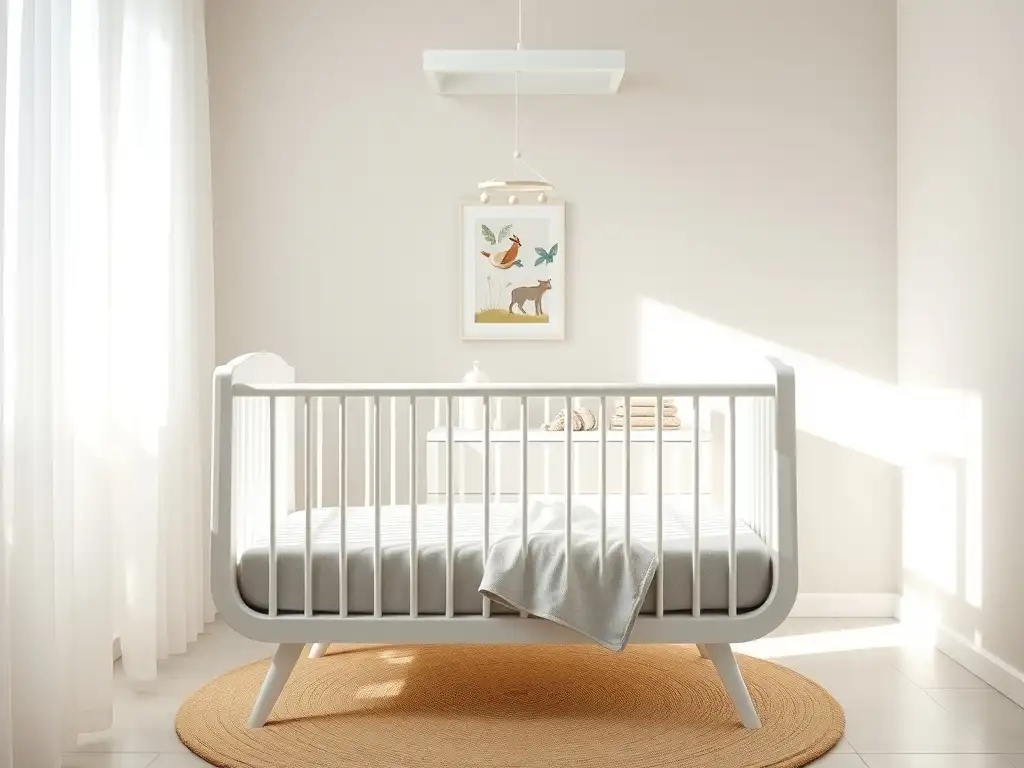
Creating a safe sleep environment for your baby is paramount. This section focuses on preparing the room and the crib itself to minimize risks and maximize your baby's comfort. A well-prepared sleep space significantly contributes to a safe baby sleep environment guide, ensuring your little one sleeps soundly and securely. We'll delve into the specifics of room preparation and crib setup, providing practical advice backed by expert recommendations.
Creating a Safe and Comfortable Nursery: Temperature, Lighting, and Noise Levels
The ideal nursery temperature should be between 68-72°F (20-22°C). This comfortable range prevents overheating, a significant risk factor for Sudden Infant Death Syndrome (SIDS). Avoid using heavy blankets or clothing that could overheat your baby. A thermometer placed within reach of the crib can help you monitor the temperature effectively. Regularly check the temperature, especially during seasonal changes.
Lighting should be dim or non-existent during nighttime sleep. A nightlight, if used, should be low-intensity and positioned away from the crib to avoid disturbing your baby's sleep. Harsh or bright lights can interfere with melatonin production, a hormone crucial for regulating sleep.
Noise levels should be kept to a minimum. While complete silence isn't always feasible, strive for a calm and quiet environment. Consider using white noise machines at low volumes, if necessary, to mask disruptive sounds. However, ensure the volume is low enough not to damage your baby's hearing. Remember, a consistently calm atmosphere contributes significantly to a positive and safe sleep experience.
Preparing Your Baby's Crib: Mattress Firmness, Fitted Sheet, and Avoiding Loose Items
The crib mattress should be firm and fit snugly within the crib frame; there should be no gaps between the mattress and the sides. A firm mattress reduces the risk of suffocation. Avoid soft mattresses, waterbeds, or other surfaces that could increase the risk of SIDS.
Always use a fitted sheet designed specifically for your crib. Loose bedding, such as blankets, pillows, bumpers, or toys, should be kept out of the crib. These items pose a suffocation hazard. The baby should sleep only in their sleep sack or in a swaddle (if appropriate for their age and development).
Regularly inspect the crib for any damage or loose parts. Ensure all screws and bolts are tight, and replace any worn or damaged components immediately. A well-maintained crib is a crucial element of any safe baby sleep environment guide.
Safe Sleep Surface Options: Cribs, Bassinet, Moses Basket - A Detailed Comparison
Several safe sleep surfaces are available for newborns, each with its own advantages and disadvantages. Choosing the right one is crucial for your baby's safety and comfort. Let's compare three popular options:
| Sleep Surface | Advantages | Disadvantages | Suitable for |
|---|---|---|---|
| Crib | Roomy, long-lasting, can accommodate a growing baby | Larger, may not be suitable for immediate postpartum recovery | Babies from birth to toddlerhood |
| Bassinet | Compact, portable, ideal for co-sleeping (with precautions) | Smaller, shorter lifespan, may require frequent mattress changes | Newborns and young infants |
| Moses Basket | Portable, traditional, creates a cozy and secure environment | Very small, limited lifespan, may not be suitable for larger babies | Newborns and very young infants |
Remember, regardless of the sleep surface you choose, always adhere to safe sleep guidelines. Prioritizing a firm, flat surface free from loose items is essential for creating a safe baby sleep environment. This detailed comparison assists in making an informed decision that aligns with your baby's needs and your home's space constraints. Following a safe baby sleep environment guide is critical for your child's well-being.
Essential Baby Sleep Products for a Safe Environment: A Detailed Review
This section delves into the crucial role of specific products in crafting a safe baby sleep environment. Choosing the right items can significantly reduce the risk of Sudden Infant Death Syndrome (SIDS) and other sleep-related dangers. Remember, always prioritize safety and adhere to current safe sleep guidelines. This guide focuses on helping you navigate the market and make informed decisions. A safe baby sleep environment guide is essential for every new parent.
Choosing Safe Baby Sleep Products: Crib Bumpers, Monitors, and Sleep Positioners
The market offers a wide array of baby sleep products, but not all are created equal, nor are they all safe. Let's examine some common items and their safety implications.
Crib Bumpers: While seemingly soft and cuddly, crib bumpers are now widely discouraged by leading pediatric organizations. The risk of suffocation is significant, as a baby can become entangled in the loose fabric. The American Academy of Pediatrics (AAP) strongly recommends against their use. Opt for a firm mattress and a well-fitting sheet instead. A safe baby sleep environment prioritizes breathability above all else.
Baby Monitors: These are invaluable tools for monitoring your baby's breathing and movements, providing peace of mind. However, choose monitors with features that align with safety recommendations. Look for monitors with clear audio and video capabilities, ensuring a strong signal. Consider features like temperature sensors and movement detectors, which can further enhance safety. A reliable monitor is a key component of a safe baby sleep environment guide.
Sleep Positioners: These devices are designed to keep a baby in a specific sleeping position, often on their back. However, many sleep positioners are associated with increased risk of suffocation and positional asphyxia. The AAP recommends against the use of sleep positioners. Instead, focus on placing your baby on their back on a firm, flat surface. This simple act forms a crucial part of any comprehensive safe baby sleep environment guide.
Safe Sleep Swaddles: Types, Benefits, and Considerations
Swaddling can help soothe and calm a baby, promoting better sleep. However, it's crucial to choose and use swaddles safely.
There are several types of swaddles available:
- Traditional cotton swaddles: These are simple, breathable squares of fabric that can be wrapped around the baby.
- Velcro swaddles: These have Velcro straps for a more secure and adjustable wrap.
- Zipper swaddles: These offer easy access to the baby, which can be useful for diaper changes.
Benefits of safe swaddling: Reduces the startle reflex, promoting longer sleep periods. Provides a sense of security and comfort, mimicking the feeling of being held.
Considerations for safe swaddling: Always ensure the swaddle is loose enough to allow for free movement of arms and legs. Never swaddle a baby who can roll over independently. The swaddle should be breathable and made from a soft, lightweight fabric. A safe baby sleep environment guide emphasizes the correct use of swaddles.
Baby Sleepwear: Choosing Safe and Comfortable Clothing for Your Little One
The clothing your baby wears to sleep significantly impacts their comfort and safety.
Choosing safe sleepwear:
- Fabric: Opt for lightweight, breathable fabrics like cotton. Avoid materials that are too bulky or restrictive.
- Fit: The sleepwear should be loose-fitting to prevent overheating and allow for free movement.
- Avoid: Loose blankets, pillows, stuffed toys, and other items in the crib. These can present a suffocation hazard. A safe baby sleep environment guide strongly emphasizes a minimalist approach to crib contents.
| Fabric Type | Safety Rating | Comfort Level | Breathability |
|---|---|---|---|
| 100% Cotton | Excellent | Excellent | Excellent |
| Flannel | Good | Good | Good |
| Fleece | Fair | Good | Poor |
| Synthetic Fabrics | Poor | Variable | Poor |
Remember, creating a safe sleep environment is a collaborative effort. Consult your pediatrician for personalized advice. Following these guidelines, combined with consistent attention to your baby's needs, will contribute to a safer and more restful sleep for both you and your little one. A comprehensive safe baby sleep environment guide empowers parents to make informed choices.
Establishing Safe Sleep Habits and Routines: A Step-by-Step Guide
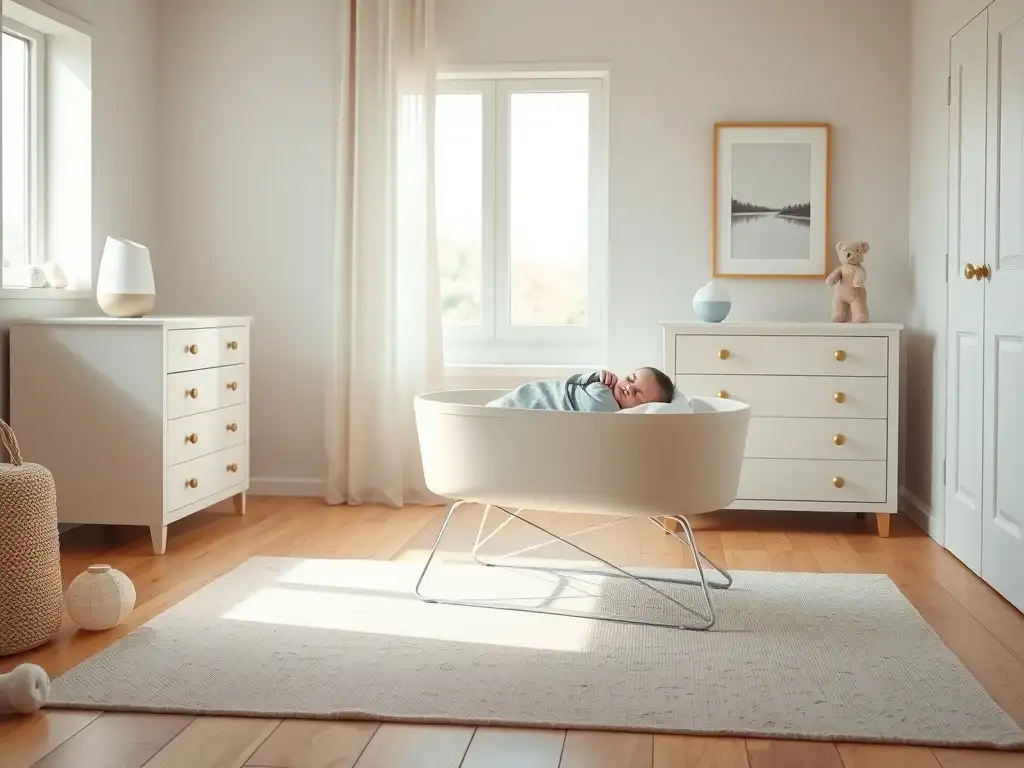
Creating a safe sleep environment for your baby is paramount. This involves more than just a crib; it's about establishing consistent, predictable routines that promote healthy sleep patterns and minimize risks. This section offers a practical, step-by-step approach to building those crucial habits. A well-structured routine contributes significantly to a safe baby sleep environment guide, helping you navigate the challenges of newborn sleep.
Creating a Consistent Bedtime Routine for Your Baby: A Step-by-Step Guide
A consistent bedtime routine is the cornerstone of safe and sound sleep. It signals to your baby that it's time to wind down, reducing stress and promoting relaxation. Here's a sample routine you can adapt to your baby's needs:
- Bath Time (Optional): A warm bath can be soothing and relaxing, helping your baby transition to sleep.
- Massage: Gentle massage can calm your baby and promote bonding.
- Pajamas and Diaper Change: Dress your baby in comfortable, breathable pajamas and ensure a fresh diaper.
- Quiet Time: Dim the lights, and engage in quiet activities like reading a book or singing lullabies. Avoid stimulating activities.
- Feeding: Feed your baby before placing them in the crib.
- Bedtime Story (Optional): A short, calming story can be a lovely addition to the routine.
- Place Baby in Crib: Place your baby in their crib while they are drowsy but still awake. This helps them learn to self-soothe.
Remember, consistency is key. Try to stick to the same routine each night, even on weekends, to establish a predictable sleep-wake cycle. This predictability is crucial for a safe baby sleep environment guide. Experiment to find what works best for your baby and your family. The routine should be short and sweet, avoiding overwhelming your little one.
Recognizing and Responding to Baby's Sleep Cues: Understanding Your Baby's Sleep Signals
Learning to recognize your baby's sleep cues is crucial for establishing healthy sleep habits. These cues can vary from baby to baby, but some common signs include:
- Rubbing eyes: This is a clear sign of tiredness.
- Yawning: Another obvious indicator of sleepiness.
- Fussiness or irritability: A tired baby might become more fussy and irritable.
- Pulling at ears: This could indicate tiredness or discomfort.
- Looking away: If your baby is losing interest in their surroundings and looking away, they may be ready for sleep.
Responding promptly to these cues prevents overtiredness, which can lead to difficulty falling asleep and disrupted sleep. By understanding and responding to your baby's signals, you are actively contributing to a safe baby sleep environment guide by fostering healthy sleep patterns. Remember, each baby is unique; observe your baby's individual cues carefully.
Avoiding Common Sleep Mistakes: A Guide to Safe Sleep Practices
Many well-intentioned actions can inadvertently compromise your baby's safe sleep. Here are some common mistakes to avoid:
| Mistake | Explanation | Safe Alternative |
|---|---|---|
| Placing baby on their stomach | Increases the risk of Sudden Infant Death Syndrome (SIDS). | Always place baby on their back to sleep. |
| Using soft bedding | Soft bedding, like loose blankets, pillows, or bumpers, poses a suffocation risk. | Use a firm mattress with a fitted sheet. Avoid loose blankets or pillows. |
| Overheating | Overheating can increase the risk of SIDS. | Dress your baby in lightweight pajamas appropriate for the room temperature. |
| Sharing a bed | Co-sleeping increases the risk of accidental suffocation, especially for parents who smoke or drink alcohol. | Create a separate, safe sleep space for your baby. |
| Using sleep positioners | These devices can restrict your baby's breathing. | Avoid using sleep positioners. |
By avoiding these common mistakes, you significantly reduce the risks associated with unsafe sleep practices. Following a safe baby sleep environment guide diligently minimizes potential hazards and ensures your baby's safety and well-being. Remember, a safe sleep environment is a crucial aspect of responsible newborn care. 😴
Monitoring Your Baby's Sleep: Recognizing Potential Issues
Becoming a parent is a joyous occasion, but it also brings a significant responsibility: ensuring your baby's safety and well-being, especially during sleep. A safe sleep environment is paramount, but vigilant monitoring is equally crucial. This section focuses on recognizing potential sleep-related issues in your baby. Understanding these signs can help you provide timely intervention and ensure your little one's healthy development. This guide aims to empower you with the knowledge needed to create a truly safe baby sleep environment.
Monitoring Baby's Breathing: Recognizing Signs of Difficulty
Observing your baby's breathing pattern is a vital aspect of safe sleep monitoring. While newborns have irregular breathing patterns, certain signs indicate potential difficulties requiring immediate attention. Normal breathing should be relatively smooth and rhythmic, with a rate typically ranging from 30 to 60 breaths per minute. However, this can vary.
Here's what to watch for:
- Unusual pauses in breathing (apnea): Short pauses lasting a few seconds are sometimes normal, but prolonged pauses or periods of apnea (cessation of breathing) require immediate medical attention. These pauses can be subtle and easily missed, emphasizing the importance of careful observation.
- Rapid breathing (tachypnea): A persistently high breathing rate (over 60 breaths per minute) could indicate a respiratory infection or other underlying issue. Accompanying symptoms like nasal flaring, grunting, or retractions (sunken areas around the ribs or collarbone) demand immediate medical assessment.
- Abnormal color changes: A bluish tint (cyanosis) around the lips or fingernails signals a lack of oxygen and constitutes a medical emergency. Similarly, paleness or extreme flushing can also indicate problems.
- Gasping or labored breathing: If your baby appears to be struggling to breathe, exhibiting gasping breaths or labored breathing with visible effort, seek immediate medical attention.
Remember, it's always better to err on the side of caution. If you have any concerns about your baby's breathing, contact your pediatrician or seek emergency medical help immediately. Early intervention is key to preventing serious complications.
When to Seek Medical Attention: Recognizing Potential Dangers
While regular monitoring is essential, knowing when to seek immediate medical attention is crucial for your baby's safety. This section outlines scenarios demanding prompt medical intervention. Early intervention can significantly impact the outcome in potentially life-threatening situations.
Here are some critical situations that warrant immediate medical attention:
| Sign | Description | Action |
|---|---|---|
| Unresponsiveness | Baby is limp, unresponsive to stimuli, and not breathing or crying. | Call emergency services immediately. |
| Prolonged apnea (cessation of breathing) | Pauses in breathing lasting longer than 15-20 seconds, especially if accompanied by bluish discoloration (cyanosis). | Call emergency services immediately. |
| Difficulty breathing (severe) | Labored breathing, grunting, nasal flaring, retractions (sunken areas around ribs or collarbone), and rapid breathing. | Seek immediate medical attention. |
| Fever (high) | Rectal temperature above 100.4°F (38°C) in babies younger than 3 months old; higher temperatures in older infants. | Contact your pediatrician immediately. |
| Lethargy or unusual sleepiness | Excessive sleepiness, difficulty waking, and decreased responsiveness. | Seek medical advice promptly. |
| Vomiting or diarrhea (severe) | Persistent vomiting or diarrhea leading to dehydration (dry mouth, sunken eyes, fewer wet diapers). | Seek medical advice promptly. |
Remember, this guide is for informational purposes only and does not substitute professional medical advice. Always consult with your pediatrician or healthcare provider for any concerns regarding your baby's health and well-being. Creating a safe sleep environment, combined with attentive monitoring and prompt medical attention when needed, is the best way to ensure your baby sleeps soundly and safely. 😴
Maintaining a Safe Sleep Environment Over Time: Adapting as Your Baby Grows
Creating a safe sleep environment isn't a one-time task; it's an ongoing process that evolves as your baby grows and develops. What's safe for a newborn isn't necessarily safe for a mobile toddler. This section focuses on maintaining a secure sleep space as your little one progresses through different developmental stages, ensuring they always have a safe haven for rest. This guide will help you adapt your safe baby sleep environment to meet their changing needs. Remember, consistency in safe sleep practices is key to minimizing risks.
Transitioning to a Toddler Bed: Safety Tips and Considerations
The transition from crib to toddler bed is a significant milestone, and safety should remain a top priority. This transition typically happens between 18 months and 3 years old, though this can vary depending on the child. Before making the switch, consider these crucial safety aspects:
- Bed Placement: Place the toddler bed away from windows, curtains, blinds, and any potential hazards like furniture with sharp corners. Ensure it's sturdy and unlikely to tip over. A low bed is ideal to minimize the risk of falls.
- Mattress Firmness: A firm mattress is crucial, even in a toddler bed. Avoid soft mattresses or those with excessive cushioning, which increases the risk of suffocation.
- Bedding: Keep bedding simple. A fitted sheet is sufficient; avoid loose blankets, pillows, bumpers, or stuffed animals, which pose a suffocation hazard. Consider a sleep sack for warmth.
- Surrounding Environment: Continue to maintain a smoke-free environment, and be mindful of potential choking hazards in the room. Install window guards if necessary, especially on upper floors.
- Monitoring: Increased supervision is essential during the initial period after the transition. Regularly check on your child, especially during nighttime awakenings.
Many parents find this transition challenging. Some toddlers might initially resist the change, and others might try to climb out of bed. Patience, consistency, and a gradual approach are essential. You might consider a short period of co-sleeping to help with the transition, but always follow safe sleep guidelines, even during co-sleeping. Remember, a safe baby sleep environment guide should always be followed, even after the transition to a toddler bed.
Maintaining Safe Sleep Practices as Your Child Develops
As your child grows beyond toddlerhood, the focus shifts to adapting the sleep environment to their increasing independence and mobility. While the core principles of safe sleep remain consistent, you need to address new potential hazards. This includes:
- Room Temperature: Maintaining a comfortable room temperature is crucial, especially during different seasons. Avoid overheating, as it increases the risk of SIDS.
- Access to Toys and Objects: As children develop, they may want to sleep with toys or other objects. Carefully assess the safety of these items. Remove anything small enough to be a choking hazard.
- Addressing Night Terrors and Sleepwalking: Night terrors and sleepwalking are common occurrences in young children. While these are generally harmless, it's important to childproof the bedroom to minimize the risk of injury. Install nightlights for better visibility and add soft padding to sharp corners.
- Developing Independent Sleep Habits: Encourage independent sleep habits from a young age. This includes teaching your child to self-soothe and to get back to sleep without needing constant parental intervention. This will also contribute to a safer sleep environment.
- Educating Older Children: As children get older (around 5-7 years old), educate them about sleep safety. Teach them the importance of staying in their beds, not playing with objects in bed, and alerting you if they need assistance.
The journey of creating a safe sleep haven for your child is a continuous one. Adapting to their developmental stages, understanding their needs, and implementing appropriate safety measures are crucial for ensuring their healthy and restful sleep. Consistent vigilance and proactive safety measures are the cornerstones of a safe baby sleep environment. Remember, this guide is a tool to help you create a safe and secure sleep environment for your child—always prioritize their safety and well-being.
Frequently Asked Questions
What is the safest sleeping position for my baby?
Always place your baby on their back to sleep. This significantly reduces the risk of Sudden Infant Death Syndrome (SIDS). Avoid placing them on their side or stomach.
What should I avoid placing in my baby's crib?
Keep the crib completely bare. Avoid loose bedding, pillows, blankets, bumpers, toys, or any other objects that could pose a suffocation hazard.
How can I create a safe sleep environment for my baby?
Ensure the room is well-ventilated but not too cold or too hot. A firm mattress that fits snugly in the crib is essential. The ideal sleep surface is a flat, firm mattress.
When should I transition my baby to a crib?
Most babies transition to a crib around 4 months of age, or when they can roll over consistently. Always follow your pediatrician's advice.
What are some signs that my baby might not be sleeping safely?
If you notice your baby struggling to breathe, turning blue, or making unusual noises during sleep, seek immediate medical attention. This could indicate a serious problem.
Final Reflection: Weaving a Tapestry of Safety and Sleep
The quest for a safe sleep environment for our newborns is not merely a checklist; it's a fundamental act of love, a commitment to nurturing the precious life entrusted to our care. The information presented in this guide underscores the critical role parents play in mitigating risks and creating a haven of tranquility where their babies can thrive. This isn't just about following guidelines; it's about building a foundation of safety that will support healthy development and peaceful nights for the entire family.
The impact of safe sleep practices extends far beyond the crib, influencing the overall well-being of both parent and child. The anxieties surrounding infant sleep are real and pervasive, and creating a safe space helps alleviate these fears. Sleep is the golden chain that binds health and our bodies together.
– Thomas Dekker. This quote, while not directly about infant sleep, speaks to the vital connection between rest and overall well-being, a connection that is profoundly amplified in the delicate first months of a baby's life. The knowledge and confidence gained from understanding safe sleep practices empower parents to navigate this crucial period with greater peace of mind.
Now, as you embark on this journey of parenthood, remember the power you hold in shaping your baby's sleep environment. Take a moment to reflect on the information presented, and consider how you can personalize these guidelines to create a space that feels both safe and comforting for your little one. Don't hesitate to seek further support from healthcare professionals and trusted resources. Your commitment to creating a safe sleep haven is an investment in a brighter, healthier future for your child, and a testament to the unwavering love you share.
Unveil Your Baby's Peaceful Slumber: Take Action Now!
Thank you for learning about creating a safe and soothing sleep environment for your little one. We hope this guide has equipped you with the knowledge to build a haven of tranquility for your baby. Now it's time to put that knowledge into practice!
- Prioritize creating a safe sleep space tonight: Check your crib for any potential hazards and implement the sleep recommendations you've just learned. This is the most important first step towards a better night's sleep for both you and your baby.
- Share your new knowledge! Connecting with other new parents and discussing your experiences can provide valuable insights and support.
- Explore BabyCareHub's resources: Discover more expert advice and helpful tips on our website to support your baby’s sleep journey and overall well-being.
Ready to transform your baby's sleep routine and experience the magic of peaceful nights?