
What's Inside Baby Vaccinations? A Guide to Common Ingredients

Welcome to BabyCareHub, your ultimate guide to navigating the incredible journey of parenthood! Feeling overwhelmed by the sheer volume of information surrounding your newborn? We understand. That's why we've created this comprehensive resource to support you every step of the way. Today, we're tackling a crucial topic in baby health: Baby vaccine ingredients explained. Curious about what's actually in those vital vaccinations? Dive in and discover the science behind protecting your little one's future.
- Understanding Baby Vaccine Components: A Parent's Guide
- Baby Vaccine Ingredients Explained: Addressing Common Concerns
- Specific Vaccine Components: A Detailed Look
- Where to Find More Information on Baby Vaccine Ingredients
- Frequently Asked Questions
- Final Reflection: Understanding the Science Behind Infant Immunizations
- Unveil Your Vaccine Knowledge: Take Charge of Your Baby's Health
Understanding Baby Vaccine Components: A Parent's Guide
Navigating the world of baby vaccinations can be daunting for first-time parents. The sheer volume of information, coupled with natural anxieties about your child's health, makes understanding vaccine ingredients a top priority. This comprehensive guide aims to demystify the contents of common baby vaccines, providing a clear and concise explanation of their components and their roles in ensuring your baby's safety and well-being. We'll explore the various ingredients found in vaccines, clarifying their purpose and addressing common parental concerns about "what's inside."
This guide is designed to empower you with knowledge, enabling you to make informed decisions about your child's healthcare journey. Remember, this information is for educational purposes and should not replace consultation with your pediatrician. Always discuss any concerns or questions you have with your child's doctor.
Deciphering the Vaccine Ingredient List: What to Expect
Many parents feel overwhelmed when confronted with a long list of ingredients on a vaccine vial. It's crucial to understand that these ingredients are carefully selected and rigorously tested to ensure both the safety and efficacy of the vaccine. The list might seem complex, but each component plays a specific role in protecting your baby from preventable diseases. For example, you'll often find ingredients categorized as preservatives, stabilizers, adjuvants, and antibiotics.
These aren't arbitrary additions; they're essential components that contribute to the vaccine's overall effectiveness and longevity. Let's break down these categories and examine some common ingredients in more detail. Understanding these components can alleviate anxiety and foster confidence in the vaccination process. The goal is not to memorize every single ingredient but to grasp the overall purpose and function of each category.
Common Vaccine Ingredients and Their Purposes
Vaccines are complex biological products, and their composition varies depending on the specific disease they protect against. However, several common ingredients appear across various vaccines, each serving a crucial function. Below, we'll delve into these common categories and highlight their roles. Remember, the specific ingredients and their concentrations can differ slightly between vaccine manufacturers and formulations.
Preservatives in Vaccines: Ensuring Safety and Efficacy
Preservatives are added to multi-dose vials of vaccines to prevent bacterial and fungal contamination. Common preservatives include thimerosal (a mercury-containing compound, though its use has significantly decreased in recent years) and phenol . These preservatives help maintain the vaccine's sterility and extend its shelf life, ensuring that each dose is safe and effective. The amounts used are carefully controlled and are considered safe for infants.
Stabilizers: Maintaining Vaccine Potency
Stabilizers help maintain the vaccine's potency and prevent degradation over time. These ingredients can include things like albumin (a protein derived from human blood or egg) and sodium chloride (common table salt). Their role is to protect the active components of the vaccine, ensuring that it remains effective throughout its shelf life.
Adjuvants: Boosting Immune Response
Adjuvants are substances that enhance the immune response to the vaccine. They help to stimulate a stronger and more lasting immune response, leading to better protection against the target disease. Common adjuvants include aluminum salts (like aluminum hydroxide or aluminum phosphate). These are not new; aluminum salts have been safely used in vaccines for decades.
Antibiotics: Preventing Contamination
Antibiotics are sometimes added to vaccines during the manufacturing process to prevent bacterial contamination. These are typically present in very small amounts and are eliminated from the final product. Common examples include neomycin and polymyxin B . Their inclusion helps maintain the sterility of the vaccine throughout the manufacturing and storage process.
Other Components and Their Roles
Beyond preservatives, stabilizers, adjuvants, and antibiotics, vaccines may contain other components, such as residuals from the manufacturing process or ingredients used to help the vaccine components remain stable . These are typically present in trace amounts and are carefully monitored to ensure they pose no risk to the infant. The specific ingredients and their roles are often detailed in the vaccine package insert, which your pediatrician can provide. Understanding these various components helps to appreciate the complexity and safety measures involved in vaccine production. The goal is to provide a safe and effective means of protecting your child from potentially dangerous diseases.
Baby Vaccine Ingredients Explained: Addressing Common Concerns
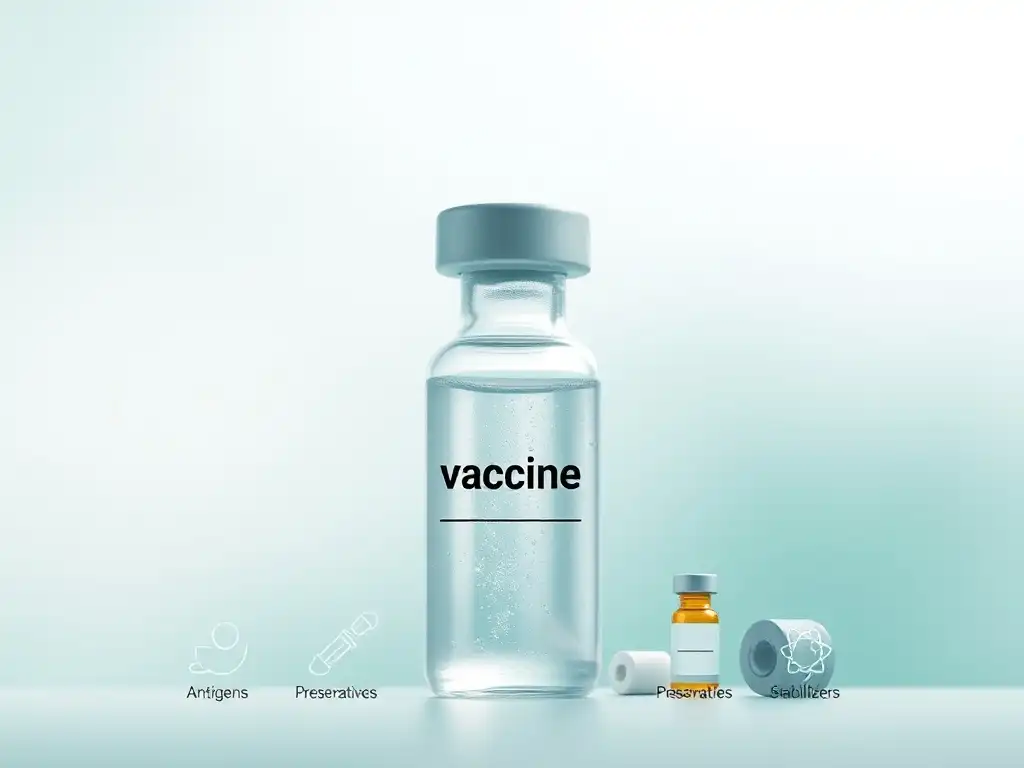
Understanding what's in your baby's vaccines is a natural concern for parents. This section aims to demystify the ingredients, addressing common anxieties and providing accurate information to help you make informed decisions. Many parents search for "baby vaccine ingredients explained" and this section directly answers those queries. We'll explore the components, their purposes, and the rigorous safety testing they undergo.
Addressing Myths and Misconceptions about Vaccine Ingredients
Many misconceptions surround vaccine ingredients, fueled by misinformation. Let's tackle some of the most prevalent myths:
- Myth 1: Vaccines contain harmful toxins like mercury or formaldehyde.: While some vaccines historically contained thimerosal (a mercury-based preservative), it's been largely removed from childhood vaccines in many countries. Trace amounts of formaldehyde can occur naturally in the body and are also sometimes used in the vaccine manufacturing process, but at levels far below those considered harmful. The amounts are carefully controlled and pose no significant risk to infants.
- Myth 2: Vaccines cause autism.: Numerous large-scale studies have consistently shown no link between vaccines and autism. This myth has been thoroughly debunked by leading medical organizations worldwide. The original study that sparked this fear was retracted due to fraudulent data.
- Myth 3: Vaccines overload a baby's immune system.: A baby's immune system is far more robust than often perceived and can handle multiple vaccines simultaneously. The components in vaccines are designed to trigger a targeted immune response, not to overwhelm the system. In fact, getting vaccinated at the recommended schedule is far safer than risking exposure to the diseases themselves.
The reality is that vaccine ingredients are meticulously chosen and rigorously tested for safety and efficacy. They are designed to protect your baby from serious, potentially life-threatening diseases.
Safety Testing and Regulation of Vaccine Components
The development and approval of vaccines is a rigorous process. Before a vaccine is licensed, it undergoes extensive testing to ensure its safety and effectiveness. This includes:
- Pre-clinical testing: This involves laboratory and animal studies to evaluate the vaccine's safety and potential effectiveness.
- Clinical trials: These involve human participants and are conducted in phases to assess safety, dosage, and effectiveness. These trials involve thousands of participants, and data is carefully analyzed.
- Regulatory review: Once clinical trials are completed, the data is reviewed by regulatory agencies like the FDA (in the U.S.) or similar bodies in other countries. These agencies rigorously scrutinize the data before approving a vaccine for use.
- Post-market surveillance: Even after a vaccine is licensed, it continues to be monitored for any adverse effects. This ongoing surveillance helps to ensure its long-term safety.
This multi-layered approach ensures that only safe and effective vaccines are available to the public. The benefits of vaccination far outweigh the extremely low risks associated with vaccine components.
The Importance of Vaccines in Protecting Your Baby's Health
Vaccines are one of the most effective tools we have to protect children from preventable diseases. These diseases, while largely eradicated or controlled in many developed nations, can still cause serious illness, disability, or even death. The diseases prevented by routine childhood vaccinations include:
| Disease | Potential Complications |
|---|---|
| Measles | Pneumonia, encephalitis, death |
| Mumps | Meningitis, deafness, pancreatitis |
| Rubella | Birth defects (congenital rubella syndrome) |
| Polio | Paralysis, death |
| Whooping Cough | Pneumonia, seizures, brain damage, death |
| Haemophilus influenzae type b (Hib) | Meningitis, pneumonia, sepsis, epiglottitis |
By vaccinating your baby, you are not only protecting them but also contributing to herd immunity, protecting vulnerable individuals who cannot be vaccinated. This collective protection is crucial in maintaining public health and preventing outbreaks of these preventable diseases. Remember to consult your pediatrician for a personalized vaccination schedule tailored to your baby's needs. They can address any specific concerns you may have and provide the best guidance for your child's health and well-being. 👶
Specific Vaccine Components: A Detailed Look
This section delves into the specific components of commonly administered baby vaccines, providing a detailed breakdown of their ingredients and established safety profiles. Understanding these ingredients can alleviate parental concerns and promote informed decision-making regarding infant immunization. Remember, this information is for educational purposes and should not replace consultation with a healthcare professional. Always discuss any concerns about vaccinations with your pediatrician or family doctor.
DTaP Vaccine: Ingredient Breakdown and Safety Profile
The DTaP vaccine protects against three serious diseases: diphtheria, tetanus, and pertussis (whooping cough). It's a crucial part of a baby's immunization schedule, typically administered in a series of shots. Let's examine its key components:
Diphtheria Toxoid and its function
The diphtheria toxoid is a key component of the DTaP vaccine. It's not the actual diphtheria bacteria, but rather a weakened or inactivated form of the toxin produced by the bacteria. This toxoid triggers an immune response in the body, teaching the immune system to recognize and fight off the diphtheria toxin without causing the disease itself. The body produces antibodies that neutralize the diphtheria toxin, preventing severe illness. This process is crucial because diphtheria, if left untreated, can be fatal. The amount of toxoid in the vaccine is carefully controlled to ensure safety and efficacy.
Tetanus Toxoid and its function
Similar to the diphtheria toxoid, the tetanus toxoid in the DTaP vaccine is an inactivated form of the tetanus toxin. Tetanus, also known as lockjaw, is a severe bacterial infection that affects the nervous system, causing muscle spasms and potentially fatal complications. The tetanus toxoid stimulates the production of antibodies that neutralize the tetanus toxin, offering robust protection against this life-threatening disease.
The precise concentration of tetanus toxoid is meticulously regulated to guarantee a safe and effective immune response. The process is similar to that of the diphtheria toxoid, ensuring the body learns to defend itself without experiencing the disease.
Hib Vaccine: Ingredient Breakdown and Safety Profile
The Hib vaccine protects against Haemophilus influenzae type b (Hib), a bacterium that can cause severe illnesses, including meningitis, pneumonia, and epiglottitis, particularly in young children. This vaccine is typically administered in multiple doses during infancy. The key components are:
Haemophilus influenzae type b (Hib) polysaccharide and its function
This component is a purified form of the polysaccharide capsule found on the surface of the Hib bacteria. This capsule is essential for the bacteria's ability to cause disease. The polysaccharide in the vaccine acts as an antigen, triggering the immune system to produce antibodies against the Hib bacteria. However, in infants, the polysaccharide alone may not be sufficiently immunogenic, leading to the need for a protein conjugate (explained below).
Protein conjugate and its function
To enhance the effectiveness of the Hib polysaccharide in young infants, it's conjugated (attached) to a protein carrier. This protein conjugate improves the immune response by making the polysaccharide more recognizable to the infant's immature immune system. The protein carrier, often diphtheria toxoid or other proteins, acts as a "helper," boosting the immune response and ensuring the vaccine provides strong protection against Hib disease.
This conjugation technique is vital for the vaccine's efficacy in infants, who have not yet fully developed immune systems. The choice of protein conjugate and its precise incorporation into the vaccine are critical factors in ensuring both safety and efficacy.
Where to Find More Information on Baby Vaccine Ingredients
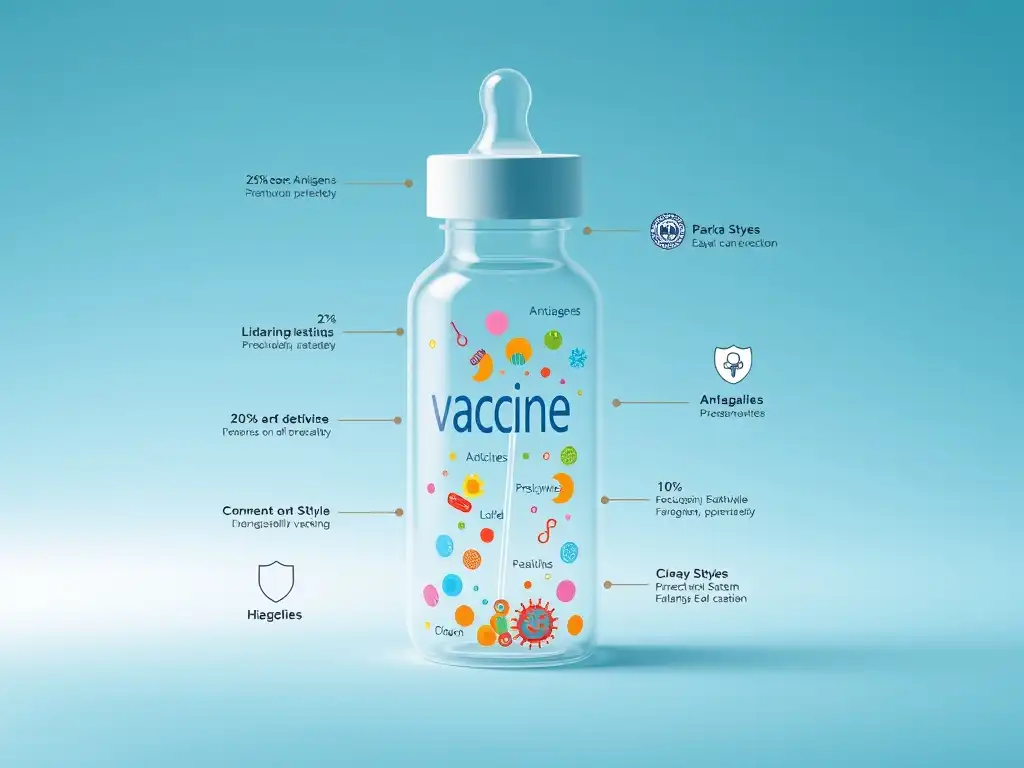
Understanding the components of baby vaccines can alleviate parental anxieties. Many parents want to know exactly what's going into their child's body, and that's perfectly understandable. This section provides guidance on where to find accurate and reliable information to address your questions about baby vaccine ingredients explained. Remember, the information presented here is for educational purposes and should not replace consultation with a healthcare professional.
Reliable Resources for Vaccine Information: Websites and Organizations
Navigating the vast ocean of online information can be daunting. However, several reputable organizations offer comprehensive and reliable information on vaccine composition. These resources often provide detailed ingredient lists, explain the purpose of each component, and address common misconceptions. Look for organizations with a history of providing accurate medical information, often backed by scientific research and peer-reviewed publications.
For example, you can find detailed information on vaccine components from governmental health agencies. These agencies often publish vaccine information statements (VIS) that provide a summary of the vaccine's benefits and risks, including a list of its ingredients. These VIS documents are typically available in multiple languages and formats for easy access. Furthermore, many reputable children's hospitals and medical research institutions maintain websites with dedicated sections on vaccines. These sites typically feature articles written by medical professionals and often include FAQs to address common parental inquiries.
It's crucial to discern reliable sources from unreliable ones. Be wary of websites or individuals promoting unsubstantiated claims or misinformation about vaccine ingredients. Always prioritize information from trusted sources backed by scientific evidence. Look for sources that cite their references and offer transparent information about their funding and affiliations. Remember, accurate and up-to-date information is paramount when making decisions about your child's health.
Talking to Your Pediatrician: Addressing Your Specific Concerns
While online resources offer valuable information, nothing replaces a personalized conversation with your pediatrician. They are the best source of advice tailored to your child's specific needs and health history. Discussing your concerns about baby vaccine ingredients explained directly with your pediatrician allows for a nuanced understanding of the potential benefits and risks associated with vaccination.
Your pediatrician can address your specific questions and concerns in a way that is easy to understand, considering your child's individual health profile. They can explain the rationale behind the inclusion of specific ingredients and allay any fears you may have. Don't hesitate to ask about the potential side effects, the effectiveness of the vaccine, and any alternatives available (if any). A productive conversation should leave you feeling informed, confident, and prepared to make the best decision for your child's health.
Remember to bring a list of your questions to your appointment to ensure you cover all your concerns. This proactive approach will guarantee a more productive and less stressful discussion. Building a strong relationship with your pediatrician is crucial for your child's well-being, and open communication is a cornerstone of that relationship. A well-informed parent is a better advocate for their child.
Frequently Asked Questions
What are the main ingredients in baby vaccines?
Baby vaccines typically contain antigens, which trigger an immune response, and preservatives to maintain their effectiveness. They may also include stabilizers and other minor components to ensure safety and efficacy.
Are there any harmful chemicals in baby vaccines?
While some ingredients might sound unfamiliar, they are present in extremely small amounts and are thoroughly tested for safety. The benefits of vaccination far outweigh any potential risks associated with these ingredients.
Why are preservatives used in vaccines?
Preservatives like thimerosal (though increasingly rare in many vaccines) help prevent contamination and ensure the vaccine remains potent until used. They are used in multi-dose vials to prevent bacterial growth.
My baby is allergic to eggs. Can they still get vaccinated?
Some vaccines are produced using eggs, but many are egg-free. Discuss your child's allergies with your pediatrician to determine which vaccines are safe and appropriate for your baby.
Are vaccine ingredients the same across all vaccines?
No, the specific ingredients vary depending on the vaccine and the disease it protects against. Each vaccine is formulated to target a specific pathogen effectively and safely.
Final Reflection: Understanding the Science Behind Infant Immunizations
The safety and efficacy of baby vaccinations remain a crucial conversation in modern healthcare, impacting the well-being of countless children and shaping public health strategies worldwide. The intricate composition of these life-saving inoculations, often misunderstood, deserves careful consideration and transparent explanation. Understanding what's actually in these vaccines is key to informed decision-making for parents and guardians.
The ongoing debate surrounding vaccine ingredients underscores the importance of accessible, accurate information. The fear and misinformation surrounding vaccines have far-reaching consequences, impacting vaccination rates and consequently, community immunity. This lack of understanding can lead to preventable outbreaks of diseases once thought eradicated. The best way to predict the future is to create it.
– Abraham Lincoln. This quote resonates deeply because by actively seeking knowledge and understanding about vaccine ingredients, we actively participate in creating a healthier future for our children and communities.
Now, it's your turn. Take a moment to reflect on what you've learned. Consider how this information can empower you to engage in more informed conversations about childhood vaccinations. Don't hesitate to share this knowledge with others, fostering a culture of understanding and trust in the science behind these vital preventative measures. Let's work together to ensure every child has access to the protection they deserve.
Unveil Your Vaccine Knowledge: Take Charge of Your Baby's Health
Thank you for learning more about the ingredients in baby vaccinations! We hope this guide has provided clarity and empowered you to make informed decisions for your child. Now, let's move forward with confidence.
- Talk to your pediatrician: Scheduling an appointment to discuss your concerns and create a personalized vaccination plan is crucial for your baby's health and well-being.
- Share this information with other expectant parents: Forwarding this article to friends and family expecting babies is a wonderful way to help others navigate this important topic.
- Explore additional resources: The BabyCareHub website offers many articles on child health and wellness; you might find answers to questions you didn't even know you had!
What other questions do you have about baby vaccinations? Let's discuss them as a community.