
Baby Monitors and Safe Sleep: Choosing the Right Technology

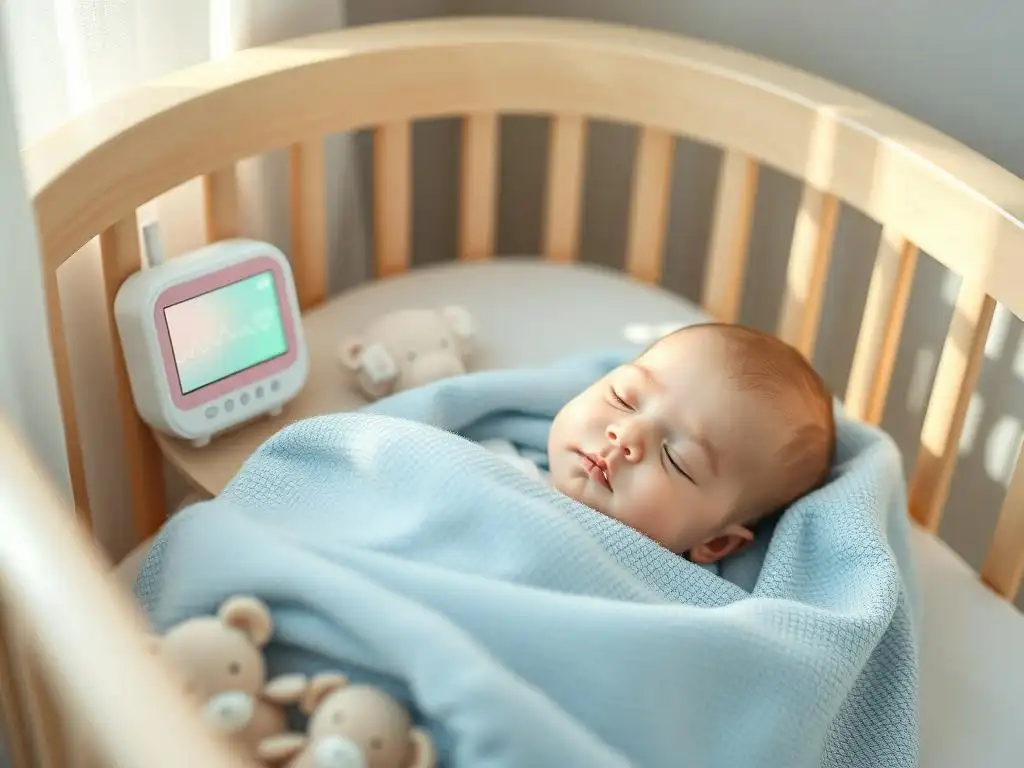
Welcome to BabyCareHub, your ultimate guide to navigating the incredible journey of parenthood! Are you ready to unlock the secrets to peaceful nights and confident parenting? Then you've come to the right place. We delve into the crucial topic of safe sleep, and in this article, we explore the best baby monitor safe sleep options to ensure your little one's safety and well-being. Discover how choosing the right technology can make all the difference – let's embark on this exciting adventure together!
- Understanding the Importance of Safe Sleep and Baby Monitors
- Types of Baby Monitors for Safe Sleep
- Essential Features for a Safe Sleep Baby Monitor
- Best Baby Monitor Safe Sleep: Top Picks and Reviews
- Setting Up Your Baby Monitor for Optimal Safe Sleep
- Maintaining a Safe Sleep Environment Beyond the Monitor
-
Frequently Asked Questions
- What is the most important factor to consider when choosing a baby monitor for safe sleep?
- Are video baby monitors safer than audio-only monitors?
- How can a baby monitor improve safe sleep practices?
- What safety features should I look for in a baby monitor designed for safe sleep?
- Are there any baby monitors specifically designed to promote safe sleep?
- Final Reflection: Nurturing Safe Sleep: A Technological Embrace
- Unlock Your Peace of Mind: Next Steps for Safe & Smart Sleep
Understanding the Importance of Safe Sleep and Baby Monitors
Safe sleep is paramount for infant health and development. The first few months of a baby's life are crucial for establishing healthy sleep patterns and minimizing the risk of Sudden Infant Death Syndrome (SIDS).
Creating a safe sleep environment is a top priority for every new parent, and technology, such as baby monitors, can play a significant role in achieving this goal. This article will guide first-time parents through the process of selecting a baby monitor that not only enhances parental peace of mind but also contributes to a safe sleep environment for their little one.
We'll explore the best practices for safe sleep, the role of baby monitors in monitoring your baby, and the key features to look for when choosing the right monitor to best support safe sleep practices. Choosing the "best baby monitor safe sleep" option requires careful consideration of several factors, which we'll detail below, to ensure both baby safety and parental reassurance.
Safe Sleep Practices for Infants: Reducing SIDS Risk
Safe sleep practices significantly reduce the risk of SIDS. The American Academy of Pediatrics (AAP) recommends placing your baby on their back to sleep on a firm, flat surface, such as a crib or bassinet, free from loose bedding, pillows, bumpers, and toys. The sleep surface should also be free of any gaps or spaces where the baby could get trapped. Room sharing (but not bed sharing) is advised for at least the first six months, ideally up to a year.
Here's a breakdown of key safe sleep recommendations:
- Back to Sleep: Always place your baby on their back to sleep.
- Firm Sleep Surface: Avoid soft surfaces like adult beds, couches, or waterbeds.
- Bare Sleep Surface: Keep the crib or bassinet free from loose bedding, blankets, pillows, bumpers, and toys.
- Room Sharing (Not Bed Sharing): Keep your baby in your room, but in their own crib or bassinet.
- Pacifier Use: Offer a pacifier at bedtime and naptime after breastfeeding is well established.
- Avoid Overheating: Dress your baby in light clothing appropriate for the room temperature.
- Breastfeeding: Breastfeeding is associated with a reduced risk of SIDS.
- Up-to-date Immunizations: Ensure your baby receives all recommended vaccinations.
Following these guidelines significantly contributes to a safer sleep environment and reduces the risk of SIDS. Remember, consistency is key!
The Role of Baby Monitors in Safe Sleep Environments
Baby monitors provide valuable tools for monitoring your baby's sleep and well-being, contributing to a sense of security and allowing for timely intervention if needed. Different types of monitors offer varying levels of functionality:
- Audio Monitors: These are the most basic type, transmitting sound from the baby's room to a parent unit. While they don't provide visual monitoring, they can alert parents to sounds like crying or unusual noises.
- Video Monitors: These offer both audio and visual monitoring, allowing parents to see and hear their baby. Many video monitors include features like two-way talk, lullabies, and night vision.
- Smart Monitors: These often integrate with smart home systems and offer advanced features like movement detection, temperature monitoring, and even breathing monitoring (although it's crucial to understand that these features are supplemental and not a replacement for safe sleep practices).
While technology offers peace of mind, it's crucial to remember that a baby monitor is a monitoring tool, not a replacement for safe sleep practices. Regular checks on your baby remain essential, regardless of the type of monitor you use. The best baby monitor for safe sleep is one that complements, not replaces, safe sleep practices.
Choosing the Right Monitor: Key Considerations for Safe Sleep
Selecting the right baby monitor involves careful consideration of several factors:
| Feature | Description | Importance for Safe Sleep |
|---|---|---|
| Audio Quality | Clarity of sound transmission. | Crucial for hearing your baby clearly, even from a distance. |
| Video Quality | Resolution and clarity of the video feed. | Helps ensure you can clearly see your baby's position and breathing. |
| Range | Distance between the parent unit and the baby unit. | Ensures reliable monitoring, even if you're in another room. |
| Night Vision | Ability to see your baby clearly in low-light conditions. | Essential for nighttime monitoring. |
| Two-Way Talk | Ability to communicate with your baby remotely. | Can soothe your baby without needing to enter the room. |
| Additional Features | Movement detection, temperature monitoring, breathing monitoring (check accuracy and reliability claims carefully). | Supplemental features that can provide additional reassurance. |
| Security Features | Encryption and other security measures to protect against hacking. | Very important to protect your baby's privacy. |
Remember, the "best" baby monitor is the one that best suits your individual needs and preferences while always prioritizing safe sleep practices. Prioritize features that enhance your ability to monitor your baby's safety and well-being, but never rely on technology as a substitute for consistent, attentive care. 👶
Types of Baby Monitors for Safe Sleep
Choosing the right baby monitor is crucial for ensuring your baby's safe sleep. The market offers a variety of options, each with its own set of advantages and disadvantages. Understanding these differences will help you select the best baby monitor for your needs and contribute to a peaceful, secure sleep environment for your little one. The "best baby monitor safe sleep" isn't a single product, but rather the one that best fits your family's lifestyle and priorities regarding safety and monitoring.
Audio Baby Monitors: Advantages and Limitations
Audio baby monitors are the most basic type, transmitting sound from the baby's room to a parent unit. They are generally affordable and easy to use, making them a popular choice for many parents. Their simplicity, however, also limits their functionality.
Advantages include their low cost and ease of use. They are generally small and portable, allowing for flexibility in placement. Furthermore, their lack of a visual component eliminates concerns about screen time or potential privacy issues related to video streaming. Many models offer features like range extenders for larger homes and multiple-channel options for monitoring several children.
However, audio-only monitors offer limited information. You only hear your baby's sounds; you cannot visually confirm their well-being. This can lead to anxiety, especially for first-time parents. Interference from other electronic devices can also be a problem. Finally, the quality of the sound transmission can vary, making it difficult to distinguish subtle sounds. For instance, a faint whimper might be missed, potentially delaying your response to your baby's needs. Therefore, while they're a good budget-friendly option, audio monitors lack the comprehensive monitoring capabilities of other types.
Video Baby Monitors: Enhanced Monitoring Capabilities
Video baby monitors provide a visual feed of your baby, offering significant advantages over audio-only models. This visual component allows for much more comprehensive monitoring, increasing parental peace of mind. Many models offer features like night vision, pan and tilt functionality, and two-way audio communication, allowing you to soothe your baby remotely.
The enhanced monitoring capabilities are a significant benefit. You can visually check on your baby's breathing, position, and overall well-being, reducing anxiety and allowing for quicker responses to potential problems. High-definition video and zoom functions provide a clearer view, while features like temperature sensors and room humidity monitors provide additional data for optimizing your baby's sleep environment. Some models even offer lullabies or white noise to help your baby fall asleep. The ability to see and hear your baby simultaneously provides a much more reassuring experience.
However, video baby monitors are generally more expensive than audio-only monitors. They also consume more power and require more setup. Concerns about privacy and data security should also be considered, particularly with smart monitors that connect to the internet. The quality of the video feed can be affected by internet connectivity and signal strength, and some parents may find the constant visual monitoring to be overwhelming.
Smart Baby Monitors: Features and Safety Considerations
Smart baby monitors integrate with smartphones and other smart home devices, adding a layer of convenience and functionality. These monitors often offer features like remote viewing, notifications for unusual sounds, and sleep tracking capabilities. They frequently incorporate sophisticated algorithms to detect potential issues, such as unusual breathing patterns or prolonged periods of inactivity.
The integration with smart home ecosystems offers advantages such as remote viewing from anywhere with an internet connection. This is particularly helpful for parents who may be away from home for short periods. Many models offer advanced features like sleep tracking and analysis, which can provide valuable insights into your baby's sleep patterns and routines. These features can help you identify potential sleep problems and adjust your baby's sleep environment accordingly. Some models even integrate with other smart devices, such as smart lights or thermostats, to create a fully automated and optimized sleep environment.
However, these advanced features also introduce potential risks. Concerns about data privacy and security are paramount, as these monitors often collect and transmit sensitive data about your baby. The reliance on internet connectivity can also be a drawback, as outages or weak signals can interrupt monitoring.
Moreover, the complexity of these devices can sometimes lead to technical difficulties and require more troubleshooting. It is crucial to thoroughly research the manufacturer's privacy policy and security measures before purchasing a smart baby monitor, ensuring that your baby's data is protected. The "best baby monitor safe sleep" in this category requires careful consideration of these factors.
Movement and Breathing Monitors: Advanced Technology
Movement and breathing monitors represent a significant advancement in baby monitor technology, offering parents an extra layer of reassurance, particularly for infants at higher risk of Sudden Infant Death Syndrome (SIDS). These monitors don't just passively observe; they actively track the baby's movements and breathing patterns, alerting parents to any concerning changes. This proactive approach offers peace of mind beyond the visual and auditory capabilities of traditional monitors.
Several types of movement and breathing monitors exist, each employing different technologies. Some use a sensor pad placed under the baby's mattress that detects subtle movements. Others utilize a small, wearable sensor that attaches to the baby's clothing or diaper, providing even more precise tracking. The sensor transmits data wirelessly to a parent unit, often displaying real-time information about the baby's breathing rate and movement. Crucially, these monitors are designed to differentiate between normal breathing pauses and potentially dangerous apnea events. This distinction is vital, avoiding unnecessary alarms and allowing parents to focus on their baby's well-being.
The accuracy and reliability of these monitors vary depending on the brand and model. It's crucial to research thoroughly and choose a monitor that has been rigorously tested and proven effective. Look for models that have received positive reviews from independent testing organizations and parenting communities. Remember that while these monitors offer valuable data, they are not a replacement for safe sleep practices.
Always place your baby on their back to sleep on a firm, flat surface, free from loose bedding and toys. These monitors should be considered a supplemental tool to enhance, not replace, established safe sleep guidelines. The technology provides added reassurance, but consistent adherence to safe sleep practices remains paramount.
Furthermore, the use of these monitors should be discussed with your pediatrician. They can offer guidance on whether a movement and breathing monitor is appropriate for your baby's individual needs and risk factors. While generally safe, some parents might experience anxiety related to false alarms or the feeling of constant monitoring, highlighting the importance of a balanced approach, combining technology with consistent and informed safe sleep practices. Understanding the limitations and capabilities of the chosen monitor is crucial for effective and stress-free use. It's not just about the technology; it's about responsible and informed parenthood.
Essential Features for a Safe Sleep Baby Monitor
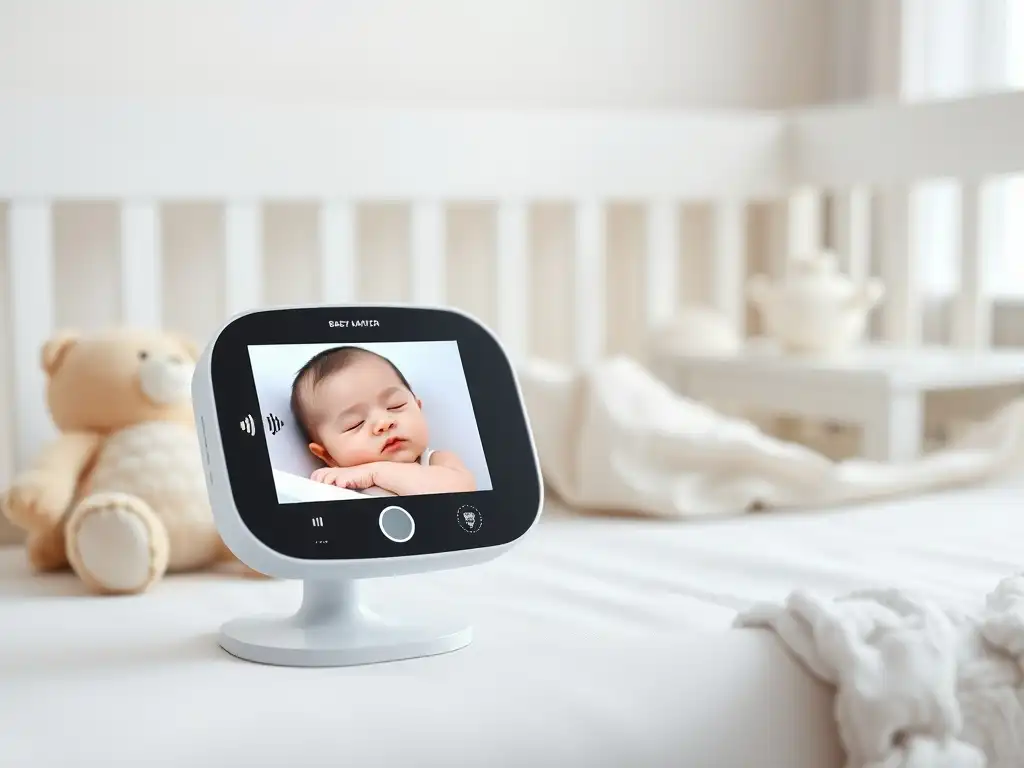
Choosing the right baby monitor is crucial for ensuring your little one's safe sleep. While many monitors on the market boast various features, certain functionalities are paramount for peace of mind and effective monitoring. Focusing on these essential features will help you navigate the selection process and find the best baby monitor safe sleep solution for your family. Prioritizing safety and functionality will ultimately contribute to a more restful and secure environment for both you and your baby.
Clear Audio and Video Quality
Crystal-clear audio and video are non-negotiable when selecting a baby monitor for safe sleep. A monitor with poor audio quality can lead to missed cries or subtle changes in your baby's breathing, potentially delaying your response to a critical situation. Similarly, blurry or pixelated video renders the visual monitoring component ineffective. Look for monitors that boast high-definition (HD) video with features like pan, tilt, and zoom capabilities. These features allow you to get a comprehensive view of your baby's crib, even from a distance.
Consider the following when evaluating audio and video quality:
- Audio Sensitivity: The monitor should be sensitive enough to pick up even the quietest whimpers or sighs. Look for adjustable sensitivity settings to fine-tune the audio to your environment.
- Video Resolution: Opt for monitors with at least 720p (HD) resolution for clear visuals, especially in low-light conditions. 1080p (Full HD) offers even better clarity.
- Two-way Audio: The ability to talk to your baby through the monitor can be incredibly soothing, especially for calming them down without physically entering the room. This is a valuable feature for maintaining safe sleep practices by minimizing disruptions.
- Digital Zoom: This allows for closer inspection of your baby without needing to physically approach the crib.
Night Vision Capabilities
Night vision is an absolute must-have for any best baby monitor safe sleep device. Babies sleep the majority of their time at night, and it's during these dark hours that a clear view is most critical. Infrared night vision is the standard, allowing you to monitor your baby even in complete darkness. However, the quality of night vision varies greatly between models.
When comparing night vision capabilities:
- Infrared LED Illumination: Check the number and placement of infrared LEDs. More LEDs and strategic placement generally lead to better illumination and clearer images in low-light conditions.
- Image Clarity in Darkness: Don't just rely on manufacturer claims; look for independent reviews and videos demonstrating the night vision capabilities in realistically dark environments. The images should be clear enough to distinguish your baby's movements and facial expressions.
- Automatic Night Vision: The monitor should automatically switch to night vision when the room's lighting is low, without requiring manual adjustment. This seamless transition is crucial for uninterrupted monitoring.
Long Range and Reliable Connectivity
Reliable connectivity is paramount; a monitor that frequently disconnects or experiences interference renders it useless in an emergency. The range of your monitor should be sufficient to cover your entire home, allowing you to move freely while still maintaining a connection to your baby. Consider the type of connectivity:
- DECT (Digital Enhanced Cordless Telecommunications): DECT technology offers superior range and less interference compared to Wi-Fi. It's ideal for homes with multiple electronic devices.
- Wi-Fi: While offering longer range potential, Wi-Fi connectivity is susceptible to interference from other wireless devices and can be less reliable than DECT.
- Range Specifications: Pay close attention to the manufacturer's stated range and understand that this is under ideal conditions. Obstacles like walls and furniture will reduce the effective range.
- Connectivity Indicators: A clear indicator on the parent unit should alert you to any connection issues, allowing for prompt troubleshooting. This is crucial for maintaining peace of mind and ensuring you're always aware of the monitor's status.
Choosing a baby monitor that excels in these three key areas—clear audio and video, effective night vision, and reliable connectivity—is crucial for creating a safe sleep environment for your baby. Remember, a best baby monitor safe sleep purchase is an investment in your peace of mind and your baby's well-being.
Durable and Easy-to-Use Design
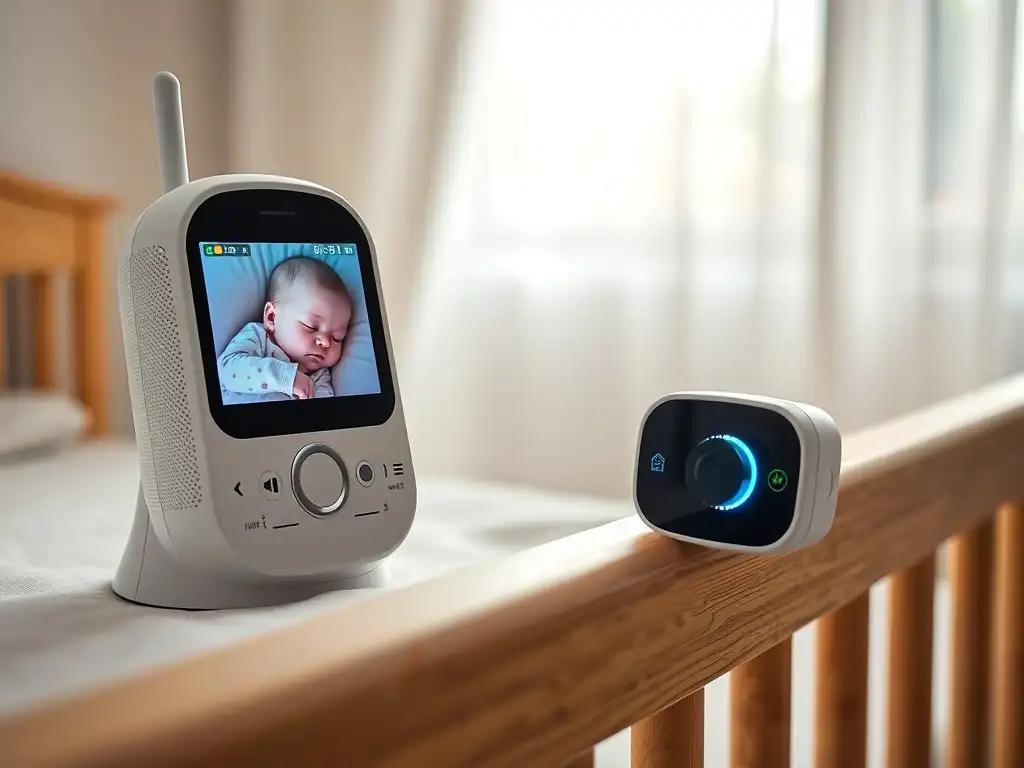
Choosing a baby monitor that's both durable and user-friendly is crucial for peace of mind. A robust design can withstand the inevitable bumps and drops that come with everyday use, ensuring the monitor remains functional for years. Look for monitors constructed from high-quality materials, resistant to scratches and impacts. A sturdy base is particularly important if you plan on placing the monitor on a changing table or other potentially unstable surfaces. Consider the weight and size of the monitor; a lightweight and compact design might be preferable for portability and ease of setup in different rooms.
Beyond physical durability, ease of use is paramount, especially during those sleep-deprived nights. Intuitive controls, clear visual displays, and simple navigation are essential features. The setup process should be straightforward and require minimal technical expertise. A clear, well-illustrated instruction manual is a significant plus. Many parents appreciate features like one-touch controls for volume adjustment, audio/video toggling, and nightlight activation.
Consider user reviews that highlight ease of use as a crucial factor in your decision-making process. A monitor that frustrates you with complicated menus is the last thing you need when your baby is crying. Prioritize simplicity and efficiency in your choice. Furthermore, consider the battery life; a long-lasting battery is invaluable for overnight monitoring, eliminating the need for frequent charging.
Data Security and Privacy Features
In today's digital age, data security and privacy are paramount, particularly when it concerns your child's well-being. When selecting a baby monitor, carefully examine its security features. Look for monitors that utilize encryption to protect the audio and video streams from unauthorized access. Consider the level of encryption used; stronger encryption protocols offer higher levels of security.
Check for features like password protection to prevent unauthorized individuals from accessing the monitor's settings or viewing your baby's feed. Investigate whether the manufacturer has a robust privacy policy that clearly outlines how your data is collected, stored, and used. Reputable companies will transparently address these concerns on their websites. Avoid monitors from companies with questionable privacy practices or those that have a history of data breaches.
Moreover, be mindful of the monitor's storage capabilities. Some monitors record audio or video, and it's crucial to understand where this data is stored and how long it's retained. Check whether the data is stored locally on the device or in a cloud-based service. Cloud-based storage offers convenience but raises additional security concerns, so ensure the cloud service provider has strong security measures in place.
If you're concerned about data privacy, opt for a monitor with minimal data storage capabilities or one that allows you to disable recording features altogether. Remember, prioritizing your baby's privacy and security should be a top consideration when choosing the right "best baby monitor safe sleep" option. A monitor that compromises your data security is not worth the convenience.
Best Baby Monitor Safe Sleep: Top Picks and Reviews
Choosing the right baby monitor is crucial for ensuring safe sleep and providing peace of mind for new parents. This section dives deep into the top-rated options across various categories, focusing on features that contribute to a secure sleep environment for your little one. We'll explore audio, video, and smart monitors, highlighting their strengths and weaknesses to help you make an informed decision. Remember, the "best" baby monitor is the one that best suits your individual needs and budget. Prioritizing features that enhance safe sleep practices is paramount.
Top-Rated Audio Baby Monitors
Audio baby monitors offer a simple, reliable, and often budget-friendly way to listen in on your baby. While they lack the visual component of video monitors, they excel in their simplicity and ease of use. Many parents find the absence of a screen less distracting and prefer the focus on sound. Several models stand out for their exceptional sound quality and range.
The focus on sound quality is paramount when considering audio monitors for safe sleep. Features like noise reduction technology and multiple sound channels can significantly improve the clarity of your baby's sounds, enabling you to quickly identify cries or other noises. A longer range also enhances the peace of mind, allowing you to move around the house while still maintaining clear audio contact with your baby.
Consider these features when comparing audio models:
- Sound Clarity: Look for monitors with advanced sound technology to minimize background noise and ensure crisp audio.
- Range: A longer range allows for greater freedom of movement within your home.
- Multiple Channels: This helps avoid interference from other electronic devices.
- Battery Life: A long-lasting battery is crucial for overnight use.
- Night Light: Some models include a soothing night light to help comfort your baby during nighttime wakings.
Top-Rated Video Baby Monitors
Video baby monitors offer a significant advantage by providing visual reassurance. Being able to see your baby, especially during nighttime feedings or overnight checks, can alleviate anxiety and enhance the feeling of security for both parents and baby. High-quality video and clear audio are essential for effective monitoring. However, the visual capabilities also add to the cost and complexity of these devices.
Several high-end video monitors provide exceptional image quality, even in low-light conditions. Features like pan, tilt, and zoom functionalities allow you to have a complete view of the crib area, and infrared night vision is a must-have for nighttime monitoring. Some models even offer two-way audio, allowing you to soothe your baby remotely.
When selecting a video monitor, consider these critical aspects:
| Feature | Importance for Safe Sleep | Example Feature |
|---|---|---|
| Video Quality | Clear images, even in low light, for accurate monitoring | High-resolution camera with infrared night vision |
| Range | Reliable connection across your home | Long-range wireless technology |
| Pan/Tilt/Zoom | Comprehensive view of the crib area | Remote-controlled pan, tilt, and zoom capabilities |
| Two-Way Audio | Soothe your baby remotely | Built-in microphone and speaker |
| Temperature Monitoring | Helps maintain a safe sleep environment | Sensor that displays the room temperature |
Remember that even with video monitoring, you should always follow safe sleep guidelines, such as placing your baby on their back to sleep on a firm surface.
Top-Rated Smart Baby Monitors
Smart baby monitors represent the cutting edge of baby monitoring technology, integrating with smartphone apps and offering a range of advanced features. Many of these monitors offer remote access, allowing you to check on your baby from anywhere with an internet connection. However, this connectivity also introduces potential security concerns that need to be carefully considered.
These monitors frequently incorporate features beyond basic audio and video monitoring. Some offer features like sleep tracking, sound analysis to detect crying patterns, and even integration with other smart home devices. While these additional functionalities can be appealing, it's crucial to evaluate their actual value and potential drawbacks. Prioritize features that directly support safe sleep, such as clear audio and video, and avoid those that might distract from focusing on your baby's needs.
Smart baby monitor selection requires careful consideration of both benefits and potential risks:
- App Functionality: Ensure the app is user-friendly, reliable, and offers all the features you need.
- Security: Check for robust security measures to protect your data and privacy.
- Remote Access: While convenient, ensure the remote access features are secure and reliable.
- Data Storage: Understand where and how the monitor stores data and what privacy measures are in place.
- Integration with Other Smart Devices: Consider whether you need integration with other smart home systems.
Choosing a smart baby monitor requires a balanced approach, weighing the advantages of advanced features against potential security concerns. Prioritize features that enhance safe sleep practices, and always follow safe sleep guidelines regardless of the technology you choose.
VTech DM221 Audio Baby Monitor Review
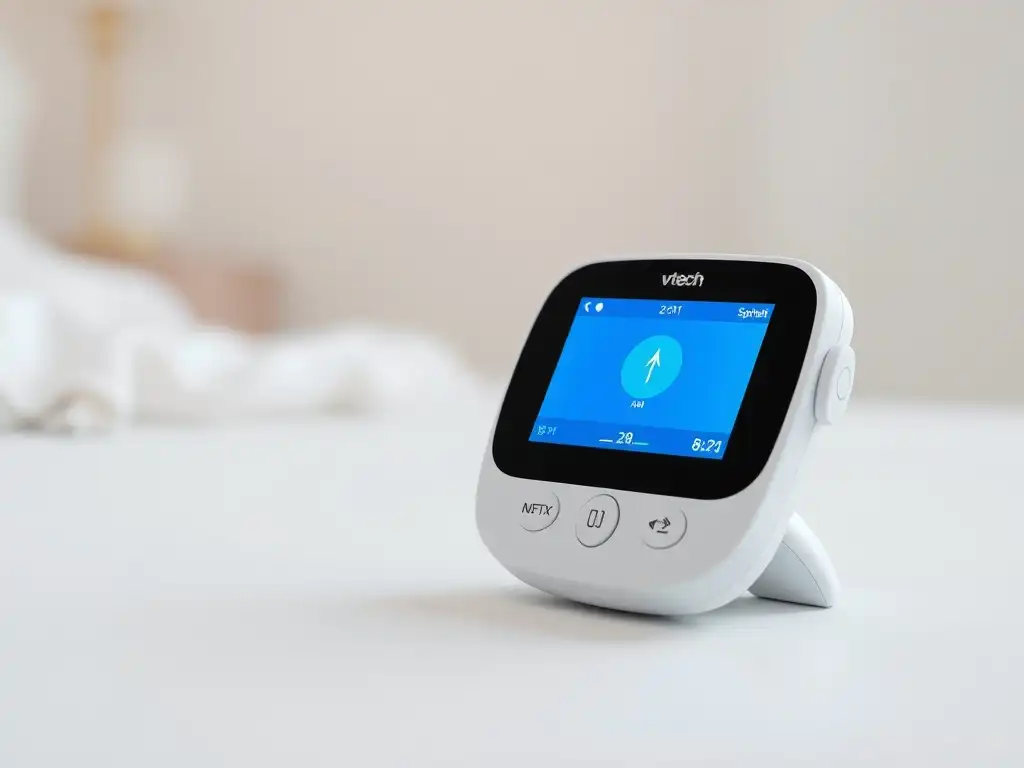
The VTech DM221 is a budget-friendly option for parents seeking a reliable audio baby monitor. Its simplicity is a key selling point; it focuses on clear audio transmission and long-range capabilities, making it ideal for larger homes or apartments. The parent unit boasts a large, easy-to-read display showing signal strength and battery life. One significant advantage is the DECT 6.0 technology, which minimizes interference from other wireless devices, ensuring a consistently clear audio feed. This is crucial for monitoring subtle sounds like a baby's breathing or stirring.
However, the DM221 lacks video capabilities. This might be a drawback for parents who prefer visual confirmation of their baby's well-being. While the audio quality is generally excellent, some users have reported occasional static in areas with significant Wi-Fi or other electronic device usage. The range, while generally impressive, can be affected by physical obstructions like walls and furniture.
Battery life on the parent unit is also reasonably good, but it will need recharging more frequently than some higher-end models. Overall, the VTech DM221 provides a dependable audio solution for those prioritizing affordability and clear sound transmission, making it a good choice for the "best baby monitor safe sleep" search if visual monitoring isn't a primary concern. It's a solid performer in its price range, excelling in simple, reliable audio transmission.
Infant Optics DXR-8 Pro Video Baby Monitor Review
The Infant Optics DXR-8 Pro stands out as a premium video baby monitor that prioritizes image quality and features designed to promote safe sleep. Its standout feature is the exceptionally clear, high-resolution video feed, allowing parents to see their baby clearly, even in low-light conditions. The infrared night vision is particularly impressive, providing a crisp image even in complete darkness.
This visual clarity contributes significantly to parental peace of mind, allowing for quick and easy checks on the baby's position and breathing without disturbing them. The DXR-8 Pro also offers a pan, tilt, and zoom function, enabling parents to adjust the camera angle remotely to get the best possible view of the crib.
While the price point is higher than many other models, the robust features justify the cost for many parents. The monitor's reliability is consistently praised, with few reports of connectivity issues or glitches. The long battery life of the parent unit minimizes the need for frequent charging.
The lack of Wi-Fi connectivity, however, is both an advantage and a disadvantage. While it eliminates the potential security risks associated with internet-connected devices, it also limits the range and the ability to view the feed remotely. Some parents might find this limiting, particularly if they need to check on their baby while away from home.
Despite this limitation, the Infant Optics DXR-8 Pro remains a top contender for the "best baby monitor safe sleep," offering superior video quality and reliability, making it a worthwhile investment for parents prioritizing crystal-clear visual monitoring of their baby's safe sleep environment. The focus on clear, reliable video and the absence of internet connectivity makes it a strong choice for those prioritizing security and visual reassurance.
Setting Up Your Baby Monitor for Optimal Safe Sleep
This section focuses on maximizing the safety and effectiveness of your baby monitor to contribute to a secure sleep environment for your little one. Choosing the best baby monitor safe sleep solution involves more than just purchasing the device; proper setup is crucial. We'll explore key steps to ensure your monitor provides reliable monitoring and peace of mind. Remember, a well-placed and properly functioning monitor is a vital component of a safe sleep strategy.
Optimal Monitor Placement for Reception
Strategic placement of both the parent unit and the baby unit is paramount for optimal reception and minimizing interference. Poor placement can lead to dropped signals, missed sounds, and ultimately, compromise the monitor's effectiveness in ensuring your baby's safe sleep.
The baby unit should be positioned within clear line-of-sight of the crib, ideally on a stable surface near the baby's head, but not directly in the crib. Avoid placing it under blankets or pillows, as this can muffle sounds and potentially overheat the device. Consider the materials in the room; thick walls or metal furniture can significantly impact signal strength.
The parent unit should be kept in a location where you'll be able to easily hear alerts and readily access the device. Avoid areas with significant electronic interference, such as near microwaves or routers, as these can cause static or signal disruptions. A dedicated charging station in an easily accessible location is ideal. Consider placing it on a higher surface if needed for optimal reception and to prevent accidental damage.
Testing Monitor Range and Functionality
Before relying on your baby monitor for your baby's safe sleep, thorough testing is essential. This involves verifying the range and functionality of the device to ensure it performs as expected in your home environment. The "best baby monitor safe sleep" isn't just about the specs; it's about reliable performance in your specific setting.
Start by testing the range. Walk around your home, gradually increasing your distance from the baby unit, while listening for any signal degradation or dropouts. Note any areas where the signal weakens significantly. This will help you understand the limitations of your monitor and plan accordingly. You should also test the audio quality at various distances. Is the audio clear and crisp? Are there any noticeable static or interference issues?
Next, test all features of the monitor. If your monitor has a video function, ensure the image is clear and the camera angle provides a good view of your baby. Test any additional features like temperature sensors, movement detectors, or two-way talk functionality. Document any issues encountered during testing and consider contacting customer support if problems persist. This proactive testing ensures you are confident in your monitor's ability to provide reliable monitoring for your baby’s safe sleep.
Familiarization with All Features Before Use
Before your baby's first night, thoroughly familiarize yourself with all aspects of your chosen baby monitor. Understanding its capabilities and limitations is crucial for maximizing its effectiveness and contributing to a secure sleep environment. Knowing your monitor inside and out is a key part of choosing the best baby monitor safe sleep option for your needs.
This includes understanding how to adjust volume levels, activate night vision (if applicable), use the two-way communication feature, and interpret any alerts or warnings. Read the instruction manual carefully and take the time to practice using all features. If your monitor has multiple settings, experiment with them to find the optimal configuration for your needs.
Consider creating a checklist to ensure you’ve covered all bases before each use. This could include checking battery levels, confirming the signal strength, and verifying the correct placement of both the parent and baby units. This systematic approach minimizes the risk of overlooking crucial details and contributes to a safer and more secure sleep environment for your baby. Remember, proactive preparation is key to peace of mind.
Ensuring Proper Battery Life and Charging
Maintaining a consistently charged baby monitor is crucial for uninterrupted monitoring, especially during nighttime hours. A dead battery at a critical moment can be incredibly stressful and potentially dangerous. Therefore, understanding your monitor's power management is paramount for safe sleep.
First, familiarize yourself with your specific monitor's charging instructions. Some models use rechargeable batteries, while others rely on AC power adapters. Rechargeable battery monitors typically indicate their charge level via LEDs or a digital display on the parent unit. Pay close attention to these indicators; when the battery level drops below 20%, initiate charging immediately. Prolonged use at low battery levels can damage the battery and shorten its lifespan.
Regular charging is key to preventing unexpected power failures. Develop a routine, such as charging the monitor overnight after each day's use. This proactive approach minimizes the risk of a depleted battery during crucial monitoring periods. Consider purchasing a spare battery or power adapter for added peace of mind. This ensures you always have a backup power source available, preventing any interruptions to your monitoring capabilities.
For monitors that use AC power, ensure the power adapter is securely plugged into both the wall outlet and the monitor. Regularly inspect the cord for any signs of damage, such as fraying or cracks. A damaged cord poses a safety hazard and should be replaced immediately. Avoid overloading the electrical outlet with multiple devices, as this can lead to power surges that may harm your baby monitor.
Remember, the longevity of your baby monitor's battery depends on several factors, including usage frequency, battery type, and environmental conditions. Extreme temperatures (both hot and cold) can negatively impact battery life. Following the manufacturer's recommendations for charging and usage will significantly extend the life of your monitor's battery and ensure reliable operation during those critical hours when your baby is sleeping. A well-maintained monitor contributes significantly to a safe and secure sleep environment for your little one. 😴
Maintaining a Safe Sleep Environment Beyond the Monitor
This section focuses on creating a safe sleep environment for your baby, complementing the benefits of using a baby monitor. While a monitor alerts you to potential issues, a properly prepared sleep space is the first line of defense for safe sleep. Remember, the "Best baby monitor safe sleep" setup includes both the technology and the environment.
Safe Crib Placement and Mattress Selection
Choosing the right crib and mattress is crucial for safe sleep. The crib should be placed away from windows (to prevent drafts and overheating from direct sunlight), cords (to avoid strangulation hazards), and any furniture that could be climbed upon or fall onto the crib. Ensure the crib meets current safety standards, including spacing between slats to prevent your baby's head getting stuck.
The mattress should fit snugly within the crib frame, leaving no gaps larger than two fingers wide. A firm mattress is essential; soft mattresses increase the risk of Sudden Infant Death Syndrome (SIDS). Avoid using bumpers, pillows, blankets, or stuffed animals in the crib, as these pose suffocation risks. Consider a waterproof mattress cover for easy cleaning and protection against accidents.
Here's a quick checklist for crib and mattress safety:
- [ ] Crib placed away from windows, cords, and furniture.
- [ ] Crib meets current safety standards (check slat spacing).
- [ ] Firm mattress that fits snugly within the crib frame.
- [ ] Waterproof mattress protector used.
- [ ] No loose bedding, bumpers, pillows, or toys in the crib.
Room Temperature and Ventilation for Safe Sleep
Maintaining a comfortable and well-ventilated room is vital for your baby's safe sleep. Overheating is a significant risk factor for SIDS. The ideal room temperature for a baby's sleep is between 68°F and 72°F (20°C and 22°C). Avoid overdressing your baby, as this can lead to overheating. A thermometer placed in the room can help you monitor the temperature accurately.
Proper ventilation is equally important. Ensure the room has adequate airflow to prevent the buildup of carbon dioxide and other potentially harmful gases. A slightly open window or a fan running on a low setting can improve ventilation without creating a dangerous draft. However, ensure the window is secured to prevent accidents. Regularly check for and address any dampness or mold issues, as these can negatively impact your baby's respiratory health. Remember, maintaining a safe and comfortable sleep environment contributes significantly to achieving the "best baby monitor safe sleep" setup.
Safe Sleep Clothing and Bedding Practices
Dressing your baby appropriately for sleep is key to preventing overheating. Avoid heavy blankets or swaddles, especially for babies who can roll over. Overdressing can lead to overheating, which increases the risk of SIDS. Opt for lightweight, breathable sleep sacks or pajamas suitable for the room temperature. Always check your baby's skin to ensure they're not too hot or cold. A slightly cool touch is ideal.
The American Academy of Pediatrics (AAP) recommends placing your baby on their back to sleep on a firm, flat surface. This is a crucial aspect of safe sleep practices, even with the use of a baby monitor. Never place your baby on their side or stomach to sleep. Avoid using soft bedding, such as pillows, blankets, or stuffed animals, which can increase the risk of suffocation.
A simple sleep sack or lightweight pajamas is often sufficient. Choosing the right clothing and bedding practices is an integral part of creating the "best baby monitor safe sleep" environment for your little one. Remember, a safe sleep environment is a proactive approach to ensuring your baby's well-being and peace of mind for parents. 😴
Swaddling Guidelines and Safe Sleep Positions
Swaddling, the practice of wrapping a baby snugly in a blanket, can be beneficial for promoting sleep, mimicking the feeling of security in the womb. However, it's crucial to follow safe swaddling guidelines to minimize the risk of Sudden Infant Death Syndrome (SIDS). Improper swaddling can restrict movement, potentially leading to overheating and an increased risk of SIDS. Therefore, understanding the correct techniques is paramount.
One key aspect is the baby's age. Swaddling is generally recommended for newborns up to approximately two months old, or until they show signs of rolling over. Once a baby can roll from their back to their stomach, swaddling should be discontinued immediately, as it can increase the risk of suffocation. This is because a swaddled baby who rolls onto their stomach may be unable to turn back, potentially leading to breathing difficulties.
The tightness of the swaddling is also critical. The swaddle should be snug but not restrictive. A baby should be able to move their hips and legs freely. If the swaddle is too tight, it can restrict breathing and blood flow, leading to discomfort and potential harm. Parents should ensure that the fabric is breathable and lightweight to prevent overheating. Overheating is a significant risk factor for SIDS, and swaddling, if done incorrectly, can contribute to this. Observe your baby for signs of overheating, such as sweating or flushed skin.
Finally, always place a swaddled baby on their back to sleep on a firm, flat surface. Never place a swaddled baby on their side or stomach. The American Academy of Pediatrics strongly recommends placing babies on their backs to sleep to reduce the risk of SIDS. This recommendation applies regardless of whether the baby is swaddled or not.
Combining safe swaddling practices with back sleeping significantly contributes to creating a secure and safe sleep environment for your little one. Remember, a safe sleep environment is a crucial element in preventing SIDS and ensuring your baby's well-being. Always prioritize safe sleep practices, and if you have any concerns, consult your pediatrician.
The safe sleep position for all babies, regardless of whether they are swaddled or not, is always on their backs. This significantly reduces the risk of SIDS. Avoid placing your baby on their side or stomach, as this can obstruct their breathing and increase the risk of suffocation. A firm, flat mattress in a crib is the safest sleeping surface.
Avoid soft surfaces like adult beds, sofas, or armchairs, as these increase the risk of suffocation. Remember, the back sleeping position remains a cornerstone of safe sleep practices, even with the use of swaddles. Prioritize this crucial aspect of newborn care to ensure your baby's safety and well-being.
Frequently Asked Questions
What is the most important factor to consider when choosing a baby monitor for safe sleep?
The most crucial factor is safe sleep practices. Ensure the monitor itself doesn't pose a risk (e.g., cords, overheating), and that it complements, not replaces, safe sleep guidelines like placing your baby on their back on a firm surface.
Are video baby monitors safer than audio-only monitors?
Both types can contribute to safe sleep, depending on how they are used. Video monitors offer visual reassurance, but neither type should replace safe sleep habits. Choose a monitor based on your needs and preferences, ensuring it meets safety standards.
How can a baby monitor improve safe sleep practices?
A monitor provides peace of mind, allowing you to check on your baby without constantly entering their room, thus minimizing disturbances to their sleep. This can contribute to a more restful sleep environment for both parent and child.
What safety features should I look for in a baby monitor designed for safe sleep?
Look for monitors with robust security features to prevent hacking, low-EMF radiation, and a design that minimizes cords and potential hazards. Consider features like temperature and humidity monitoring for a more controlled sleep space.
Are there any baby monitors specifically designed to promote safe sleep?
While not explicitly labelled "safe sleep" monitors, many models incorporate features beneficial to safe sleep such as motion detection, sound alerts, and two-way audio for soothing. Focus on the safety features and the monitor's ability to support your safe sleep practices.
Final Reflection: Nurturing Safe Sleep: A Technological Embrace
The quest for safe sleep for our little ones is a timeless pursuit, now intricately woven with the advancements of modern technology. The choices available, from simple audio monitors to sophisticated video systems with smart features, can feel overwhelming. Yet, understanding the nuances of these technologies is crucial for ensuring a peaceful and secure environment for our babies.
The impact of technology on infant care is profound and constantly evolving. We've moved beyond the basic auditory alerts, embracing visual monitoring, sleep tracking, and even room condition sensors. This shift reflects a growing awareness of the importance of safe sleep practices and a willingness to leverage technology to enhance parental vigilance. The most important thing a parent can do is to create a safe and nurturing environment for their child.
This simple statement underscores the core message of this article: technology should be a tool to support, not replace, attentive parenting.
Consider the information presented here – the different types of monitors, their features, and the safety considerations – and apply it to your own choices. Don't just buy a baby monitor; choose a partner in your child's safe sleep journey. Research thoroughly, prioritize features that align with your needs and parenting style, and remember that the best technology is the one that empowers you to be the most present and attentive parent you can be. Your baby's well-being is the ultimate reward.
Unlock Your Peace of Mind: Next Steps for Safe & Smart Sleep
Thank you for learning about safe sleep and baby monitors! We hope this guide has empowered you to make informed decisions for your little one. Now, let's put that knowledge into action.
- Choose your preferred baby monitor: Considering your needs and budget, select a monitor and order it today. A secure and reliable monitoring system is crucial for peaceful nights for both you and your baby.
- Join our community: Share your experiences and learn from other parents in our forum. We welcome your insights on baby monitors and sleep solutions!
- Spread the word: Help other expectant parents by sharing this article on social media – your experience could be invaluable to them.
What small change will you make tonight to improve your baby's sleep environment, and how will that make you feel?