
Sleep Sack and Room Temperature: Creating the Ideal Sleep Environment

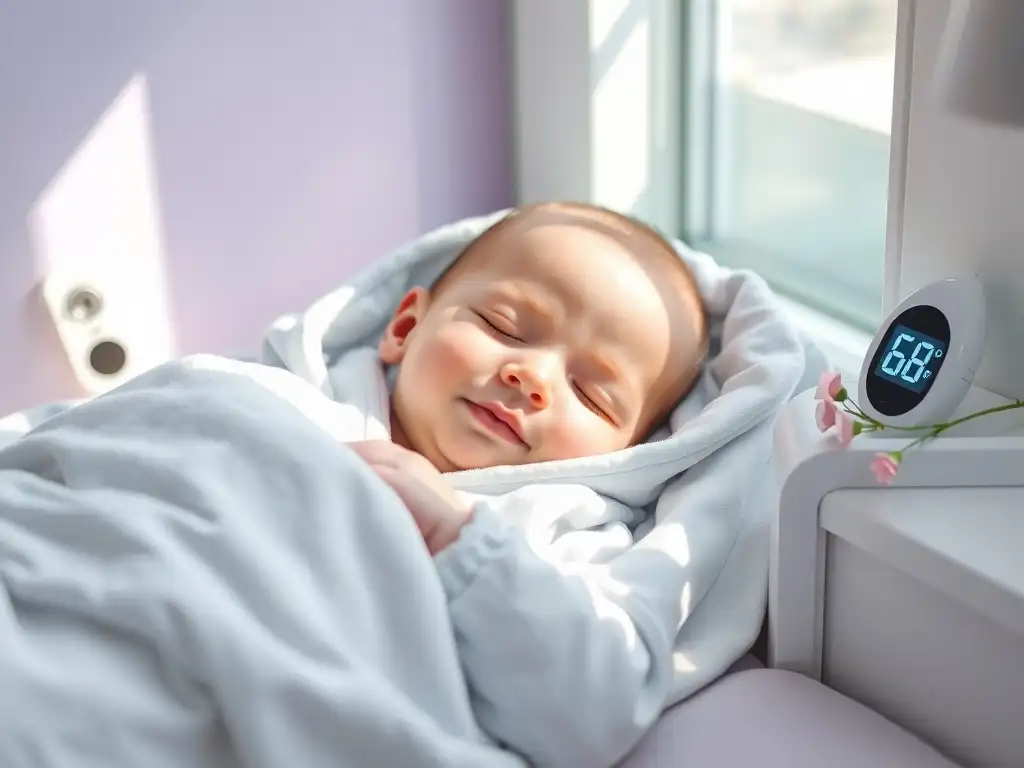
Welcome to BabyCareHub, your ultimate guide to navigating the incredible journey of parenthood! Are you ready to unlock the secrets to peaceful nights and happy days? We understand the challenges of newborn care, and that's why we've created this comprehensive resource. Discover the crucial link between your baby's sleep and their environment, starting with our essential Baby sleep sack temperature guide. Learn how to create the perfect sleep sanctuary for your little one and finally achieve those much-needed hours of rest. Let's embark on this journey together!
- Understanding the Importance of Room Temperature for Baby Sleep
- Choosing the Right Sleep Sack for Your Baby's Room Temperature
- Types of Baby Sleep Sacks: Materials and Tog Ratings Explained
- Sleep Sack Review: Halo SleepSack Swaddle
- Sleep Sack Review: Aden + Anais Sleep Sack
- Baby Sleep Sack Temperature Guide: A Month-by-Month Breakdown
- Maintaining the Ideal Room Temperature for Your Baby
- Troubleshooting Common Sleep Problems Related to Temperature
- Frequently Asked Questions (FAQs) About Baby Sleep Sack Temperature
- Frequently Asked Questions
- Final Reflection: Weaving a Tapestry of Safe and Sound Sleep
- Unlock Your Baby's Sweetest Slumber: Actionable Steps to Better Sleep
Understanding the Importance of Room Temperature for Baby Sleep
Creating a safe and comfortable sleep environment for your newborn is paramount. A crucial, often overlooked, element of this environment is the room temperature. This article serves as your comprehensive guide to understanding the ideal temperature for your baby's sleep, particularly when using a sleep sack.
We'll explore the relationship between room temperature, sleep sack selection, and your baby's sleep quality, ultimately helping you create the perfect sleep sanctuary for your little one. This guide will focus on providing a practical and evidence-based approach to maintaining the optimal temperature for your baby, addressing common concerns and offering actionable advice for a safer and more restful night's sleep for both you and your child.
Mastering the art of temperature regulation is a key step in establishing healthy sleep habits from the very beginning, significantly impacting your baby's overall well-being and development. This guide will help you navigate the nuances of the "Baby sleep sack temperature guide," ensuring a safe and comfortable sleep environment for your precious baby.
Safe Sleep Practices and Temperature Regulation in Infants
Safe sleep practices are crucial for preventing Sudden Infant Death Syndrome (SIDS). Maintaining the correct room temperature is a key component of these practices. Overheating is a significant risk factor, as it can interfere with your baby's ability to regulate their body temperature. Infants are less efficient at regulating their temperature than adults, making them more vulnerable to both overheating and hypothermia.
The American Academy of Pediatrics (AAP) recommends a room temperature between 68-72°F (20-22°C) for infants. However, this is just a guideline; you may need to adjust slightly based on your baby's individual needs and the type of sleep sack you are using. Remember to always dress your baby in appropriate clothing for the room temperature; avoid excessive layers under the sleep sack. Regularly check your baby's skin temperature to ensure they are neither too hot nor too cold.
A slightly cool-to-the-touch skin is an ideal indicator of a comfortable temperature. Consider using a room thermometer to consistently monitor the temperature and make necessary adjustments. Remember, a safe sleep environment is the foundation for healthy sleep, and temperature regulation plays a significant role in achieving this.
The Relationship Between Baby Sleep Sack Temperature and Sleep Quality
The type of sleep sack you choose significantly impacts the ideal room temperature for your baby. Thicker sleep sacks are designed for colder environments and will require a slightly higher room temperature to prevent overheating. Conversely, thinner sleep sacks are suitable for warmer environments and may require a slightly lower room temperature to avoid overheating. The material of the sleep sack also plays a role; natural fibers like cotton are breathable and suitable for a wider range of temperatures, while synthetic materials may retain more heat.
Observe your baby's sleep patterns and behaviors. If they seem restless, sweaty, or flushed, the room may be too warm. If they seem cold, shiver, or have cold extremities, the room may be too cold.
You may need to experiment with different room temperatures and sleep sack types to find the optimal combination for your baby. Remember that your baby's individual metabolism and activity level also affect their temperature regulation. Keeping a detailed sleep log, noting the room temperature, sleep sack type, and your baby’s behavior can be invaluable in finding the sweet spot for your baby's sleep environment.
Risks of Overheating and Underheating: Recognizing the Signs
Overheating and underheating both pose risks to your baby's health and sleep quality. Overheating can lead to excessive sweating, flushed skin, rapid breathing, and irritability. In severe cases, overheating can even lead to dehydration and heatstroke. Underheating, on the other hand, can result in shivering, cold extremities, and lethargy. Prolonged exposure to cold temperatures can lead to hypothermia.
To mitigate these risks, regularly monitor your baby's skin temperature. Feel their back or chest; it should be slightly cool to the touch. Look for signs of overheating or underheating, such as excessive sweating, flushed skin, or shivering. Adjust the room temperature and clothing accordingly.
Remember that babies lose heat more quickly than adults, so it's crucial to maintain a consistent and appropriate temperature. If you are unsure about your baby's temperature or notice any concerning symptoms, consult your pediatrician immediately. Your baby’s comfort and safety are paramount, and proactive monitoring is essential for ensuring a safe and healthy sleep environment. 😴
Choosing the Right Sleep Sack for Your Baby's Room Temperature
Maintaining the optimal room temperature for your baby is crucial for safe and restful sleep, and choosing the right sleep sack plays a significant role in achieving this. This section focuses on understanding the relationship between room temperature and sleep sack selection, ensuring your little one sleeps soundly and comfortably throughout the night. A baby sleep sack temperature guide is essential for navigating this process.
The ideal room temperature for a baby's sleep environment is generally considered to be between 68°F (20°C) and 72°F (22°C). However, this is just a guideline; individual babies may have different preferences. Factors like your baby's age, weight, and overall health can influence their ideal sleeping temperature. Overheating can be dangerous, increasing the risk of Sudden Infant Death Syndrome (SIDS), so careful monitoring and adjustment are key.
A key aspect of regulating your baby's sleep temperature is the Tog rating of the sleep sack. Tog rating refers to the warmth of the sleep sack; a higher Tog rating indicates a warmer sleep sack. Understanding this rating is crucial for selecting the appropriate sleep sack based on the room temperature. For example, a 1.0 tog sleep sack is suitable for warmer rooms (above 72°F), while a 2.5 tog sleep sack is better for slightly cooler temperatures (around 68°F).
A 3.5 tog or higher is suitable for colder rooms, but always prioritize keeping your baby from overheating. Remember, you can always layer clothing under a lighter sleep sack if needed, instead of using a heavier sack in a warmer room. Always check your baby's skin temperature and adjust accordingly; a slightly cool touch to the back of their neck is a good indicator.
Types of Baby Sleep Sacks: Materials and Tog Ratings Explained
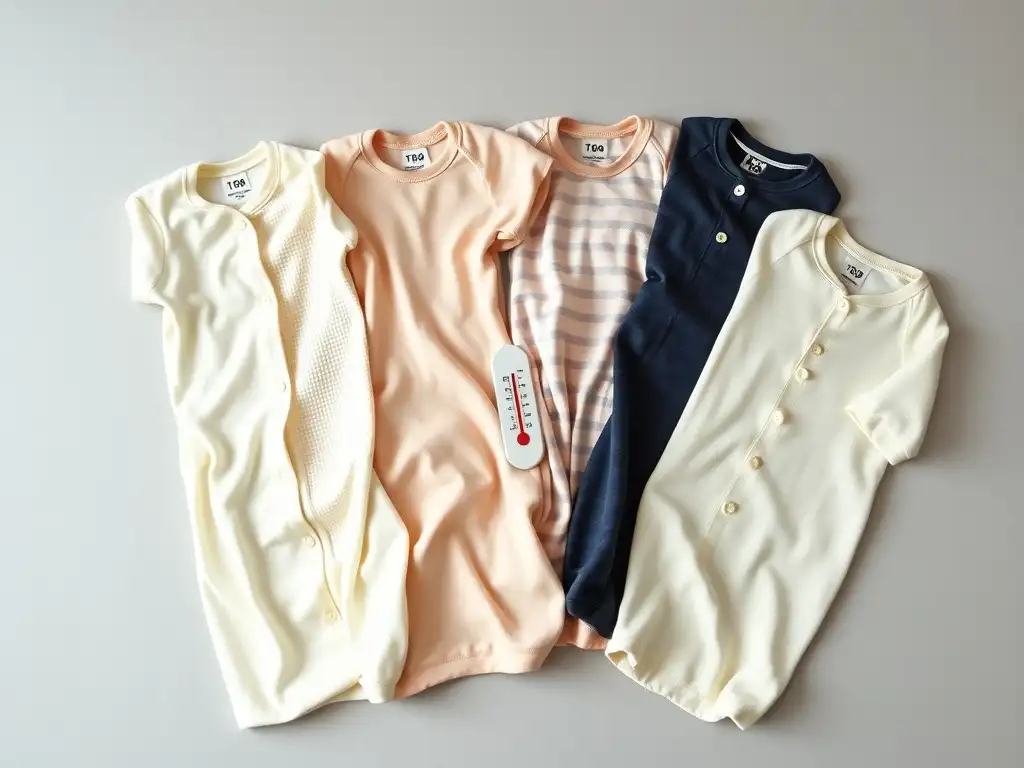
Choosing the right sleep sack involves understanding the various materials and their corresponding Tog ratings. Different materials offer varying levels of warmth and breathability. This section will explore the popular options and their suitability for different temperatures, providing a comprehensive baby sleep sack temperature guide.
Types of Baby Sleep Sacks: Materials and Tog Ratings Explained
This section provides a detailed breakdown of different sleep sack materials and their associated Tog ratings. Selecting the appropriate material is crucial for maintaining a comfortable sleep environment for your baby. Overheating is a serious concern, and choosing a breathable fabric is key to mitigating this risk.
| Material | Breathability | Warmth Level | Suitable Temperature (°F) | Tog Rating | Notes |
|---|---|---|---|---|---|
| Cotton | High | Low | 70-75°F | 1.0-1.5 | Lightweight, ideal for warmer months |
| Muslin Cotton | High | Medium | 65-72°F | 1.5-2.0 | Breathable and soft, suitable for spring/autumn |
| Flannel | Medium | Medium-High | 60-68°F | 2.5-3.0 | Warmer, ideal for cooler temperatures |
| Fleece | Low | High | Below 60°F | 3.5+ | Very warm, suitable for cold winter nights |
Remember to always check the specific Tog rating on the sleep sack's label, as it can vary between brands and even within the same material type. A baby sleep sack temperature guide should always be used in conjunction with regular monitoring of your baby's comfort and skin temperature.
Sleep Sack Review: Halo SleepSack Swaddle
The Halo SleepSack Swaddle is a popular choice among parents, known for its ease of use and ability to mimic the feeling of being swaddled while allowing for greater freedom of movement. This review will focus on its suitability within the context of a baby sleep sack temperature guide and different room temperatures.
The Halo SleepSack Swaddle is typically available in various weights and materials, offering options for different temperatures. Many parents find the swaddle design helpful for newborns who are used to the snug feeling of being wrapped. However, it's crucial to follow the manufacturer's instructions regarding safe swaddling practices and transitioning out of the swaddle as your baby grows and develops the ability to roll over.
Always check the Tog rating to ensure it's appropriate for your room's temperature. The Halo SleepSack often offers lightweight options (lower Tog ratings) perfect for warmer months and heavier options for colder temperatures. Consider the room temperature and your baby's individual needs when selecting a Halo SleepSack.
Sleep Sack Review: Aden + Anais Sleep Sack
Aden + Anais sleep sacks are well-regarded for their breathable muslin fabric, making them a popular choice for warmer climates and summer months. This section analyzes their suitability within the context of a baby sleep sack temperature guide, focusing on their breathability and suitability for various temperatures.
The Aden + Anais sleep sacks are known for their lightweight and breathable muslin material. This fabric is exceptionally soft and gentle against your baby's skin, making it comfortable for even the most sensitive skin. The breathability of the muslin is a key advantage, particularly during warmer months or in warmer rooms. The lightweight nature translates to a lower Tog rating, making it a suitable choice for temperatures above 68°F (20°C).
However, for cooler temperatures, you may need to layer additional clothing underneath or opt for a sleep sack with a higher Tog rating. Always monitor your baby's temperature to ensure they are not overheating or feeling too cold. Remember, a baby sleep sack temperature guide is a helpful tool, but individual baby needs should always be prioritized.
Sleep Sack Review: Kyte Baby Sleep Sack
The Kyte Baby sleep sack is a popular choice among parents seeking a soft, breathable, and safe sleep solution for their little ones. Made from 100% organic cotton, it offers a gentle feel against baby's delicate skin, minimizing the risk of irritation. Many parents appreciate the generous sizing, allowing for comfortable movement and extended use.
The sleep sack's design often incorporates features such as two-way zippers for easy diaper changes and a snug fit to prevent overheating. However, it's crucial to note that even with organic cotton, individual baby responses to fabrics vary. Always monitor your baby for signs of overheating or discomfort.
While the material is breathable, the tog rating (discussed below) should be carefully selected based on the room temperature to ensure a safe sleep environment. Customer reviews frequently highlight the softness and quality of the fabric, but also emphasize the importance of choosing the appropriate weight for the season and room temperature to prevent overheating. Remember to always check the manufacturer's care instructions for proper washing and maintenance to preserve the quality and longevity of the sleep sack.
Tog Ratings: A Guide to Selecting the Right Sleep Sack for Different Temperatures
Understanding tog ratings is essential for choosing the appropriate sleep sack for your baby's room temperature. Tog, short for "thermal overall grade," measures a sleep sack's warmth. A higher tog rating indicates a warmer sleep sack, suitable for colder temperatures, while a lower tog rating suggests a lighter sleep sack, ideal for warmer environments.
Here's a general guide, but remember that individual babies have different temperature tolerances:
| Tog Rating | Suitable Room Temperature (°C) | Suitable Season |
|---|---|---|
| 0.5 tog | 24°C and above | Summer |
| 1.0 tog | 21-24°C | Spring/Summer |
| 2.5 tog | 18-21°C | Spring/Autumn |
| 3.5 tog | 15-18°C | Autumn |
| 5.0 tog | 12-15°C | Winter |
It's crucial to understand that these are guidelines. Factors such as your baby's individual metabolism, clothing worn underneath the sleep sack, and the overall humidity of the room can influence their comfort level. Always check your baby's skin and adjust accordingly. Overheating can be dangerous, so err on the side of caution, especially with newborns. Consider using a lighter tog rating and adding layers of clothing underneath if your baby seems cold, rather than opting for a much warmer sleep sack than needed.
How to Determine Your Baby's Ideal Sleep Sack Tog Rating Based on Room Temperature
Determining the right tog rating involves a combination of monitoring your baby's room temperature and observing their comfort level. First, use a reliable thermometer to accurately measure the temperature of your baby's room. Aim for a temperature between 16-20°C (60-68°F) – a slightly cooler room is generally safer than a warmer one. Then, refer to the tog rating guide mentioned above to select a sleep sack appropriate for that temperature.
However, don't rely solely on the temperature reading. Pay close attention to your baby's cues. If they feel sweaty or clammy, they're likely too warm. If their hands and feet are cold but their body feels warm, they are likely appropriately dressed. Cold hands and feet are normal in a baby, as their circulation is still developing.
If they seem persistently cold, adjust layers as needed. Remember that newborns are particularly vulnerable to overheating, so extra vigilance is needed. Regularly check your baby's skin for excessive sweating or chilliness, and adjust the sleep sack or room temperature accordingly. This careful monitoring, combined with a thoughtful consideration of the tog rating, will help ensure your baby sleeps soundly and safely throughout the night. 👶😴
Baby Sleep Sack Temperature Guide: A Month-by-Month Breakdown
This section provides a detailed guide to maintaining the ideal sleep sack temperature for your baby, broken down by age. Remember, a comfortable sleep environment is crucial for promoting healthy sleep patterns and reducing the risk of overheating or hypothermia. This guide helps you navigate the nuances of baby sleep sack temperature, ensuring your little one sleeps soundly and safely.
We'll explore the key factors influencing temperature regulation in babies and offer practical advice on how to achieve the perfect balance. This information will help you master the art of maintaining a safe and comfortable sleep environment for your baby, all while addressing your concerns regarding a Baby sleep sack temperature guide.
Newborn Sleep Sack Temperature: Creating a Comfortable Nest
Newborns, due to their underdeveloped thermoregulation systems, are particularly vulnerable to temperature fluctuations. Maintaining a stable and comfortable temperature is paramount during their first few weeks. The ideal room temperature for a newborn in a sleep sack is generally between 68-72°F (20-22°C). However, this is just a guideline, and you should always monitor your baby's cues.
Look for signs of overheating such as sweating, flushed skin, or rapid breathing. Conversely, signs of being too cold include cool extremities (hands and feet) and shivering (though newborns may not always visibly shiver). The type of sleep sack also plays a role. A lightweight cotton sleep sack is suitable for warmer temperatures, while a thicker fleece or wool sleep sack is better suited for colder environments.
Remember to always dress your baby in appropriate clothing underneath the sleep sack. A onesie or lightweight pajamas are usually sufficient. Avoid layering too many clothes, as this can lead to overheating. Regularly check your baby's skin temperature by feeling the back of their neck. If it feels clammy, it's likely too warm. If it feels cool, it's likely too cold. Adjust accordingly. Using a room thermometer is also highly recommended for accurate temperature monitoring.
1-3 Month Old Sleep Sack Temperature: Adjusting for Development
As your baby grows and develops, their ability to regulate their body temperature improves slightly. However, they still remain susceptible to temperature changes. During this period (1-3 months), the ideal room temperature generally remains within the same range as newborns: 68-72°F (20-22°C). However, you can start to pay closer attention to your baby's individual preferences and adjust accordingly.
Some babies might prefer a slightly cooler or warmer environment. Pay attention to their sleep cues. Does your baby seem restless and uncomfortable? Are they sweating excessively? Or do they seem cold and uncomfortable? These are all indicators that the temperature might need adjusting. Consider using a sleep sack with a lower or higher tog rating depending on the season and your baby's comfort level. The tog rating indicates the warmth of the sleep sack. Higher tog ratings are for colder temperatures, while lower tog ratings are suitable for warmer temperatures.
| Age Range | Room Temperature (°F) | Room Temperature (°C) | Sleep Sack Type Suggestion |
|---|---|---|---|
| 1-3 Months | 68-72 | 20-22 | Lightweight cotton or muslin |
3-6 Month Old Sleep Sack Temperature: Seasonal Adjustments
By 3-6 months, your baby's thermoregulation continues to improve, but they still need a carefully controlled sleep environment. The ideal room temperature remains similar, but seasonal adjustments become more important. During warmer months (spring and summer), you might find that a lighter sleep sack, or even just a short-sleeved onesie, is sufficient. However, always ensure the room is well-ventilated to prevent overheating.
During colder months (autumn and winter), a thicker sleep sack with a higher tog rating might be necessary. Remember to continue monitoring your baby's cues and adjust the room temperature and sleep sack accordingly. Avoid overheating, which can be a significant safety concern. Always prioritize a safe and comfortable sleep environment, tailored to your baby's individual needs and the current season.
A room thermometer and regular checks of your baby's skin temperature remain crucial tools in maintaining the optimal sleep environment. The key is to find the balance that keeps your baby comfortable and safe throughout the night, ensuring a restful sleep for both parent and child. This careful attention to detail directly contributes to establishing healthy sleep habits from an early age.
6-12 Month Old Sleep Sack Temperature: Transitioning to Cooler Temperatures
By the time your little one reaches 6 months old, they're likely becoming more mobile and interactive. This also means their temperature regulation is improving, although they still need a safe and comfortable sleep environment. You can start to think about transitioning them to lighter sleep sacks or adjusting the room temperature slightly. Remember, the key is to avoid overheating.
A good rule of thumb is to feel the back of their neck; if it feels slightly warm, they're likely comfortable. If it feels clammy or sweaty, they're too warm. Conversely, if it feels cool, they may need an extra layer.
At this age, a lighter weight sleep sack, perhaps a cotton or muslin option, might be suitable, especially during warmer months. However, during colder months, a fleece-lined sleep sack might still be necessary, but always prioritize breathability. Avoid using overly thick or heavy materials. Always check the sleep sack's tog rating – this indicates its warmth level.
Lower tog ratings are for warmer temperatures. For example, a 1.0 tog sleep sack is suitable for warmer rooms (around 20-24°C or 68-75°F), while a 2.5 tog might be appropriate for slightly cooler conditions (around 18-20°C or 64-68°F). Remember these are just guidelines; always adjust based on your baby's individual needs and the room temperature.
It's important to note that the ideal room temperature for a baby remains between 16-20°C (61-68°F). However, individual babies have different sensitivities to temperature, so you may need to adjust based on your child's comfort level. Don't be afraid to experiment slightly with room temperature and sleep sack weight to find the perfect balance. Consistent monitoring and observation are crucial.
Overdressing your baby can lead to overheating and increased risk of SIDS, while underdressing can lead to discomfort and disrupted sleep. Striking the right balance will ensure your baby sleeps soundly and safely. Remember to always monitor your baby's temperature and adjust their clothing and sleep sack as needed. This phase is about finding a comfortable and safe balance between warmth and breathability, ensuring your baby sleeps comfortably through the night.
Maintaining the Ideal Room Temperature for Your Baby
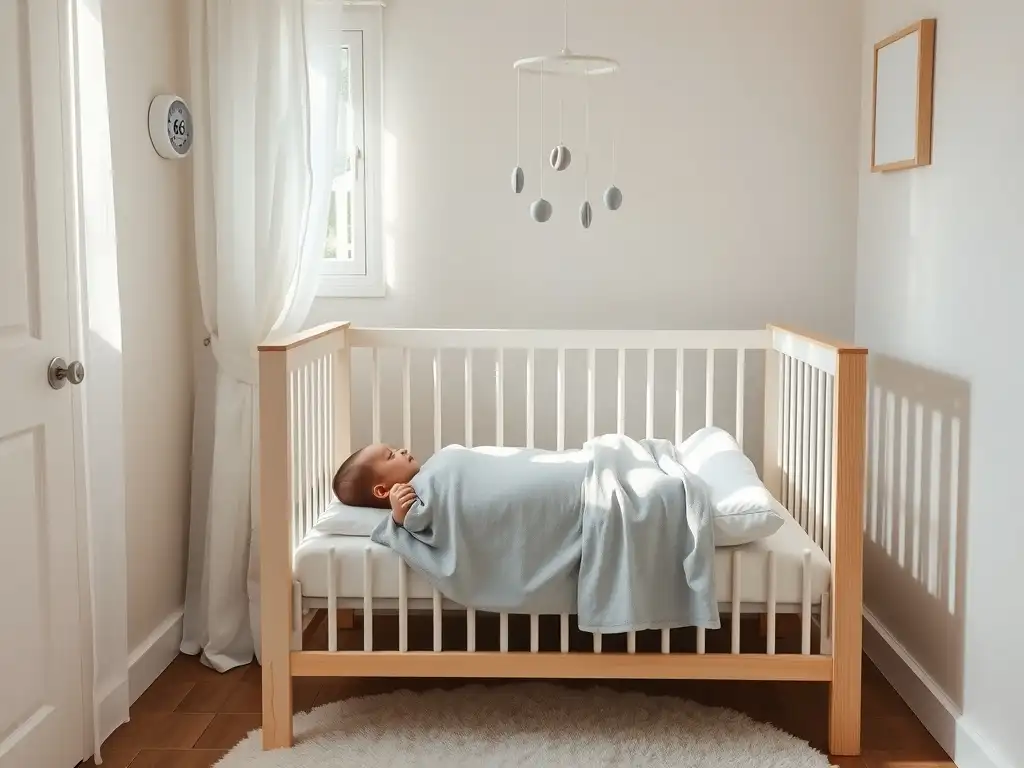
Creating the perfect sleep environment for your baby involves more than just choosing the right sleep sack. Maintaining the ideal room temperature is crucial for their comfort and safety, directly impacting their sleep quality and overall well-being. The optimal temperature for a baby's room is generally considered to be between 68°F (20°C) and 72°F (22°C). However, this is just a guideline; individual babies may have slightly different preferences.
Observing your baby's cues – whether they're sweating, shivering, or seem perfectly comfortable – is key to fine-tuning the temperature to their needs. Remember, a slightly cooler room is generally safer than a warmer one, as overheating poses a greater risk to infants. Consistent monitoring and adjustments are essential to ensuring a safe and comfortable sleep space.
This is especially important during different seasons; you'll need to adjust your approach to regulating the temperature in summer versus winter. Understanding the factors affecting room temperature and how to effectively manage them will contribute significantly to your baby's sleep success. This “Baby sleep sack temperature guide” will help you navigate this process effectively.
Using a Room Thermometer for Accurate Readings
Accurate temperature readings are paramount when aiming for the ideal sleep environment. A reliable room thermometer, ideally placed away from direct sunlight or heat sources like radiators, provides objective data. Avoid placing the thermometer near windows, as these can significantly fluctuate the temperature reading throughout the day and night. Digital thermometers offer precise readings and are readily available. Consider purchasing a thermometer with a maximum/minimum function to track temperature fluctuations over time.
This allows you to identify patterns and make necessary adjustments to your heating or cooling systems proactively. For example, if you notice a consistent drop in temperature overnight, you might need to adjust your thermostat accordingly. Remember, consistency is key; regular monitoring, even several times a day, ensures you maintain the optimal temperature range consistently. This proactive approach minimizes the chances of your baby becoming either too hot or too cold during sleep. 🌡️
Effective Ways to Regulate Baby's Room Temperature: Heating and Cooling
Regulating your baby's room temperature effectively requires a multi-faceted approach. During colder months, central heating is often the primary method. However, you might need supplemental heating, such as a space heater (ensure it's safely positioned and away from the crib), to maintain the ideal temperature. Regularly check the thermostat and make small adjustments as needed.
In warmer months, air conditioning provides effective cooling. Similar to heating, ensure the air conditioner is properly maintained and directed away from the crib. Consider using fans strategically to circulate air, but ensure they are placed safely and not directly blowing on your baby. For both heating and cooling, remember that consistent temperature is more important than rapid temperature changes.
Gradual adjustments are preferable to sudden shifts. Open windows strategically for natural ventilation when appropriate, but always prioritize safety and avoid drafts directly onto your baby. You may also find that using blinds or curtains effectively can help regulate the temperature passively, reducing reliance on active heating or cooling systems.
Dressing Your Baby Appropriately for Sleep: Layers and Fabrics
Choosing the right clothing for your baby at bedtime is crucial for maintaining their optimal sleep temperature. The key is layering. Instead of bundling your baby in heavy sleepwear, opt for lightweight layers that can be easily added or removed as needed. Natural fabrics like cotton are breathable and ideal for baby sleepwear.
Avoid synthetic fabrics, which can trap heat and moisture, potentially leading to overheating. Consider the fabric's weight and breathability – thinner fabrics are best suited for warmer temperatures, and slightly heavier fabrics for cooler temperatures. A good rule of thumb is to dress your baby in one more layer than you would wear yourself in the same room temperature. For instance, if you're comfortable in a t-shirt, your baby might be comfortable in a lightweight sleepsuit and a thin sleep sack.
Regularly check your baby's skin temperature to ensure they are not too hot or cold. Remember, a slightly cool touch is preferable to a sweaty one. Observe your baby's cues; if they seem uncomfortable, adjust their clothing or the room temperature accordingly. This iterative process will help you refine your approach and create a consistently comfortable sleep environment for your baby.
Monitoring Baby's Skin Temperature: Signs of Overheating or Chills
Monitoring your baby's skin temperature is crucial to ensuring they're comfortable and safe while sleeping in a sleep sack. Don't rely solely on the room temperature; your baby's individual response to the environment can vary. Feel their skin, particularly their back, chest, and limbs. A warm, dry back and limbs indicate a comfortable temperature. Conversely, clammy skin suggests overheating, while cool or cold extremities signify that your baby might be too cold.
Overheating can be dangerous for babies, increasing the risk of Sudden Infant Death Syndrome (SIDS). Signs of overheating include excessive sweating, flushed skin, rapid breathing, and irritability. If you notice these signs, remove a layer of clothing or the sleep sack if necessary, and ensure adequate ventilation in the room. Remember that babies regulate their temperature differently than adults, and even slight changes in the environment can have a significant impact.
On the other hand, being too cold can also disrupt sleep and lead to discomfort. Signs of being too cold include shivering (although infants may not shiver in the same way adults do), pale or bluish skin, and lethargy. If your baby shows signs of being cold, add an extra layer of clothing or a lightweight blanket (if appropriate and safe according to current safe sleep guidelines), and ensure the room is warmer. Always prioritize safe sleep practices and avoid loose bedding in the crib.
Understanding the subtle differences in your baby's skin temperature is a skill that develops over time. Pay close attention to their cues and adjust the room temperature and clothing accordingly. Remember, a comfortable baby is a happy baby, and a happy baby sleeps better!
It's about finding the sweet spot – not too hot, not too cold – to promote healthy, restful sleep. This continuous monitoring and adjustment are key components in creating the ideal sleep environment for your little one, especially when using a sleep sack as part of your safe sleep strategy. Regularly checking your baby's temperature will help you become more adept at recognizing subtle signs of discomfort and acting accordingly.
This section addresses common issues parents face when using sleep sacks to regulate their baby's sleep temperature. We'll delve into interpreting your baby's cues and making necessary adjustments to ensure a comfortable and safe sleep environment. Remember, finding the right balance is key to promoting restful sleep for your little one, and this guide will help you navigate the process. A consistent approach to temperature regulation, informed by your baby's individual needs, is crucial for establishing healthy sleep habits. This is a vital aspect of our comprehensive Baby sleep sack temperature guide.
My Baby is Sweating in Their Sleep Sack: What Does It Mean?
Excessive sweating during sleep can indicate that your baby is overheating. Several factors contribute to this, including the room temperature, the tog rating of the sleep sack, and your baby's individual metabolism. A damp or sweaty back, neck, or forehead are clear signals. It doesn't necessarily mean the sleep sack is unsuitable; it might simply mean you need to make some adjustments.
Firstly, check the room temperature. Ideally, a baby's room should be between 68-72°F (20-22°C). Use a reliable thermometer to ensure accuracy. Secondly, consider the tog rating of the sleep sack. Higher tog ratings are suitable for colder temperatures, while lower tog ratings are better for warmer conditions. If your baby is sweating in a 2.5 tog sleep sack in a 72°F room, a 1.0 tog sleep sack might be more appropriate.
Thirdly, consider your baby's clothing. Overdressing your baby under the sleep sack will contribute to overheating. Opt for lightweight pajamas or a onesie made from breathable fabrics like cotton. Finally, monitor your baby's activity level before bedtime. A highly active baby might generate more body heat, necessitating a lighter sleep sack or cooler room temperature. Remember, a slightly cool environment is preferable to a warm one for safe sleep. This is an important element of our baby sleep sack temperature guide.
My Baby is Cold in Their Sleep Sack: Adjustments to Make
If your baby feels cold to the touch, especially their hands and feet, it might be a sign that they're not warm enough. However, it's important to distinguish between cool extremities and actual coldness. Babies' hands and feet are naturally cooler than their core body temperature.
Focus on the baby's trunk – if their chest and back feel cool, then adjustments are needed. First, check the room temperature. If it's below 68°F (20°C), try raising it slightly. Next, assess the tog rating of the sleep sack. If you're using a 1.0 tog sleep sack in a cool room, consider switching to a 2.5 tog or even a 3.5 tog sleep sack, depending on the temperature.
You can also add a lightweight layer under the sleep sack, such as a cotton sleepsuit or long-sleeved onesie. Avoid using blankets or other loose bedding inside the sleep sack, as this poses a suffocation risk. Observing your baby's behaviour is also crucial. If they seem restless or uncomfortable, adjusting the temperature or layering might be necessary. Consistent monitoring and adjustments are key to ensuring your baby's comfort and safety. This is part of our comprehensive baby sleep sack temperature guide.
How to Create a Consistent Sleep Environment for Optimal Rest
Consistency is key when it comes to creating an ideal sleep environment for your baby. A predictable routine and stable temperature contribute significantly to better sleep. Aim for a consistent bedtime and wake-up time, even on weekends. This helps regulate your baby's internal clock.
Maintain a consistent room temperature throughout the night. Use a thermostat to regulate the temperature effectively and avoid sudden fluctuations. Choose sleep sacks with appropriate tog ratings for the season and adjust as needed. A detailed record of your baby's sleep, including room temperature and sleep sack used, can help you identify patterns and make informed adjustments.
Consider using a humidifier in dry climates to prevent dry air from irritating your baby's respiratory system. Ensure the room is well-ventilated but free from drafts. A dark, quiet environment will also help promote better sleep. By following these guidelines and keeping detailed records, you can create a consistent sleep environment that promotes restful sleep for your baby, all within the framework of our baby sleep sack temperature guide.
Frequently Asked Questions (FAQs) About Baby Sleep Sack Temperature
This section addresses common queries regarding the use of sleep sacks and maintaining the optimal temperature for your baby's sleep environment. We aim to provide a comprehensive Baby sleep sack temperature guide to help you create a safe and comfortable sleep space for your little one.
What is the ideal room temperature for a baby sleeping in a sleep sack?
The ideal room temperature for a baby sleeping in a sleep sack is generally considered to be between 68°F and 72°F (20°C and 22°C). However, this is just a guideline; individual babies may have different temperature preferences. The key is to feel the back of your baby's neck – it should feel neither too hot nor too cold. A slightly cool touch indicates a comfortable temperature. Overdressing your baby can lead to overheating, increasing the risk of Sudden Infant Death Syndrome (SIDS). Underdressing, on the other hand, can lead to discomfort and disrupted sleep.
Remember, babies regulate their temperature differently than adults. Their small bodies lose heat more quickly, making it crucial to monitor the room temperature closely. Consider using a reliable room thermometer to ensure accuracy. Pay close attention to your baby's cues; if they seem overly sweaty or restless, the room might be too warm. Conversely, if they appear cold or shiver, they may need an extra layer or a warmer room.
Can I use a sleep sack year-round?
While sleep sacks offer many benefits, their year-round usability depends on the sleep sack's material and the climate you live in. Lightweight cotton sleep sacks are ideal for warmer months, providing a safe and comfortable alternative to loose blankets. For colder months, you might consider sleep sacks made from fleece or other warmer materials. However, always ensure the baby's overall warmth is appropriate for the season and room temperature.
You can layer clothing under a lightweight sleep sack in colder weather, but avoid using heavy sleep sacks in hot weather. The goal is to always maintain a comfortable temperature for your baby – neither too hot nor too cold. Adapting your sleep sack choice to the season is crucial for maintaining a safe and comfortable sleep environment for your baby.
Consider having different sleep sacks for different seasons to ensure you always have the right one on hand. Think of it as part of your baby's seasonal wardrobe! 😴
What should I do if my baby wakes up frequently due to temperature?
If your baby is waking frequently, temperature could be a contributing factor. First, check the room temperature using a thermometer. Is it within the ideal range of 68-72°F (20-22°C)? If not, adjust accordingly. If the temperature is already within the recommended range, consider other factors:
- Clothing: Is your baby wearing too many layers under the sleep sack? Try reducing the layers to see if that helps.
- Sleep Sack Material: Is the sleep sack appropriate for the season and room temperature? A heavier sleep sack in warm weather, or a lightweight one in cold weather, might be causing discomfort.
- Other Factors: Rule out other potential causes of disrupted sleep, such as hunger, discomfort, or illness. Keep a sleep diary to track patterns and identify potential triggers. If the problem persists despite addressing temperature and clothing, consult your pediatrician to rule out any underlying medical issues. Remember, consistent sleep patterns are crucial for both your baby’s development and your own well-being! 👶
Remember, consistency is key. Establishing a regular bedtime routine and a consistent sleep environment will contribute significantly to your baby's sleep quality. Following a Baby sleep sack temperature guide is a crucial step in creating a safe and restful sleep space for your little one.
How do I know if my baby is too hot or too cold while sleeping?
Determining whether your baby is experiencing an optimal sleep temperature involves a careful assessment of their body temperature and environment. Avoid relying solely on the room temperature; babies regulate their temperature differently than adults. A key indicator is your baby's skin. Feel the back of their neck; it should feel neither clammy nor cold. A slightly warm neck indicates a comfortable temperature. If their neck feels excessively sweaty or clammy, they're likely too hot. Conversely, a cool or cold neck suggests they might be too cold.
Another helpful check is their extremities. While their hands and feet might feel cool even when they're comfortably warm, persistently cold hands and feet in conjunction with a cool neck might indicate the need for additional warmth. However, warm hands and feet are not a reliable indicator of overall body temperature. Remember that babies lose heat more quickly than adults, so pay close attention to these subtle cues.
It's crucial to avoid overdressing your baby in the sleep sack. If you're unsure, opt for a lighter sleep sack or remove a layer of clothing underneath. Regularly checking your baby's temperature throughout the night, particularly during the first few months, will help you become more attuned to their individual needs and preferences.
This consistent monitoring is essential for ensuring a safe and comfortable sleep environment. Remember, your baby's individual metabolism and the room’s ambient temperature will play a role in how warm they feel. Over time, you'll develop a good sense of what feels right for your little one.
Frequently Asked Questions
What is the ideal room temperature for a baby sleeping in a sleep sack?
The ideal room temperature for a baby sleeping in a sleep sack is between 68-72°F (20-22°C). This range helps prevent overheating and ensures your baby stays comfortably warm. Always check your baby's skin temperature to be sure.
How do I know if my baby is too hot or too cold in their sleep sack?
Feel the back of your baby's neck. If it's sweaty, they're likely too warm. If it feels cool, they might need an extra layer. Avoid using blankets in the crib to prevent suffocation.
What type of sleep sack is best for different temperatures?
Lightweight cotton sleep sacks are suitable for warmer temperatures, while fleece or heavier materials are better for colder environments. Choose a sleep sack with a TOG rating that matches the room temperature.
Can I use a sleep sack year-round?
Yes, you can use sleep sacks year-round by selecting the appropriate weight and material for the season. Having a variety of sleep sacks will allow you to adjust based on the temperature.
My baby seems restless; could the sleep sack be the problem?
Restlessness could be due to several factors, but an inappropriate sleep sack is a possibility. Ensure the sack is the correct size and weight for your baby and the room temperature. Other factors such as hunger or discomfort should also be considered.
Final Reflection: Weaving a Tapestry of Safe and Sound Sleep
Creating the ideal sleep environment for your baby isn't just about comfort; it's about ensuring their safety and fostering healthy sleep habits that will benefit them for years to come. The right sleep sack, paired with the appropriate room temperature, is a cornerstone of this crucial foundation. This seemingly simple combination holds the key to unlocking peaceful nights for both parent and child, a benefit that resonates far beyond the crib.
The impact of a well-regulated sleep environment extends far beyond the immediate comfort of a sleeping baby. It influences the development of healthy sleep patterns, reducing the risk of SIDS and promoting optimal cognitive and physical growth. Sleep is the golden chain that binds health and our bodies together.
This quote, though not specifically about babies, perfectly encapsulates the vital role sleep plays in overall well-being, starting from the earliest stages of life. Understanding the nuances of temperature regulation and appropriate sleepwear is a crucial step in nurturing a child's development and fostering a strong parent-child bond built on peaceful nights.
Now, consider your own approach to sleep. Do you prioritize a comfortable and safe sleep environment for yourself? Reflect on the principles discussed in this article – the importance of temperature regulation, the role of appropriate sleepwear, and the creation of a calming bedtime routine. Apply these principles not only to your child's sleep but also to your own, recognizing that a well-rested you is essential for nurturing a well-rested family. Embrace the power of a well-crafted sleep environment, and embark on a journey towards healthier, happier, and more peaceful nights for everyone.
Unlock Your Baby's Sweetest Slumber: Actionable Steps to Better Sleep
Thank you for learning about creating the perfect sleep environment for your little one! We hope you found our information on room temperature and sleep sacks helpful. Now let's put that knowledge into practice.
Here's how you can help your baby sleep soundly tonight:
- Prioritize the perfect temperature: Maintain a comfortably cool room temperature for your baby. A slightly cooler room is generally best for sleep. Regularly check the temperature to ensure it remains consistent.
- Experiment with different sleep sacks: Consider using lightweight sleep sacks in warmer months and heavier ones in colder weather. Adjusting the sleep sack based on the season and your baby's comfort level can significantly improve their sleep.
- Share your experiences (or ask for help!): Join our online community forum (link to forum will be added later) to share your successes or ask for advice if you're still facing challenges.
Ready to create a peaceful sleep haven for your baby? What's the first change you'll make to their sleep environment tonight?