
Creating a Safe Home Environment for Your Preemie


Welcome to BabyCareHub, your ultimate guide to navigating the incredible journey of parenthood! Are you a first-time parent feeling overwhelmed by the sheer volume of information on newborn care? We understand. That's why we've created this comprehensive resource to support you every step of the way.
Discover practical advice and expert insights on everything from feeding schedules to developmental milestones. But first, let's address a critical aspect of caring for your little one: safety. Dive into our essential Preemie baby safety checklist and learn how to create a nurturing and secure home environment for your precious preemie. Let's begin building a happier, healthier future together!
- Understanding Preemie Baby Safety Needs: A Comprehensive Checklist
- Essential Preemie Baby Safety Equipment: Your Checklist
- Nutrition and Feeding Safety for Premature Infants
- Infection Control and Hygiene for Your Preemie
- Maintaining a Stable Home Environment for Preemie Safety
- Emergency Preparedness: Preemie Baby Safety Plan
- Seeking Professional Guidance: Preemie Care Support
- Frequently Asked Questions
- Final Reflection: Nurturing Tiny Lives, Building a Future of Strength
- Unlock Your Preemie's Potential: Create a Thriving Home Environment
Understanding Preemie Baby Safety Needs: A Comprehensive Checklist
Bringing home a preemie is a joyous occasion, filled with love and anticipation. However, it's also a time requiring extra care and attention to safety. Premature infants, born before 37 weeks of gestation, possess unique vulnerabilities that necessitate a meticulously prepared home environment. This comprehensive guide provides a "Preemie baby safety checklist," focusing on key areas to ensure your little one thrives in a safe and nurturing space.
We'll delve into the specific challenges preemies face, the adjustments needed in your home, and especially how to create a safe sleep environment crucial for their delicate development. This isn't just about checklists; it's about understanding the 'why' behind each safety measure, empowering you to create a haven for your precious preemie. Remember, proactive safety measures are the cornerstone of a happy and healthy journey for you and your baby.
Unique Vulnerabilities of Premature Infants
Premature babies face heightened risks compared to full-term infants due to their underdeveloped organ systems. Their immune systems are weaker, making them susceptible to infections. Their lungs may be immature, leading to respiratory problems. Their temperature regulation is often compromised, making them prone to hypothermia or hyperthermia. Furthermore, their skin is extremely delicate and prone to irritation. These vulnerabilities necessitate a home environment carefully designed to minimize risks. Consider these factors when preparing:
- Immature Immune System: Infections are a significant concern. Thorough handwashing and hygiene practices are paramount. Limiting visitors, especially those with illnesses, is crucial.
- Respiratory Issues: Maintaining a clean and dust-free environment is vital. Avoid smoking or exposure to secondhand smoke, and use air purifiers if necessary.
- Temperature Regulation: The ability to regulate body temperature is underdeveloped. Maintain a consistent room temperature, using a thermometer to ensure it remains within the recommended range (typically around 72°F or 22°C). Dress your baby appropriately, avoiding overheating or overcooling.
- Delicate Skin: Use gentle, fragrance-free baby products and avoid harsh fabrics that might irritate their sensitive skin.
This heightened vulnerability underscores the importance of a carefully planned and executed safety checklist tailored specifically to the needs of a preemie.
Adjusting Your Home for Preemie Safety: Key Considerations
Beyond the nursery, preparing your entire home for your preemie's arrival requires careful consideration. Several adjustments can significantly reduce the risk of accidents:
- Securing Furniture: Anchor heavy furniture, such as bookshelves and dressers, to the walls to prevent tipping accidents. This is especially crucial given the increased risk of head injuries in infants.
- Window Coverings: Use cordless blinds or shades to eliminate the strangulation hazard posed by cords.
- Electrical Outlets: Use safety covers on all electrical outlets to prevent shocks.
- Cleaning Supplies: Store all cleaning supplies and medications out of reach in locked cabinets.
- Stairways: Install safety gates at the top and bottom of all stairways.
- Flooring: Use soft flooring materials, such as carpets or rugs, to cushion falls. Avoid slippery surfaces.
Implementing these adjustments creates a safer environment, minimizing the potential for accidents that could harm your vulnerable preemie. Remember, prevention is key.
Creating a Safe Sleep Space for Your Preemie
The sleep environment is arguably the most critical aspect of preemie safety. The American Academy of Pediatrics (AAP) recommends specific guidelines for safe sleep, which are even more critical for preemies:
- Firm Sleep Surface: Always place your preemie on a firm, flat surface, such as a crib mattress, without any soft bedding, bumpers, or pillows.
- Back Sleeping: Always place your baby on their back to sleep.
- Room Sharing (Not Bed Sharing): Room sharing without bed sharing is recommended for at least the first six months, but particularly vital for preemies. This allows for easier monitoring and quicker response to any needs.
- Appropriate Clothing: Dress your preemie in appropriate clothing to prevent overheating or overcooling. Avoid loose blankets or swaddles that could cover their face.
- Pacifier Use (If Applicable): Pacifier use during sleep may reduce the risk of Sudden Infant Death Syndrome (SIDS), but always ensure it is properly sized and clean.
- Monitor for Breathing: Closely monitor your preemie's breathing, especially during sleep. Be aware of potential signs of respiratory distress.
Following these guidelines significantly reduces the risk of SIDS and other sleep-related deaths, which are particularly prevalent in preemies. Remember, a safe sleep environment is a cornerstone of your preemie's well-being. Creating this safe haven is an act of love and protection that will provide peace of mind and contribute to the healthy development of your precious child.
Essential Preemie Baby Safety Equipment: Your Checklist
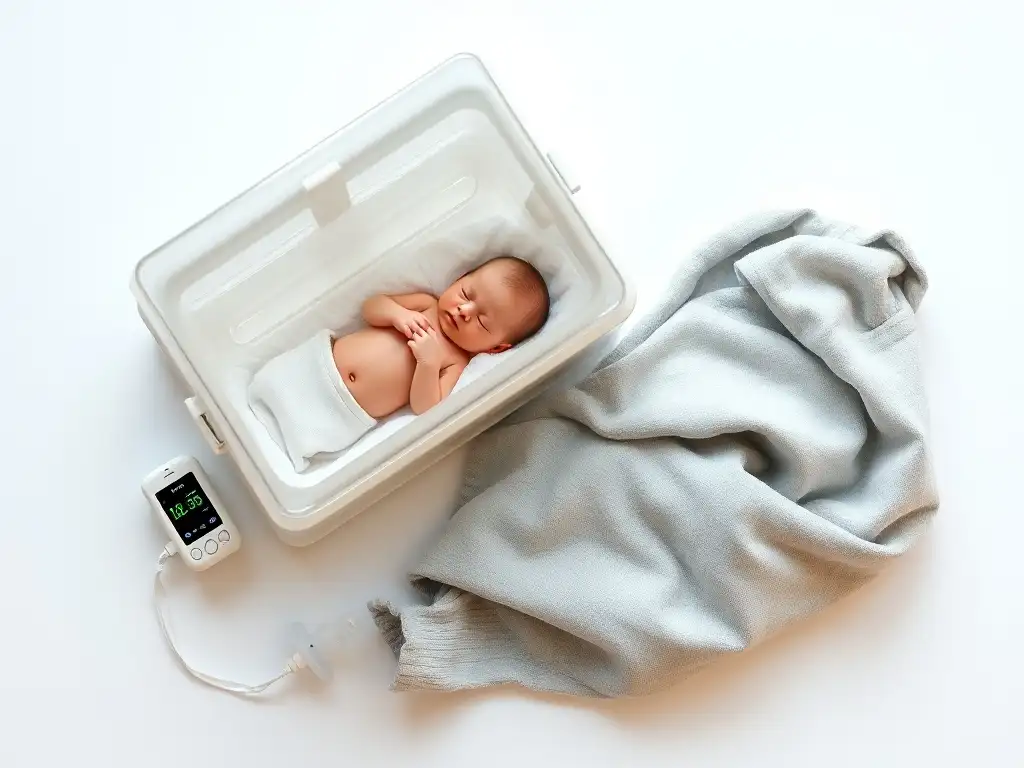
Creating a safe home environment for your preemie requires careful planning and the acquisition of specific equipment. This checklist focuses on the crucial items needed to ensure your little one's well-being. Remember, always consult your pediatrician before making any decisions regarding your preemie's care and equipment. This isn't exhaustive, but it covers many essential aspects of a preemie baby safety checklist.
Monitoring Devices for Premature Babies
Premature babies are especially vulnerable, requiring constant monitoring to detect potential health issues early. Several devices can significantly enhance safety and peace of mind. These aren't always necessary, but their usage depends on your preemie's specific needs and your doctor's recommendations.
- Pulse Oximeter: This small, non-invasive device measures your baby's blood oxygen saturation (SpO2) and heart rate. Regular monitoring can alert you to potential breathing problems. Knowing how to use it properly is crucial, so be sure to receive thorough instruction from your healthcare provider. This is a critical component of many preemie baby safety checklists.
- Baby Monitor with Breathing Sensor: While standard baby monitors provide audio and sometimes video surveillance, those with breathing sensors offer an added layer of protection. These monitors can detect pauses in breathing and alert you immediately. This is particularly important for preemies who are at higher risk of apnea (cessation of breathing). Several models offer different features, so carefully consider your needs when making a purchase.
- Thermometer: Accurately monitoring your preemie's temperature is vital, as they are more susceptible to temperature fluctuations. A digital thermometer with a rectal probe (for accurate readings in newborns) is ideal. Note the normal temperature range for your baby as advised by your pediatrician. Regular temperature checks are a fundamental part of any comprehensive preemie baby safety checklist.
The use of these monitoring devices doesn't replace regular checkups with your pediatrician. They are supplementary tools to aid in early detection of potential problems.
Safe Swaddling Techniques for Premies
Swaddling can be beneficial for preemies, promoting a sense of security and reducing the startle reflex, which can lead to disrupted sleep. However, improper swaddling can pose risks. Here's how to swaddle your preemie safely:
- Choose the right swaddle: Opt for a lightweight, breathable fabric. Avoid overly tight swaddles, which can restrict movement and breathing. Many specifically designed swaddles for preemies are available.
- Proper technique: Lay the swaddle flat. Place your baby on their back with their head above the top edge. Fold one side of the swaddle across their chest, tucking it under their back. Repeat with the other side. The arms should be snugly tucked against their body, but not so tightly as to restrict movement. Their hips and legs should have room to flex. Avoid swaddling too tightly around the hips, as this can interfere with hip development.
- Observe your baby: Always monitor your baby while swaddled. Check for signs of overheating or discomfort. Never swaddle a baby who is already showing signs of overheating or struggling to breathe. This is a crucial element of a preemie baby safety checklist.
- Transition out of swaddling: As your baby grows, they will eventually need to learn to self-soothe. This usually occurs around 4 to 6 months, but this will depend on the individual needs of your preemie and your pediatrician's recommendations. Begin transitioning from swaddling gradually, for instance, by only swaddling their arms for a while.
Incubator and Warmer Safety Precautions
If your preemie requires an incubator or warmer at home, rigorous safety measures are paramount. These are advanced pieces of medical equipment, and their safe operation requires training and adherence to strict guidelines.
- Professional Installation and Training: The incubator or warmer must be installed and maintained by qualified professionals. Thorough training on its operation, including emergency procedures, is essential.
- Regular Maintenance and Checks: Adhere strictly to the manufacturer's maintenance schedule and guidelines. Regular checks of the temperature, humidity, and oxygen levels are crucial to ensure the equipment's safe and efficient functioning.
- Power Backup: Have a reliable backup power source, such as a generator, to prevent interruptions in case of a power outage. This is critically important for the safety of your preemie.
- Environmental Safety: Ensure the area around the incubator or warmer is free from hazards, such as tripping hazards or electrical cords. Maintain a clean and hygienic environment to prevent infections. This is a non-negotiable element of any preemie baby safety checklist.
Remember, the information provided here is for educational purposes only and does not replace professional medical advice. Always consult your pediatrician or healthcare provider for personalized guidance on caring for your preemie. This information forms just a part of a more comprehensive preemie baby safety checklist, tailored to your specific situation.
Nutrition and Feeding Safety for Premature Infants
Premature infants, often born with underdeveloped digestive systems and immune responses, require specialized care to ensure safe and effective nutrition. Their nutritional needs are significantly higher than those of full-term babies due to their rapid growth and development. A "Preemie baby safety checklist" should always prioritize safe feeding practices.
This section will delve into the specifics of safe bottle and breastfeeding techniques, as well as strategies for preventing common feeding complications. The goal is to provide parents with the knowledge and confidence to nourish their preemie safely and effectively, contributing to their healthy growth and development. Remember, consulting with a pediatrician or neonatologist is crucial for personalized guidance tailored to your baby's unique needs.
Safe Bottle Feeding Practices for Preemies
Safe bottle feeding for preemies requires meticulous attention to detail. The size and type of nipple are crucial. Preemies often have weak sucking reflexes and may tire easily. Therefore, using a slow-flow nipple designed specifically for preemies is vital to prevent choking and aspiration.
Holding the baby at a 45-degree angle during feeding helps prevent ear infections and reflux. Sterilizing bottles and nipples properly is paramount to prevent infections. A thorough cleaning with hot, soapy water, followed by sterilization using steam or a sterilizer, is recommended. Furthermore, always check the temperature of the formula before feeding to avoid burns.
Never microwave formula, as this can create hot spots that may scald your baby. Regularly monitoring your baby's weight gain is essential to ensure adequate nutrition and adjust feeding strategies as needed. A consistent feeding schedule, in consultation with your healthcare provider, will promote healthy growth. Remember, patience and gentle handling are key elements of safe bottle feeding for preemies.
Breastfeeding Safety Guidelines for Premature Babies
Breastfeeding a premature baby presents unique challenges, but the benefits are immense. Breast milk provides essential antibodies and nutrients vital for a preemie's immune system and growth. However, preemies may have difficulty latching due to their underdeveloped sucking reflexes and coordination. A lactation consultant can provide invaluable support, teaching proper latch techniques and positioning to maximize milk transfer and minimize nipple trauma.
Skin-to-skin contact before, during, and after feeding can help regulate the baby's temperature, promote bonding, and improve milk transfer. Monitoring the baby's weight and observing for signs of adequate feeding, such as satisfied behavior and wet diapers, is crucial. Supplementing with expressed breast milk via a syringe or feeding tube may be necessary, especially in the early stages.
Maintaining proper hygiene while expressing and handling breast milk is critical to prevent infections. This includes thorough handwashing and using clean containers. Regularly monitoring your milk supply and seeking professional advice if needed is essential for successful breastfeeding.
Preventing Feeding Complications in Premature Infants
Preventing feeding complications is a crucial aspect of preemie care. Common issues include reflux, aspiration, and necrotizing enterocolitis (NEC). Reflux can be mitigated by positioning the baby upright after feeding and avoiding overfeeding. Aspiration can be prevented by using slow-flow nipples, proper feeding techniques, and ensuring the baby is awake and alert during feedings.
NEC, a serious intestinal condition, is more common in preemies and requires close monitoring for symptoms like abdominal distension, bloody stools, and lethargy. Early detection and intervention are critical. Maintaining proper hygiene, sterilizing equipment, and closely monitoring the baby's feeding tolerance are crucial preventative measures.
Keeping meticulous feeding records, noting the volume and frequency of feedings, and reporting any concerns to the healthcare provider promptly are vital for detecting and addressing potential complications early. A proactive approach, guided by professional advice, is essential for ensuring a safe and healthy feeding journey for your preemie. Remember, a "Preemie baby safety checklist" should always include a plan for addressing potential feeding complications.
Infection Control and Hygiene for Your Preemie
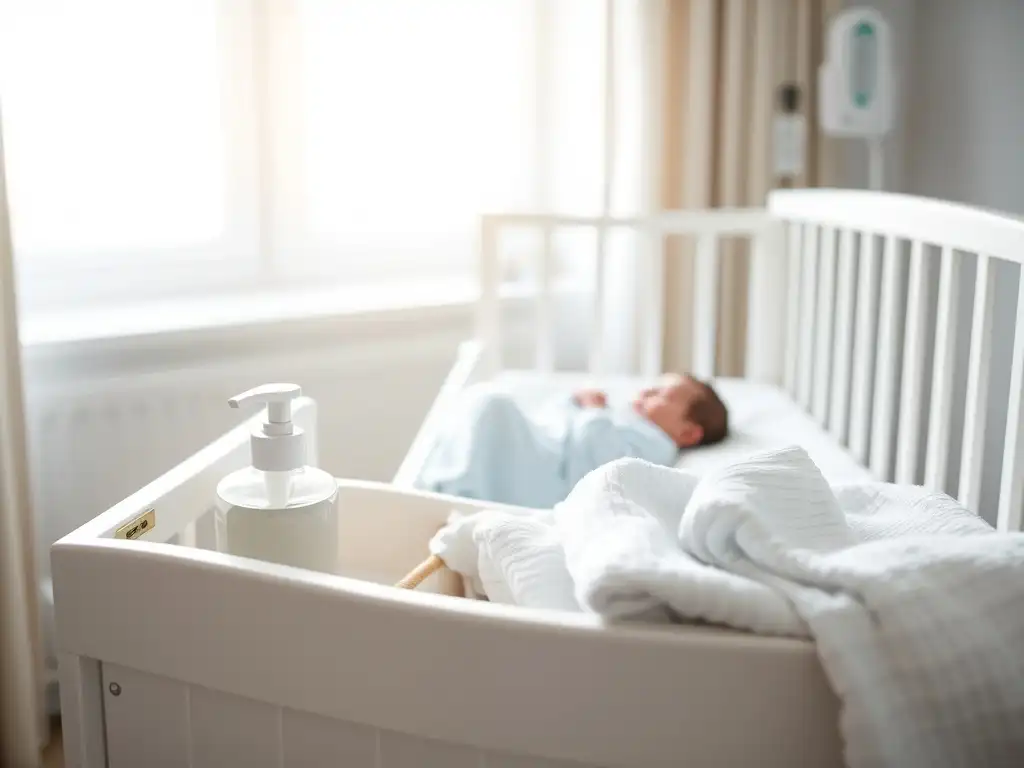
Protecting your preemie from infection is paramount due to their underdeveloped immune systems. This section details crucial hygiene practices and sterilization techniques to create a safe and healthy environment for your little one. A proactive approach to infection control is a key component of any comprehensive preemie baby safety checklist. Remember, consistency is key in minimizing the risk of infection.
Handwashing and Hygiene Protocols for Preemie Care
Meticulous handwashing is the cornerstone of preventing infection in premature infants. Before handling your preemie, always wash your hands thoroughly with soap and water for at least 20 seconds. This should be done before and after each diaper change, feeding, and any other interaction. Consider keeping a hand sanitizer with at least 60% alcohol content readily available, especially if access to a sink is limited. However, hand sanitizer should always be used in conjunction with thorough handwashing whenever possible.
Beyond hand hygiene, maintaining a clean environment is crucial. Regularly clean and disinfect frequently touched surfaces such as countertops, doorknobs, and changing tables using a baby-safe disinfectant. Change your preemie's bedding and clothing regularly, and ensure that any toys or other items that come into contact with your baby are cleaned appropriately. Air circulation is also important; try to maintain good ventilation in the baby's room to prevent the buildup of germs. Regular cleaning and disinfection are essential elements of a robust preemie baby safety checklist.
Sterilizing Equipment for Premature Babies
Proper sterilization of equipment used for feeding and other care is essential. Bottles, nipples, pacifiers, and pump parts should be sterilized before each use. Several methods are effective:
- Boiling: Boil items in water for 5-10 minutes. Ensure they are fully submerged.
- Steam Sterilizer: These appliances use steam to sterilize items quickly and efficiently. Follow the manufacturer's instructions carefully.
- Microwave Sterilizer: Convenient for quick sterilization, but make sure to follow the instructions precisely.
Remember to always allow items to cool completely before using them. Never reuse disposable items. Thorough sterilization is a critical aspect of any comprehensive preemie baby safety checklist. Failing to properly sterilize equipment can significantly increase the risk of infection.
Recognizing Signs of Infection in Premature Infants
Premature babies are more susceptible to infections, and recognizing the signs early is crucial. While some signs are obvious, others are subtle and require careful observation. Consult your pediatrician immediately if you notice any of the following:
| Sign of Infection | Description |
|---|---|
| Fever | Temperature above 100.4°F (38°C) (rectal temperature is most accurate for infants) |
| Lethargy or Irritability | Unusual sleepiness or fussiness |
| Poor Feeding | Difficulty feeding or decreased interest in feeding |
| Respiratory Distress | Rapid breathing, grunting, nasal flaring, or retractions of the chest wall |
| Changes in Skin Color | Pale, bluish, or mottled skin |
| Diarrhea or Vomiting | Frequent loose stools or vomiting |
| Discharge from Eyes or Nose | Any unusual discharge from the eyes or nose |
It's important to remember that these signs can be subtle and may overlap with other conditions. Therefore, any concerns should be addressed promptly with your pediatrician. Regular monitoring and immediate attention to any potential signs of infection are vital components of a complete preemie baby safety checklist. Early detection and intervention significantly improve outcomes. Don't hesitate to contact your healthcare provider if you have any concerns whatsoever. Your vigilance is crucial in safeguarding your preemie's health.
Maintaining a Stable Home Environment for Preemie Safety
Creating a safe home environment for your preemie requires meticulous attention to detail. Unlike full-term infants, premature babies are significantly more vulnerable to environmental fluctuations and potential hazards. This section focuses on key environmental factors crucial for your preemie's well-being and development, offering practical strategies to ensure a safe and stable home environment. This detailed guide will help you create a space that prioritizes your preemie's safety and promotes healthy growth, addressing concerns often found on a preemie baby safety checklist. Remember, consistency is key in maintaining a stable environment for your little one.
Temperature Control for Premature Infants
Premature infants have difficulty regulating their body temperature, making them susceptible to hypothermia (dangerously low body temperature) and hyperthermia (dangerously high body temperature). Maintaining a consistent temperature is paramount. The ideal room temperature for a preemie is generally between 72-75°F (22-24°C). However, this can vary depending on your preemie's individual needs and your doctor's recommendations. Avoid placing your preemie near drafts, vents, or direct sunlight.
Use a reliable thermometer to monitor the room temperature regularly. Consider using a digital thermometer with a remote sensor to accurately measure the temperature near your preemie's crib. Avoid overdressing your preemie; layers are often preferable to bulky clothing. Regularly check your preemie's skin temperature by feeling their hands and feet.
Cool hands and feet can be a sign of hypothermia, while excessive warmth and sweating can indicate hyperthermia. Always consult your pediatrician if you have any concerns about your preemie's temperature. They can provide personalized guidance and address any specific needs based on your preemie's health status. Remember, consistent monitoring and prompt action are critical components of a comprehensive preemie baby safety checklist.
Humidity Regulation for Preemie Health
Maintaining appropriate humidity levels is another critical aspect of creating a safe home environment for your preemie. Low humidity can lead to dry skin and respiratory problems, while excessive humidity can contribute to the growth of mold and mildew, increasing the risk of respiratory infections. Aim for a relative humidity level between 40-60%.
You can monitor humidity levels using a hygrometer. If the humidity is too low, consider using a cool-mist humidifier to add moisture to the air. Always follow the manufacturer's instructions carefully and clean the humidifier regularly to prevent the growth of bacteria and mold. Conversely, if the humidity is too high, open windows to improve ventilation or use a dehumidifier.
Regularly cleaning and airing out your preemie's room can also help regulate humidity levels. Maintaining optimal humidity contributes significantly to your preemie's respiratory health and overall well-being, and is a vital part of any comprehensive preemie baby safety checklist. Remember that maintaining a comfortable environment minimizes risks associated with respiratory issues often found in premature infants.
Minimizing Noise and Light Exposure for Your Preemie
Premature babies are highly sensitive to noise and light. Excessive stimulation can disrupt their sleep, interfere with their development, and lead to stress. Creating a calm and quiet environment is crucial for their well-being.
Minimize noise levels in your home, especially during your preemie's sleep periods. Consider using white noise machines to mask disruptive sounds. However, avoid setting the volume too high. Choose calming sounds like gentle rain or ocean waves. Keep the lights dim during nighttime hours and use soft, indirect lighting during the day.
Avoid harsh overhead lights, and consider using nightlights with a low-intensity setting. Creating a dark and quiet sleep environment is essential for your preemie's healthy development and rest. This contributes significantly to their overall well-being and is an important element of a thorough preemie baby safety checklist. Remember, a restful environment promotes healthy growth and development in your precious little one. Consider using blackout curtains to reduce light exposure, particularly in rooms with bright windows.
Emergency Preparedness: Preemie Baby Safety Plan

Premature babies, or preemies, require extra care and attention due to their increased vulnerability. A well-thought-out emergency preparedness plan is crucial for ensuring their safety and well-being. This section outlines key steps to create a comprehensive preemie baby safety checklist focused on emergency situations. A proactive approach to emergency preparedness significantly reduces stress and improves your response time during critical moments. This is especially important for preemies, who are more susceptible to complications. Let's delve into the specifics of building a robust safety plan.
Identifying Potential Hazards in Your Home
Your home, while seemingly safe, might contain hidden dangers for a vulnerable preemie. A thorough hazard assessment is the first step in creating a secure environment. This involves a detailed inspection of every room, paying close attention to potential choking hazards, sharp objects, and unstable furniture.
Consider these specific areas:
- Choking Hazards: Small objects like buttons, coins, beads, and even small pieces of food pose a significant threat. Thoroughly check floors, furniture crevices, and easily accessible drawers. Remember, a preemie's smaller airways are more easily blocked. 👶
- Electrical Hazards: Ensure all electrical cords are safely tucked away and out of reach. Use safety covers for electrical outlets. Preemies are naturally curious and might try to explore these potentially dangerous areas.
- Sharp Objects: Knives, scissors, and other sharp instruments should be stored out of reach and ideally locked away. Consider the height of your baby's reach as they grow, even if they are not crawling yet.
- Furniture and Falling Objects: Secure heavy furniture to walls to prevent tipping. Remove any items that could potentially fall on your preemie, such as bookshelves with unsecured items. This is especially crucial in areas where the baby spends significant time.
- Cleaning Supplies: Store all cleaning products and medications in locked cabinets, high up and out of reach. Even the scent of certain cleaning products can be harmful to a preemie's sensitive respiratory system.
Remember to regularly revisit this checklist, especially as your baby grows and becomes more mobile. The hazards that pose a risk will evolve over time. Regular checks are a vital part of your preemie baby safety checklist.
Creating a Preemie First Aid Kit
A well-stocked first-aid kit is essential, but for a preemie, it needs specific additions. It's not just about having bandages; it's about having the right supplies to address the unique challenges of caring for a premature infant. Here’s what your kit should include:
| Item | Quantity | Notes |
|---|---|---|
| Sterile gauze pads | 10+ | Various sizes for cleaning and dressing wounds |
| Adhesive bandages | 20+ | Different sizes, including smaller ones suitable for delicate skin |
| Antiseptic wipes | 1 pack | For cleaning minor cuts and scrapes |
| Thermometer (digital) | 1 | Essential for monitoring temperature, especially in preemies |
| Bulb syringe | 1 | For clearing nasal passages |
| Saline solution | 1 bottle | For nasal congestion |
| Tweezers (fine-tipped) | 1 | For safely removing small objects |
| Baby-safe pain reliever | As needed | Follow your doctor's instructions carefully. |
| Detailed instructions | 1 | Including contact information for your pediatrician and emergency services |
This list is a starting point; consult your pediatrician for personalized recommendations based on your preemie's specific needs and health conditions. Regularly check the expiration dates of all items and replace them as needed.
Emergency Contact Information and Transportation Plan
Having readily available emergency contact information is critical. In case of an emergency, seconds count. Make sure you have a clearly visible list of emergency contacts, including:
- Pediatrician's office: Phone number and after-hours contact information.
- Hospital's emergency room: Phone number and address.
- Poison control center: Phone number.
- Trusted family members or friends: Phone numbers and addresses.
- Emergency medical services (EMS): Dial 911 (or your local equivalent).
Furthermore, have a plan for transporting your preemie to the hospital in an emergency. If you don’t have a car, arrange for reliable transportation beforehand. Knowing the fastest route to the nearest hospital is also crucial. Consider pre-programming the address into your GPS. This detailed planning will help you respond effectively during a crisis, ensuring the best possible outcome for your preemie. This is a vital component of your comprehensive preemie baby safety checklist.
Seeking Professional Guidance: Preemie Care Support
Navigating the world of preemie care can feel overwhelming for first-time parents. A crucial element of ensuring your preemie's safety is proactively seeking and utilizing professional support. This isn't just about addressing immediate concerns; it's about building a strong foundation of knowledge and support that will help you confidently care for your little one. Remember, you're not alone in this journey. Many resources are available to help you navigate the unique challenges of raising a premature baby. This section focuses on two key aspects: establishing regular contact with your pediatrician and connecting with valuable support networks.
Regular Checkups and Consultations with Pediatricians
Regular checkups with your pediatrician are paramount for preemie babies. These aren't just routine visits; they are vital opportunities to monitor your baby's growth, development, and overall health. Preemies often require more frequent monitoring than full-term infants due to their increased vulnerability to various health issues. Your pediatrician will track key metrics, such as weight gain, head circumference, and oxygen saturation levels. They will also assess your baby's developmental milestones, addressing any concerns or delays promptly.
This consistent monitoring allows for early detection of potential problems. For example, regular weight checks can identify feeding difficulties or potential nutritional deficiencies. Early intervention is critical in addressing these issues and preventing more significant complications down the line. Don't hesitate to contact your pediatrician between scheduled appointments if you have any concerns whatsoever.
Even seemingly minor issues, such as changes in breathing patterns or feeding behavior, warrant a call. Your pediatrician is your most valuable ally in ensuring your preemie's safety and well-being. They can provide tailored advice based on your baby's specific needs and health status. Remember, asking questions is encouraged; clear communication is key to effective preemie care.
Here's a sample schedule for potential check-up frequency, though this will vary based on your preemie's individual needs:
| Age (Weeks) | Frequency | Focus |
|---|---|---|
| 0-2 | Weekly | Weight gain, feeding, oxygen saturation |
| 2-4 | Bi-weekly | Developmental milestones, breathing patterns |
| 4-6 | Bi-weekly | Jaundice monitoring, potential infections |
| 6+ | Monthly (or as needed) | Ongoing growth monitoring, developmental checks |
Connecting with Preemie Support Groups and Resources
The emotional and practical challenges of caring for a preemie can be significant. Connecting with other parents who share similar experiences is invaluable. Preemie support groups offer a safe space to share concerns, ask questions, and receive emotional support. They're a lifeline for many parents, providing a sense of community and understanding. These groups can be found both online and in your local community.
Online forums and social media groups dedicated to preemie parents offer immediate access to a vast network of support. You can find information, advice, and reassurance from experienced parents who have navigated similar challenges. These groups often offer a wealth of practical tips, from managing feeding difficulties to coping with sleep deprivation. Remember to always verify information obtained from online sources with your pediatrician.
Local support groups provide the added benefit of in-person connection. Meeting other parents face-to-face allows for a stronger sense of community and shared experience. These groups often organize meetings, workshops, and events focused on preemie care and parenting. The opportunity to connect with other parents dealing with similar challenges can be incredibly beneficial for your mental health and overall well-being.
Finding a local group can be done via online searches, contacting your local hospital's neonatal intensive care unit (NICU), or through your pediatrician's office. These connections are invaluable resources in your journey toward creating a safe and supportive environment for your preemie. Remember, seeking help is a sign of strength, not weakness. Utilize the available resources to build a strong support network for yourself and your baby.
Frequently Asked Questions
What are the biggest safety hazards for preemies at home?
Preemies face many hazards, including suffocation from loose bedding, falls from furniture, and infection due to underdeveloped immune systems. Temperature extremes are also a significant concern.
How can I create a safe sleep environment for my preemie?
Always place your preemie on their back to sleep on a firm, flat surface in a crib that meets safety standards. Avoid using loose blankets, pillows, or bumpers.
What steps can I take to prevent falls?
Secure all furniture to the wall, especially tall pieces. Use baby gates to block access to stairs and hazardous areas. Never leave your preemie unattended on high surfaces.
How can I protect my preemie from infection?
Practice frequent handwashing, keep your home clean, and avoid exposing your preemie to sick individuals. Promptly address any signs of illness and consult your pediatrician.
What are some important considerations for car seat safety with a preemie?
Ensure the car seat is rear-facing, properly installed, and appropriate for your preemie's weight and size. Consider using a preemie car seat insert for added support. Always follow the manufacturer's instructions.
Final Reflection: Nurturing Tiny Lives, Building a Future of Strength
Creating a safe home environment for a preemie isn't just about checklists; it's about building a foundation of love and security that will support their incredible journey. The fragility of a premature infant underscores the critical importance of proactive safety measures, transforming a seemingly simple task into an act of profound care and dedication. The seemingly small details—from temperature regulation to safe sleep practices—become monumental in ensuring their healthy development and thriving future.
The impact of a safe and nurturing environment on a preemie's development is immeasurable. It's a ripple effect, shaping not only their physical health but also their emotional well-being and future resilience. The most important thing a father can do for his children is to love their mother.
While this quote speaks to a broader family dynamic, its essence applies perfectly to the preemie's world: a safe and loving environment, built by dedicated caregivers, fosters a sense of security that is crucial for healthy growth and development. This extends beyond the immediate family, affecting the child's future relationships and their ability to thrive in the world.
You've journeyed through this article, armed with knowledge and a renewed sense of responsibility. Now, take a moment to reflect on your own home environment. Consider the subtle adjustments you can make to create a haven of safety and comfort for your little one, or for the preemies in your life. Remember, every small step you take towards creating a safer space contributes to a brighter future for these precious lives. Let's work together to build a world where every preemie has the opportunity to flourish.
Unlock Your Preemie's Potential: Create a Thriving Home Environment
Thank you for taking the time to learn how to create a safe and nurturing environment for your precious baby. We hope this article has provided you with the confidence to navigate this special journey. Now, let's put that knowledge into practice!
- Start with one small change today: Choose one suggestion from the article—perhaps adjusting the room temperature, organizing a safe sleep space, or establishing a calming bedtime routine—and implement it. This small step can make a significant difference!
- Share your experiences (both successes and challenges): Connect with other parents in our online community forum and share your journey. Mutual support is invaluable. Let's build a strong network for parents of premature babies.
- Explore additional resources: Learn more about preemie care with our comprehensive guides on feeding, development, and other important topics. You'll find valuable information to support your baby's growth and development.
What's one small change you will make today to improve your preemie's comfort and well-being?