
Baby Travel Car Seats: Safety First When You're On The Go

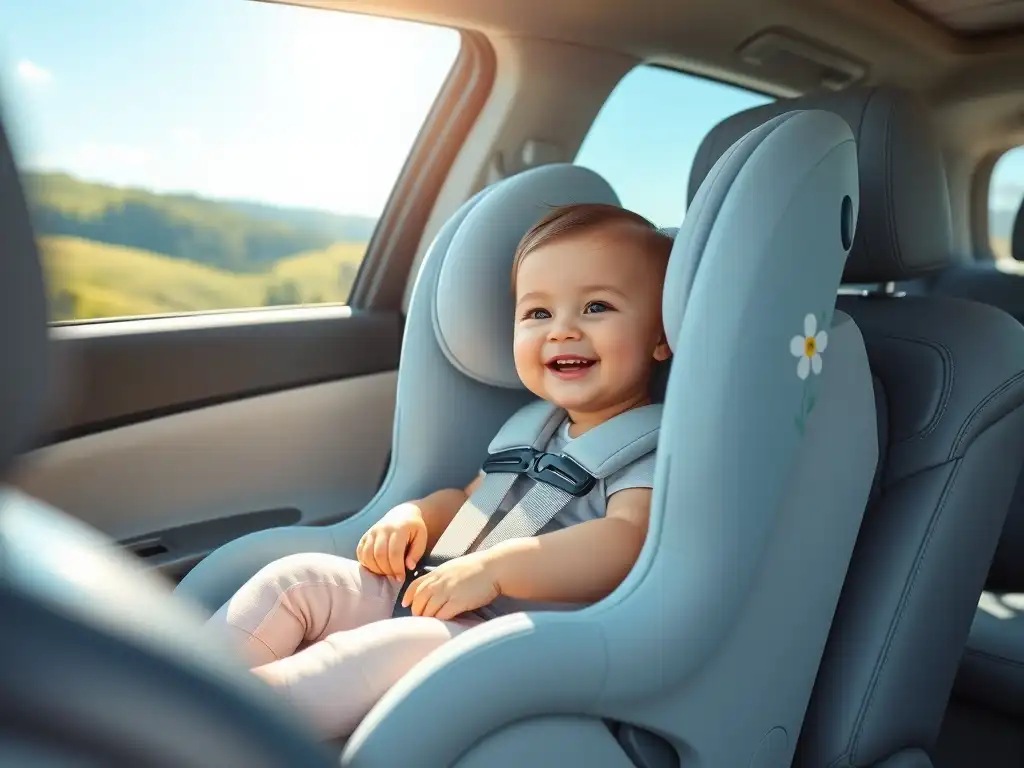
Welcome to BabyCareHub, your ultimate guide to navigating the exciting yet challenging world of parenthood! Are you ready to embark on countless adventures with your little one? Then securing their safety is paramount, starting with the right car seat. Discover how to ensure safest baby car seat travel with our in-depth guide, packed with practical tips and expert advice, found within our "Parenting Practicalities" section. Let us help you confidently embrace every journey ahead.
- Understanding the Importance of Safe Baby Car Seat Travel
- Top-Rated Safest Baby Car Seats for Travel in 2024
- Installing Your Baby Car Seat Safely: A Step-by-Step Guide
- Traveling Safely with Your Baby: Beyond the Car Seat
- Maintaining Your Baby Car Seat: Extending its Lifespan and Safety
- Frequently Asked Questions about Safe Baby Car Seat Travel
- Frequently Asked Questions
- Final Reflection: The Enduring Legacy of Safe Baby Travel
- Unlock Worry-Free Travel with Your Little One!
Understanding the Importance of Safe Baby Car Seat Travel
Traveling with a newborn or infant can be an exciting yet daunting experience for first-time parents. Amongst the many preparations, ensuring your little one's safety during car journeys is paramount. This article focuses on the crucial aspect of choosing and using the safest baby car seat for travel, providing you with the knowledge and guidance to make informed decisions that prioritize your baby's well-being.
The safest baby car seat travel isn't just about picking a seat; it's about understanding the various factors involved, from choosing the right type of car seat to correctly installing and using it. We'll explore different options, considering factors like budget and your baby's developmental stage, ensuring a secure and comfortable journey for your precious cargo.
Choosing the right car seat is an investment in your baby's safety and peace of mind for you as a parent. Let's delve into the specifics to equip you with the knowledge you need for confident and safe travels.
Choosing the Safest Baby Car Seat for Your Needs
Selecting the safest baby car seat involves careful consideration of several key factors. The most important aspect is ensuring the car seat meets all relevant safety standards and regulations. Look for certifications and labels that indicate compliance. Beyond certifications, consider the specific features of the seat.
Features like side-impact protection, robust harness systems, and easy-to-use installation mechanisms significantly contribute to safety. Remember, the "safest" car seat is the one that is correctly installed and appropriate for your child's age, weight, and height. Don't hesitate to consult with car seat safety experts or your pediatrician for personalized recommendations.
Consider also the ease of use – a car seat that's difficult to install or adjust may lead to improper usage, compromising safety. A well-fitting and correctly installed seat is crucial for optimal protection. Consider the overall build quality; a sturdy and well-constructed seat will offer better protection in the event of a collision.
Factors to Consider: Infant vs. Convertible Car Seats
The choice between an infant car seat and a convertible car seat often depends on your baby's age and your family's travel habits. Infant car seats, designed for newborns and infants up to around 30 pounds or when they reach the seat's height limit, offer the convenience of being easily removed from the vehicle's base. This is particularly helpful for parents who frequently move their baby from car to stroller to carrier. However, once your baby outgrows the infant seat, you'll need to transition to a larger seat.
Convertible car seats, on the other hand, offer longevity. They can be used for rear-facing and forward-facing positions, accommodating your child for an extended period (from infancy up to 65 pounds or higher, depending on the model). While they offer more extended use, they are generally bulkier and heavier than infant car seats. The decision ultimately hinges on your individual needs and preferences. Consider factors like how often you travel, the size of your vehicle, and your budget when weighing the pros and cons of each type. Remember to always check the manufacturer's instructions for weight and height limits.
Budget-Friendly Options for Safe Baby Car Seat Travel
Finding a safe and budget-friendly car seat doesn't mean compromising on safety. Several reputable brands offer affordable options that meet essential safety standards. While it's tempting to opt for the cheapest car seat available, prioritizing safety features and checking for certifications should always come first. Look for sales and discounts, consider buying used car seats (following strict guidelines and ensuring the seat hasn't been involved in an accident), and explore options from different retailers to compare prices.
Remember that a well-maintained, correctly installed, and appropriately sized car seat, even a budget-friendly one, can provide excellent protection. Don't be afraid to ask questions and do thorough research before making your final decision. Prioritizing safety should always be the top priority, even when operating on a limited budget. A little research goes a long way in finding a safe and affordable option for your family.
Regulations and Safety Standards for Baby Car Seats
Choosing the safest baby car seat for travel involves understanding the intricate web of regulations and safety standards governing these crucial pieces of equipment. These standards aren't uniform globally, and variations exist between countries and even within regions. For example, the United States relies heavily on the Federal Motor Vehicle Safety Standard (FMVSS) 213, which dictates stringent testing procedures for car seat crashworthiness.
This standard covers aspects like structural integrity under impact, harness system performance, and the ability of the seat to withstand various crash scenarios. Manufacturers must meet these standards to legally sell their products in the US. Failure to comply can result in significant penalties and product recalls.
Understanding these standards goes beyond simply looking for a sticker on the car seat. It involves researching the specific tests conducted, the types of impacts simulated, and the overall performance ratings achieved by the seat. Independent testing organizations often publish detailed reports on car seat performance, providing valuable insights beyond the manufacturer's claims. These reports can highlight strengths and weaknesses, helping parents make informed decisions. For instance, some organizations focus specifically on side-impact protection, a crucial element often overlooked. Others analyze the ease of installation and the effectiveness of the harness system in preventing injuries during a collision.
Parents should proactively check the specific safety standards applicable in their country or region. This information is usually readily available from government transportation authorities or consumer protection agencies. These agencies often provide comprehensive guides and resources explaining the regulations and highlighting key safety features to look for. Furthermore, keeping abreast of any updates or revisions to these standards is crucial.
Safety technology evolves, and newer regulations often reflect the latest advancements in crash protection. Staying informed ensures that the car seat selected meets the highest safety benchmarks at the time of purchase. Remember, the goal is not just compliance but the highest level of protection for your precious cargo. A well-informed decision regarding car seat safety is an investment in your child's well-being.
Top-Rated Safest Baby Car Seats for Travel in 2024
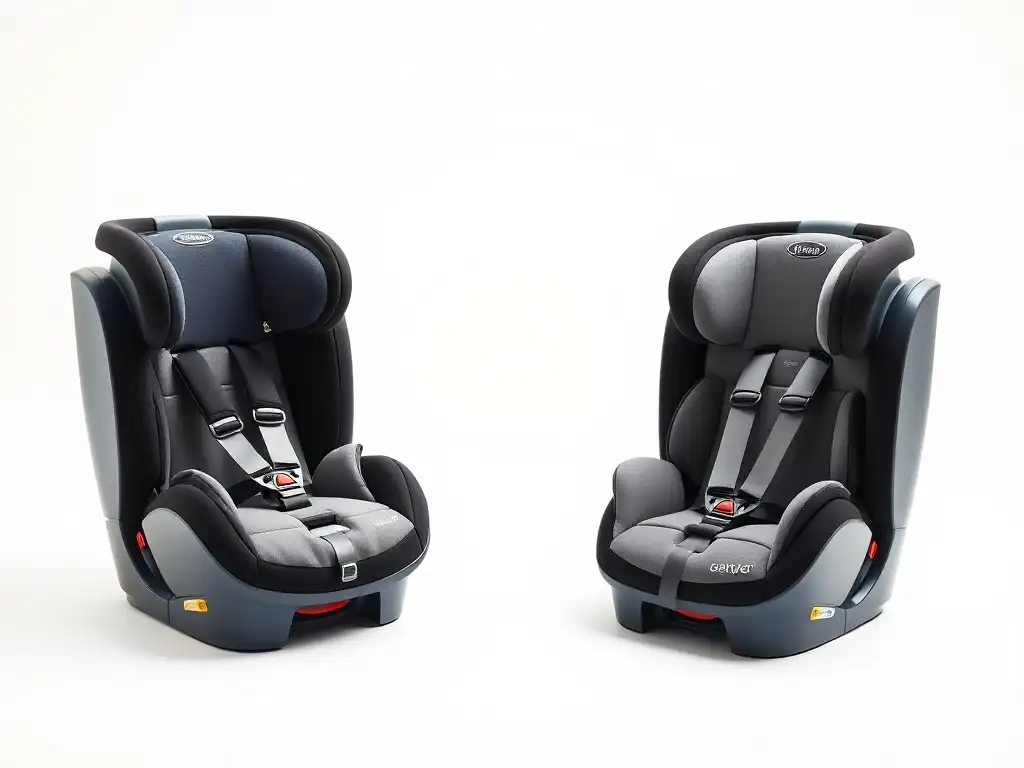
Choosing the safest baby car seat for travel is paramount. The right car seat can significantly reduce the risk of injury during accidents, providing peace of mind for parents on the go. This section highlights two top contenders for the title of "safest baby car seat travel" in 2024, focusing on their features, ease of use, and real-world feedback. Remember, always consult your car's owner's manual and the car seat's instructions for proper installation. The safest car seat is the one installed correctly.
Nuna Pipa Rx: Features, Pros, and Cons for Traveling with Infants
The Nuna Pipa Rx infant car seat is frequently lauded for its sleek design and impressive safety features. Its lightweight yet sturdy construction makes it ideal for travel, simplifying the process of transferring your baby from car to stroller. The Pipa Rx boasts a robust steel frame and utilizes advanced side impact protection. Its easy-to-use one-pull tightening system minimizes installation time, a significant advantage when you're rushing to get on the road.
However, the Nuna Pipa Rx is a more expensive option compared to some competitors. While its lightweight design is a plus for portability, some users find the base a bit bulky for storage when not in use. The relatively narrow seat might also be a concern for larger infants.
Installation Guide and Safety Tips for Nuna Pipa Rx
Installing the Nuna Pipa Rx correctly is crucial for optimal safety. The base utilizes a simple and secure latch system, requiring minimal effort. Ensure the base is firmly secured to the vehicle's lower anchors and that the car seat clicks into place audibly. Regularly check the tightness of the straps and ensure the harness is properly adjusted to fit your baby snugly.
Remember to always use the provided base for optimal safety. Never use the seat without the base unless absolutely necessary, and always follow the manufacturer's instructions precisely. A slight tilt is often required for optimal performance – check the level indicator on the base. Consider using a rear-facing mirror to keep an eye on your baby while driving.
Real User Reviews: Nuna Pipa Rx for Safe Baby Car Seat Travel
User reviews consistently praise the Nuna Pipa Rx for its ease of installation and its reassuring sense of security. Many parents appreciate the lightweight design, particularly when navigating airports or transferring the seat between vehicles. 👶 However, some negative comments mention the price point and the limited lifespan before needing to upgrade to a convertible seat. The consensus appears to be that while it's a premium option, the safety features and ease of use justify the investment for many families prioritizing "safest baby car seat travel."
Graco Extend2Fit Convertible Car Seat: Convertible Car Seat for Growing Families
The Graco Extend2Fit convertible car seat offers exceptional value and longevity. Its extended rear-facing capability allows your child to stay rear-facing for a longer period, a key safety feature for infants and toddlers. The adjustable headrest and harness system allows for a comfortable and secure fit as your child grows, making it a cost-effective choice for several years. The Extend2Fit also features multiple recline positions, important for ensuring proper positioning, especially when traveling for long periods. This adaptability makes it a strong contender in the "safest baby car seat travel" category.
Installation Guide and Safety Tips for Graco Extend2Fit Convertible Car Seat
Installation of the Graco Extend2Fit is generally straightforward, offering both LATCH and seat belt installation options. Ensure the seat is securely fastened, and always refer to the instruction manual for detailed guidance. Proper harness adjustment is crucial; the straps should be snug against your child's body, with no slack.
Regularly inspect the seat for any signs of wear and tear, and replace it if necessary. The Graco Extend2Fit's extended rear-facing feature is a significant safety advantage, offering superior head and neck protection in the event of a collision. Remember to check the vehicle's owner's manual for specific recommendations on car seat installation.
Real User Reviews: Graco Extend2Fit Convertible Car Seat for Safe Baby Car Seat Travel
User feedback on the Graco Extend2Fit is generally positive, highlighting its affordability and long-term usability. Parents appreciate the extended rear-facing capabilities and the ease of adjusting the headrest and harness. Some users note that the seat can be a bit bulky, but the extended use outweighs this minor inconvenience for many families seeking a budget-friendly yet safe option for "safest baby car seat travel." While not as luxurious as some higher-priced options, the Graco Extend2Fit consistently receives high marks for safety and value.
Chicco Keyfit 30 Infant Car Seat: Budget-Friendly Option without Compromising Safety
The Chicco Keyfit 30 is a popular choice among parents seeking a balance between affordability and safety for their little ones. This infant car seat consistently receives high marks for its ease of use and robust safety features, making it a strong contender for the title of safest baby car seat travel option, especially for those on a budget. Its lightweight design, while not compromising sturdiness, makes it easy to maneuver and install, a significant plus for frequent travelers.
The Keyfit 30's simple yet effective design prioritizes secure installation, a key factor in ensuring your baby's safety during travel. Many parents appreciate its compatibility with various Chicco strollers, offering seamless transitions between car and stroller, a highly convenient feature for busy parents on the go. However, it's crucial to remember that even the safest car seat is only as effective as its proper installation.
Installation Guide and Safety Tips for Chicco Keyfit 30 Infant Car Seat
Correct installation is paramount when it comes to maximizing the safety features of any infant car seat, and the Chicco Keyfit 30 is no exception. The seat utilizes a simple, LATCH-based installation system, making it relatively straightforward to install correctly in most vehicles. Before installation, carefully read the included instruction manual. Pay close attention to the diagrams and step-by-step instructions.
Ensure the seat's base is securely fastened to the vehicle's LATCH system or seatbelt, depending on your car model and preference. A properly installed seat should exhibit minimal movement—less than one inch of movement in any direction is ideal. After installation, always perform a thorough check to ensure the seat is stable.
Remember to regularly inspect the straps for wear and tear, and replace them if necessary. Always use the provided infant car seat base for optimal safety and stability. Never place the car seat facing the rear in the front passenger seat if an airbag is active.
Real User Reviews: Chicco Keyfit 30 Infant Car Seat for Safe Baby Car Seat Travel
Parents who have used the Chicco Keyfit 30 for travel consistently praise its ease of installation and its secure fit. Many describe it as a "lifesaver" for its simplicity and reliability. Several reviews highlight the seat's lightweight yet sturdy build, making it ideal for frequent trips. Positive feedback often mentions the comfortable padding and the baby's generally happy demeanor while in the seat.
However, some users have noted that the seat's fabric can be difficult to clean thoroughly. A few reviews mention minor challenges in getting a perfectly snug fit in certain vehicle models, but these instances are relatively rare and often attributed to improper installation. Overall, the overwhelming majority of user reviews support the Chicco Keyfit 30 as a reliable and safe option for traveling with infants, making it a strong contender for the title of safest baby car seat travel choice.
The consistent positive feedback regarding ease of installation and secure fit underscores its suitability for parents prioritizing safety and convenience during travel with their little ones. The overwhelmingly positive feedback, while acknowledging minor drawbacks, points to the Chicco Keyfit 30 as a budget-friendly yet safe and reliable option for safe baby car seat travel. 👶🚗💨
Installing Your Baby Car Seat Safely: A Step-by-Step Guide
This section provides a detailed, step-by-step guide to ensure the safest possible installation of your baby's car seat, contributing to the overall goal of achieving the safest baby car seat travel experience. Remember, a correctly installed car seat is the cornerstone of your baby's safety on the road. Incorrect installation can significantly compromise protection in the event of a collision. Always refer to your car seat's instruction manual for specific details, as installation methods can vary slightly between models.
Securing Your Baby in the Safest Baby Car Seat
Once the car seat is correctly installed, securing your baby is equally crucial for achieving the safest baby car seat travel. The harness should fit snugly against your baby's body, with no slack. Follow these steps:
- Harness Adjustment: Adjust the harness straps so they are snug at the shoulders, leaving only one to two fingers' width of space between the straps and your baby's chest. Too loose, and your baby could slip out in a sudden stop; too tight, and it can be uncomfortable and potentially dangerous.
- Chest Clip Positioning: Ensure the chest clip is positioned at armpit level. This helps keep the harness straps in place and prevents your baby from sliding under the straps.
- Recline Angle: Adjust the recline angle of the car seat according to your baby's age and size and the car seat manufacturer's recommendations. Newborns, especially, need to be in a more reclined position.
- Regular Checks: Check the harness frequently, especially after stops or adjustments. Make sure it remains snug and properly positioned. A slightly loose harness can be tightened by pulling up on the straps.
- Appropriate Car Seat Type: Remember that choosing the safest baby car seat also involves selecting the right type for your baby's age and weight. Rear-facing is recommended for as long as possible, generally until they reach the maximum height and weight limits of their rear-facing car seat.
Checking for Proper Installation: Avoiding Common Mistakes
Even experienced parents can make mistakes when installing a car seat. Here's how to avoid common pitfalls and ensure a secure fit that prioritizes the safest baby car seat travel:
- The "Pinch Test": After installation, try to pinch the belt at the base of the car seat. If you can pinch more than an inch of webbing, the car seat is too loose. This is a critical check for both LATCH and seatbelt installations.
- Level Seat: Ensure the car seat is level. A tilted car seat can increase the risk of your baby sliding out during a sudden stop or accident.
- Base Securement: Double-check that the base is firmly secured to the vehicle seat. There should be no movement or wobble.
- Seat Belt Routing: If using the seat belt, make sure it's routed correctly through all the designated slots and is firmly secured. Refer to your car seat and vehicle manuals for the proper belt path.
- LATCH System Engagement: If using the LATCH system, ensure all connectors are securely engaged and the indicators (if present) show a proper connection.
Different Car Seat Installation Methods: LATCH vs. Seat Belt
The safest baby car seat installation depends on factors like your vehicle and the car seat's features. Two primary methods exist: Lower Anchors and Tethers for Children (LATCH) and the vehicle's seat belt.
| Method | Advantages | Disadvantages | Considerations |
|---|---|---|---|
| LATCH | Easier installation, generally considered quicker | Not available in all vehicle seats, weight limits | Check your vehicle and car seat manuals for compatibility and weight limits. |
| Seat Belt | Works in all vehicles | Can be more challenging to install correctly | Requires careful attention to proper belt routing and tightness. |
Choosing between LATCH and the seat belt often depends on the weight of the car seat and your vehicle's capabilities. Always prioritize a secure installation over the method used, ensuring that your baby is as safe as possible during travel. Remember, a properly installed car seat is the best way to ensure the safest baby car seat travel experience for your little one. 👶
Essential Accessories for Safe Baby Car Seat Travel
Ensuring your baby's safety during travel goes beyond just choosing the safest baby car seat; it involves utilizing essential accessories that enhance security and comfort. These additions aren't merely optional extras—they're crucial components of a comprehensive safety strategy for your little one's car journeys. Neglecting these accessories can significantly compromise the effectiveness of even the most advanced car seat.
One of the most important accessories is a properly fitted and appropriately sized infant car seat base. The base provides stability and simplifies the installation process, reducing the chances of incorrect placement. Remember, a wobbly or improperly installed base negates the safety features of the car seat itself.
Always consult your car seat's manual for specific base compatibility and installation instructions. Failing to do so can lead to serious consequences in the event of an accident. The base should be securely fastened to the vehicle's seat using the LATCH system or the vehicle's seat belt, depending on your car and car seat model.
Another critical accessory is a high-quality rear-facing mirror. This allows you to easily monitor your baby while driving, providing peace of mind and enabling you to address any needs quickly. It's important to choose a mirror with a wide viewing angle and secure attachment system to prevent it from obstructing your view or becoming dislodged during travel. Consider mirrors that are specifically designed for car seats and offer features like adjustable angles and shatter-resistant construction. Regularly check the mirror's stability to ensure it remains securely affixed.
Finally, consider a car seat organizer. While not directly related to safety in the event of a collision, organizers help keep essential baby items within easy reach, minimizing distractions while driving. This allows you to focus on the road and manage baby's needs without compromising safety.
However, ensure that any items stored in the organizer are lightweight and securely fastened to prevent them from becoming projectiles in a sudden stop or accident. Overloading the organizer can compromise its stability and potentially create a hazard. Choose an organizer that is specifically designed for car seats and securely attaches to the car seat or headrest.
Traveling Safely with Your Baby: Beyond the Car Seat
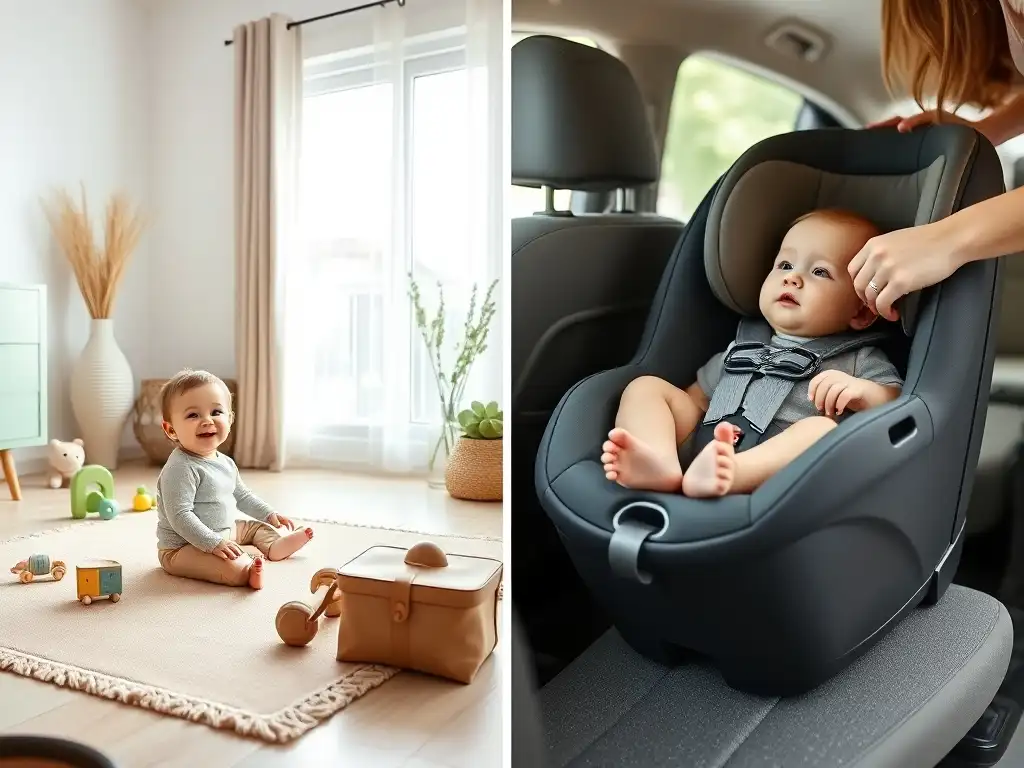
Choosing the safest baby car seat for travel is paramount, but ensuring your little one's safety extends beyond the seat itself. A secure car seat installation is only half the battle; consider these additional safety measures for a truly secure journey. Remember, even the safest baby car seat travel setup requires vigilant parental oversight.
Airport Travel with a Baby Car Seat: Tips and Tricks
Navigating airports with a baby and a car seat can feel overwhelming, but with careful planning, it can be manageable. Remember to check your airline's specific policies regarding car seat allowance and size restrictions before you travel. Some airlines allow car seats to be gate-checked for free, while others may charge a fee. Always ensure your car seat is properly secured in the aircraft, following the airline's instructions and using the seatbelt provided.
Consider using a lightweight, travel-friendly car seat that's easy to carry and maneuver. A good quality car seat travel bag can protect your investment and make transportation smoother. Packing a small blanket or toy can help soothe your baby during the journey. Planning for potential delays is crucial; pack extra diapers, wipes, formula or breast milk (following TSA guidelines), and snacks.
Remember, a calm and prepared parent makes for a calmer baby. The key is to anticipate needs and have solutions ready. This proactive approach contributes significantly to the safest baby car seat travel experience, particularly in the often-chaotic airport environment.
Road Trip Essentials for Safe Baby Car Seat Travel
Road trips with babies require meticulous planning for safest baby car seat travel. Beyond the car seat itself, consider these crucial elements:
- Regular Breaks: Plan for frequent stops to allow your baby to stretch, change diapers, and feed. Overtired babies are less likely to remain calm and secure in their car seats.
- Appropriate Clothing: Dress your baby in comfortable, loose-fitting clothing suitable for the weather conditions. Avoid bulky outerwear, which can compromise the car seat's fit and effectiveness.
- Entertainment: Pack engaging toys, books, and interactive activities to keep your baby entertained during the journey.
- Emergency Kit: A well-stocked emergency kit is essential, including first-aid supplies, extra diapers, wipes, formula or breast milk, and a change of clothes. Consider including a portable changing mat for easier diaper changes on the go.
- Proper Installation: Before embarking on any journey, double-check that your baby's car seat is correctly installed and secured in the vehicle. Refer to the manufacturer's instructions for specific details. A loose or improperly installed seat greatly reduces safety.
Keeping Your Baby Comfortable During Long Car Journeys
Long car journeys can be challenging for both parents and babies. Prioritizing your baby's comfort is crucial for a safe and stress-free trip. Here are some tips to ensure a comfortable journey:
- Temperature Control: Maintain a comfortable temperature inside the vehicle. Avoid excessively hot or cold conditions, which can make your baby uncomfortable and irritable.
- Proper Positioning: Ensure your baby is properly positioned in the car seat, with their head supported and their body secured. Adjust the straps as needed to provide a snug but not restrictive fit.
- Burp Cloths and Bibs: Keep burp cloths and bibs handy to deal with spills and messes. This helps maintain a clean and comfortable environment for your baby.
- Pacifiers and Toys: Pacifiers and favorite toys can help soothe your baby and keep them occupied during the journey.
- Frequent Checks: Regularly check on your baby's comfort and well-being during the journey. Adjust the car seat's position or provide additional comfort measures as needed. This attention to detail is key for safest baby car seat travel. Remember, a comfortable baby is a safer baby. 👶
Remember, prioritizing safety and comfort during travel with your baby is essential. By following these guidelines and choosing the right equipment, you can ensure a smooth and enjoyable journey for both you and your little one. Always consult your pediatrician or a certified child passenger safety technician for any specific concerns or questions.
Maintaining Your Baby Car Seat: Extending its Lifespan and Safety
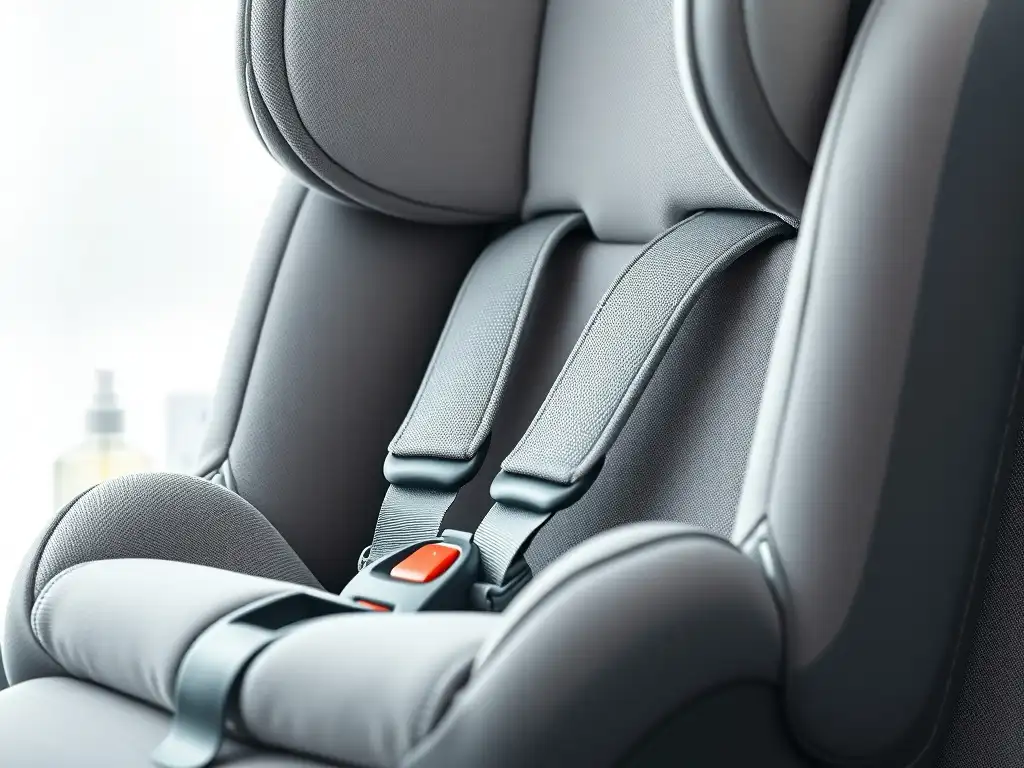
Maintaining your baby's car seat is crucial for ensuring its continued safety and longevity. A well-maintained car seat provides optimal protection during travel, contributing to the safest baby car seat travel experience possible. Neglecting maintenance can compromise its structural integrity and effectiveness, potentially jeopardizing your little one's safety. Regular cleaning and inspection are key components of responsible car seat ownership.
Regular Cleaning and Maintenance of Your Baby Car Seat
Regular cleaning goes beyond simply wiping down spills. It involves a thorough cleaning of all parts of the car seat, addressing both visible and hidden grime. This is especially important given the exposure to various substances, from baby food to bodily fluids. Here's a step-by-step guide:
- Preparation: Always refer to your car seat's manufacturer's instructions for specific cleaning recommendations. Some fabrics require special cleaning agents or techniques. Before cleaning, remove any loose debris or crumbs. Use a soft-bristled brush or vacuum cleaner attachment to clean crevices.
- Cleaning the Fabric: Use a mild detergent and lukewarm water. Avoid harsh chemicals or bleach, which can damage the fabric and compromise the car seat's structural integrity. Gently scrub the fabric, paying attention to areas prone to staining. Rinse thoroughly and allow to air dry completely. Never put the fabric in a dryer; air drying prevents shrinkage and ensures the materials remain intact.
- Cleaning the Harness and Buckles: These components are vital for securing your baby. Clean them with a damp cloth and mild detergent. Make sure the buckles move freely and latch securely after cleaning. A malfunctioning buckle can significantly reduce the safety of the car seat.
- Inspecting the Frame: Regularly inspect the car seat frame for any cracks, damage, or loose parts. Even minor damage can compromise the car seat's ability to absorb impact in an accident. If you find any damage, replace the car seat immediately. This contributes to the safest baby car seat travel experience.
- Storing the Car Seat: When not in use, store the car seat in a cool, dry place, away from direct sunlight and extreme temperatures. Prolonged exposure to harsh weather conditions can degrade the materials and affect its performance.
Signs Your Baby Car Seat Needs Replacing
Even with diligent maintenance, car seats have a limited lifespan. Several factors contribute to the need for replacement, impacting the safest baby car seat travel. Knowing the signs is crucial for prioritizing your baby's safety.
- Expiration Date: Most car seats have an expiration date printed on a label. This date reflects the manufacturer's assessment of the car seat's structural integrity over time. Using an expired car seat significantly compromises its ability to protect your child in a collision.
- Significant Damage: Any major damage, such as cracks in the frame, broken buckles, or significant tears in the fabric, warrants immediate replacement. These indicate a compromise in the car seat's ability to absorb impact and protect your baby.
- Involvement in a Car Accident: Even a minor accident can compromise the structural integrity of a car seat. Always replace a car seat that has been involved in any type of collision, regardless of the apparent damage. The internal structure might be damaged, even if it's not externally visible.
- Recall Notices: Be aware of any recall notices issued by the manufacturer. If your car seat model is subject to a recall, contact the manufacturer immediately for instructions on replacement or repair. This is a crucial step to ensure your baby's continued safety.
- Outgrown: As your child grows, they may outgrow their car seat. Ensure the car seat is appropriate for your child's age, height, and weight. Refer to the manufacturer's guidelines for weight and height limits.
Recycling or Disposing of Old Baby Car Seats Responsibly
Once your car seat needs replacing, responsible disposal is crucial. Simply discarding it in the trash is not only environmentally unfriendly but also potentially unsafe.
- Check for Recycling Programs: Some communities offer recycling programs for car seats. Contact your local waste management authority to inquire about such programs. Recycling helps reduce landfill waste and promotes sustainable practices.
- Donation to Charities: If the car seat is still in good condition (and not expired or damaged), consider donating it to a local charity or organization that supports families in need. This allows for responsible reuse and extends the lifespan of a valuable safety device.
- Proper Disposal: If recycling or donation isn't an option, ensure proper disposal according to your local regulations. This usually involves contacting your waste management service for guidance on disposing of bulky items. Never leave an old car seat unattended, as it could pose a safety hazard. The safest baby car seat travel is not just about using a safe car seat, but also about responsible disposal once it's no longer usable.
Remember, prioritizing your baby's safety during travel means diligent car seat maintenance and responsible disposal. By following these guidelines, you're contributing to the safest baby car seat travel experience possible. 👶🚗
Frequently Asked Questions about Safe Baby Car Seat Travel
Traveling with a baby can be stressful, but ensuring your little one's safety should always be the top priority. Choosing and correctly installing the safest baby car seat for travel is paramount. This section addresses some frequently asked questions to help you navigate the process and keep your baby secure on the road.
What is the best age to transition to a convertible car seat?
The optimal age to transition your baby from a rear-facing infant car seat to a convertible car seat depends on several factors, primarily your child's height and weight. Most convertible car seats can accommodate children rear-facing up to 40 pounds or until they reach the maximum height limit specified by the manufacturer. It's crucial to consult your convertible car seat's manual for precise specifications.
Don't rush the transition! Keeping your child rear-facing for as long as possible, within the car seat's limits, offers superior protection in a crash. Many pediatricians recommend keeping children rear-facing until they reach the maximum weight or height limit of their rear-facing car seat, often around age 2 or even longer.
Remember, exceeding the weight or height limits could compromise the effectiveness of the car seat's safety features. Prioritize your child's safety; a slightly longer period rear-facing is a small inconvenience compared to the enhanced protection provided. 👶
Some parents might consider transitioning sooner due to their child's size or perceived discomfort. However, it's vital to weigh the convenience against the significant safety benefits of extended rear-facing. The safest baby car seat travel strategy often prioritizes rear-facing for as long as possible, adhering to the manufacturer's guidelines.
How do I know if my car seat is installed correctly?
Correct car seat installation is critical for optimal safety. Improper installation significantly reduces the effectiveness of the car seat in a collision. To ensure correct installation, follow these steps:
- Read the manual: Every car seat comes with a detailed instruction manual. Read it carefully! This is not optional. The instructions are specific to your model and crucial for proper installation.
- Check the vehicle's manual: Your vehicle's owner's manual will also provide information on locating the lower anchors and tether straps (LATCH system) or seat belt installation points.
- Tighten the straps: Whether using LATCH or the vehicle's seat belt, ensure the straps are tightly secured. There should be minimal movement of the car seat. A properly installed car seat should not move more than one inch side-to-side at the belt path.
- Check for recline: Ensure the car seat is at the correct recline angle, as indicated in the manual. This is especially important for rear-facing seats.
- Use the tether strap (for forward-facing): If your child is forward-facing, utilize the tether strap. This additional strap significantly reduces movement and improves safety.
- Conduct the inch test: Try to move the car seat side-to-side at the belt path. It should move no more than one inch. If it does, tighten the straps further.
If you're unsure, consider seeking professional help. Many fire departments and police stations offer free car seat safety checks. They can inspect your installation and provide guidance on ensuring your child is securely fastened.
What are the most common car seat safety mistakes?
Several common mistakes compromise the effectiveness of even the safest baby car seat for travel. Understanding these mistakes is crucial for ensuring your child's safety.
| Mistake | Consequences | Solution |
|---|---|---|
| Loose installation | Increased risk of injury in a crash due to excessive movement of the car seat. | Ensure straps are tightly secured and the car seat is stable. |
| Incorrect recline angle | Improper support and increased risk of injury. | Consult the manual for the correct recline angle for your child's age and weight. |
| Failure to use the tether strap | Increased forward movement in a crash, leading to higher injury risk. | Always use the tether strap when the car seat is forward-facing. |
| Harness straps too loose | Child can easily slip out, increasing the risk of injury. | Harness straps should be snug, with only one or two fingers fitting between the straps and your child's chest. |
| Car seat expired or damaged | Compromised structural integrity, reducing its effectiveness in a crash. | Replace the car seat if it's expired or damaged. |
| Incorrect car seat for age/size | Improper fit and reduced protection. | Choose a car seat appropriate for your child's age, height, and weight. |
Remember, choosing the safest baby car seat for travel is only half the battle. Correct installation and consistent use are equally crucial for keeping your child safe on the road. Prioritize safety and always refer to the manufacturer's instructions and seek professional help if needed. Your peace of mind is priceless. 😊
How often should I inspect my car seat for damage?
Regular inspection of your baby's car seat is crucial for ensuring its continued effectiveness in protecting your little one. You should perform a thorough check at least monthly, looking for any signs of wear and tear that could compromise its safety. This isn't just about visible damage; it's about paying attention to subtle changes too.
Think about it this way: a car seat is subjected to significant stress – the forces involved in even minor accidents, the constant jostling of daily commutes, and the effects of sun exposure and temperature fluctuations. These factors can gradually weaken the car seat's structure, even if you don't see obvious cracks or breaks.
What should you be looking for specifically? Pay close attention to the straps. Are they frayed, torn, or excessively worn? Check the buckles – are they functioning smoothly and securely? Examine the car seat's shell for any cracks, significant scratches, or warping. Also, inspect the base for any signs of damage or instability. Don't forget to check the expiration date printed on the car seat itself; manufacturers often recommend replacement after a certain number of years due to material degradation.
Remember, even small seemingly insignificant issues could compromise the car seat's ability to absorb impact effectively in a collision. A seemingly minor crack could weaken the structural integrity, potentially leading to catastrophic consequences in an accident. Therefore, diligent and frequent inspections are paramount to ensuring your baby's safety. If you find any damage, no matter how small it seems, replace the car seat immediately.
Your baby's safety is worth the investment. Prioritizing regular car seat checks is an easy yet incredibly effective way to contribute to a safer travel experience for your child. Don't underestimate the importance of this simple yet vital step in ensuring the safest baby car seat travel.
Frequently Asked Questions
What is the safest way to install a baby car seat?
Always follow the manufacturer's instructions carefully. Ensure the car seat is securely fastened using both the vehicle's seat belt and the car seat's lower anchors (LATCH) system if available. Proper installation is crucial for optimal safety.
Which type of car seat is safest for newborns?
Rear-facing infant car seats are generally considered the safest option for newborns and infants until they reach the maximum weight and height limits specified by the manufacturer. Keep your baby rear-facing as long as possible.
How do I know if my baby's car seat is installed correctly?
Check for secureness by attempting to move the car seat from side to side and front to back. It shouldn't move more than an inch. Consider getting your car seat professionally inspected at a local fire station or certified child passenger safety technician.
At what age or weight can my baby switch to a convertible car seat?
You can transition to a convertible car seat once your child outgrows their infant car seat, reaching the maximum weight or height limits. Always refer to the manufacturer's guidelines for specific recommendations.
What are some common mistakes parents make when installing a car seat?
Common mistakes include loose straps, incorrect harness adjustment, and using the wrong type of car seat for the child's age and size. Regularly checking the installation and ensuring a proper fit is vital for optimal safety.
Final Reflection: The Enduring Legacy of Safe Baby Travel
The safety of our children remains paramount, and the journey to ensuring their well-being extends far beyond the confines of our homes. Choosing the right car seat is not merely a purchase; it's an unwavering commitment to their protection, a shield against the unpredictable nature of the road. This commitment, however, requires constant vigilance and informed decision-making.
The impact of car seat safety standards on our collective consciousness is undeniable. We've moved from a time of rudimentary restraints to an era of sophisticated engineering designed to minimize injury. The best car seat is the one that's used correctly,
a simple yet profound statement that underscores the responsibility we bear as parents and caregivers. The ongoing evolution of car seat technology, driven by safety concerns and technological advancements, reflects our society's dedication to protecting its most vulnerable members. This dedication, however, must extend beyond simply purchasing a seat; it requires understanding the nuances of installation, usage, and the importance of regular checks.
Consider the implications of your choices. Will you prioritize convenience over safety? Will you invest the time to learn the intricacies of proper installation? The answer to these questions will directly impact the safety of your child. Take the time to research, to learn, and to choose wisely. Your child's future, their well-being, and their very life, depend on your informed decision. Embrace the responsibility, and let the journey of safe travel begin.
Unlock Worry-Free Travel with Your Little One!
Thank you for taking the time to learn about safe baby travel! We hope this guide has provided you with the knowledge to keep your child secure on every adventure. Now it's time to put that knowledge into practice.
- Prioritize your baby's safety by meticulously checking your car seat installation. This is the most crucial step to ensuring a safe journey.
- Share this article with other parents—helping others protect their children is invaluable.
- Research different car seat models and features to find the perfect fit for your family.
What innovative safety features have you found most helpful while traveling with your baby? Let's share tips in the comments below!