
Respiratory Health in Premature Babies: Ongoing Care and Monitoring


Welcome to BabyCareHub, your ultimate guide to navigating the incredible journey of parenthood. We understand that raising a child, especially a newborn, can feel overwhelming. But you're not alone! This comprehensive resource offers expert advice and practical support on every aspect of baby care. Are you concerned about premature baby respiratory health? Then you've come to the right place. Discover crucial insights and learn how to provide the best possible care for your little one's delicate respiratory system. Dive in and begin your exploration of essential information tailored to help you confidently embrace this extraordinary adventure.
- Understanding Premature Baby Respiratory Health Challenges
- Monitoring Your Premature Baby's Respiratory System at Home
- Ongoing Respiratory Care for Premature Babies
- Promoting Healthy Lung Development in Preterm Infants
- When to Seek Immediate Medical Attention for Respiratory Problems
- Supporting the Emotional Well-being of Parents
-
Frequently Asked Questions
- What are the common respiratory problems in premature babies?
- How is respiratory support provided to premature infants?
- What are the long-term respiratory concerns for premature babies?
- What role does parental involvement play in managing respiratory health?
- How can I find more information about premature baby respiratory health?
- Final Reflection: Breathing a Brighter Future for Preemies
- Unlock Your Little One's Breathing Potential
Understanding Premature Baby Respiratory Health Challenges
Premature birth, defined as birth before 37 weeks of gestation, significantly increases a baby's risk of respiratory problems. The lungs of premature infants are often underdeveloped, lacking the surfactant necessary for proper air sac inflation and efficient gas exchange. This immaturity leads to a higher susceptibility to various respiratory illnesses and complications, requiring specialized care and ongoing monitoring.
This article delves into some of the most common respiratory health challenges faced by premature babies, providing an overview of their causes, symptoms, management, and long-term implications. Understanding these challenges is crucial for parents and caregivers to advocate for their little one's best possible health outcomes and navigate the complexities of neonatal care.
Navigating the world of premature baby respiratory health can feel overwhelming, but with knowledge and support, you can effectively manage your baby's condition and ensure their healthy development. This guide provides essential information to help you understand the challenges and equip you with the knowledge to effectively support your premature baby's respiratory health.
Respiratory Distress Syndrome (RDS) in Premature Infants
Respiratory Distress Syndrome (RDS), also known as hyaline membrane disease, is a common respiratory problem affecting premature infants, particularly those born before 28 weeks of gestation. The primary cause is a deficiency in surfactant, a substance that reduces surface tension in the alveoli (tiny air sacs in the lungs). Without sufficient surfactant, the alveoli collapse after each breath, making it extremely difficult for the baby to breathe.
Symptoms of RDS can include rapid and labored breathing (tachypnea), nasal flaring, grunting sounds with each exhalation, and retractions (inward pulling of the chest wall). Severe cases may lead to cyanosis (bluish discoloration of the skin) indicating low oxygen levels.
Treatment for RDS typically involves providing supplemental oxygen, often through a ventilator, and administering artificial surfactant directly into the baby's lungs. Continuous monitoring of oxygen levels and respiratory support are crucial for managing this condition. Early intervention and close medical supervision significantly improve the chances of a positive outcome. The severity of RDS varies greatly depending on the gestational age at birth and the level of lung immaturity.
Bronchopulmonary Dysplasia (BPD) and its Long-Term Effects
Bronchopulmonary Dysplasia (BPD) is a chronic lung disease that can develop in premature infants, often as a complication of RDS or prolonged mechanical ventilation. It's characterized by inflammation and damage to the lungs, leading to impaired lung function and difficulty breathing.
BPD can manifest in various ways, including persistent cough, wheezing, increased respiratory rate, and increased susceptibility to respiratory infections. The long-term effects of BPD can be significant, potentially impacting lung function, growth, and development into childhood and beyond. Some infants with BPD may require ongoing respiratory support, medications, or oxygen therapy.
The risk of developing BPD is influenced by factors such as gestational age at birth, severity of RDS, duration of mechanical ventilation, and the presence of other medical conditions. Early detection and management, including reducing the duration of mechanical ventilation and minimizing lung injury, are crucial in preventing or mitigating the severity of BPD. Careful monitoring and appropriate interventions are essential to improve long-term respiratory outcomes. The prognosis for BPD varies depending on the severity of the disease and the individual's response to treatment.
Apnea of Prematurity: Causes and Management
Apnea of prematurity is characterized by pauses in breathing lasting longer than 20 seconds, or shorter pauses accompanied by a decrease in heart rate or oxygen saturation. It's a common occurrence in premature infants, particularly those born before 30 weeks of gestation. The exact cause is not always fully understood, but it's thought to be related to the immaturity of the respiratory control center in the brain.
Several factors can increase the risk of apnea of prematurity, including low birth weight, gestational age, and the presence of other medical conditions. Monitoring for apnea is crucial, often done with continuous pulse oximetry and apnea monitors. Treatment may involve gentle stimulation to restart breathing, caffeine therapy to stimulate the respiratory center, and in severe cases, mechanical ventilation.
Careful monitoring and prompt intervention are essential to prevent potentially life-threatening complications associated with apnea of prematurity. Early recognition and appropriate management significantly improve the chances of a favorable outcome. The frequency and severity of apnea episodes typically decrease as the baby matures and their respiratory system develops. Parents are often provided with education and support to manage apnea at home.
Recurrent Respiratory Infections in Preterm Babies
Premature babies, especially those born significantly early, have underdeveloped immune systems, making them highly susceptible to recurrent respiratory infections. These infections can range from mild bronchiolitis to severe pneumonia, significantly impacting their respiratory health and overall development. The immature lungs of preterm infants are less able to fight off invading pathogens, and their smaller airways are more easily obstructed. This vulnerability is exacerbated by the fact that many premature babies require extended stays in neonatal intensive care units (NICUs), exposing them to a higher risk of nosocomial infections (infections acquired in a healthcare setting).
The frequency of respiratory infections in preterm babies is a significant concern. Studies have shown a considerably higher incidence of respiratory illnesses in this population compared to their full-term counterparts. The consequences can be severe, including prolonged hospital stays, the need for supplemental oxygen, and even life-threatening complications. These infections can also disrupt the baby's feeding and sleep patterns, hindering their growth and development. Repeated infections can lead to chronic lung disease (bronchopulmonary dysplasia or BPD), a serious condition that can have long-term effects on lung function.
Managing recurrent respiratory infections in premature babies requires a multi-faceted approach. This typically involves meticulous hand hygiene by caregivers, strict infection control protocols within the NICU, and prompt medical intervention at the first sign of infection. Early detection is crucial; parents and healthcare providers should be vigilant in monitoring for symptoms such as increased respiratory rate, cough, nasal flaring, and retractions.
Vaccination against common respiratory viruses, such as influenza and RSV (respiratory syncytial virus), is also vital in protecting these vulnerable infants. In some cases, prophylactic medication may be recommended to reduce the risk of infection. The severity of the infections and the baby's overall health will determine the most appropriate treatment plan.
Close monitoring of the baby's oxygen saturation levels and respiratory function is essential throughout the treatment process. The long-term impact of these recurrent infections needs careful consideration, and regular follow-up appointments with a pediatrician are crucial to assess the baby's respiratory development and overall well-being. Early intervention and ongoing monitoring are key to minimizing the potential long-term effects of recurrent respiratory infections on premature baby respiratory health.
Monitoring Your Premature Baby's Respiratory System at Home
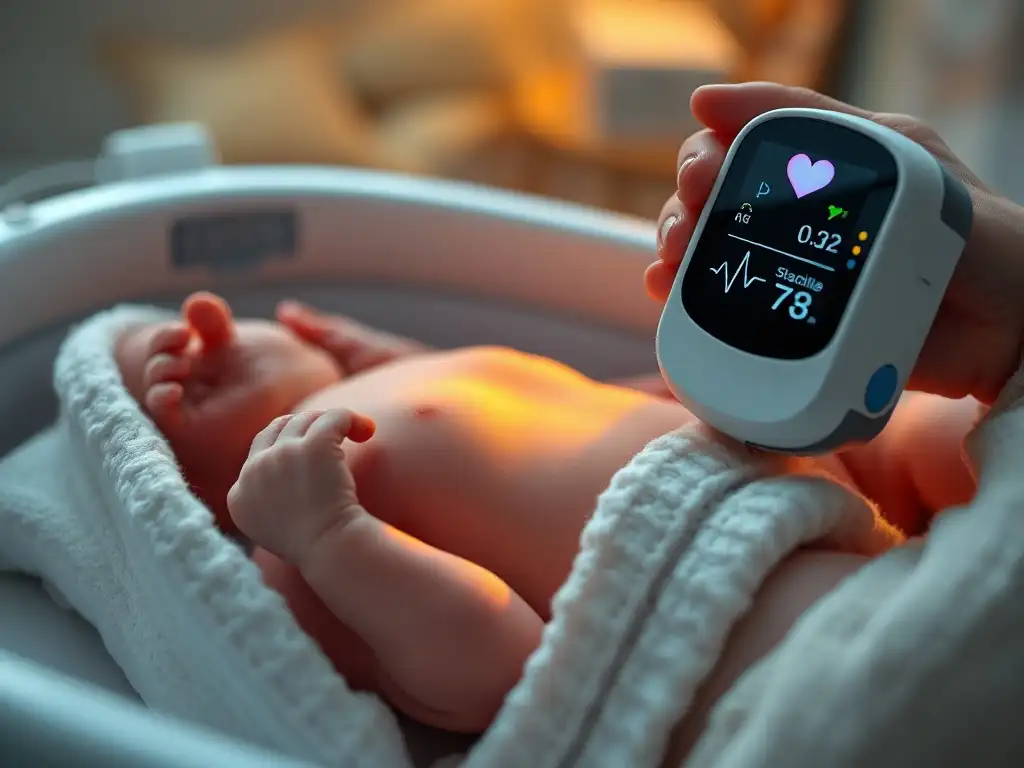
Premature baby respiratory health is a significant concern for parents. While hospital discharge marks a major milestone, ongoing monitoring at home is crucial for ensuring your little one thrives. This section focuses on practical strategies for vigilant respiratory care at home, empowering you to proactively address potential issues. Remember, this information is for educational purposes and should not replace professional medical advice. Always consult your pediatrician with any concerns.
Recognizing Signs of Respiratory Distress in Premature Infants
Recognizing early warning signs of respiratory distress is paramount in managing your premature baby's respiratory health. These signs can be subtle, so attentive observation is key. Look for the following:
- Increased respiratory rate: A significantly faster breathing rate than usual for your baby's age. Keep a record of your baby's breathing patterns to establish a baseline. Consult your pediatrician if you notice a persistent increase.
- Grunting: A harsh, groaning sound your baby makes during exhalation. This indicates the baby is working harder to breathe.
- Nasal flaring: Your baby's nostrils widen with each breath, a sign of increased respiratory effort.
- Retractions: The skin around the ribs or under the sternum (breastbone) sinks in with each breath. This shows the baby is struggling to get enough air.
- Cyanosis: A bluish tint to the skin, especially around the lips and fingertips, indicating low oxygen levels. This is a serious sign requiring immediate medical attention.
- Apnea: Pauses in breathing lasting longer than a few seconds. This is particularly concerning in premature babies and should be reported immediately to your pediatrician. Apnea monitors can be helpful in these situations.
- Wheezing: A whistling or wheezing sound during breathing, which could indicate bronchiolitis or other respiratory infections.
It's crucial to remember that these signs don't always appear in isolation. A combination of these symptoms often points towards a more serious respiratory issue. Don't hesitate to contact your pediatrician if you observe any of these signs, even if they seem minor. Early intervention is key in preventing complications. Keeping a detailed log of your baby's breathing patterns, feeding schedule, and any unusual occurrences will be invaluable to your pediatrician.
Using a Pulse Oximeter to Monitor Oxygen Saturation
A pulse oximeter is a non-invasive device that measures the oxygen saturation (SpO2) in your baby's blood. This simple tool can provide valuable insight into your premature baby's respiratory health, particularly at home. While not a replacement for professional medical attention, it allows for early detection of potential problems.
The device clips onto your baby's finger or toe and provides a reading in a matter of seconds. A healthy SpO2 level is typically above 95%. However, the target range for premature babies might vary depending on individual circumstances and your pediatrician's recommendations. Always consult your pediatrician to understand the appropriate SpO2 range for your baby.
Keep in mind that a low SpO2 reading doesn't always indicate a serious problem. It could be due to temporary factors like feeding or crying. However, consistently low readings or a sudden drop require immediate medical attention. Regularly monitoring your baby's SpO2, especially during periods of sleep or apparent distress, can provide early warning of potential respiratory issues. This proactive approach empowers you to seek timely medical intervention if needed.
Remember to handle the pulse oximeter with care and follow the manufacturer's instructions meticulously. Ensure the device is properly calibrated and the readings are accurately recorded.
Importance of Regular Check-ups with the Pediatrician
Regular check-ups with your pediatrician are non-negotiable for the ongoing care of a premature baby. These visits provide a crucial opportunity for your pediatrician to monitor your baby's progress, assess their respiratory health, and address any concerns you might have. These visits are not just about weighing and measuring; they are a critical component of proactive healthcare.
During these appointments, your pediatrician will likely:
- Listen to your baby's lungs: Auscultation helps detect any abnormalities in breathing sounds.
- Assess your baby's respiratory rate: Monitoring changes in breathing patterns over time is essential.
- Review your records: Maintaining a detailed record of your baby's SpO2 readings, feeding patterns, and any observed symptoms is vital for informed medical decisions.
- Address your concerns: Open communication with your pediatrician is key to addressing any anxieties or questions you may have.
- Provide guidance and support: Your pediatrician can offer valuable advice on managing your baby's respiratory health and answer your questions about ongoing care.
Scheduling and attending these regular check-ups ensures early detection of potential problems and allows for timely intervention, significantly improving your premature baby's chances of healthy development. Don't hesitate to ask questions and voice any concerns during these appointments; your active participation is crucial for your baby's well-being. The proactive approach of regular monitoring and communication with your healthcare provider is vital to ensuring optimal "Premature baby respiratory health".
Home Monitoring Equipment and its Proper Use
Monitoring your premature baby's respiratory health at home can be daunting, but the right equipment and understanding its use can significantly ease anxieties and ensure your baby's safety. Several devices are available to assist parents in tracking vital signs and identifying potential respiratory issues early on. It's crucial to remember that these devices are supplementary tools and should never replace professional medical advice. Always consult your pediatrician or neonatologist before using any home monitoring equipment and to establish a clear plan for interpreting the data.
One common piece of equipment is a pulse oximeter. This small, clip-on device measures the oxygen saturation (SpO2) in your baby's blood and their heart rate. Accurate readings require proper placement – typically on a finger or toe – ensuring a snug fit without constricting blood flow. Regularly check the sensor for proper placement and clean it according to the manufacturer's instructions.
Understanding the normal SpO2 range for your baby (provided by your healthcare provider) is crucial for interpreting readings. Significant drops below this range may indicate respiratory distress, necessitating immediate contact with your doctor. Remember, a low SpO2 reading alone might not be indicative of a problem, but it should always be considered in conjunction with other symptoms like increased breathing rate or difficulty feeding.
Another potentially helpful device, though less common for home use, is a home apnea monitor. These monitors detect pauses in breathing (apnea) and alert parents if an episode occurs. These monitors are usually prescribed by a doctor for babies deemed at high risk for apnea. They require careful setup and adherence to the manufacturer's instructions, and your healthcare provider will likely provide training on its use.
False alarms can occur, so learning to differentiate between a true apnea event and a false alarm is essential. Understanding the alarm settings and appropriate responses is paramount. Always follow your doctor's guidance on how to respond to an alarm, which may involve stimulating your baby or contacting emergency services.
Finally, meticulous observation is your most valuable tool. While technology assists, nothing replaces careful attention to your baby's breathing pattern, color, and overall behavior. Note any changes in their breathing rate, depth, or effort. A bluish tinge to their skin (cyanosis) or grunting sounds during breathing are warning signs requiring immediate medical attention.
Maintaining a detailed record of your observations, including readings from any monitoring devices, allows your healthcare provider to track your baby's progress and identify any potential problems early on. This proactive approach is key to ensuring the best possible respiratory health for your premature baby. Remember, consistent communication with your healthcare team is crucial throughout this process.
Ongoing Respiratory Care for Premature Babies
Premature babies, born before 37 weeks of gestation, often face significant respiratory challenges due to their underdeveloped lungs. Their delicate respiratory systems require ongoing care and meticulous monitoring to ensure optimal health and development. Effective management of premature baby respiratory health necessitates a multi-pronged approach encompassing medication, respiratory therapy, and nutritional support. This section delves into the crucial aspects of ongoing respiratory care for these vulnerable infants. Successful navigation of these challenges requires a close partnership between parents, healthcare providers, and respiratory therapists. The goal is to minimize complications, promote lung development, and ensure the baby thrives.
Medication Management for Respiratory Issues
Medication plays a vital role in managing respiratory issues in premature babies. The specific medications and dosages are determined by the baby's individual needs and the severity of their respiratory condition. Common medications include bronchodilators to relax airway muscles and reduce wheezing, corticosteroids to reduce inflammation in the lungs, and antibiotics to combat bacterial infections.
For example, a premature baby diagnosed with bronchopulmonary dysplasia (BPD), a chronic lung disease, might require long-term treatment with bronchodilators administered via nebulizer. This treatment aims to improve airflow and ease breathing. In cases of severe respiratory distress syndrome (RDS), surfactant replacement therapy might be necessary. Surfactant is a substance that reduces surface tension in the lungs, preventing alveolar collapse.
Precise medication administration is paramount. Parents often receive comprehensive training on administering medications at home, including the proper use of nebulizers, syringes, and other devices. Regular monitoring of the baby's respiratory rate, oxygen saturation levels, and overall clinical status are essential to assess the effectiveness of the medication and make necessary adjustments. Close collaboration with the pediatrician or neonatologist is crucial for ongoing medication management. Any adverse reactions or changes in the baby's condition should be reported immediately.
Respiratory Therapy Techniques at Home
Respiratory therapy isn't solely confined to hospital settings. Many premature babies require ongoing respiratory support at home, often involving techniques like chest physiotherapy and oxygen therapy. Chest physiotherapy, including percussion and vibration, helps loosen and clear mucus from the lungs, improving breathing and reducing the risk of respiratory infections.
Oxygen therapy, if prescribed, might involve the use of a nasal cannula or oxygen concentrator to ensure the baby receives sufficient oxygen. The oxygen flow rate is carefully monitored and adjusted based on the baby's oxygen saturation levels. Parents are typically trained on how to monitor oxygen levels using a pulse oximeter and how to adjust the oxygen flow rate according to their healthcare provider's instructions.
Furthermore, techniques like postural drainage, where the baby is positioned to facilitate mucus drainage, may be recommended. The specific respiratory therapy techniques employed will depend on the baby's individual needs and the severity of their respiratory condition. Regular follow-up appointments with a respiratory therapist are necessary to monitor progress, adjust treatment plans, and address any emerging concerns. Careful adherence to the prescribed respiratory therapy regimen is vital for maintaining respiratory health and preventing complications.
Nutritional Support for Respiratory Health
Adequate nutrition is a cornerstone of respiratory health in premature babies. Premature infants often have immature digestive systems and may require specialized nutritional support to ensure optimal growth and development. Breast milk, when possible, is the ideal source of nutrition, as it contains antibodies and other protective factors that support immune function and lung development.
However, some premature babies may require fortified breast milk or specialized infant formula to meet their increased nutritional needs. Enteral feeding, via a nasogastric or orogastric tube, may be necessary in cases where the baby is unable to feed effectively. Parenteral nutrition, intravenous administration of nutrients, might be required for babies with severe gastrointestinal issues.
The goal of nutritional support is to provide the baby with sufficient calories, proteins, fats, vitamins, and minerals to support lung growth and development, strengthen the immune system, and minimize the risk of respiratory infections. Regular monitoring of the baby's weight, growth parameters, and nutritional intake is essential to ensure that they are receiving adequate nutrition and to make necessary adjustments to the feeding plan.
Close collaboration with a registered dietitian or nutritionist is crucial to optimize the baby's nutritional intake and support their overall health. Early intervention and careful monitoring of nutrition are key components in promoting the long-term respiratory health of premature babies.
Importance of a Clean and Healthy Home Environment
Maintaining a clean and healthy home environment is paramount for a premature baby's respiratory health. Premature infants, with their underdeveloped immune systems and delicate lungs, are highly susceptible to infections. A clean home minimizes exposure to allergens and pathogens that can trigger respiratory illnesses like bronchiolitis or pneumonia. This is crucial because even a minor respiratory infection can be significantly more dangerous for a premature baby than for a full-term infant. Their smaller airways are more easily obstructed, and their immature lungs struggle to fight off infection effectively.
Specifically, regular cleaning should focus on high-touch surfaces such as doorknobs, light switches, and countertops. These areas accumulate germs easily and should be disinfected frequently, ideally daily, using appropriate cleaning products. Regular vacuuming and dusting are also essential to remove dust mites and other airborne allergens that can irritate a baby's respiratory system and exacerbate underlying conditions. Consider using HEPA filters in your vacuum cleaner and air purifiers to further reduce airborne particles. Remember to frequently wash bedding, blankets, and clothing in hot water to kill any potential germs or allergens.
Furthermore, controlling humidity levels is critical. Extremely dry air can irritate the delicate mucous membranes in the baby's respiratory tract, leading to increased coughing and discomfort. Conversely, excessively humid air can promote mold growth, another significant respiratory irritant. Aim for a comfortable humidity level, typically between 30% and 50%, using a humidifier or dehumidifier as needed. Regularly clean and maintain these appliances to prevent the growth of bacteria and mold within the devices themselves.
Proper ventilation is also key; ensure good airflow in your home to prevent the build-up of pollutants and moisture. This proactive approach to environmental hygiene significantly contributes to the overall respiratory well-being of your premature baby, reducing the risk of infection and improving their chances of healthy development. The investment in a clean and healthy home environment is an investment in your baby's future health and well-being.
Promoting Healthy Lung Development in Preterm Infants

Premature baby respiratory health is a critical concern for parents and healthcare providers alike. Premature infants, born before 37 weeks of gestation, often have underdeveloped lungs, making them highly susceptible to respiratory distress syndrome (RDS) and other respiratory illnesses. Promoting healthy lung development requires a multifaceted approach encompassing preventative measures, nutritional support, and specialized therapies. The goal is to minimize the risk of respiratory complications and optimize lung function for long-term well-being. This section will delve into key strategies to achieve this vital objective.
Strategies for Preventing Respiratory Infections
Preventing respiratory infections is paramount in safeguarding the respiratory health of premature babies. Their immature immune systems leave them vulnerable to infections like bronchiolitis and pneumonia, which can have severe consequences. Implementing rigorous infection control measures is crucial.
This includes meticulous hand hygiene for all caregivers, consistent cleaning and disinfection of surfaces, and limiting exposure to sick individuals. Furthermore, vaccinations, such as the influenza vaccine, can significantly reduce the risk of contracting these infections. The timing and specific vaccines will be determined by the pediatrician based on the individual needs of the baby. Regular monitoring for signs of infection, such as coughing, wheezing, increased respiratory rate, or fever, is also vital.
Early detection and prompt treatment are essential in minimizing the severity of respiratory infections. The effectiveness of these strategies is demonstrably improved by a consistent and vigilant approach, significantly impacting the premature baby's respiratory health outcomes. Data from [specific studies pending] show a strong correlation between adherence to infection control protocols and reduced incidence of respiratory infections in premature infants.
Importance of Breastfeeding or Formula Feeding
Nutritional support plays a pivotal role in fostering healthy lung development in preterm infants. Breast milk is widely recognized as the optimal source of nutrition for these vulnerable infants. It contains antibodies and bioactive components that bolster the immune system, reducing the susceptibility to respiratory infections. Furthermore, breast milk is easier to digest, minimizing the risk of gastrointestinal distress, which can indirectly impact respiratory function.
However, when breastfeeding isn't feasible, specialized formulas designed for premature infants can provide adequate nutrition. These formulas often contain added nutrients and prebiotics that support gut health and immune function, mirroring some of the benefits of breast milk. The choice between breastfeeding and formula feeding should be made in consultation with a healthcare provider, considering the individual circumstances and needs of the infant and mother.
Evidence suggests that both breastfeeding and appropriate formula feeding contribute significantly to improved respiratory outcomes in premature babies. The precise nutritional requirements will vary depending on the gestational age and individual health status of the infant.
Role of Physical Therapy in Respiratory Health
Respiratory physical therapy plays a crucial role in supporting the respiratory health of premature infants, particularly those experiencing respiratory difficulties. Techniques such as chest physiotherapy, including percussion and vibration, can help clear mucus from the airways, improving lung function. Specialized breathing exercises and techniques may also be employed to enhance lung expansion and improve oxygenation. The specific therapies used will be tailored to the individual needs of the infant, considering factors such as their gestational age, respiratory status, and overall health.
Furthermore, physical therapists may also work with parents to provide education and support on positioning techniques that optimize lung function and drainage. This may involve techniques to prevent airway obstruction and promote effective breathing. The frequency and duration of physical therapy sessions will be determined by the infant's response to treatment and overall progress.
Early intervention with respiratory physical therapy can significantly improve respiratory outcomes and reduce the risk of long-term respiratory complications. The effectiveness of these interventions is well documented, contributing to improved respiratory function and overall health in premature infants. [Specific data on the effectiveness of respiratory physical therapy in premature infants pending].
Long-Term Follow-up Care and Monitoring
Long-term follow-up care is crucial for premature babies, especially concerning their respiratory health. Regular check-ups with a pediatrician specializing in neonatology are essential throughout the child's early years. These visits allow for ongoing monitoring of lung function and the early detection of any potential respiratory issues. The frequency of these appointments will depend on the individual baby's history and overall health, but typically, more frequent visits are scheduled in the first year of life, gradually decreasing in frequency as the child grows.
The monitoring process often involves several key assessments. Pulmonary function tests (PFTs) might be recommended at certain intervals to objectively measure lung capacity and airflow. These tests become more reliable as the child gets older and can better cooperate with the procedures. Chest X-rays may also be utilized periodically, particularly if there are concerns about ongoing lung disease or recurring respiratory infections. These imaging studies help visualize the lungs and identify any structural abnormalities or signs of infection.
Beyond formal tests, vigilant observation by parents and caregivers plays a vital role. Parents should be educated to recognize potential warning signs, such as increased respiratory rate, wheezing, coughing, difficulty breathing, or changes in color (cyanosis). Prompt reporting of any such symptoms to the pediatrician is crucial for timely intervention.
This proactive approach ensures that any emerging problems are addressed swiftly, minimizing the risk of complications. Furthermore, regular monitoring of the child's growth and development provides a holistic picture of their health and well-being, enabling early identification of any developmental delays that might be linked to respiratory issues. This comprehensive approach, combining professional medical assessments and attentive parental observation, is essential for ensuring optimal long-term respiratory health in premature infants.
The goal is to support healthy lung development and minimize the long-term impact of prematurity on respiratory function. This commitment to proactive care greatly enhances the chances of a healthy and thriving future for the child.
When to Seek Immediate Medical Attention for Respiratory Problems

Premature babies, due to their underdeveloped lungs and immune systems, are particularly vulnerable to respiratory issues. Recognizing the signs of respiratory distress and knowing when to seek immediate medical attention is crucial for their well-being. Prompt intervention can significantly impact the outcome and prevent serious complications.
This section focuses on identifying emergency situations and outlining the steps to take when your premature baby exhibits concerning respiratory symptoms. Understanding these critical signs can empower you to act decisively and protect your little one. The earlier you seek help, the better the chances of a positive outcome regarding your premature baby's respiratory health.
Emergency Signs Requiring Immediate Medical Intervention
Certain respiratory symptoms in premature babies warrant immediate medical attention. These signs indicate a potentially life-threatening situation and require immediate intervention. Don't hesitate; act swiftly.
- Rapid breathing (tachypnea): A respiratory rate significantly higher than the normal range for your baby's age. While normal breathing rates vary, consistently high rates (above 60 breaths per minute for newborns, for example) are a major red flag. Observe your baby carefully and keep a record of their breathing patterns.
- Grunting: A harsh, groaning sound with each breath. This indicates your baby is working hard to breathe and is a serious sign of respiratory distress.
- Nasal flaring: Widening of the nostrils with each breath. This is the body's attempt to increase airflow, suggesting difficulty breathing.
- Retractions: Indrawing of the skin between the ribs or under the breastbone during inhalation. This visible sign shows that your baby is struggling to get enough air.
- Cyanosis: A bluish discoloration of the skin, particularly around the lips and fingertips. This indicates a lack of oxygen in the blood, a critical emergency.
- Lethargy or Unresponsiveness: An unusually quiet or unresponsive baby, exhibiting decreased activity and interaction. This could be a sign of severe respiratory compromise.
- Apnea: Pauses in breathing lasting 20 seconds or longer. This is extremely serious and requires immediate intervention. Apnea monitors are frequently used for premature babies at home, but even with monitoring, immediate medical attention is crucial if apnea occurs.
Table 1: Respiratory Distress Signs in Premature Babies
| Sign | Description | Severity | Action |
|---|---|---|---|
| Rapid breathing (tachypnea) | Breathing rate significantly above the normal range for age. | High | Seek immediate medical attention. |
| Grunting | Harsh, groaning sound with each breath. | High | Seek immediate medical attention. |
| Nasal flaring | Widening of nostrils with each breath. | Moderate to High | Seek immediate medical attention if accompanied by other symptoms. |
| Retractions | Indrawing of skin between ribs or under breastbone during inhalation. | Moderate to High | Seek immediate medical attention if accompanied by other symptoms. |
| Cyanosis | Bluish discoloration of skin, lips, and fingertips. | High | Seek immediate medical attention – this is a life-threatening emergency. |
| Lethargy/Unresponsiveness | Decreased activity and interaction. | Moderate to High | Seek immediate medical attention. |
| Apnea | Pauses in breathing lasting 20 seconds or longer. | High | Immediate medical attention is critical – this is a life-threatening emergency. |
Remember, this is not an exhaustive list. If you have any concerns about your premature baby's breathing, even if it doesn't match these specific symptoms, it’s always best to err on the side of caution and contact your pediatrician or seek medical attention.
Contacting Your Pediatrician or Emergency Services
When facing a respiratory emergency with your premature baby, swift action is paramount. Knowing who to contact and how to effectively communicate the situation is crucial.
First, if the situation appears life-threatening (cyanosis, apnea, prolonged periods of grunting, severe lethargy), call emergency services immediately. Clearly and calmly explain the situation, providing as much detail as possible about your baby's symptoms, age, and any pre-existing conditions.
For less immediately life-threatening but still concerning symptoms, contact your pediatrician's office. They can assess the situation over the phone and advise you on the next steps. Be prepared to describe your baby's symptoms, including the duration, frequency, and any other accompanying signs. Having a written record of your baby's breathing rate and other observations can be very helpful. Your pediatrician may advise you to bring your baby in for an examination or may offer guidance on home care. Always follow their instructions carefully. Early intervention is key to managing premature baby respiratory health effectively.
Supporting the Emotional Well-being of Parents
The journey of caring for a premature baby, especially one with respiratory complications, can be incredibly demanding, both physically and emotionally. Parents often experience heightened levels of anxiety, stress, and even guilt. Understanding and addressing these emotional needs is crucial for the overall well-being of the family and for the baby's successful development. Neglecting parental emotional health can inadvertently impact the quality of care provided to the infant, creating a vicious cycle. Therefore, prioritizing parental emotional well-being is as vital as the baby's medical care. This section will explore strategies to help parents navigate this challenging phase.
Respiratory issues in premature babies can trigger intense anxiety in parents. The constant monitoring, the beeping of machines, and the potential for setbacks can create a state of perpetual worry. This anxiety is entirely understandable given the vulnerability of their infant. Several strategies can help manage this stress:
- Open Communication with Medical Professionals: Regular and honest communication with the baby's doctors and nurses is paramount. Don't hesitate to ask questions, express concerns, and seek clarification on any aspect of the baby's care. Understanding the medical situation can alleviate some of the uncertainty.
- Mindfulness and Relaxation Techniques: Practicing mindfulness techniques like deep breathing exercises and meditation can help manage anxiety in the moment. Even short periods of focused relaxation can significantly reduce stress levels. Guided meditation apps are readily available and can provide support.
- Maintaining a Healthy Lifestyle: Prioritizing self-care is essential. This includes getting enough sleep (as much as possible! ), eating nutritious meals, and engaging in gentle exercise. Even short walks can improve mood and reduce stress hormones. Neglecting your own well-being only exacerbates the challenges you face.
- Seeking Professional Help: Don't hesitate to reach out to a therapist or counselor specializing in perinatal mental health. They can provide valuable support and coping mechanisms to navigate the emotional toll of caring for a premature baby with respiratory problems. Early intervention is key.
Finding Support Groups and Resources for Parents of Premature Babies
Connecting with other parents facing similar challenges can provide invaluable emotional support. Sharing experiences, offering advice, and simply knowing you're not alone can make a significant difference. Several avenues exist for finding this support:
- Online Support Groups and Forums: Numerous online communities cater specifically to parents of premature babies. These platforms offer a safe space to share experiences, ask questions, and receive encouragement from others who understand the unique challenges involved.
- Local Support Groups and Organizations: Many hospitals and community organizations offer support groups for parents of premature babies. These groups provide opportunities for in-person interaction and networking with other families. Check with your hospital's neonatal intensive care unit (NICU) for information on local resources.
- National Organizations Dedicated to Premature Babies: Several national organizations provide resources, support, and information for parents of premature babies. These organizations often offer hotlines, online forums, and educational materials to help parents navigate the complexities of caring for their infants. These organizations can also connect parents with local support groups.
Remember, seeking support isn't a sign of weakness; it's a sign of strength. Prioritizing your emotional well-being allows you to be the best possible parent for your premature baby. The journey is challenging, but you don't have to navigate it alone. The availability of various resources ensures that you have access to the support you need to thrive during this crucial time. Taking care of yourself is essential for effectively caring for your child.
Frequently Asked Questions
What are the common respiratory problems in premature babies?
Premature babies often face respiratory issues like Respiratory Distress Syndrome (RDS), bronchopulmonary dysplasia (BPD), and apnea. These are due to underdeveloped lungs and a weakened immune system.
How is respiratory support provided to premature infants?
Support can range from supplemental oxygen to mechanical ventilation depending on the severity. Continuous Positive Airway Pressure (CPAP) is another common method used to keep airways open.
What are the long-term respiratory concerns for premature babies?
Some premature babies may experience wheezing, recurring respiratory infections, or asthma later in life. Regular check-ups are crucial for early detection and management.
What role does parental involvement play in managing respiratory health?
Parents play a vital role in monitoring their baby's breathing, recognizing signs of distress, and following medical advice meticulously. Active participation enhances the baby's recovery.
How can I find more information about premature baby respiratory health?
Consult your pediatrician or neonatologist for personalized guidance. Reliable online resources like BabyCareHub offer comprehensive information on newborn care and respiratory health.
Final Reflection: Breathing a Brighter Future for Preemies
The fragility of a premature baby's lungs underscores the critical need for ongoing respiratory care and vigilant monitoring. These tiny humans, arriving before their time, face a daunting journey, and their fight for each breath highlights the incredible advancements and ongoing challenges in neonatal care. The advancements in technology and medical understanding detailed in this article represent a beacon of hope, but the journey to ensuring optimal respiratory health for all preemies is far from over.
The impact of premature birth on respiratory health extends far beyond the neonatal intensive care unit (NICU). The long-term consequences, from bronchopulmonary dysplasia to recurrent respiratory infections, can significantly impact a child's development and quality of life. The best predictor of future health is past health, and the health of a premature baby is a powerful indicator of their future well-being.
This quote emphasizes the importance of early intervention and consistent care, not only during the initial hospital stay but throughout childhood and beyond. We must continue to advocate for improved access to quality neonatal care and research to better understand and address the complexities of premature lung development.
Consider the implications of this information. You, as a parent, caregiver, or healthcare professional, have a vital role to play in ensuring the best possible respiratory outcomes for premature infants. Take the time to learn more, advocate for improved resources, and support families navigating this challenging journey. By understanding the intricacies of premature respiratory health, we can collectively contribute to a future where every preemie has the opportunity to breathe freely and thrive.
Unlock Your Little One's Breathing Potential
Thank you for learning more about supporting your premature baby's respiratory health. We hope this article has provided valuable information to help you navigate this important time. Now, let's focus on proactive steps to ensure your baby thrives.
- Prioritize regular check-ups: Schedule a follow-up appointment with your pediatrician or neonatologist to discuss any concerns and develop a personalized care plan. This is crucial for ongoing respiratory health.
- Connect with other parents: Sharing experiences and advice with other parents of premature babies through online forums or support groups can provide invaluable emotional and practical support.
- Consider gentle therapies: Research gentle breathing exercises or massage techniques that may help improve your baby’s lung function. Always consult your doctor before starting any new therapies.
What steps will you take today to help your baby breathe easier and healthier?